

I remember staring at myself in the mirror after two months of training and seeing almost no change.
It was frustrating. What I did not know back then was that I was targeting the wrong muscles first.
Some muscles grow much faster than others. Traps, glutes, quads, and arms respond quickly and show real results early on.
If you are just starting out, this is the best time to build. Your body adapts fast right now. Let me show you exactly where to focus first.
Easiest Muscle to Grow: Quick Answer for Beginners

Some muscles respond to training faster than others. Traps, glutes, quads, and arms tend to show results quickly. These muscles are large, strong, and get worked in almost every routine.
Beginners also have a big advantage. When you first start lifting, your body adapts fast. This is called “newbie gains.”
Your muscles grow quickly in the early weeks because everything is new to your body. It is the best time to build a solid base.
Why Some Muscles Are Easier to Grow
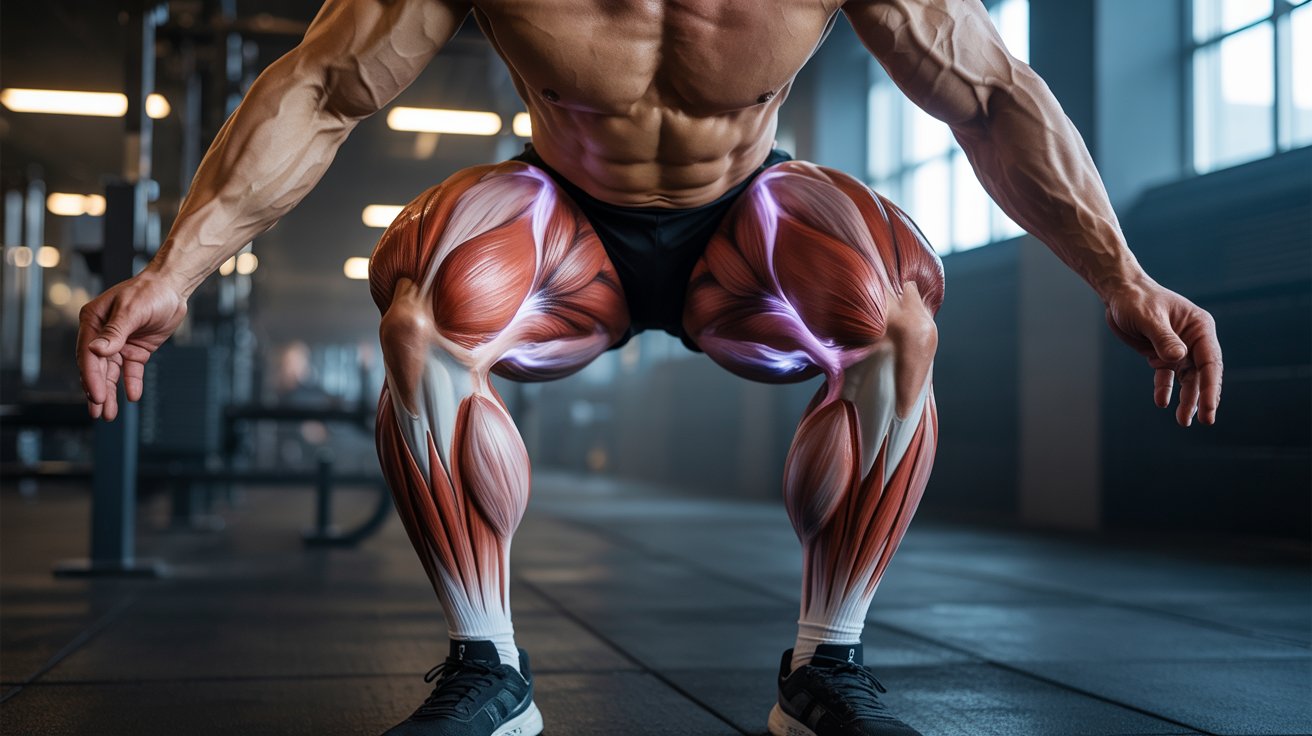
Not all muscles grow at the same speed. Some just respond better to training than others.
Larger Muscle Groups Grow Faster
Bigger muscles have more muscle fibers. More fibers mean more room for growth. That is why muscles like your quads and glutes tend to bulk up faster. They have a lot of raw material to work with.
Fast-Twitch Muscle Fibers
Some muscles have more fast-twitch fibers. These fibers are built for power and strength. They respond really well to heavy lifting and resistance training. Muscles loaded with fast-twitch fibers tend to grow quicker when you push them hard.
Less Daily Usage = Faster Growth
Muscles you do not use much in daily life are easier to grow. They are fresh and untouched. Once you start training them, they respond fast. Your body is not used to the load, so it adapts quickly to keep up with the demand.
Top Easiest Muscles to Grow (Ranked)
Some muscles grow faster simply because of how they are built. Here are the top ones that show results quickly with the right training.
1. Trapezius (Traps) – Fastest Visible Gains
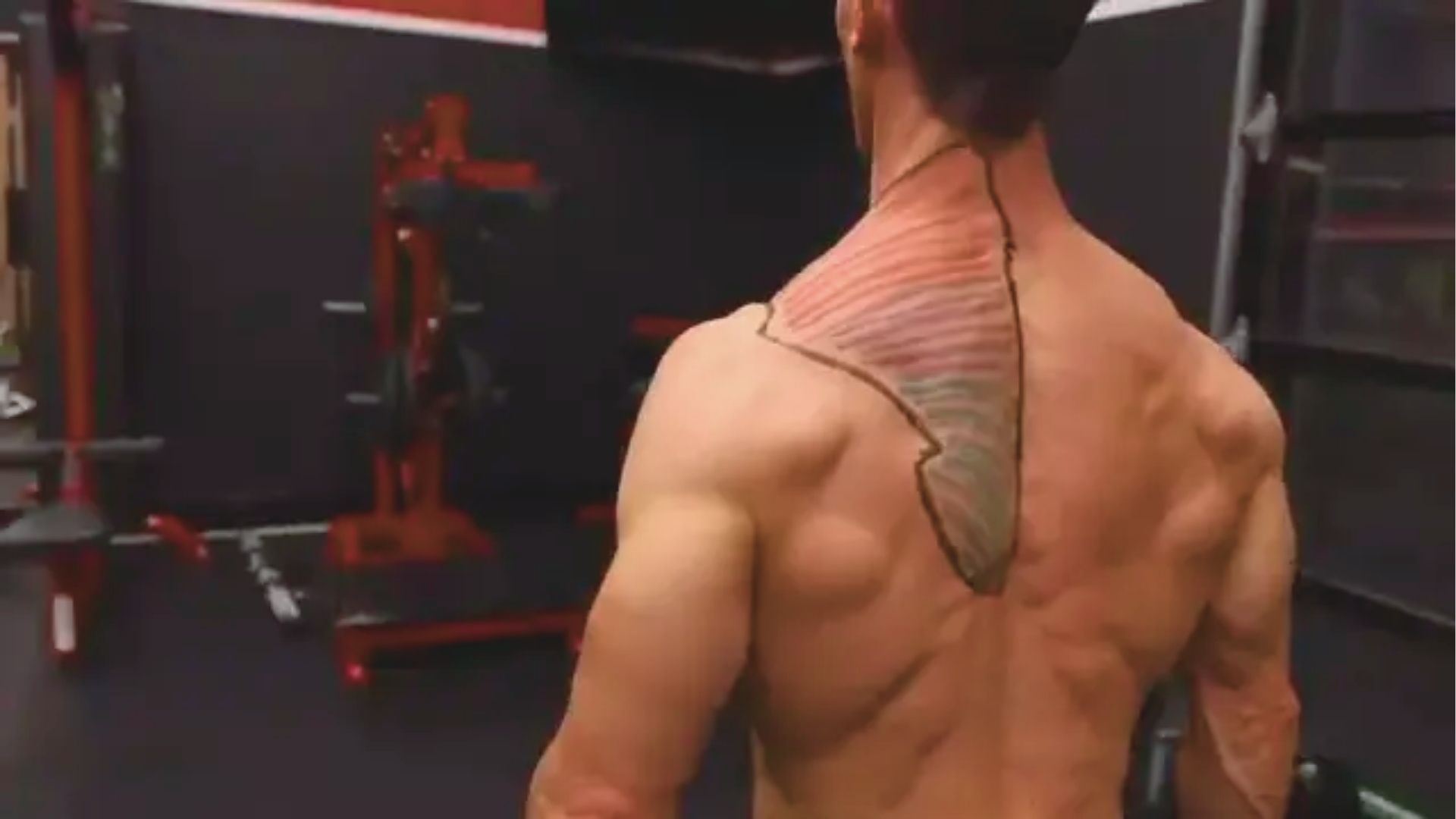
Traps respond fast to heavy lifting. Exercises like shrugs, deadlifts, and rows put direct load on this muscle.
Since it is large and rarely isolated in daily life, it grows quickly once you start training it with real intensity.
2. Quadriceps (Quads) – Powerful Leg Growth
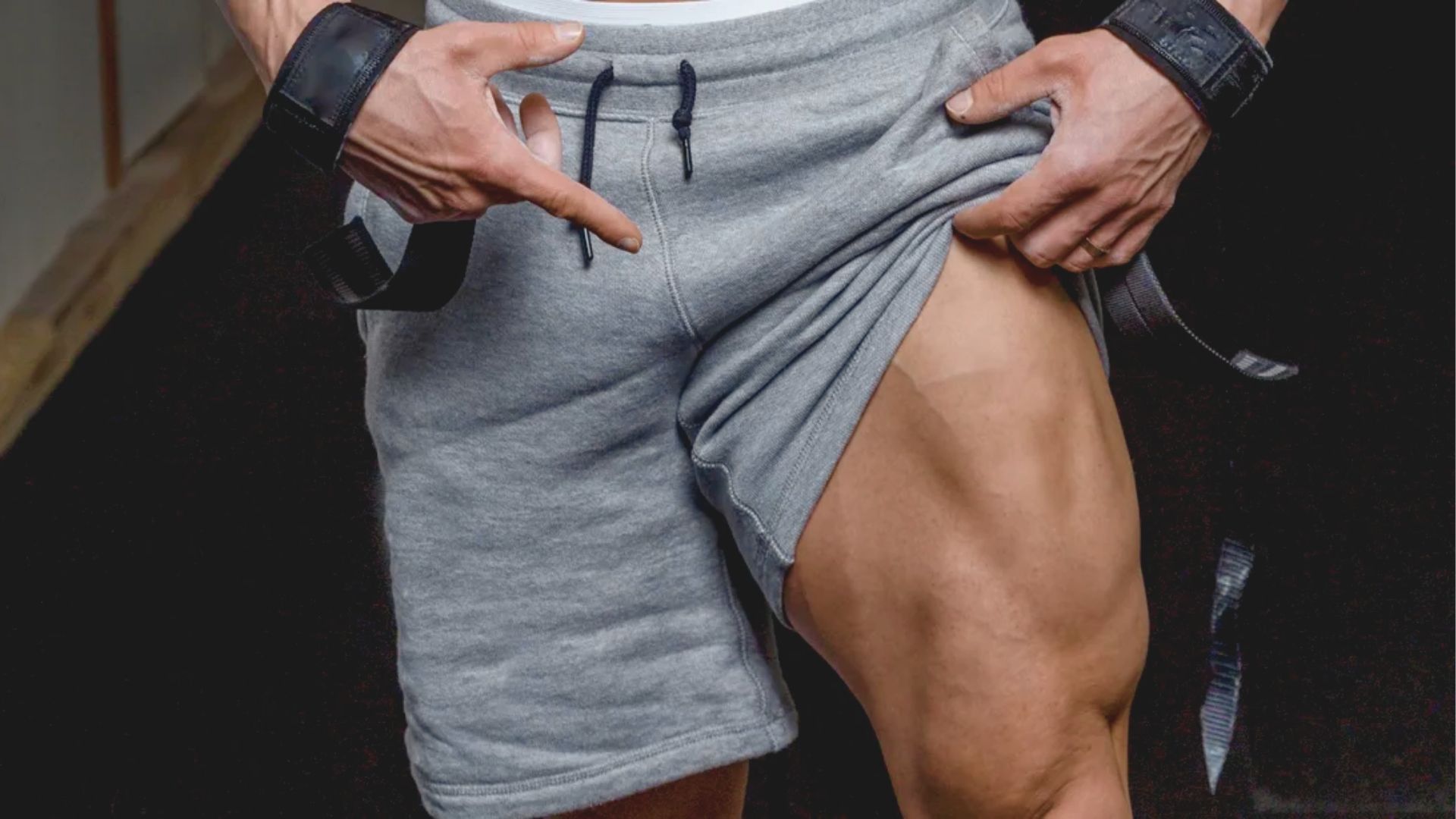
Quads are among the biggest muscles in your body. Squats and leg press hit them hard and trigger fast growth.
They have a high number of muscle fibers, which means they respond well and show size gains relatively quickly with consistent training.
3. Glutes – Biggest Muscle, Quick Results
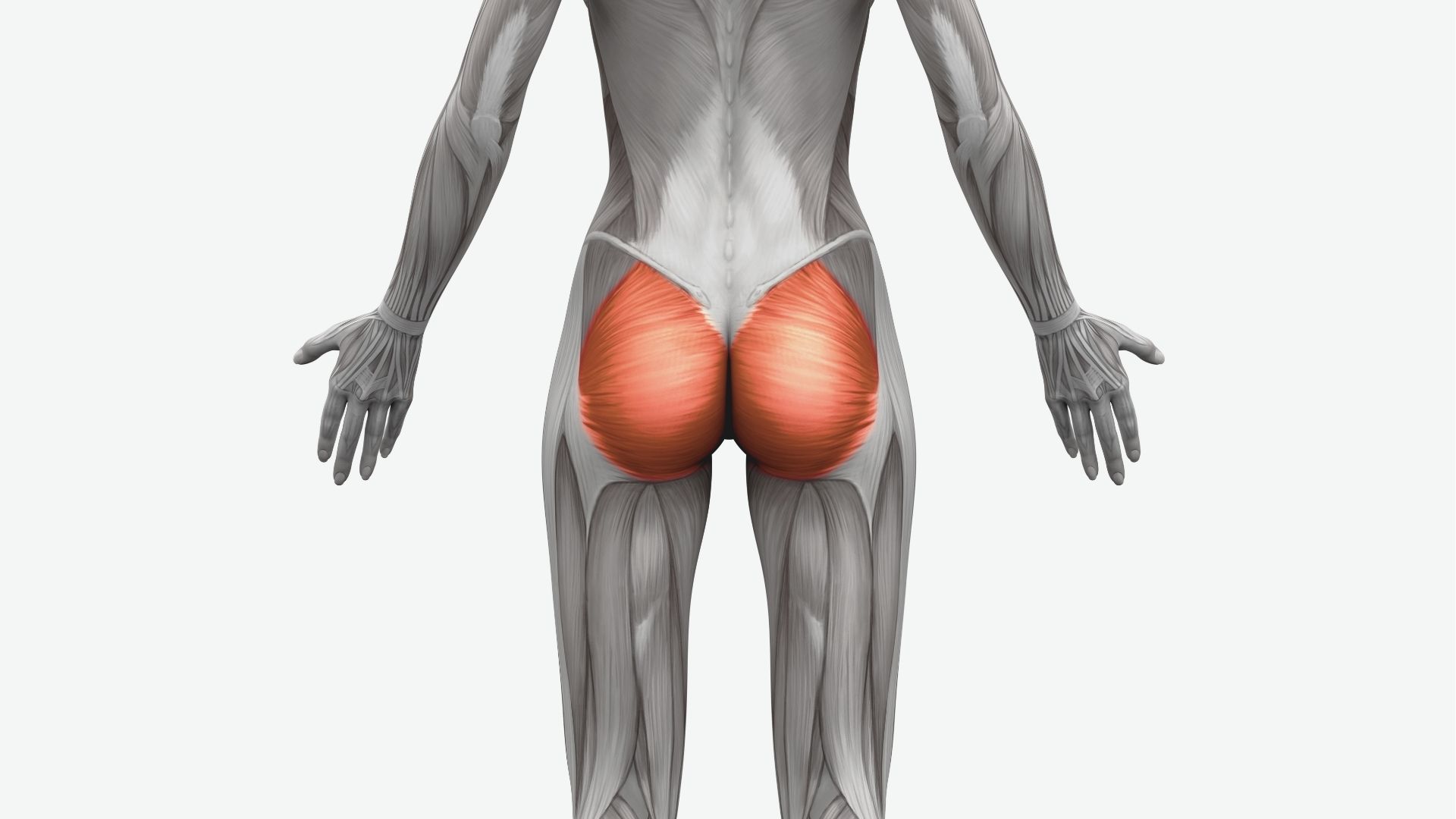
The glutes are the largest muscle group in the body. Compound moves like squats, hip thrusts, and lunges activate them fully.
They respond well to progressive overload and show noticeable changes in shape and size within a few weeks of training.
4. Latissimus Dorsi (Back) – Builds V-Taper Fast
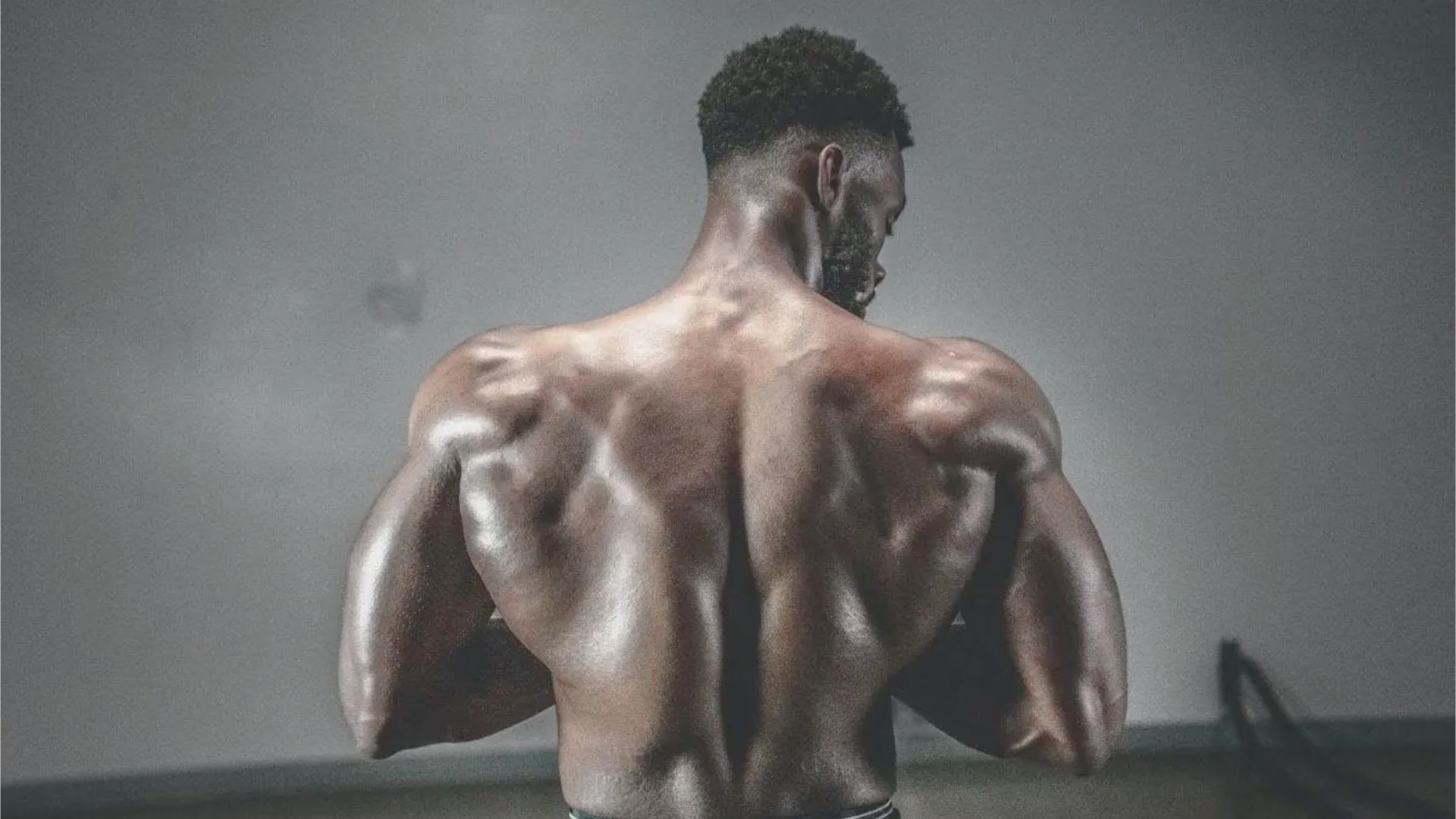
The lats are a wide, flat muscle across your back. Pull-ups, rows, and lat pulldowns work them well.
Since most beginners have undertrained lats, they grow fast once targeted. A strong lat gives your body that wide, athletic V-shape look quickly.
5. Biceps and Triceps (Arms) – Easy to Isolate

Arms are easy to train and fun to track. Bicep curls and tricep pushdowns isolate these muscles well.
They respond fast to focused work. Since they are visible daily, even small gains feel noticeable and keep you motivated to keep going.
Easiest Muscles to Grow for Beginners
Starting out is actually the best time to build muscle. Your body responds fast and results come sooner than you think.
What Are “Newbie Gains”?
Newbie gains are the rapid muscle growth beginners experience in their first few months of training. Your body is not used to lifting, so it adapts quickly. Muscles grow faster during this phase than at any other point. It is a short window, so make the most of it.
Best Muscle Groups to Start With
As a beginner, focus on legs, back, shoulders, and arms first. These are the groups that respond fastest early on. Legs and back are large muscle groups that build strength quickly.
Shoulders and arms are easier to isolate and show visible progress fast. Starting with these keeps you motivated and builds a strong foundation for everything else.
Muscles That Are Harder to Grow (Avoid Early Frustration)
Not every muscle grows at the same pace. Some take longer, and that is completely normal. Knowing this upfront saves you a lot of frustration.
1. Calves and Forearms
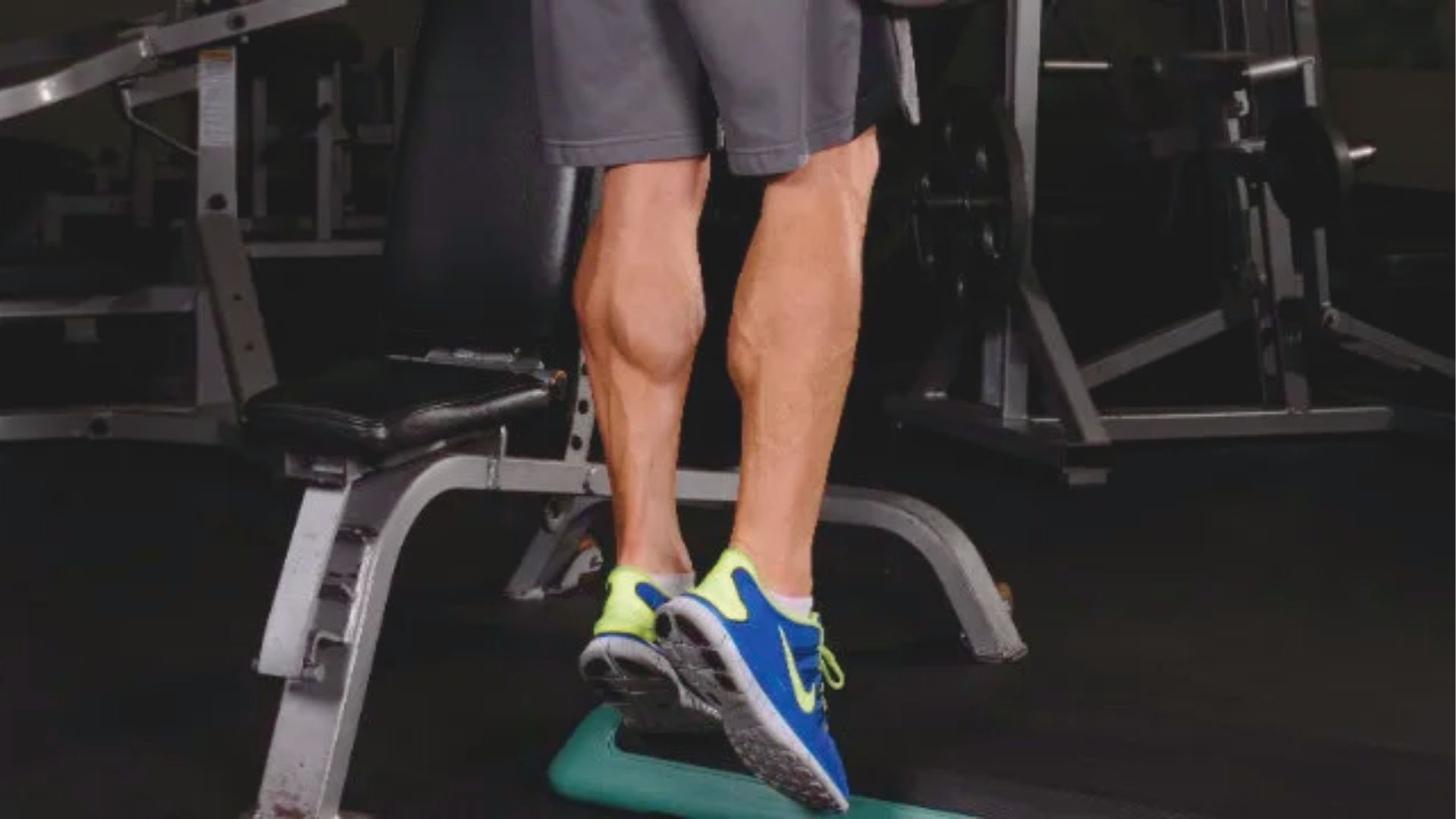
Calves and forearms are used constantly throughout the day. Walking, gripping, standing. All of it.
Because they are always active, they are already conditioned. That makes it harder to shock them into new growth. They need extra focused work and patience.
2. Abs (Core Muscles)

Abs are one of the slowest muscles to show visible results. Training them is not the hard part.
The real issue is body fat. No matter how much you train your core, abs will not show until your diet is in check. Consistency with both is key.
3. Hamstrings and Lower Back
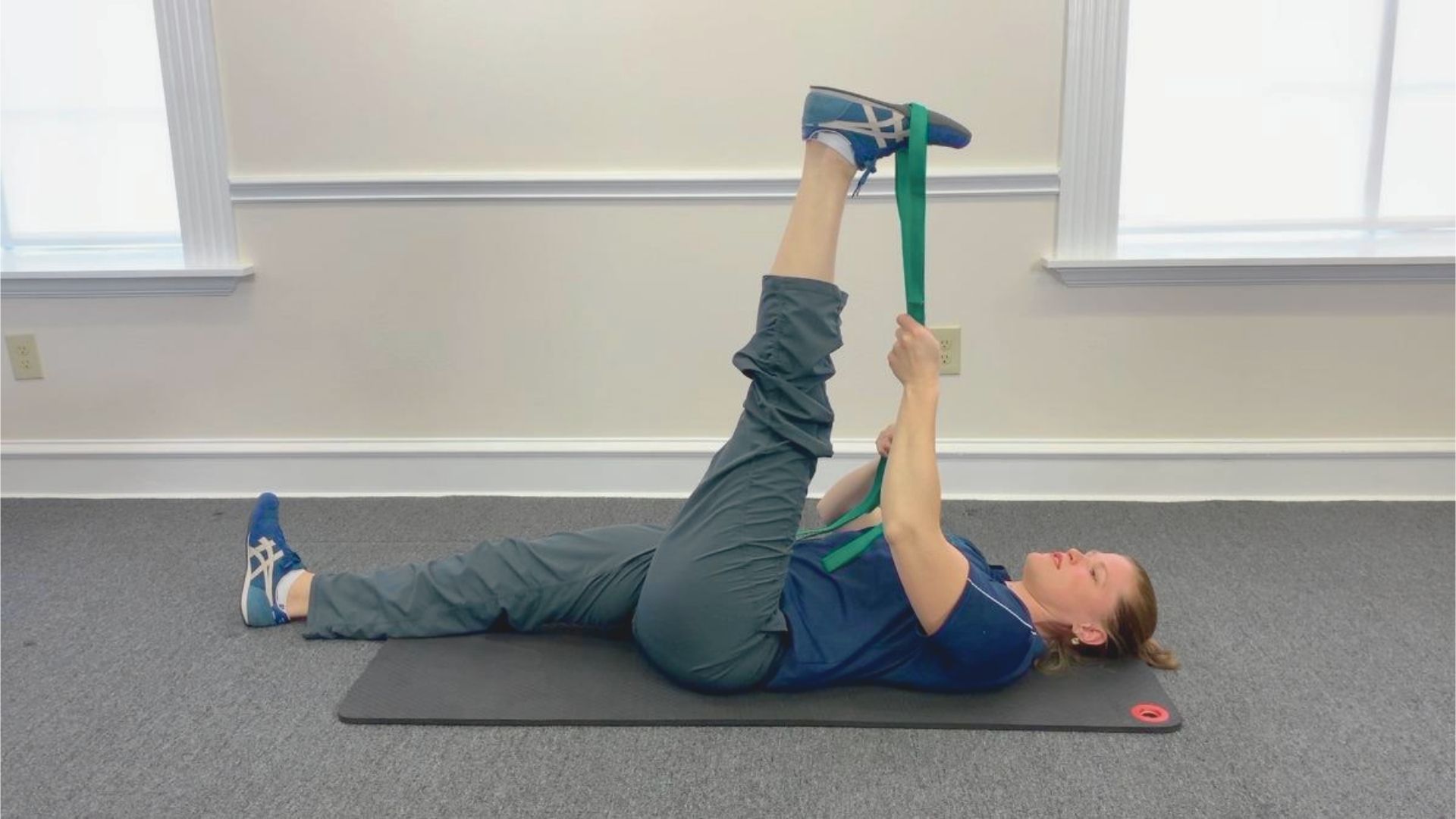
These muscles sit at the back of your body and are easy to neglect. Most beginners focus on what they can see in the mirror.
Hamstrings and lower back get left out. They also need very specific movements to get properly activated and grow over time.
Tips to Grow Muscles Faster (Beginner-Friendly)
- Progressive Overload: Add more weight or reps each week. Your muscles grow when you keep pushing them beyond what they are used to.
- Eat Enough Protein: Aim for at least 0.8 to 1 gram of protein per pound of body weight. No fuel means no growth, it is that simple.
- Eat in a Calorie Surplus: You need more calories than you burn to build muscle. Even a small surplus of 200 to 300 calories a day makes a big difference.
- Focus on Proper Form: Bad form slows progress and leads to injury. Learn the right technique first, then worry about adding more weight.
- Rest and Recover: Muscles grow during rest, not during the workout. Get 7 to 8 hours of sleep and take rest days seriously.
Conclusion
I always tell beginners the same thing. Start with the muscles that grow fastest. Traps, glutes, quads, and arms will show results early and keep you motivated.
Once you build that confidence, moving on to harder muscle groups feels much less overwhelming. Trust the process and stay consistent. Progress is progress, no matter how small.
Ready to start building? Pick one muscle group today and get to work.
Frequently Asked Questions
What is the easiest muscle to grow for beginners?
Traps, glutes, and quads are the easiest muscles to grow when starting out. They are large, respond fast to training, and show visible results within a few weeks.
How long does it take to see muscle growth?
Most beginners start noticing changes within 4 to 6 weeks of consistent training. Results depend on your diet, sleep, and how hard you train each session.
Why do beginners gain muscle faster than experienced lifters?
Beginners experience something called newbie gains. The body is not used to resistance training, so it adapts quickly and builds muscle faster in the early months.
Which muscles take the longest to grow?
Calves, forearms, and abs are among the slowest muscles to show visible growth. They are used daily, already conditioned, and need very focused and consistent training over time.
How much protein do I need to build muscle faster?
Aim for 0.8 to 1 gram of protein per pound of body weight each day. Protein is what your body uses to repair and build muscle after every workout.


