

Can walking actually make your butt bigger? It’s one of the most searched fitness questions out there, and the answer might surprise you.
In this article, I’ll break down exactly how walking affects your glutes, what power walking and incline walking can do for you, and how to get real results.
We’ll cover how glute muscles work, whether walking actually builds your butt, power walking tips that help, and how long results take.
I’ve spent years researching fitness and working with training plans, so you’re getting straight, honest information here.
Let’s get into it.
Understanding Glute Muscles
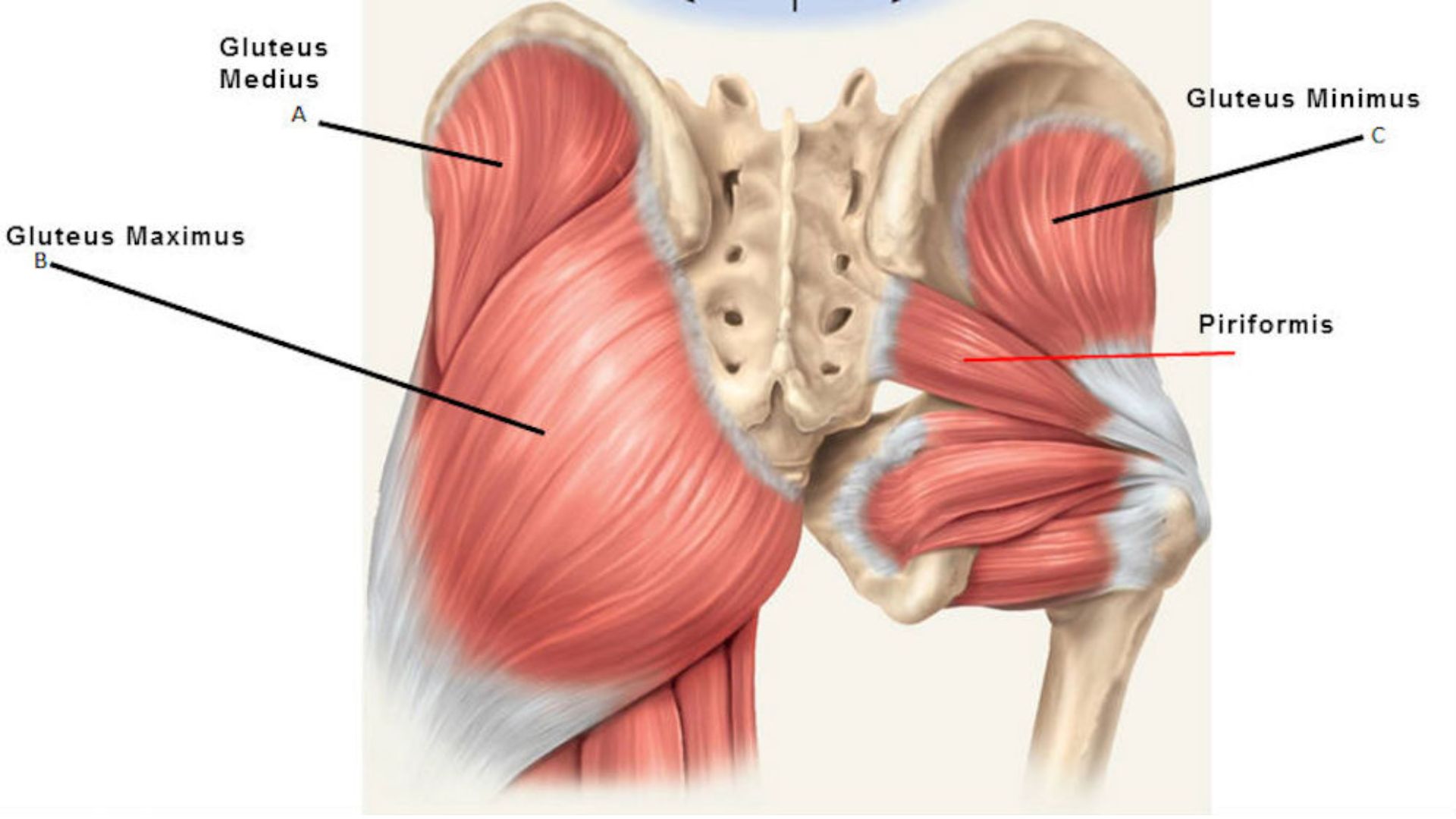
Your glutes are made up of three muscles. Gluteus Maximus is the largest and gives your butt its shape. Gluteus Medius sits on the side of your hip and helps with balance.
Gluteus Minimus is the smallest and supports hip movement. Together, they power almost every lower-body movement you make.
To grow your glutes, you need hypertrophy, which happens when muscle fibers are stressed and rebuilt stronger.
The key is progressive overload, gradually increasing workout difficulty over time. Toning makes muscles firmer, while building size requires heavier resistance that walking alone can’t provide.
Can Walking Build Your Glutes?
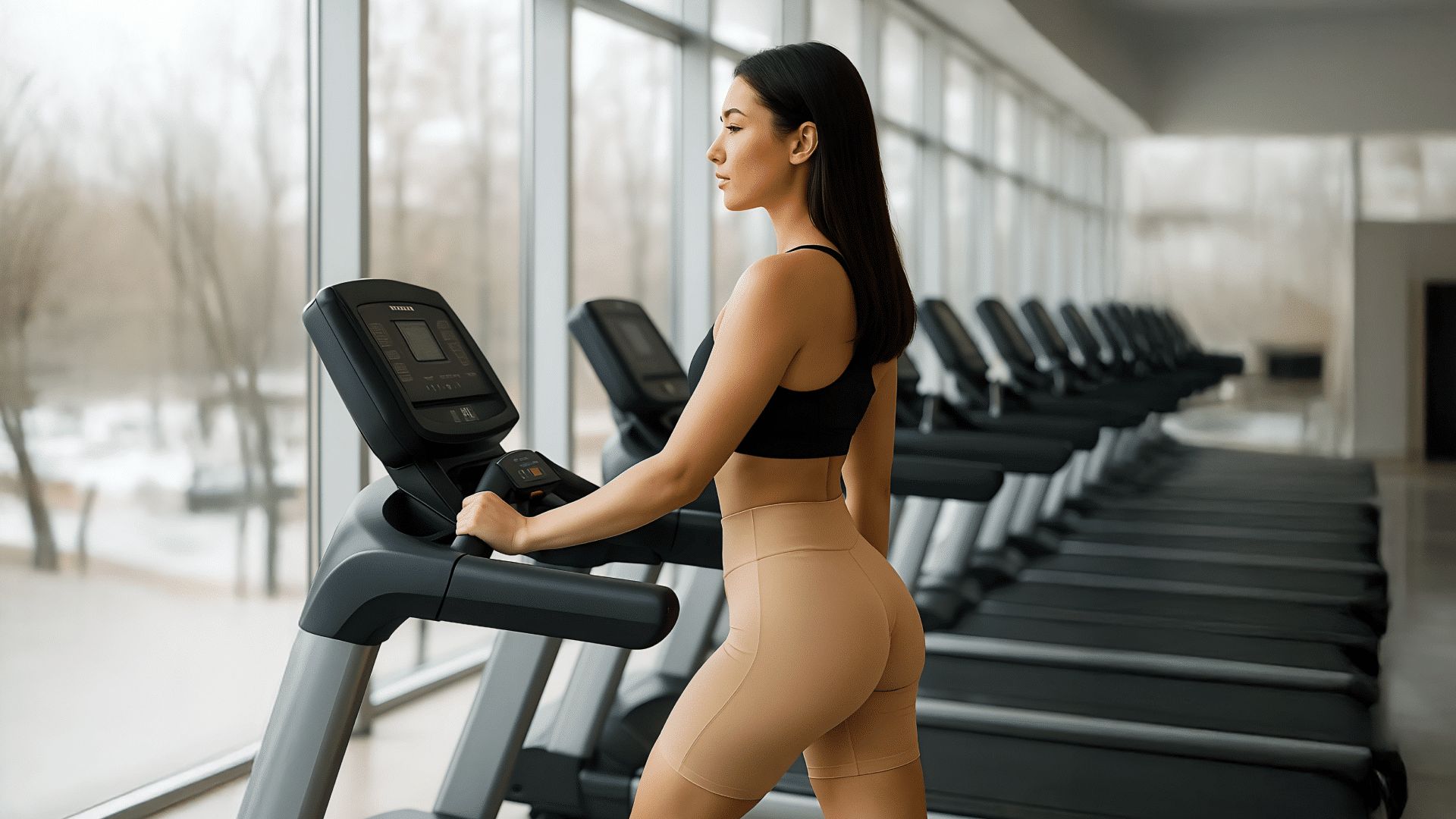
Walking works your glutes, but it doesn’t put enough load on them to trigger real growth. Your body adapts to walking quickly, and once it does, the muscles stop responding.
Resistance training is different. Squats, hip thrusts, and lunges force your glutes to handle heavy loads, which is what drives actual muscle growth.
Walking still helps by building endurance, improving tone, and supporting fat loss so your glutes look more defined. But for real results, it needs to be paired with strength training.
Power Walking Techniques for a Bigger Butt
If you want to get more out of your walks, small changes to how you walk can make a big difference. These techniques increase glute activation with every step.
Using Inclines
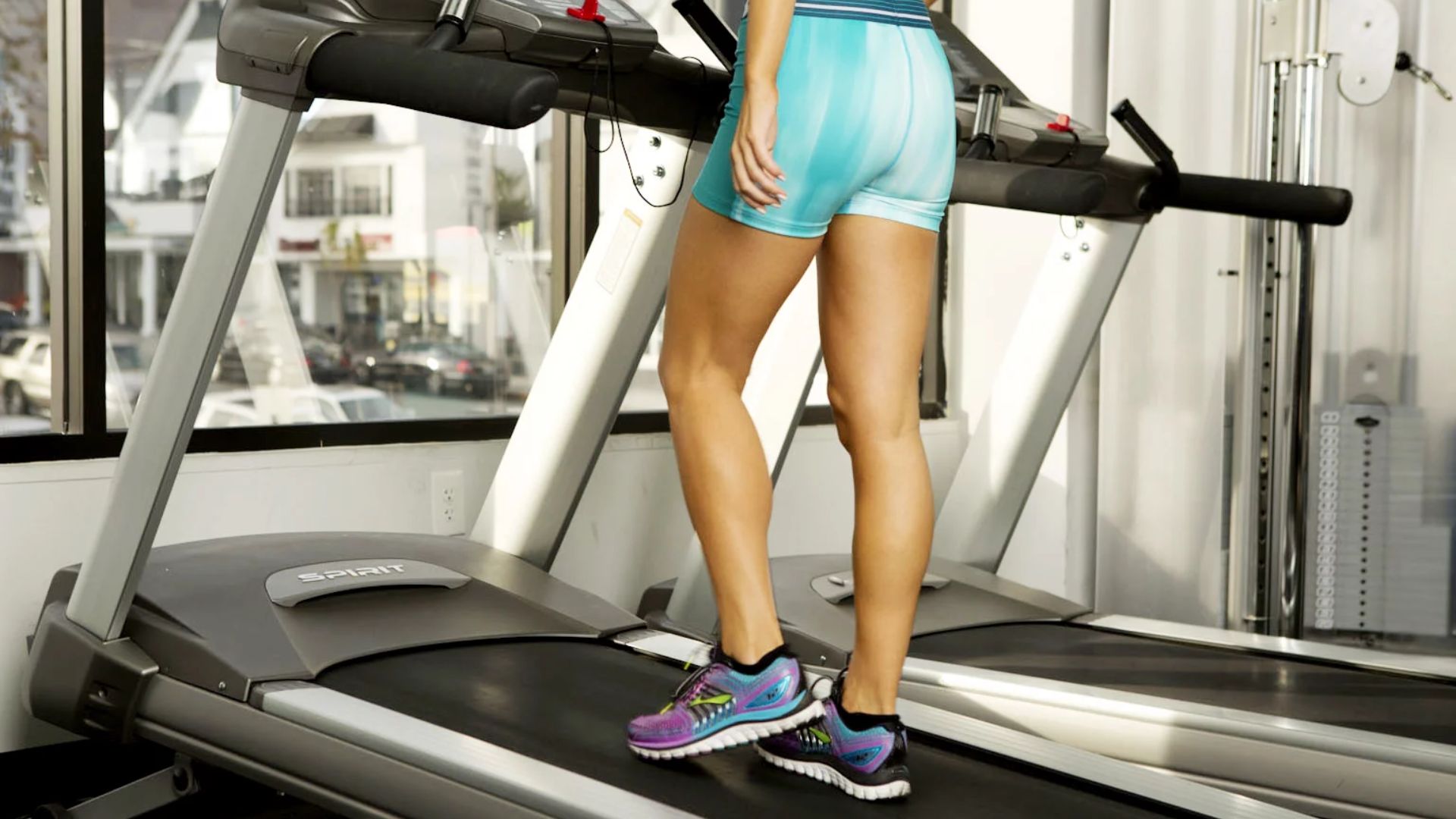
Walking on a flat surface is fine. But walking on an incline changes everything.
When you walk uphill, your body has to push harder with each step. That extra push comes from your glutes. This means more muscle activation and a better workout.
Treadmill incline gives you control. Start at a 5% to 8% incline and increase over time.
Outdoor hills add variety and natural resistance changes that keep your muscles challenged.
Both options work well. The goal is to make your glutes do more work than they would on flat ground.
Walking Speed and Intervals
Brisk walking keeps your heart rate up and your muscles engaged longer. A steady, fast pace builds endurance and keeps the glutes working throughout the workout.
Interval walking takes it further. You alternate between a fast pace and a slow recovery pace. This keeps your muscles guessing and burns more calories in less time.
A simple interval plan looks like this. Walk fast for 1 minute, then slow down for 90 seconds, and repeat for 20 to 30 minutes.
This approach targets both endurance and glute engagement better than a steady walk.
Leg Position and Glute Engagement

How you walk matters as much as how fast you walk.
Incorporate high knees into your walk occasionally. Lifting your knee higher with each step activates the glutes and hip flexors more than a regular stride.
Try a unilateral glute squeeze with each step. As your foot hits the ground, consciously squeeze the glute on that side before taking the next step.
Also, keep your posture upright. Leaning forward shifts the work to your lower back instead of your glutes. Stand tall, engage your core, and let your glutes do the work.
Stair and Step Walking for Glutes
Stairs are one of the most underrated tools for glute work. Adding stair climbing to your routine can make a noticeable difference.
Stair Climbing Benefits
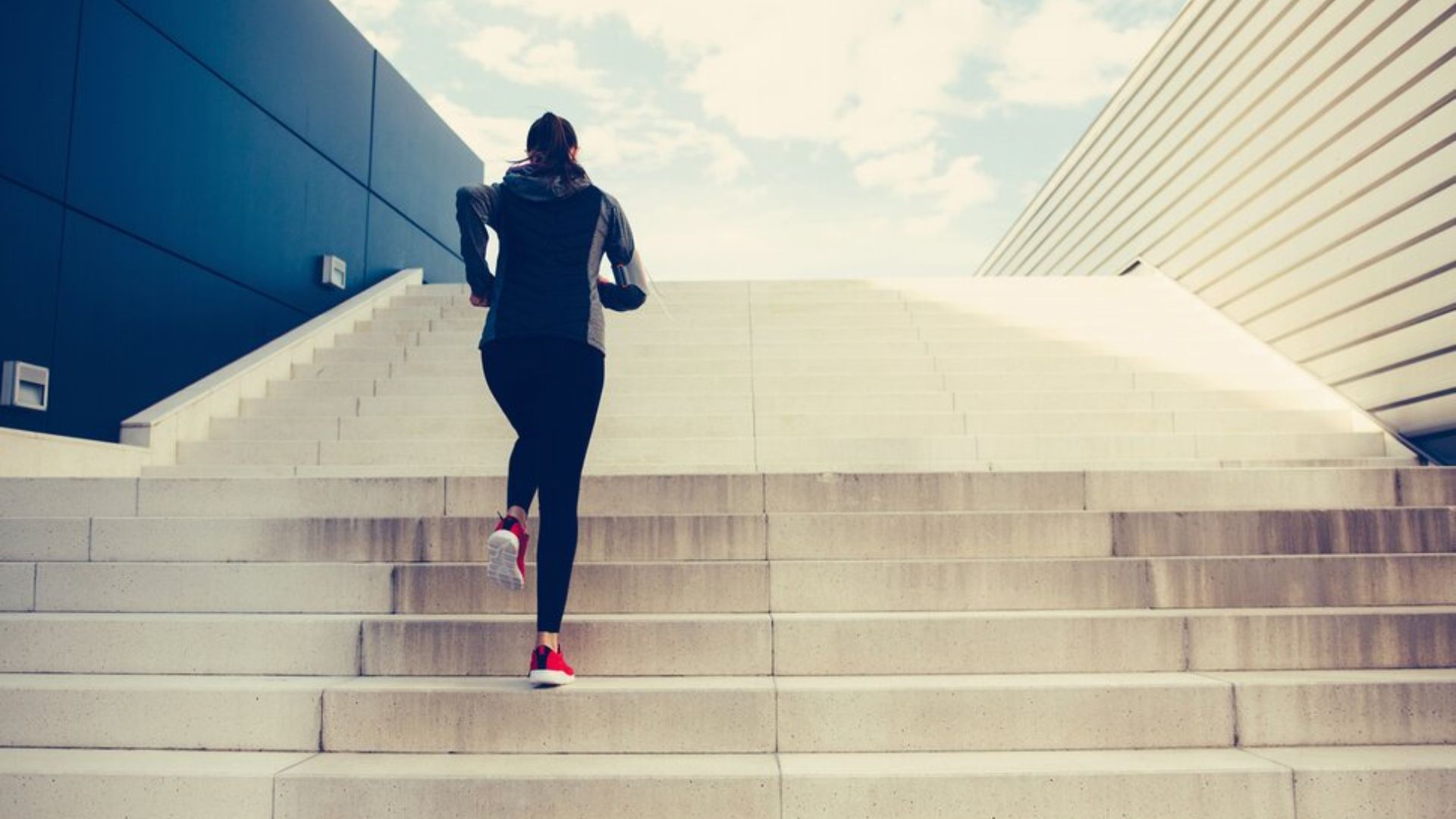
Every time you step up, your glute maximus works to push your body upward. This is called hip extension, and it’s one of the most effective movements for building glute strength.
Stair climbing also activates the posterior chain, which includes your hamstrings and lower back. This creates a more complete lower-body workout.
To make it harder, try carrying dumbbells while climbing stairs to add resistance, or wearing a weighted vest to increase the load on your glutes with every step.
Even without added weight, climbing stairs regularly will firm and shape your glutes over time.
Stairmaster vs Outdoor Stairs
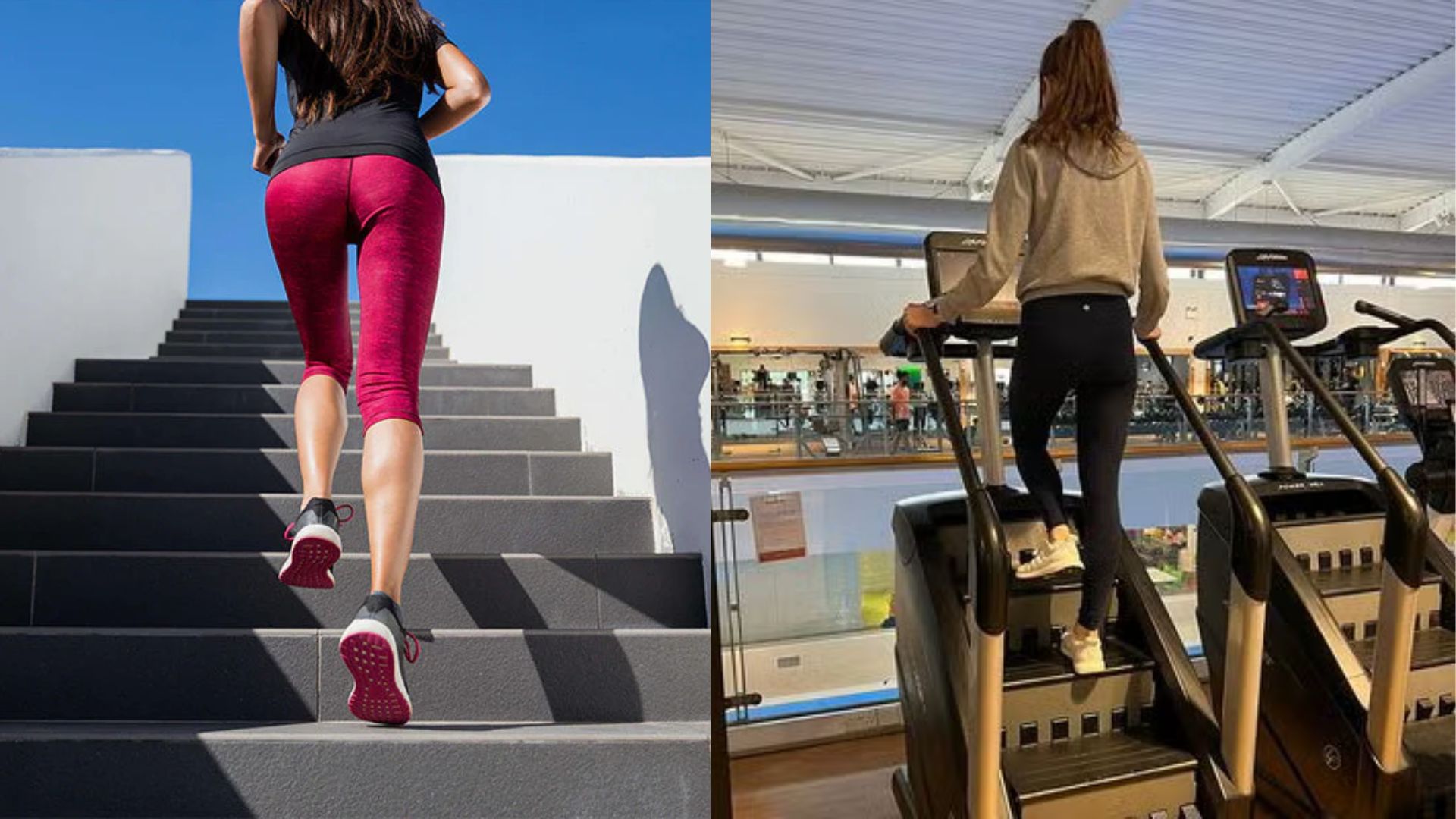
Both options are effective, but they work slightly differently.
The Stairmaster offers a consistent, controlled pace. You can set the speed and maintain a steady glute workout without stopping. It’s great for beginners or bad weather days.
Outdoor stairs vary in step height and surface, which challenges your muscles in different ways. The uneven effort can increase glute recruitment and coordination.
A few safety tips to keep in mind. Keep your chest up and avoid leaning on handrails. Press through your heel, not your toes, to activate glutes. Start slow and build intensity over several weeks.
Tips to Maximize Glute Growth While Walking
Walking is a good start, but these habits are what actually move the needle.
- Add strength training like squats, lunges, and hip thrusts 2 to 3 times per week to trigger real glute growth.
- Eat enough protein daily, around 0.7 to 1 gram per pound of body weight, using sources like eggs, chicken, and Greek yogurt.
- Include healthy fats from avocado, nuts, and olive oil to support hormone function and muscle building.
- Don’t under-eat while training hard, as too few calories can cause your body to break down muscle instead of building it.
- Limit cardio to 30 to 60 minutes most days and never skip strength training in favor of more walking.
How Long Does It Take to See Results?
Everyone wants to know this, and the honest answer is: It depends on where you’re starting and how consistent you are.
For toning and firmness, most people notice changes within 4 to 6 weeks of consistent walking, especially if they add inclines and interval training.
For visible glute growth, expect at least 8 to 12 weeks of combined walking and strength training before you see real shape changes.
Results come faster when you walk at least 4 to 5 times per week, include 2 to 3 strength training sessions weekly, eat enough protein to support muscle repair, and progress your workouts over time.
Consistency matters more than intensity at the start. Small, steady efforts over weeks add up to big changes.
Conclusion
Walking alone won’t give you a dramatically bigger butt, but it’s far from useless. Power walking, inclines, and stair climbing do activate your glutes, and combined with strength training, the results can be real.
I started adding incline walks to my own routine and noticed my legs and glutes felt firmer within a few weeks. It’s a simple change that actually works.
If this guide helped you, drop a comment below and let me know what you’re trying first. Share it with a friend who’s been asking the same question. And check out our strength training guides to take the next step.
Frequently Asked Questions
Does walking tone your butt?
Yes, walking does tone your glutes over time. It keeps the muscles active and firm, though it won’t dramatically increase size on its own.
How much walking do I need to see glute results?
Aim for 30 to 60 minutes of brisk or incline walking, at least 4 to 5 days per week, for noticeable toning results within a few weeks.
Is incline walking better than flat walking for glutes?
Yes, incline walking forces more glute activation with every step. Even a moderate incline of 5% to 8% makes a clear difference compared to flat walking.
Can I grow my glutes without going to the gym?
Yes. Stair climbing, hill walks, and bodyweight exercises like squats and lunges at home can all support glute growth without a gym membership.
How does diet affect glute growth from walking?
Eating enough protein helps your muscles repair and grow. Without proper nutrition, even the best workout routine won’t produce the glute results you’re after.


