

Thinking about adding Muscle Milk to your routine but worried it might make you gain weight? You’re not alone.
This article breaks down exactly how Muscle Milk affects your body, your calories, and your goals.
We’ll cover what’s inside it, how it works, and when it helps vs. when it adds unwanted weight.
I’ve spent years researching protein supplements, and I want to give you clear, honest answers, not guesswork.
By the end, you’ll know what Muscle Milk is and how it works, whether it causes weight gain, and what the benefits, risks, and smarter alternatives are.
Understanding Muscle Milk
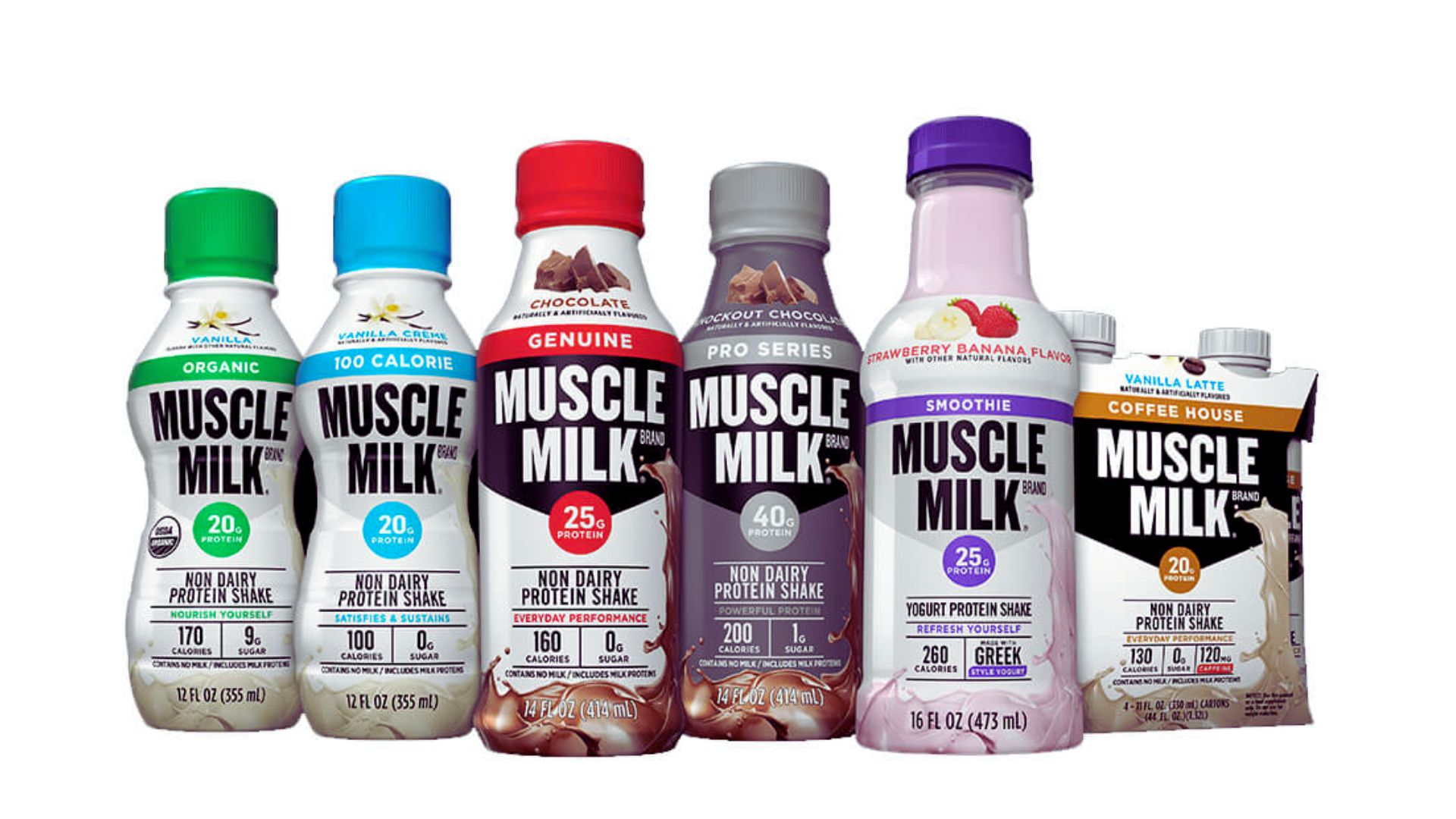
Muscle Milk is a protein supplement by CytoSport. It comes in shakes, powders, and bars.
Regular Muscle Milk suits everyday fitness users, while Muscle Milk Collegiate has more calories for student-athletes.
It contains a blend of whey isolate, casein, milk protein, MCTs, and added vitamins and minerals.
Whey isolate digests fast and reaches muscles quickly. Casein works slowly, feeding muscles for hours. MCTs burn for energy but still carry calories.
Too many calories from any source can lead to weight gain, so it works best with regular exercise and a balanced diet.
Can Muscle Milk Lead to Weight Gain?

Yes, it can. Calories, exercise habits, and product type all play a role.
Caloric Content and Daily Intake
A standard serving of Muscle Milk powder has around 150 to 160 calories. The ready-to-drink version can reach 160 to 230 calories. Basic whey protein shakes sit at just 100 to 120 calories per serving.
If you add Muscle Milk on top of your regular meals without adjusting, those extra calories add up fast. The product itself doesn’t cause weight gain. Extra calories do.
Role of Exercise
Muscle Milk is made for active people. Used with regular workouts, it helps build lean muscle. Without exercise, your body stores those extra calories as fat.
Timing matters too. Drinking it before or after a workout puts it to good use. Drinking it late at night with no activity is a different story.
Carbs, Fats, and Muscle Milk Variants
Regular Muscle Milk has moderate carbs and fat, suitable for most routines. The Collegiate version has more calories and carbs, made for high-level athletes.
Picking Collegiate when you train lightly means taking in more calories than your body needs.
Some flavors also carry added sugars that spike insulin and make fat storage easier. Always check the label for total calories, sugar, and serving size.
Benefits of Muscle Milk

When used the right way, Muscle Milk supports recovery and daily nutrition.
Supports Muscle Recovery
Muscle Milk’s whey isolate delivers protein fast after a workout. Casein and milk protein then work slowly, feeding your muscles for hours.
This makes it helpful for strength trainers, endurance athletes, and anyone training on back-to-back days.
Convenient Meal Supplement
One serving gives you around 25 grams of protein, healthy fats from MCTs, carbs for energy, and key vitamins like calcium and vitamin D.
It works well as a quick meal addition when you’re short on time. That said, it should not replace full meals every day.
Risks and Considerations
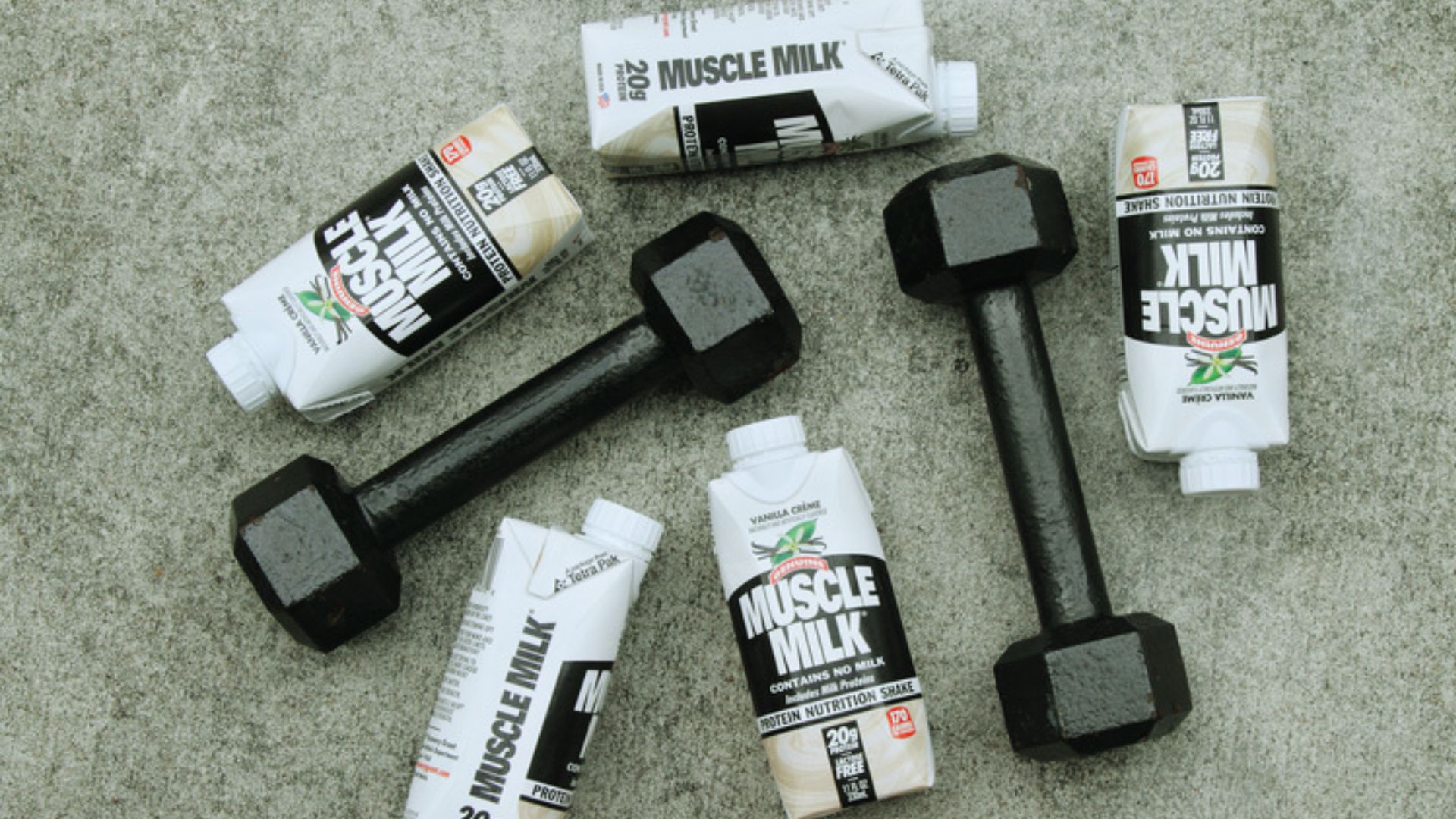
Muscle Milk has some real downsides worth knowing before you use it.
Not Ideal for Post-Workout Alone
Muscle Milk is not the best post-workout shake. Its high fat content slows protein absorption, and your muscles need fast nutrition right after training.
Research suggests the best post-workout ratio is around 3:1 or 4:1 carbs to protein. Muscle Milk often misses that mark. A leaner whey protein shake may serve you better right after a workout.
Price and Safety Concerns
A tub of Muscle Milk powder can cost $30 to $50, which is higher than most basic whey options.
Two safety points worth noting: some older formulas contained hormone precursors that raised concerns for drug-tested athletes, and the Collegiate version, while marketed as NCAA-compliant, should still be verified with your program’s compliance staff.
Never assume a product is safe just because of its label.
Tips to Avoid Unwanted Weight Gain
Using Muscle Milk smartly makes all the difference. Here are simple ways to keep it working for you, not against you.
- Monitor your daily calorie intake. Know roughly how many calories you need each day. Add Muscle Milk into that count, not on top of it.
- Combine it with regular exercise. Muscle Milk is made for active people. Pair it with at least 3 to 4 workout sessions per week to put those calories and protein to good use.
- Choose the right type. If you’re not a high-level athlete, stick to the regular version. The Collegiate formula has too many calories for lighter training schedules.
- Watch your portion size. One serving is usually enough. Two servings a day is possible if you’re very active, but easy to overdo.
- Read the label every time. Flavors vary. Some have more sugar and fat than others. Check before you commit to a flavor or version.
Alternatives to Muscle Milk

If Muscle Milk doesn’t feel right for your goals, there are solid options worth trying.
Other Whey Protein Supplements
If you want something leaner and simpler, standard whey protein powders are a strong choice. Options like Optimum Nutrition Gold Standard Whey or Isopure Zero Carb offer higher protein per serving, fewer calories, lower fat content, and a lower cost per serving.
They don’t have the slow-release protein blend that Muscle Milk offers, but they are easier on your calorie budget and work well for lean muscle gain or weight management.
Plant-Based Protein Options
Not everyone wants dairy-based protein, and plant-based options have come a long way. Pea protein is high in protein and easy to digest.
Brown rice protein is often paired with pea protein for better coverage. Soy protein is one of the most complete plant proteins available, and hemp protein is lower in protein but rich in healthy fats and fiber.
Brands like Orgain, Vega, and Garden of Life offer clean plant-based shakes that support muscle recovery without the dairy or extra fat found in Muscle Milk.
Conclusion
So, does Muscle Milk make you gain weight? Honestly, it depends on how you use it.
I’ve seen people use it and build great muscle. I’ve also seen people drink it daily while barely moving and wonder why the scale crept up.
The product isn’t the problem. How you use it is.
If you stay active, count your calories, and pick the right version for your goals, Muscle Milk can work well for you.
Found this helpful? Leave a comment below or share it with someone who’s been asking the same question.
Frequently Asked Questions
Is Muscle Milk good for weight loss?
Muscle Milk is not made for weight loss. Its calorie count is higher than most protein shakes, so a leaner option may work better for you.
Can I drink Muscle Milk every day?
Yes, but watch your total daily calories. If you are not very active, daily use can add extra calories over time.
Does Muscle Milk build muscle without working out?
No. Protein alone does not build muscle. Without exercise, those extra calories will likely be stored as fat.
How much protein is in one serving of Muscle Milk?
Most servings contain around 25 grams of protein. Always check the label since it varies by product and flavor.
Is Muscle Milk safe for teenagers?
It is generally safe for active teens. Still, checking with a doctor first is always a smart move.


