

Someone told me I looked taller after I lost weight. I hadn't grown an inch.
That got me curious. Does losing weight make you taller, or is something else going on?
I looked into science. I checked what actually happens to your spine, your posture, and your body shape when the weight comes off.
And I'm sharing everything I found right here.
In this blog, I'll cover what really controls your height, how weight affects your spine, why you look taller after losing weight, and the most common myths people still believe.
You'll leave with clear answers. No confusion. Just the truth.
Does Losing Weight Increase Height or Just Change Appearance?
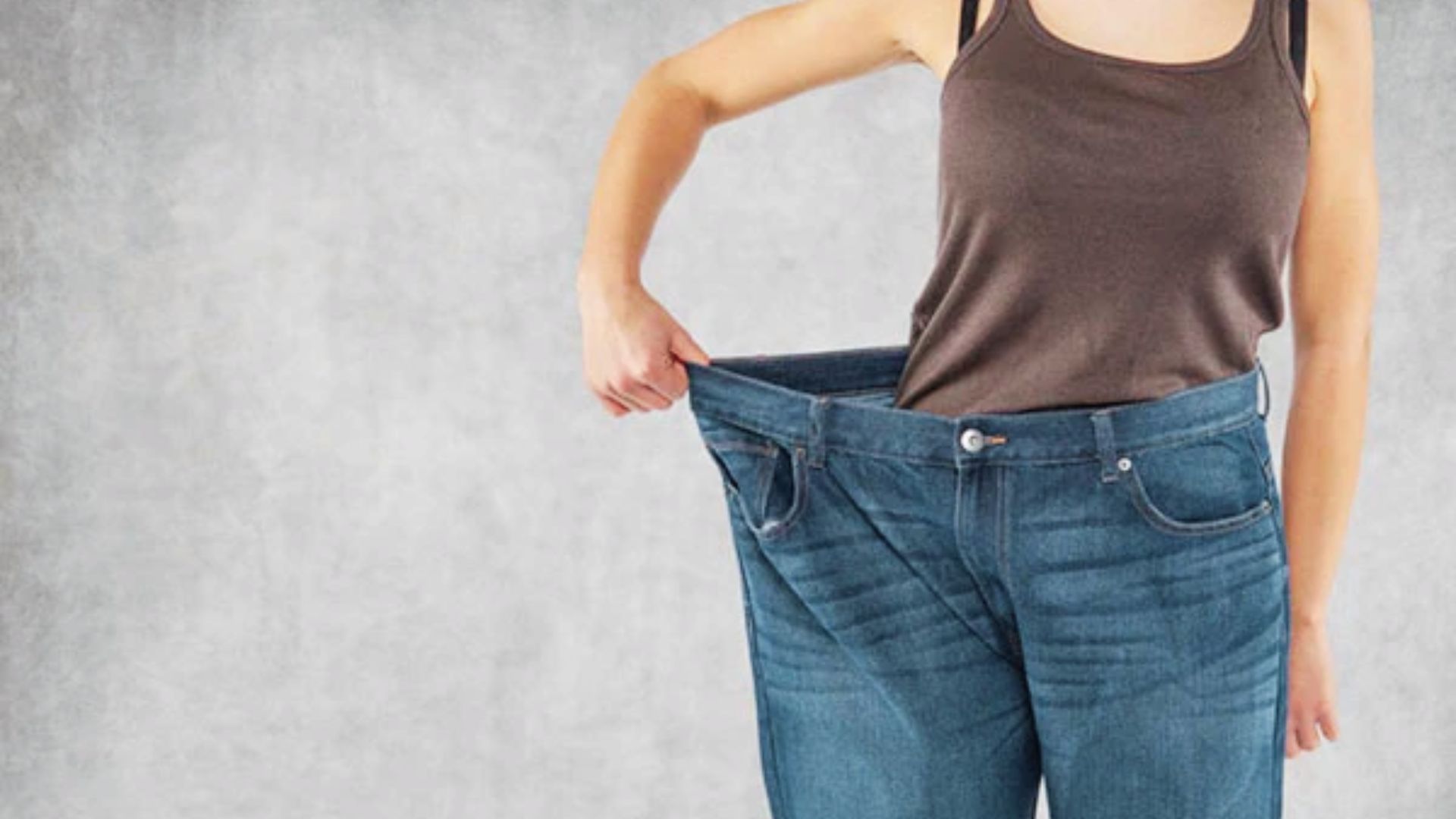
Here's the straight answer. Your height is set by your bone length and growth plates.
Once those plates close, usually in your late teens, your bones stop growing.
No diet, workout, or weight loss can change that. So, losing weight does not make you actually taller. Your skeleton stays the same size.
But here's the thing. Your perceived height can change. When you lose weight, your posture improves, your body looks leaner, and you stand straighter.
That changes how tall you appear to others.
Biomechanics of Weight Loss and Body Posture
Your weight has a bigger effect on how you stand than most people realize.
Spinal Load and Body Weight Distribution
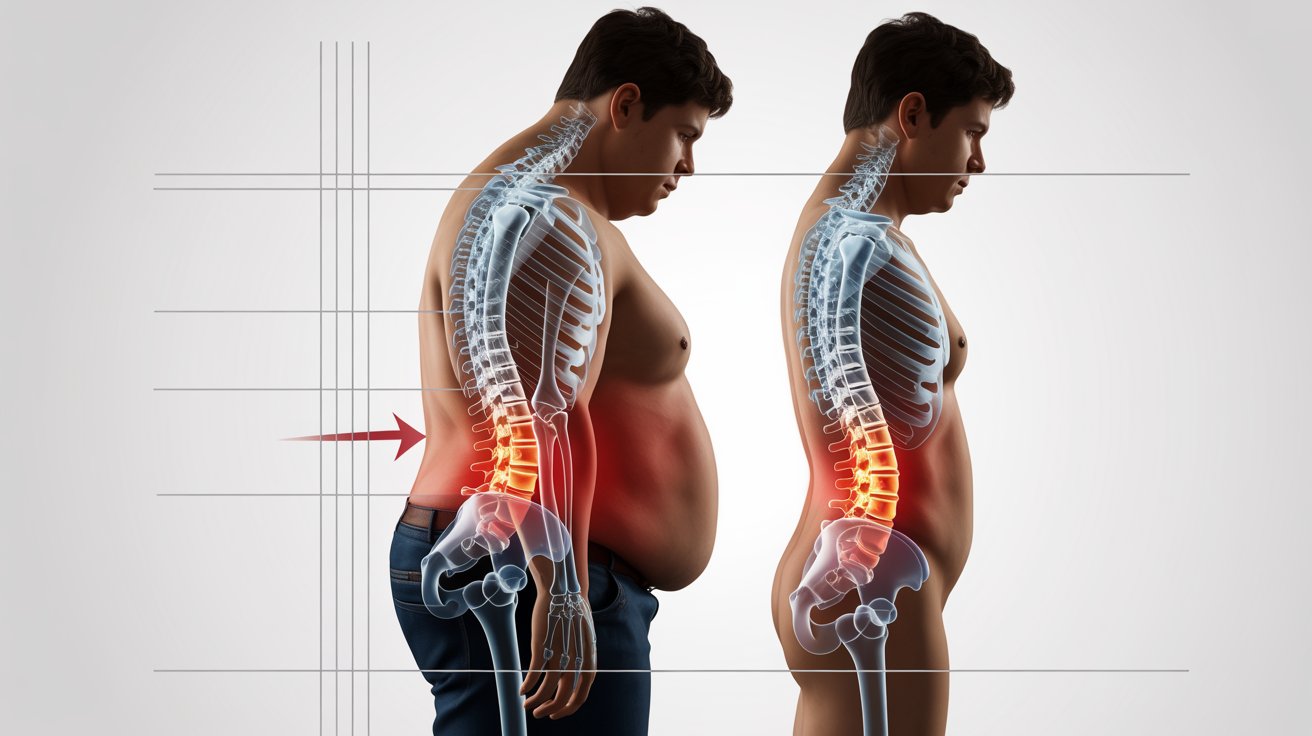
Carrying extra weight puts real pressure on your spine. Every pound adds mechanical stress to your intervertebral discs.
Over time, this compression can affect how you stand and move. Belly fat is a big culprit.
It pulls your center of gravity forward, which makes you lean or slouch without noticing. This constant pressure changes your posture gradually. Your spine takes a hit every day.
Postural Adaptations From Excess Weight
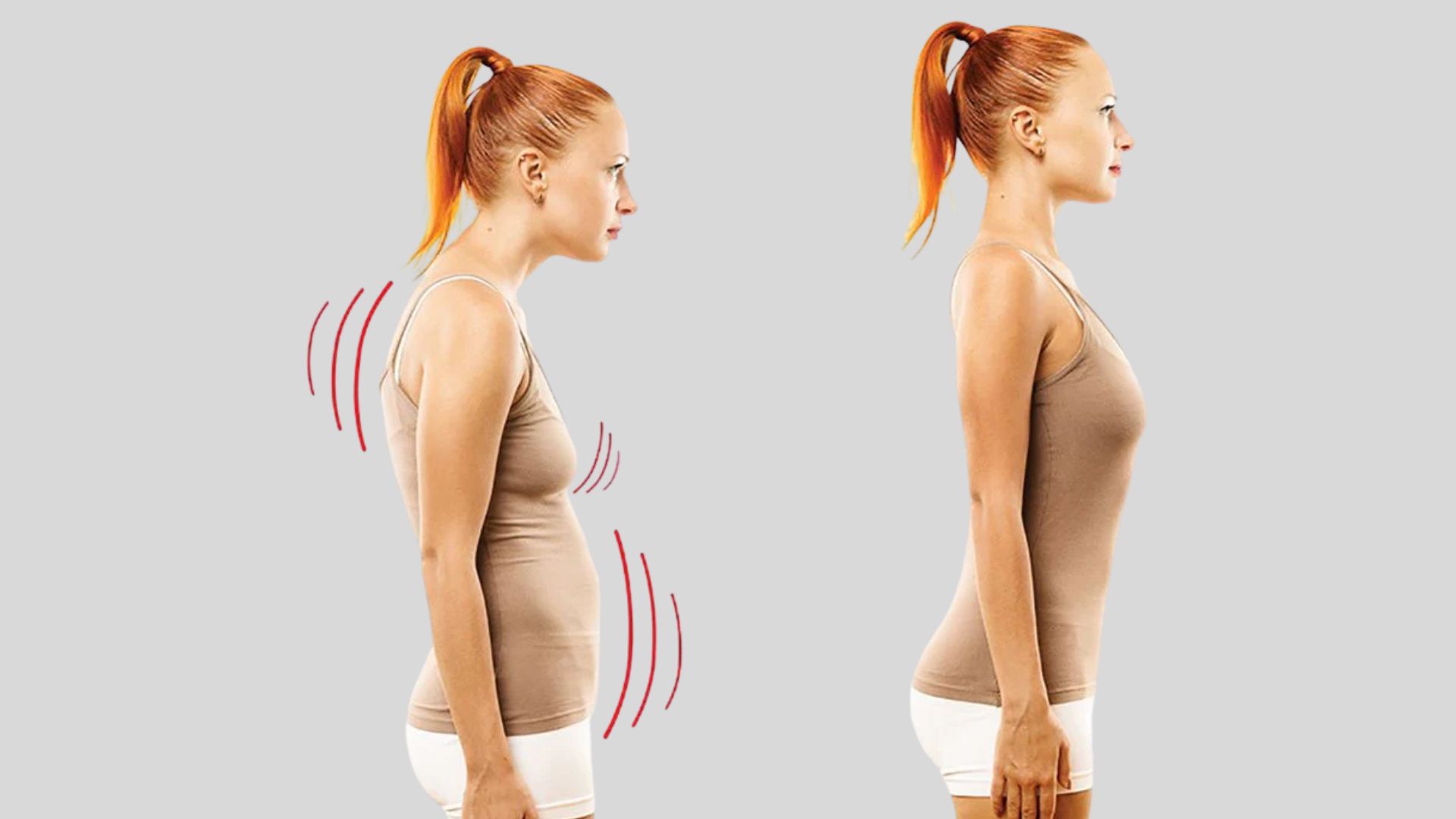
Your body adjusts to the load it carries. With extra weight, especially around the belly, your shoulders may round forward.
Your head might jut out slightly. Your pelvis can tilt because of the weight pulling at the front. None of this is intentional.
Your body is just trying to balance itself. But these shifts quietly shave off how tall you look when you stand.
Changes After Weight Loss
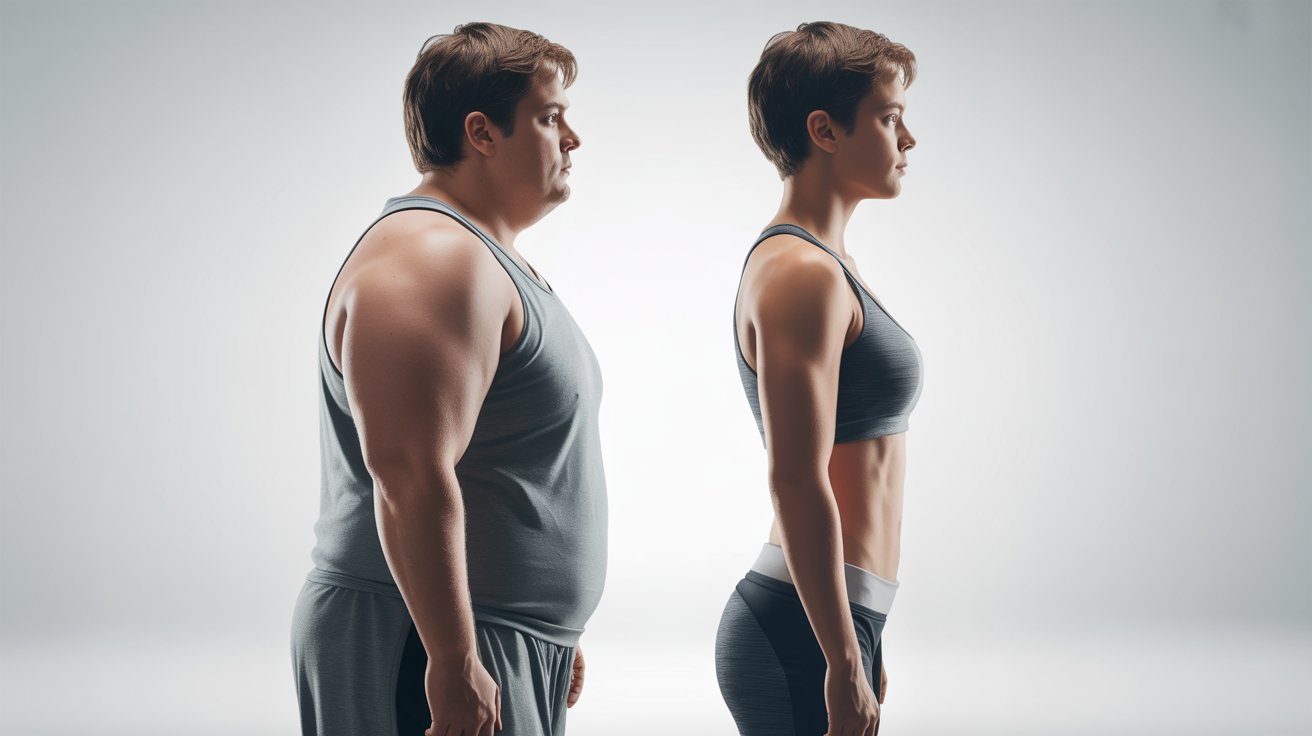
When you lose weight, the load on your spine drops. Less pressure means your discs aren't being squeezed as hard.
Your muscles no longer have to fight excess weight to hold you upright. This lets your body settle into a more natural, neutral alignment.
You stand more upright.Your balance improves. You move with less effort. These are real physical changes that happen when the excess weight comes off.
Spinal Decompression and Alignment Effects
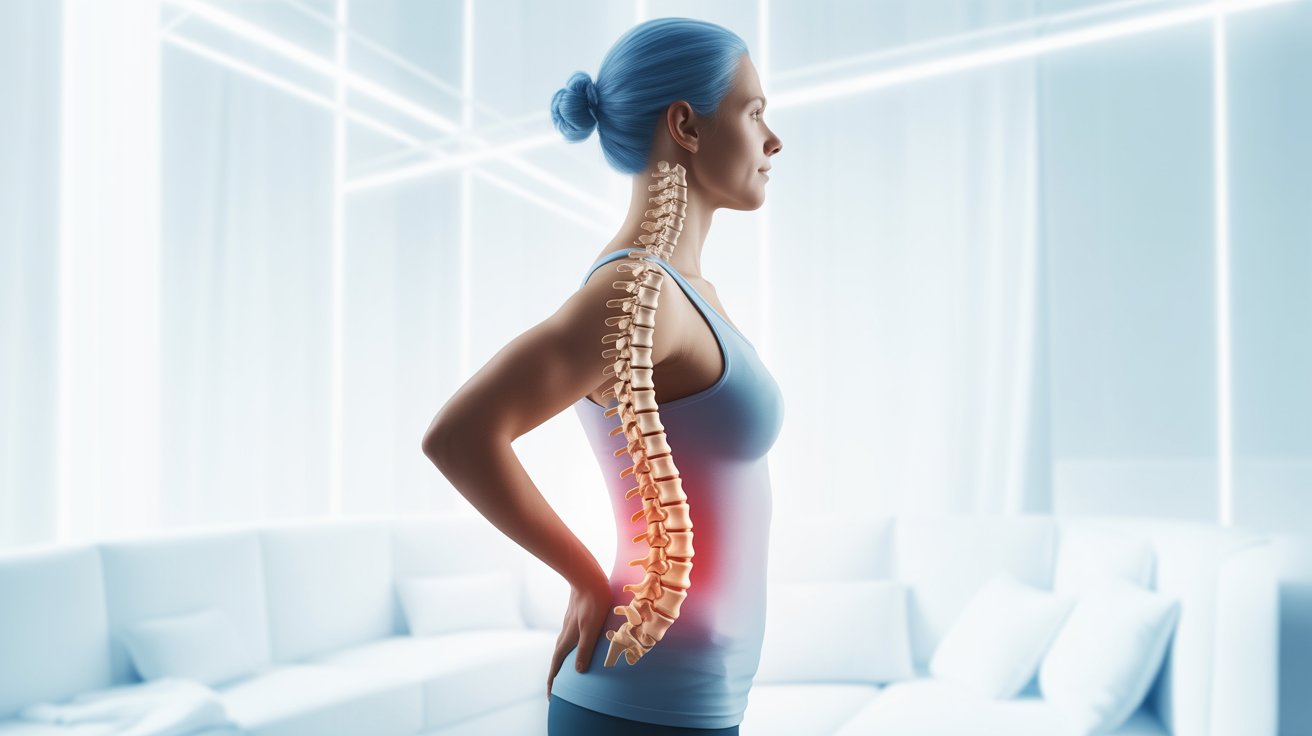
With less body weight pressing down, your intervertebral discs get some relief. They aren't fully decompressed, but the reduction in load matters.
Your spine can align more vertically. This slight improvement in alignment makes your body look longer. It's not extra bone.
It's better positioning. You were always that height. You just couldn't stand at full extension when excess weight was pulling you down.
Can Weight Loss Make You Appear Taller?
Yes. And here's exactly how it happens.
Posture Improvements
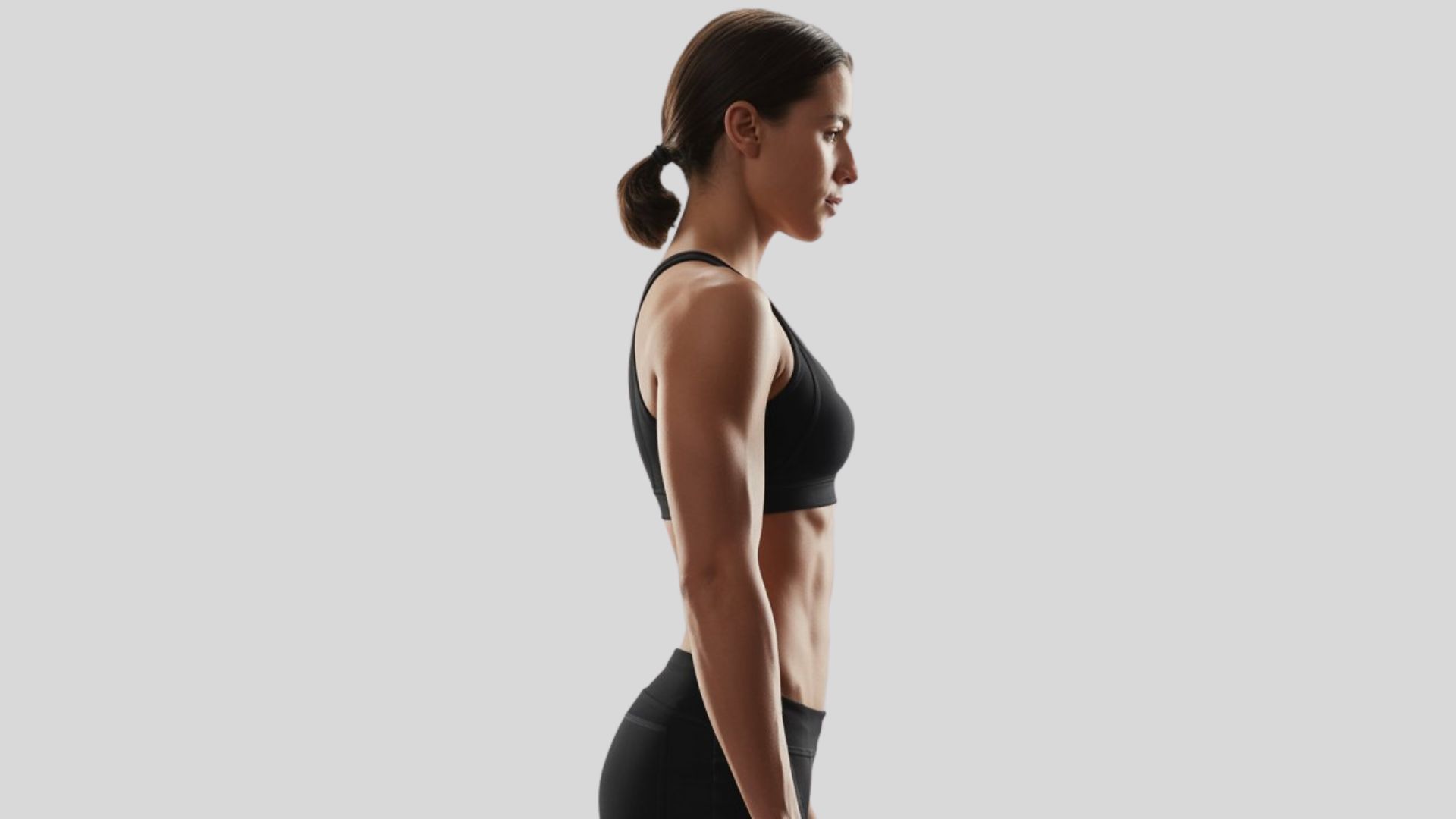
When belly fat reduces, your spine gets support from a stronger, leaner core. You stop leaning forward. Your shoulders pull back naturally.
A straight spine looks taller. It's that simple. Core muscles play a huge role here.
When they're stronger and not stretched by excess fat, they hold your spine in better alignment. The result is a taller-looking posture that you actually feel in your body.
Visual Body Transformation
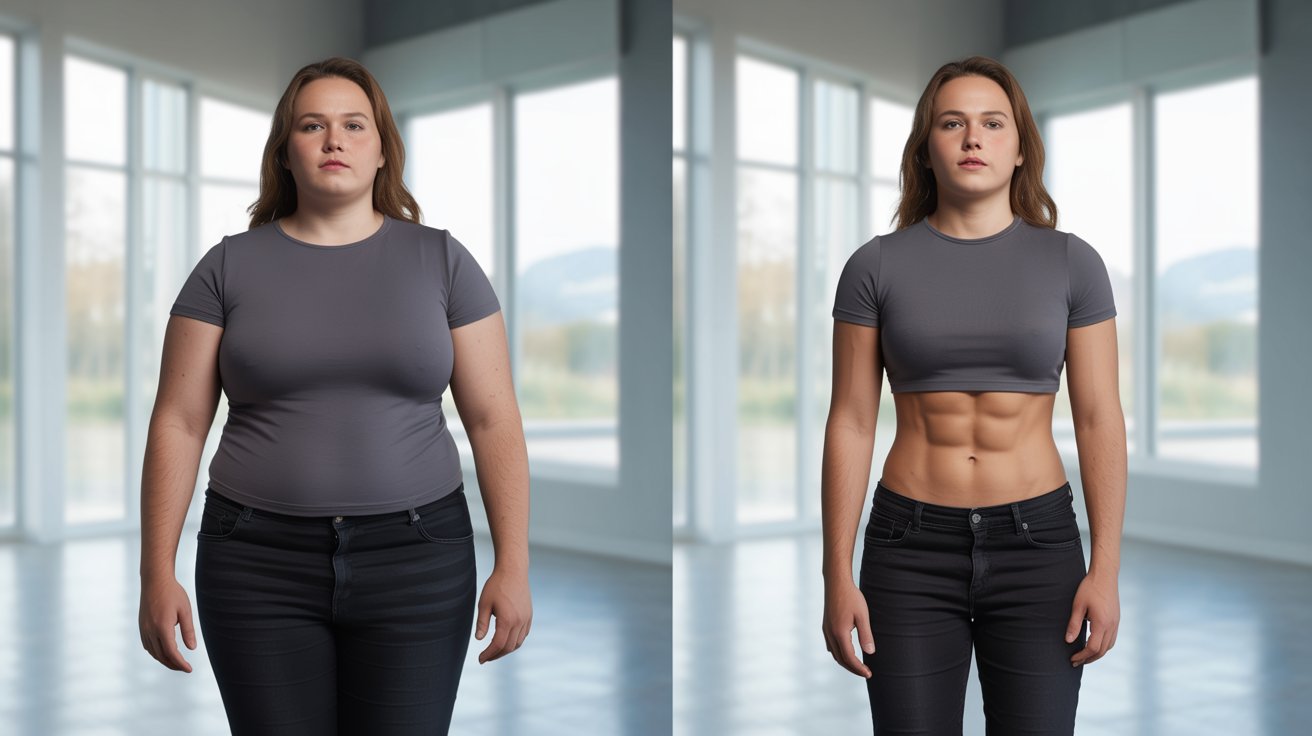
A leaner body creates a longer visual line from head to toe. This isn't just your imagination. It's about proportions.
When your waist gets smaller and your body gets leaner, your overall shape appears more elongated. Clothes fit differently. Vertical lines show more clearly.
People around you notice you look taller even though nothing about your actual height changed. It's a real visual shift caused by body composition.
Psychological Impact on Height Perception
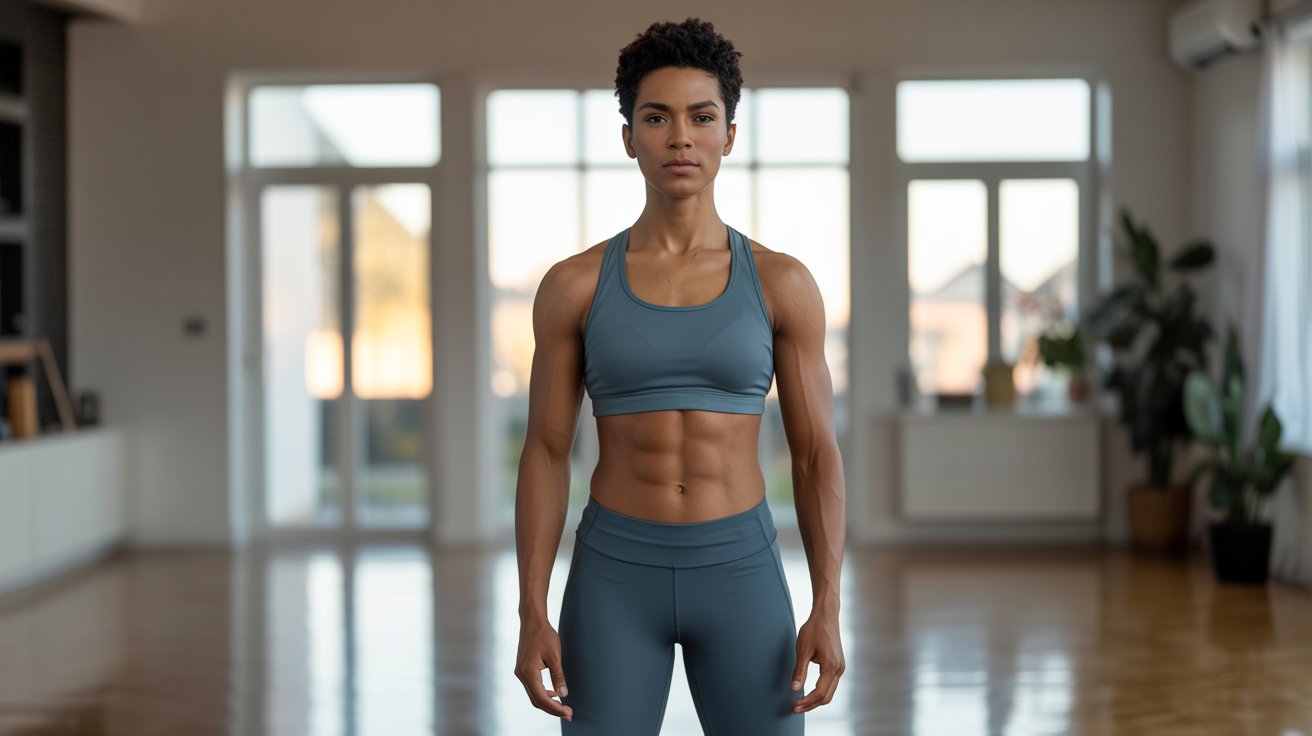
Here's something most people skip. How you feel changes how you stand. When you feel fitter and more confident, your body language shifts.
You stop hunching. You make eye contact. You take up space without thinking about it. People who feel good about themselves naturally stand taller.
This isn't just motivational fluff. It's actually reflected in your posture and how others perceive your height.
Common Misunderstandings About Weight and Height
There's a lot of confusion around this topic. Here's a quick look at what's actually true.
- Losing weight does not add bone length. Your height stays the same after growth plates close.
- Posture and appearance improve after weight loss, which makes you look taller, not actually grow taller.
- Spinal decompression from weight loss is minor. It does not reverse any significant height loss.
- Thin people are not always taller. It's a visual bias caused by leaner body proportions.
- Actual height is measured by bone structure.Perceived height is shaped by posture, weight, and confidence.
The difference between real height and perceived height matters. Don't let the visual change fool you into thinking your bones grew.
Conclusion
I'll be honest. When I first looked into this, I half-expected the answer to be yes. But the science is clear.
Losing weight does not make you taller. It just lets you stand at your actual height without excess weight pulling you down.
And honestly? That's still worth a lot.
Better posture, a leaner frame, more confidence. You'll look taller, feel taller, and carry yourself differently.
If this helped you, drop a comment below. I'd love to know what you think about the does losing weight make you taller.
Frequently Asked Questions
Does losing weight make you taller permanently?
No, weight loss does not change your bone length or add permanent height.
Can posture changes from weight loss make me look taller?
Yes, better posture after weight loss can make you appear noticeably taller.
At what age do growth plates close?
Growth plates typically close between ages 16 and 18 in most people.
Does excess weight compress the spine?
Yes, extra body weight adds pressure to spinal discs and can slightly affect how you stand.
Is the height difference after weight loss real or just visual?
It is mostly visual. Better posture and a leaner frame create the appearance of added height.


