

I had the same question when I first started boxing. Does it actually build muscle, or do I need to be in the gym every day?
I did the research, and I’m giving you straight answers right here.
This post covers how boxing builds muscle, how it compares to gym training, and what you actually need for real size and strength.
No fluff. No guesswork. Just clear, honest information you can use to reach your fitness goals faster.
Stick around because this one is worth reading till the end.
Does Boxing Build Muscle?
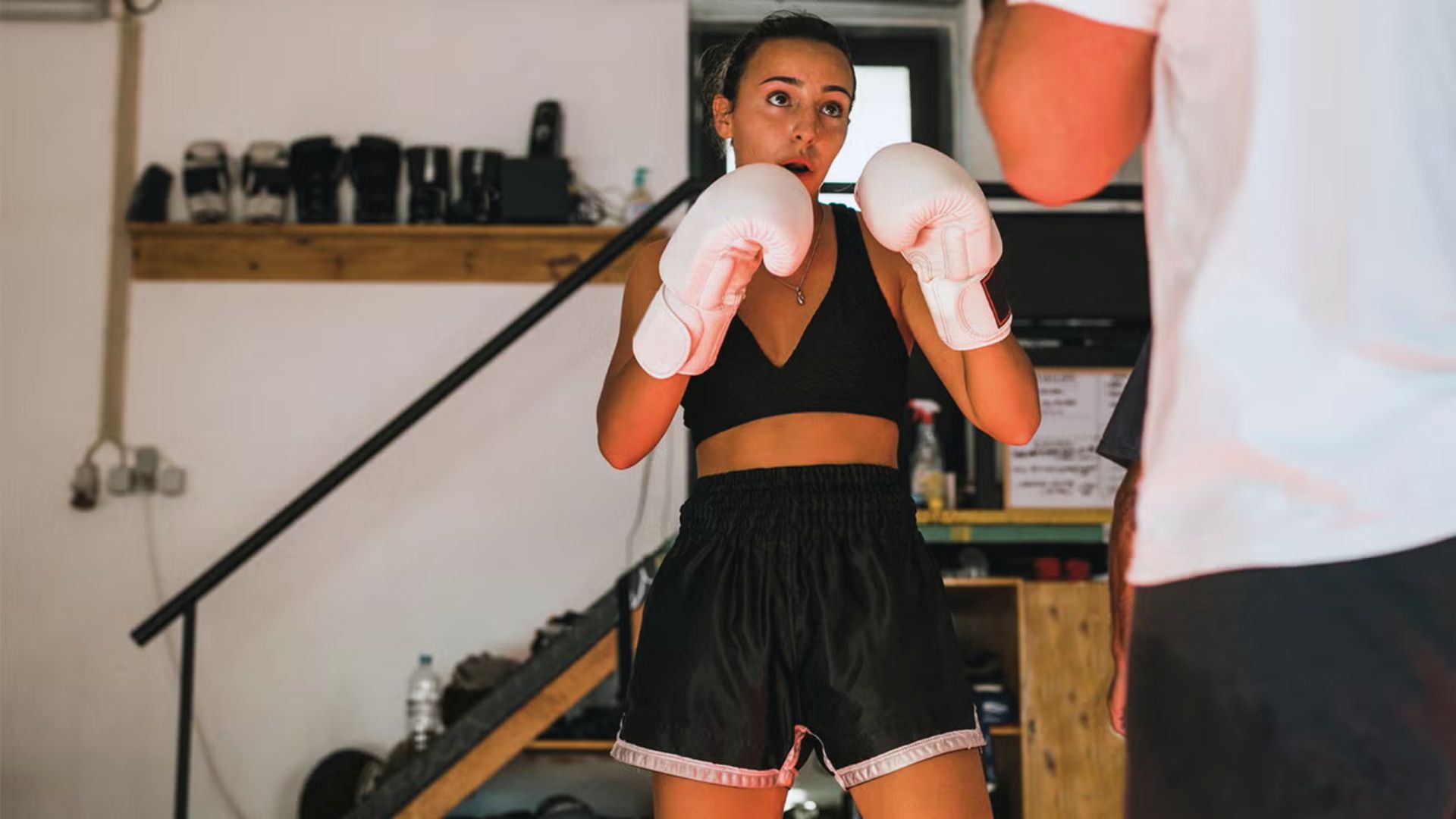
Yes, But Not Ideal for Maximum Size. Boxing does build muscle. But if your goal is to get big and bulky, boxing alone won’t get you there.
The sport builds lean, functional muscle through repeated movement, resistance, and cardio. Boxers are athletic and strong, not just because they box, but because they train smart.
You’ll see muscle in the shoulders, arms, core, and legs.It’s real muscle.
Just not the same kind you’d build lifting heavy weights five days a week. Think lean and strong, not massive.
What Kind of Muscle Boxing Builds (Lean vs Mass)

Boxing builds lean muscle, not bulk. The constant movement, punching, and footwork tone the body without adding much size.
You’ll notice definition in your arms, shoulders, back, and core. Heavy bag training adds some resistance, which helps with muscle development.
But the repetition is high and the weight is low, so your body adapts for endurance rather than size.
If you want visible muscle with a lean frame, boxing is great. If you want to add mass and weight to your frame, you’ll need to add more to your routine.
How Boxing Builds Muscle
Every session puts your whole body to work, and that consistent effort is exactly what shapes the muscle you see over time.
Resistance From Heavy Bag Training
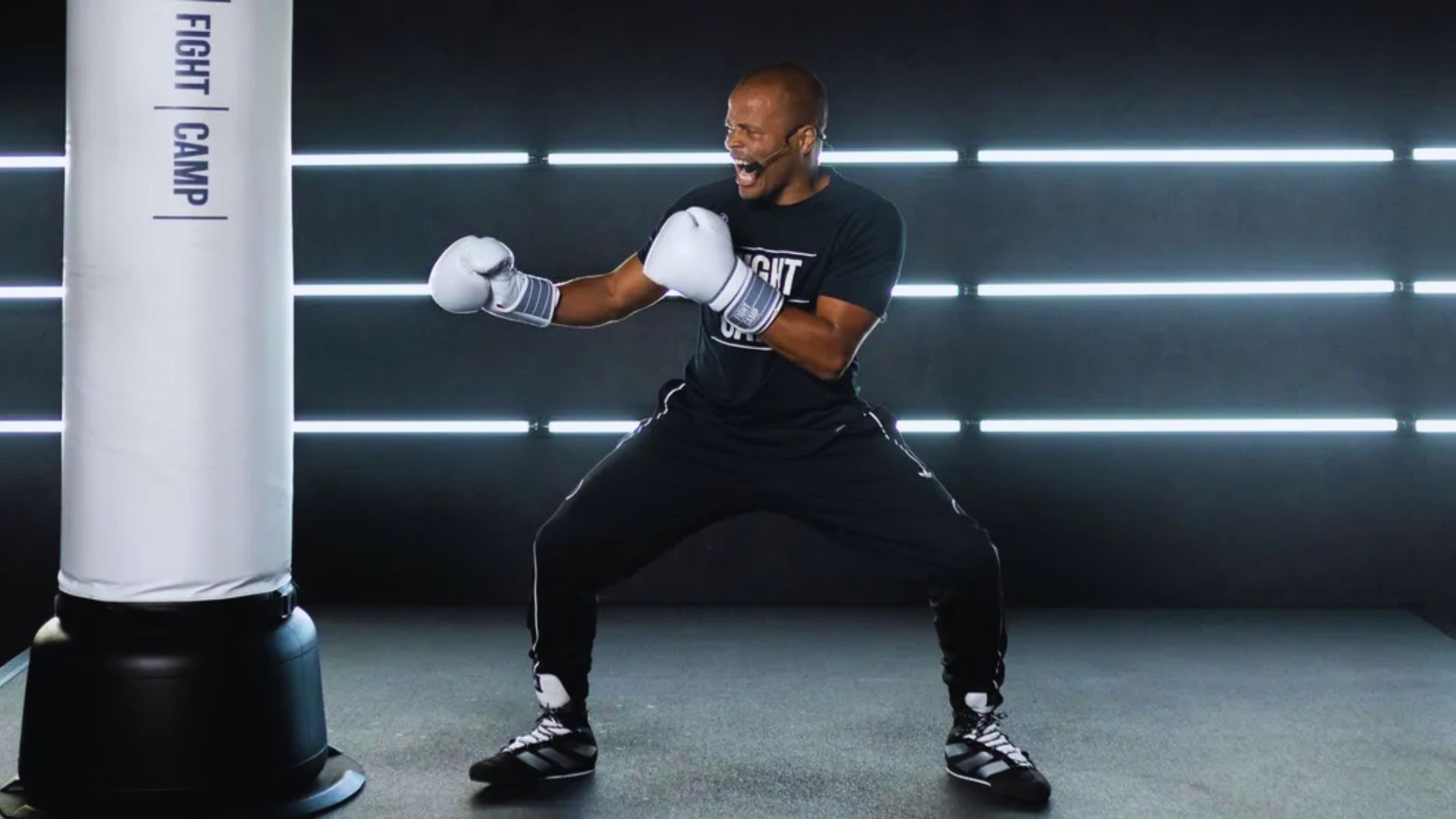
Hitting the heavy bag is not just cardio. Every punch pushes against resistance. That resistance forces your muscles to work harder.
Over time, your shoulders, arms, chest, and back get stronger. It’s not the same as lifting weights, but it’s still a form of resistance training.
Regular bag sessions build real upper body strength. The harder you hit, the more your muscles respond and grow.
High-Repetition Punching and Muscle Endurance
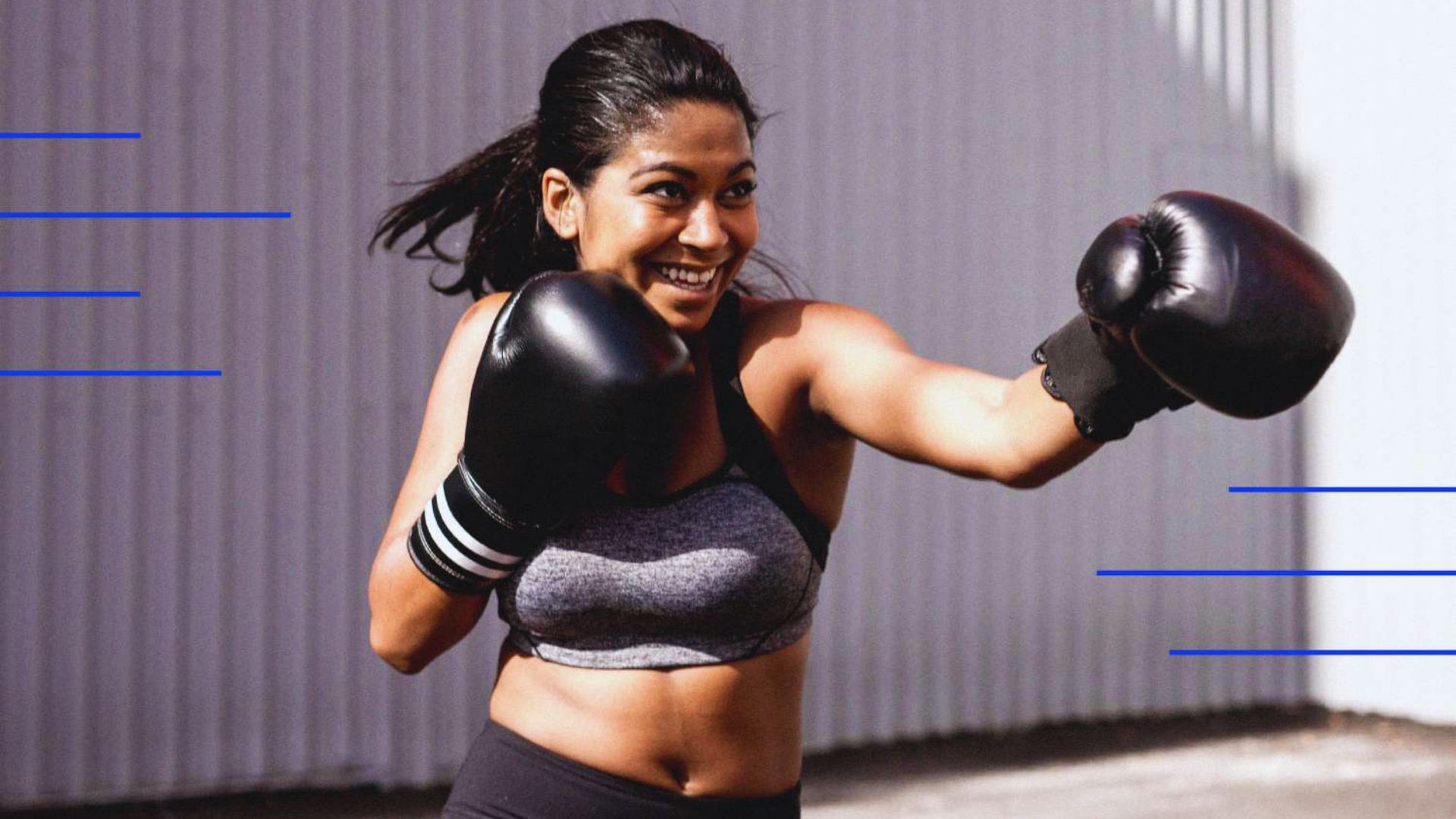
Boxing runs on repetition. You throw hundreds of punches per session. That volume builds muscle endurance.
Your arms, shoulders, and core learn to keep going without giving out. This won’t make you massive, but your muscles become more capable.
You’ll feel stronger and last longer. Muscle endurance is still muscle development. It’s just a different kind than what you’d build in the gym.
Full-Body Muscle Engagement
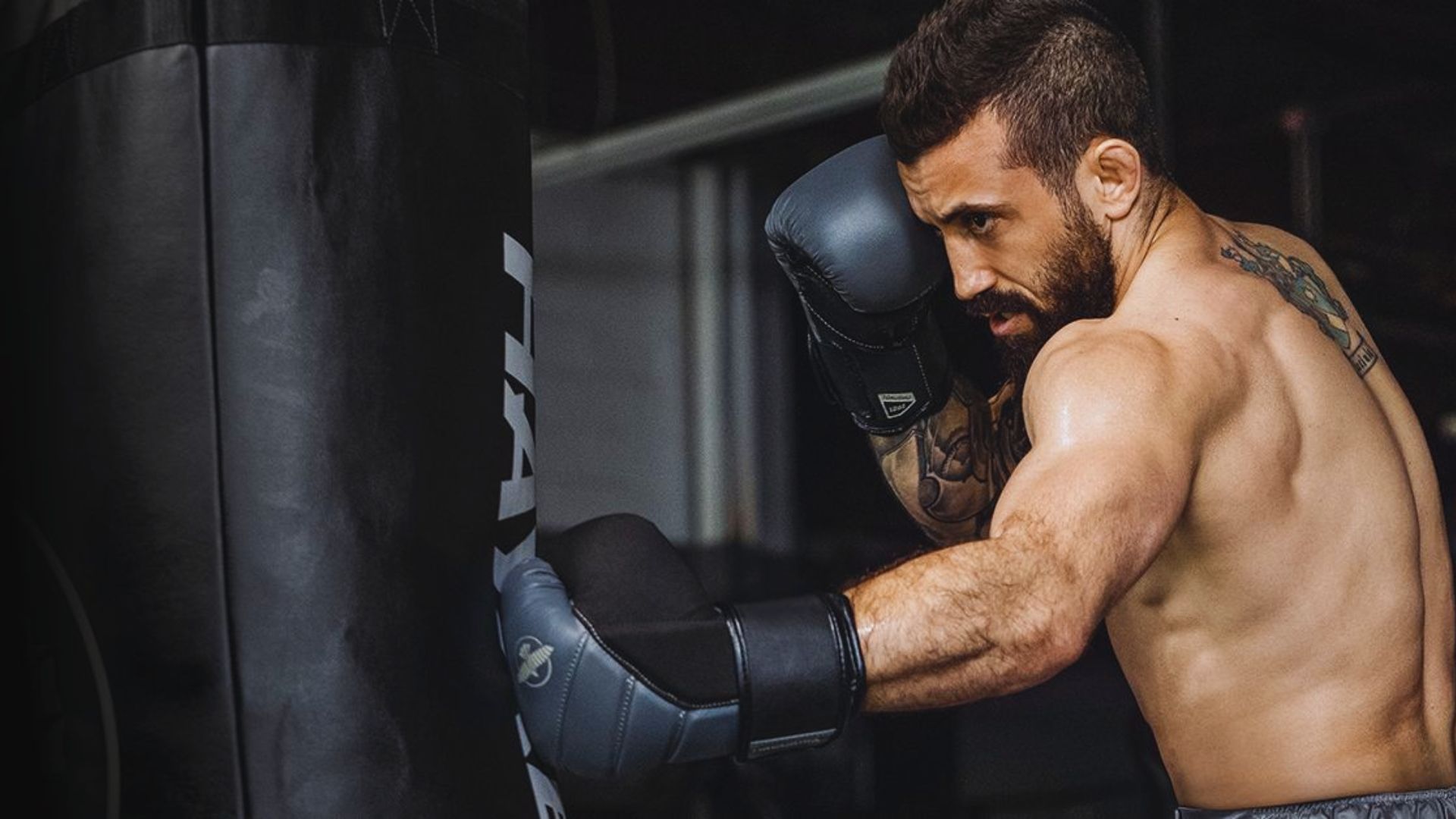
Boxing is not an arm workout alone. Every punch starts from the ground up. Your legs drive the power. Your hips rotate. Your core stabilizes.
Your arms finish the movement. Almost every muscle group works in a boxing session.
Your back, glutes, abs, and calves all get activated. That’s why boxers stay lean and fit all over, not just in their upper body.
Boxing vs Gym Work for Muscle Growth
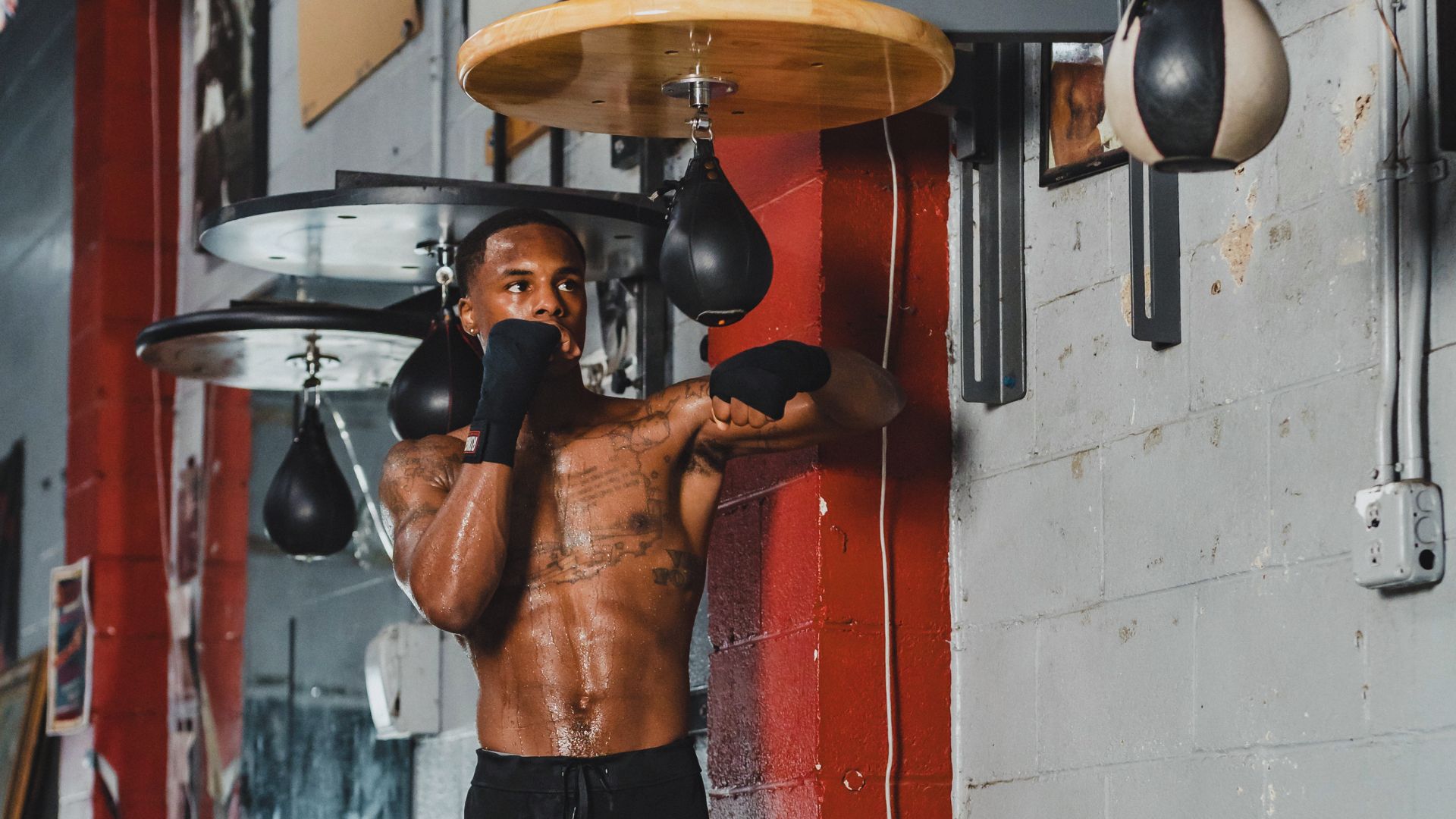
Both have real value, but they build your body in very different ways, and knowing the difference helps you train smarter.
Boxing for Lean Muscle
Boxing builds lean, defined muscle. You won’t bulk up, but you will get toned. The mix of cardio and resistance keeps body fat low and muscles visible.
Boxers have strong arms, wide shoulders, and tight cores. If your goal is a lean, athletic build, boxing is a solid way to get there without ever touching a single weight.
Weight Training for Muscle Size
If you want size, weight training wins. Lifting heavy with progressive overload builds bigger muscles.
You target specific muscle groups and push them past their limits. The muscle breaks down and rebuilds larger.
Boxing doesn’t work this way. Gym training gives you control over load and volume. That control is what drives real muscle growth over time.
What Works Better for Muscles?
It depends on your goal. Boxing wins for lean muscle, endurance, and functional strength. Weight training wins for size and mass.
Most people get the best results by combining both. Box for conditioning.
Lift for size. Together, they give your body what it needs to grow and perform at a high level.
Can You Build Muscle With Boxing Alone?

Yes, you can build muscle with boxing alone. But there are clear limits to how far it will take you. Boxing builds lean muscle and improves your overall conditioning.
You’ll see real changes in your arms, shoulders, core, and legs. That’s real progress. But if you want significant muscle mass, boxing by itself won’t do it.
The training is mostly endurance-based with some resistance mixed in. Without heavier loads and consistent progressive overload, growth stalls after a point.
For serious size, you’ll need to add more to your training plan.
How to Build More Muscle While Boxing
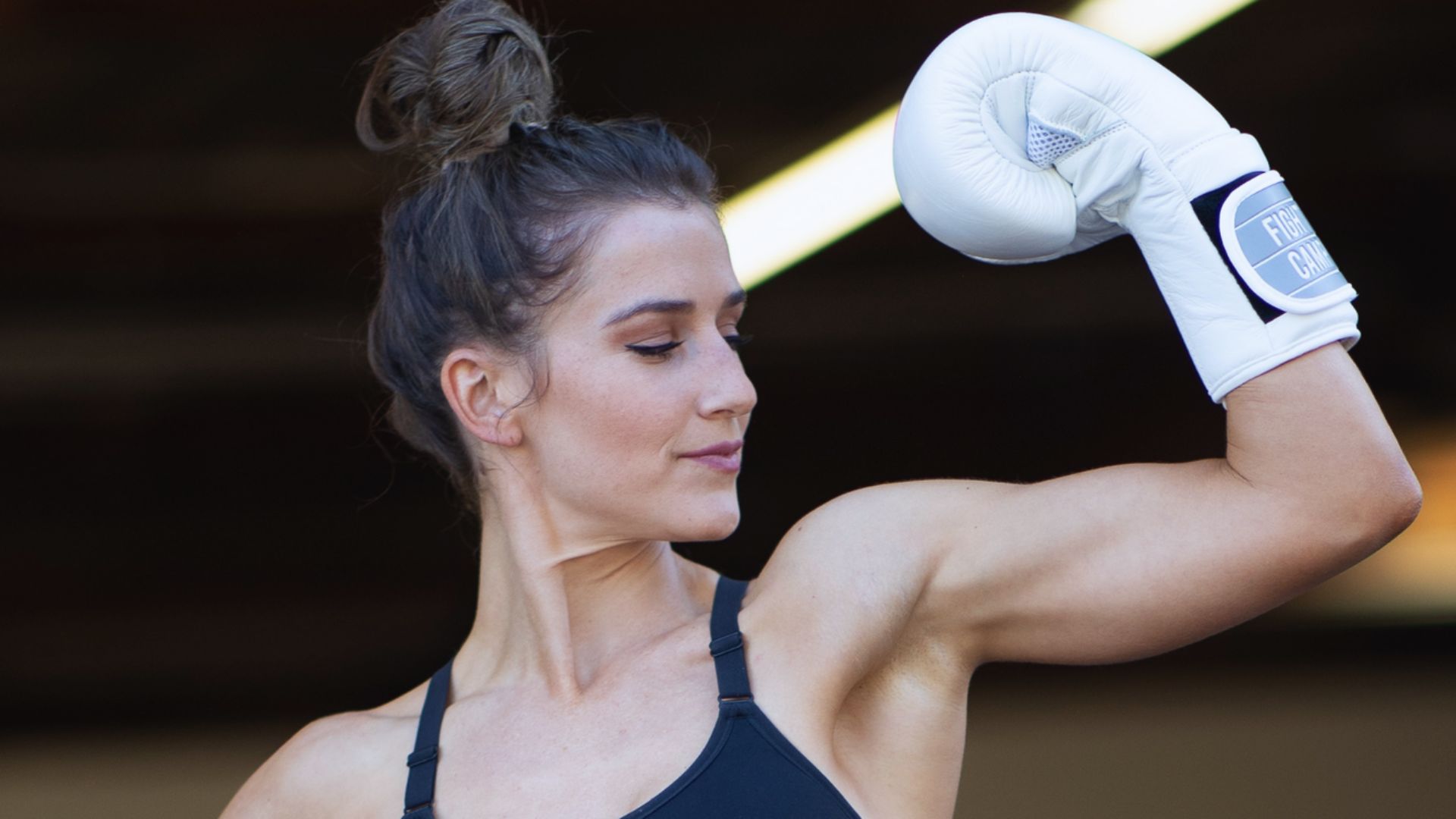
Training hard in the ring is a great start, but these three habits are what actually push your muscle growth to the next level.
Add Resistance Training
Resistance training gives your muscles the overload they need to grow beyond what boxing alone can provide.
- Add 2-3 weight training sessions per week alongside your boxing
- Focus on compound movements like squats, deadlifts, and bench press
- Use progressive overload by gradually increasing the weight over time
- Keep rest periods short to stay conditioned while building strength
- Track your lifts to make sure you’re consistently getting stronger
Even two sessions a week can change how your body looks and performs inside and outside the ring.
Eat in a Calorie Surplus
You can train hard every day, but without enough food, your muscles have nothing to grow with.
- Eat more calories than you burn, aim for a small surplus of 250-500 calories per day
- Get enough protein, at least 0.7 to 1 gram per pound of body weight
- Don’t skip carbs, they fuel your workouts and support your recovery
- Eat whole foods most of the time, chicken, rice, eggs, oats, and vegetables
- Time your meals around training for better performance and faster recovery
Muscle is built in the kitchen just as much as it’s built in the gym.
Prioritize Recovery
Hard training without proper recovery slows your progress and keeps your muscles from growing.
- Sleep 7-9 hours per night, this is when muscle repair actually happens
- Take at least one full rest day per week to let your body rebuild
- Stretch and do light movement on off days to stay loose and mobile
- Stay hydrated throughout the day, not just during your workouts
- Listen to your body, if something feels off, don’t push through it blindly
Recovery is not optional. It’s a core part of building real, lasting muscle.
Do You Need Additional Gym Work for Muscle Growth?
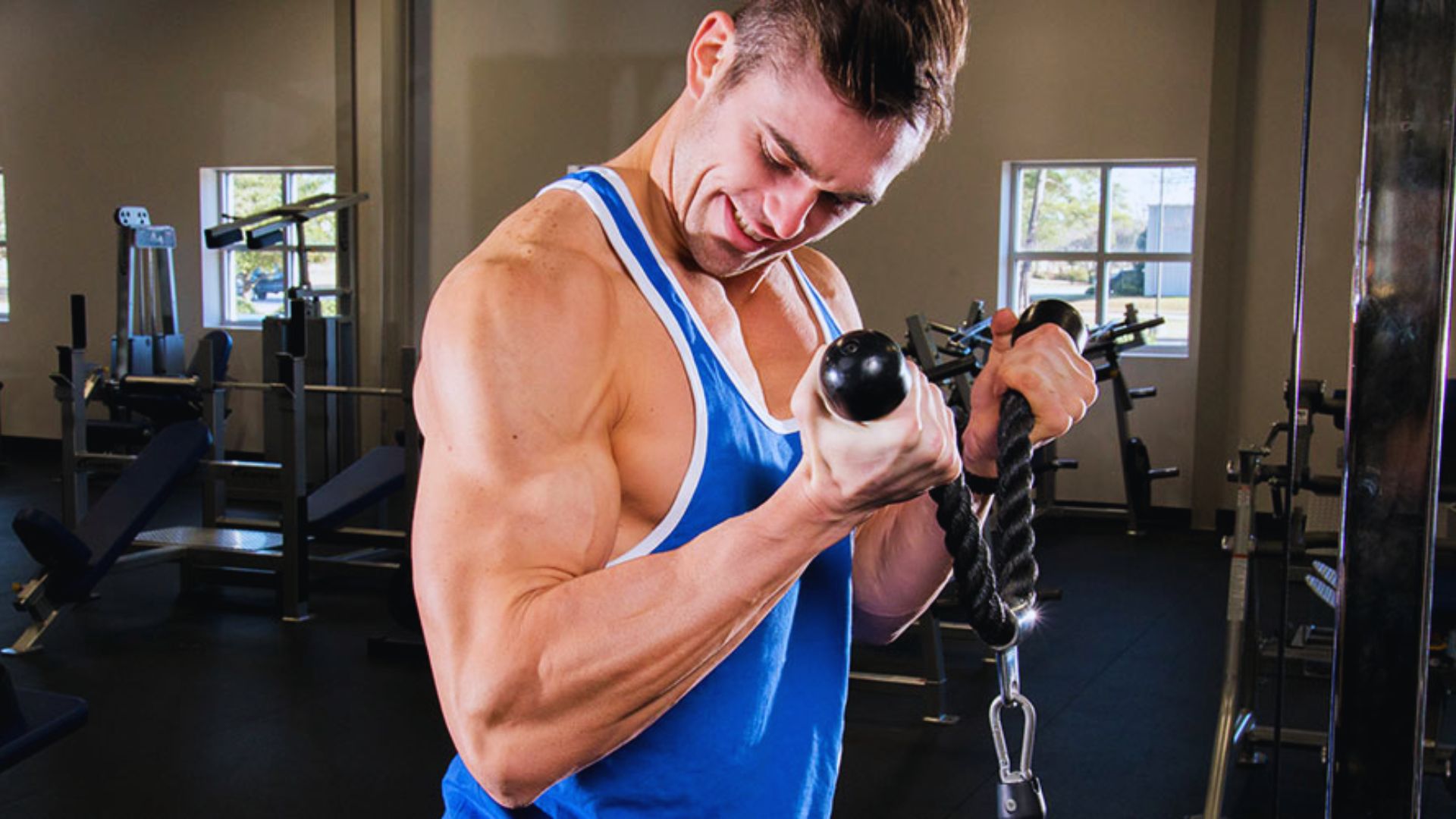
If muscle size is your goal, yes. Boxing keeps you fit and lean, but it doesn’t provide enough resistance to drive significant muscle growth on its own.
Adding gym work fills that gap. Compound lifts like squats, deadlifts, bench press, and rows give your muscles the heavy load they need to grow.
You don’t need to spend hours in the gym every day.
Two to three sessions per week alongside your boxing training can make a noticeable difference in muscle size and overall strength.
Conclusion
I started boxing with zero expectations. The muscle I built genuinely surprised me. It was lean, real, and it showed up faster than I thought.
If you want size, add weights and fuel your body right. It really is that simple. Don’t overthink it.
Start small, stay consistent, and let the results speak for themselves. Leave a comment below and tell me where you’re at in your fitness routine.
If this helped you, share it with a friend who has been wondering the same thing.
Frequently Asked Questions
Does boxing count as strength training?
Boxing has elements of strength training, but it’s mainly endurance-based and builds lean muscle rather than size.
How long does it take to see muscle results from boxing?
Most people start noticing lean muscle definition within 4 to 6 weeks of consistent boxing training.
Can boxing replace the gym completely?
Boxing can replace the gym for fitness and conditioning, but it won’t build the same amount of muscle mass as lifting weights.
Which muscles does boxing work the most?
Boxing works the shoulders, arms, core, back, and legs, making it a full-body workout.
Do professional boxers lift weights too?
Yes, most professional boxers combine boxing training with weight lifting to build strength and maintain muscle.


