

Do squats work abs? Yes, they do, and I’ll show you exactly how. I’ve been training for years, and this question comes up all the time. Most people think squats only build legs, but your core works hard during every rep.
In this post, you’ll learn why your abs engage during squats, which muscles get activated, and how to use proper form for maximum results. I’ll also share the best squat variations for targeting your core.
Trust me, understanding this connection changed my entire workout routine. Let’s break down the science and make it simple.
Why Does Core Strength Matters?

Your core does more than you think. It’s not just about looking good. A strong core keeps you balanced and helps you stand tall with better posture.
When you lift something heavy or twist to grab your bag, your core muscles are working to protect your spine.
Here’s what your core does during workouts. It stabilizes your entire body. It transfers power from your legs to your upper body.
It keeps your spine safe when you lift weights. A weak core means weak lifts, plain and simple.
How Squats Engage Your Abs?
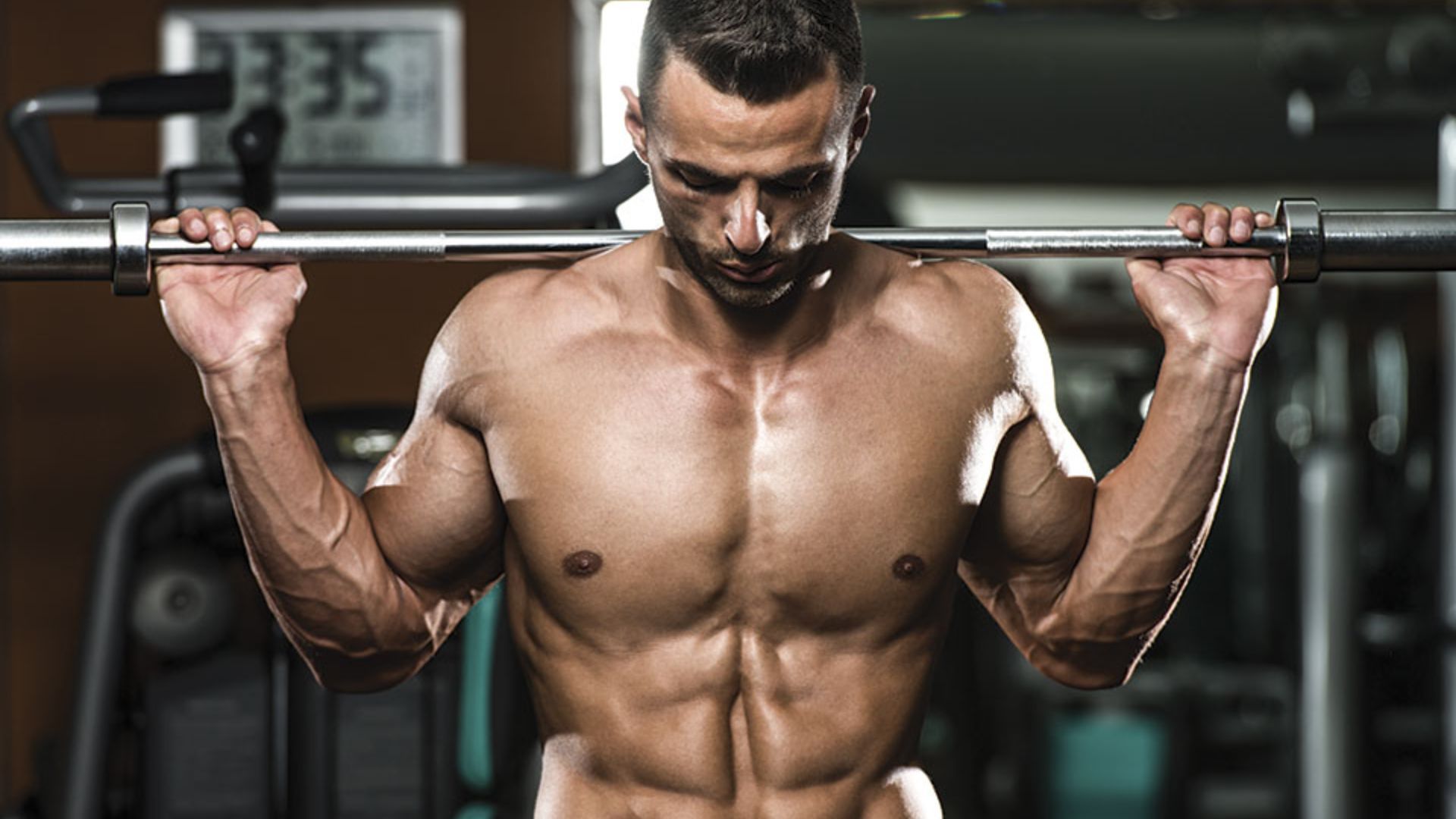
Your abs work the entire time you squat. When you lower down and push back up, your core muscles tense up to keep your torso stable. This tension builds strength in your midsection.
Your spine needs support during squats. If your core doesn’t engage, your back would collapse forward. The abs contract to prevent this and create a tight wall that protects you.
Three main muscles in your core activate during squats. The rectus abdominis is the front ab muscle you can see. It stabilizes your spine and stops your back from arching too much. The obliques sit on your sides and keep you balanced.
They prevent your torso from tilting left or right. The transverse abdominis is the deepest core muscle. It wraps around your midsection like a belt and supports your posture throughout the movement.
I notice this tension every time I squat heavy. My abs get tired just like my legs do. That’s how I know they’re working hard.
Benefits of Squats for Abdominal Strength
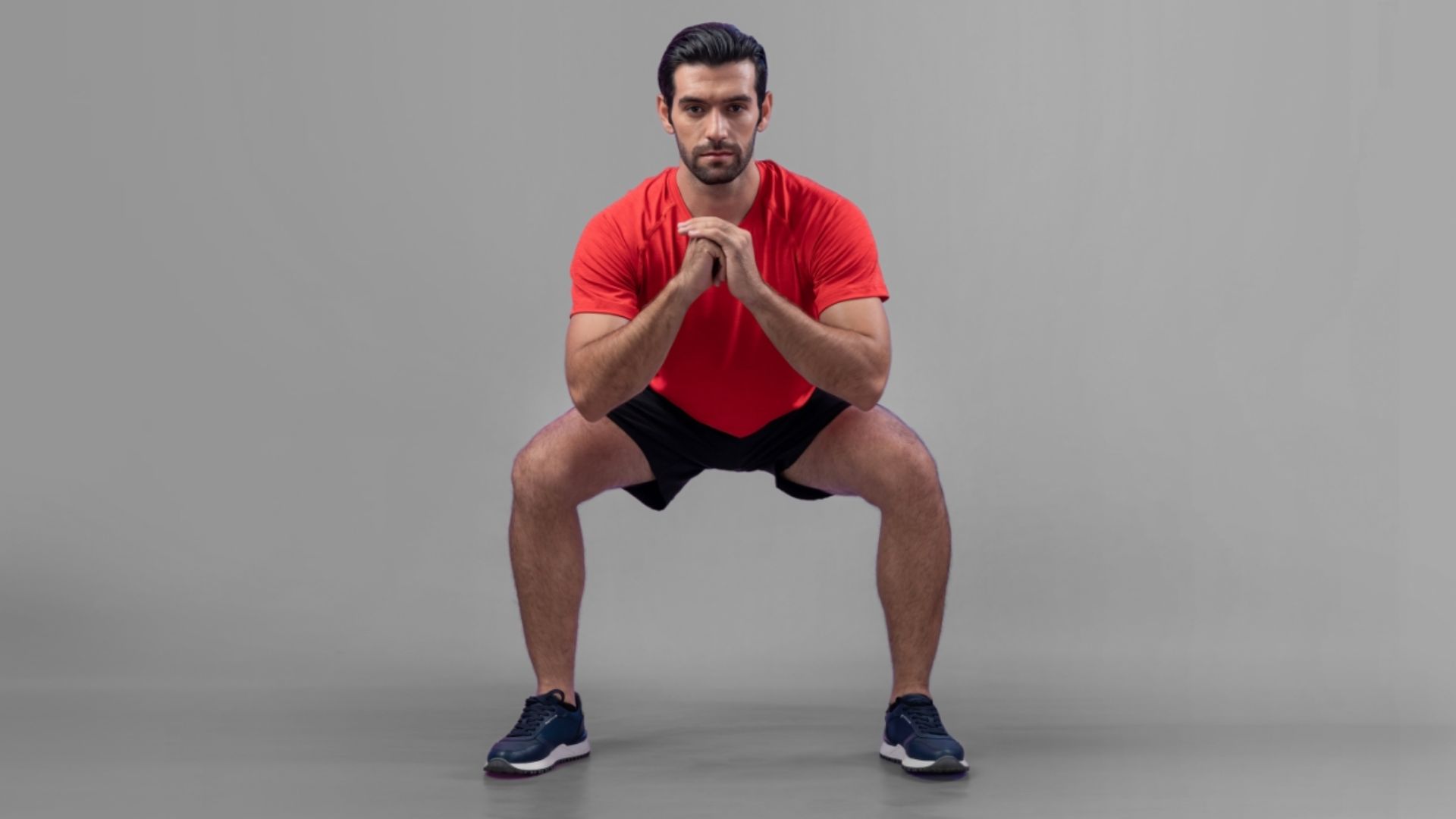
Squats do more than just build leg muscles. They create a stronger, more stable core.
Squats Work Your Whole Midsection
Squats target your abs, lower back, glutes, and hip flexors all at the same time. This makes your entire midsection stronger with every single rep.
Better Posture From the Inside Out
When you squat regularly, your core gets stronger. A strong core helps you stand taller naturally. Your shoulders pull back, and your spine lines up the way it should.
Protection for Your Lower Back
A stable core acts like a shield for your lower back. This helps keep you safe during heavy lifts and even during everyday tasks like picking something up off the floor.
Build Bigger, Stronger Abs
Each squat rep puts your core under constant tension. Over time, that pressure forces your abs to grow stronger and bigger. It’s one of the most effective ways to build real core muscle.
Burn Fat and Make Your Abs More Visible
Squats are a compound movement, which means they use many muscle groups at once. That leads to a higher calorie burn. The more calories you burn, the more body fat you lose. And that’s what makes your abs show through.
Proper Squat Form to Maximize Ab Engagement

Start with your feet shoulder-width apart and toes slightly turned out. This gives you a stable base to work from. Keep your chest up and look straight ahead. Your spine should stay neutral from your neck down to your tailbone.
Brace your core like someone’s about to punch your stomach. This is different from sucking in. You want to push out slightly and tighten everything. Hold this tension through the entire squat. Put your weight in your heels and drive through them when you push back up.
Avoid leaning too far forward. This shifts the work away from your legs and core. It also puts dangerous pressure on your lower back. Never let your spine round. If it curves, the weight is too heavy or your form needs work.
The biggest mistake I see? People forget to engage their core at all. They just go through the motions. Without core tension, you’re missing half the benefit and risking injury.
Squat Variations That Target Abs More
Try these squat types to work your core even harder than regular squats.
Front Squats

The weight sits on the front of your shoulders in a front squat. This position forces your core to work harder to keep you upright.
Your abs have to fight to prevent you from falling forward. I feel my core burning way more with front squats than back squats.
Overhead Squats

Hold the weight above your head with straight arms. This is one of the hardest variations. Your entire core must stabilize to keep the weight balanced overhead.
Even light weights feel challenging because your abs work so hard.
Jump Squats
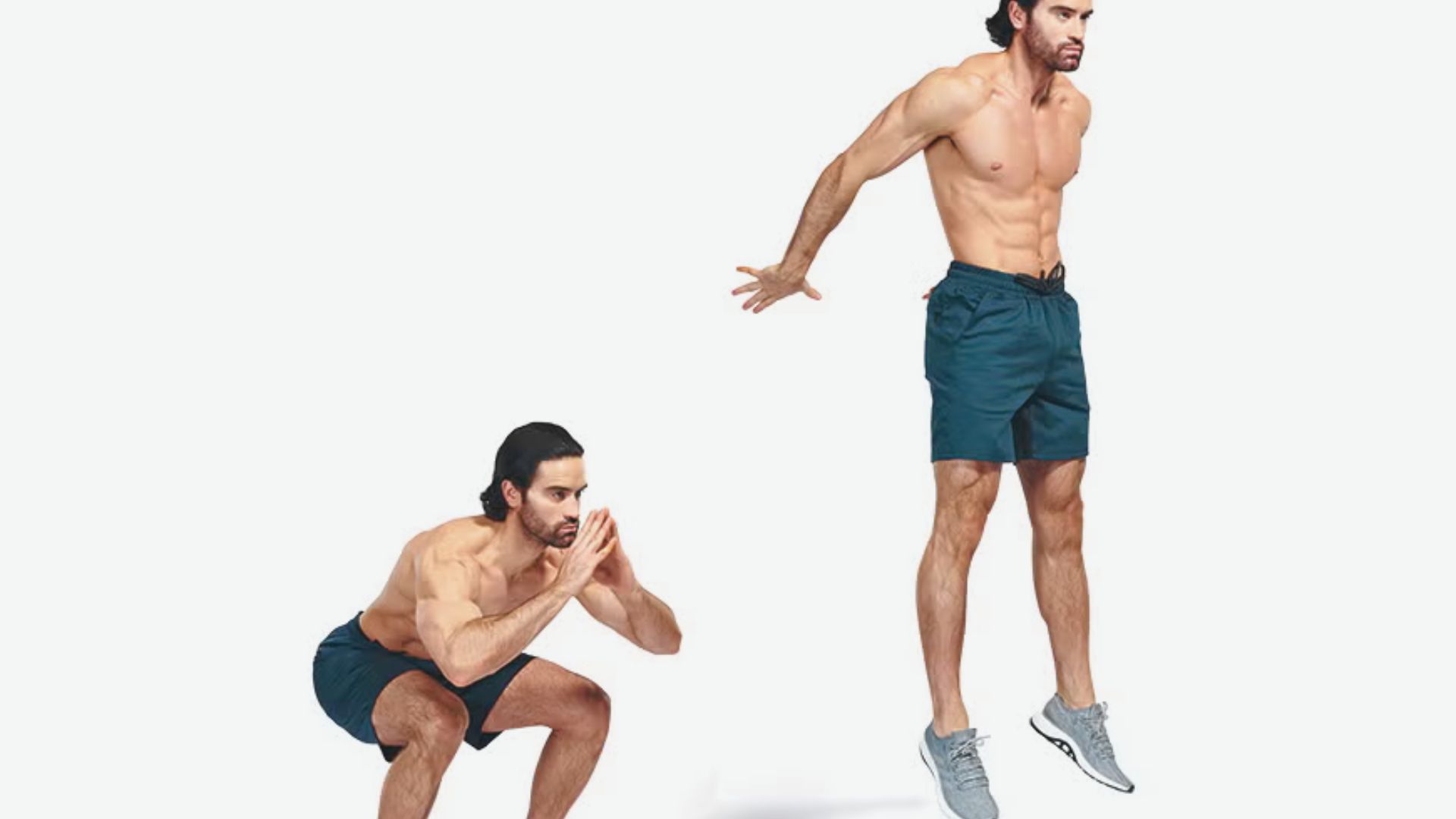
Add an explosive jump at the top of each squat. The power and landing both require serious core engagement.
Your abs activate to control your body in the air and absorb the impact when you land.
Squats vs Isolated Ab Exercises
Here’s how squats compare to exercises like crunches and sit-ups for building abs.
|
Feature |
Squats |
Crunches / Sit-Ups |
|
Type |
Functional |
Isolated |
|
Muscle Focus |
Abs + coordination with other muscles |
Abs only |
|
Main Benefit |
Core strength & stability |
Direct ab fatigue |
|
Training Role |
Foundation for functional core |
Supplemental ab work |
|
Overall Effect |
Builds a strong, stable core for all movements |
Targeted ab development |
Tips for Beginners
New to squats? Follow these steps to build a strong foundation and avoid injury.
- Start with bodyweight squats only. Don’t add weight until your form is solid. Practice the movement pattern until it feels natural.
- Master the basics first. This might take a few weeks, and that’s okay. Rushing leads to bad habits and injuries.
- Focus on learning to brace your core properly. Practice tightening your midsection before you even start squatting. This skill is more important than how much weight you can lift.
- Gradually add resistance once you’ve mastered the basics. Use light dumbbells first. Then progress to heavier weights as you get stronger.
- Try different squat variations to challenge your abs and balance. Each variation works your muscles slightly differently. This variety keeps your workouts interesting and builds complete strength.
Conclusion
Yes, squats absolutely work your abs. They activate your core muscles to stabilize your spine and torso throughout the movement. The key is using proper form and bracing your core correctly every single rep.
Progressive overload matters too. Keep challenging yourself with heavier weights or harder variations.
But don’t forget to add some direct ab exercises to your routine. Squats build functional core strength, while crunches and planks target specific muscles.
Combining both approaches gives you the strongest, most defined midsection possible. Start squatting today and feel the difference in your core.
Frequently Asked Questions
Do squats alone give you abs?
Squats strengthen your core muscles, but visible abs require low body fat too. You need to combine squats with proper nutrition and fat loss. Squats build muscle, but diet reveals it.
How often should I do squats for ab development?
Aim for squats 2-3 times per week. Your muscles need rest to grow stronger. Doing them every day can lead to overtraining and poor recovery.
Are squats better than crunches for abs?
They work differently. Squats build functional core strength and stability. Crunches isolate and directly target your ab muscles. Use both for complete core development.
Can beginners do squats safely?
Yes, start with bodyweight squats and focus on proper form first. Learn to brace your core and keep your spine neutral. Add weight only after you’ve mastered the movement.
Which squat variation is best for abs?
Front squats and overhead squats demand the most core activation. The front-loaded or overhead weight forces your abs to work harder for stability. But all squat types engage your core effectively.


