A man performs a barbell squat in a gym, focusing on his form and strength training.
I avoided Romanian Deadlifts for months because I was convinced they’d destroy my lower back. Turns out, I was doing them wrong.
Once I fixed my form, everything changed. My back got stronger, my posture improved, and the pain I feared never came.
So do RDLs work lower back muscles, or are they just an injury waiting to happen? The answer surprised me, and it’ll probably surprise you too.
If you’ve been avoiding this exercise or second-guessing your technique, keep reading. What I’m about to share might completely change how you train.
Let’s get started.
What Are Romanian Deadlifts and How Do They Work?

A person lifts a barbell in a gym, demonstrating strength training and fitness in a well-equipped environment.
A Romanian Deadlift is a hip-hinge movement where you lower a barbell or dumbbells down your legs while keeping them nearly straight.
Unlike a squat, the movement comes from your hips, not your knees.
Your hamstrings and glutes do most of the work. Your spinal erectors and core engage to keep your back flat and stable throughout.
This makes RDLs a posterior chain exercise first and a stability challenge second. Your lower back isn’t pulling the weight. It’s keeping everything in place so the right muscles can fire.
That distinction matters a lot.
Do RDLs Work Lower Back?
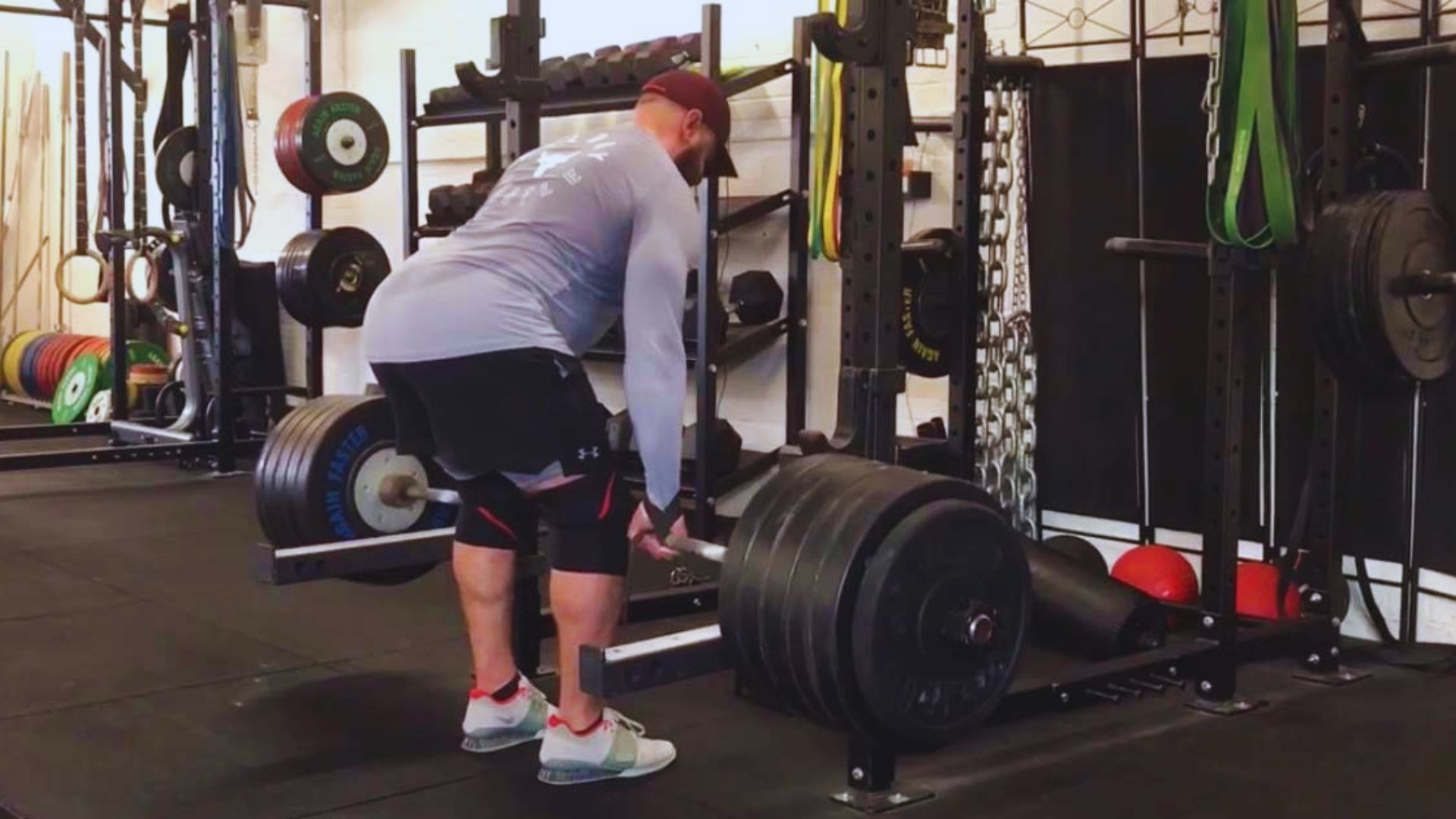
A man squats on a barbell in a gym, focusing on his form and strength training.
Yes, RDLs do work the lower back. But not the way most people think.
Your spinal erectors act as stabilizers during RDLs. They keep your spine neutral while your hamstrings and glutes handle the actual load.
So when people ask “do RDLs work lower back muscles?”.
The honest answer is: yes, but they support the movement rather than drive it. That’s actually a good thing. It builds functional lower back strength without overloading those muscles.
Mild tightness after RDLs is normal for beginners. But sharp pain or deep spinal soreness usually means your form broke down somewhere.
Benefits of RDLs for Lower Back Strength and Injury Prevention
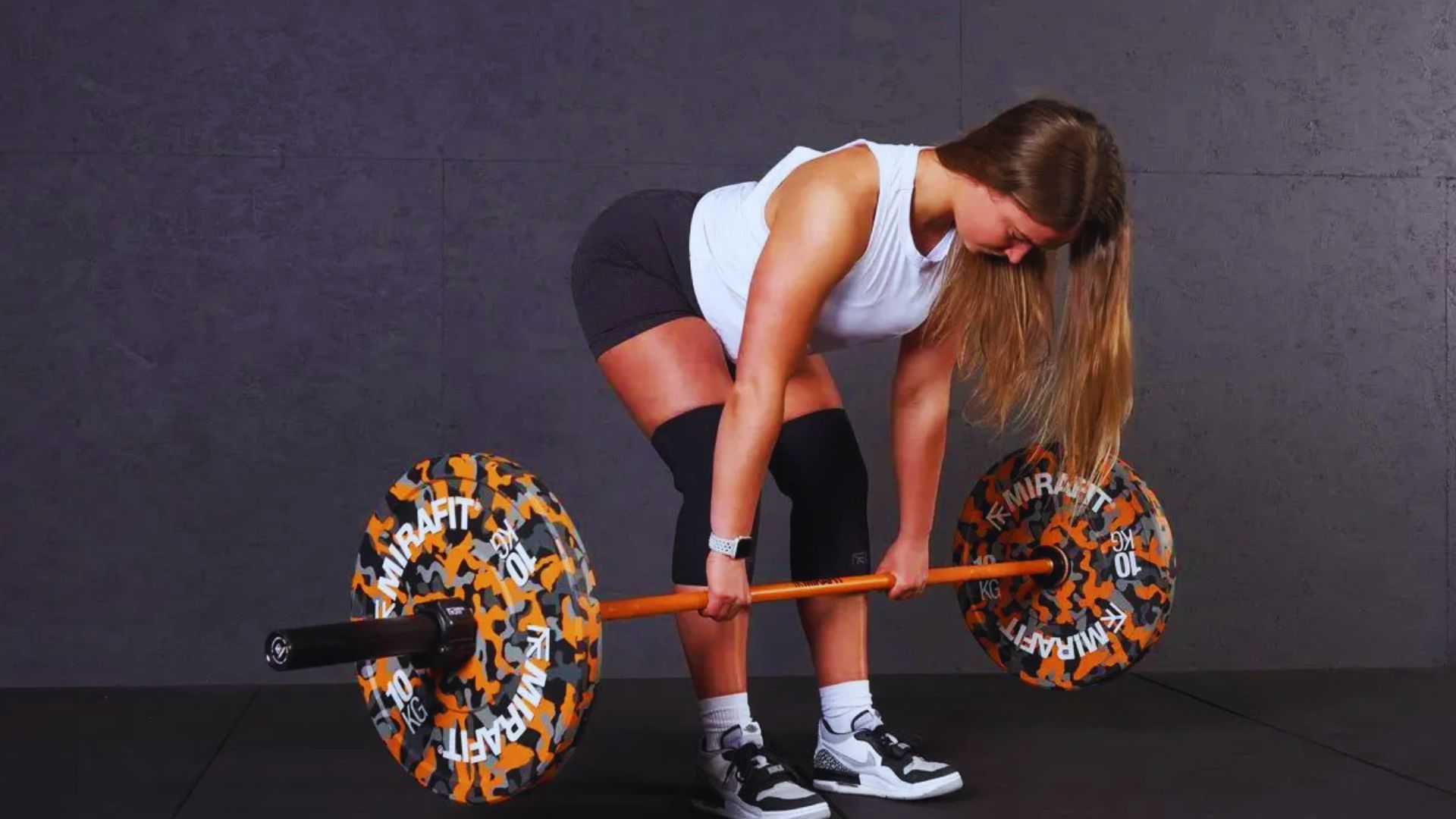
A woman lifts a barbell loaded with two orange and black weight plates, demonstrating strength and focus in her workout.
RDLs do a lot more than build strong hamstrings. Done consistently with good form, they create real, lasting improvements in how your back functions.
Here’s what you can expect:
- Stronger posterior chain: Hamstrings, glutes, and spinal erectors get stronger together, which is how the body works in real life.
- Better hip hinge mechanics: Protects your lower back during everyday movements like bending and lifting.
- Improved posture: Strong spinal erectors help you stand taller and reduce strain from long hours of sitting.
- Lower injury risk: A trained posterior chain absorbs stress better, which means fewer strains and pulls over time.
- Daily life carryover: The hip hinge pattern transfers directly to picking up groceries, loading boxes, and more.
Think of RDLs as long-term insurance for your lower back.
How to Perform Romanian Deadlifts Correctly (Step-by-Step Guide)
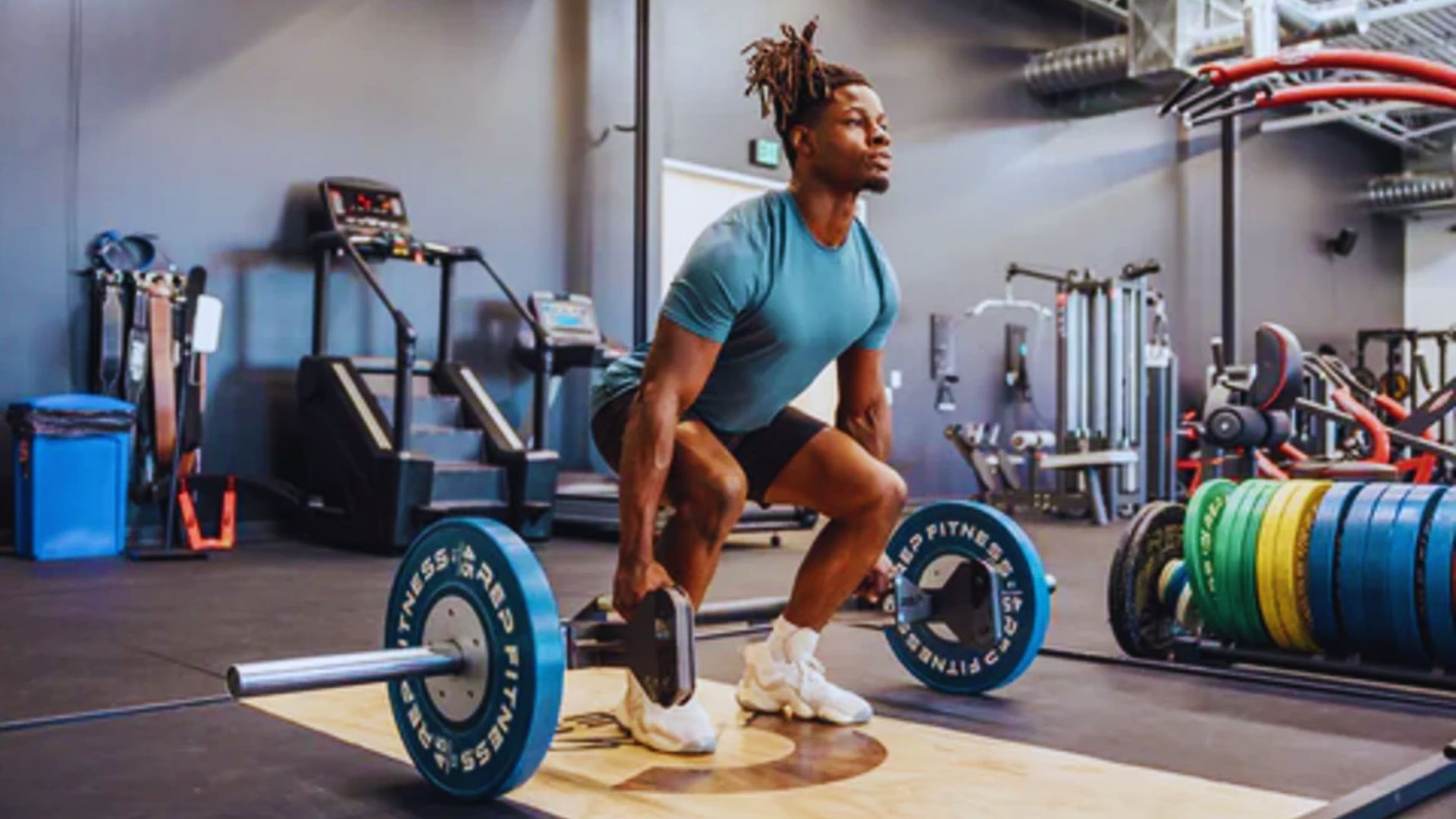
A man squats on a barbell in a gym, focusing on his form and strength training.
Most lower back issues from RDLs come from one or two technique errors that are completely fixable. Here’s what to focus on every single time.
- Set up properly: Feet hip-width apart, bar close to your body, grip just outside your legs.
- Slight knee bend: This is not a stiff-leg deadlift. Keep a soft bend throughout.
- Brace before you move: Deep breath, tight core, chest tall.
- Push hips back on the descent: Let the bar slide down your thighs. Feel the hamstring stretch.
- Neutral spine the whole way: Flat back from start to finish. No rounding, no arching.
- Hip drive on the way up: Squeeze glutes and push hips forward to stand. Don’t use your lower back to pull yourself up.
- Control your tempo: Aim for a 2-3 second descent and a steady ascent.
Starting light and nailing the pattern first will save you from weeks of unnecessary soreness.
Common RDL Mistakes That Cause Lower Back Pain

A man squats on a barbell in a gym, focusing on his form and strength training.
Lower back pain from RDLs almost always traces back to one of these errors.
- Rounding the spine: Once your lower back rounds, the load shifts onto your vertebrae instead of your muscles. Keep your chest up.
- Going too heavy too soon: Excessive weight breaks your form fast. Earn the heavier loads.
- Turning it into a squat: Deep knee bends change the movement entirely. Keep it a hip hinge.
- Lowering the bar too far: Go as low as your flat back allows, usually mid-shin. You don’t need to touch the floor.
- Skipping core bracing: An unbraced core puts direct pressure on your spine. Brace hard before every rep.
If your lower back keeps taking over, slow the movement down and focus on feeling the stretch in your hamstrings.
How to Modify RDLs If You Have Lower Back Sensitivity
If your lower back gets irritated easily, don’t quit RDLs. Modify them.
Start with lighter loads and a slower tempo. A 3-4 second lowering phase forces control and stops your back from compensating.
Dumbbells are a great option if barbells feel uncomfortable. They allow a more natural arm position and are easier to manage at lighter weights.
Try a partial range of motion. Stop when your hamstrings feel fully loaded, usually around knee height, instead of going all the way down.
Spend 5 minutes on hip mobility before each session. Cat-cow stretches, hip circles, and leg swings prep your body well.
If pain continues even with modifications, stop and get a professional to assess your form before continuing.
Best Programming Tips to Maximize RDL Benefits
RDLs work best when you program them with intention, not just throw them into random workouts.
- For strength: 3-5 sets of 4-6 reps, heavier loads, 2-3 minutes rest.
- For hypertrophy: 3-4 sets of 8-12 reps, moderate weight, focus on hamstring connection.
- Frequency: 1-2 times per week is enough. Your posterior chain needs recovery time.
- Smart pairings: RDLs go well with hip thrusts, split squats, or leg curls. Avoid pairing with other heavy lower back work on the same day.
- Recovery matters: Sleep and rest between sessions are just as important as the training itself.
More frequency with sloppy effort never beats less frequency with full focus.
Conclusion
RDLs changed how my back feels day to day. Not because I lifted heavy, but because I finally learned to move right.
You have everything you need in this guide to do the same.
Start your next session with just the form cues. See how your body responds. Small wins stack fast.
Got questions about your form or not sure where to begin? Drop them in the comments below. I’m happy to help.
And if this guide helped you, share it with someone who keeps avoiding deadlifts out of fear.
Frequently Asked Questions
Can RDLs cause lower back pain if done correctly?
No. When your spine stays neutral and form is solid, RDLs should not cause lower back pain. Hamstring and glute soreness is normal, sharp spinal pain is not.
How heavy should beginners lift when starting RDLs?
Start with a weight that lets you complete every rep with clean form, usually an empty barbell or light dumbbells until the pattern feels natural.
Are RDLs better than conventional deadlifts for lower back safety?
For people with lower back sensitivity, RDLs are often the safer choice because they emphasize hamstring control and typically use lighter loads.
How often should I train RDLs each week?
Once or twice a week is enough. Your posterior chain needs adequate recovery between sessions to get stronger.
What muscles should feel sore after RDLs?
Mostly your hamstrings and glutes. Mild lower back tightness is possible early on but should fade as your body adapts.