

Protein shakes are everywhere.
But here’s a question most people don’t ask until it’s too late: can they make you gain weight if you’re not working out?
I’ve been there. Drinking shakes daily, skipping the gym, and wondering why the scale kept creeping up.
In this article, you’ll get clear answers. We’ll cover how protein works in your body, what leads to weight gain, and how to use shakes the right way.
With years of nutrition research and real-world experience, this guide cuts through the noise.
Quick Answer: Do Protein Shakes Cause Weight Gain Without Exercise
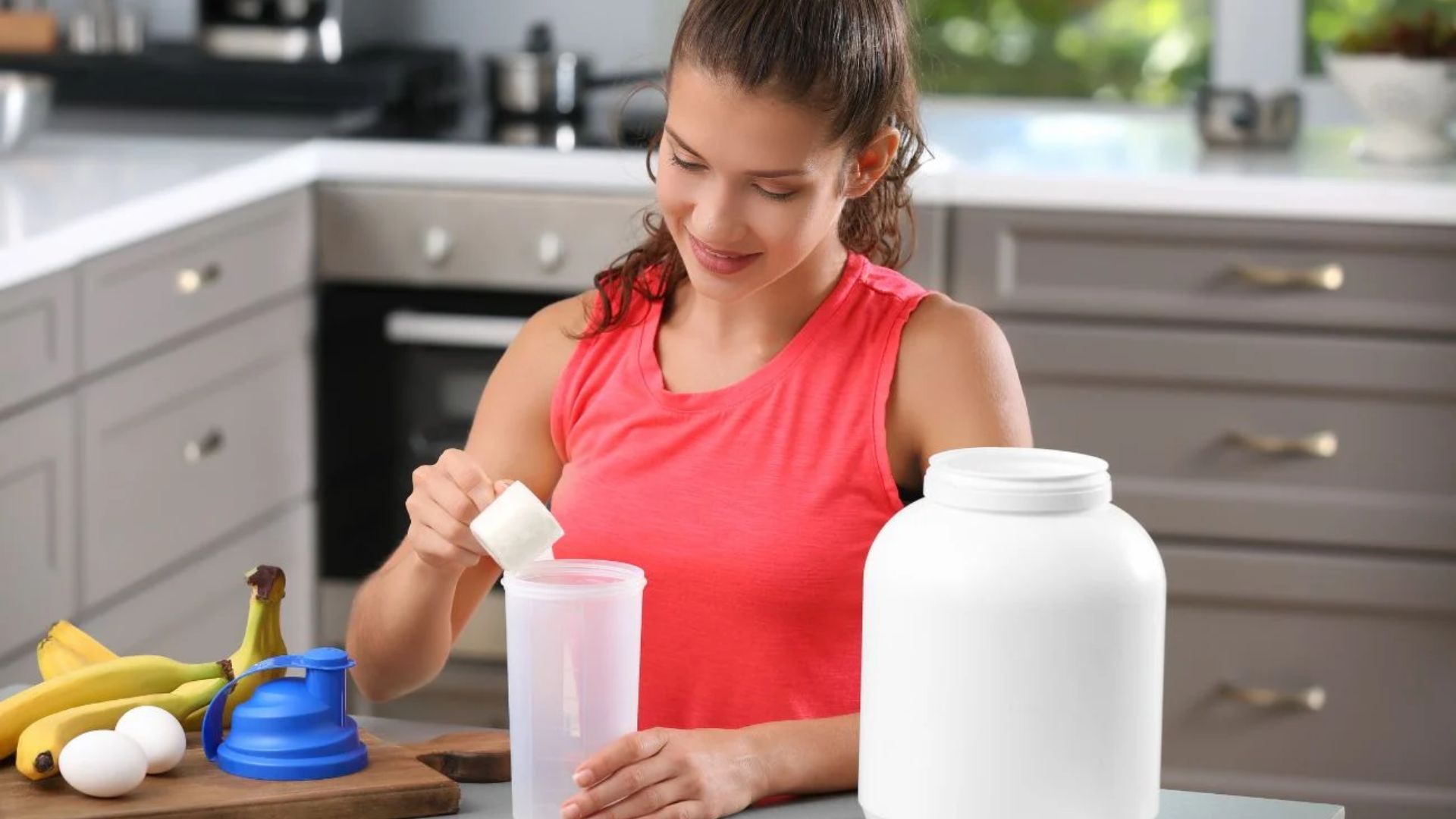
Protein shakes don’t automatically cause weight gain. Your body first uses protein for repair, cell function, and hormones. Only when there’s more than it needs does storing begin.
Weight gain comes down to one thing: eating more calories than you burn. If your shake adds extra calories you’re not burning off, your body stores them. The shake isn’t the problem. The total calorie count is.
Without exercise, protein has nowhere productive to go. Your body may convert it to glucose or store it as fat. Exercise is what directs protein toward muscle. Without it, the outcome changes completely.
What Happens If You Drink Protein Shakes Without Working Out
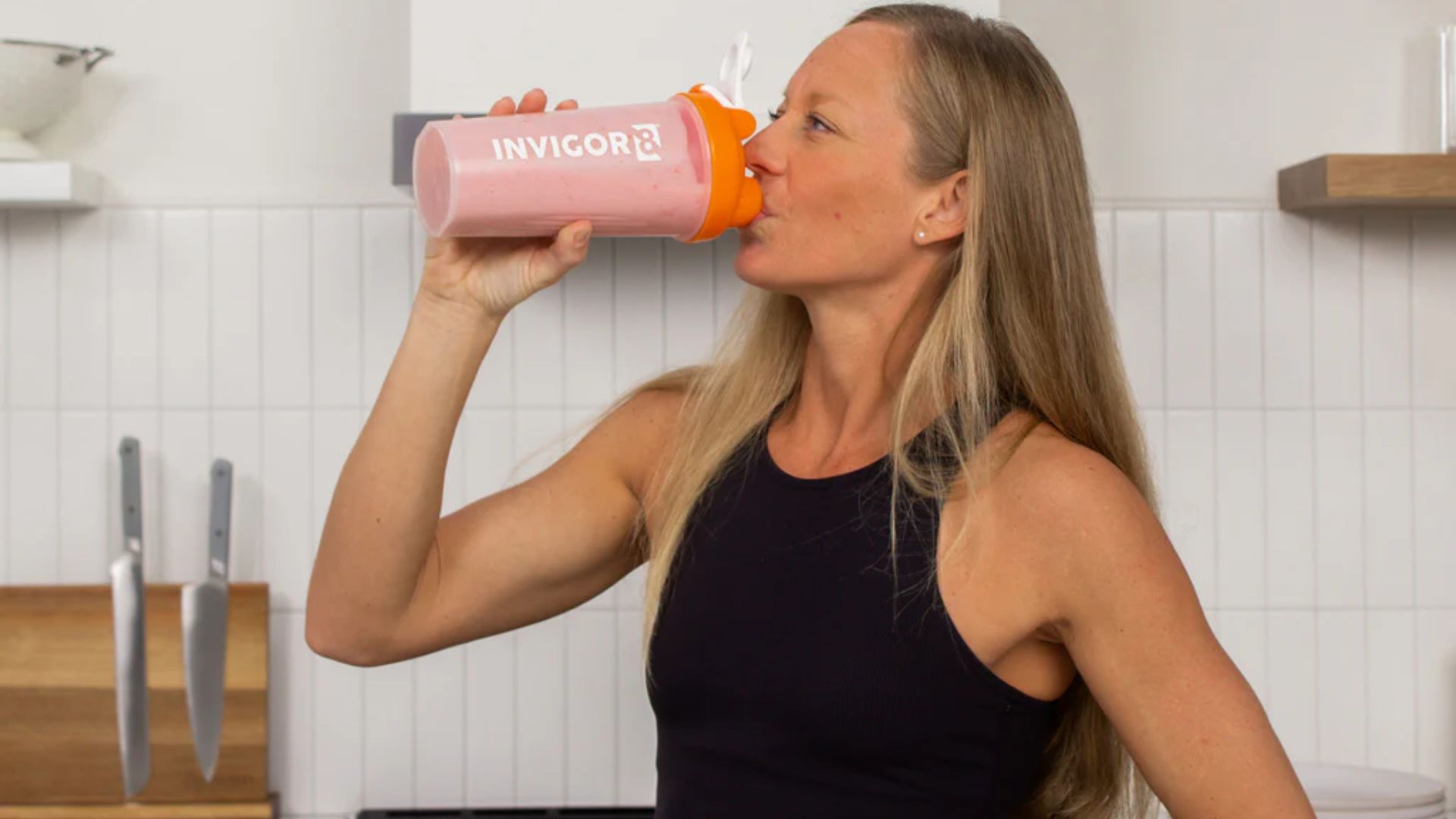
So what actually goes on inside your body when you drink protein but skip the gym? It’s not as simple as “it turns to fat.” Let’s break it down step by step.
How Your Body Processes Protein
When you drink a protein shake, your digestive system breaks it down into amino acids. These amino acids enter your bloodstream and get sent where they’re needed most.
Your body uses them for building enzymes and hormones, repairing tissues, and supporting immune function. Protein is always working. The question is whether it’s building muscle or just filling a calorie gap.
No Muscle Growth Without Exercise
Here’s the hard truth. Protein alone does not build muscle.
Muscle grows when there is physical stress on the body. Lifting weights, resistance training, or even bodyweight exercises create small tears in muscle fibers. Protein repairs those tears and makes the muscle stronger.
Without that stress, there’s no signal to build. The protein just gets used for basic body functions or moved on.
When Protein Is Used or Stored
Your body is smart. It only uses what it needs. If you eat more protein than your body requires, the extra goes through a conversion process.
It gets broken down into glucose for energy. If that glucose isn’t burned either, it gets stored as fat. This doesn’t happen overnight. But over time, consistent excess leads to weight gain.
Can Protein Shakes Make You Gain Weight
Yes, they can. Not because protein is bad, but because of what often comes with it. Here’s where most people go wrong with their shakes.
Extra Calories From Shakes and Add-Ins
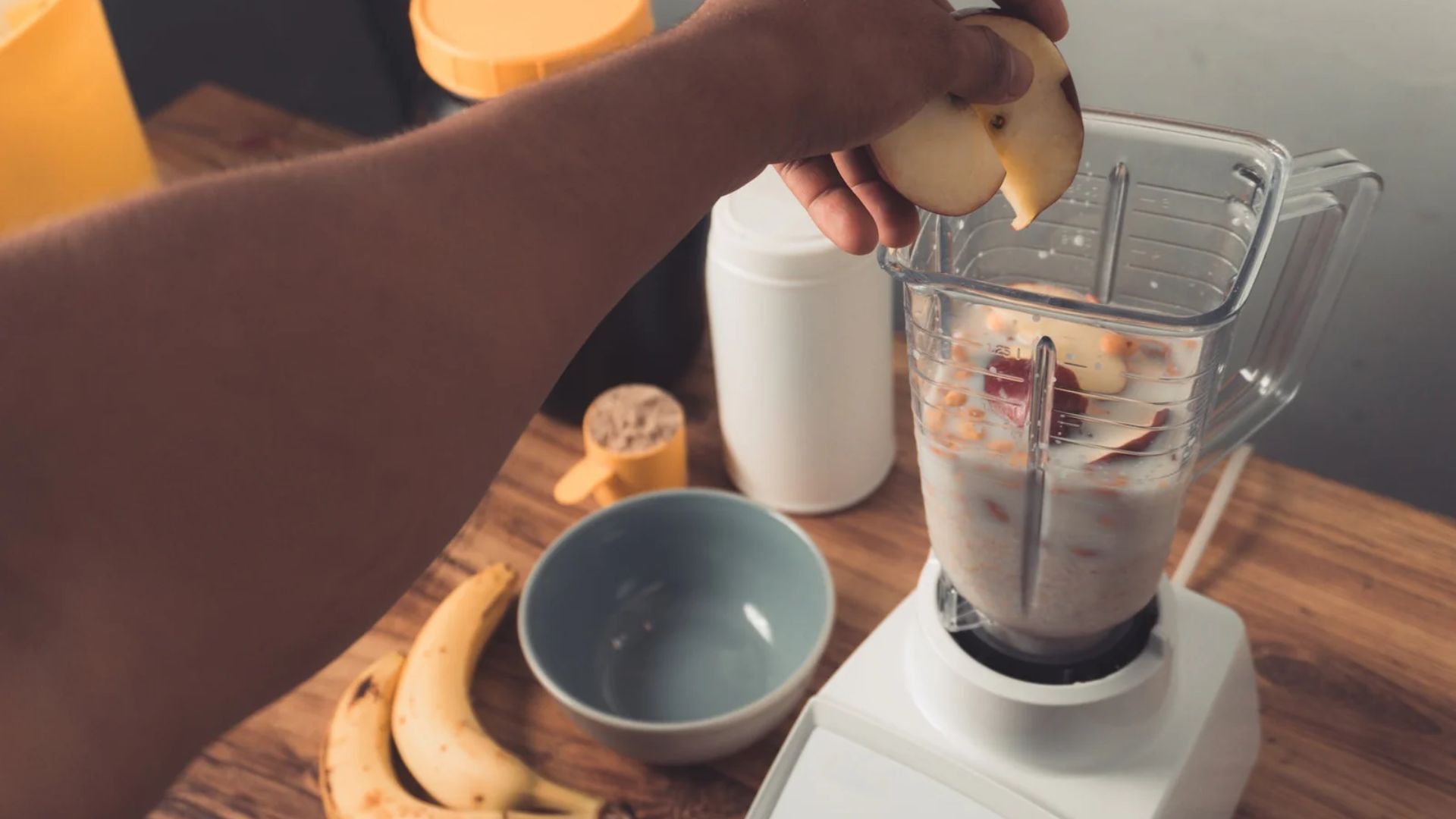
A plain protein shake might be 120 to 150 calories. That’s fine for most people.
But look at what gets added. Whole milk instead of water, peanut butter, bananas or frozen fruit, honey or syrups.
Suddenly, that shake is 500 to 600 calories. If you’re drinking it on top of your regular meals, those calories add up fast.
Hidden Sugars and High-Calorie Ingredients
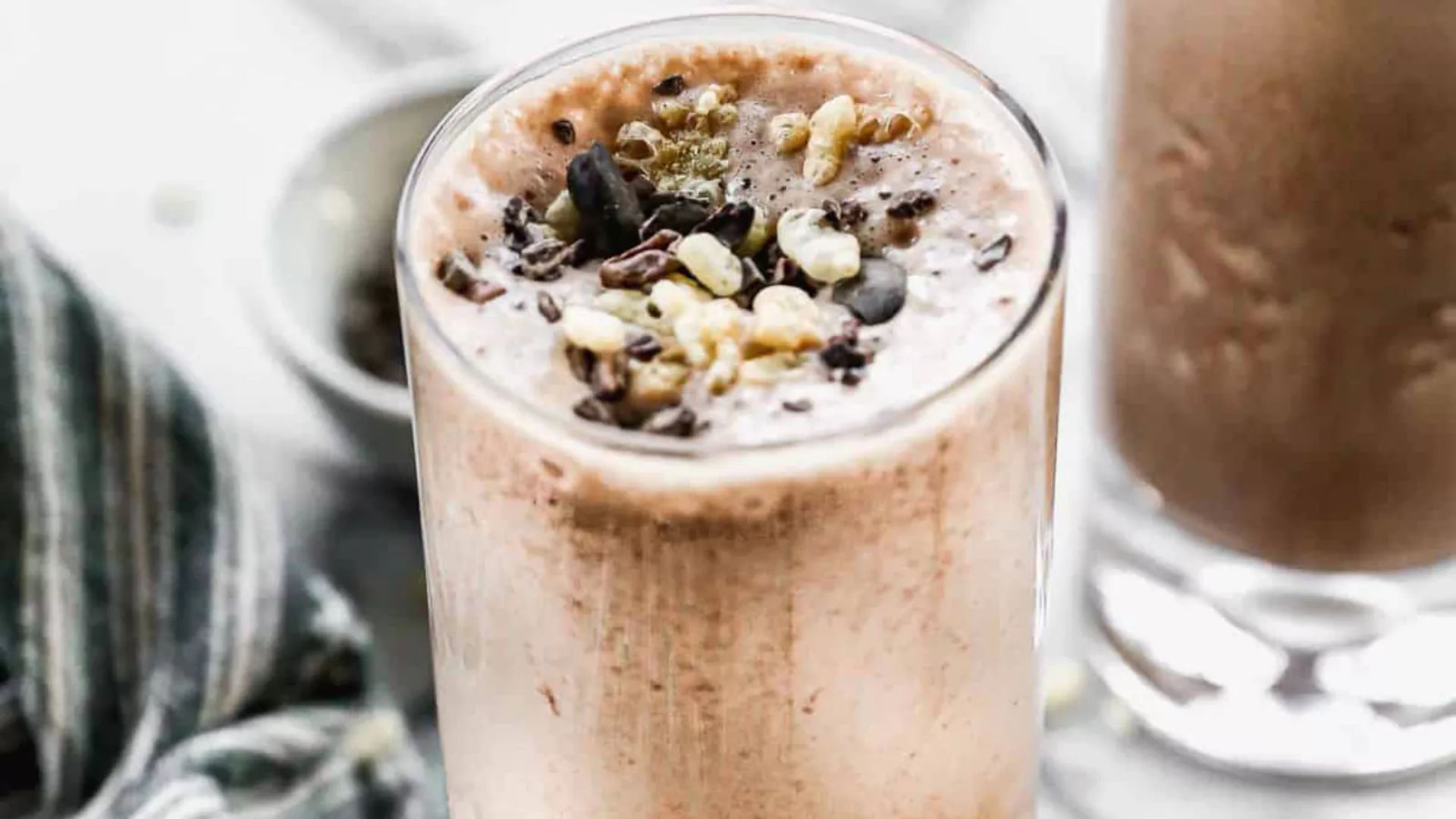
Some protein powders are loaded with sugar. Flavored powders, especially chocolate and vanilla blends, can have 10 to 20 grams of sugar per serving.
Read the label. Look for total calories per serving, sugar content, and added fats or oils. Mass gainer powders are the biggest trap.
They’re designed to add calories fast. If you’re not training hard, those extra calories go straight to fat storage.
Sedentary Lifestyle and Fat Storage

Your body burns calories through movement, digestion, and basic body functions. When you sit most of the day and don’t exercise, your calorie burn stays low.
Add a high-calorie shake to a low-activity day, and you’ve got a recipe for slow, steady weight gain. It won’t happen in a week. But over months, the difference shows.
Can Protein Turn Into Fat Without Exercise
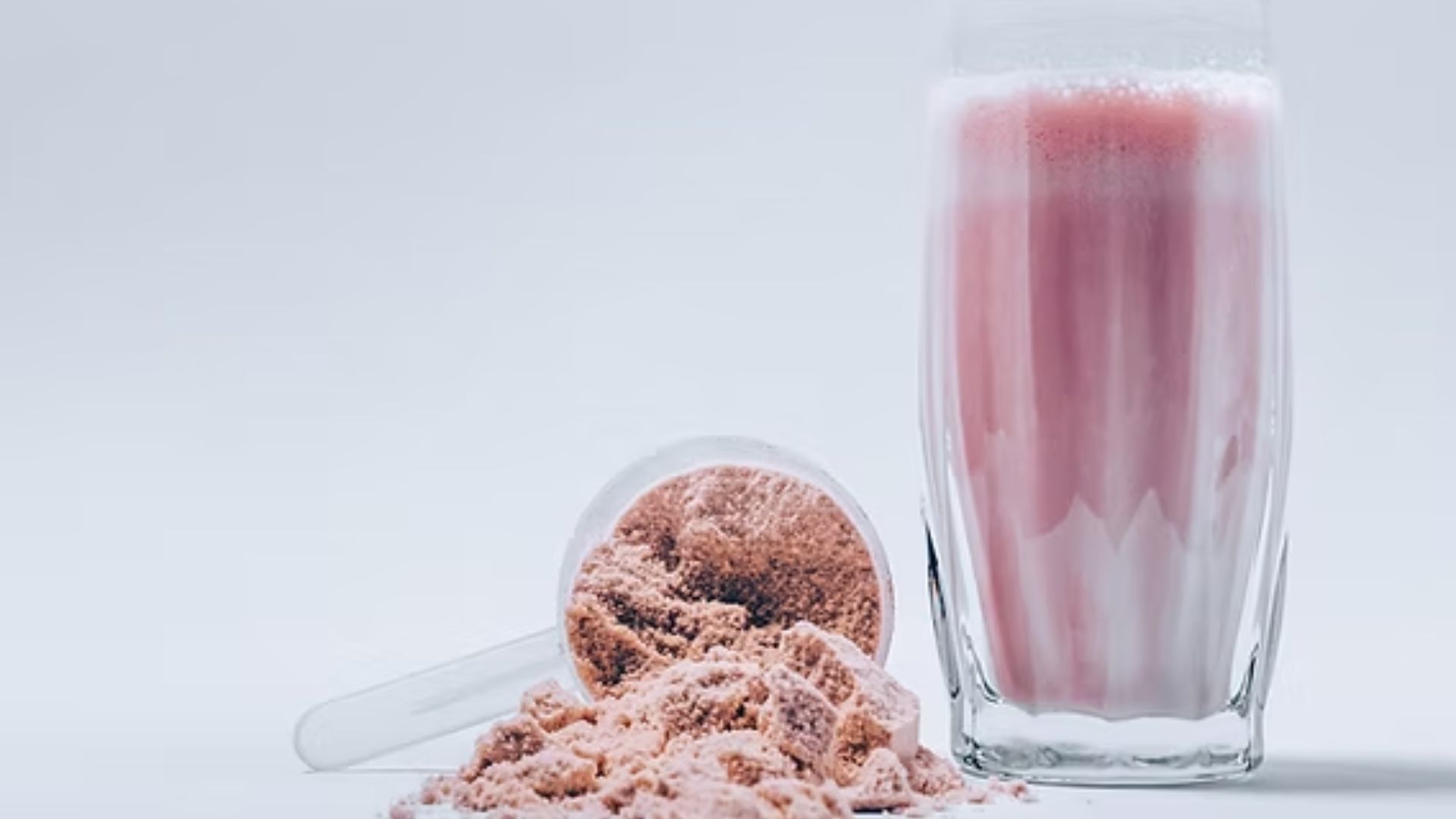
This is one of the most searched questions about protein. And yes, it can happen. But it’s not as common as people fear. Here’s the science in simple terms.
Protein Conversion to Glucose and Fat
When your body has more amino acids than it needs, it starts a process called gluconeogenesis. This turns excess protein into glucose.
If that glucose isn’t used for energy, it gets stored as glycogen in your muscles and liver. Once those stores are full, the leftover glucose gets converted to fat. It’s a chain reaction. And it only starts when there’s a true surplus.
Why It Happens in a Calorie Surplus
Your body doesn’t store fat out of nowhere. It only does so when energy intake is higher than energy output.
If you eat 2,500 calories a day and only burn 2,000, those extra 500 calories will eventually be stored.
The source of those calories matters less than the total amount. Protein can absolutely be part of that surplus. It’s not special. Excess is excess.
When Fat Gain Actually Occurs
Fat gain from protein is more likely when you drink multiple shakes per day, use high-calorie powders or add-ins, stay mostly inactive throughout the day, or don’t track your total food intake.
None of these situations are extreme. They’re actually pretty common for people who start drinking protein shakes without a clear plan.
Do Protein Shakes Help or Hurt Weight Loss Without Exercise
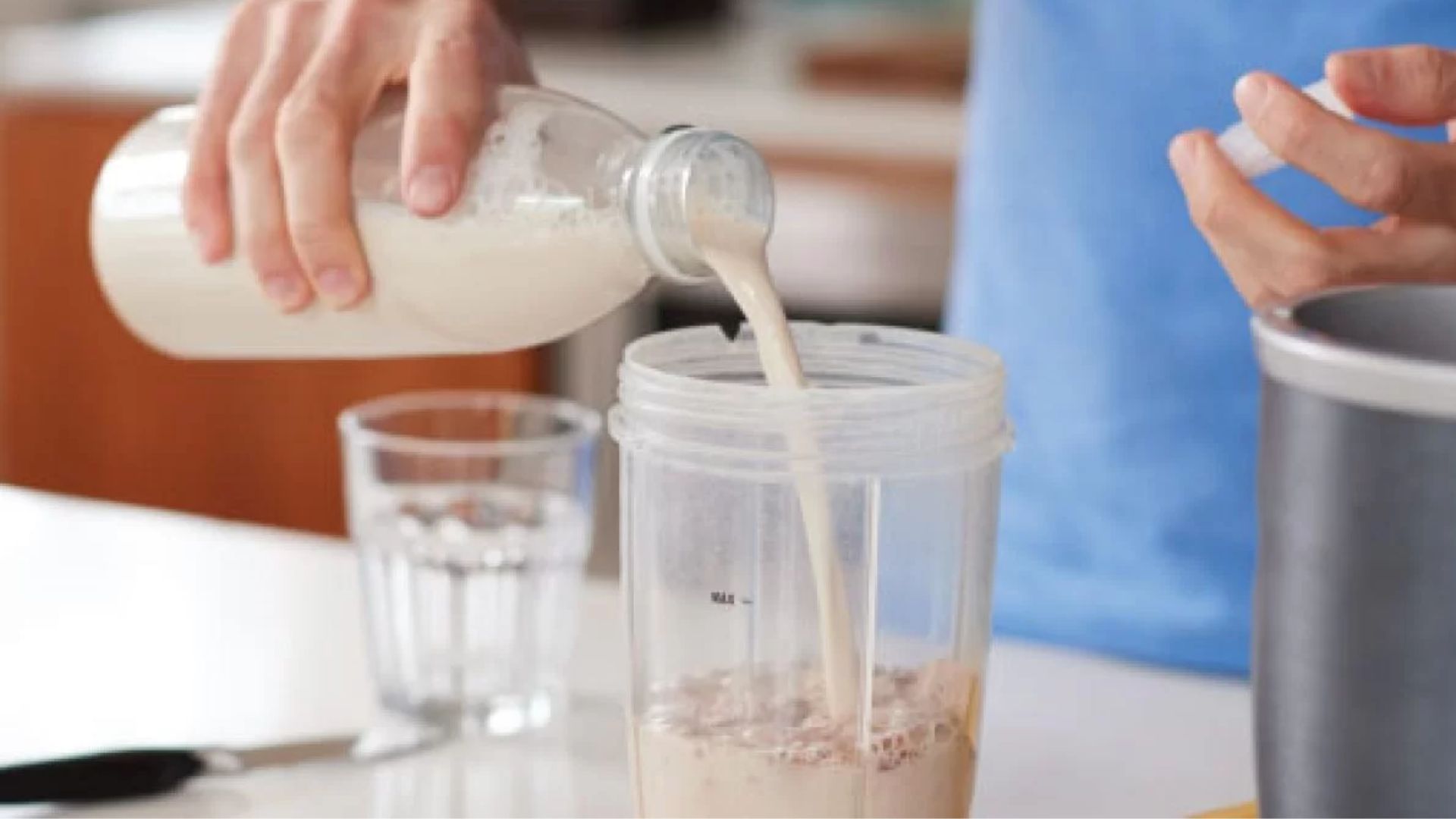
Protein is the most filling macronutrient. It keeps you full longer and reduces hunger hormones. Replacing a high-calorie meal with a shake can lower your overall calorie intake.
Your body also burns 20 to 30 calories digesting every 100 calories of protein. Small boost, but it helps.
The problem starts with bad habits. Adding shakes on top of full meals or picking sugary powders is where most people go wrong. The shake isn’t the problem. The habit around it is.
How Much Protein Do You Need Without Working Out
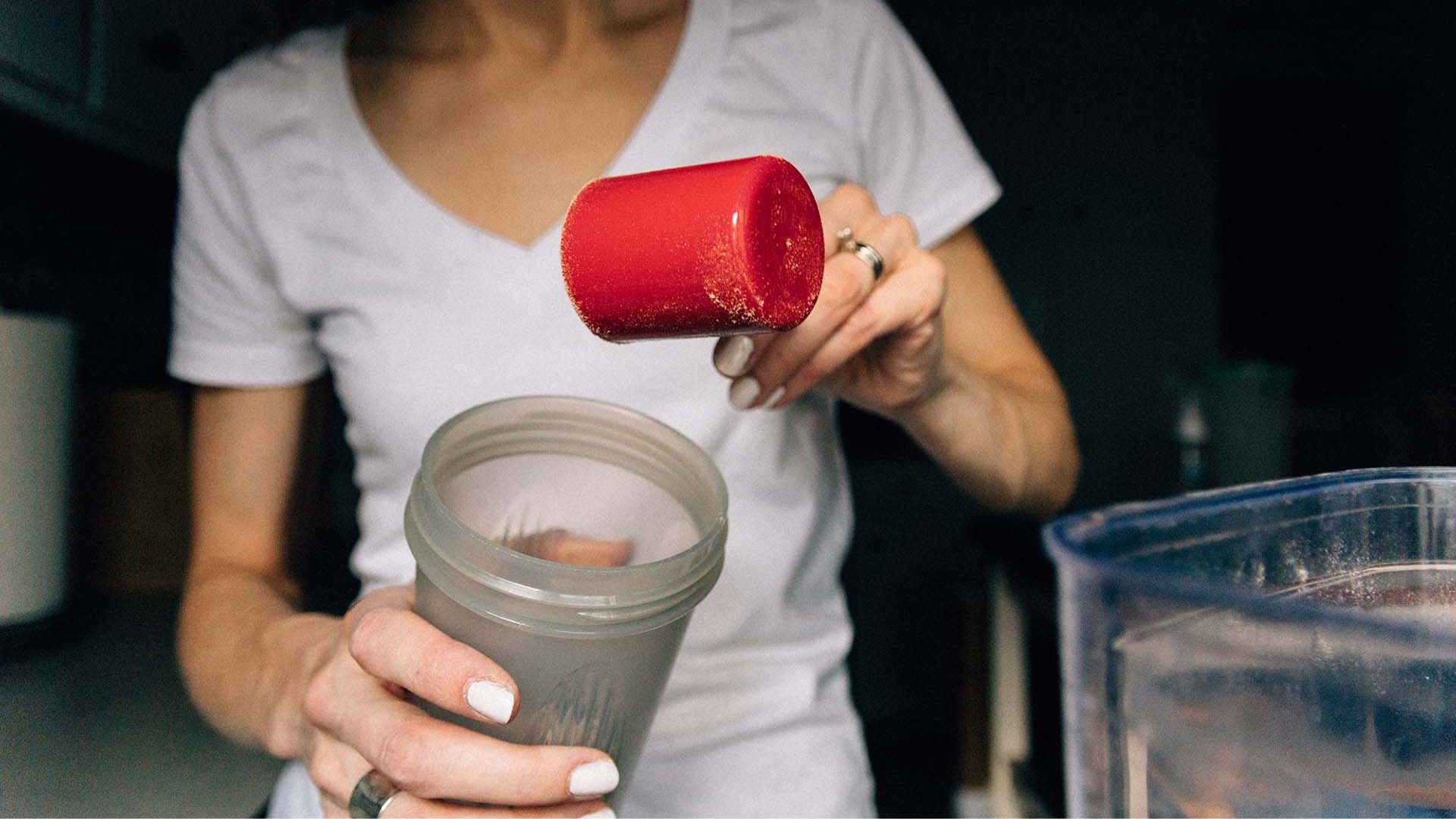
Most people without a workout routine are already eating too much protein and don’t realize it.
The general guideline for sedentary adults is 0.8 grams of protein per kilogram of body weight per day.
For a 70 kg person, that’s roughly 56 grams daily. One protein shake gives you 25 to 30 grams. Add regular meals and you’ve already hit your limit.
Your body also signals when it’s getting too much. Bloating, digestive issues, bad breath, unusual thirst, or gradual weight gain are all signs.
It doesn’t mean protein is toxic. It just means your body is processing more than it needs.
How to Use Protein Shakes Without Gaining Weight
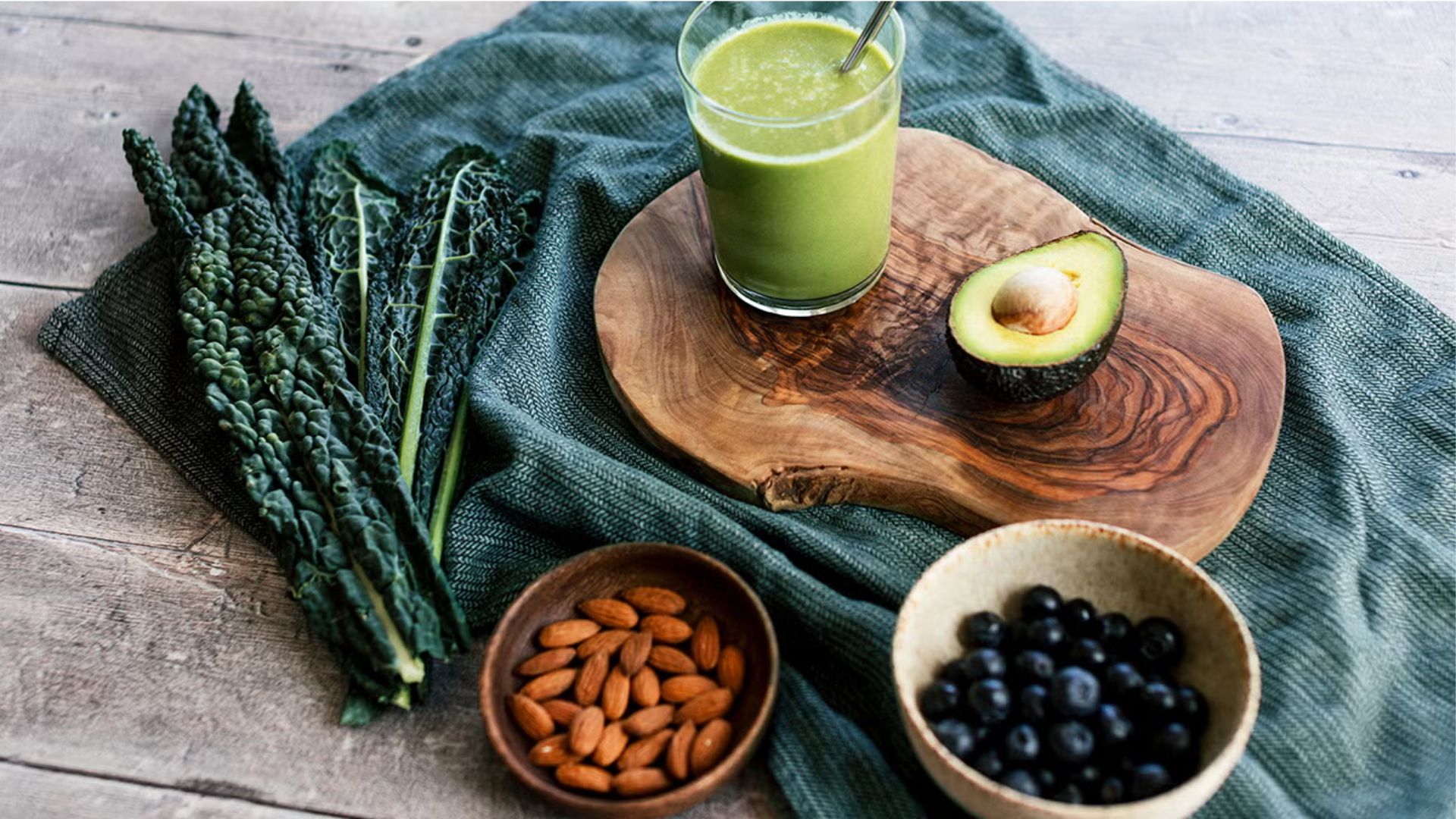
You can still use protein shakes without packing on extra weight. You just need a smarter approach.
Control Total Daily Calories
Know how many calories your body needs and make sure your shake fits within that number.
Use a free calorie tracker app for a week to see where calories are coming from. If the shake is pushing you over your limit, reduce the serving size or cut something else.
Choose Low-Sugar Protein Powders
Not all powders are the same. Look for under 5 grams of sugar, at least 20 grams of protein, and minimal added ingredients.
Whey isolate and pea protein are cleaner options. Skip the mass gainer blends if weight gain is a concern.
Use Shakes as a Meal Replacement, Not Extra Calories
A protein shake should replace a meal, not be added on top of one. Swap a 600-calorie lunch for a 200-calorie shake and you’ve reduced your intake.
Add it on top of a full meal and you’ve added calories without burning more. That’s where weight creep begins.
Conclusion
I know it can feel confusing when you’re trying to do the right thing for your health and still see the scale move in the wrong direction. Been there.
Honestly, I used to drink two shakes a day thinking more protein meant better results. It didn’t. Once I started treating shakes as a replacement and not a bonus, things shifted.
Protein shakes aren’t bad. They just need to fit your actual lifestyle. Drop a comment below and let me know what’s worked for you.
Share this with a friend who’s been asking the same question, and check out our related posts on protein intake and weight management.
Frequently asked questions
Can I drink a protein shake every day without exercising?
Yes, you can. Just make sure it fits within your daily calorie needs. Drinking one shake a day as a meal replacement is generally fine for most healthy adults.
Will protein shakes make me fat if I sit all day?
Only if they push your total calories above what your body burns. A low-calorie protein shake used wisely won’t cause fat gain on its own.
How many protein shakes should a non-gym person drink per day?
One shake per day is usually more than enough. Most sedentary adults already meet their protein needs through regular meals without any supplementation.
Is whey protein okay without working out?
Yes, whey protein is safe without working out. It’s a clean source of protein that your body can use for basic functions, as long as you don’t overdo the calories.
What type of protein shake is best for people who don’t exercise?
Look for a low-calorie, low-sugar option with around 20 grams of protein per serving. Whey isolate or pea protein are solid choices that won’t add unnecessary calories to your day.