A man performs pull-ups on a bar, showcasing strength and fitness in a gym setting.
I used to skip dips entirely because I thought they were just a chest and triceps movement.
Then a coach watched me train and said, “You know your front delts are working overtime every time you dip, right?” That one comment changed how I looked at the exercise completely.
So do dips work shoulders? More than most people realize. And the way they engage your shoulders depends on factors most lifters never think about.
If you’ve been curious about this or wondering why your front delts are sore after dips, keep reading. The answer is worth knowing.
Let’s get started.
What Muscles Do Dips Actually Work?

A man performs a pull-up on a fitness machine, showcasing strength and focus during his workout.
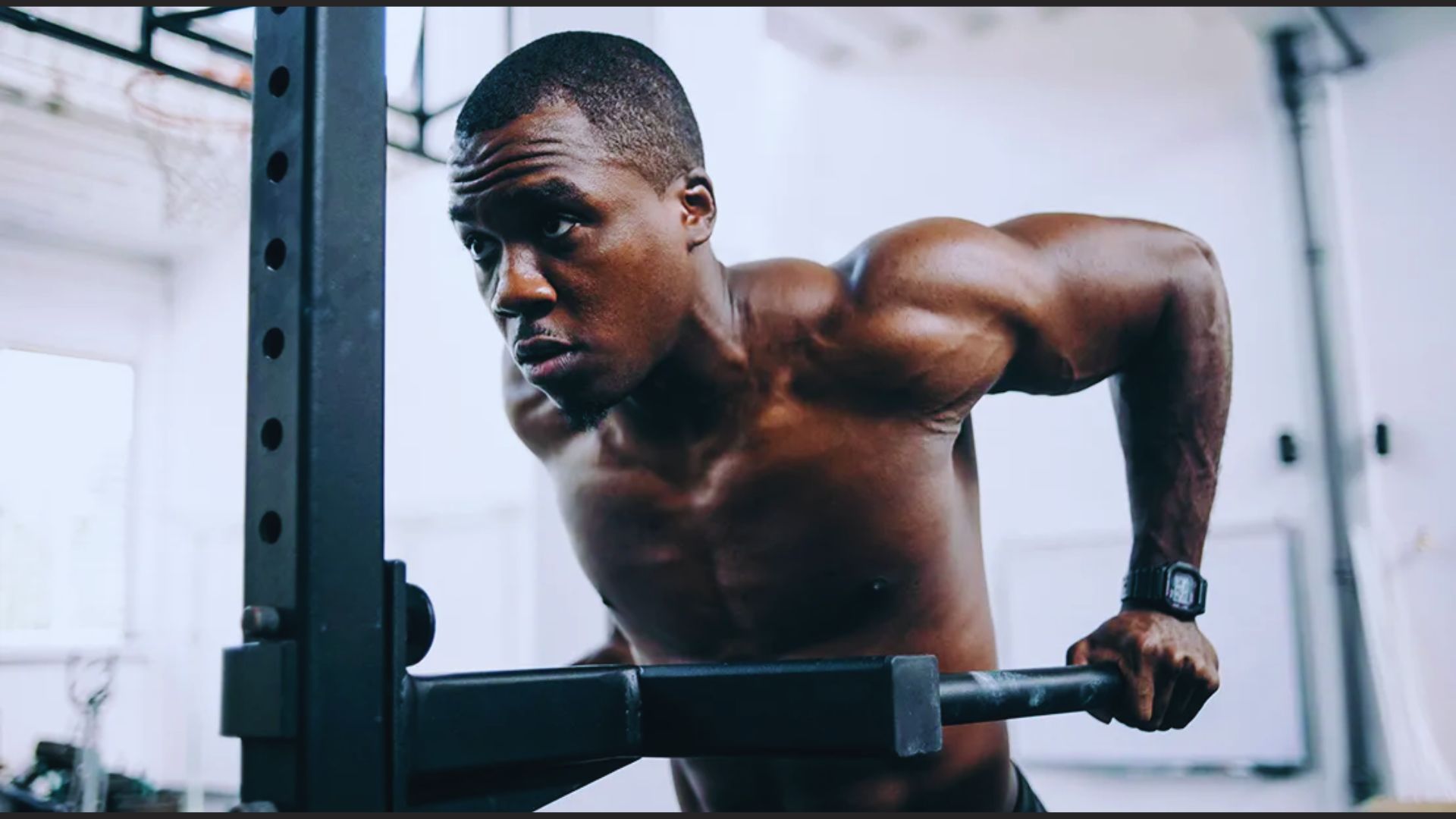
Dips are a compound pushing movement. Your chest, triceps, and anterior deltoids are the three primary movers every single rep.
Your shoulders don’t just assist here. They actively stabilize the movement, especially at the bottom where the joint is under the most load.
Body angle determines which muscles take the lead. Leaning forward shifts emphasis toward your chest. Staying upright puts more demand on your triceps and front deltoids.
Compared to push-ups and bench press, dips require more shoulder stability because your body is suspended through a greater range of motion.
That instability is what makes them so demanding.
Do Dips Work Shoulders Effectively?
A man performing a pull-up on a fitness machine in a gym setting, focusing on strength training.
Dips do work the shoulders, specifically the anterior deltoid. This part of the shoulder activates heavily during any forward pressing movement.
EMG research shows meaningful anterior deltoid activation during dips, though not as high as a dedicated overhead press. The shoulder acts as both a mover and stabilizer at the same time.
Dips are not a complete shoulder exercise. They barely touch the lateral or posterior deltoids, so your side and rear shoulder development needs to come from other movements.
That said, dips strongly engage the shoulders when performed with a slight forward lean, controlled depth, and full range of motion.
Dips vs Other Shoulder Exercises
Dips contribute to shoulder development, but they don’t cover everything.
Here’s how they compare:
|
Exercise |
Anterior Deltoid |
Lateral Deltoid |
Posterior Deltoid |
Overall Shoulder Load |
|
Dips |
High |
Low |
Low |
Moderate |
|
Overhead Press |
High |
Moderate |
Low |
High |
|
Lateral Raises |
Low |
High |
Low |
Moderate |
|
Push-Ups |
Moderate |
Low |
Low |
Low |
Dips outperform push-ups for front delt activation and offer solid pressing strength carryover. But they fall short of overhead press for overall shoulder development.
The best approach is pairing dips with lateral raises and rear delt work. Dips alone will never build complete, well-rounded shoulders.
How to Perform Dips to Target the Shoulders More

A man performs pull-ups on a horizontal bar, showcasing strength and fitness in an outdoor gym setting.
A few simple adjustments can significantly change how much your shoulders contribute to each rep. Getting these right makes a real difference over time.
- Forward lean: Tilting your torso slightly forward increases anterior deltoid involvement alongside your chest.
- Elbow flare: Allowing your elbows to flare slightly outward increases shoulder activation during the press.
- Controlled depth: Lowering until your upper arms are parallel to the ground keeps your shoulders under tension longer.
- Slow tempo: A 2-3 second descent forces your shoulder stabilizers to work harder than rushing through reps.
- Avoid shrugging at the top: Elevating your shoulders at lockout shifts stress onto your traps instead of the working muscles.
Small tweaks in technique consistently outperform adding more weight before your form is dialed in.
Benefits and Risks of Using Dips for Shoulder Training
Two women in sports bras and shorts are suspended on gym rings, demonstrating strength and athleticism.
Dips offer real value for shoulder development when used correctly, but the risks are worth understanding before you load them heavily.
Here’s an honest look at both sides:
- Functional pressing strength: The shoulder stability required in dips carries over directly to bench press and overhead press.
- Compound efficiency: You train chest, triceps, and anterior delts in one movement, making dips one of the most time-efficient upper body exercises available.
- Hypertrophy potential: The combination of load and range of motion creates a strong stimulus for upper body growth, including the front delts.
- Shoulder impingement risk: At the bottom of a deep dip, the shoulder joint is in a vulnerable position. People with existing shoulder issues often feel pain here.
- Not ideal for everyone: Beginners with weak shoulder stabilizers, or anyone recovering from a rotator cuff or AC joint injury, should modify or temporarily avoid dips.
If dips cause sharp shoulder pain rather than normal muscle fatigue, stop and get it assessed before continuing.
Best Dip Variations for Shoulder Activation
A man performing a pull-up on a barbell, showcasing strength and fitness in a gym setting.
Not all dips create the same shoulder stimulus. The variation you choose directly affects how much your shoulders contribute.
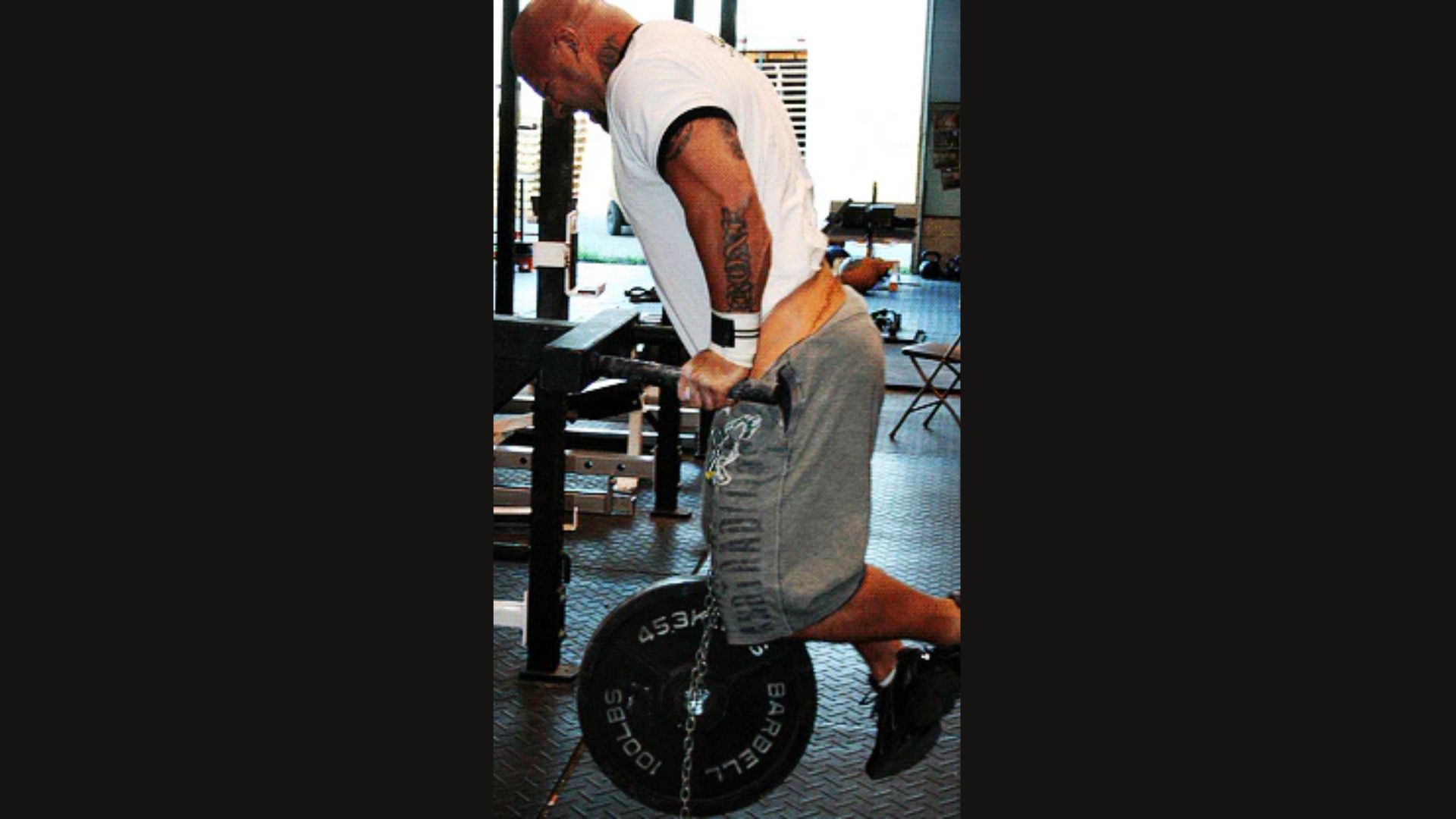
Parallel bar dips are the standard for shoulder activation. The free range of motion demands constant shoulder stabilization throughout every rep.
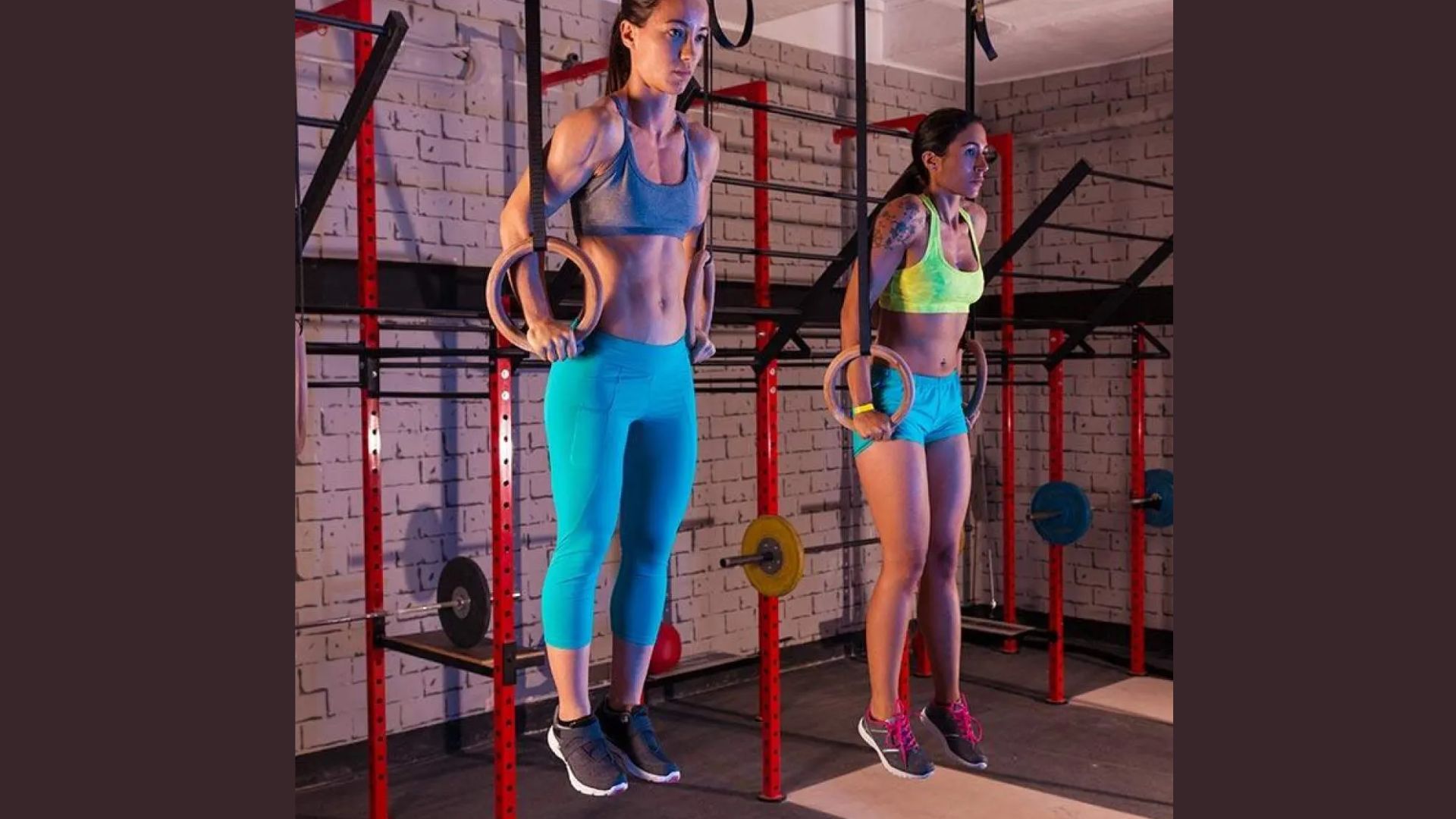
Ring dips take shoulder demand further. The rings move freely, forcing your shoulders to stabilize in multiple directions at once.
These are significantly harder and should be earned through consistent parallel bar work first.
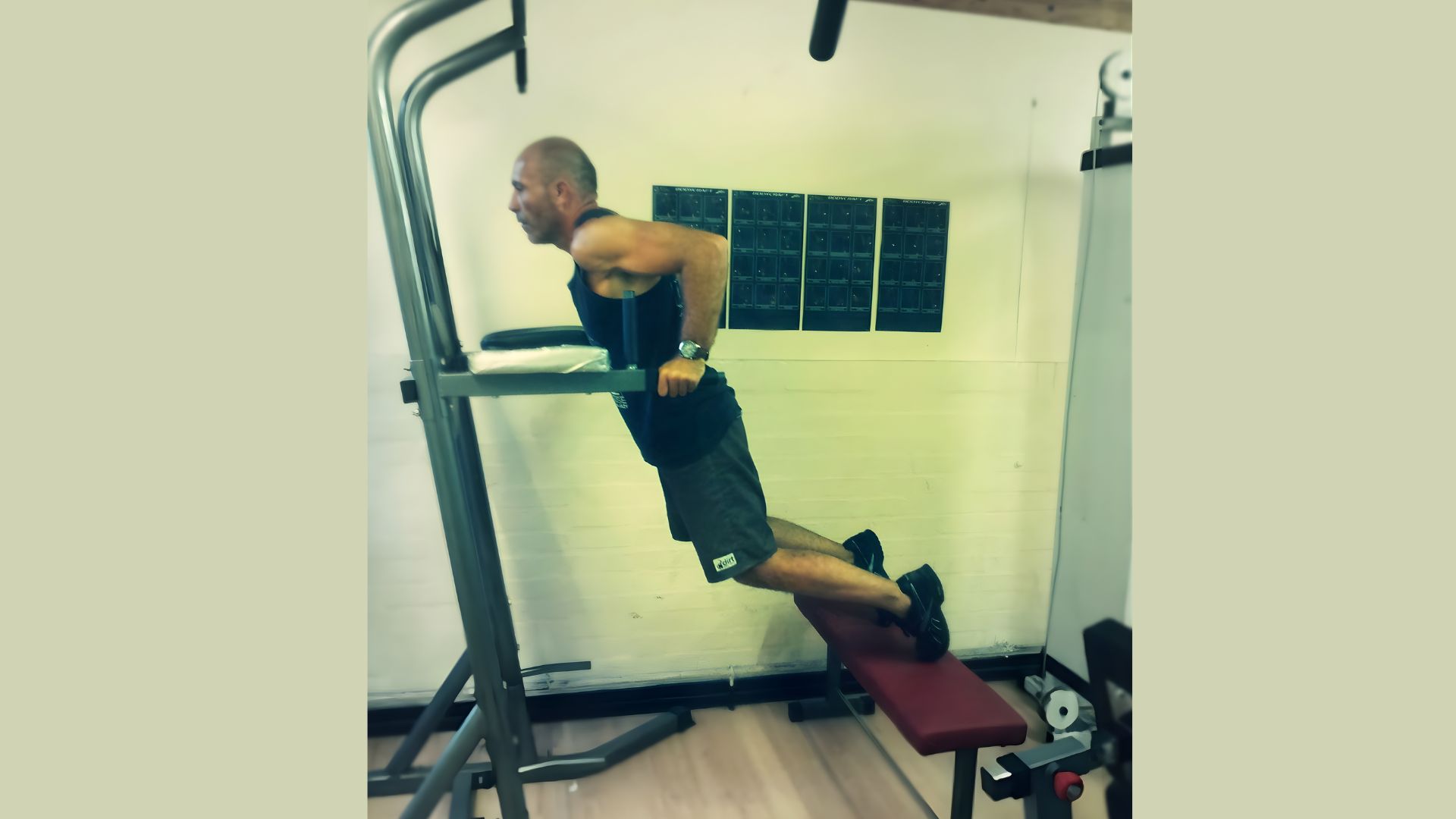
Bench dips reduce shoulder activation considerably. Your feet stay grounded, removing much of the instability that drives shoulder engagement in other variations.
Assisted dips using a machine or band are the right starting point for beginners who haven’t yet built the shoulder strength to control full bodyweight dips safely.
Sample Workout: Using Dips in a Shoulder-Focused Routine
Dips need to be paired with exercises that cover what they miss, specifically the lateral and rear deltoids.
Beginner Routine: Start with 3 sets of 6-8 assisted or bodyweight dips, followed by 3 sets of lateral raises and 3 sets of face pulls. Rest 90 seconds between sets and prioritize control over load.
Intermediate Routine: Use weighted parallel bar dips for 4 sets of 6-10 reps as your primary press. Follow with overhead press for 3 sets of 8-10, lateral raises for 3 sets of 12-15, and rear delt flyes for 3 sets of 15.
Add 2.5 to 5 pounds to your dips every one to two weeks once all reps are clean. Small, consistent increases build more strength than random heavy attempts.
Conclusion
Dips were never just a chest exercise. I figured that out the hard way, and my training got a lot better once I did.
Now you know exactly how dips work your shoulders and how to use them smarter than most people in your gym ever will.
The next step is simple. Add dips to your next session, apply one technique adjustment from this guide, and see what changes.
Then come back and tell me about it in the comments below. And if this helped you, share it with someone still sleeping on dips.
Frequently Asked Questions
Are dips better for shoulders or chest?
It depends on your body angle. A forward lean emphasizes the chest while a more upright position shifts demand toward the triceps and anterior deltoids.
Can dips replace shoulder presses?
No. Dips primarily hit the anterior deltoid and don’t adequately train the lateral or posterior deltoids. Overhead pressing remains necessary for complete shoulder development.
Do dips cause shoulder pain?
Dips can cause discomfort with poor form, excessive depth, or pre-existing shoulder issues. Proper technique and appropriate loading significantly reduce this risk.
How many dips should I do for shoulder growth?
Three to four sets of 8-12 reps with controlled tempo is a solid starting point. Focus on quality range of motion over chasing high rep numbers.
Are dips safe for beginners?
Yes, with modifications. Start with assisted or bench dips to build shoulder stability before progressing to full bodyweight parallel bar dips.