

Pull ups are one of the best upper body exercises you can do. No fancy machines. No gym membership needed. Just a bar and your body weight.
In this article, I'll cover 23 different types of pull ups, their benefits, and how to use them in your workouts.
I've been training with pull up variations for years, so I know what works and what doesn't. You'll learn which muscles each variation targets, how to choose the right style for your level, and common mistakes to avoid.
This guide is built to help you train smarter, not harder.
Why Pull Up Variations Matter

Sticking to just one type of pull up limits your progress. Different grips and movement styles hit different muscles, keeping your training effective and your body growing.
Mixing variations gives you more muscle activation, better grip strength, fewer overuse injuries, and faster progress overall. Your body adapts when you keep things fresh.
Pull ups work several muscles at once. The main ones are your latissimus dorsi, biceps brachii, and brachialis. Supporting muscles include the trapezius, rhomboids, rear deltoids, and core. Your grip and hand placement shift the focus between them.
To pick the right variation, start with your current strength level. If you can't do a full rep yet, begin with assisted or jumping pull ups. If your goal is bigger lats, go wide grip. For stronger biceps, try chin ups. For shoulder sensitivity, neutral grip is the safest bet.
Start with two or three variations. Master those before adding more.
23 Different Types of Pull Ups and Their Benefits
Here are all 23 pull up types explained clearly. Each one has a purpose.
1. Standard Pull Up

The standard pull up uses an overhand grip, slightly wider than shoulder width. Your palms face away from you.
Benefits:
- Builds lat width
- Strengthens the upper back
- Great foundation for all other pull up types
This is the starting point. Get comfortable here before moving on.
2. Chin Up

A chin up uses an underhand grip with your palms facing toward you. Your hands are about shoulder width apart.
Benefits:
- Targets the biceps more than a standard pull up
- Easier for beginners due to better arm leverage
- Still builds strong lats
Many people find chin ups easier to learn first. There is nothing wrong with starting here.
3. Wide Grip Pull Up

Your hands go wider than shoulder width, palms facing away.
Benefits:
- Heavy lat focus
- Builds that wide, V-shaped back
- Improves shoulder stability
The wider the grip, the shorter your range of motion. That is normal. Focus on pulling your elbows down and back.
4. Close Grip Pull Up

Hands are placed close together, about 6 to 8 inches apart, palms facing away.
Benefits:
- Works the inner lats and lower biceps
- Great for arm strength
- Adds variety without needing new equipment
This one feels harder than it looks. Start slow.
5. Neutral Grip Pull Up

Both palms face each other. Most gyms have a parallel bar attachment for this.
Benefits:
- Easiest on the wrists and shoulders
- Great for people with joint sensitivity
- Strong bicep and lat engagement
If you ever feel wrist pain with other grips, switch to neutral grip for a while.
6. Mixed Grip Pull Up
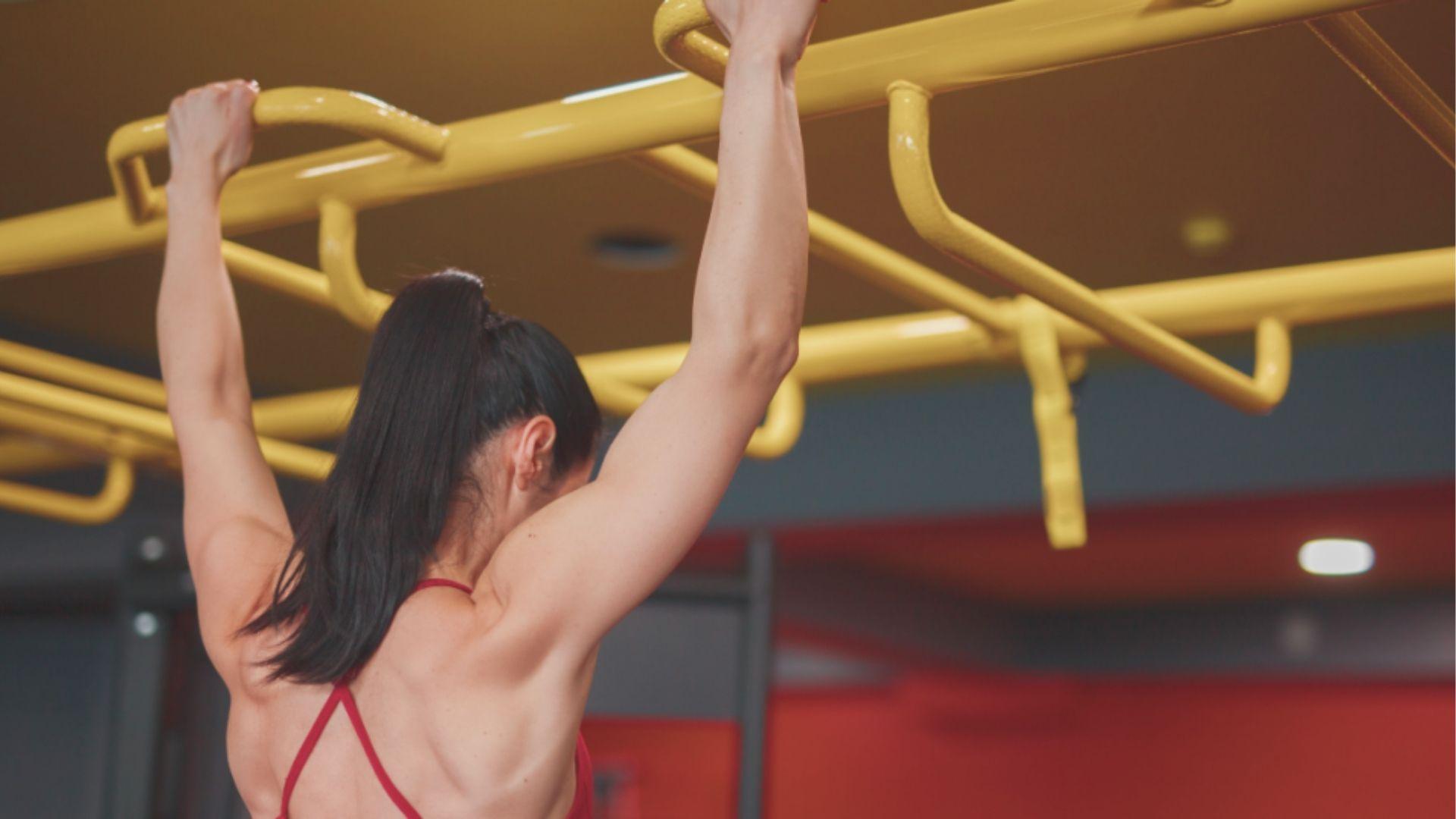
One hand faces toward you, the other faces away.
Benefits:
- Challenges your grip asymmetrically
- Helps identify and fix strength imbalances
- Builds forearm strength
Switch which hand faces which direction each set. This keeps both sides balanced.
7. Commando Pull Up

Start with hands in a parallel grip on a single bar, like you're holding a sword. Pull up to one side of the bar, then come down and pull to the other side.
Benefits:
- Builds rotational pulling strength
- Works the obliques and core
- Adds coordination to your training
This one looks cool and feels great once you get the rhythm down.
8. Scapular Pull Up
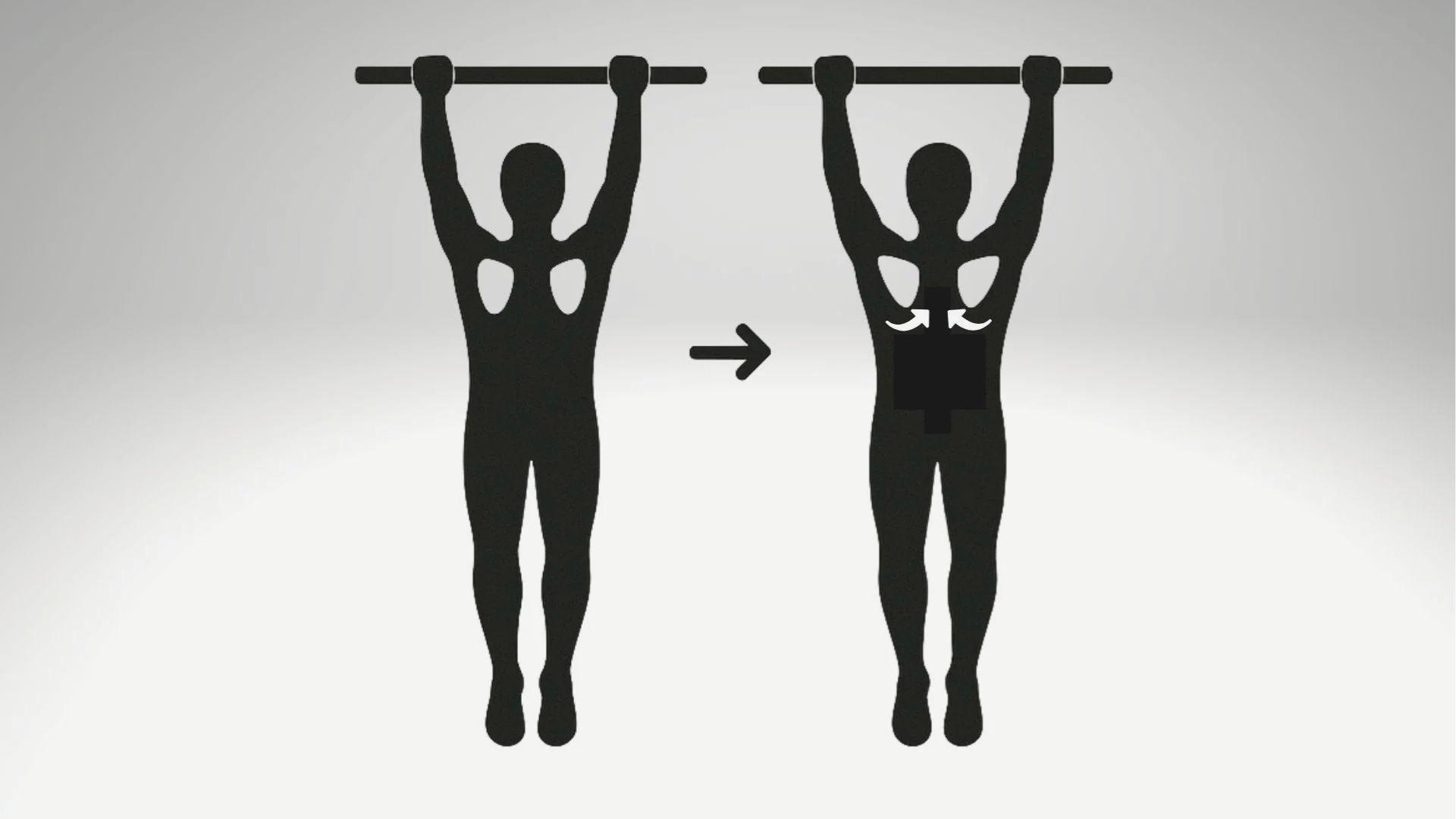
Start in a dead hang. Instead of pulling all the way up, just pull your shoulder blades down and together. Hold briefly, then release.
Benefits:
- Activates the lower traps
- Improves shoulder health
- Great warm-up movement before full pull ups
Think of it as a mini pull up just for your shoulder blades. It is very underrated.
9. Assisted Pull Up

Use an assisted pull up machine at the gym. The machine counterbalances some of your body weight.
Benefits:
- Perfect for beginners
- Lets you practice full range of motion
- Builds the strength needed for unassisted reps
Use less assistance as you get stronger. Track your progress over time.
10. Band-Assisted Pull Up

Loop a resistance band over the bar and place your foot or knee in it. The band helps push you up.
Benefits:
- Works the same muscles as a full pull up
- No machine needed
- Great for home training
Use a thicker band when you're starting out and switch to thinner bands as you build strength.
11. Negative Pull Up

Jump or step up to the top position of a pull up, then lower yourself down as slowly as possible.
Benefits:
- Builds strength fast
- Great for people who can't do a full pull up yet
- Strengthens muscles used in the pulling movement
Aim for a 3 to 5 second descent. The slower, the better.
12. Jumping Pull Up

Stand under the bar. Jump up to reach the top position, then lower yourself down slowly.
Benefits:
- Low barrier for beginners
- Combines cardio and strength
- Builds pulling muscle memory
This is a good one for circuit training too.
13. Dead Hang Pull Up
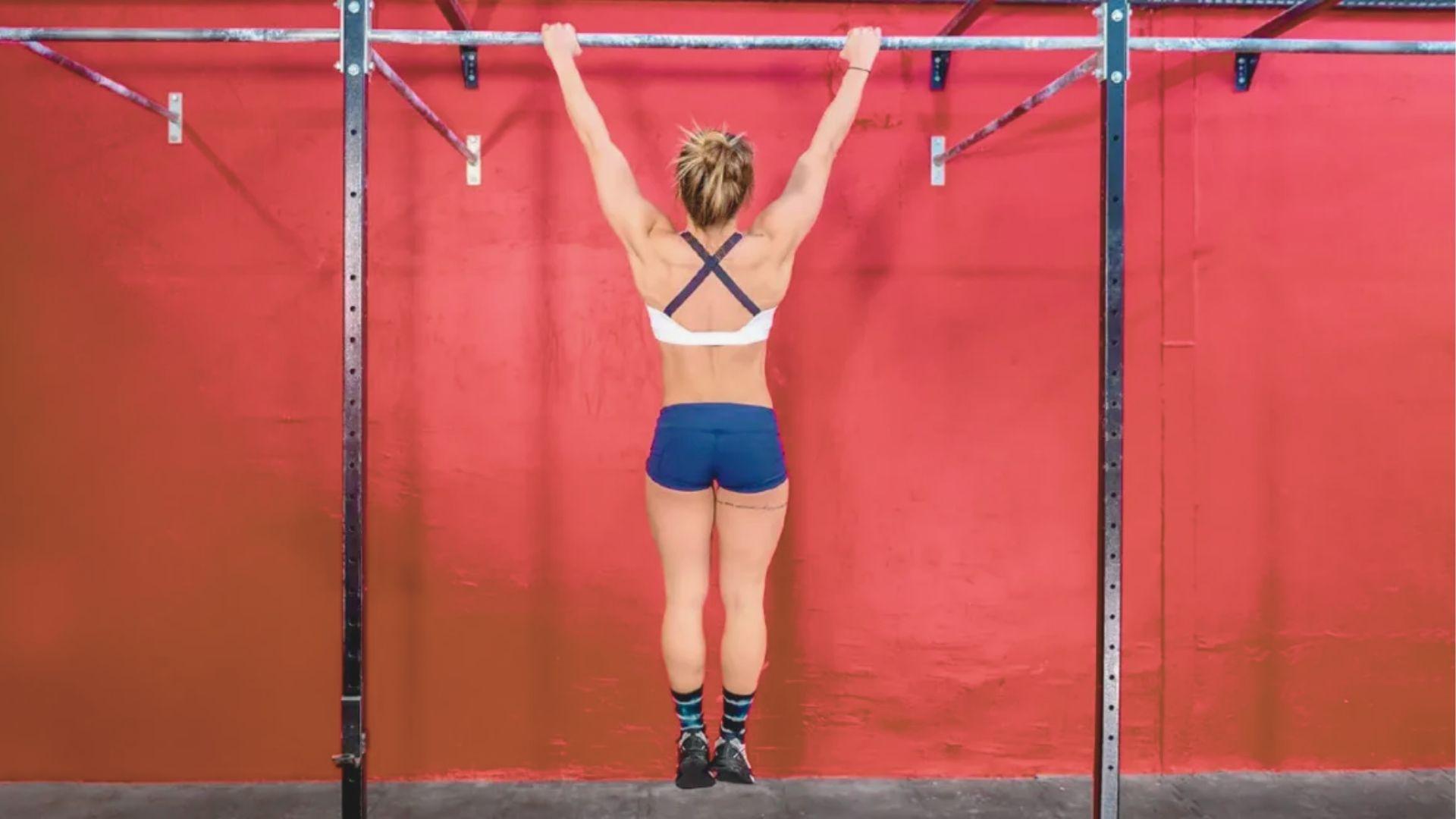
Hang from the bar with arms fully extended. Hold that position for time before attempting any pulling.
Benefits:
- Builds grip strength
- Decompresses the spine
- Strengthens the shoulder stabilizers
Aim for 30 to 60 seconds. This is harder than it sounds if you've never done it.
14. Half Pull Up

Only pull up halfway. Stop when your elbows reach 90 degrees.
Benefits:
- Reduces shoulder strain
- Useful for working through injury
- Builds strength in the mid-range of the movement
This is not a shortcut. It is a tool for specific goals.
15. Inverted Row Pull Up

Set a bar at waist height. Lie under it, grab it, and pull your chest up to the bar while keeping your body straight.
Benefits:
- Great for beginners and those with limited upper body strength
- Builds the same muscles as a pull up
- Easy to scale by adjusting your body angle
Bend your knees to make it easier. Straighten your legs to make it harder.
16. Weighted Pull Up

Wear a weight belt or hold a dumbbell between your feet. Perform a standard pull up with the added load.
Benefits:
- Builds serious strength and muscle mass
- Ideal for intermediate and advanced lifters
- Keeps workouts progressive
Start with small amounts of added weight. Form always comes first.
17. L-Sit Pull Up

Hold an L-sit position (legs parallel to the floor) throughout the pull up movement.
Benefits:
- Works the core very hard
- Builds hip flexor strength
- Makes the pull up much more demanding
Your core and abs will be very sore after a few sets of these.
18. Sternum Pull Up

Pull up higher than normal. The goal is to touch the bar with your lower chest or sternum.
Benefits:
- Full lat contraction at the top
- Develops upper back thickness
- Builds pulling strength through a longer range of motion
This requires solid base strength first. Work up to it.
19. Archer Pull Up

At the top of your pull up, shift your weight to one side. One arm is bent, the other extends out straight.
Benefits:
- Builds unilateral strength
- Great stepping stone toward a one-arm pull up
- Works the lats and biceps asymmetrically
Practice slowly and focus on control. This is a more technical movement.
20. Typewriter Pull Up

Pull up to the top, then slide your body side to side while staying at bar height. Move from one side to the other before coming back down.
Benefits:
- Targets each side of the back separately
- Builds shoulder and lat stability
- Challenges your grip endurance
This looks as cool as it sounds. It is also very tough.
21. One-Arm Pull Up

Use a single arm to complete a full pull up. The other arm can hold your wrist for slight assistance when learning.
Benefits:
- Extreme strength and skill builder
- Develops maximum lat and bicep strength
- One of the hardest bodyweight movements possible
Expect months or years of work to get here. It is worth the effort.
22. Kipping Pull Up

Use a hip swing to generate momentum. Pull at the top of the swing.
Benefits:
- Allows more reps per set
- Common in CrossFit training
- Builds pulling endurance and coordination
Kipping is not cheating. It is just a different skill. It still requires real strength to do safely.
23. Muscle Up

Start from a dead hang. Pull hard and fast, then push yourself above the bar. It combines a pull up and a dip.
Benefits:
- Builds explosive upper body strength
- Works pulling and pushing muscles together
- Very impressive and functional movement
This is a serious goal to work toward. It takes months of consistent training.
Tips to Add Different Types of Pull Ups to Your Workout
Knowing the variations is one thing. Knowing how to program them is another.
- Start with band-assisted or jumping pull ups if you are new as they build the right muscle patterns without needing full strength yet. Do 3 sets of 5 to 8 reps, 2 to 3 times per week and focus on full range of motion from day one.
- Add negative pull ups early in your training by jumping to the top and lowering slowly for 3 to 5 seconds. This builds pulling strength fast and most beginners see real progress within 4 to 8 weeks.
- Rotate 2 to 3 grip variations across your weekly sessions once you can do 5 to 10 clean reps. Try chin ups, neutral grip, and wide grip on different days to build a more complete back.
- Introduce weighted pull ups with a light load and work up to 4 sets of 8 to 12 reps. Keep a training log because small gains in reps and weight add up fast over time.
- Add archer pull ups, typewriter pull ups, and L-sit pull ups once you are at an advanced level. Train 3 to 4 times per week with rest days between sessions and treat recovery just as seriously as the training itself.
Grip Variations and Their Proper Benefits
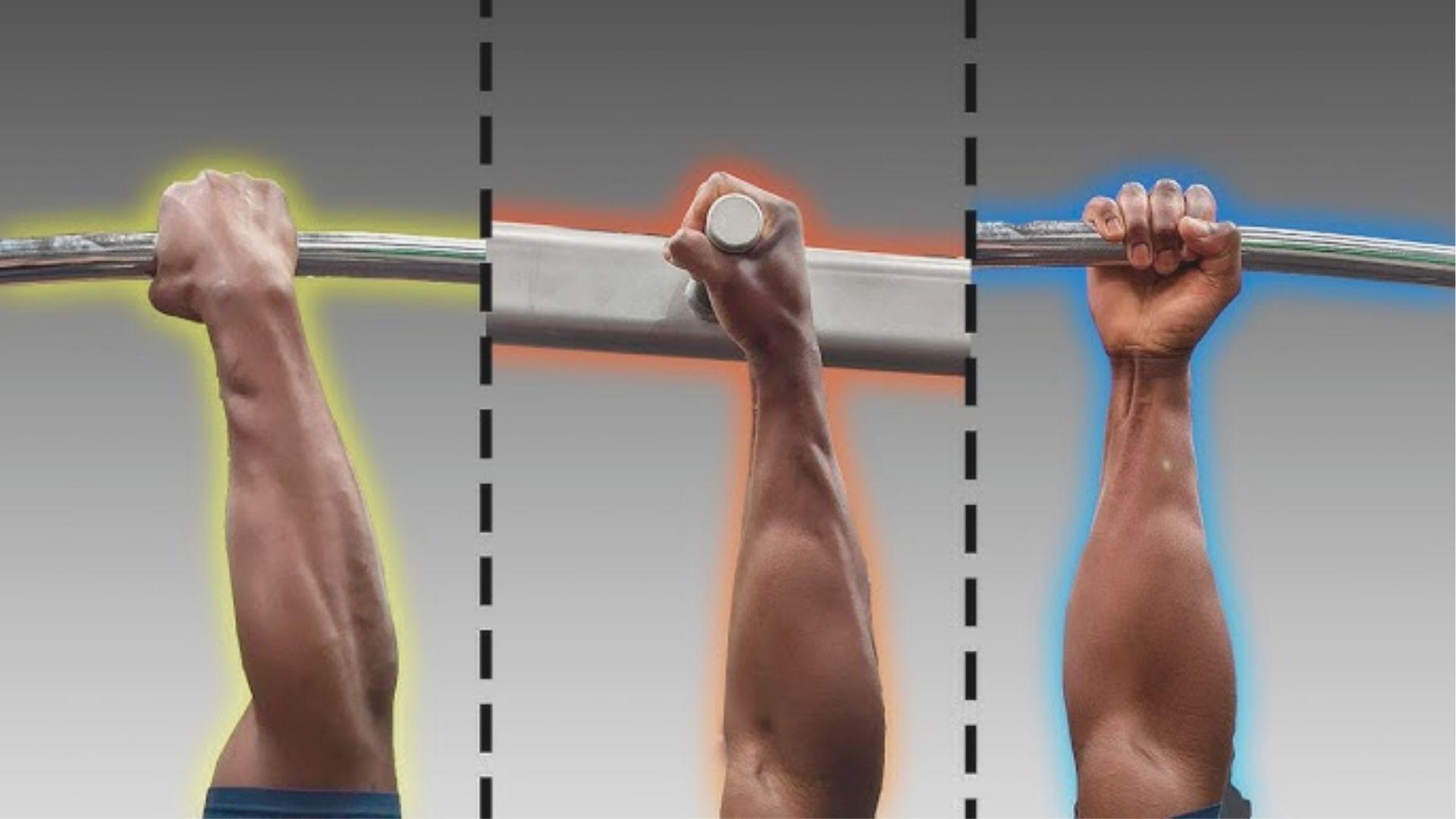
Your grip changes everything about a pull up. Here is a quick breakdown of four grip types worth knowing.
Pronated Grip
Palms face away from you. This is the standard pull up grip.
It puts more focus on the lats and upper back. Most pull up variations use this grip as a base.
Supinated Grip
Palms face toward you. This is the chin up grip.
It shifts more work to the biceps. Most people find this grip easier because the arms can contribute more.
Towel Grip
Hang two towels over the bar and grip one in each hand.
Benefits:
- Builds serious grip and forearm strength
- Forces your stabilizer muscles to work harder
- Simple to set up with household items
Your hands will fatigue quickly at first. That is the point.
Grenade Grip
Attach a ball or use a specialized grip attachment on the bar.
Benefits:
- Extreme grip strength builder
- Used in military and tactical fitness training
- Forces your fingers to work harder than normal grips
This is a specialty grip. Most lifters will never need it. But if grip strength is a priority, it works.
Common Pull Up Mistakes to Avoid
Small errors can slow your progress fast. Here are five mistakes to watch out for.
- Swinging Too Much: Using body momentum takes the work away from your target muscles. Squeeze your core before you pull and keep your legs still throughout the rep.
- Skipping Full Range of Motion: Stopping short at the bottom or not clearing the bar with your chin counts as a partial rep. Start from a dead hang and lower yourself all the way down each time.
- Ignoring Shoulder Engagement: Yanking with just your arms puts too much stress on the shoulder joint. Pull your shoulder blades down and back before you pull to protect your shoulders and activate your lats.
- Overtraining Without Recovery: Doing pull ups every single day sounds productive but usually leads to elbow and shoulder pain. Train 2 to 4 times per week and give your muscles at least 48 hours to recover.
- Neglecting Warm-Up: Jumping straight into pull ups with cold muscles increases your injury risk. Spend 5 minutes on scapular pull ups and arm circles before your first working set.
Conclusion
I have tried almost every pull up variation on this list over the years. Some humbled me. Some surprised me. All of them made me stronger.
The great thing about pull ups is that you can always progress. You start with one rep and build from there.
Pick two or three types from this list and commit to them for the next 30 days. You will feel the difference.
Have a favorite pull up variation? Drop it in the comments below. And if this helped you, share it with someone who is working on their pull up game.
Frequently Asked Questions
What is the easiest type of pull up for beginners?
The band-assisted pull up is one of the best starting points. It lets you practice the full movement while your strength builds over time.
How many pull up variations should I train at once?
Stick to two or three at a time. Mastering a few variations gives better results than jumping between too many at once.
Do pull ups build muscle as well as gym machines?
Yes, absolutely. Pull ups are a compound movement that builds real functional muscle in the back, arms, and shoulders without any machines needed.
Is the chin up better than the standard pull up?
Neither is better. They target muscles slightly differently. Chin ups focus more on the biceps, while standard pull ups put more stress on the lats. Both are worth doing.
How long does it take to go from zero to 10 pull ups?
Most people can reach 10 clean pull ups within 6 to 12 weeks of consistent training. Starting with negatives and band-assisted reps speeds up the process significantly.