
Not all leg press machines are the same. And if you’ve ever walked into a gym and felt confused about which one to use, you’re not alone.
In this article, I’ll break down 9 different types of leg press machines, explain how each one works, and help you figure out which one suits your goals best.
I’ve spent years training with different machines, so I know what works and what doesn’t.
You’ll find everything here including what a leg press machine is, why so many types exist, a full breakdown of each machine, and how to pick the right one for you.
Let’s get started.
What Is a Leg Press Machine?
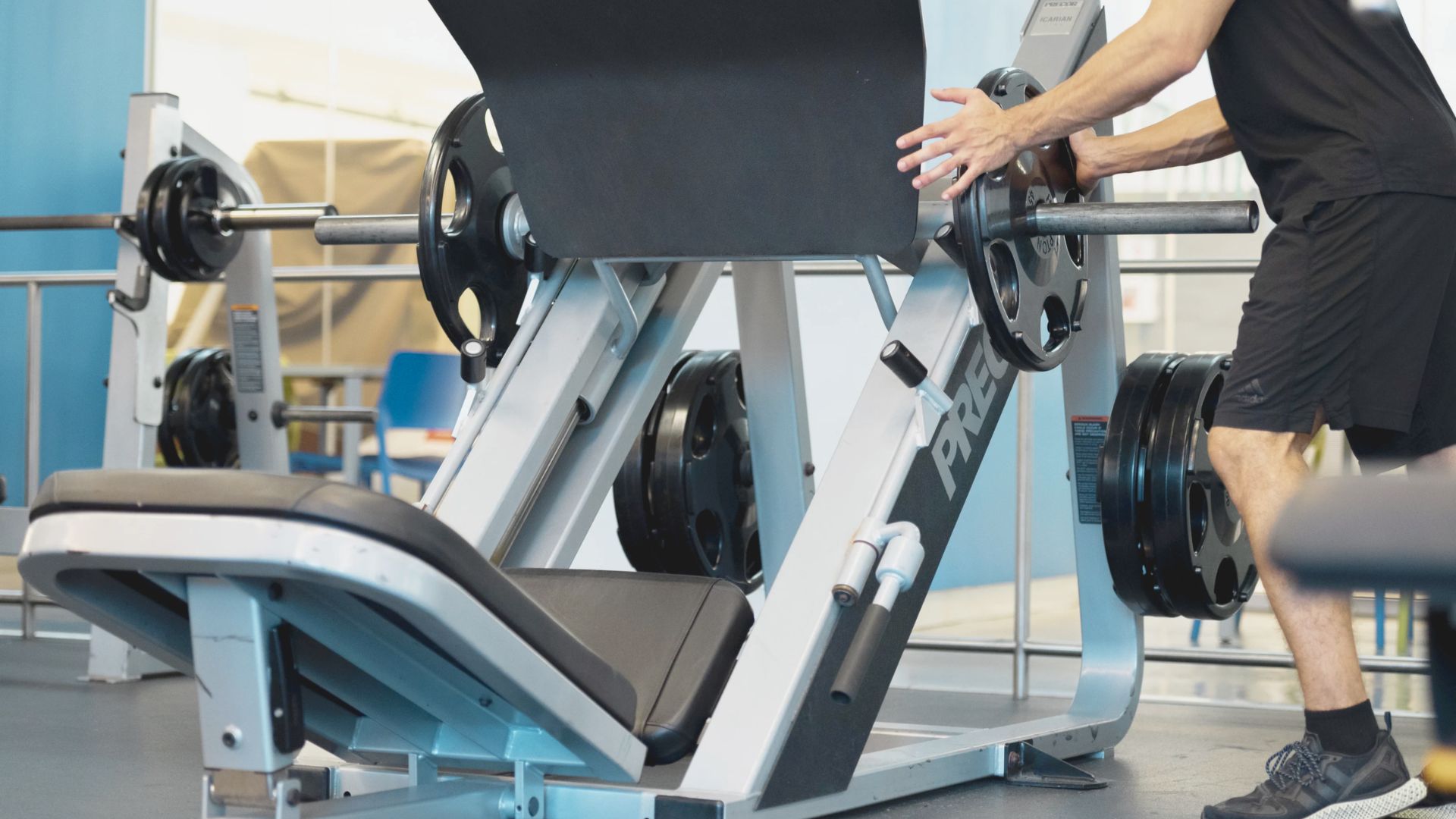
A leg press machine lets you push weight using your legs while seated or reclined.
You place your feet on a platform and push it away from your body. Most machines let you adjust the seat angle, foot position, and weight to control difficulty and target specific muscles.
It works your quads, glutes, hamstrings, and calves all at once. Unlike squats, which train your full body including your core and back, the leg press isolates the lower body.
This makes it a better option for targeting specific muscles and training safely during injury recovery.
Many people use both in their routine for the best results.
Why There Are Different Types of Leg Press Machines

There isn’t one standard leg press machine because people have different body types, goals, and training needs.
Different angles shift the load between your quads, glutes, and hamstrings and change how much your lower back is involved.
Plate-loaded machines allow heavier loads while selectorized machines are easier and safer for beginners.
The machine type you choose also affects your results directly.
A longer range of motion builds more muscle, a fixed path reduces injury risk, and a machine that isolates one leg at a time can fix muscle imbalances.
9 Different Types of Leg Press Machines Explained
This is the core of the blog. Let’s go through all 9 types one by one.
1. 45-Degree Leg Press (Incline)

The 45-degree leg press is the most common type you’ll find in commercial gyms. You sit reclined at a 45-degree angle and push the weighted sled diagonally upward.
Features:
- Plate-loaded in most cases
- Fixed sled path at a 45-degree angle
- Adjustable back pad and foot platform
Pros:
- Allows very heavy loading
- Great range of motion
- Works quads, glutes, and hamstrings well
Cons:
- Not ideal for people with knee or hip issues
- Requires safety stops to be set correctly
- Can strain the lower back if form breaks down
2. Horizontal Leg Press

This machine has you sitting upright and pushing the platform forward in a straight, horizontal line. It’s a very beginner-friendly setup.
Features:
- Selectorized or plate-loaded
- Seat is nearly upright
- Movement goes straight forward
Pros:
- Easy to use for beginners
- Reduces strain on the lower back
- Comfortable seated position
Cons:
- Less range of motion than the 45-degree version
- Not ideal for very heavy loads
- Less glute activation compared to incline versions
3. Vertical Leg Press
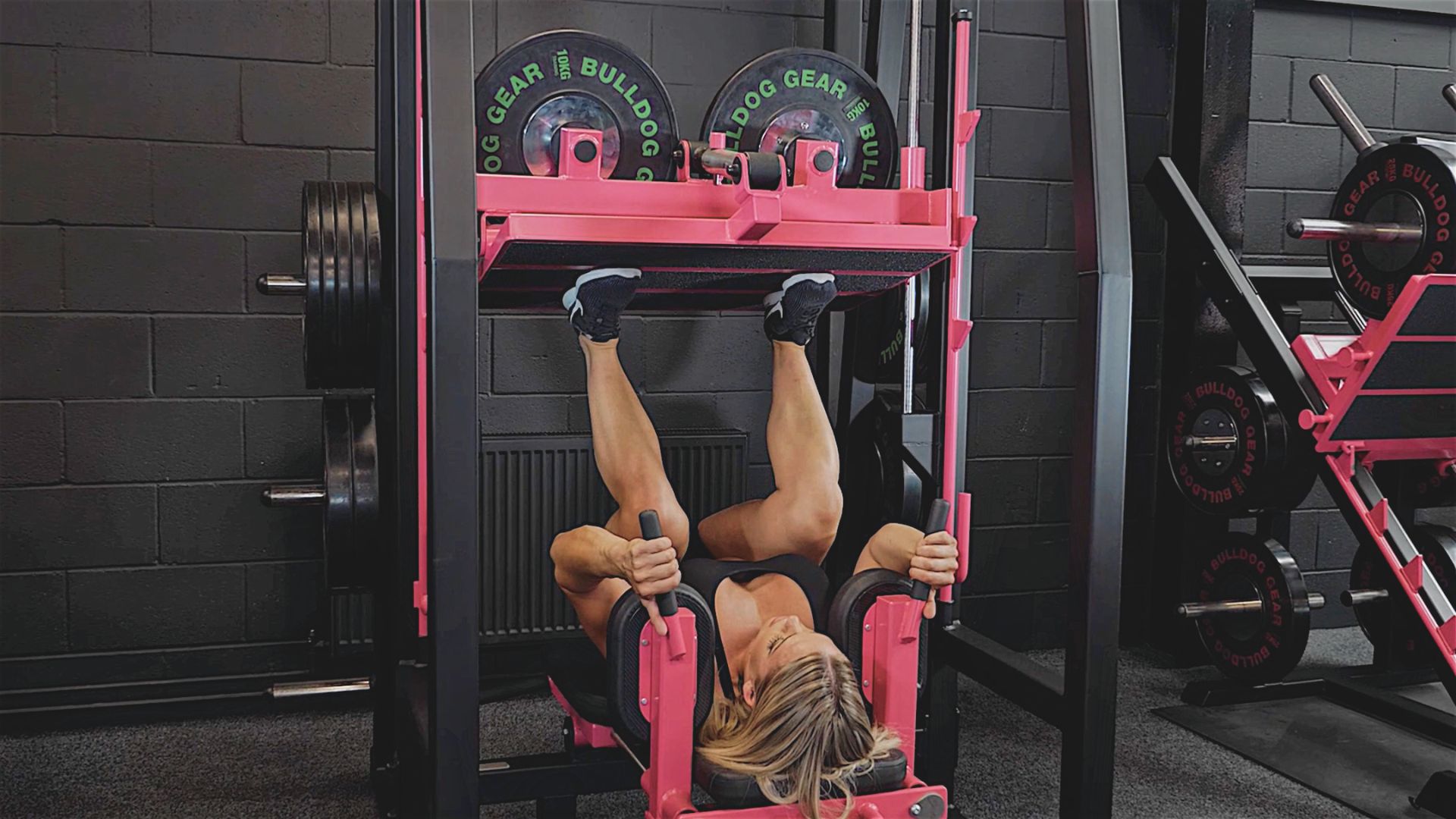
In this machine, you lie flat on your back and press the platform straight up toward the ceiling. It’s less common but highly effective.
Features:
- Plate-loaded usually
- Platform moves vertically above you
- You lie on your back during the exercise
Pros:
- Very deep range of motion
- Great for advanced quad training
- Low spinal compression
Cons:
- Difficult to get in and out of
- Risk of losing control at the bottom position
- Not beginner-friendly
4. Seated Leg Press Machine

This is similar to the horizontal press but often has a more reclined seat. Many cable and selectorized machines fall into this category.
Features:
- Usually selectorized
- Seat reclines at a mild angle
- Smooth, guided movement
Pros:
- Very safe and controlled
- Great for all fitness levels
- Low injury risk
Cons:
- Load capacity may be limited
- Less effective for building maximal strength
- Range of motion can feel restricted on some models
5. Hack Squat / Leg Press Combo

This machine does two jobs in one. You can use it as a hack squat or flip the settings to use it as a leg press. It’s a two-in-one piece of equipment.
Features:
- Plate-loaded with adjustable carriage
- Back pad switches position for both exercises
- Common in serious gyms and home setups
Pros:
- Versatile, saves space
- Great for quad development
- Works well for both exercises
Cons:
- More expensive than single-purpose machines
- Can be tricky to switch between exercises
- Requires good technique for both movements
6. Iso-Lateral Leg Press

This machine has two separate foot platforms. Each leg presses independently. This means your stronger leg can’t compensate for your weaker one.
Features:
- Separate foot platforms for each leg
- Plate-loaded or selectorized
- Can train both legs together or one at a time
Pros:
- Fixes muscle imbalances
- Great for injury recovery
- More focused training per leg
Cons:
- Takes more time to train each leg separately
- Less weight used per side compared to bilateral training
- Not as common in all gyms
7. Compact Leg Press Machine

Designed for home gyms or small spaces. These machines are shorter, lighter, and easier to store, but they still deliver a solid leg workout.
Features:
- Smaller footprint than standard machines
- Often plate-loaded or resistance band based
- Foldable designs are available
Pros:
- Great for home gyms
- Affordable
- Still effective for most training goals
Cons:
- Lower weight capacity
- Less range of motion on some models
- May feel less stable than full-size machines
8. Leverage Leg Press

A leverage machine uses a fulcrum and lever arm instead of cables or a direct sled. The weight feels different because of the lever mechanics involved.
Features:
- Plate-loaded with a pivot point
- Seat is usually reclined
- Weight loads at a different angle due to leverage
Pros:
- Natural feeling movement
- Very durable and sturdy
- Good for building strength and size
Cons:
- Can be harder to gauge actual resistance
- Less common than sled-based machines
- May feel awkward for first-time users
9. Leg Press with Calf Raise

This is a standard leg press machine with an added feature. You can extend your ankles at the bottom of the press to perform a calf raise. Two exercises on one machine.
Features:
- Usually a 45-degree or seated press with toe platform
- Allows calf raises in the extended position
- Plate-loaded or selectorized
Pros:
- Two exercises in one
- Efficient for lower leg training
- Saves time in workouts
Cons:
- Calf raise range of motion may be limited
- Not a full replacement for a dedicated calf machine
- Can be awkward to switch between movements
Comparison of Different Types of Leg Press Machines
Comparing them side by side helps you make a smarter decision for your training.
| Machine Type | Best For | Muscle Focus | Range of Motion | Cost | Safety Level |
| 45-Degree Incline | Advanced Lifters | Quads, Glutes, Hamstrings | High | $1,500 to $4,000 | Moderate |
| Horizontal Leg Press | Beginners | Quads, Light Glutes | Moderate | $800 to $2,000 | High |
| Vertical Leg Press | Advanced Lifters | Quads | Very High | $1,000 to $2,500 | Low if misused |
| Seated Leg Press | All Levels | Quads, Hamstrings | Moderate | $800 to $2,000 | Very High |
| Hack Squat Combo | Intermediate to Advanced | Quads, Glutes | High | $2,000 and up | Moderate |
| Iso-Lateral Press | Injury Recovery | One Leg at a Time | Moderate | $1,500 to $3,000 | Very High |
| Compact Machine | Home Gym Users | Quads, Light Glutes | Low to Moderate | $200 to $600 | High |
| Leverage Press | Advanced Lifters | Quads, Glutes | High | $1,500 to $3,000 | Moderate |
| Leg Press with Calf Raise | All Levels | Quads, Calves | Moderate | $1,000 to $2,500 | High |
The iso-lateral and seated leg press are the safest options for people with injuries or joint problems. The vertical leg press carries the most risk if used incorrectly.
Always set safety stops, never lock out your knees, and avoid bouncing at the bottom of the movement.
Tips to Choose the Best Leg Press Machine for You
There is no single best machine for everyone. The right choice depends on your goals, experience, space, and budget.
- For strength, go with a plate-loaded machine like the 45-degree or leverage press. For muscle size, the 45-degree and iso-lateral machines work best.
- Beginners should start with the horizontal or seated press. Intermediate and advanced lifters can move to the 45-degree, leverage, or hack squat combo.
- Home gym users should go with compact machines or the hack squat combo. Commercial gym users can simply pick based on personal preference.
- Compact machines run under $500. Seated or horizontal presses cost $500 to $1,500. Plate-loaded machines run $1,500 to $3,000, and commercial-grade combos go $3,000 and up.
- Always match the machine to your current level. It gives you better results and keeps you safe while training.
Which Leg Press Machine Is Best for You?
Here’s a quick summary to help you decide fast. The horizontal and seated press are best for beginners since both are easy to use, low-risk, and great for learning proper form.
For muscle growth, the 45-degree and leverage machines allow heavy loading and a strong range of motion. Home gym users should go with a compact or vertical press to save space without losing results.
For injury recovery, the iso-lateral and seated press are the safest options as both are gentle on joints and easy to adjust.
For most people, the 45-degree incline leg press is the top pick overall. It suits all fitness levels, allows progressive loading, and works all major lower body muscles well.
Best Foot Placements for Targeting Different Muscles
Where you place your feet on the platform changes which muscles do the most work.
Standard Stance (Overall Legs)
Place your feet in the middle of the platform, hip-width apart. This is the most balanced position and works quads, glutes, and hamstrings evenly.
This is the best starting position for beginners and for general leg development.
High Foot Placement (Glutes and Hamstrings)
Place your feet higher on the platform. This increases the bend at the hip during the movement.
This foot position puts more load on your glutes and hamstrings. It’s a good option if you want more posterior chain work from your leg press session.
Low Foot Placement (Quads Focus)
Place your feet lower on the platform. This increases the knee bend and puts more demand on the quadriceps.
Be careful with this variation. It puts more stress on the knee joint, so avoid going too low if you have knee sensitivity.
Wide vs Narrow Stance
Wide stance: Activates the inner thighs and glutes more. Feet are wider than shoulder-width.
Narrow stance: Focuses more on the outer quads. Feet are closer together than shoulder-width.
Both stances are useful. Rotating between them helps you develop well-rounded leg muscles over time.
Common Leg Press Mistakes to Avoid
Even experienced lifters slip up on these. Small fixes can make a big difference in your results and keep you injury-free.
- Fully locking your knees at the top of each rep puts extreme pressure on your joints. Always keep a slight bend at the top to protect yourself over the long term.
- Loading more weight than you can handle leads to poor form, your lower back lifts off the pad, your range of motion shrinks, and your knees may cave in. Start lighter, master the movement, then add weight gradually.
- Cutting reps short means you’re not training the full muscle. Going too deep can round your lower back. Aim for about 90 degrees of knee bend as a safe middle ground.
- Feet too close to the edge can cause your heels to slip. Feet too far apart can stress your hips. Always keep your full foot, including your heel, flat on the platform with your knees tracking over your toes.
- Many people forget to breathe properly during the press. Exhale as you push the platform away and inhale as you bring it back. Holding your breath raises blood pressure and reduces your performance over time.
Conclusion
I hope this guide made the decision a little easier for you.
Leg pressing is one of the best moves for building strong, powerful legs and knowing which machine fits your goals can make a real difference in your progress.
Personally, I always come back to the 45-degree press. It just feels right and gives great results every time.
Now it’s your turn. Try one of these machines at your next session and see how it feels.
Drop a comment below and tell me which leg press machine is your favorite. And if this helped you, feel free to share it with a friend who’s trying to build stronger legs.
Frequently Asked Questions
What is the most common type of leg press machine?
The 45-degree incline leg press is the most widely used type in commercial gyms. It allows heavy loading and works all major lower body muscles effectively.
Is the leg press safe for people with knee pain?
Yes, in many cases. The seated or iso-lateral leg press is usually the safest option. Avoid locking out your knees and use a moderate range of motion to reduce joint stress.
Can I use a leg press machine every day?
It’s not recommended. Your muscles need time to recover after training. Two to three sessions per week is enough for most people to see solid progress.
Which leg press machine is best for building bigger quads?
The 45-degree and vertical leg press are most effective for quad development. Using a lower foot placement on either machine increases quad activation during the exercise.
What is the difference between a plate-loaded and selectorized leg press?
A plate-loaded machine uses weight plates that you add manually. A selectorized machine uses a weight stack with a pin selector. Plate-loaded machines allow heavier loading, while selectorized machines are easier and quicker to adjust.


