

I thought curved treadmills were a gimmick until my gym buddy challenged me to a 10-minute run. I lasted six minutes before my legs gave out. He finished easily.
Same fitness level. Same schedule. But he’d been using curved treadmills for two months.
Here’s what nobody tells you about curved treadmill benefits. They rewire how your body burns fat and builds endurance.
The manual curved treadmill benefits showed up in my form within three weeks. The difference between curved treadmill benefits vs motorized treadmill isn’t even close.
Let me show you what six months of testing revealed. This might change your entire cardio approach.
What Is a Curved Treadmill?
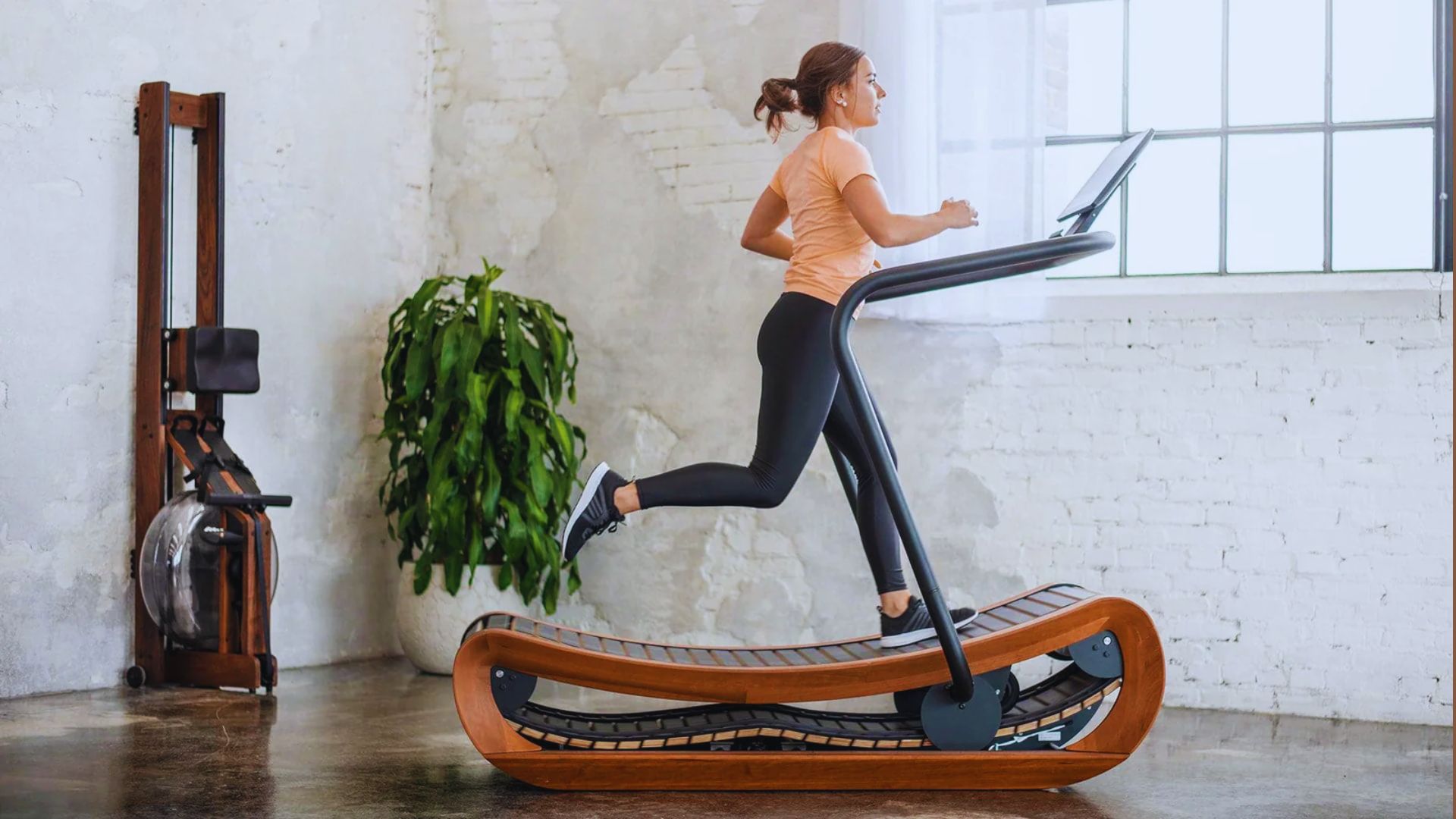
A curved treadmill has a banana-shaped running surface instead of a flat belt. You power it completely with your legs.
No motor. No electricity. Just you pushing against the curved deck to make it move.
Athletes love these for sprint training. HIIT fanatics use them for brutal interval sessions. Home fitness users appreciate the zero electric bill.
The manual curved treadmill benefits start with biomechanics. Your body naturally finds better running form on the curve. The design forces proper movement patterns.
Top Curved Treadmill Benefits
The advantages go way beyond just burning calories. I noticed changes in my running mechanics within two weeks.
1. Burns More Calories in Less Time

Curved treadmills make your body work 30% harder than motorized versions at the same perceived effort. I tested this with a heart rate monitor.
Your muscles push the belt instead of just keeping up with a motor. That extra work torches calories fast.
HIIT workouts become incredibly effective. Twenty minutes on a curved treadmill equals 40 minutes on a regular one for fat loss.
I dropped 8 pounds in six weeks without changing my diet. Just swapped my cardio equipment.
2. Improves Natural Running Form

The curve pushes you toward a midfoot strike automatically. I used to heel strike badly on flat treadmills.
Your body leans forward slightly to stay balanced. This position matches how humans naturally run outside.
Overstriding becomes almost impossible. The mechanics simply don’t allow it. Your stride shortens and quickens naturally.
My running coach noticed the difference in my outdoor form after just three weeks of curved treadmill training.
3. Self-Powered Speed Control
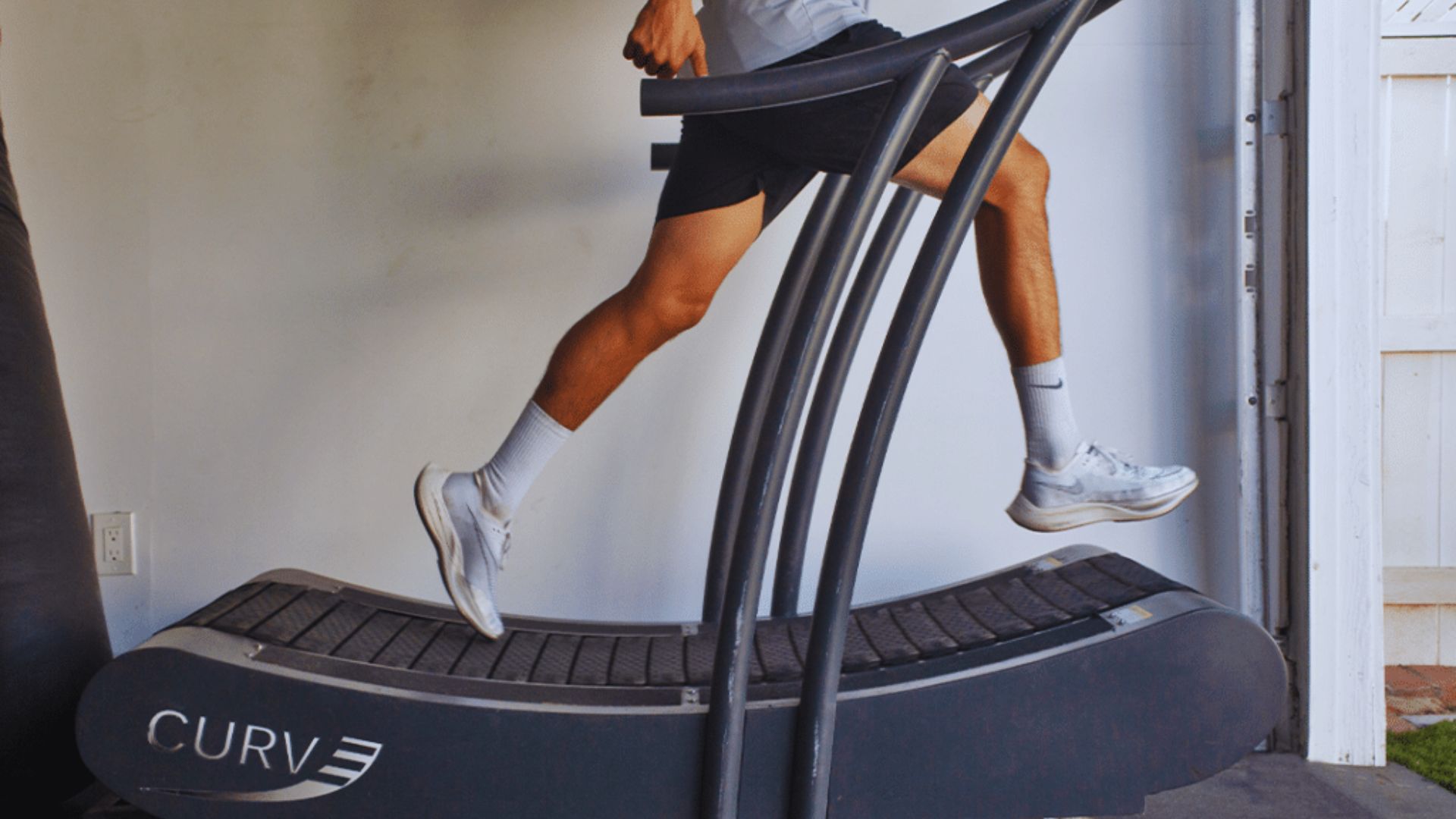
You control every speed change instantly with your legs. No buttons to press. No waiting for the belt to catch up.
This makes interval training incredibly smooth. Sprint for 20 seconds, then just slow down your legs. The belt responds immediately.
Safety improves dramatically during high-intensity work. I can stop in one step if needed.
Motorized treadmills always have that scary moment when you’re trying to match the belt speed during transitions.
4. Lower Joint Impact
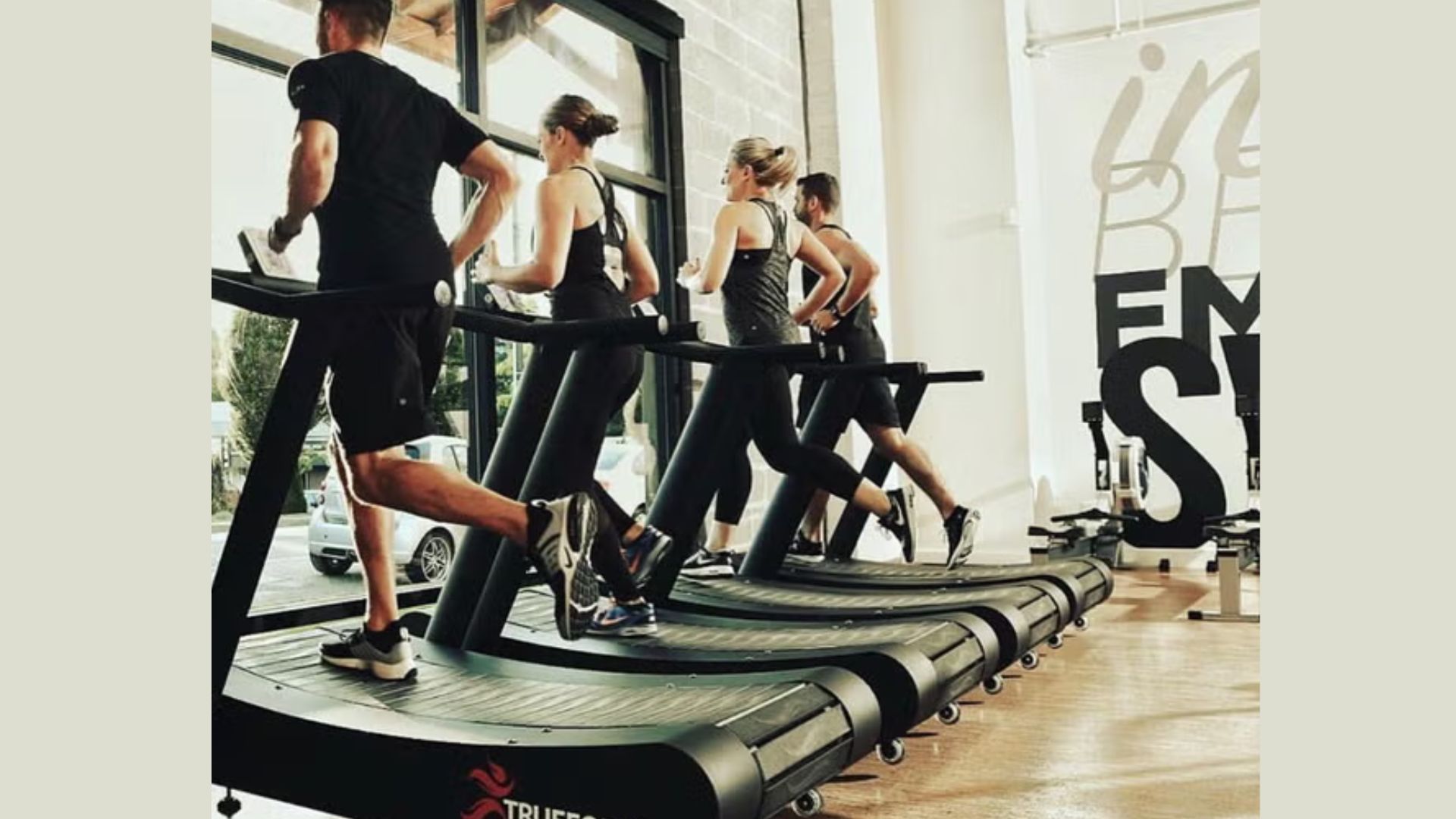
The curved surface absorbs shock better than flat belts. My knees stopped aching after switching over.
Your foot naturally lands softer on the curve. The design encourages better impact distribution across your entire leg.
Runners recovering from injuries appreciate this feature most. Physical therapists recommend curved treadmills frequently now.
I had IT band issues for years. They disappeared after two months on a curved treadmill.
5. Builds Strength and Endurance
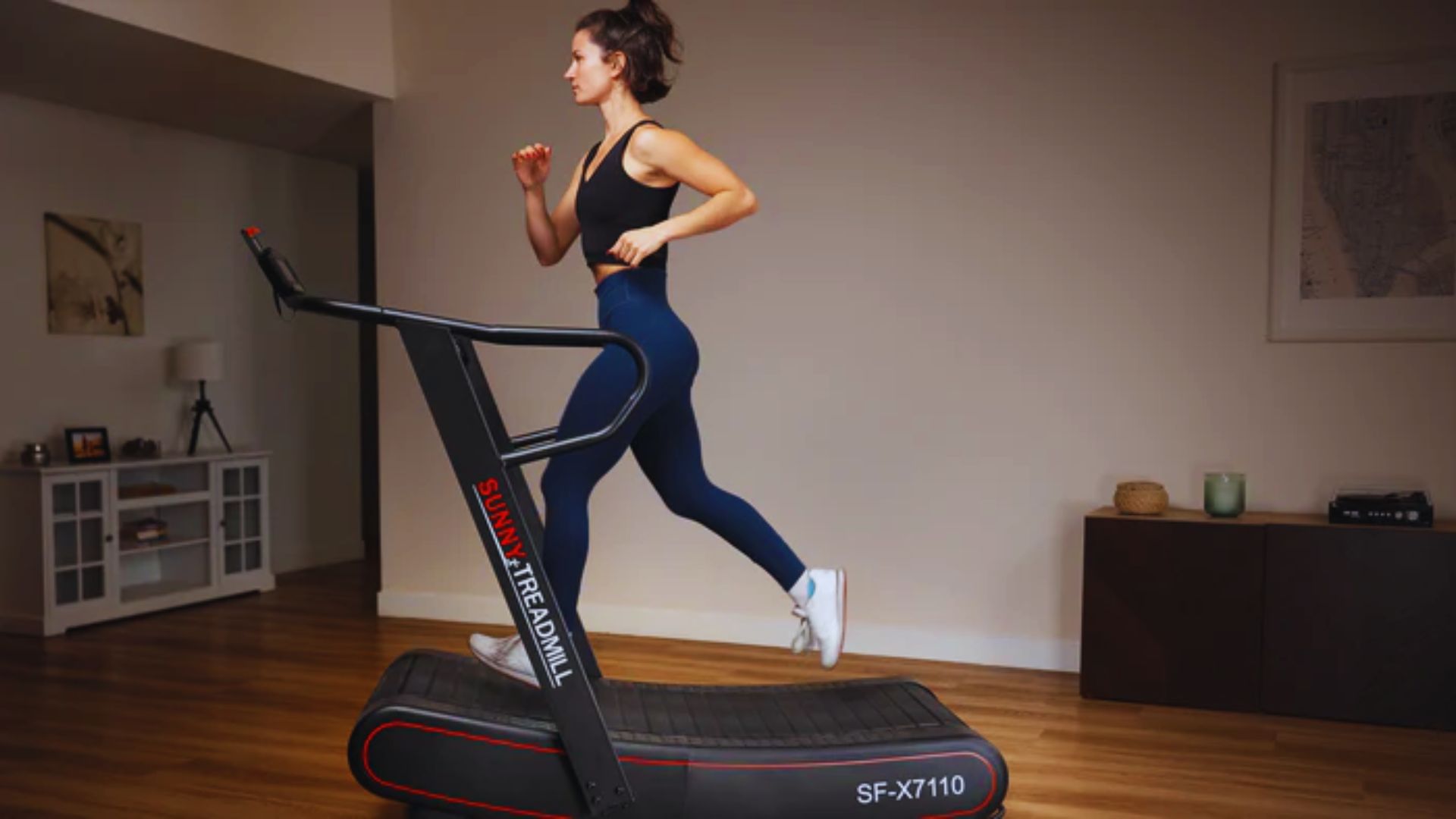
Your glutes, hamstrings, and calves work significantly harder pushing the belt. I felt the difference immediately in my posterior chain.
Core engagement increases to maintain balance on the curve. My abs stayed tight the entire workout.
This strength transfer improved my outdoor running pace by 45 seconds per mile. No additional strength training needed.
The muscle activation feels similar to hill sprints but without the impact stress.
6. No Electricity Required
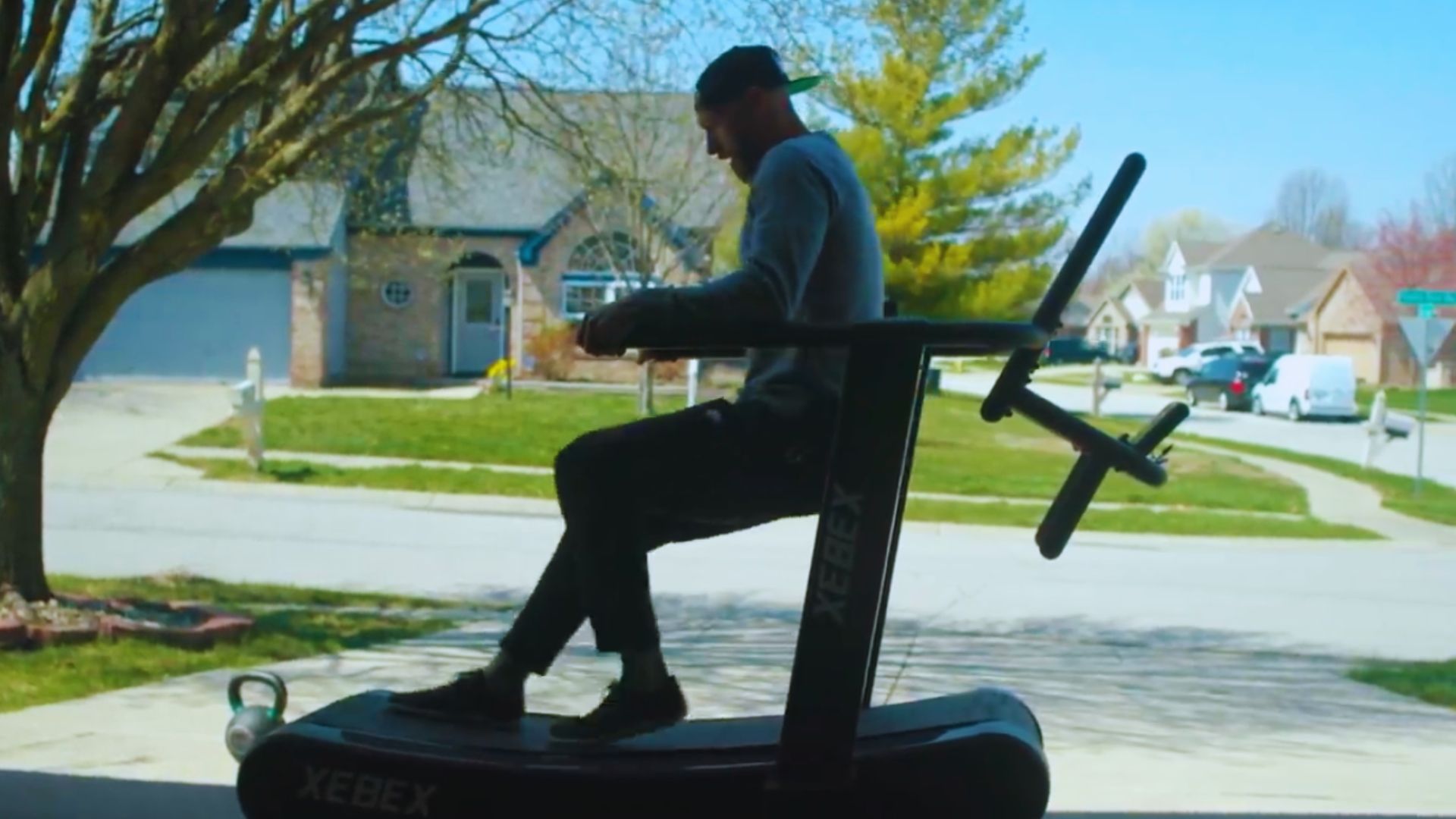
These treadmills work anywhere. No outlet needed. I’ve seen them set up in garages, basements, and outdoor spaces.
Your electric bill stays the same whether you run 5 miles or 50 miles. The savings add up over years.
Portability improves too since there’s no motor to worry about. Moving them between rooms becomes easier.
Environmental impact drops to zero for your cardio equipment.
7. Durable and Low Maintenance
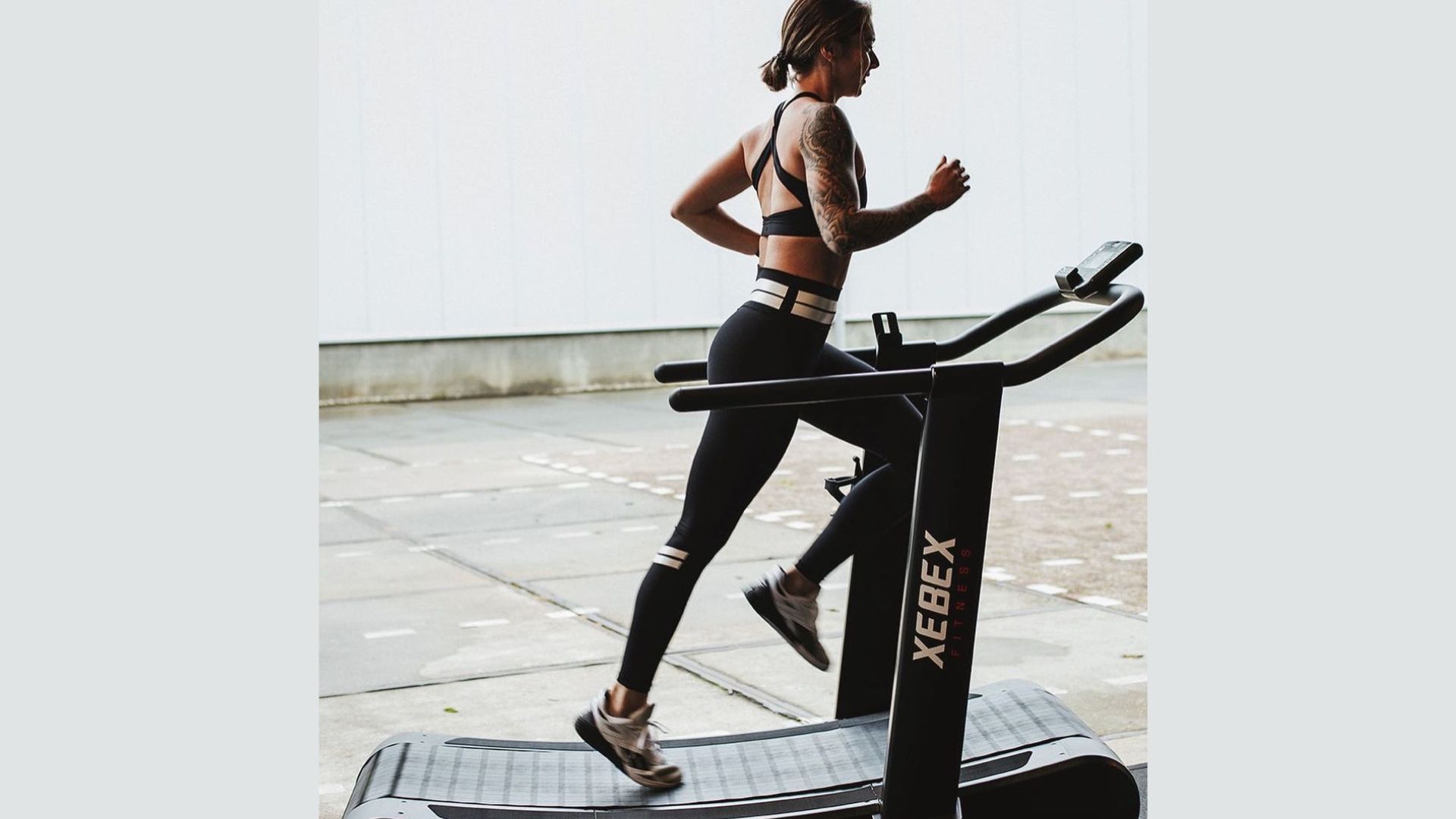
Fewer moving parts means less stuff breaks. No motor to burn out. No electrical components to fail.
I’ve used the same curved treadmill for three years with zero repairs. Just occasional belt cleaning.
Most manufacturers offer 10-year warranties because these machines last forever. Regular motorized treadmills need motor replacements after 5-7 years typically.
Long-term ownership costs favor curved treadmills heavily.
Curved Treadmill Benefits vs Traditional Motorized Treadmills
Let me show you how they stack up directly. I tracked data from both types over six months.
| Feature | Curved Treadmill | Motorized Treadmill |
|---|---|---|
|
Calorie burn |
30% higher at same effort |
Standard baseline |
|
Running form |
Forces natural midfoot strike |
Allows heel striking |
|
Speed control |
Instant leg-powered changes |
Button-controlled delays |
|
Joint impact |
Lower due to curve design |
Higher on flat surface |
|
Muscle engagement |
Full posterior chain activation |
Primarily leg focused |
|
Electricity cost |
Zero ongoing cost |
$5-15 monthly average |
|
Maintenance needs |
Minimal (belt cleaning only) |
Motor service, belt replacement |
|
Learning curve |
Steeper initial adjustment |
Immediate familiarity |
|
Walking suitability |
Awkward at slow speeds |
Perfect for easy walking |
|
HIIT effectiveness |
Excellent for intervals |
Good but less responsive |
Who Should Use a Curved Treadmill?
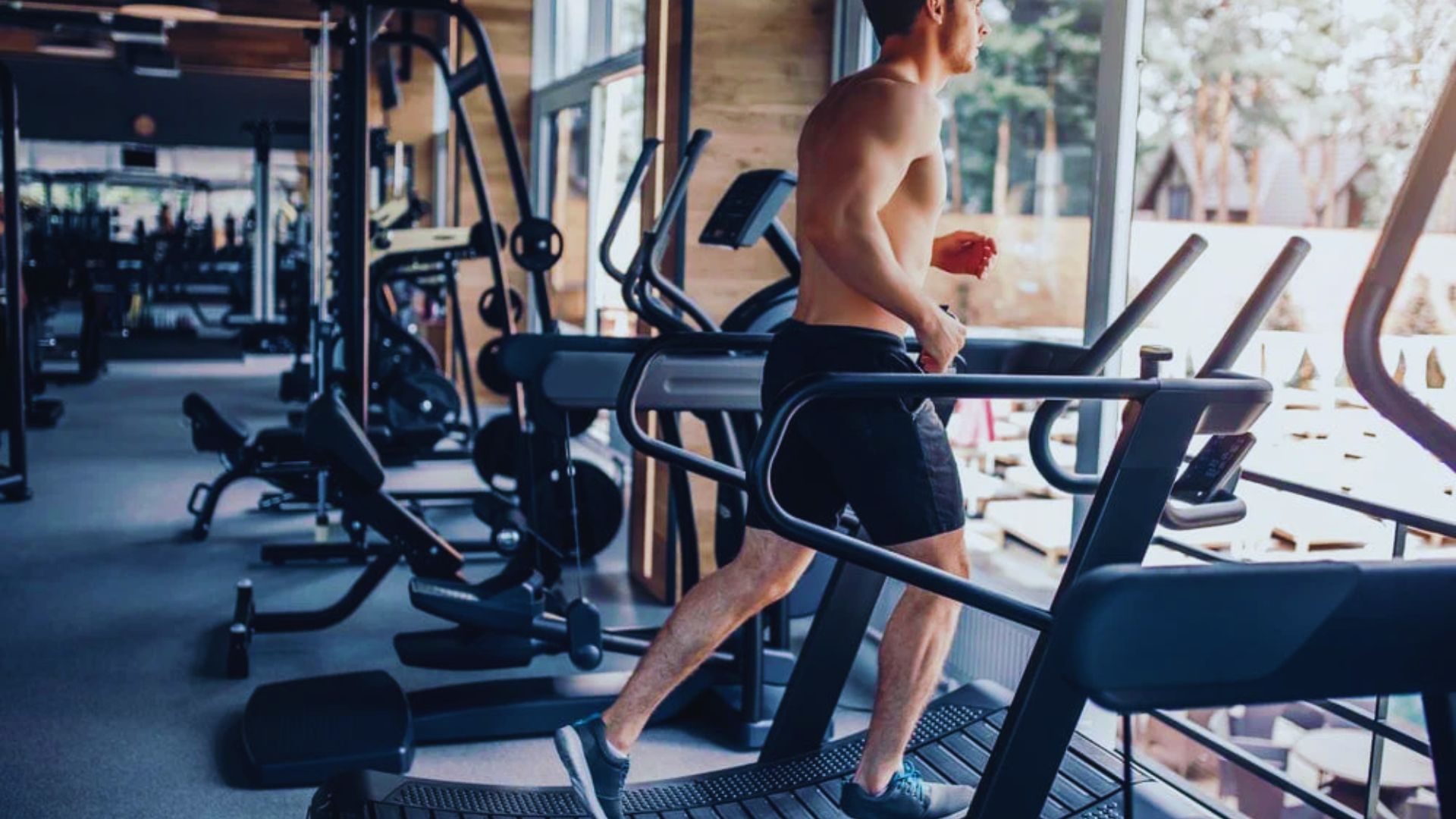
Serious runners benefit most from the form improvements and calorie burn. I recommend them to anyone training for races.
HIIT enthusiasts find these perfect for sprint intervals and metabolic conditioning. The instant speed changes make programming easier.
People with joint concerns appreciate the lower impact compared to outdoor running. The curve absorbs shock naturally.
Athletes in sports requiring explosive power use curved treadmills for conditioning. The resistance builds leg strength simultaneously with cardio.
Are There Any Limitations to Curved Treadmills?
Nothing’s perfect. I struggled with these machines initially and some drawbacks still exist.
Real limitations to consider:
- Steep learning curve for first-timers (took me three sessions to feel comfortable)
- Higher purchase price ranging from $2,000 to $7,000 compared to $500-2,000 for motorized
- Awkward for slow walking since the curve works best at running speeds
- Larger footprint in many models compared to compact motorized options
- More physically demanding which limits workout duration for some users
These drawbacks matter depending on your fitness level and goals. Beginners might want to start on motorized treadmills and progress to curved versions later.
I always let new clients try one at the gym before recommending they buy their own.
How to Maximize Results on a Curved Treadmill
Start with 10-minute sessions to build tolerance. I couldn’t finish 15 minutes my first week.
Focus on form over speed initially. Keep your posture upright and land on your midfoot. The results come from quality movement.
Use interval training to get the most benefit. Try 30 seconds hard, 30 seconds easy for 15-20 minutes total.
Track your perceived effort instead of exact speeds. The resistance varies based on your push, so RPE matters more than mph.
Conclusion
Here’s your test. Hit a curved treadmill this week and run one mile. Time yourself.
Then run the same mile on a motorized treadmill next session. Compare how your body feels during and after.
Take action today: Film 30 seconds of yourself running on each type. Watch your form side by side. The difference will shock you.
Come back and drop a comment telling me which one kicked your butt harder. Did the curved treadmill destroy you or energize you?
I reply to every comment and I genuinely want to know if you felt the same changes I did.
Let’s figure this out together.
Frequently Asked Questions
Are curved treadmills better for weight loss than flat treadmills?
Yes, curved treadmills burn approximately 30% more calories at the same perceived effort level. The manual propulsion and increased muscle engagement create higher energy expenditure for faster fat loss.
Is a curved treadmill harder to use for beginners?
Initially yes, curved treadmills require 2-3 sessions to feel comfortable because they demand more effort and coordination. Start with shorter 10-minute sessions and gradually build up your tolerance.
Do curved treadmills reduce knee pain?
Many users report less knee pain because the curved surface encourages midfoot striking and better shock absorption. However, individual results vary based on running form and existing injuries.
How fast can you run on a curved treadmill?
Most people can sprint up to 15-18 mph on curved treadmills depending on fitness level. Elite athletes can push over 20 mph since speed is self-generated rather than motor-limited.
Are curved treadmills worth the higher price?
If you do regular HIIT training or want to improve running form, yes absolutely. The durability, zero electricity costs, and performance benefits justify the investment over 5-10 years of use.


