

I started with close grip pull ups when wide grip felt too hard on my shoulders, and it made a real difference.
Close grip pull ups are a pulling exercise where your hands sit closer together on the bar. This small change shifts how your muscles work and feels more natural for beginners.
In this article, I’ll cover proper form, muscles worked, benefits for strength and muscle growth, common mistakes, and tips to improve faster.
You’ll leave with a clear, simple plan to start doing close grip pull ups the right way.
Why Close Grip Pull Ups Are a Great Starting Point
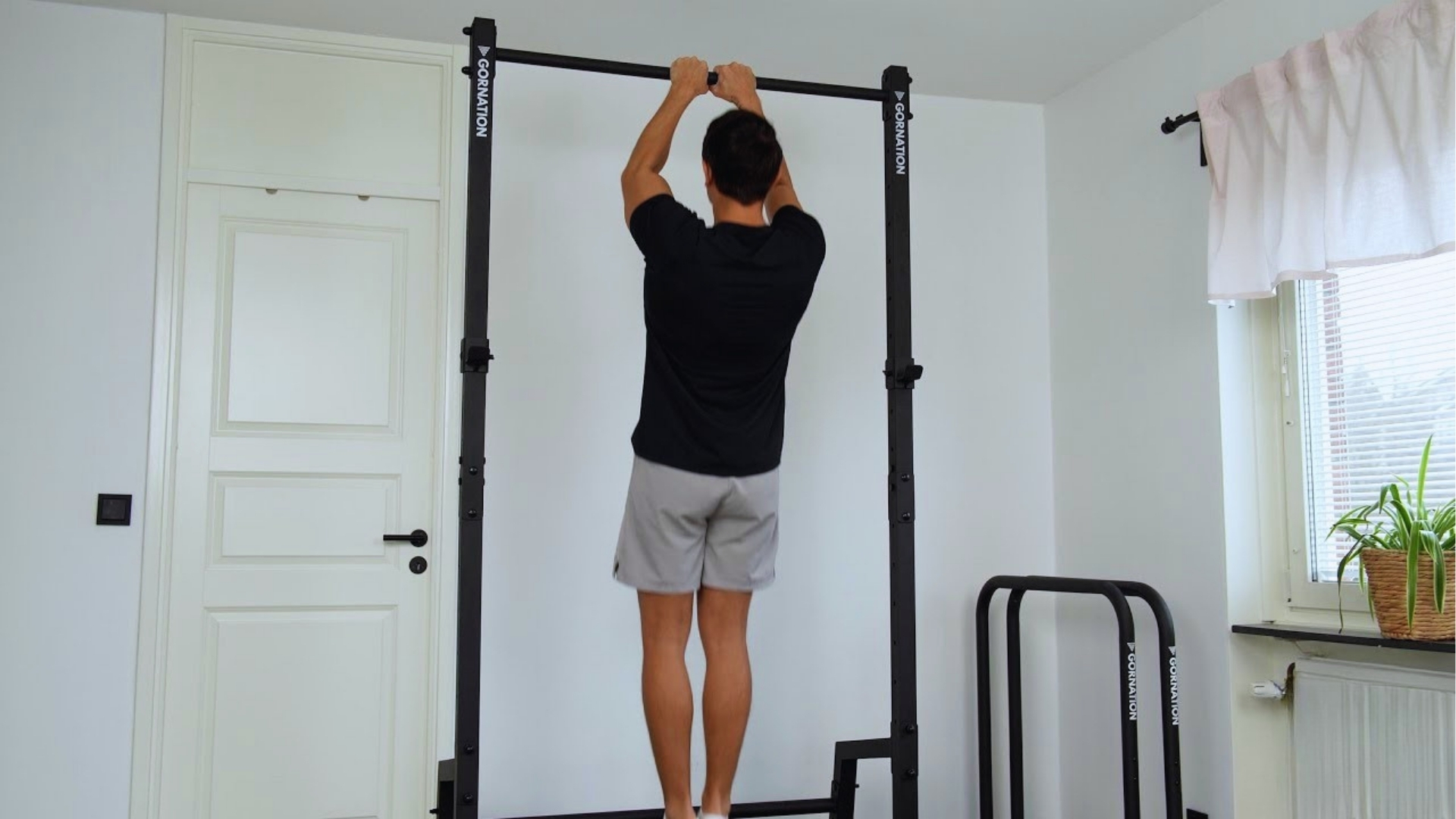
A closer hand position makes pull ups more approachable and safer for new lifters. Wide grip pull ups put your shoulders in a tough spot, leading to discomfort or poor form for many beginners.
Close grip keeps your arms in a more natural position, so your shoulder joints stay under less strain.
Your biceps also help more during the pull, making the movement feel more manageable while your back builds strength over time.
A narrower grip gives you better control too. You are less likely to swing or flare your elbows, helping you build a solid base before moving to harder variations.
Proper Form and Execution of Close Grip Pull Ups

Good form from day one builds strength faster and keeps you safe.
Correct Grip and Starting Position
Grab the bar with both hands about 6 to 10 inches apart. Use an overhand grip. Let your arms fully extend. Your body should hang straight with a slight hollow position in your core.
Pulling Movement and Elbow Path
Pull your elbows down toward your hips. Think about bringing the bar to your chest, not your chin to the bar. Keep your elbows close to your sides throughout the movement.
Top Position Squeeze and Controlled Descent
At the top, your chin should clear the bar. Squeeze your lats and upper back for a brief moment. Then lower yourself slowly. Take two to three seconds on the way down.
This controlled descent builds more strength than dropping fast.
Breathing and Core Engagement
Breathe in at the bottom. Breathe out as you pull up. Keep your core tight the entire time. This stops your lower back from arching and keeps your body in a solid line.
Muscles Worked in Close Grip Pull Ups and How They Activate
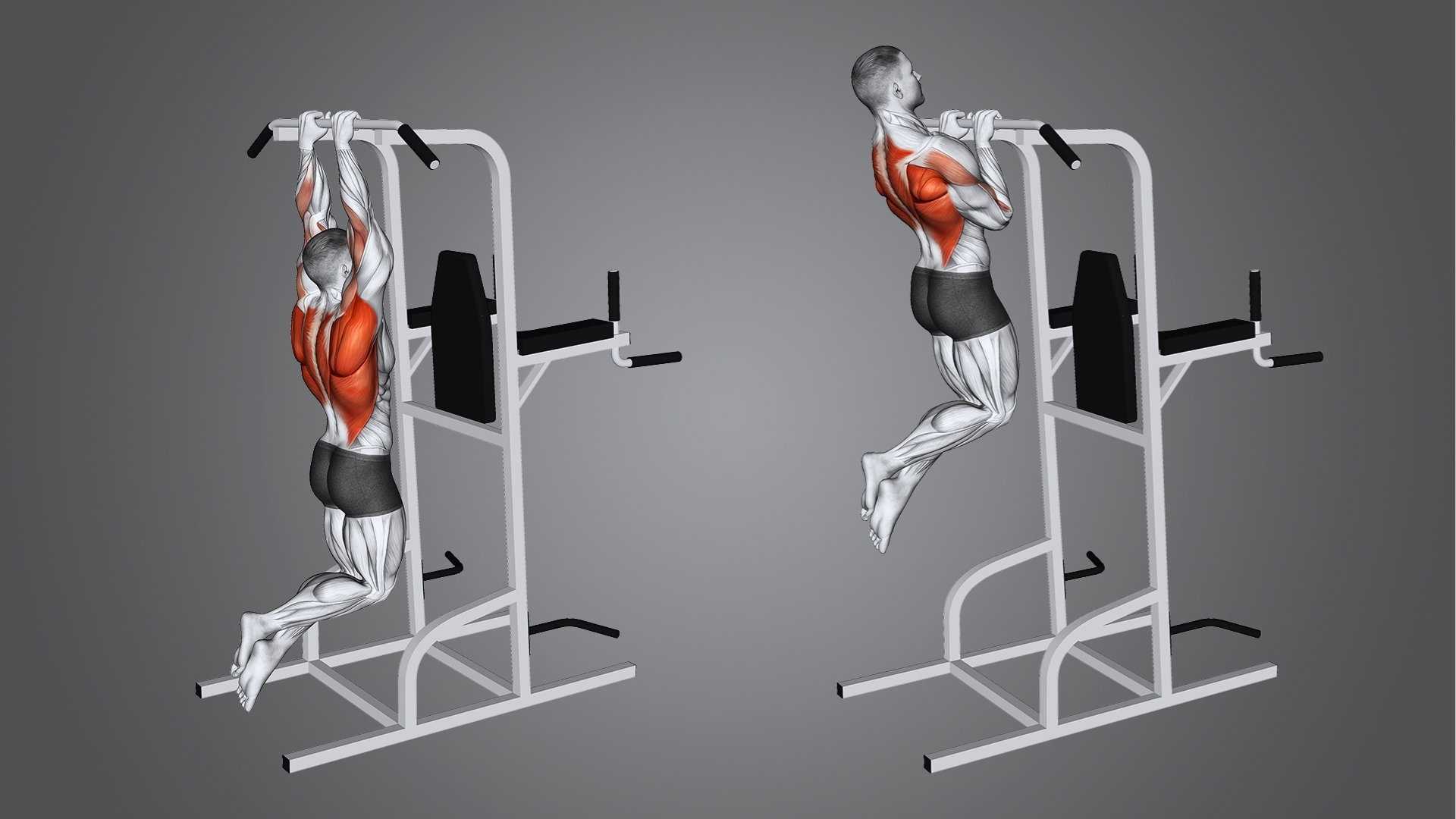
Knowing what muscles fire helps you focus during each rep.
Primary Muscles (Lats and Upper Back)
Your latissimus dorsi, or lats, do the most work. These are the large muscles on the sides of your back. Your rhomboids and mid-traps also engage to pull your shoulder blades together.
Secondary Muscles (Biceps, Forearms, Shoulders, Abs)
Your biceps assist the pull. Your forearms work to hold the bar. Your rear deltoids help stabilize your shoulders. Your abs stay engaged to keep your body from swinging.
How Close Grip Changes Muscle Emphasis
Compared to a wide grip, close grip shifts more work to the biceps and lower lats. This makes it a useful tool for building arm size alongside back width.
Close Grip Pull Ups vs Other Pull-Up Variations
Comparing variations helps you pick what fits your goal and level.
Close Grip vs Wide Grip Pull Ups

Wide grip targets the outer lats and requires more shoulder mobility. Close grip is more forgiving and involves the biceps more. For beginners, close grip is the better starting point.
Close Grip vs Chin-Ups

Chin-ups use an underhand grip and also involve the biceps heavily. The difference is that chin-ups put the biceps in a slightly stronger position.
Close grip pull ups still offer great bicep work with a bit more back engagement.
Which Variation Is Best for Beginners and Why
Close grip pull ups win for beginners because they combine upper back work, bicep involvement, and joint comfort in one movement. You get more out of it with less risk.
Common Mistakes Beginners Should Avoid
Small errors in form can slow progress and lead to injury over time.
Using Momentum Instead of Controlled Movement
Swinging your body to get up is cheating the movement. It reduces muscle activation and increases injury risk. Focus on pulling with your muscles, not your hips.
Incomplete Range of Motion
Not going all the way up or down limits your gains. Start from a full hang. Pull until your chin clears the bar. Lower all the way back down each rep.
Poor Scapular (Shoulder Blade) Engagement
Before you pull, depress your shoulder blades slightly. This activates your back properly and protects your shoulder joints. Skipping this step puts unnecessary stress on your rotator cuff.
Incorrect Body Alignment and Swinging
Your body should stay in a straight or slightly hollow position. If your legs are kicking or your hips are shifting, your core is not doing its job. Practice hanging still before adding reps.
Benefits of Close Grip Pull Ups for Strength and Muscle Growth

This one exercise covers multiple goals at once.
Improved Lat Development and Back Width
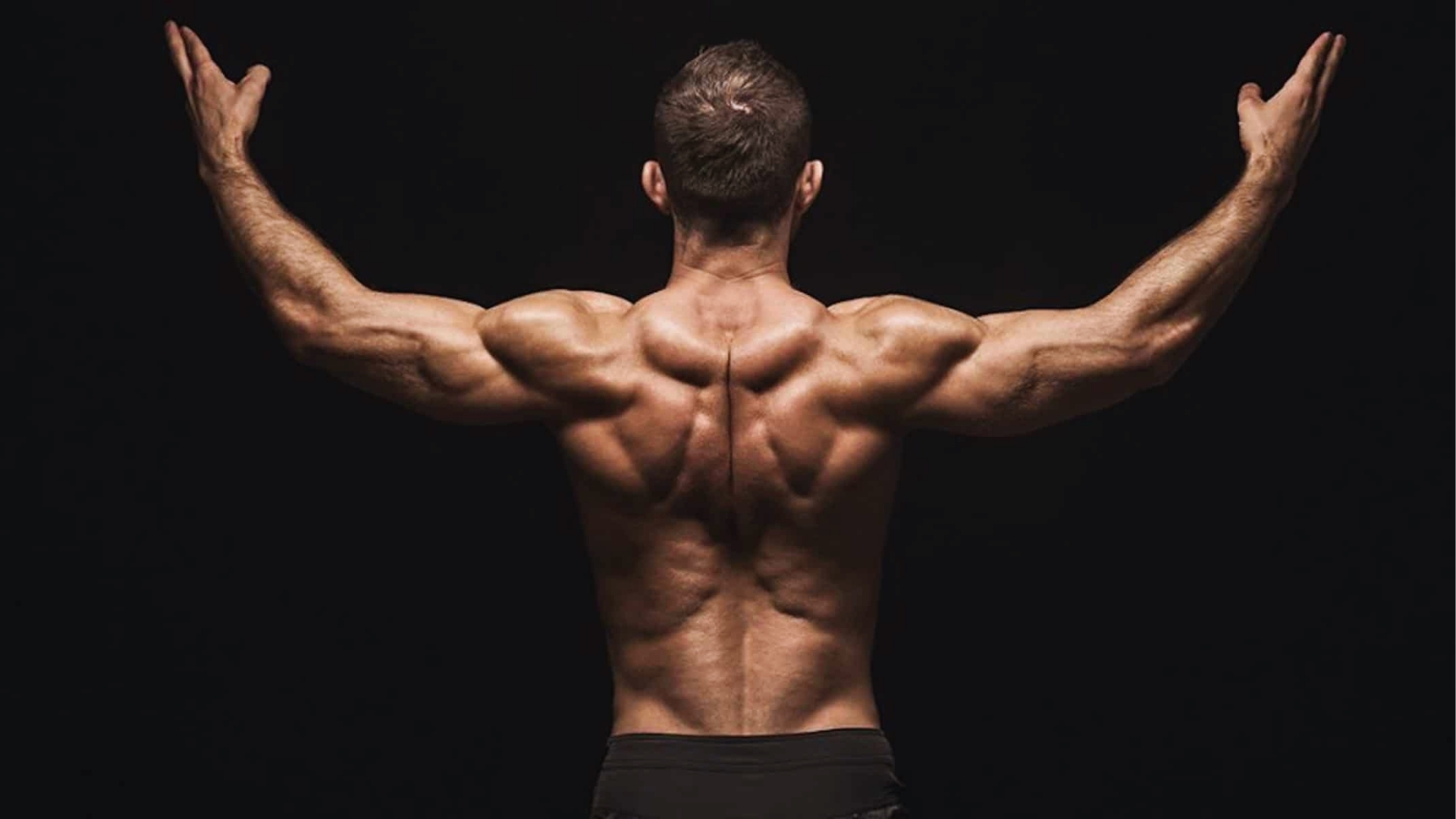
Your lats respond well to pull-up movements. Over time, consistent close grip pull ups add noticeable width to your back. This creates a stronger, wider look from the rear.
Increased Bicep Strength and Arm Size
Because the biceps are heavily involved, your arms grow alongside your back. This is a bonus that many beginners appreciate early on.
Better Grip Strength and Core Stability
Every rep strengthens your grip. Over weeks, you’ll notice things like carrying bags or lifting other weights feel easier.
Your core also gets trained every session without needing extra ab work.
Safer and More Joint-Friendly Pulling Variation
Close grip is gentler on the elbows and shoulders than many other pull-up styles. If you have had minor joint issues, this variation is often a smarter starting point.
Tips to Master Close Grip Pull Ups Faster
Progress comes from smart training, not just more reps.
- Loop a resistance band over the bar and place your knee in it to reduce the load and practice proper movement patterns.
- Jump to the top position and lower yourself slowly, taking five seconds on the way down to build real pulling strength.
- Do dead hangs and farmer carries to improve grip strength outside of your pull-up sessions.
- Use planks and hollow body holds to build core stability that carries over directly to better pull-up performance.
- Prioritize one clean rep over five sloppy ones since quality reps build strength and good habits that last.
- Avoid rushing your progress. Strict form now saves you from fixing bad habits later.
Conclusion
Close grip pull ups were one of the first exercises that actually made me feel my back working. If you are just starting out, this is a solid place to begin.
You build real strength, your biceps grow, and your joints stay healthy. The results come when you stay consistent and stop rushing the process.
Start with two to three sets this week and pay attention to how your body responds.
If this helped you, drop a comment below or share it with someone who is just getting started with their training.
Frequently Asked Questions
How many close grip pull ups should a beginner do?
Start with two to three sets of three to five reps. Focus on quality over quantity. Add reps gradually as you get stronger each week.
Can close grip pull ups replace rows for back training?
They work well together but are not identical. Pull ups train vertical pulling while rows train horizontal pulling. Including both gives you a more complete back workout.
How long does it take to see results from close grip pull ups?
Most beginners notice strength improvements within three to four weeks of consistent training. Visible muscle changes usually appear after six to eight weeks.
Are close grip pull ups safe for people with shoulder problems?
They are generally safer than wide grip pull ups for shoulder issues. Still, check with a doctor or physio before starting if you have an existing injury.
Should I use a neutral grip or overhand grip for close grip pull ups?
Both work well. A neutral grip, palms facing each other, is often the most comfortable and joint-friendly option for beginners just starting out.