I've been training for years, and the close grip dumbbell press is one move I wish I had learned sooner. It hits your triceps hard while still working your chest and most people do it wrong.
In this article, I'll cover what this exercise actually is, how to do it with correct form, common mistakes to avoid, and real benefits for your upper body.
You'll leave knowing exactly how to perform this move safely. I've coached beginners and intermediate lifters through this, and small form fixes make a huge difference.
This guide gives you everything you need to get it right from day one.
Understanding the Close Grip Dumbbell Press
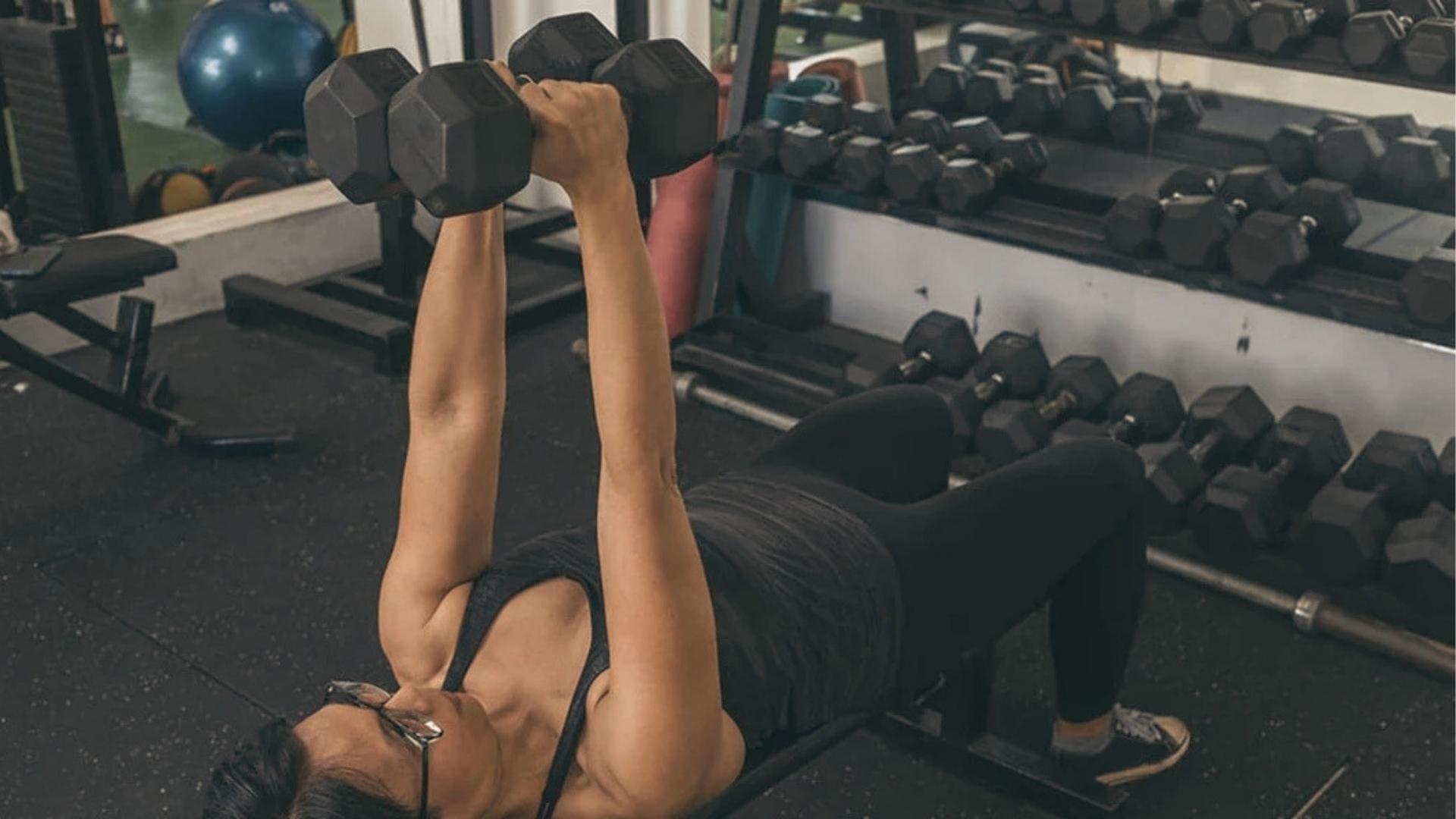
The close grip dumbbell press is a pressing movement done on a flat bench where you hold two dumbbells close together, nearly touching, throughout the entire set.
Unlike the standard dumbbell bench press where your hands stay wide and your chest does most of the work, this version keeps your hands closer to your body's midline.
That small change shifts more stress onto your triceps and inner chest while also improving your overall pushing strength.
It works well for anyone wanting bigger triceps, people with shoulder discomfort from barbell pressing, and intermediate lifters looking to add variety to their upper body training.
Step-by-Step Guide How to Do Close Grip Dumbbell Press Correctly
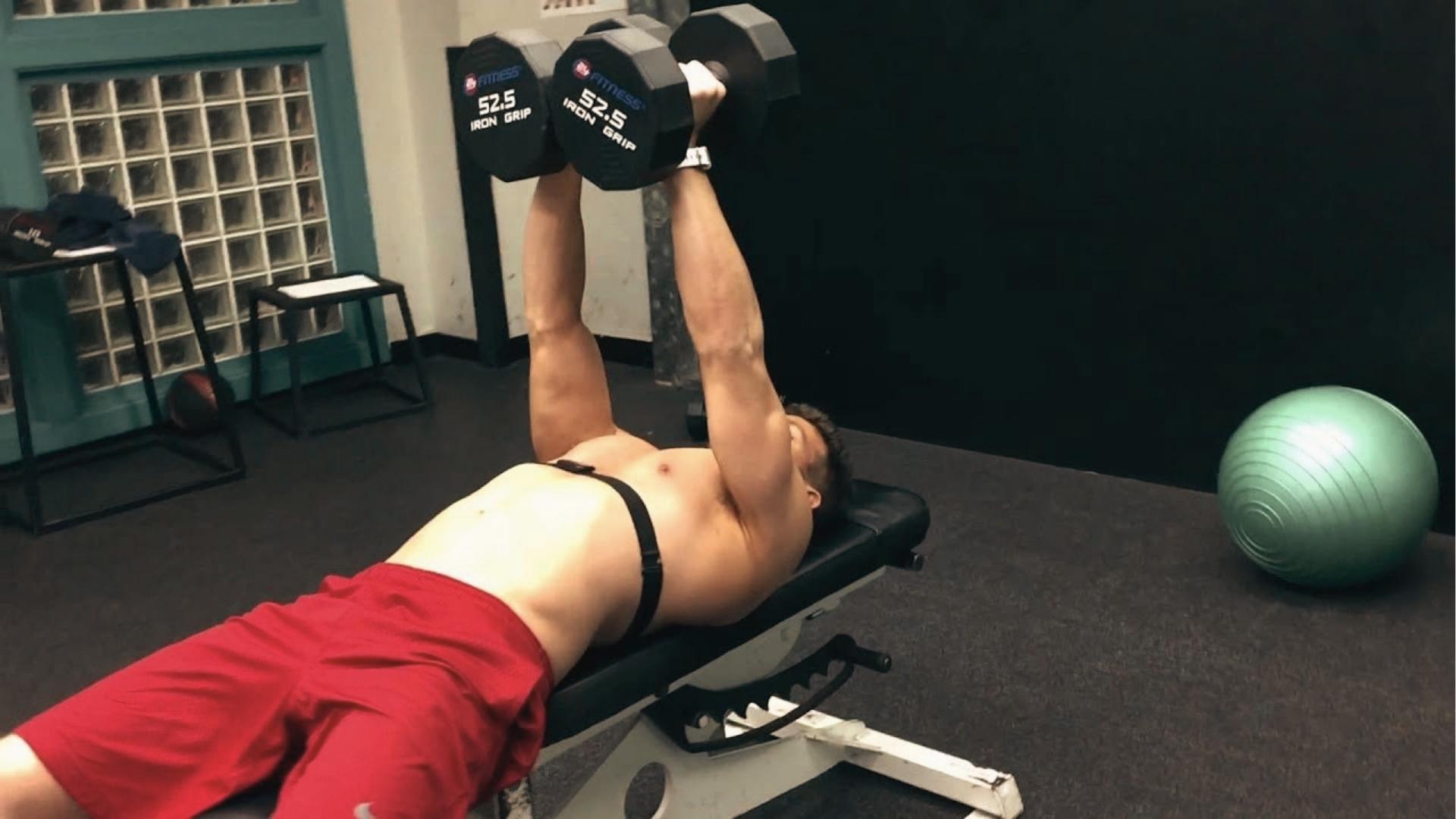
Close Grip Dumbbell Press Tutorial
Follow these steps carefully to get the most out of every rep.
Step 1: Equipment Setup and Bench Positioning
Use a flat bench for this exercise. Sit on the edge, hold a dumbbell on each knee, then lie back as you bring them up. Keep your feet flat on the floor the entire time.
Your back should rest flat against the bench with a slight natural arch. Never let your lower back lift off the pad during any rep.
Step 2: Proper Grip and Dumbbell Alignment
Hold the dumbbells with a neutral grip, meaning your palms face each other. Press the inner edges of the dumbbells together or keep them about an inch apart.
The dumbbells should sit just above your lower chest at the starting position. Keeping them aligned here ensures the right muscles stay engaged from the very first rep.
Step 3: Correct Elbow Positioning and Movement Path
Your elbows should stay at about a 30 to 45-degree angle from your body throughout the movement. Do not let them flare out wide at any point.
As you lower the weight, your elbows come down and move slightly back. This path protects your shoulder joints and keeps tension on your triceps where it belongs.
Step 4: Pressing and Lowering Technique
Press the dumbbells straight up until your arms are almost fully extended but do not lock your elbows out completely. Lower the weight slowly and with full control back down to chest level.
Keep the dumbbells close together throughout the entire range of motion. Rushing this part is one of the most common mistakes people make.
Step 5: Breathing Technique for Better Performance
Breathe in as you lower the dumbbells toward your chest. Breathe out as you press them back up. This breathing pattern keeps your core tight and your body stable during each rep.
Never hold your breath across multiple reps as it reduces performance and can cause dizziness.
Common Mistakes to Avoid
These errors can slow your progress and increase injury risk.
Flaring Elbows Too Wide
When elbows flare out, your shoulders take over. This reduces triceps activation and puts unnecessary stress on your shoulder joints. Keep those elbows tucked through the full range of motion.
Using Too Much Weight Too Soon
Heavy weight with poor form does nothing for you. Start lighter than you think you need. Build the movement pattern first. Add weight only when your form stays solid for all reps.
Incorrect Wrist Positioning
Bent wrists put strain on your joints. Keep your wrists straight and stacked above your forearms. Think of pressing through a rigid platform not a floppy one.
Losing Control During the Lowering Phase
Many people drop the weight fast on the way down. This removes tension from the muscle and increases injury risk. Lowering the dumbbells slowly takes 2 to 3 seconds going down.
Benefits of Doing Close Grip Dumbbell Press

This one exercise delivers more than most people expect.
Increased Triceps Strength and Size
Your triceps make up a large part of your arm. Training them with the close grip press gives them a strong stimulus. Over time, this leads to visible size gains and more pushing power.
Improved Pressing Performance
A stronger triceps helps your bench press, shoulder press, and any other push movement. The close grip press directly trains the muscle that locks out every press you do.
Better Muscle Balance and Coordination
Using dumbbells means each arm works independently. This stops your stronger side from doing more work. Over time, your left and right sides become more balanced.
Reduced Shoulder Strain Compared to Barbell Press
The barbell locks your wrists into a fixed position. Dumbbells let your hands move naturally. For people with shoulder discomfort, the close grip dumbbell press is often far more comfortable.
Tips to Perform Close Grip Dumbbell Press Safely and Effectively
Small habits done consistently lead to the best long-term results.
- Stay in the working range without locking out fully so your muscles stay under constant load every rep.
- Keep your core braced and spine neutral throughout every set to avoid excessive lower back arching.
- Use a 2-second press and 3-second lower for controlled tempo and better muscle results overall.
- Add 1 to 2 extra pounds weekly over time so your muscles keep growing with progressive overload.
- Warm up your shoulders and elbows before working sets to reduce injury risk during pressing.
- Focus on the target muscle, not just moving weight, to make every single rep more effective.
Conclusion
The close grip dumbbell press completely changed how my arms and chest looked, and I never expected that from one exercise.
Keep elbows tucked, dumbbells close, tempo slow, and always start light before building up.
It trains your triceps and chest together, reduces shoulder strain, and fixes muscle imbalances all in one move.
Stay consistent, track your weights, and prioritize form over ego every single session. Add it after your main press and give it six weeks.
Drop a comment below and share this with someone stuck on their triceps training.
Frequently Asked Questions
How many sets and reps should I do for the close grip dumbbell press?
Start with 3 sets of 10 to 12 reps. Focus on good form before adding more sets or weight to your routine.
Can beginners do the close grip dumbbell press?
Yes, beginners can do this exercise. Use light dumbbells first to learn the correct movement before increasing the weight gradually.
Is the close grip dumbbell press better than the tricep pushdown?
Both work the triceps well. The close grip press also trains the chest, making it a more complete upper body movement overall.
How often should I include this exercise in my workout?
Once or twice a week is enough. Give your triceps and chest at least 48 hours of rest between sessions for recovery.
What weight should I start with for the close grip dumbbell press?
Start with a weight that feels manageable for 12 clean reps. It should be challenging by the last few reps, but never sloppy.