

Can squats make your butt bigger, or are you wasting your time doing them? I get this question from beginners and experienced gym-goers alike.
The answer is more layered than a simple yes or no.
I’ve been training for years and worked with people who had this exact question. I looked into real research and tested what actually moves the needle.
In this blog, I’ll cover the science behind glute growth from squats, the best squat types, why squats alone often fall short, and the exact factors that determine your results.
I’ll also share personal insights from what I’ve seen work in practice, not just on paper.
If you’ve been squatting and not seeing changes, this will tell you why.
Can Squats Make Your Butt Bigger? (Science-Backed Answer)
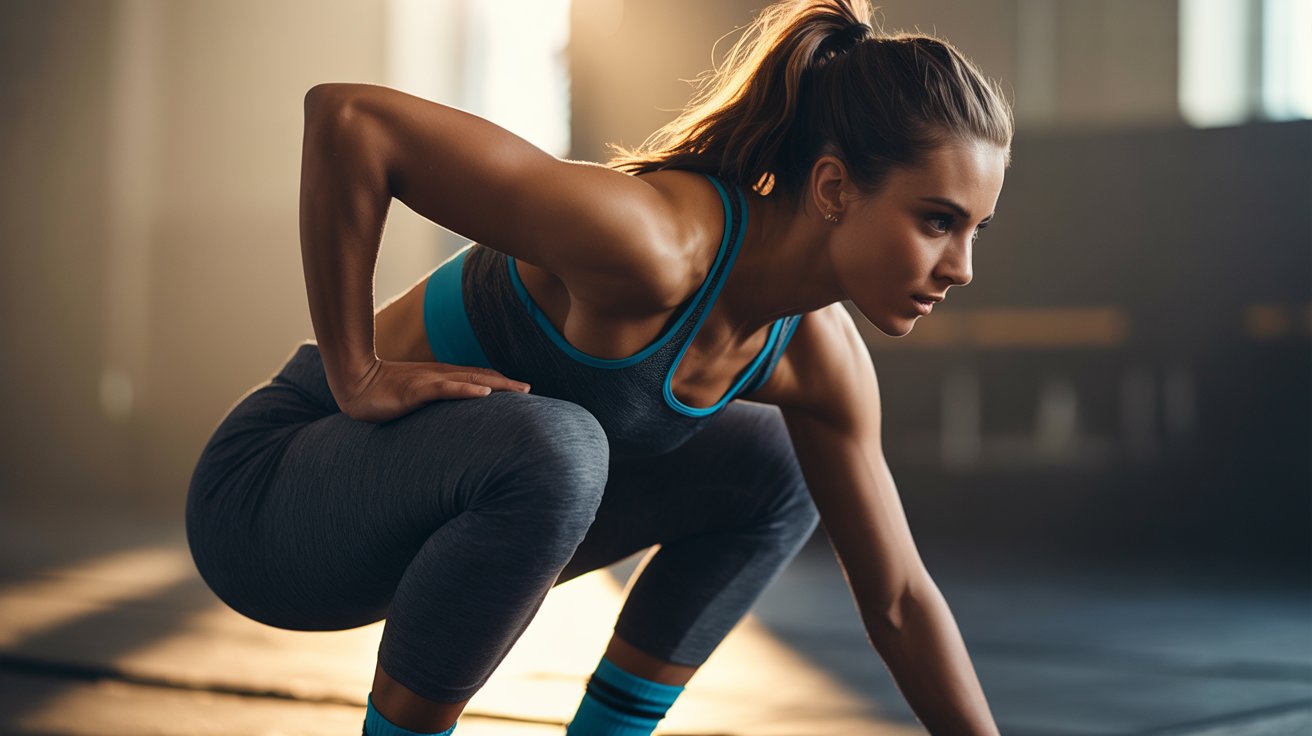
Yes, squats can make your butt bigger, but only when done correctly.
Your glutes are made of three muscles. The gluteus maximus is the largest and most visible. The gluteus medius and minimus sit on the side and outer hip.
Squats target all three, especially the maximus. When you lower into a squat, the glutes stretch under load. When you push back up, they contract hard. That repeated stretch and contraction is what triggers muscle growth.
EMG-based research in strength training shows deep squats significantly increase glute activation compared to partial reps. Depth matters far more than most people realize.
Can squats increase butt size? Yes. But only if you create enough tension and keep pushing your limits over time.
How Squats Actually Build Your Glutes
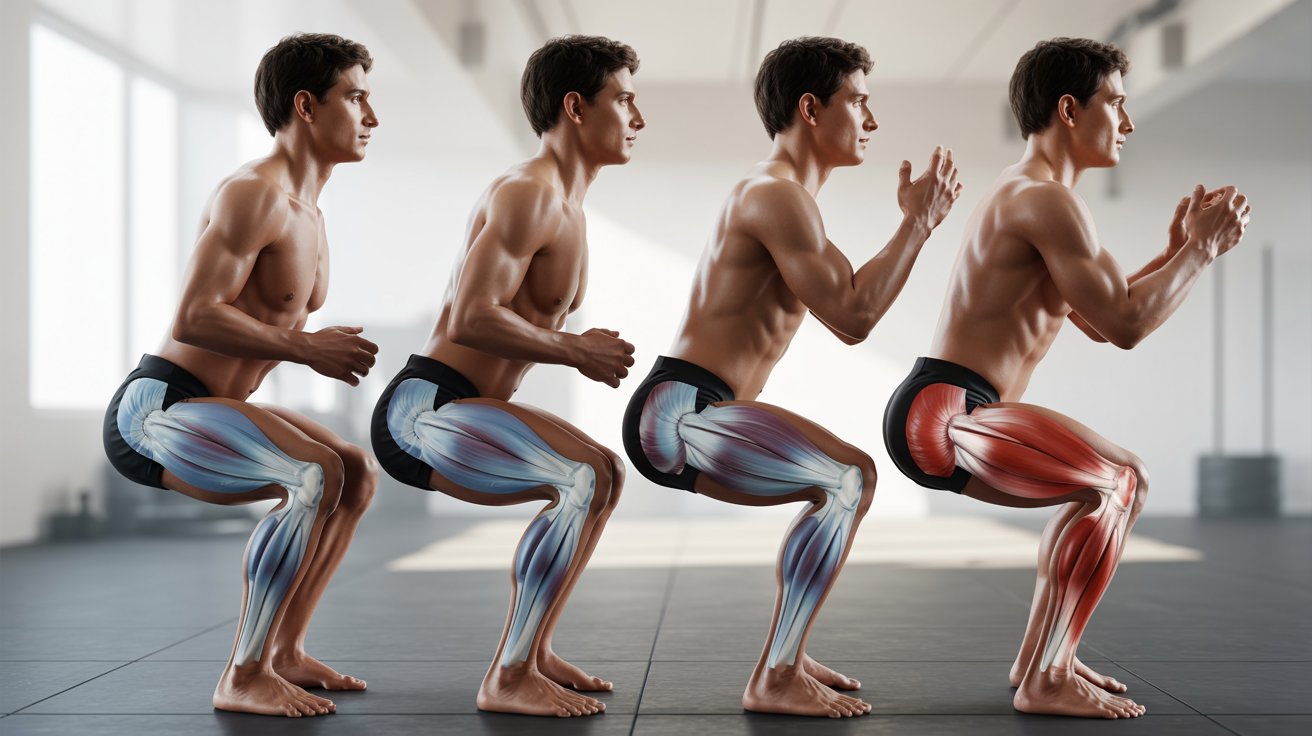
Squats build the glutes through hypertrophy. That means muscle fibers break down during training and rebuild slightly larger during recovery.
Two things drive this: time under tension and mechanical load.
Time under tension refers to how long your muscles stay active during each rep. Slowing your descent, pausing at the bottom, and rising with control all increase that tension.
The mind-muscle connection plays a huge role here too. If you’re just moving through the motion, your quads often take over.
When you actively focus on squeezing your glutes throughout the movement, research shows measurably higher glute activation per rep.
Glute activation and glute growth are not the same thing. Activation is what happens in a single session. Growth is what accumulates over weeks of consistent, progressive training.
Types of Squats That Grow Your Butt Faster
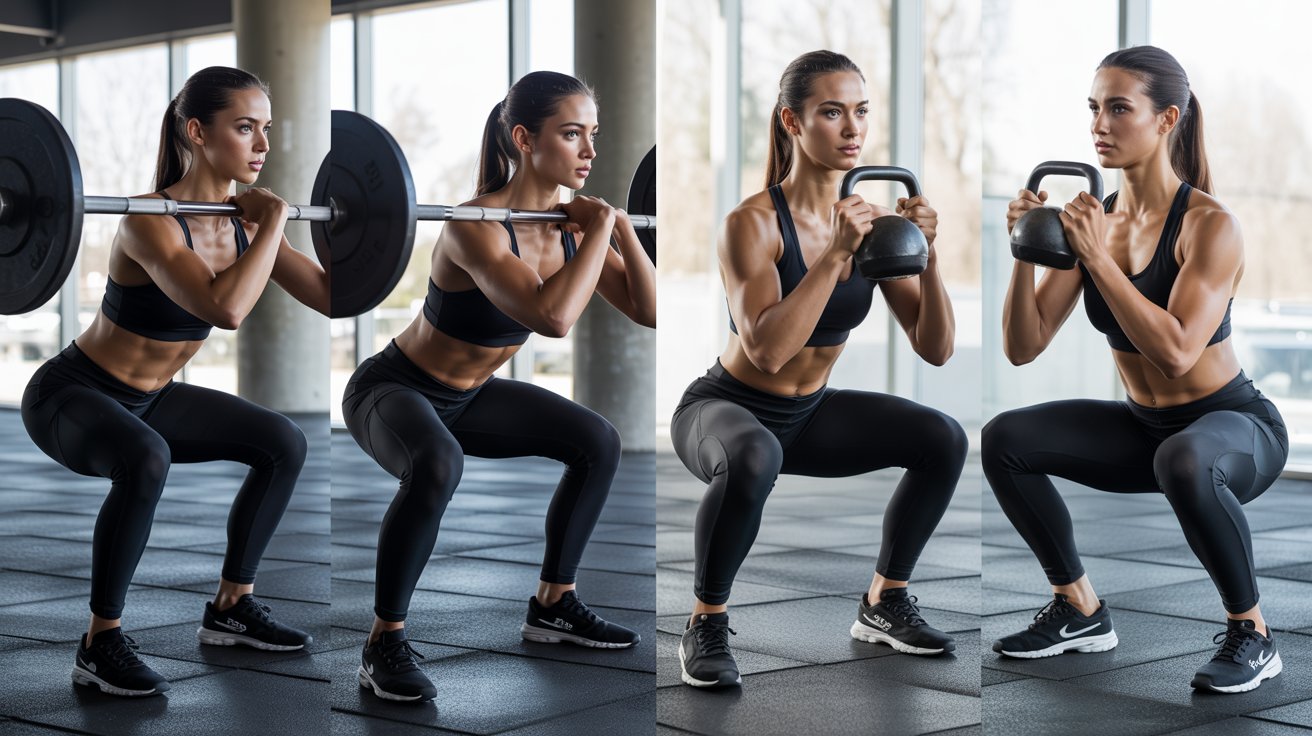
Not all squats hit the glutes equally.
Bodyweight squats vs weighted squats: Bodyweight works well for learning form. But without added resistance, muscle growth plateaus quickly past the beginner stage.
Back squats place the bar on your upper back and allow heavy loading. They’re one of the most effective options for gluteus maximus size.
Front squats shift load forward. The quads do more work, but the glutes still activate strongly at the bottom.
Sumo squats use a wider stance, which increases glute and inner thigh involvement compared to a standard squat.
Bulgarian split squats are single-leg and deeply demanding. Each glute works independently with a long stretch under load, which drives serious growth.
Goblet squats are beginner-friendly, allow full depth, and keep your torso upright for better glute emphasis.
For overall glute activation, Bulgarian split squats and back squats consistently rank highest in EMG research.
Do Squats Make Your Butt Bigger or Smaller?
Squats won’t shrink your butt. That’s a common fear and it’s not accurate.
If you’re losing body fat while squatting, your glutes might look flatter temporarily. That’s fat loss, not muscle loss.
When you add resistance and eat enough protein, squats build muscle onto your glutes. Over time, that creates more size and shape. Not less.
Can Squats Make Your Butt Bigger Without Weights?
Yes, but with real limits.
Bodyweight squats can grow your glutes if you’re just starting out. Your own body weight provides enough challenge initially.
But after a few weeks, your glutes adapt. Without added resistance, progress stalls.
You can extend bodyweight results by slowing your reps, adding pauses at the bottom, or moving to single-leg variations.
Eventually though, adding load is the most reliable path to continued growth.
Why Squats Alone Might NOT Be Enough
Here’s something I wish I had understood earlier. Squatting hard every week does not guarantee a bigger butt.
The gluteus medius sits on the side of your hip. It creates that round shape from the back and side view.
Squats barely reach it. You need moves like lateral band walks, clamshells, or hip abductions to work it directly.
Quad dominance is another issue. If your quads are significantly stronger than your glutes, they take over during squats. Your butt stays the same while your legs grow instead.
I’ve watched this happen with people who squatted consistently for months and couldn’t figure out why nothing was changing.
The fix was always the same: add direct glute work and fix the movement pattern.
Why Your Butt Isn’t Growing From Squats
If you’ve been squatting and nothing is changing, one of these is likely the problem.
- Not going deep enough. Staying above parallel means your glutes barely work.
- Letting your quads dominate. Rising heels or caving knees shifts the load away from your glutes.
- No progressive overload. Doing the same weight for the same reps every week gives your body no reason to change.
- Not eating enough protein. Without adequate intake, your muscles have nothing to rebuild with.
- Skipping recovery. Training hard without rest is counterproductive. Growth happens between sessions, not during them.
The Key Factors That Determine Glute Growth

Will squats grow your glutes? Only if these four things are consistently in place.
Progressive Overload
This is the foundation of all muscle growth. You need to keep making your training harder over time.
Add weight. Do more reps. Reduce rest time. If you repeat the same squat session week after week with no changes, your glutes have no reason to grow.
Nutrition for Muscle Growth
Muscle can’t grow without enough fuel. Protein repairs and rebuilds muscle fibers after training.
A solid target is 0.7 to 1 gram of protein per pound of body weight. Carbs fuel your sessions. Eating too little of either slows your progress significantly.
Training Frequency
Hitting your glutes two to three times per week is the sweet spot. Once a week usually isn’t enough stimulus for meaningful growth.
Space sessions out so your muscles can recover and adapt between workouts.
Rest and Recovery
Muscles grow during rest, not during training. Sleep is when your body repairs tissue and builds new muscle.
Aim for seven to nine hours per night. Poor sleep slows recovery and limits results no matter how hard you train.
How Long Does It Take to See Results?
Most people notice firmness and early shape changes around six to eight weeks.
Visible size increases typically take three to six months of consistent effort. Significant changes beyond that depend on training intensity, diet, and genetics.
There’s no shortcut. Train smart, eat right, and stay consistent.
Best Exercises to Combine With Squats for Bigger Glutes
These moves fill the gaps squats leave behind.
Hip thrusts create a peak glute contraction that squats can’t match. A study in strength and conditioning research identified them as one of the highest-activating glute exercises available.
Romanian deadlifts stretch the glutes under load, which sends a strong muscle growth signal.
Cable kickbacks target the gluteus maximus through a full range of motion with constant tension.
Lateral band walks directly work the gluteus medius, the muscle responsible for side roundness.
Squats vs Hip Thrusts: Which Builds a Bigger Butt Faster?
Both are effective, but they work differently. Knowing when to use each one makes your training far more targeted.
| Exercise | Glute Activation | Best For |
|---|---|---|
|
Squats |
High (especially deep) |
Overall glute mass |
|
Hip Thrusts |
Very high (peak contraction) |
Shape and isolation |
Together, these two moves cover everything. Squats build the base. Hip thrusts sharpen the shape.
Using both in the same program gives your glutes a stronger, more complete stimulus than either one alone.
Squat Form Tips for Maximum Glute Activation
- Push your knees out. Letting them cave inward reduces glute involvement and stresses your joints.
- Drive through your heels. This loads your posterior chain, which includes your glutes and hamstrings.
- Go below parallel. Research is consistent here: deeper squats mean significantly more glute activation per rep.
- Use the mind-muscle connection. Think about engaging your glutes as you rise from the bottom. It sounds simple, but it genuinely changes how much they fire.
At-Home vs Gym Squats: Which Is Better?
At home, you can do bodyweight squats, sumo squats, and Bulgarian split squats with light dumbbells. These work well for beginners.
At the gym, barbells, cables, and heavier loading make progressive overload far more accessible.
If growing your glutes is a real priority, the gym gives you more tools to do it effectively. But consistent at-home training beats inconsistent gym training every time.
Do Squats Make Your Butt Bigger for Everyone?
Not at the same pace. Genetics influence how fast your glutes respond and what shape they ultimately take.
Some people see quick results. Others work hard for slower, steady progress. Bone structure, natural muscle shape, and fiber type all play a role.
That said, nearly everyone can build glute size and strength with the right training and enough time.
Before and After Expectations: What’s Realistic
Results slow without ongoing challenge. This isn’t a phase. It’s a long-term commitment.
- Month one: Your glutes may feel firmer. Strength improves. You’re laying the base.
- Months two to three: Clothes may fit differently. You might notice more shape.
- Months four to six: Real size changes become visible with consistent effort.
- Beyond six months: Growth compounds, assuming you’ve kept pushing and eating well.
Do Squats Make Your Butt Bigger Over Time?
Yes, and time is actually the most underrated part of this process.
Glute growth doesn’t happen in a few sessions. It compounds slowly. Each week of progressive training adds a small layer of muscle.
Over months, those layers stack up into visible size.
Most people quit too early because they don’t see fast results. The people who stick with it for six months or more are usually the ones who see the most dramatic changes.
Can Squats Make Your Butt Bigger Without Protein?
No, not effectively. Protein is what your muscles are built from.
When you squat, you create small tears in your muscle fibers. Protein is what repairs and rebuilds those fibers.
Without enough of it, your muscles have nothing to grow with. You’ll get stronger nerves, better coordination, but not meaningful size.
If you’re squatting consistently and eating low protein, you’re doing the hard part and skipping the payoff.
Why Squats Grow Legs More Than Glutes
This is one of the most common complaints I hear. People squat for months and end up with bigger quads but no real butt change.
The reason is usually one of three things.
First, not enough depth. Shallow squats load the quads heavily and barely touch the glutes.
Second, forward lean. If your torso tips too far forward during the squat, your lower back and quads take over instead of your glutes.
Third, no mind-muscle connection. If you’re not actively thinking about squeezing your glutes, your body defaults to its strongest muscles, which are often the quads.
Fix your depth, keep your chest up, and focus on feeling your glutes work. That shift alone changes everything.
Sample Glute Workout Using Squats
This is the exact type of session I recommend for anyone serious about glute growth. It hits all the right muscles, in the right order, with enough volume to drive results.
- Back Squats: 4 sets of 8 to 12 reps. Go deep. Focus on the mind-muscle connection on every rep.
- Bulgarian Split Squats: 3 sets per leg. Slow and controlled. Feel the stretch at the bottom.
- Hip Thrusts: 4 sets of 10 to 12 reps. Squeeze hard at the top and hold for one second.
- Lateral Band Walks: 3 sets of 15 steps each direction. Keep tension in the band the whole time.
Rest 60 to 90 seconds between sets. Do this two to three times per week with at least one rest day between sessions.
Conclusion
Can squats make your butt bigger? Yes. I’ve seen it happen firsthand. But it takes more than showing up to squat three times a week.
Real results come from combining the right squat types, eating enough protein, focusing on the mind-muscle connection, and consistently increasing your challenge.
I used to skip recovery and undereat protein. Once I fixed both, my results changed noticeably and faster.
Your glutes will respond. They just need the right conditions, enough time, and real consistency from you.
If this post helped you see your training differently, save it and share it with someone who’s been squatting without seeing results.
What’s the one change you’ll make to your squat routine this week? Drop it in the comments.
Frequently Asked Questions
Can squats make your butt bigger if you only train at home?
Yes, in the early stages of training. Once your body adapts to bodyweight, you’ll need added resistance or more advanced variations to keep seeing growth.
Do squats make your butt bigger or just your legs?
Squats build both. With proper depth, heel drive, and a strong mind-muscle connection, you can shift more of the work toward your glutes and away from your quads.
How many times a week should I squat to grow my glutes?
Two to three times per week is the most effective range. That frequency gives enough stimulus for growth while allowing recovery time between sessions.
Does squat depth really affect how much your butt grows?
Yes, significantly. Squatting below parallel activates the gluteus maximus far more than partial reps. Depth is one of the most important variables for glute growth.
Can squats make your butt bigger without adding hip thrusts?
Squats alone can build glute size, but adding hip thrusts speeds up results. Hip thrusts create a peak contraction at the top that squats can’t reach, making the two moves a highly effective combination.


