Want to build serious upper body strength without fancy gym equipment? I’ve spent years training with just a pull-up bar, and I can tell you that a solid calisthenics pull workout changes everything. Your back gets stronger. Your posture improves. You feel more powerful in daily life.
In this guide, I’ll show you the 11 best pull exercises that actually work. We’ll cover moves for beginners just starting out and advanced athletes looking for a challenge. You’ll learn proper form, common mistakes to avoid, and how to build your own routine.
I’ve tested every single exercise here, and they deliver real results. Let’s get started.
Why Calisthenics Pull Workouts Are Important?
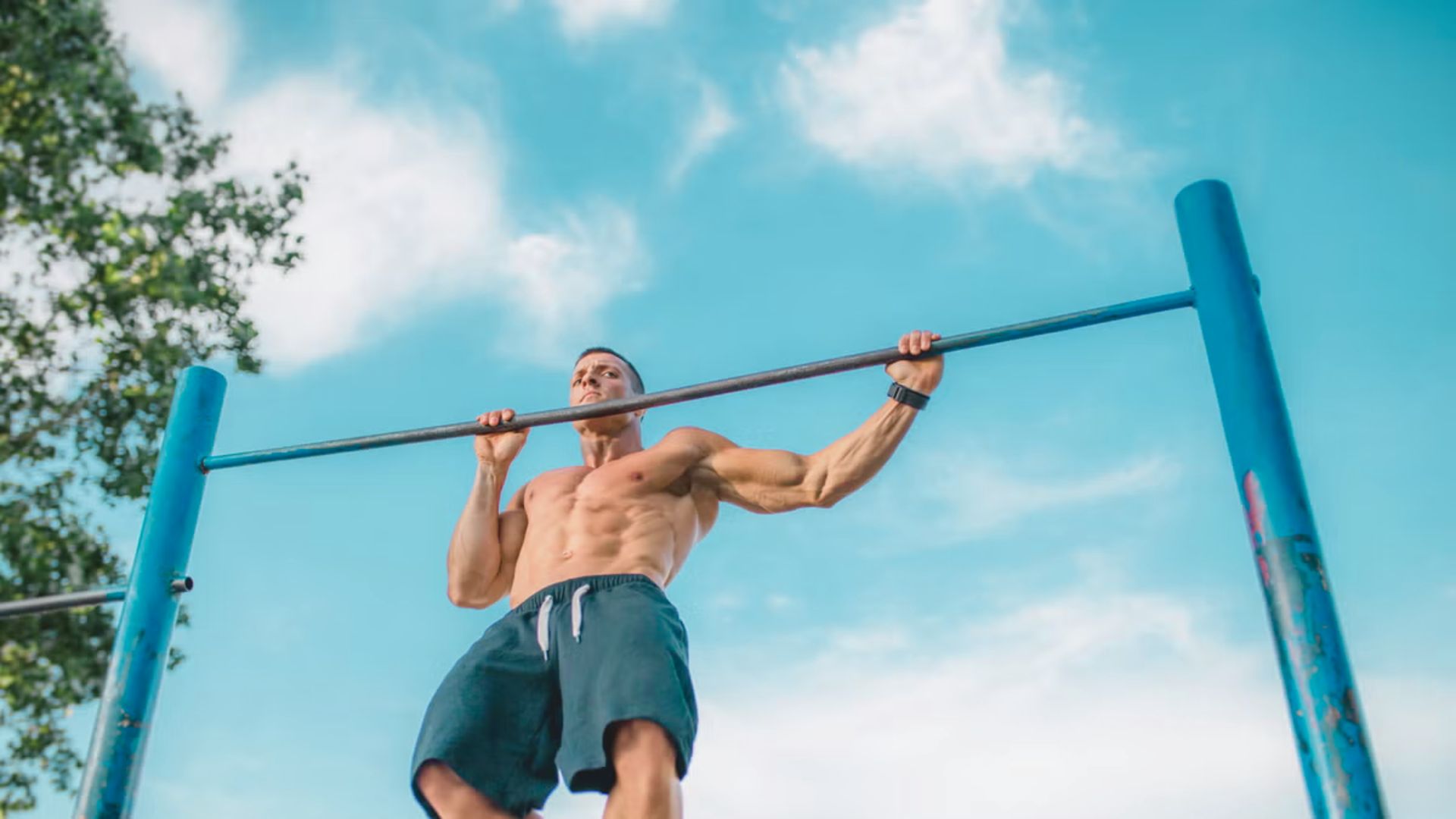
Pull exercises build functional strength you can use every day. Lifting heavy boxes, pulling open doors, or climbing a rope all require strong pulling muscles. When you train with calisthenics, you prepare your body for real-life activities.
Your posture gets better when you strengthen your back muscles. Many people slouch because their chest muscles are tight and their back muscles are weak. Pull workouts fix this imbalance.
Your shoulders become more stable, which means fewer injuries during sports or daily tasks. Strong back muscles protect your shoulder joints. Your core gets stronger too, even though you’re focusing on your upper body. Every pull exercise requires core stability to maintain good form.
You can do these workouts anywhere. At home with a doorway bar, at the park on monkey bars, or in your garage. No expensive gym membership needed.
The best part? These exercises grow with you. Start with easier versions as a beginner. Move to harder variations as you get stronger. There’s always a next level to reach.
Benefits of Calisthenics Pull Workouts
These workouts deliver real results that go beyond just looking good.
- Builds functional upper body strength. You develop muscles that help in everyday life. Carrying groceries, moving furniture, and playing with your kids all become easier.
- Improves posture, shoulder health, and core stability. Strong back muscles pull your shoulders back naturally. You stand taller and your spine aligns better. This reduces back pain and prevents injuries.
- Boosts athletic performance and pulling power. Rock climbing gets easier. Swimming becomes more powerful. Even running form improves with a stronger core.
- Scalable from beginner to advanced. Start with assisted variations and progress to standard versions. Then add weight or try harder variations. There’s always room to grow.
Top 11 Calisthenics Pull Exercises
Strengthen your back, biceps, shoulders, and core with these essential bodyweight pulling exercises for all fitness levels.
1. Wide-Grip Pull-Up

Muscles Worked: Lats, biceps, rear delts, core
How to Perform: Grab the bar with hands wider than shoulder-width, palms facing away. Pull yourself up until your chin clears the bar. Squeeze your shoulder blades together at the top. Lower down slowly with control.
Beginner Modifications: Use a resistance band looped under your feet for assistance. Try assisted pull-up machines or have a partner support your feet.
2. L-Sit Pull-Up
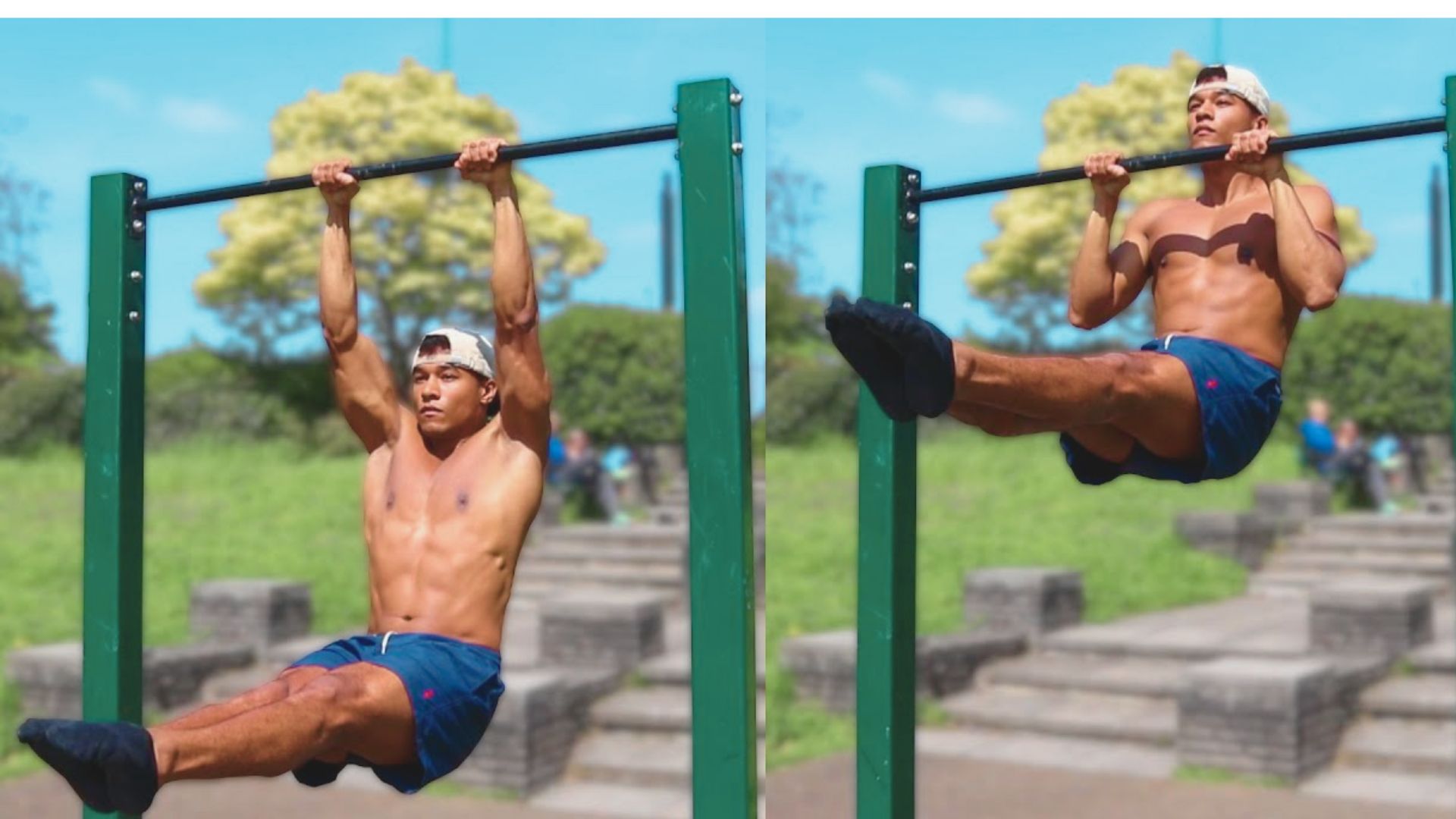
Muscles Worked: Lats, traps, biceps, core, hip flexors
How to Perform: Hang from the bar and lift your legs straight out in front until parallel to the ground. Pull yourself up while holding the L-shape. Lower back down with legs still up.
Beginner Modifications: Hold the L-sit position without pulling up to build core strength first. Try jackknife pull-ups with bent knees instead of straight legs.
3. Close-Grip Chin-Up
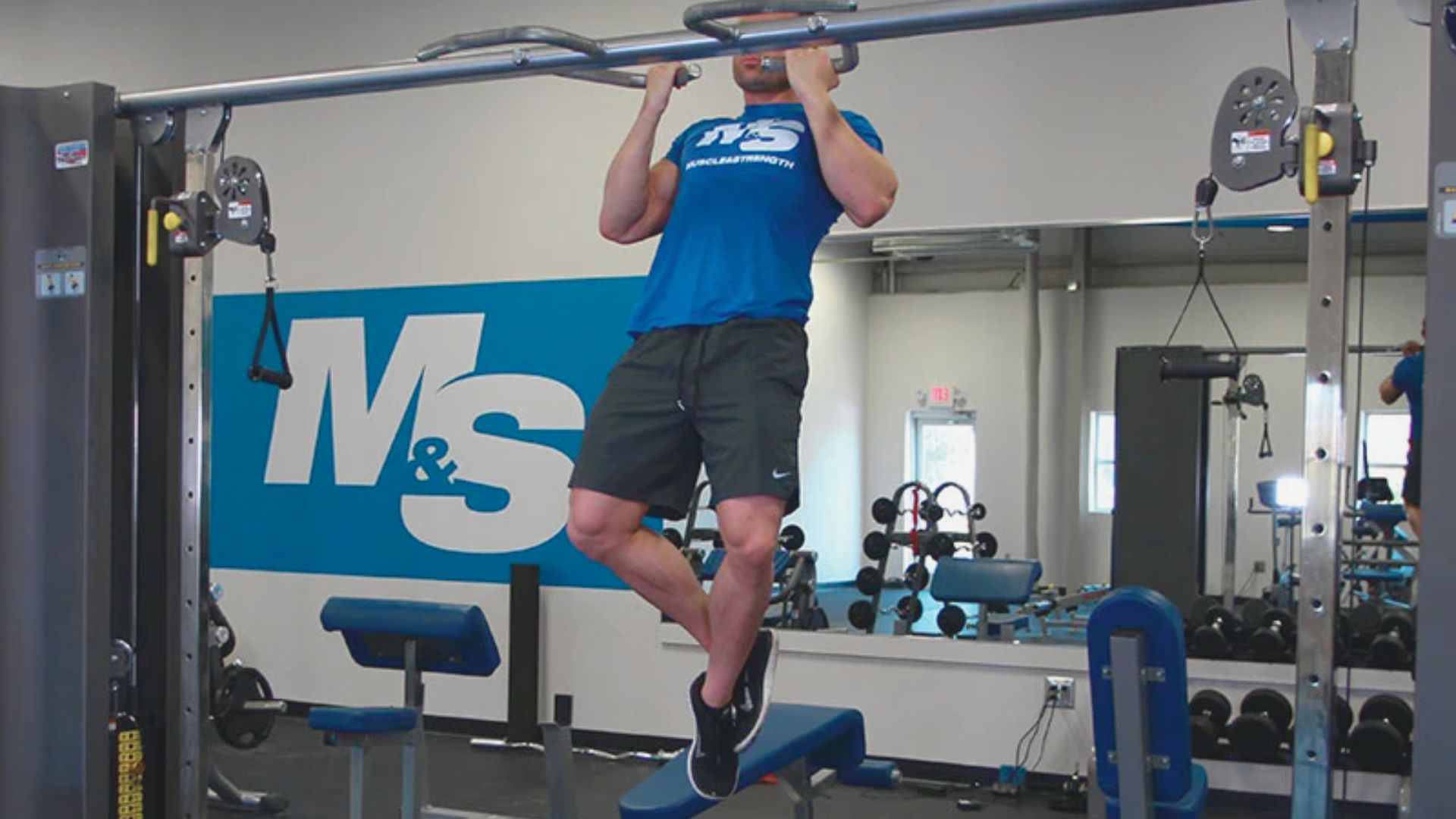
Muscles Worked: Biceps, lats, traps, forearms
How to Perform: Grab the bar with palms facing you, hands shoulder-width or closer. Pull yourself up by driving elbows down and back. Bring your chest toward the bar and squeeze at the top.
Beginner Modifications: Use a resistance band under your feet for assistance. Practice negative reps by stepping up and lowering slowly.
4. Standard Pull-Up
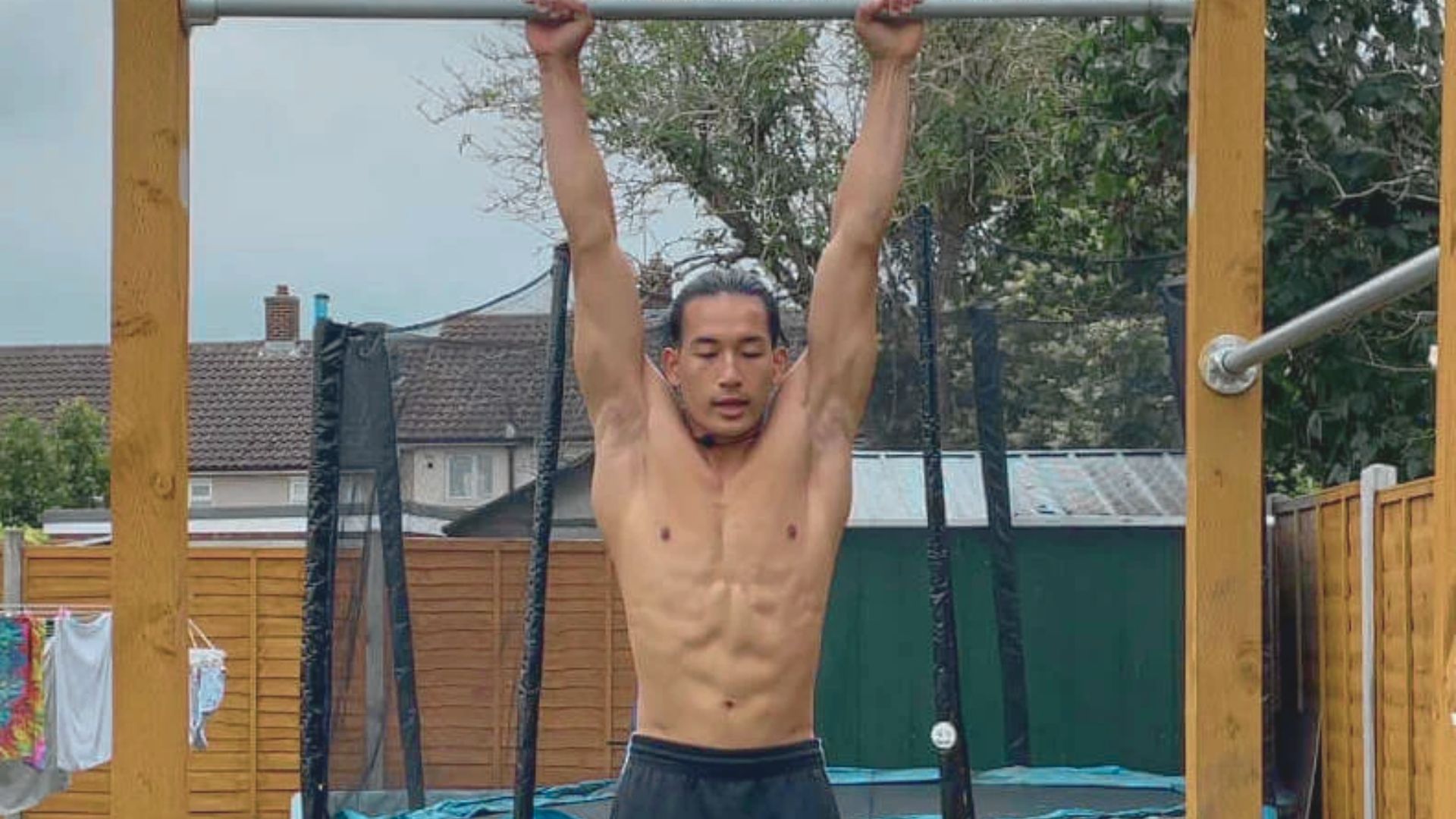
Muscles Worked: Lats, traps, biceps, core stabilizers
How to Perform: Grip the bar shoulder-width apart, palms away. Start from a dead hang. Pull yourself up by driving elbows down until chin clears the bar. Lower until arms are fully extended.
Beginner Modifications: Use resistance bands or assisted pull-up machines. Practice 5-second negative reps to build strength.
5. Rocky Pull-Up
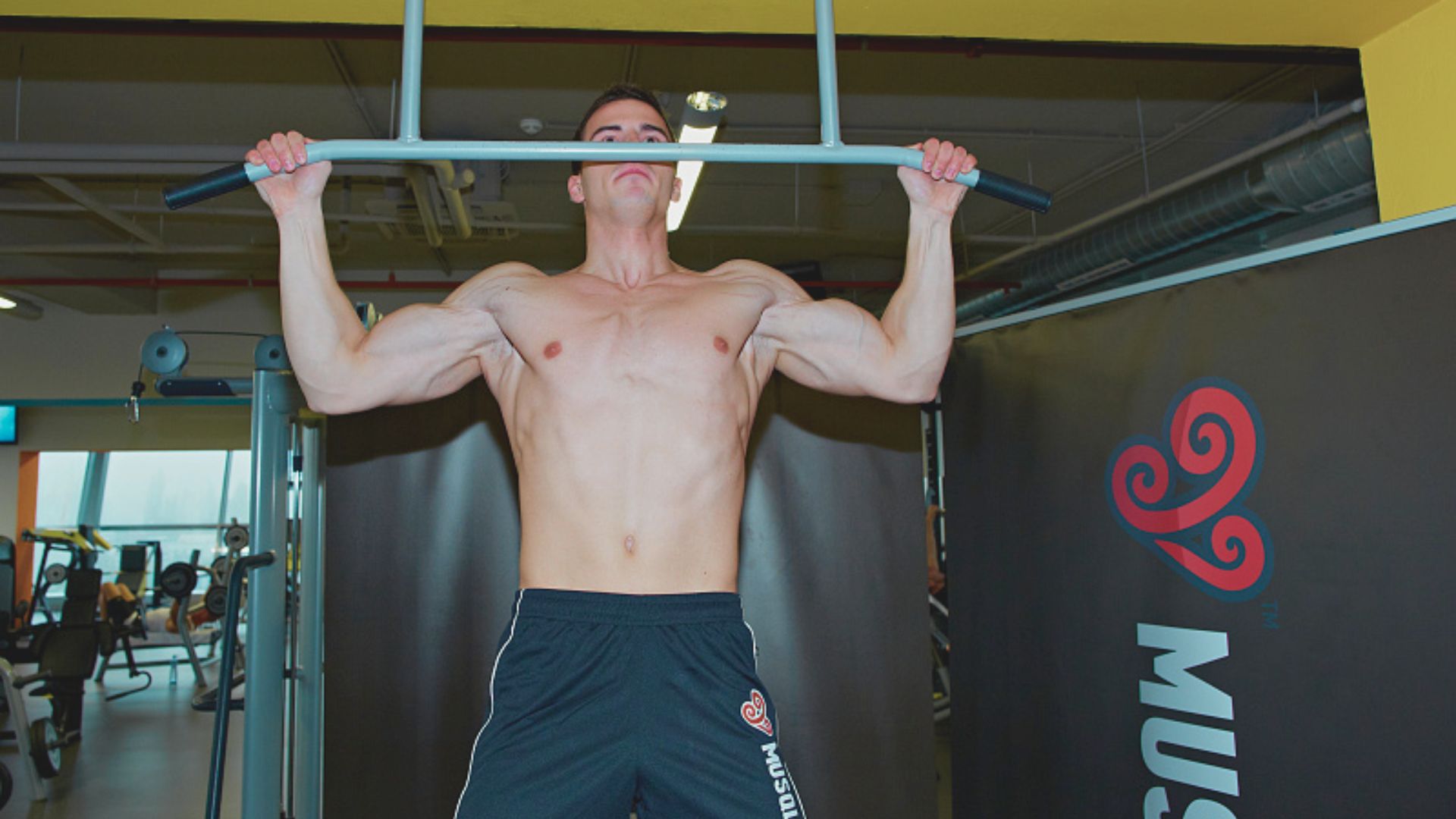
Muscles Worked: Lats, biceps, core
How to Perform: Pull yourself up to the bar. Move your chest from side to side, shifting from right hand to left hand. Keep your chin above the bar throughout. Lower slowly after the side-to-side motion.
Advanced Tips: Slow down the movement for more difficulty. Keep your core tight and avoid using momentum.
6. Muscle-Up
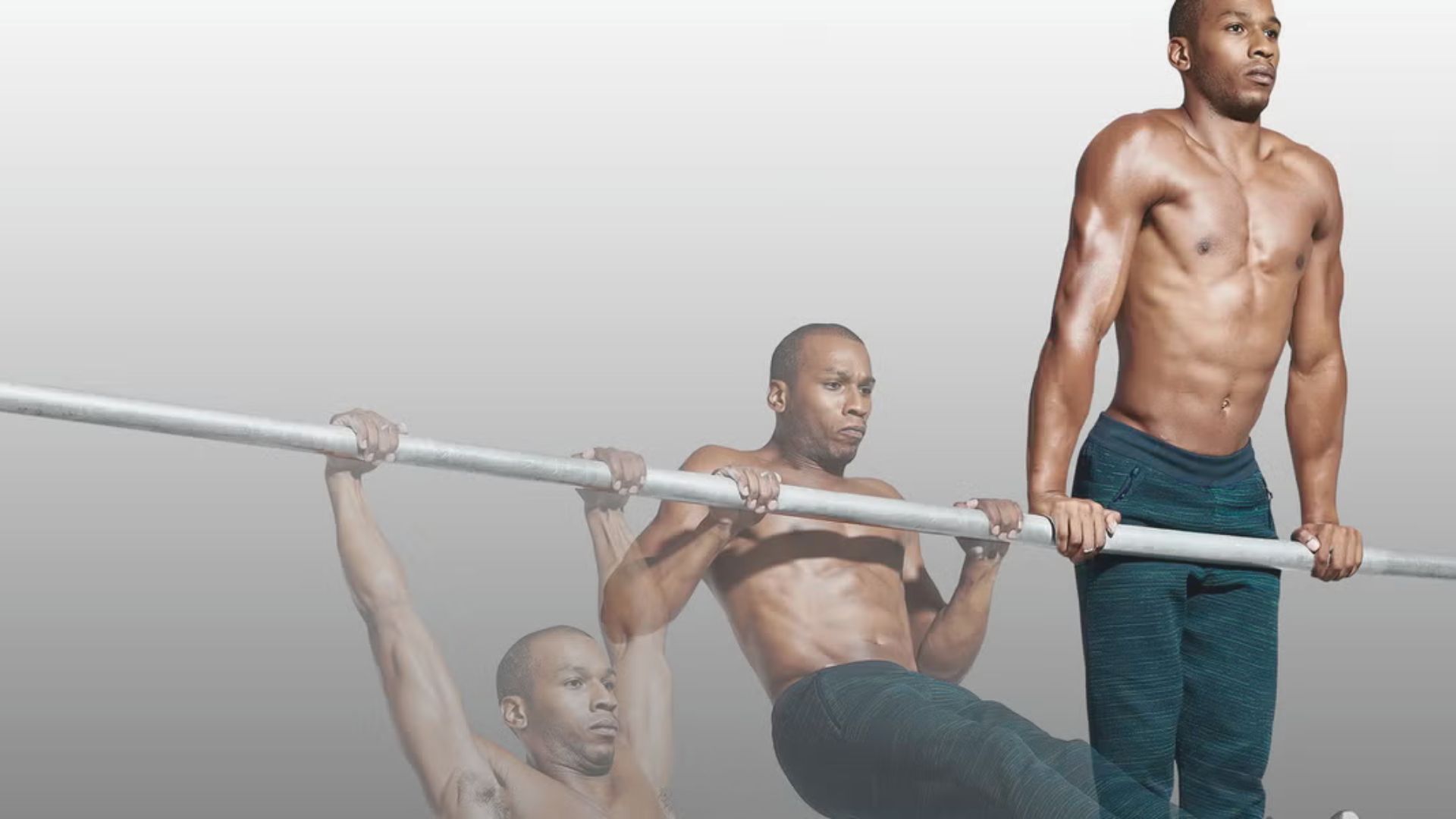
Muscles Worked: Lats, biceps, chest, triceps, core
How to Perform: Pull yourself up explosively. As your chest reaches the bar, lean forward and roll your elbows over. Transition to a dip position and press up until arms are straight.
Beginner Modifications: Master explosive pull-ups first. Practice the transition on lower bars where your feet can touch the ground.
7. Human Flag (With Resistance Band)
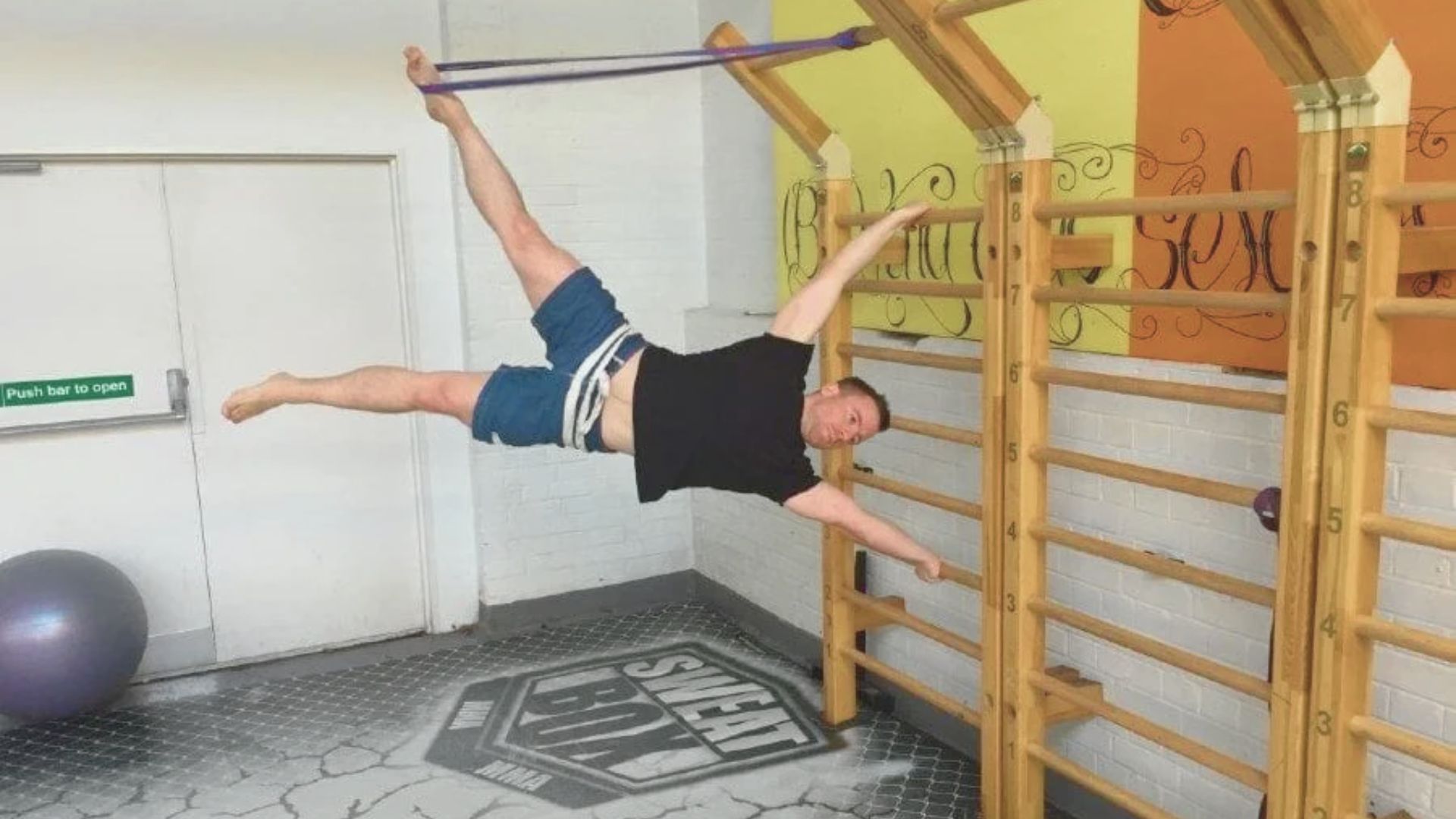
Muscles Worked: Obliques, lats, shoulders, core
How to Perform: Hold a vertical pole with one hand high and one low. Use a resistance band for support. Lift your body horizontal to the ground, keeping it straight and parallel to the floor.
Beginner Modifications: Start with vertical flag holds with bent knees. Use thick resistance bands and progress to thinner ones over time.
8. Inverted Row / Australian Pull-Up

Muscles Worked: Upper back, traps, rhomboids, biceps, core
How to Perform: Set a bar at waist height. Lie underneath face-up and grab the bar. Keep your body straight and pull your chest to the bar. Lower with control.
Beginner Modifications: Bend your knees to reduce difficulty. Raise the bar higher to make it easier.
9. Resistance Band Face Pull

Muscles Worked: Rear delts, traps, rhomboids, rotator cuff
How to Perform: Attach a resistance band at eye level. Grab both ends and pull toward your face. Keep elbows high and squeeze your shoulder blades together at the end.
Beginner Modifications: Use a lighter band and focus on form. Do the exercise from a half-kneeling position for more stability.
10. Weighted Pull-Up

Muscles Worked: Lats, biceps, traps
How to Perform: Attach weight to a dip belt around your waist. Perform a standard pull-up with strict form. Aim for 4 to 6 reps per set.
Beginner Modifications: Master 10 clean bodyweight pull-ups first. Start with 5 to 10 pounds and increase gradually.
11. Pull-Up Hold / Isometric Pull
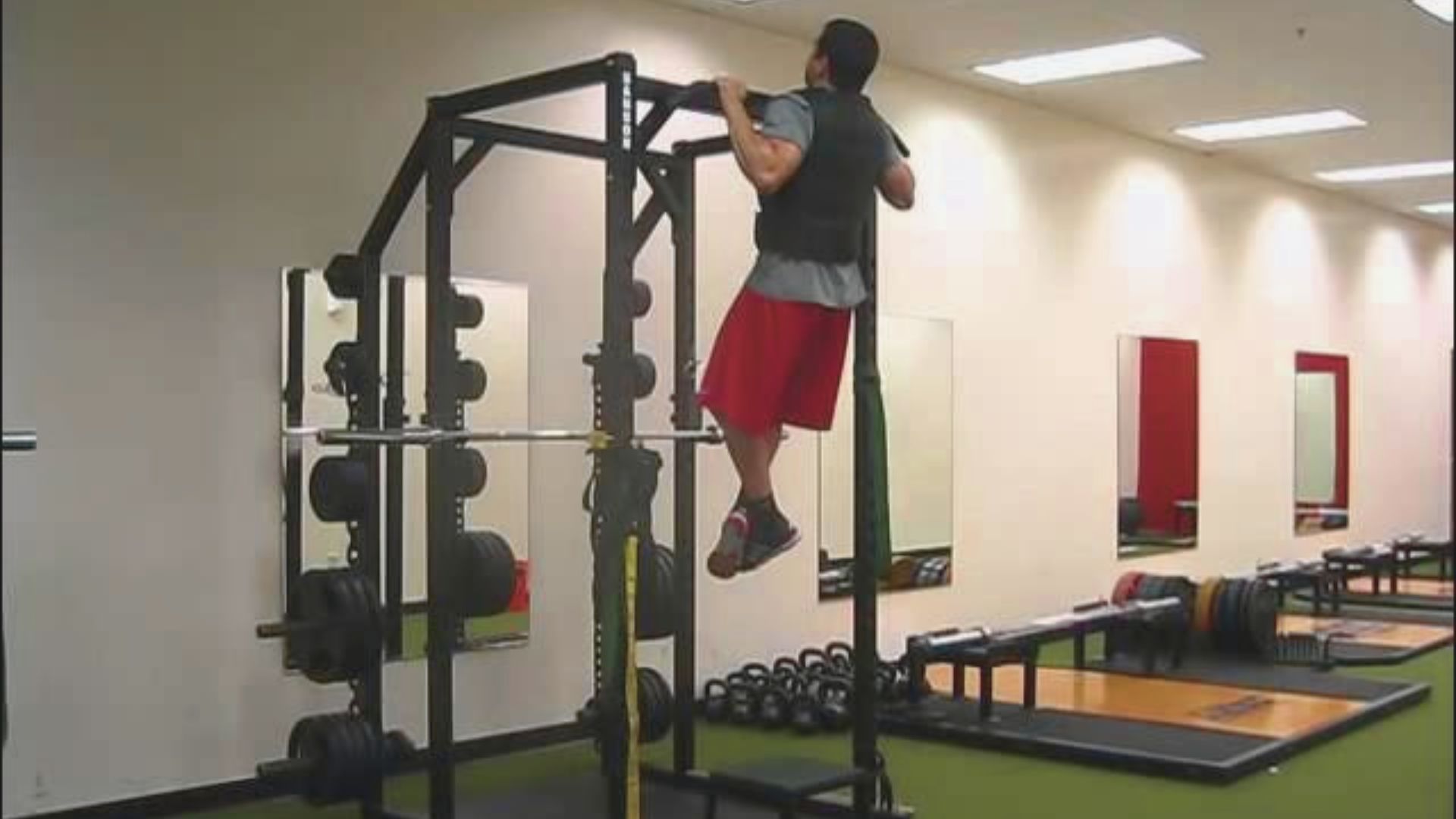
Muscles Worked: Lats, biceps, core, forearms
How to Perform: Pull yourself up until your chin is above the bar. Hold this top position as long as possible. Keep muscles tight and don’t drop.
Beginner Modifications: Use a resistance band for support. Hold at different heights if the top position is too hard.
Tips for Success
Follow these tips to get the most out of your calisthenics pull workout and avoid common mistakes.
- Focus on form over reps. One perfect pull-up beats five sloppy ones. Bad form leads to injuries and slower progress.
- Use negative reps if full pull-ups are challenging. Jump to the top position, then lower yourself slowly over 5 to 10 seconds.
- Gradually increase intensity. Add one rep per week or increase weight by small amounts. Your body needs time to adapt.
- Warm up before every workout. Spend 5 to 10 minutes doing arm circles, band pull-aparts, and light cardio.
- Stretch after your workout. Focus on your lats, shoulders, and chest. Hold each stretch for 30 seconds.
Conclusion
Your calisthenics pull workout can start today with just a bar and your body weight. I remember struggling to do even one pull-up when I started. Now they’re my favorite exercise because the strength you build transfers to everything you do.
Pick 3 to 4 exercises from this list and practice them consistently. Track your progress each week. You’ll be amazed at how fast you improve when you stay committed to the process.
Drop a comment below and tell me which exercise you’re going to try first. Let’s get stronger together.
Frequently Asked Questions
How often should I do a calisthenics pull workout?
Train 2 to 3 times per week. Space your workouts at least 48 hours apart so your muscles can recover and grow stronger.
Can beginners build muscle with calisthenics pull exercises?
Yes. Start with easier moves like inverted rows and assisted pull-ups. Your muscles will grow as you progress to harder variations.
What if I can’t do a single pull-up yet?
Start with negative pull-ups and resistance band assistance. Practice dead hangs for grip strength. You’ll get your first pull-up within a few weeks.
Do I need equipment for calisthenics pull workouts?
You need a pull-up bar. Doorway bars cost $20 to $30. Resistance bands help but aren’t required. Many parks have free outdoor bars.
How long does it take to see results from pull training?
You’ll feel stronger in 2 to 3 weeks. Visible muscle growth shows up after 6 to 8 weeks of consistent training..