Back pain. Poor posture. Weak pulling strength. These are real problems many beginners face.
This article covers the best calisthenics back workout exercises built for beginners. You will learn what muscles they work, how to do them at home, and how to build a simple weekly routine.
I have worked with bodyweight training for years, and these are the same exercises I recommend to anyone starting from zero.
No bar? No gym? No problem. By the end, you will know exactly what to do and how to progress safely. Let this be your starting point for a stronger, pain-free back.
Muscles Worked in Calisthenics Back Workout
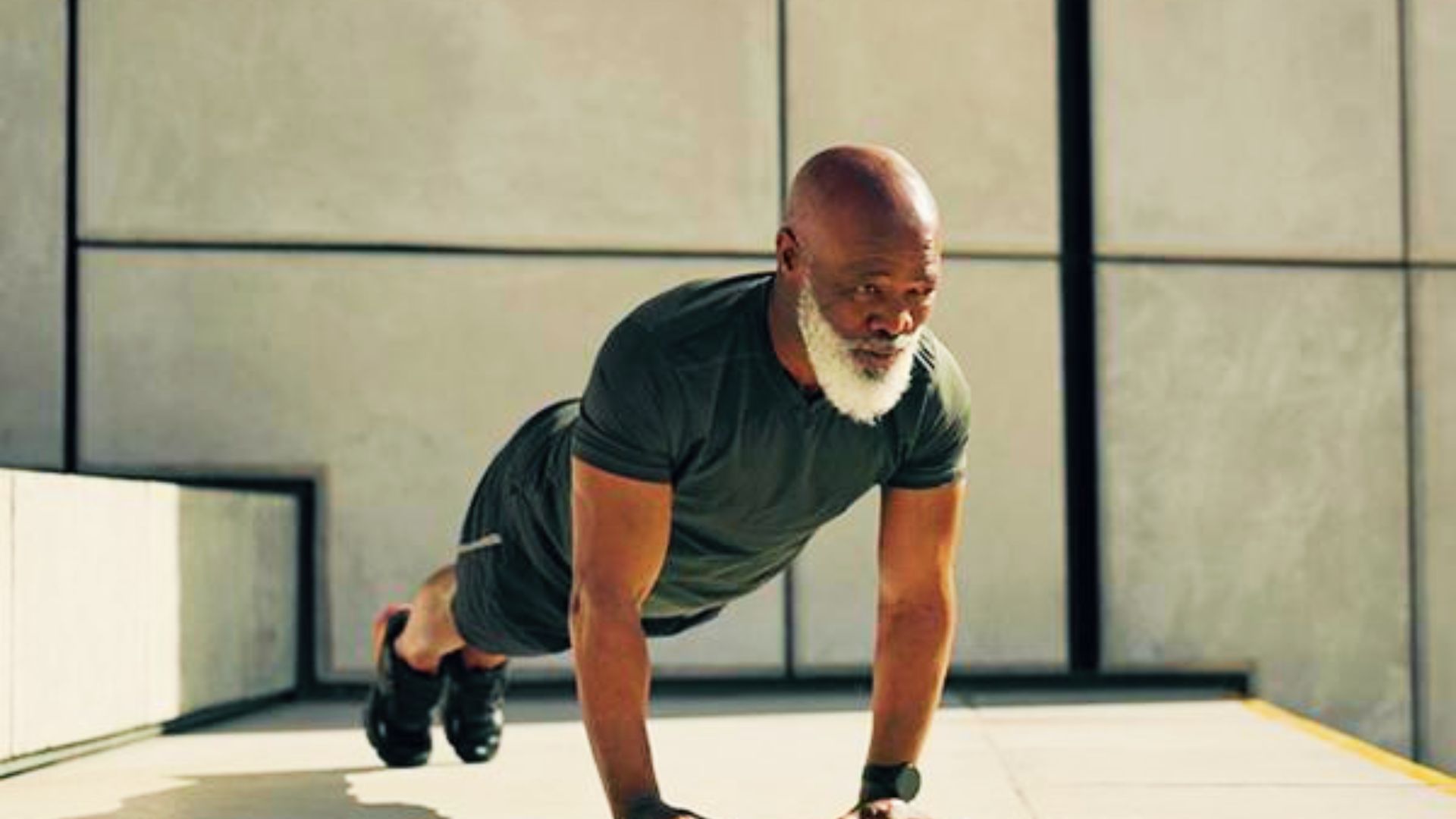
A calisthenics back workout targets more muscles than most beginners expect. Your latissimus dorsi, or lats, control all pulling movements.
The trapezius runs from your neck down your mid-back and supports shoulder stability. Your rhomboids sit between the shoulder blades and pull them back, directly improving posture.
The erector spinae runs along your spine and keeps your back straight during every movement. Supporting muscles like rear deltoids, biceps, forearms, and your core all activate too.
Even your glutes help with alignment and tension. Training all of these together builds better coordination and a stronger, more balanced body overall.
11 Best Calisthenics Back Workout Exercises for Beginners
These exercises are beginner-friendly and can be done with little or no equipment.
1. Scapular Retractions (Floor or Bar)
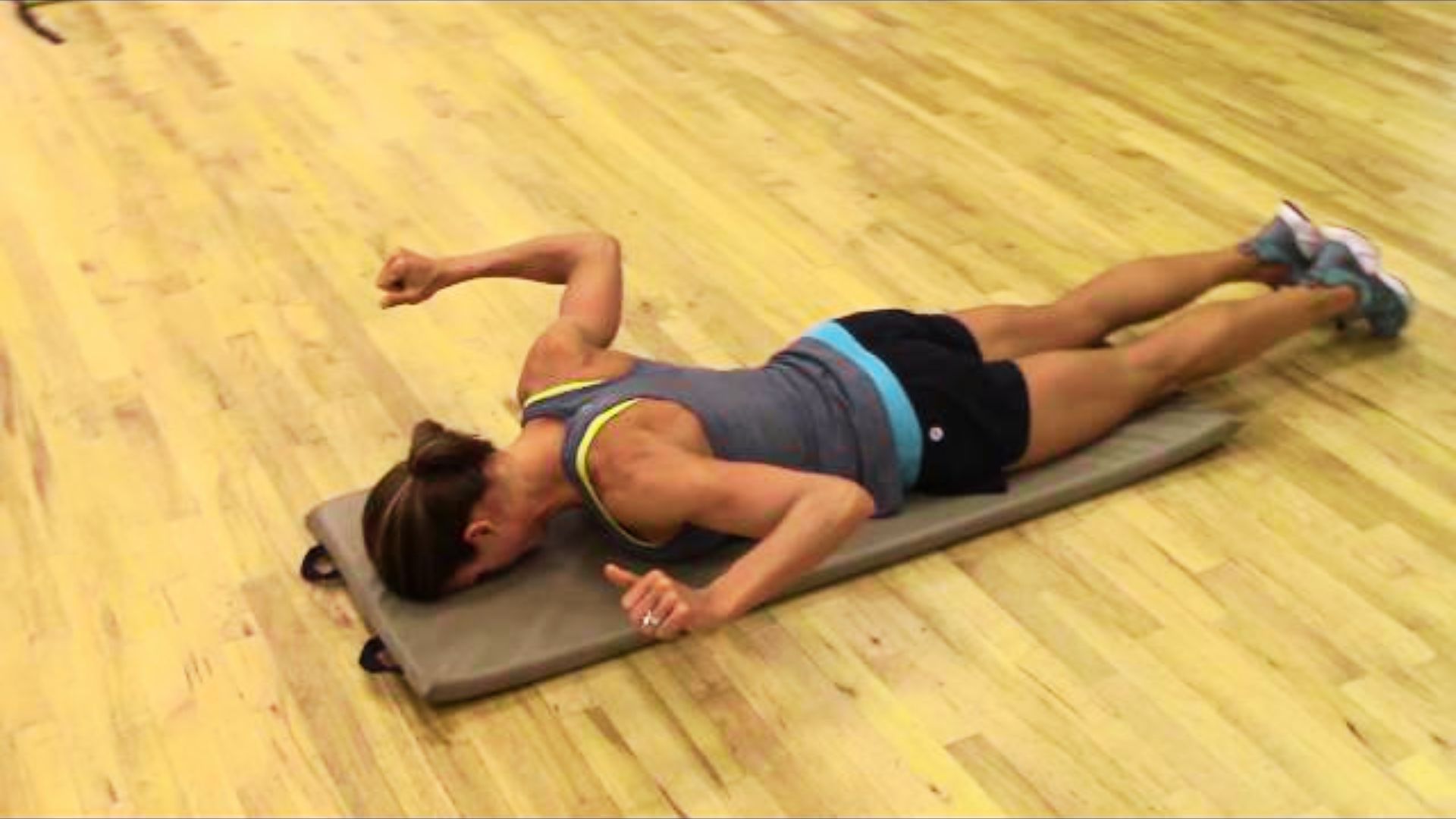
This is the best starting point for beginners. You squeeze your shoulder blades together without bending your arms.
It teaches your back how to activate before attempting harder pulling movements.
2. Dead Hang
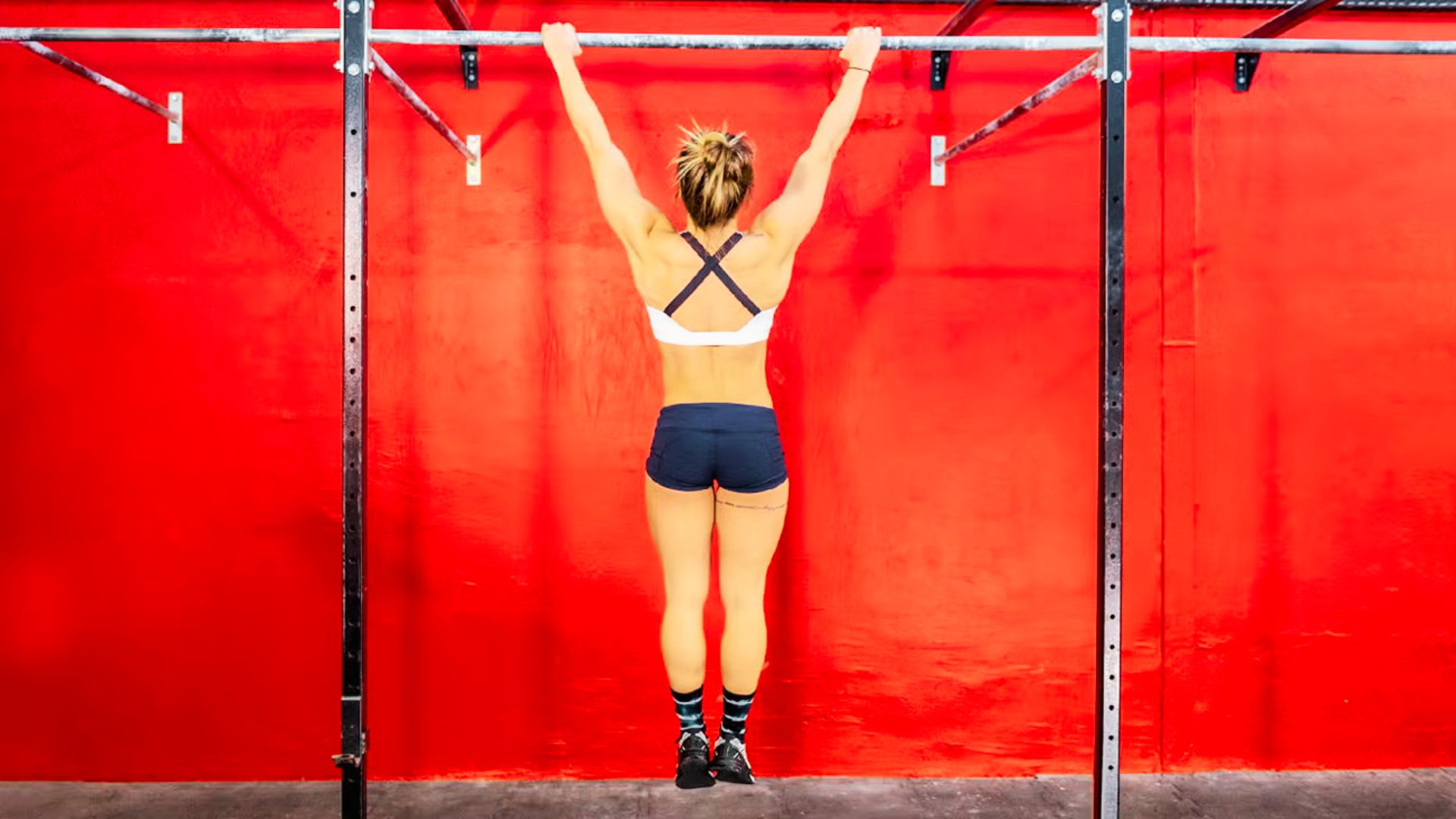
Grab a bar and hang with a firm grip. Dead hangs build grip strength, stretch the shoulders, and prepare your body for pull-ups. Hold for 20 to 30 seconds at a time.
3. Scapular Pull-Ups
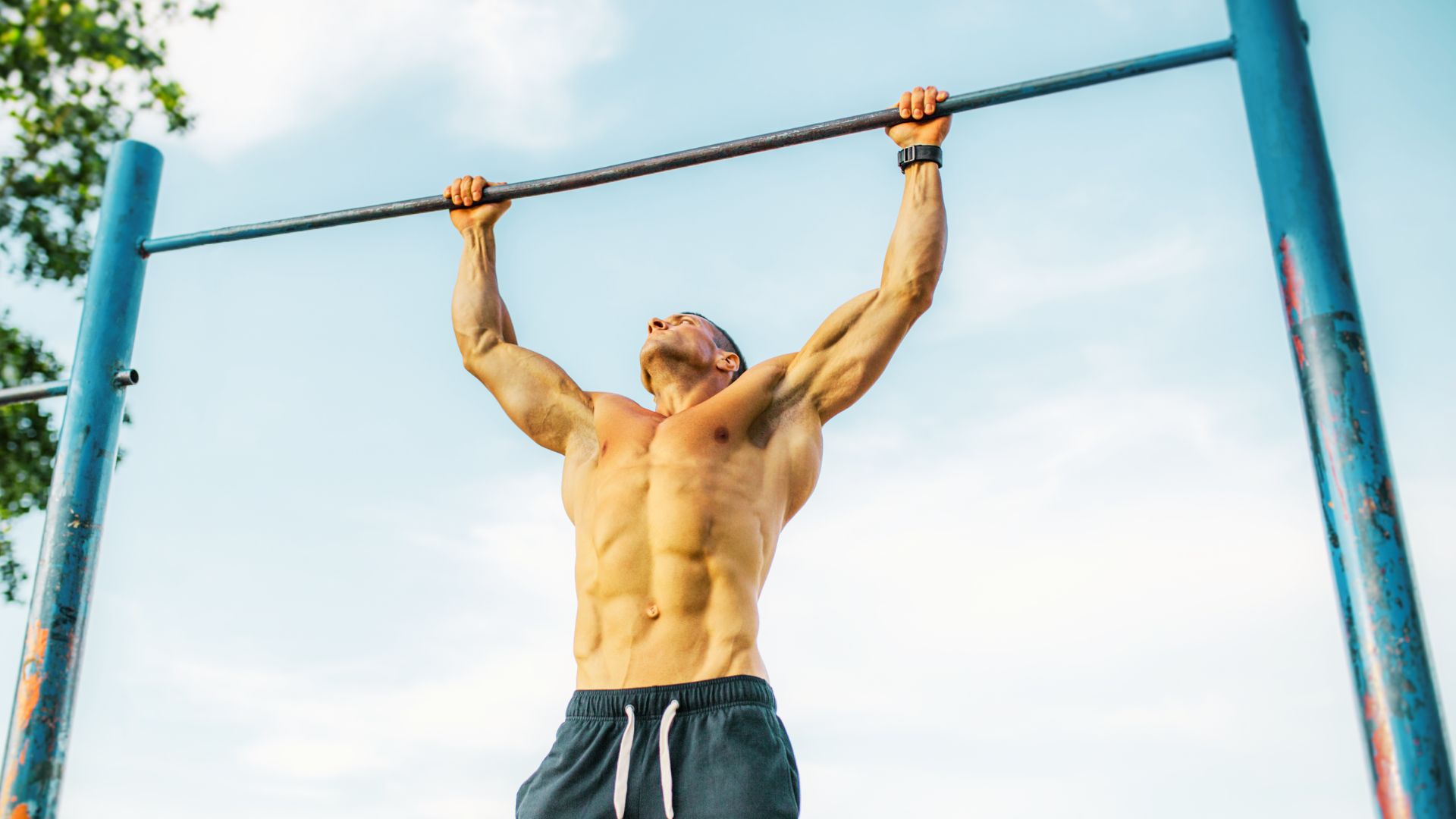
You hang from a bar and move only your shoulder blades, pulling them down and back without bending your arms. This trains the first part of a pull-up correctly.
Most beginners skip this step, but you should not.
4. Australian Pull-Ups (Bodyweight Rows)
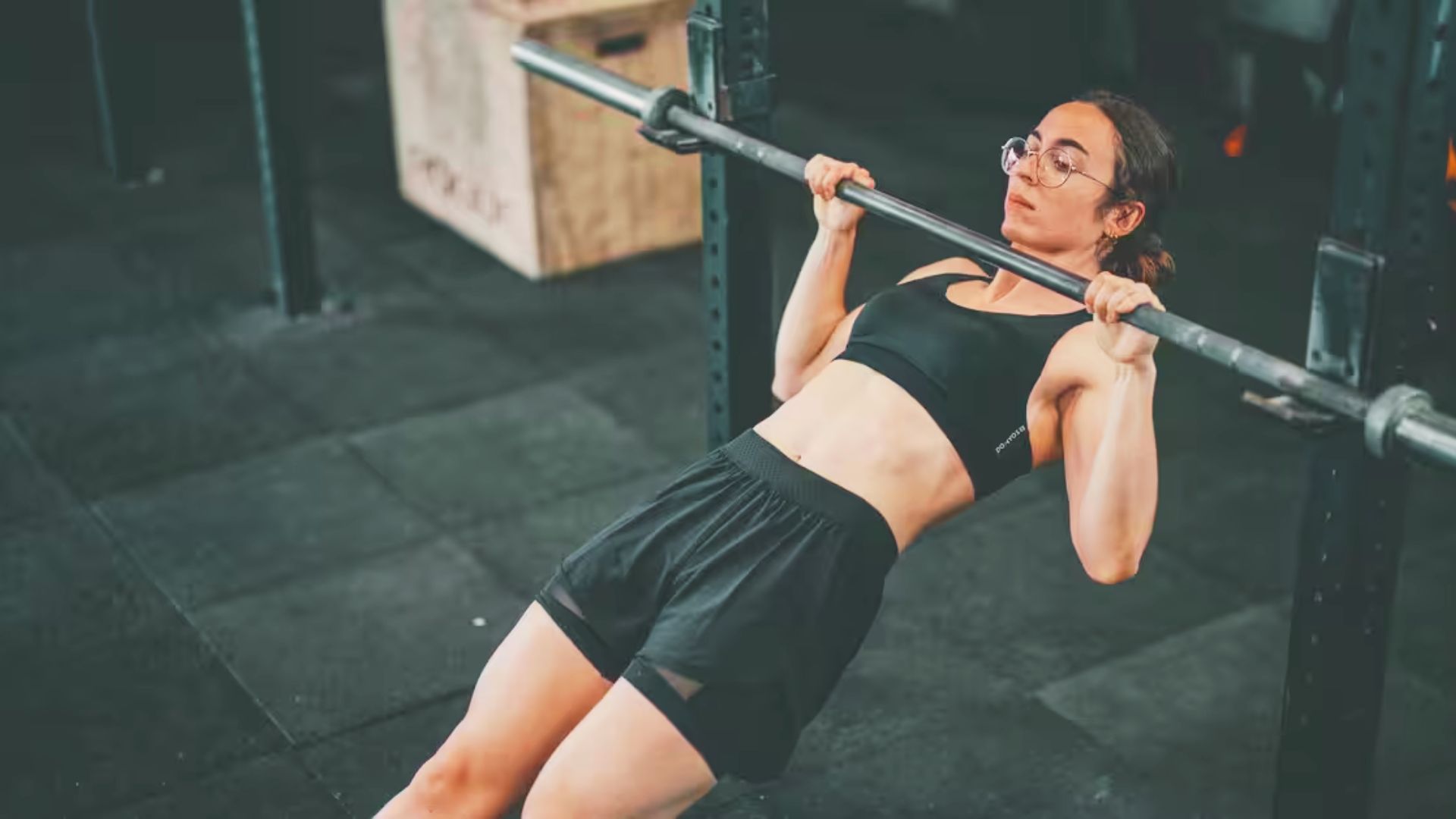
Lie under a bar, grip it, and pull your chest toward it while keeping your body straight. It directly works your lats, rhomboids, and rear delts.
If you can only do one pulling exercise right now, make it this one.
5. Assisted Pull-Ups
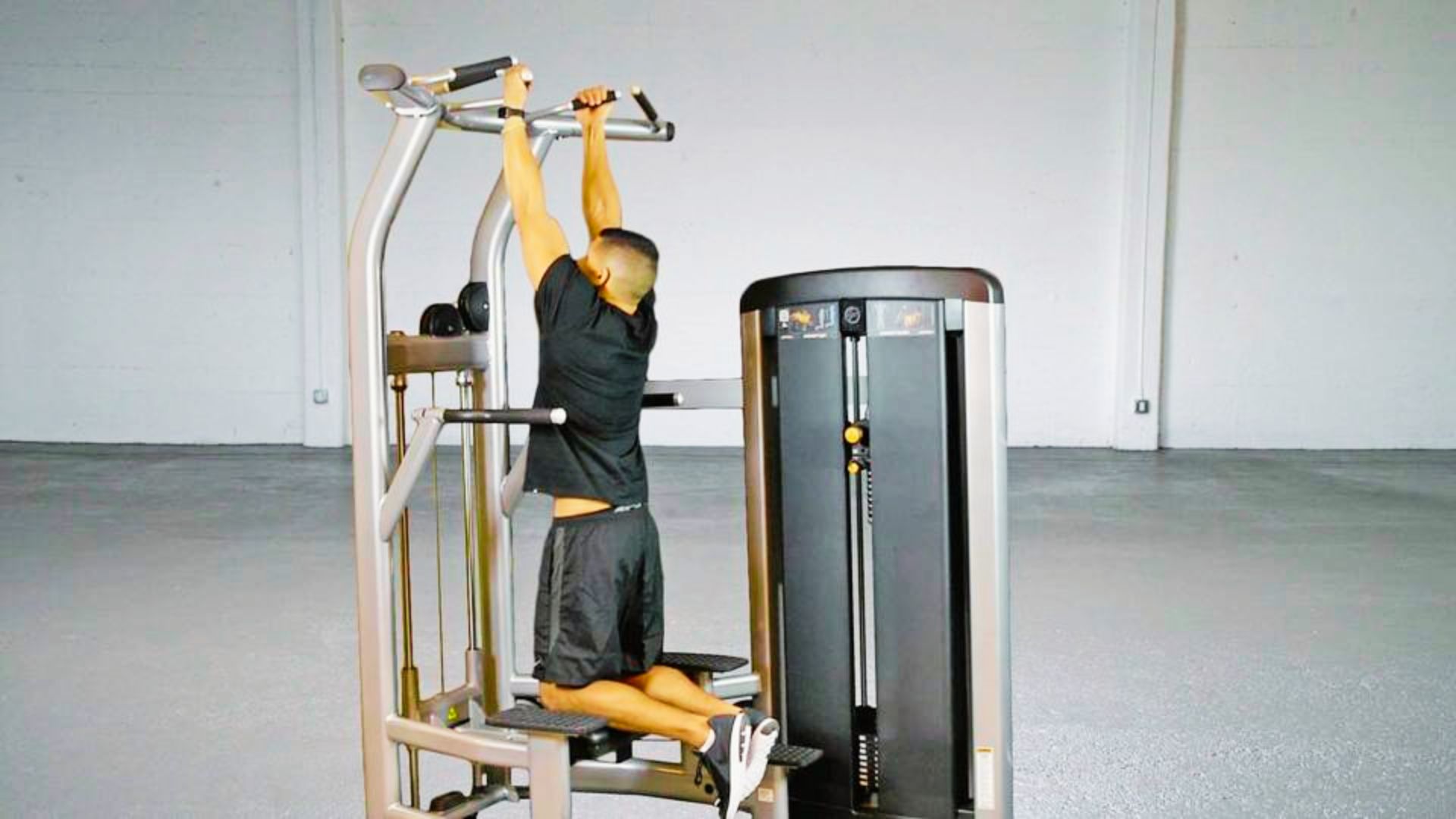
Loop a resistance band over the bar, step in, and perform a full pull-up with that support. This helps you learn the full range of motion while building strength gradually.
Switch to a lighter band as you get stronger.
6. Negative Pull-Ups
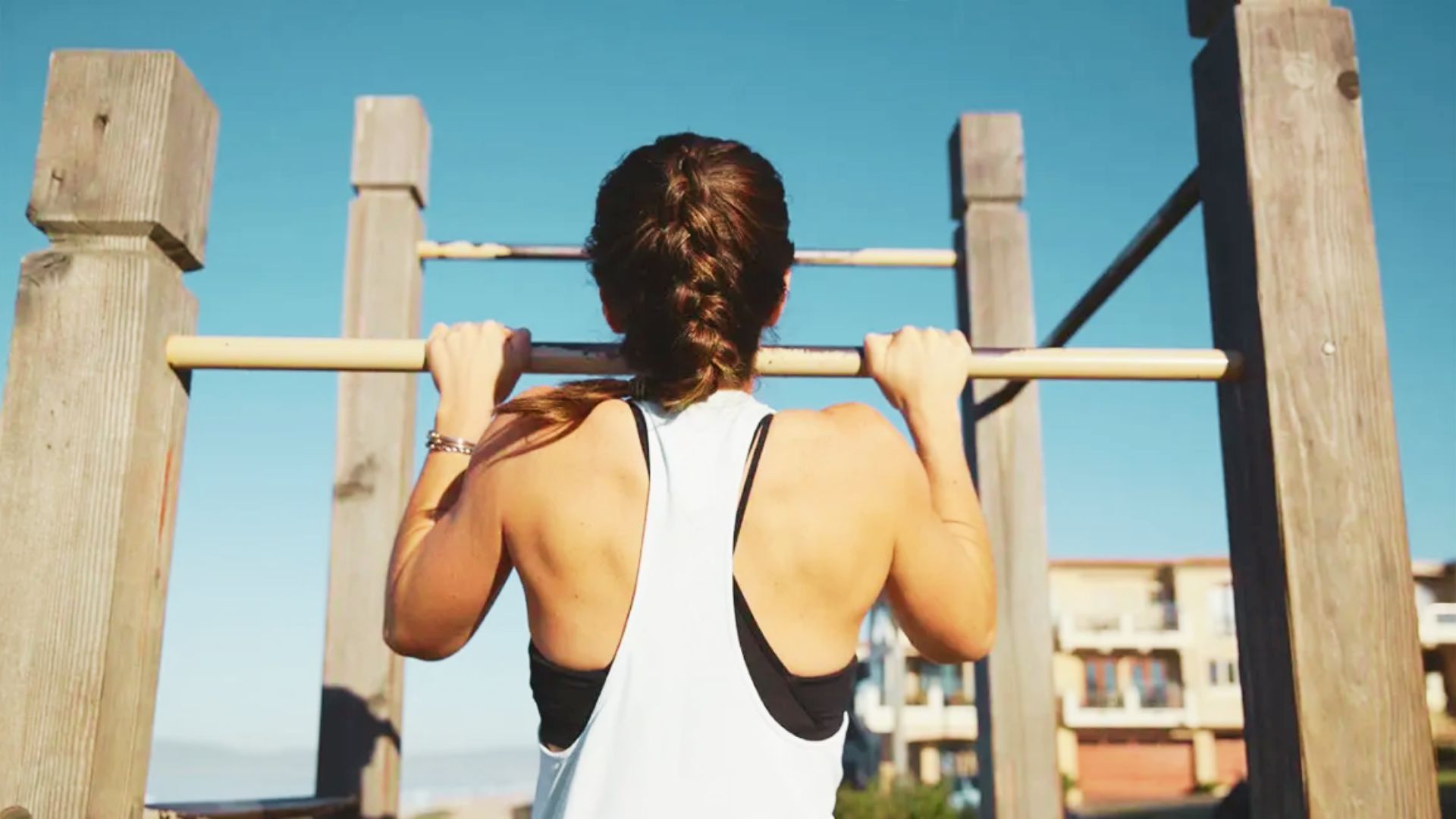
Jump to the top position of a pull-up, then lower yourself down as slowly as possible. That slow lowering phase builds serious back and bicep strength.
It is one of the fastest ways to work toward your first full pull-up.
7. Standard Pull-Ups
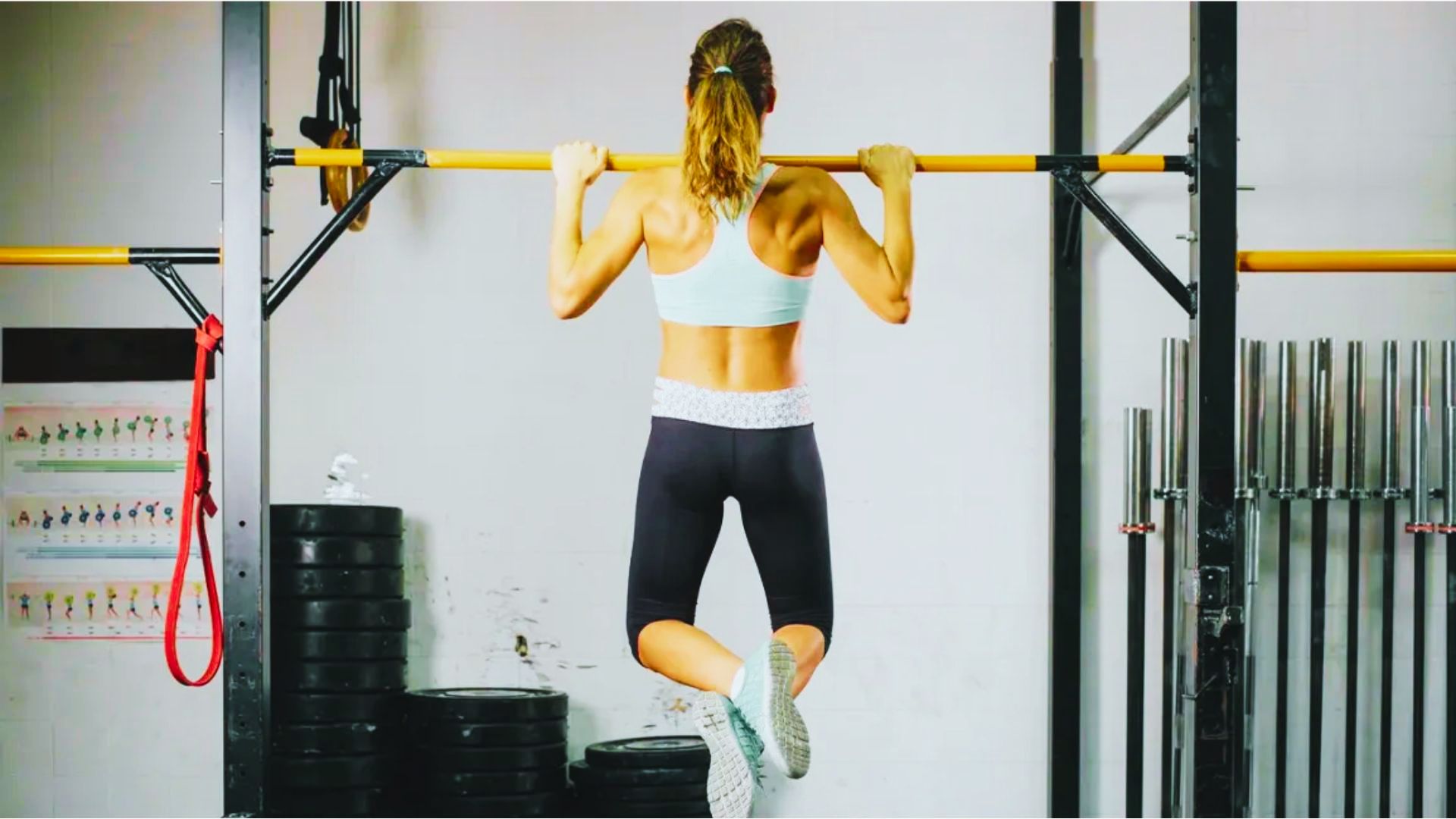
Hang from a bar, pull your chest up toward it, and lower back down with control. Pull-ups work your lats, biceps, and upper back all at once.
Start with one or two if that is all you can manage right now.
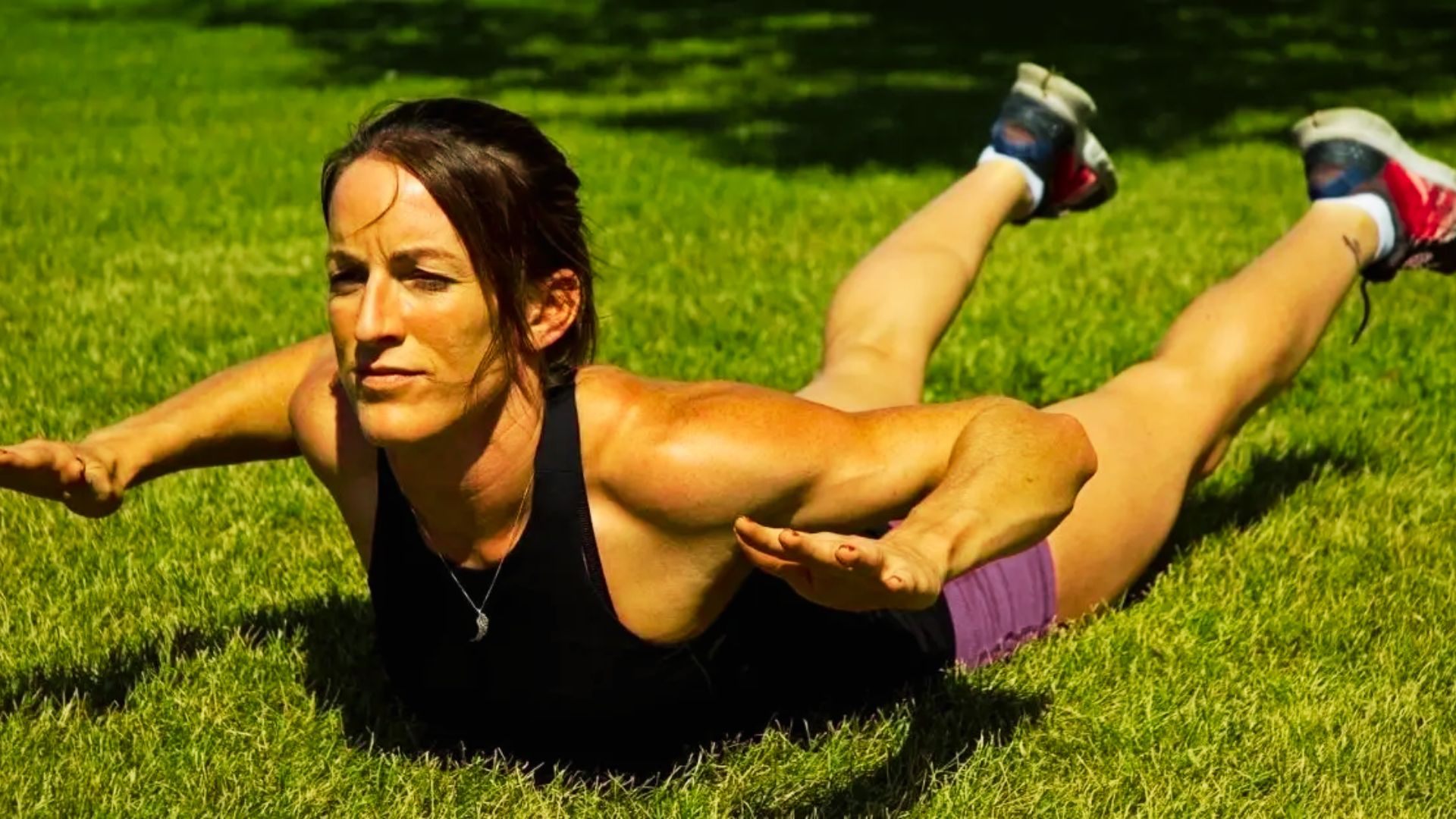
8. Superman Hold
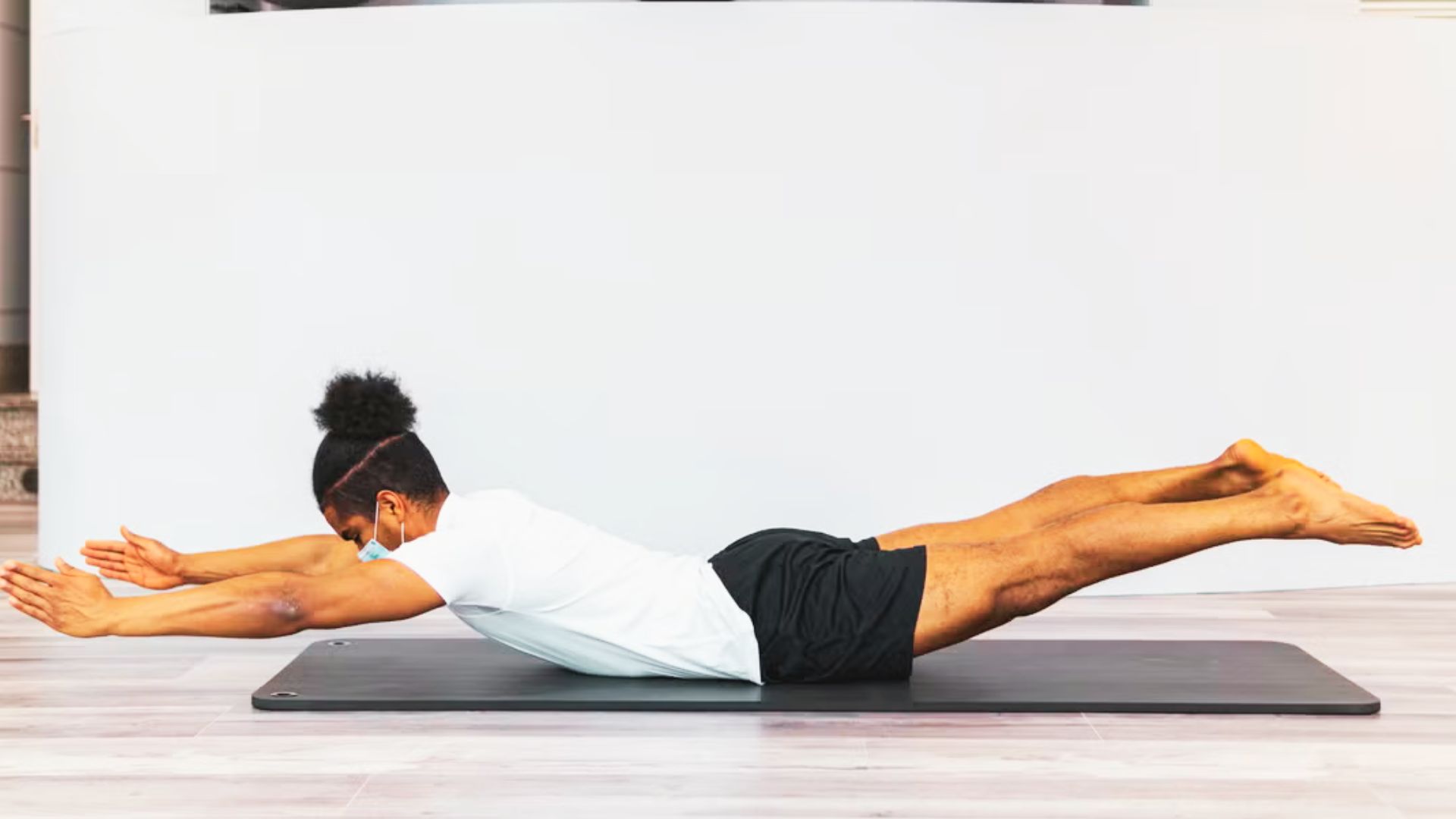
Lie face down, extend your arms forward, and lift your arms, chest, and legs off the ground at the same time. Hold for a few seconds at the top.
This targets your lower back, glutes, and the full posterior chain.
9. Reverse Snow Angels
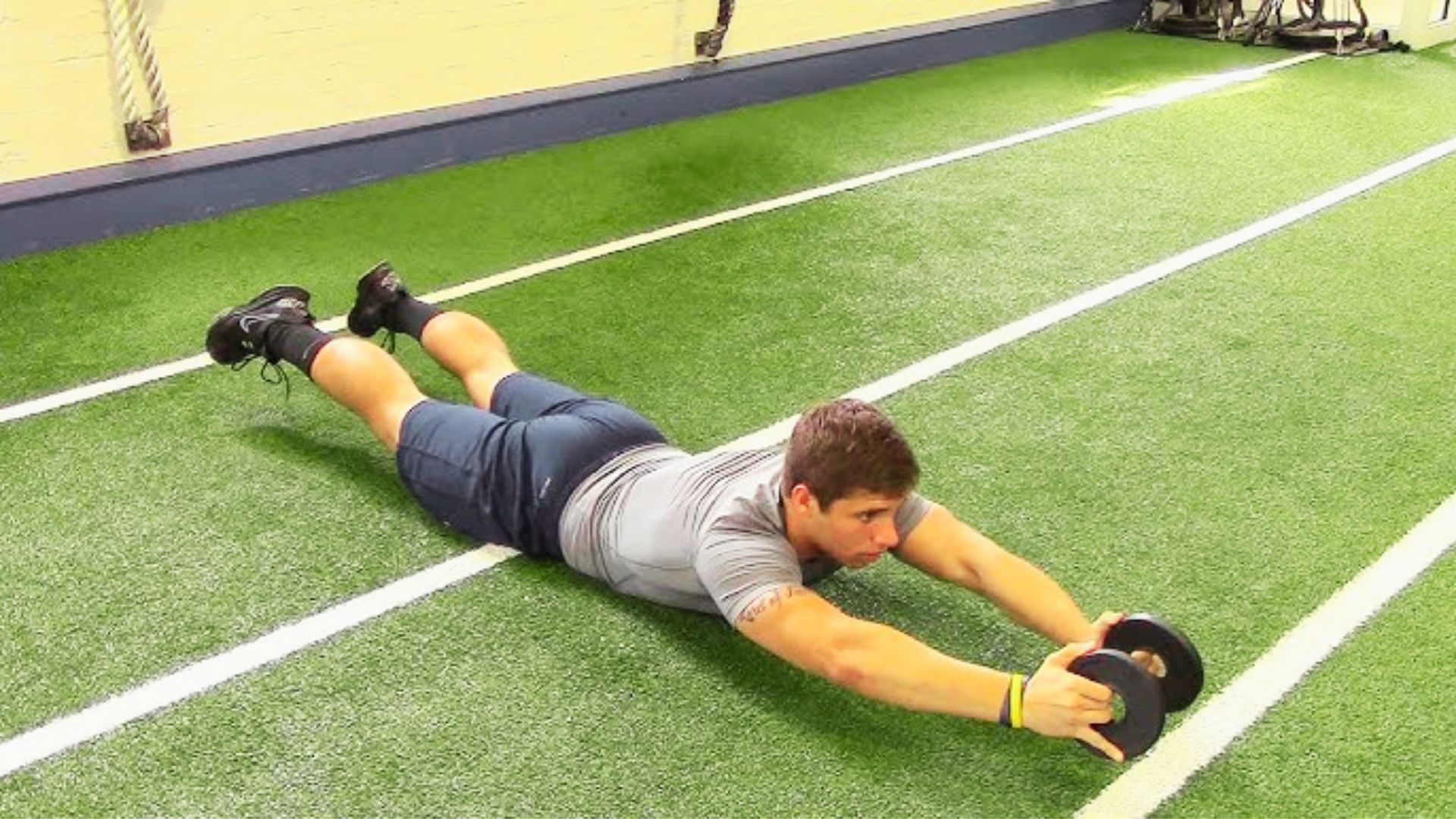
Lie face down with arms at your sides and slowly move them from your hips up over your head, keeping them off the floor.
This opens the shoulder joints and activates the upper back. It also builds mobility that supports better pulling form.
10. Bird Dog Exercise
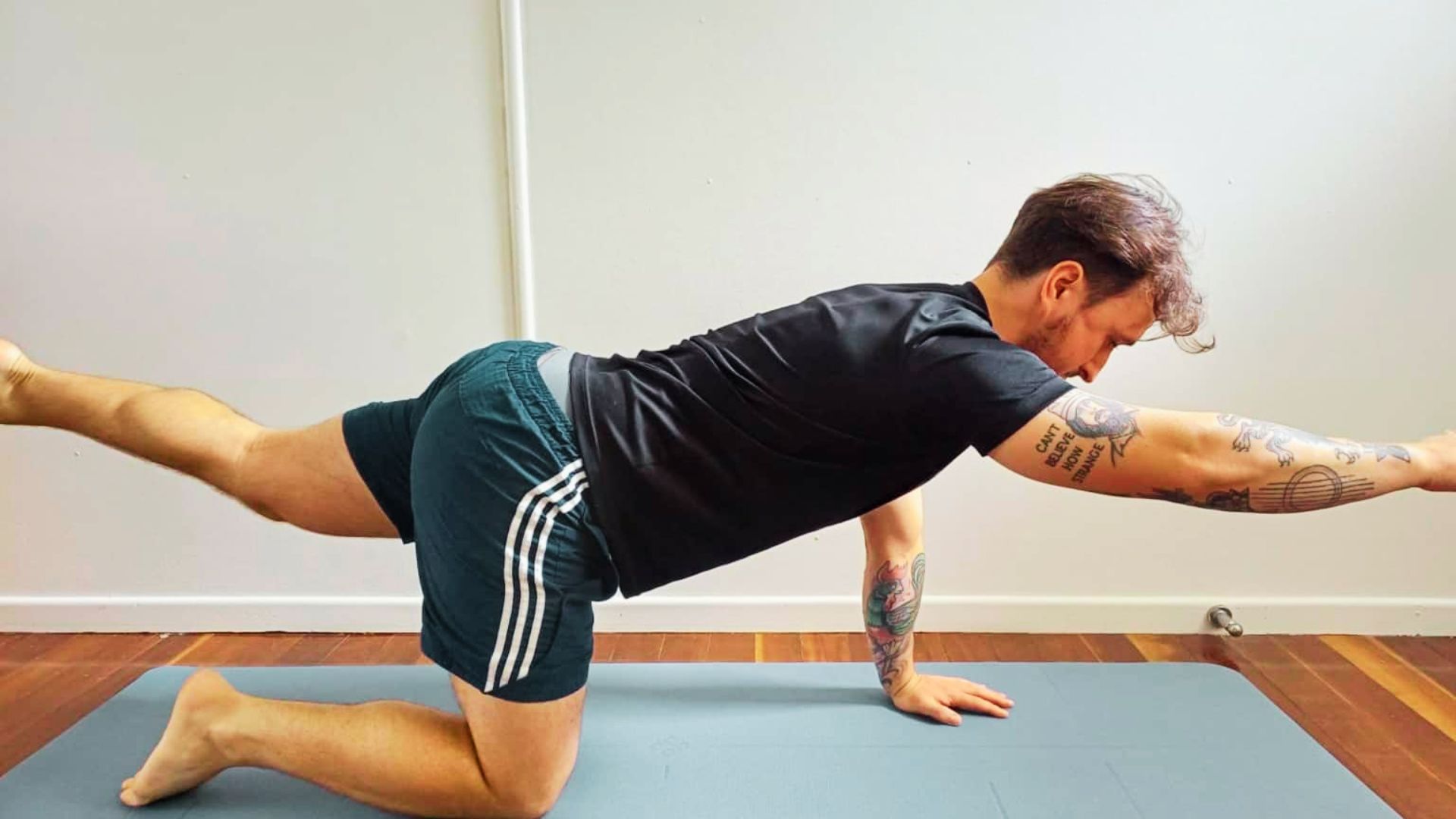
Start on all fours and extend your right arm and left leg at the same time, then switch sides. This trains your lower back, improves balance, and builds coordination.
It is low-impact and safe for anyone starting from zero.
11. Reverse Plank
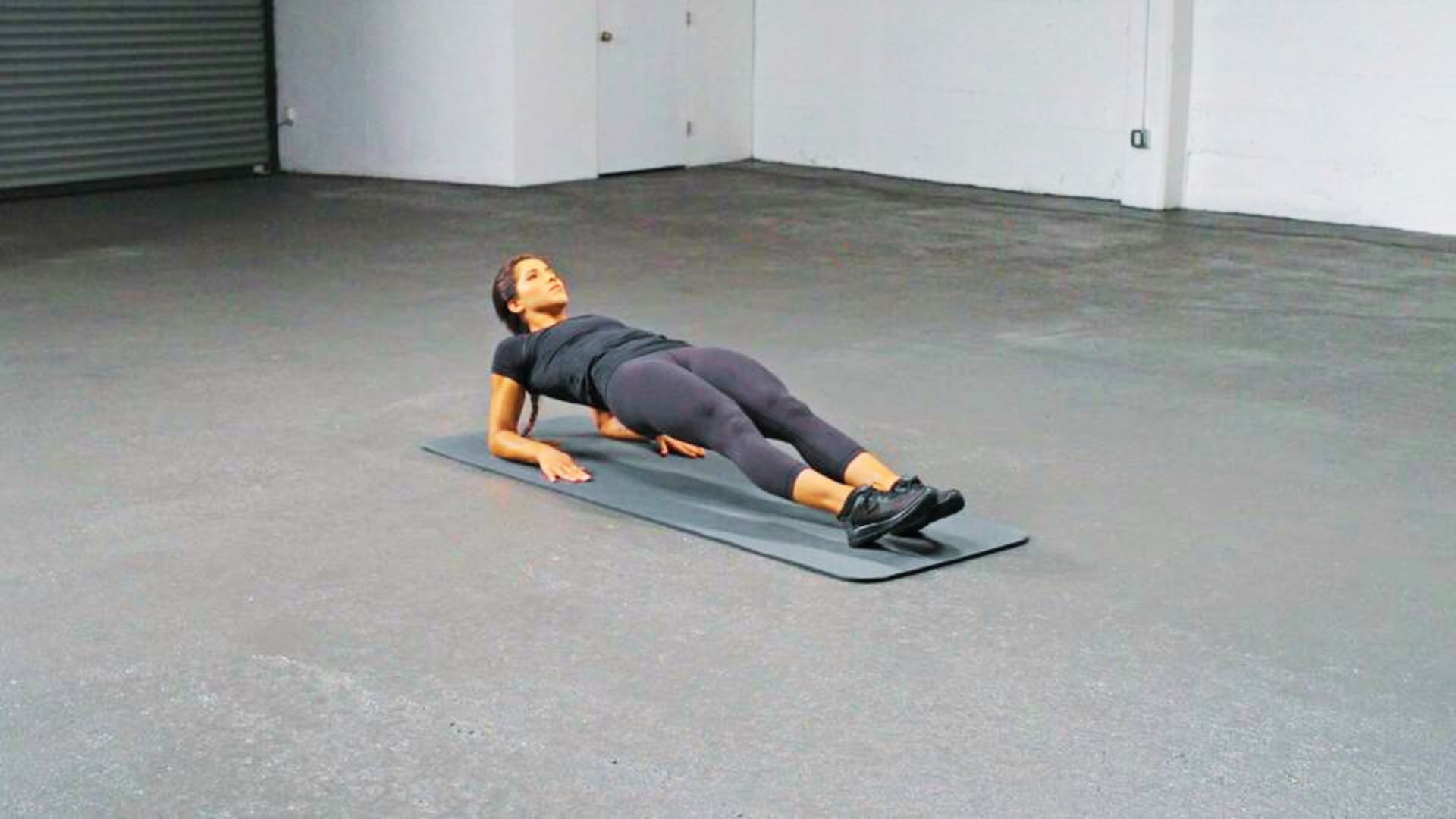
Sit on the floor with legs straight and hands behind your hips, then push your hips up and hold a straight line from head to heels. This works the glutes, lower back, and shoulder stabilizers.
It also helps correct the forward posture many people develop from sitting too long.
Calisthenics Back Workout No Equipment Routine
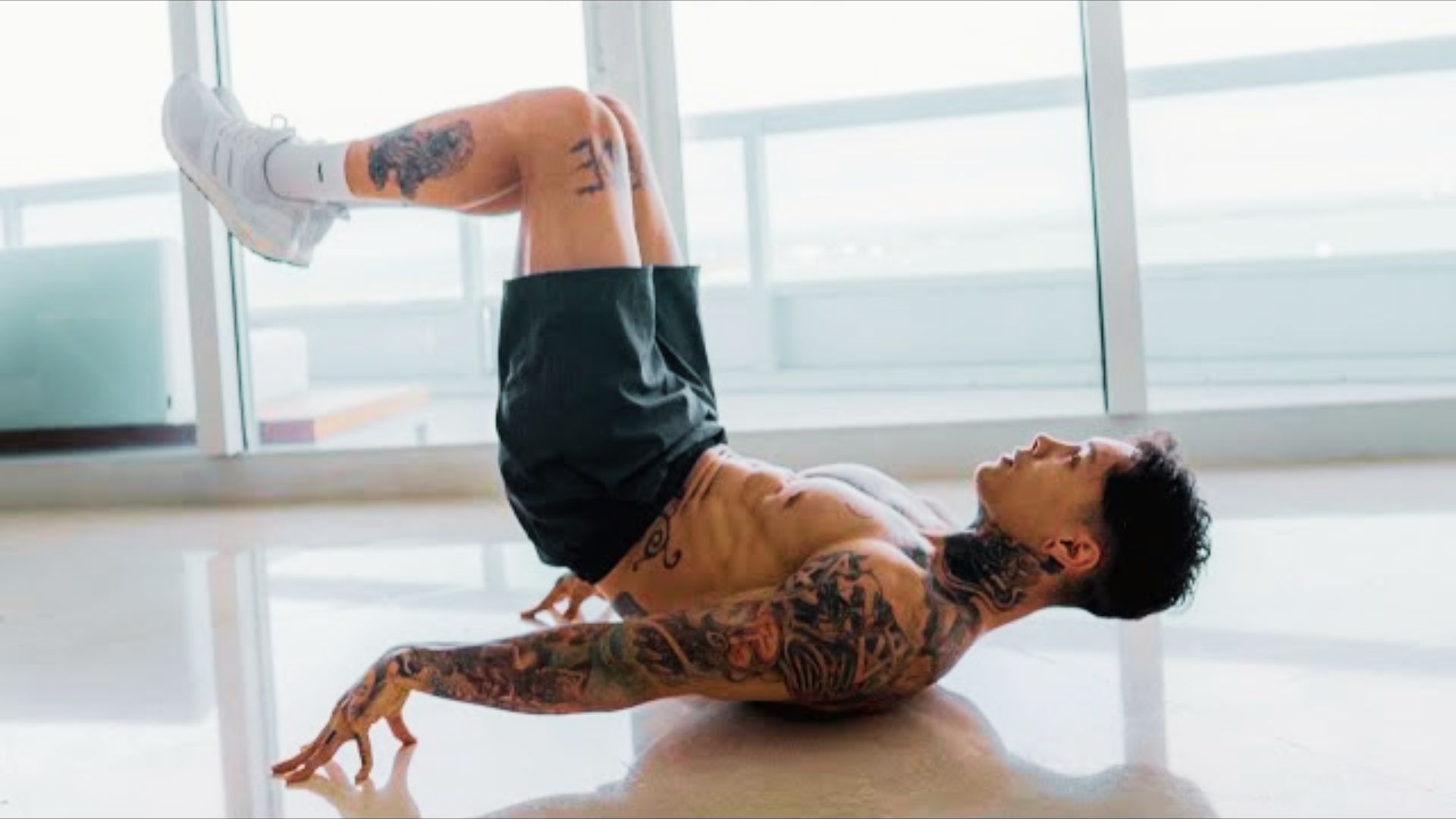
You do not need a single piece of equipment to start building a stronger back today.
Beginner No Equipment Workout Plan
Here is a simple plan using only floor exercises.
Superman holds for 3 sets of 8 to 10 reps, bird dogs for 3 sets of 10 reps per side, reverse snow angels for 3 sets of 10 to 12 slow reps, and reverse plank holds for 20 to 30 seconds.
Rest 60 seconds between sets and focus on control, not speed.
Benefits of No Equipment Training
Training without equipment is more effective than most people think. You can do it anywhere, at home, outdoors, or in a small space.
It builds the foundation your body needs and trains postural muscles that machines often miss.
Calisthenics Back Workout at Home (No Bar Version)
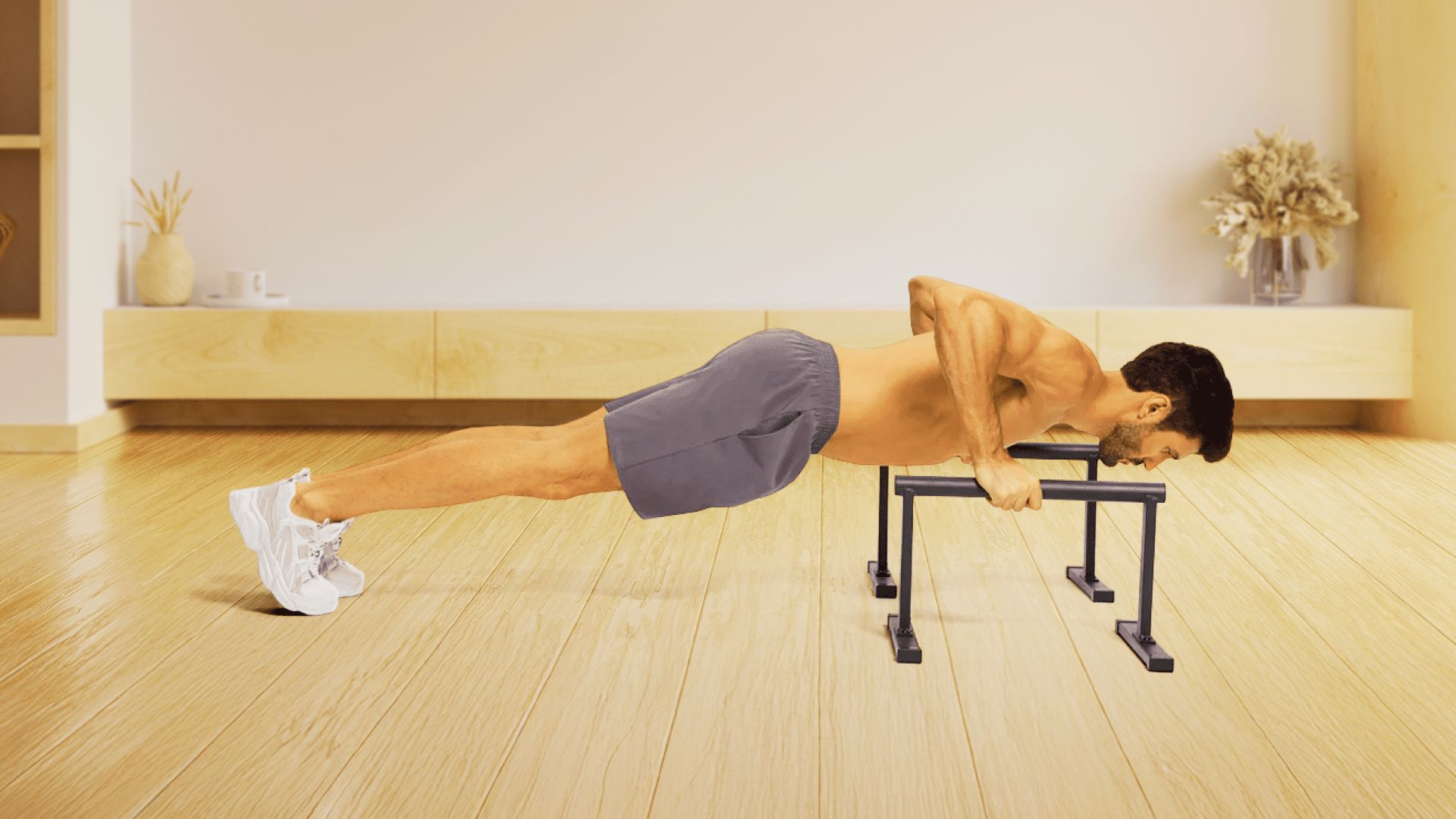
No pull-up bar at home? These exercises still give you a solid back session.
Best Exercises Without a Pull-Up Bar
Superman variations, bird dogs, reverse snow angels, and floor back extensions are all you need.
Each one targets a different part of your back without any bar or equipment. Add a pause at the top of each movement to increase tension and get more out of every rep.
How to Progress Without Equipment
Getting stronger without equipment comes down to small changes over time. Add more reps each week, slow down the tempo, and work through the full range of motion on every rep.
These small adjustments keep you progressing without needing any new gear.
Calisthenics Back Workout Routine for Beginners
A simple and consistent routine is all you need to build real back strength over time.
Weekly Training Structure
Train your back two to three times a week and leave at least one rest day between sessions. Combine back training with pushing exercises and leg work throughout the week.
This builds a balanced body and keeps any single muscle group from being overtrained.
Sample Beginner Workout Structure
Start with a short warm-up and scapular activation drills like retractions or dead hangs. Move into pulling exercises such as Australian pull-ups, assisted pull-ups, or negatives based on your level.
Finish with lower back and core work like superman holds, bird dogs, and reverse planks.
Tips to Improve Your Calisthenics Back Workout Results
Small habits done consistently will get you much further than occasional hard sessions.
- Focus on proper form before adding more reps or harder variations
- Train both vertical pulls like pull-ups and horizontal pulls like rows for balanced back development
- Use progressive overload by adding reps, sets, or difficulty gradually over time
- Never skip scapular training as it protects your shoulders and improves pulling strength
- Train your back two to three times per week for steady recovery and consistent progress
Conclusion
Starting a calisthenics back workout felt awkward for me at first. I could barely hold a dead hang for ten seconds. But staying consistent made a real difference.
Within a few weeks, my posture improved and pulling felt easier. If you are at that same starting point, these exercises will help you build real strength without a gym.
Pick two or three movements and start today. Drop a comment below and let me know which exercise you are trying first. Sharing this post might help someone else who needs it too.
Frequently Asked Questions
How often should I do a calisthenics back workout?
Beginners should train their back two to three times per week. This allows enough recovery time while still building strength consistently.
Can I build a strong back without weights?
Yes, bodyweight exercises can absolutely build back strength. Consistent training and gradual progression are what make the real difference.
What is the best calisthenics back exercise for beginners?
Australian pull-ups are one of the best starting points for beginners. They are easier than standard pull-ups but still work the lats and mid-back effectively.
Can I do a calisthenics back workout without a pull-up bar?
Yes, exercises like superman holds, bird dogs, and reverse planks work well without any bar. They build a solid foundation before moving to bar-based movements.
How long does it take to see results from a calisthenics back workout?
Most beginners notice posture and strength improvements within four to eight weeks. Results come faster with consistent training and good form.