
Strong calves are more than just a fitness goal. They help you walk better, run faster, and stay steady on your feet.
I have worked with many people who ignored their calves until pain or poor balance slowed them down. This article changes that.
Here, you will find 11 calf strengthening exercises that actually work. We cover why calf strength matters, how to train safely, and how to avoid common mistakes.
With over a decade of fitness experience, I can tell you this: building strong calves is simpler than you think. Let's get into it.
Why Strong Calves Are Important
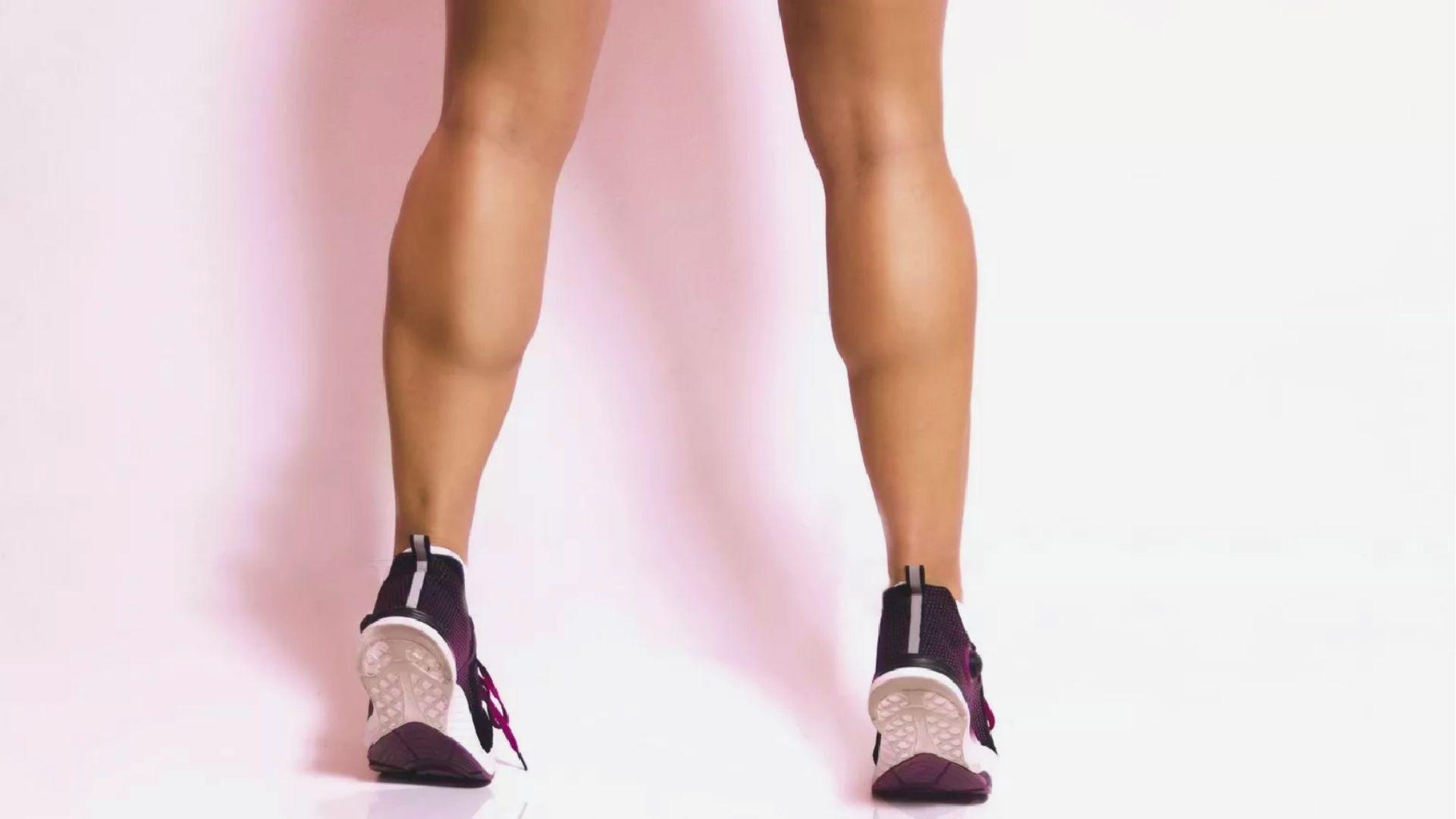
Strong calves support your whole body. They help with everyday tasks, sports, and keeping you safe from injury.
Your calf muscles work every single day. Walking, climbing stairs, and standing for long periods all rely on them. The two main muscles are the gastrocnemius and the soleus. Together, they push your foot down with every step and help pump blood back up toward your heart.
Strong calves also improve your balance and ankle stability. They reduce the chance of rolling your ankle and take pressure off your knees and joints during running or jumping.
They even protect your Achilles tendon, which is a common problem area for active people.
Simply put, stronger calves make movement easier, safer, and more controlled.
Before You Start Calf Training
Preparing your body before training keeps you safe and gets better results from every session.
Simple Warm-Up Ideas for the Lower Body
Never skip a warm-up. Cold muscles get injured more easily.
A good lower body warm-up takes about 5 to 10 minutes.
Try these simple moves:
- Walk briskly for 3 to 5 minutes
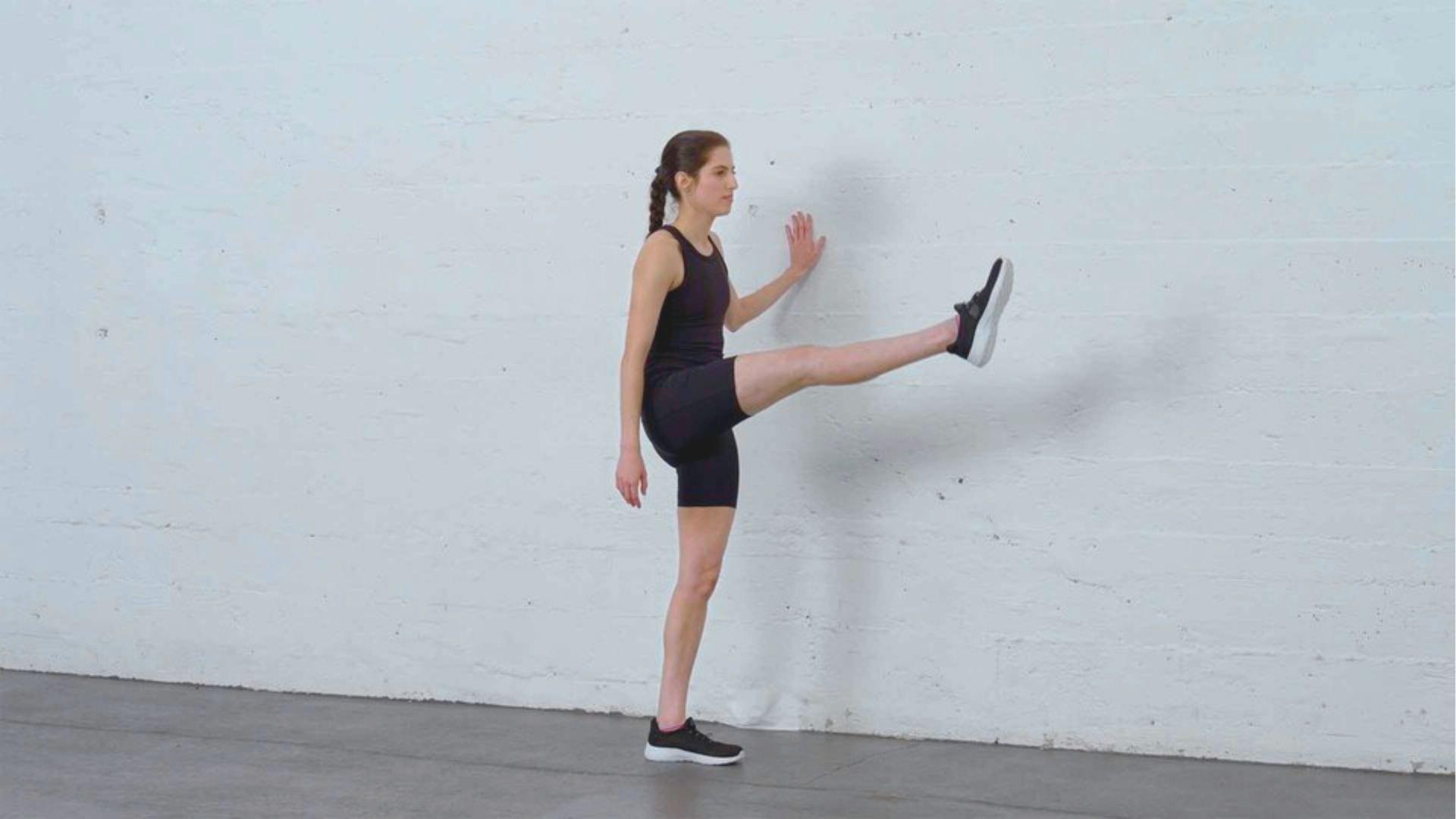
- Do leg swings forward and sideways
- Try ankle circles in both directions
- Add some bodyweight squats to get the blood moving
These moves warm up your ankles, knees, and calves before any exercise. You will feel the difference right away.
Proper Form Basics for Safer Training
Good form means fewer injuries and better results.
Here are some basics to keep in mind:
- Keep your back straight during all calf exercises
- Move slowly and with control, especially on the way down
- Do not lock your knees when standing
- Keep your feet flat and pointed forward unless told otherwise
Form matters more than weight or speed. A slow, clean rep works better than a fast, sloppy one every time.
Choosing the Right Shoes and Workout Surface
Your shoes affect how your calves work. Flat-soled shoes are best for calf training. They let your foot move naturally through the full range of motion.
Avoid thick-heeled running shoes for calf raises. They limit the movement at your ankle.
Train on a firm, flat surface when possible. Soft or uneven ground can cause balance problems, especially for beginners. If you use a step or platform, make sure it is stable and does not slide.
11 Calf Strengthening Exercises to Improve Leg Strength
Here are the best exercises to build stronger, more powerful calves. Start slow and build from there.
1. Standing Calf Raises
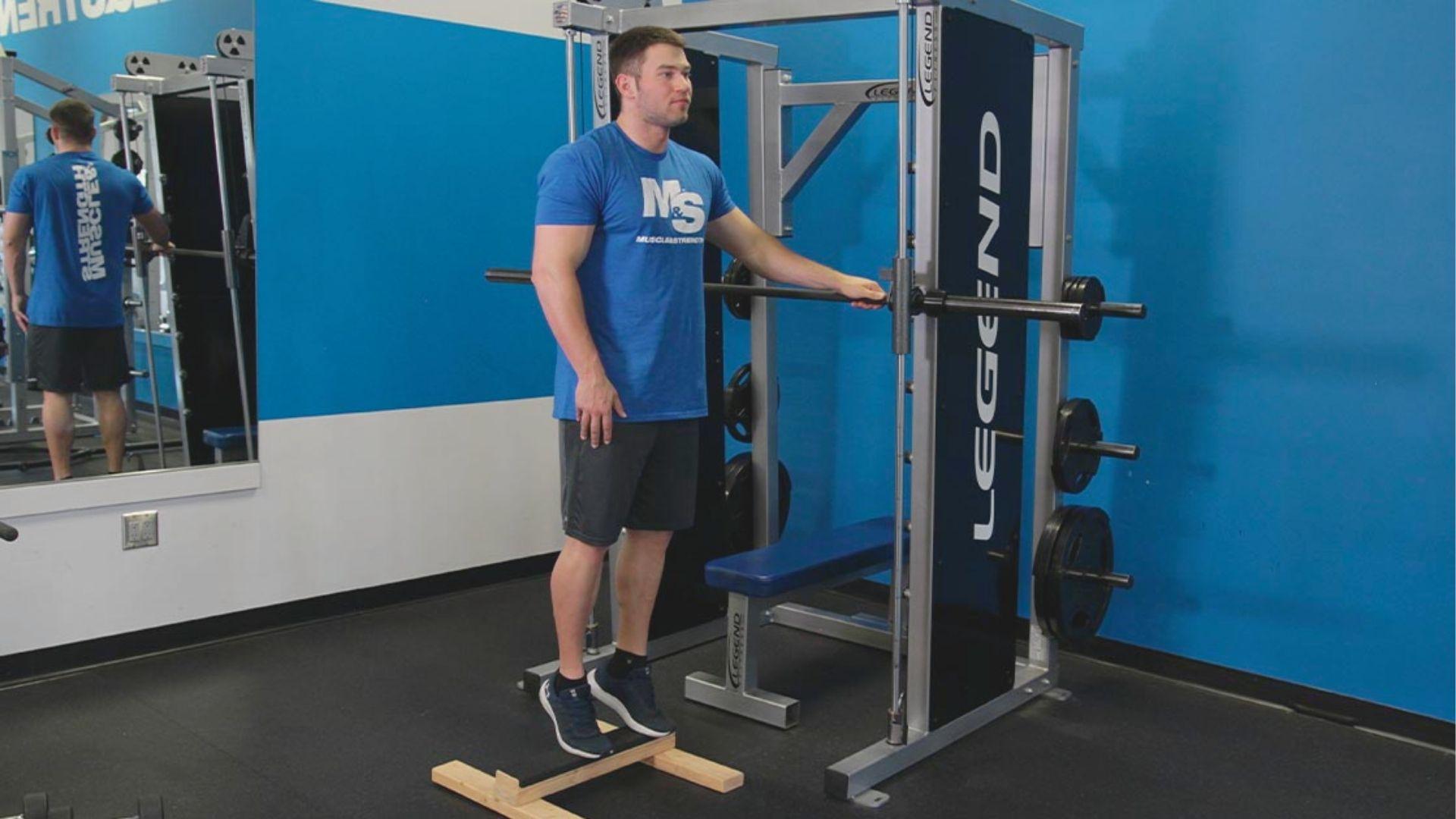
Standing calf raises are the most basic and most effective calf exercise. They work the gastrocnemius directly.
Stand with your feet hip-width apart. Hold a wall or railing for balance if needed. Rise up slowly onto the balls of your feet. Hold for one second at the top. Lower back down in a controlled way. Do not rush the downward part. That slow lowering builds more muscle.
If this feels hard at first, hold a chair or wall with both hands. Do 3 sets of 10 to 15 reps. As you get stronger, try using only one hand or no hands at all.
2. Single-Leg Calf Raises
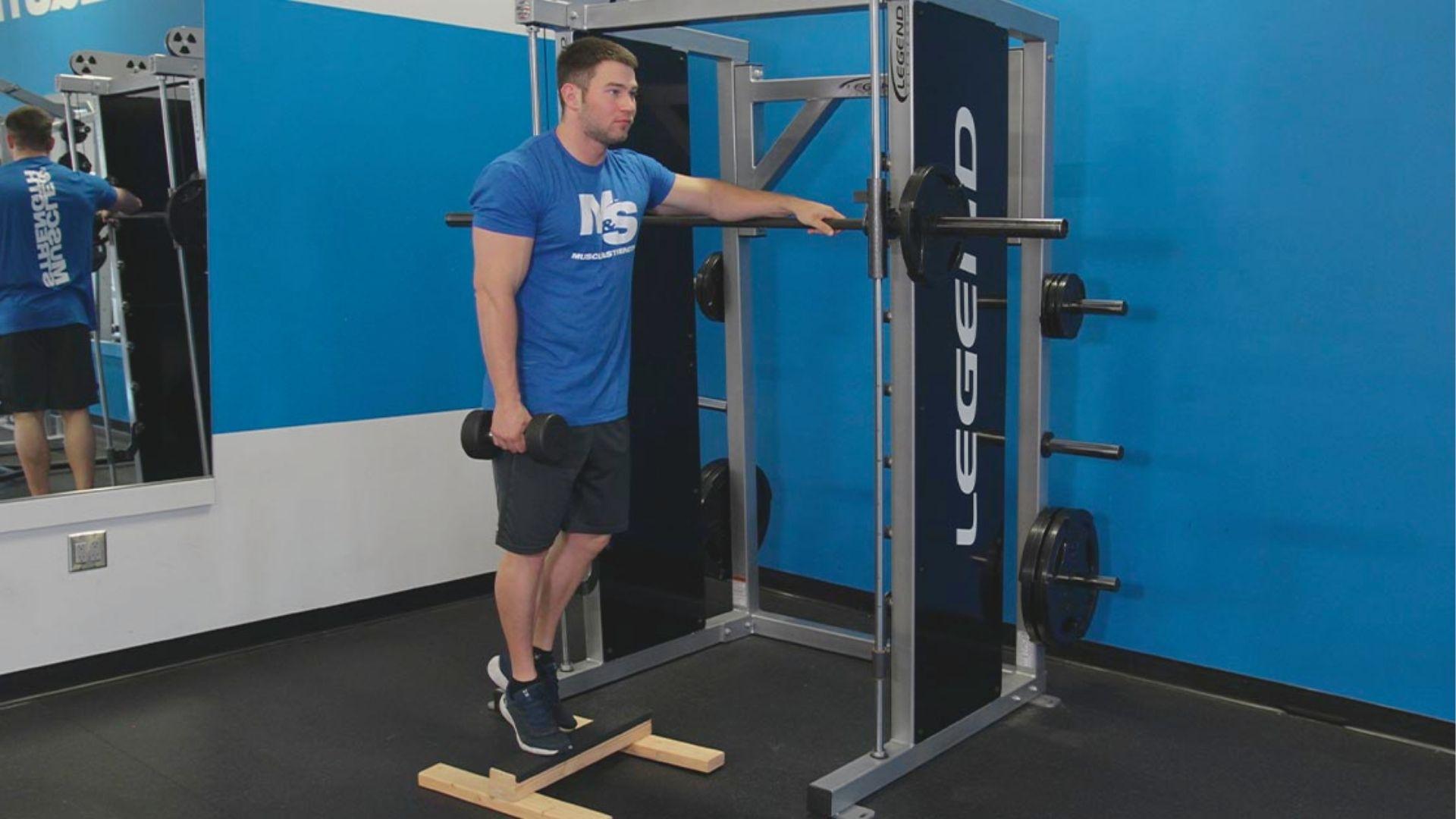
This version works one calf at a time. It is great for fixing strength differences between legs.
Most people have one leg that is slightly stronger than the other. Single-leg raises force each leg to work on its own. This builds even strength over time. Start with your weaker leg first each session.
Hold a wall lightly for balance but do not lean on it. Keep your hips square and level. Go slow on the way down. Aim for 3 sets of 8 to 12 reps per leg.
3. Seated Calf Raises
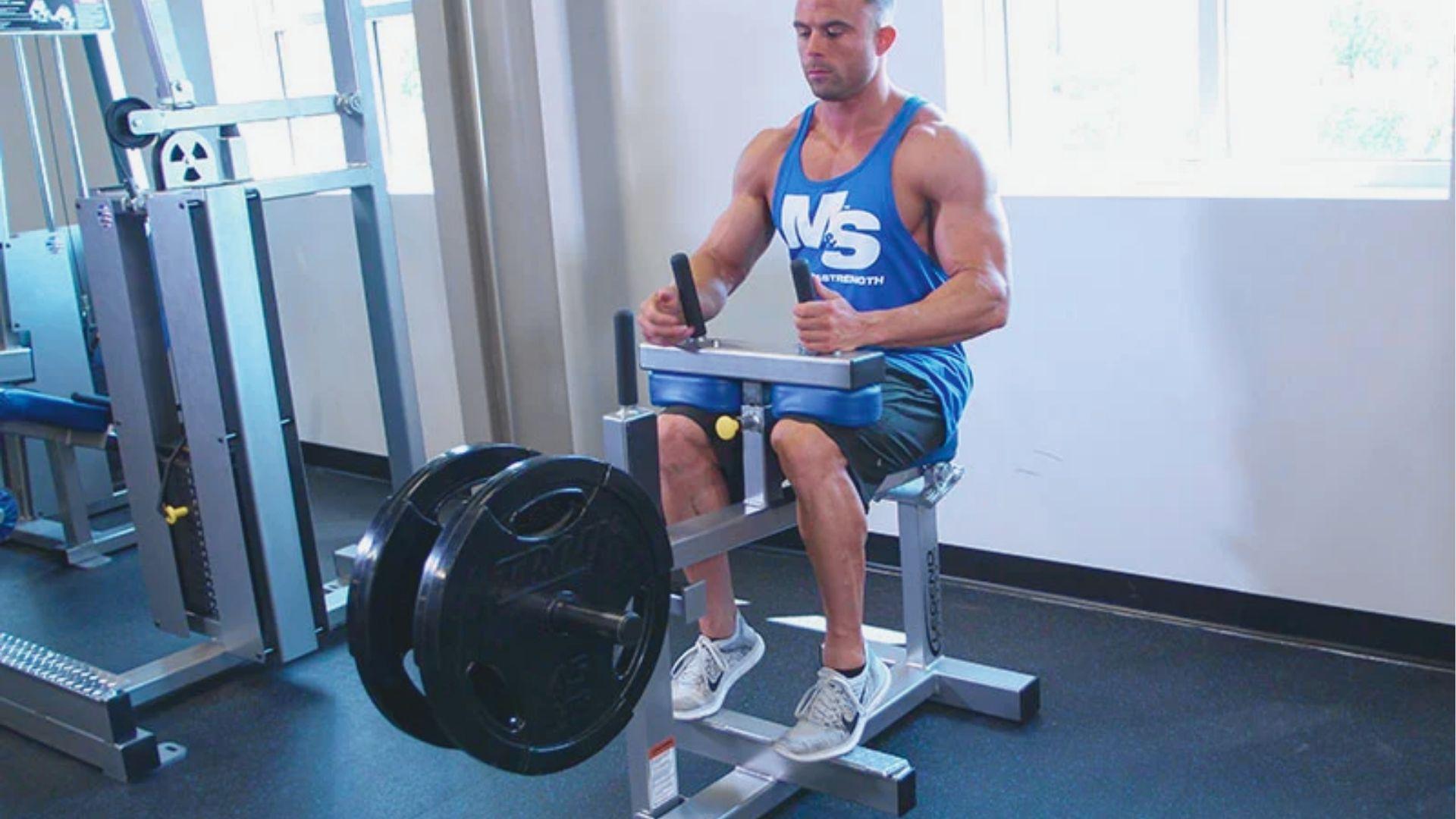
Seated calf raises target the soleus muscle, which sits under the gastrocnemius. Most people ignore this muscle completely.
When your knee is bent, the gastrocnemius is in a shortened position and cannot work as hard. That is when the soleus takes over. Seated calf raises keep your knee bent, so the soleus does most of the work.
Place a weight plate or dumbbell on your thigh while seated to make it harder. You can also slow down the movement or add a pause at the top. Try 3 sets of 12 to 20 reps.
4. Deficit Calf Raises
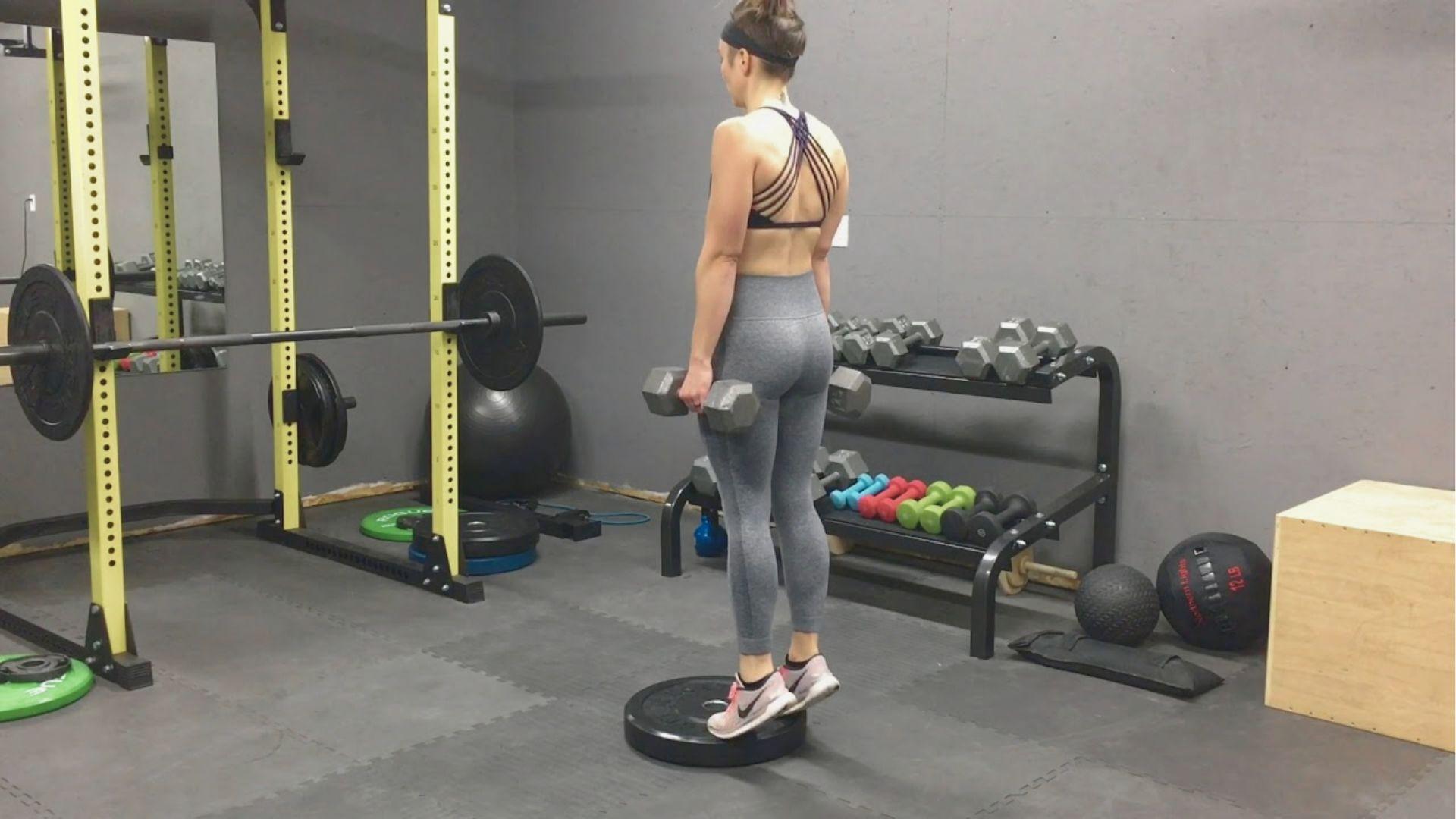
This exercise uses a raised surface like a step or platform to increase the range of motion.
Stand with the balls of your feet on the edge of a step. Let your heels drop below the step level before rising up. This extra range of motion stretches and works the calf muscle more deeply than a regular calf raise.
Always hold a railing or wall when doing this. Start with both legs. Do not drop your heels too fast. Control every part of the movement.
5. Weighted Calf Raises
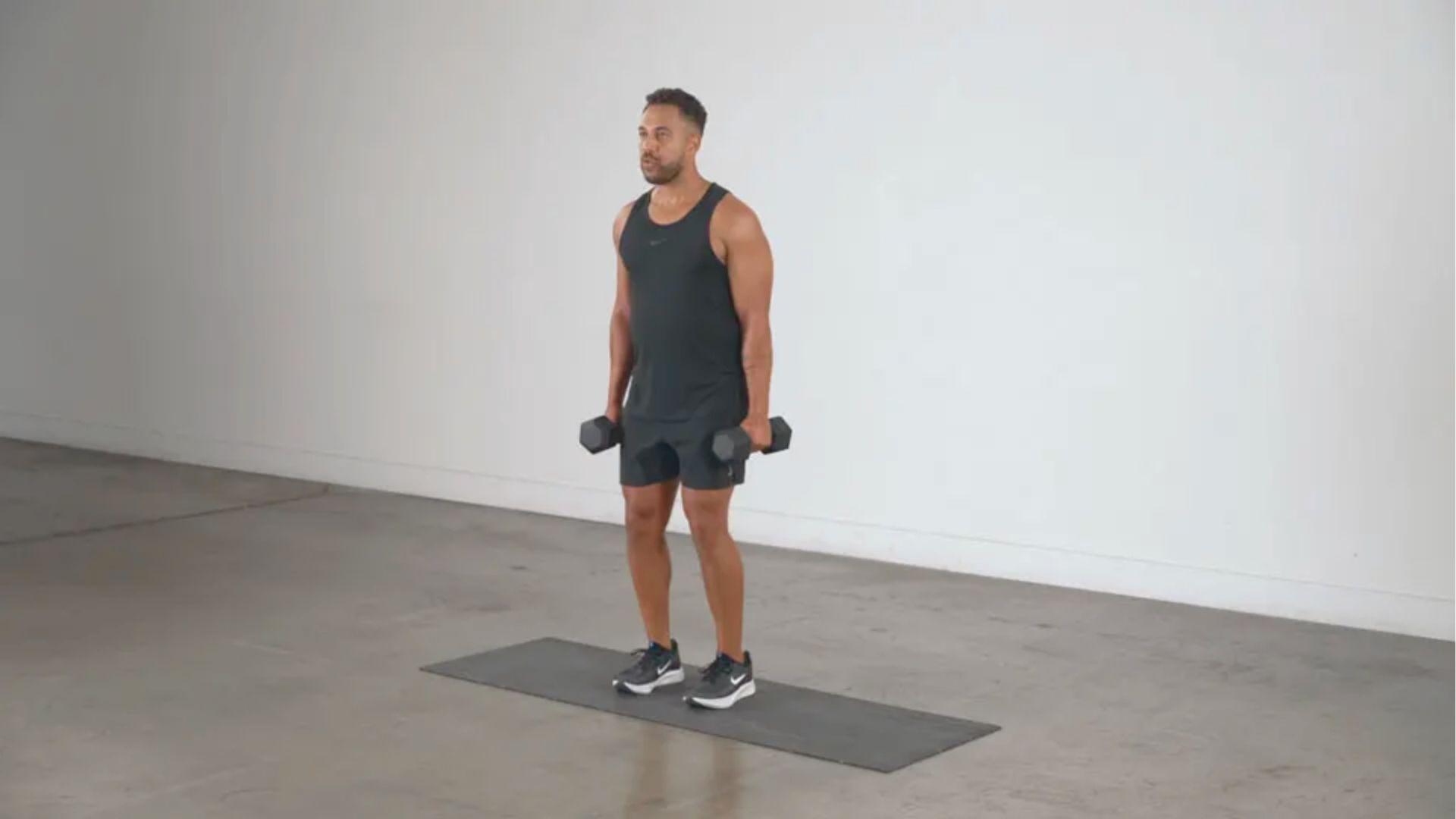
Adding weight makes calf raises more challenging and helps build more muscle over time.
Hold a dumbbell in each hand while doing standing calf raises. Or place a barbell across your upper back like a squat. The added weight forces your calves to work harder with each rep.
Keep your chest up and your back straight throughout the movement. Do not lean forward as the weight gets heavier. If your form breaks down, use less weight. Bad form with heavy weight causes injury.
6. Bosu Ball Calf Raises
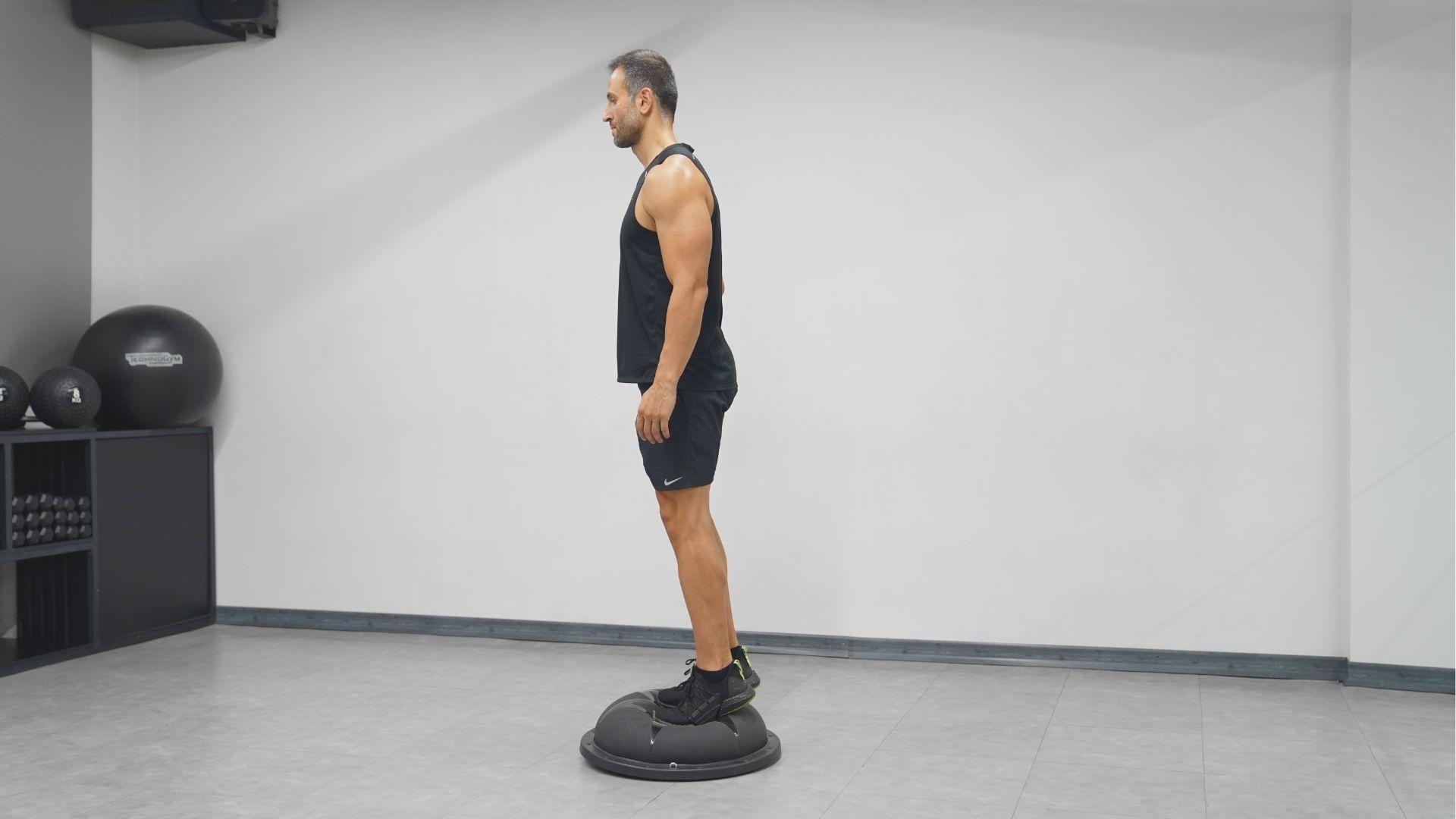
A Bosu ball is a half-dome tool used for balance training. Standing on it during calf raises makes your calves and ankles work harder.
The unstable surface activates small muscles around your ankle that are hard to train on flat ground. Regular use improves your ankle control and reduces injury risk over time.
Unstable training also builds better body awareness. Your brain and muscles have to communicate faster. This helps with sports, hiking, and any activity that needs quick foot adjustments.
7. Step-Ups
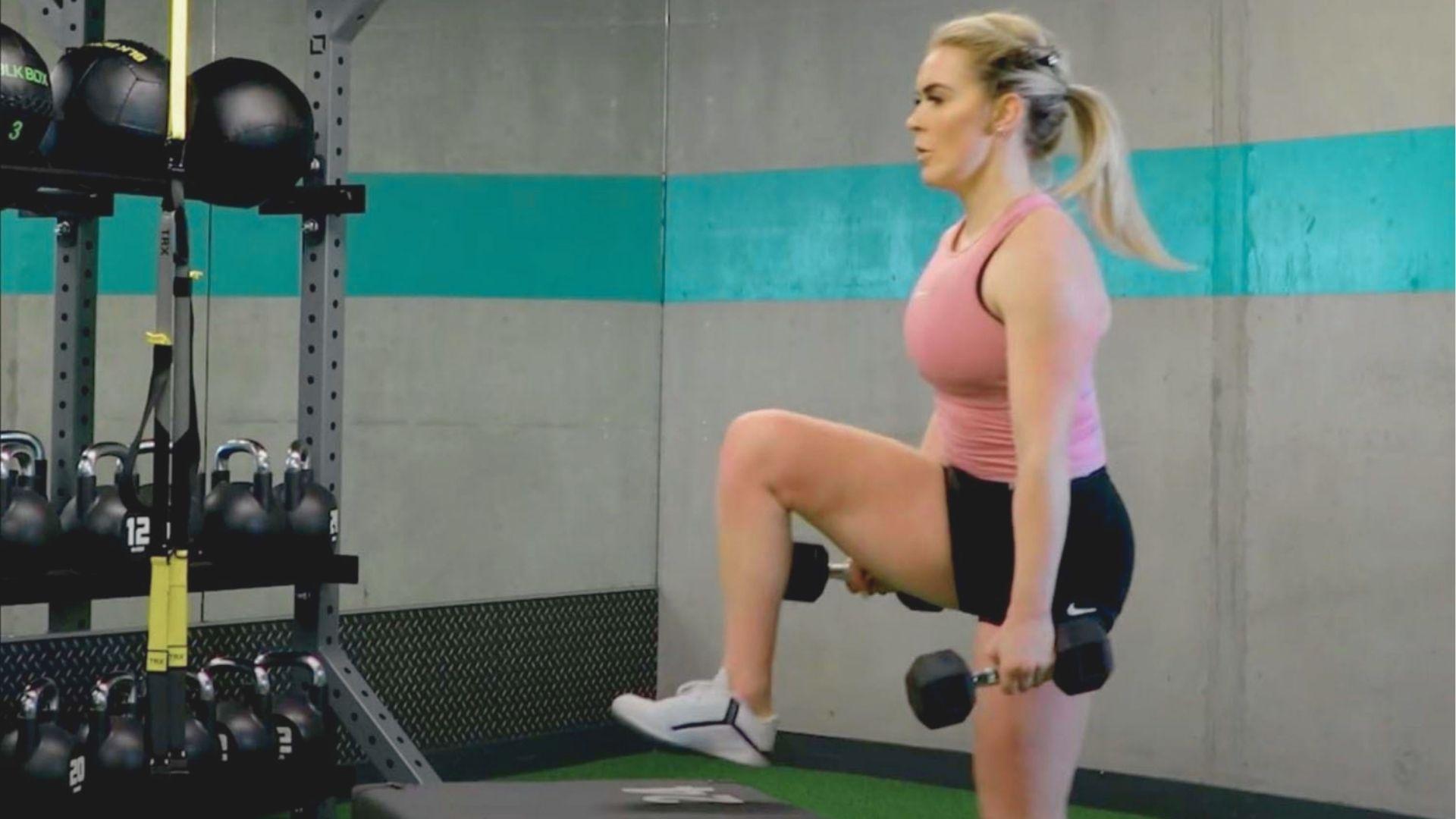
Step-ups are a functional movement that works your calves along with your glutes and quads.
Step onto a box or step with one foot. Push through the heel and ball of that foot to lift yourself up. Your calf works hard to push you up with each rep. This makes it a great compound exercise for the whole lower leg.
Keep your chest tall and do not let your knee cave inward. Step up with control and step down slowly. Use a sturdy bench or step box. Start without weight, then add dumbbells as you get stronger.
8. Plyometric Step-Ups

This is a more intense version of the step-up. It adds an explosive jump at the top.
Step onto the box and drive the opposite knee up quickly as you jump or rise fast. This explosive movement trains fast-twitch muscle fibers in your calves. These fibers help with sprinting and jumping.
Plyometric training makes your legs react faster. Athletes use it to run faster, change direction better, and jump higher. Start slow, focus on landing softly, and build up speed over time.
9. Jump Rope
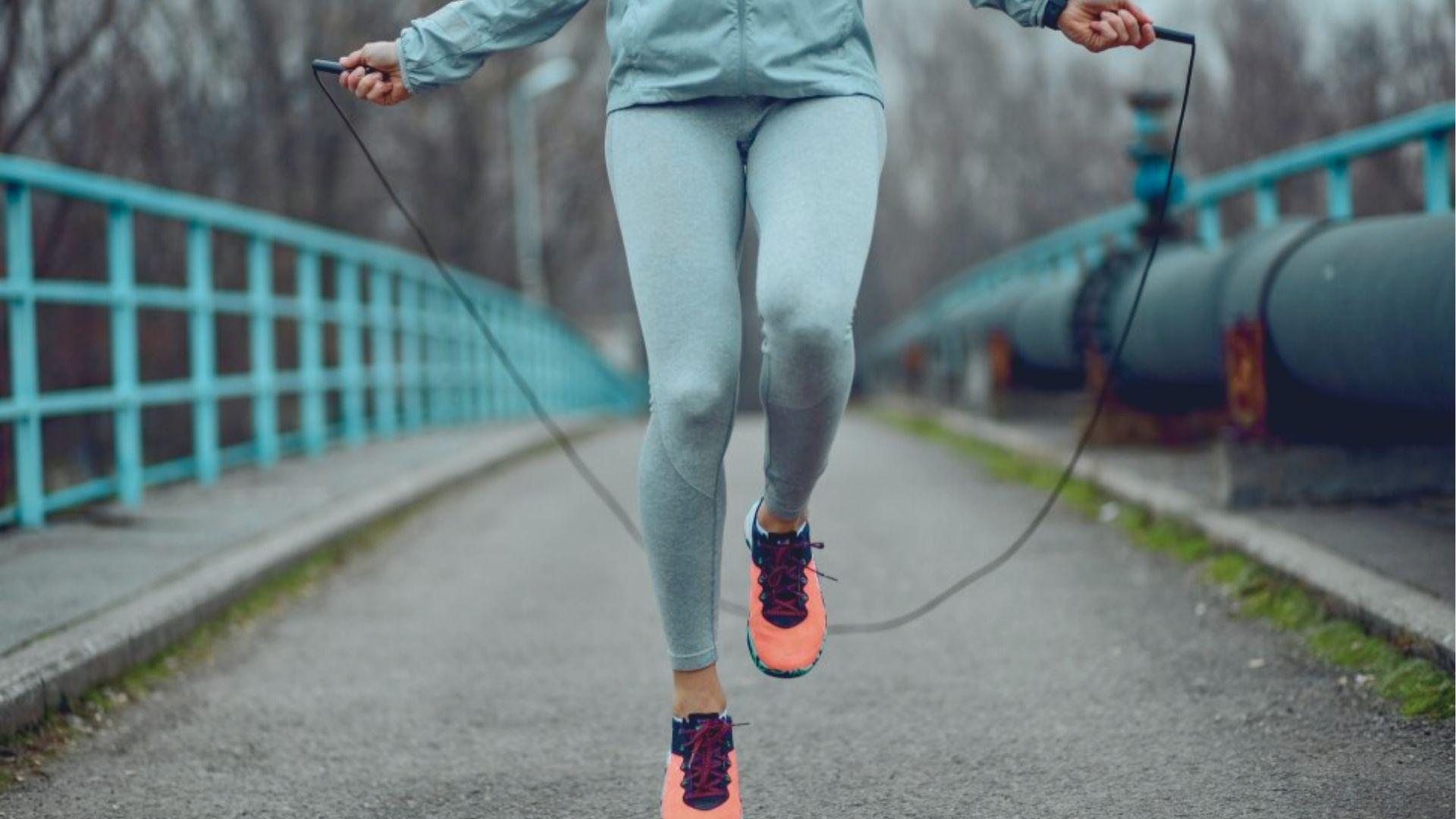
Jump rope is one of the best tools for building calf endurance. It also gets your heart rate up fast.
Every jump requires a small push from your calves. Over hundreds of jumps, this builds serious endurance. The muscles learn to work longer without getting tired.
Start with 30-second intervals and rest for 30 seconds between each one. Work up to 3 to 5 minutes of continuous jumping. Use a flat, non-slip surface and wear supportive shoes with good cushioning.
10. Farmer's Walk on Toes
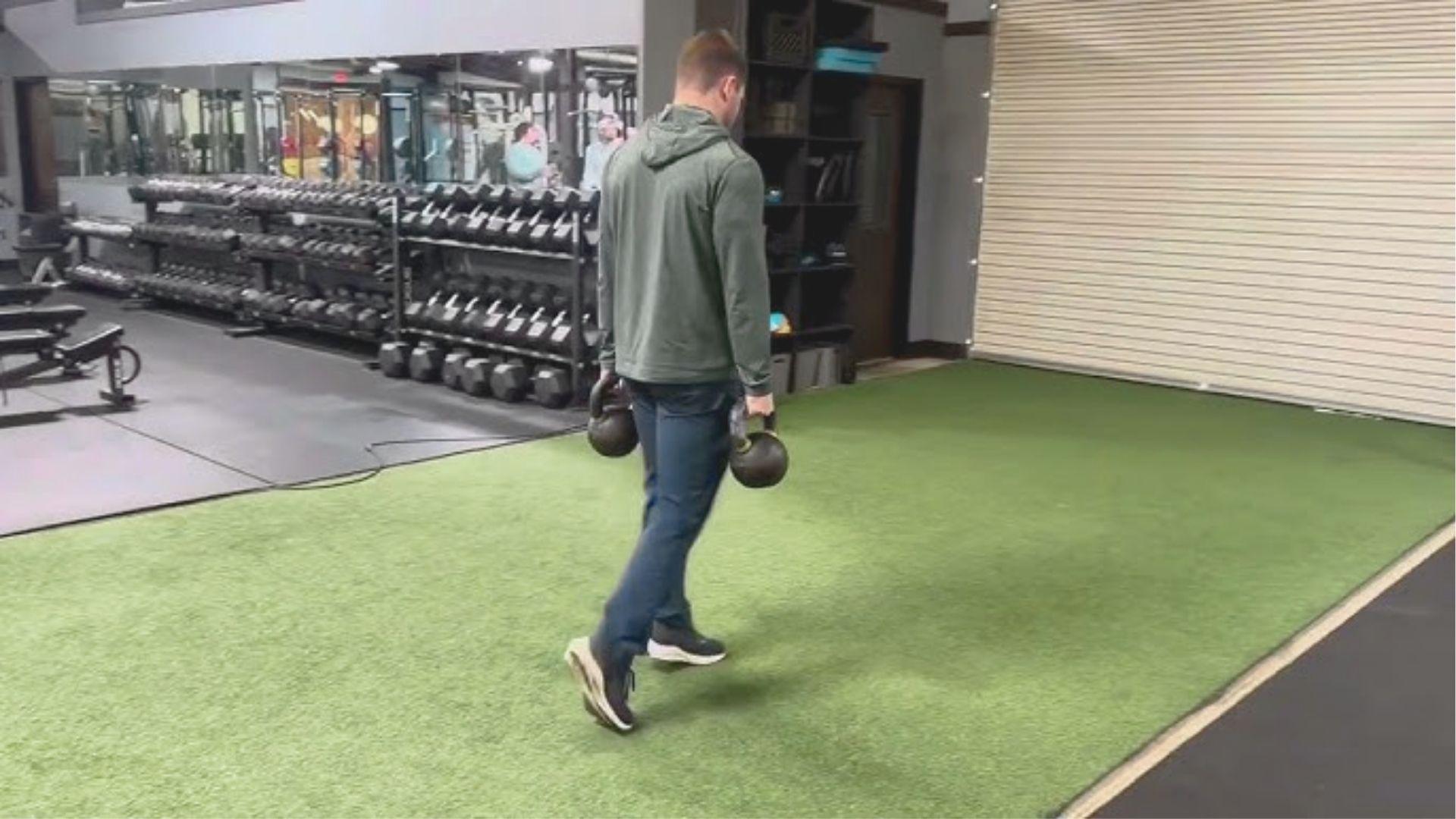
This exercise combines walking with calf activation. You carry weights while walking on your toes.
Hold a dumbbell in each hand. Rise onto your toes and walk forward for 20 to 40 steps. The weight adds resistance and forces your calves to stay engaged the whole time.
Walking on your toes also challenges your balance and forces your core to stay tight. This makes it a full-body exercise with a strong calf focus. It is also great for building ankle strength.
11. Single-Leg Romanian Deadlift
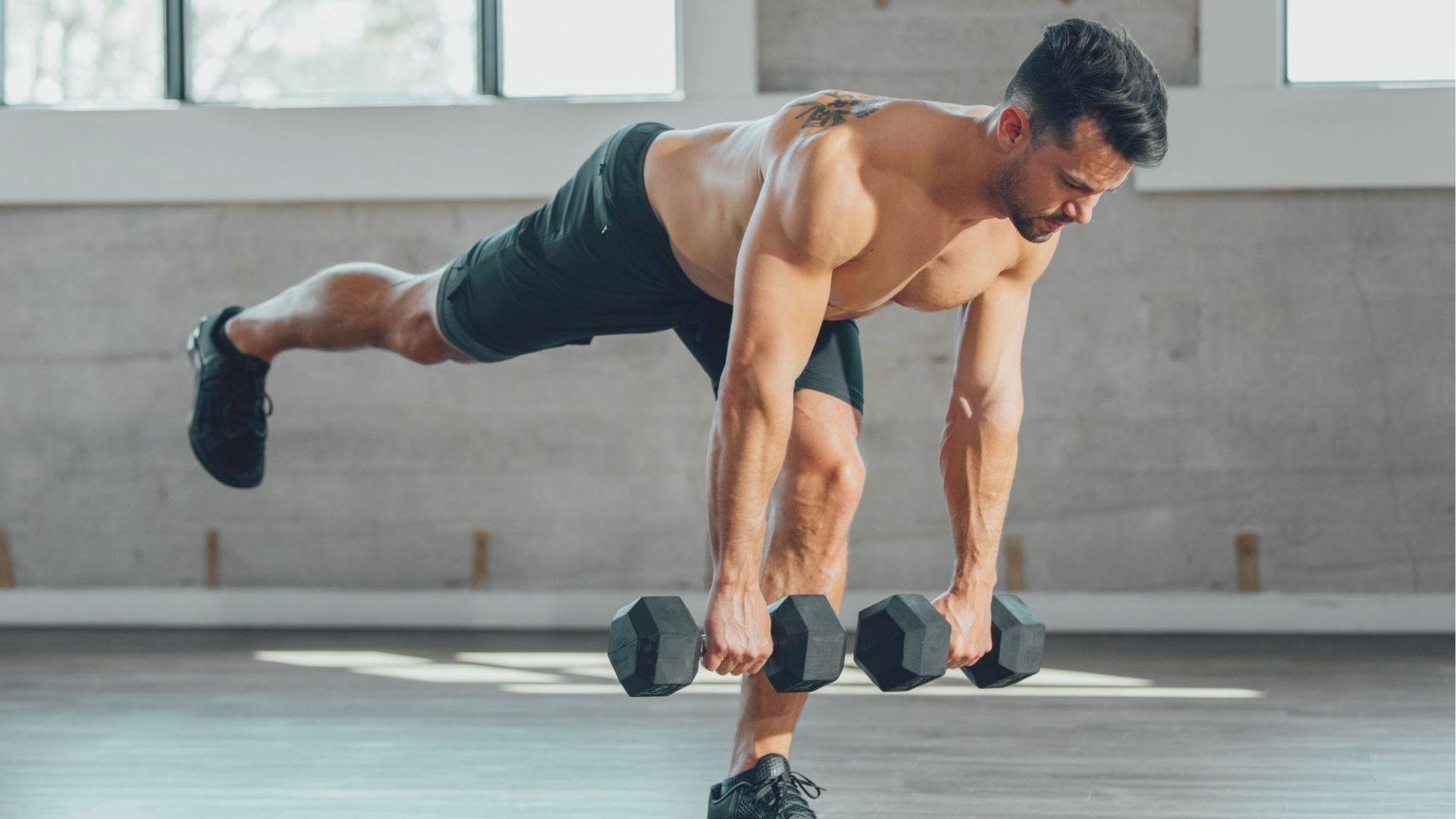
This move is known more as a hamstring exercise, but it works your calves and ankles in a big way.
Stand on one leg and hinge forward at the hip while extending the other leg behind you. Your standing calf and ankle work hard to keep you balanced throughout the movement.
This exercise trains your calf to stabilize under load, and that strength carries over into real life. It also improves coordination between your hip, knee, and ankle, which is very useful for runners and anyone who stays active.
Mistakes That Can Limit Your Progress
These are common mistakes that slow down your results. Avoid them and you will see much faster improvement.
Moving Too Fast During Reps
Speed kills calf progress. When you rush through reps, your muscles do not get enough time under tension.
Slow down. Take 2 seconds to go up and 3 seconds to come back down. You will feel more burn with far fewer reps. That burn means the muscle is working.
Training Without Full Range of Motion
A partial range of motion gives partial results. If you only do half calf raises, you only build half the muscle.
Let your heels drop fully at the bottom. Rise all the way up at the top. Full range equals full muscle work. This also keeps your calves and Achilles tendon flexible.
Skipping Recovery Time
Your calves need rest to grow. Training them every day without a break leads to soreness, fatigue, and sometimes injury.
Give your calves at least one full rest day between hard sessions. Beginners can train calves 2 to 3 times a week. More advanced people can do 3 to 4 times. Listen to your body.
Adding Resistance Too Quickly
Going too heavy too fast is a very common mistake. It leads to form breakdown and injury.
Add weight or difficulty only when you can do all your reps with perfect form. A 5 to 10 percent increase in resistance per week is a safe rule to follow. Slow and steady works better here.
How to Progress Your Calf Workouts
Progress means doing more over time in a smart and safe way.
Increasing Resistance Safely
Start with bodyweight only. Once you can do 3 sets of 15 to 20 reps with ease, add light weights.
Use small increases. Even adding 5 pounds makes a difference over time. Do not let your ego push you to go heavy before you are ready.
Adjusting Reps and Sets Over Time
Beginners should start with 2 to 3 sets of 10 to 12 reps. As you get stronger, increase to 3 to 4 sets of 15 to 20 reps.
After a few weeks, you can lower the reps and increase the weight. This keeps your muscles from adapting and getting bored.
Adding Advanced Variations Gradually
Once you have mastered the basics, add harder versions. Move from two-leg raises to single-leg raises. Try deficit raises. Add weight. Use the Bosu ball.
Introduce one new variation at a time. Give your body 2 to 3 weeks to adapt before adding another challenge.
Recovery Tips for Healthy Calves
Good recovery keeps your calves healthy, strong, and ready for the next session.
- Stretch after every workout. A simple wall calf stretch held for 30 seconds on each side reduces tightness and keeps your muscles flexible over time.
- Drink water before, during, and after exercise. Dehydration slows recovery and is one of the most common causes of calf cramps during or after training.
- Add electrolytes for longer sessions. If you train for more than 45 minutes, a sports drink can help replace potassium and sodium that your muscles need to function well.
- Use foam rolling or light walking to manage soreness. These methods improve blood flow to sore muscles and help them recover faster without causing extra strain.
- Rest when your calves feel very sore. Soreness usually peaks 24 to 48 hours after a workout. Skipping rest on those days lets the muscle rebuild and come back stronger.
When to Stop Exercising and Get Help
Knowing when to stop is just as important as knowing how to train.
A calf strain feels like a sudden sharp pain or a pulling sensation in the back of the leg. Overuse pain is more of a dull ache that gets worse with movement. If you notice swelling, bruising, or weakness, stop training right away.
Seek medical help if you experience severe pain during exercise, swelling with redness or warmth, pain that does not improve after a few days of rest, or numbness and tingling in the foot or leg.
Do not push through these symptoms. A short rest now is far better than weeks on the sideline.
Conclusion
I started paying attention to my calves only after a bad ankle sprain slowed me down for months. That experience changed how I trained. Strong calves really do make a difference in how you move, feel, and perform every day.
If you are just starting out, pick two or three exercises from this list and practice them consistently. Small steps add up fast.
Try one exercise today and see how it feels. Then come back and leave a comment sharing your experience. I would love to hear how your calf strengthening exercises are going.
Frequently Asked Questions
How often should I do calf strengthening exercises?
Most people do well training calves 2 to 3 times per week. Make sure to rest at least one day between sessions so the muscles can recover properly.
Can beginners do calf exercises at home without equipment?
Yes, absolutely. Standing calf raises, single-leg calf raises, and jump rope are all effective and require no gym equipment at all.
How long does it take to see results from calf training?
Most people notice some improvement in strength within 3 to 4 weeks. Visible muscle changes usually take 6 to 8 weeks of consistent training.
Why do my calves cramp during exercise?
Calf cramps are often caused by dehydration, low potassium, or overtraining. Make sure you are drinking enough water and giving your calves enough rest between sessions.
Are seated calf raises better than standing ones?
They target different muscles. Standing raises the gastrocnemius more. Seated raises target the soleus. Doing both gives you the most complete calf development.