If you've been training shoulders and still feel like something's missing, the cable Y raise might be your answer.
I've been there too doing the same lateral raises and overhead presses, wondering why my upper back and rear delts weren't keeping up.
This article covers everything:what the cable Y raises is, how to do it correctly, which muscles it targets, common mistakes to avoid, and variations worth trying.
I'll also share tips that actually make a difference. You're in good hands. I've spent years testing shoulder exercises, and this one earns its place every single time.
What the Cable Y Raise Exercise Is
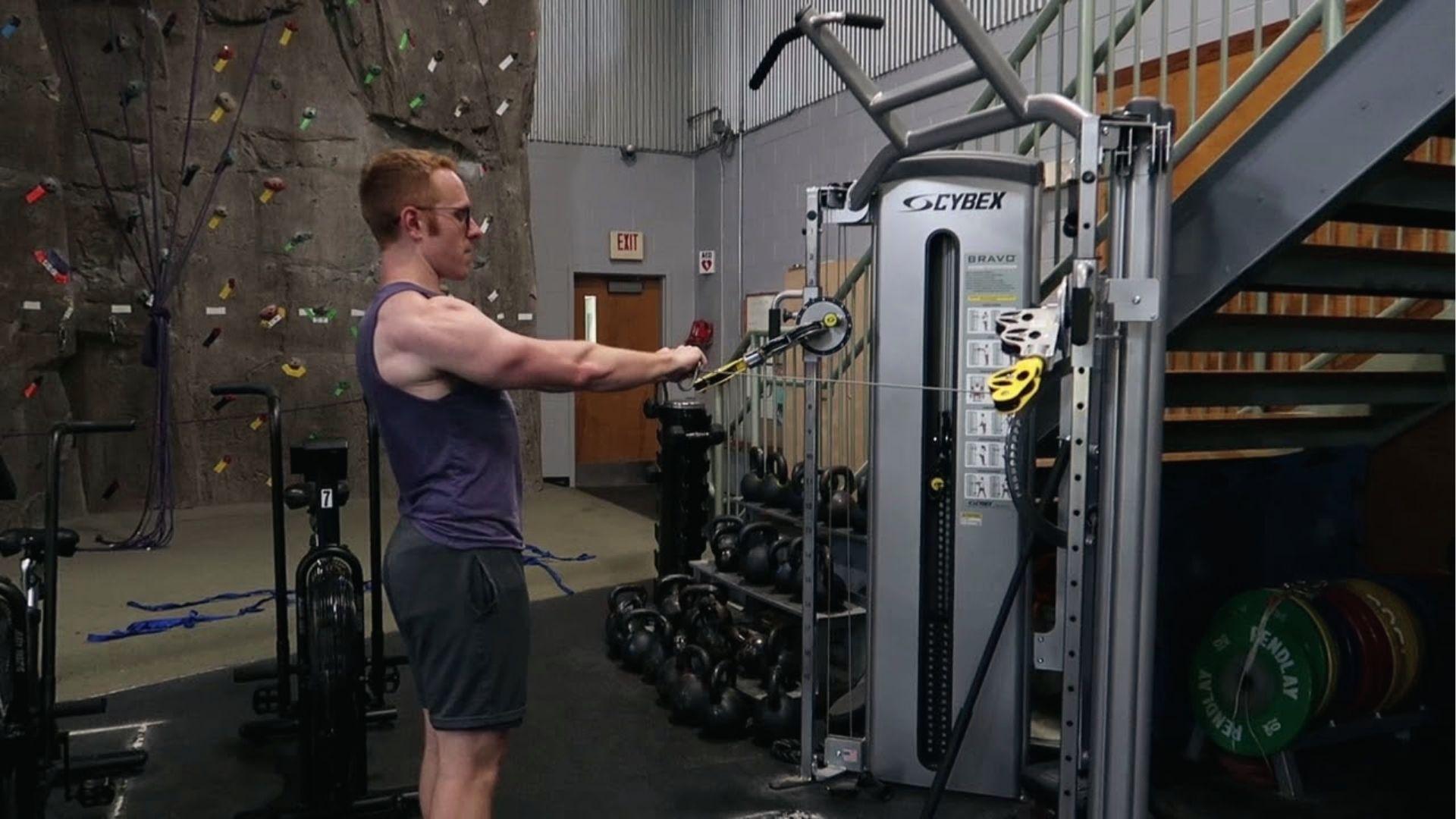
The cable Y raise is a shoulder exercise performed on a cable machine where you raise both arms out at an angle to form a "Y" shape with your body.
It targets the lateral deltoids, lower trapezius, and serratus anterior while keeping constant tension throughout the movement.
Bad form shifts stress to the wrong muscles. You end up using your traps, arching your back, or swinging the cables, which leads to zero real gains and injury risk.
Done right, this exercise builds shoulder stability, improves posture, and supports more complete shoulder development from every angle.
Complete Guide to the Cable Y Raise Exercise
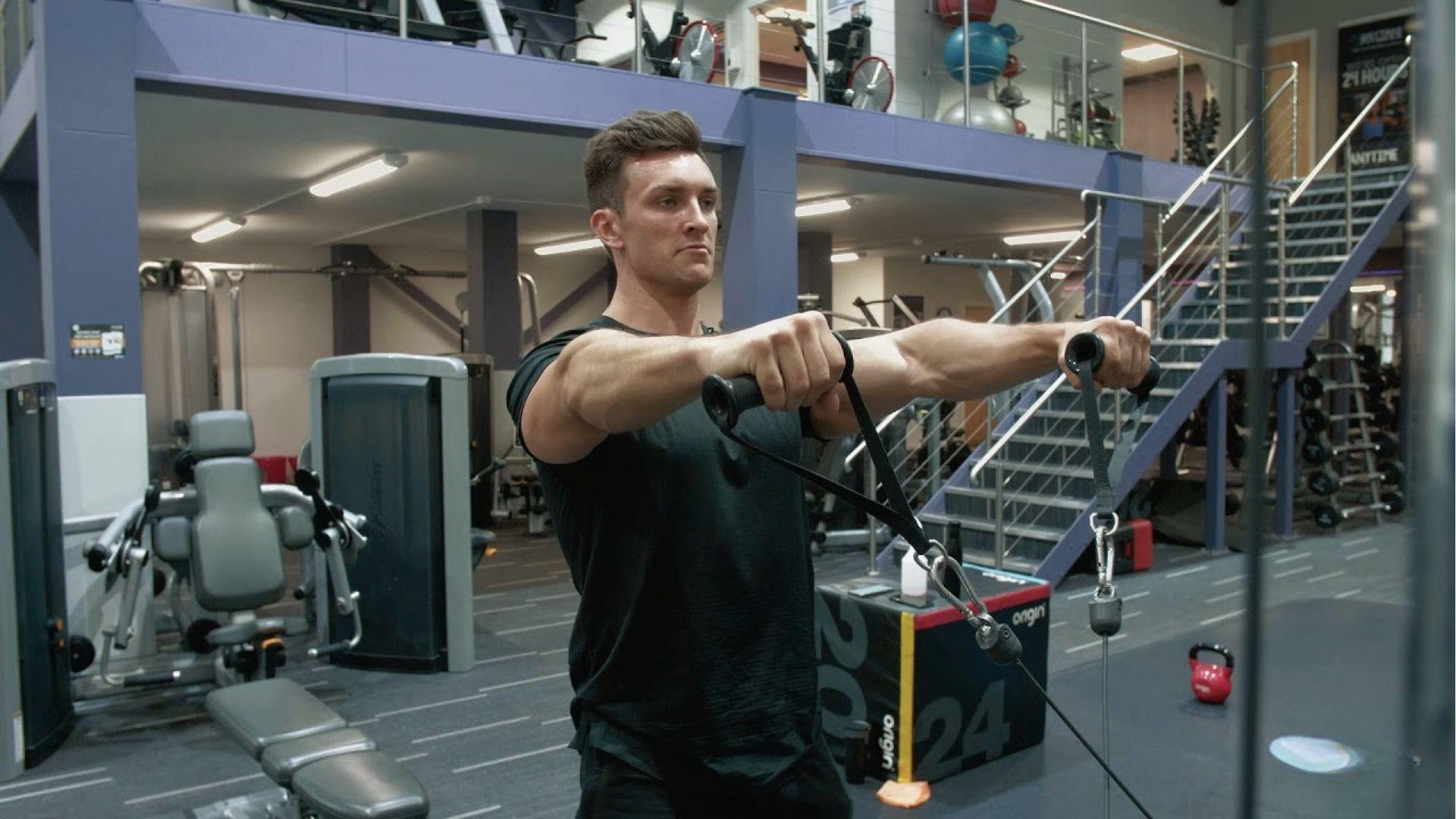
A full breakdown of what makes this movement work and who should be doing it.
What Makes the Cable Y Raise Stand Out
Most shoulder exercises lose tension at some point in the range of motion.
The cable machine keeps tension on your muscles throughout the full movement.
That constant load makes the cable Y raise more effective than many free-weight options for shoulder isolation.
Who Should Do Cable Y Raises
This exercise works for most people from beginners learning shoulder mechanics to advanced lifters adding variety to their routine.
It's especially helpful for those with poor posture or weak upper back muscles.
Why This Exercise Is Great for Shoulder Development
The cable Y raise works parts of the shoulder that standard presses and raises often miss.
It hits the lower traps and serratus anterior, which support the shoulder blade. Strong shoulder blades mean better overhead strength and reduced injury risk.
How to Do a Cable Y Raise Correctly
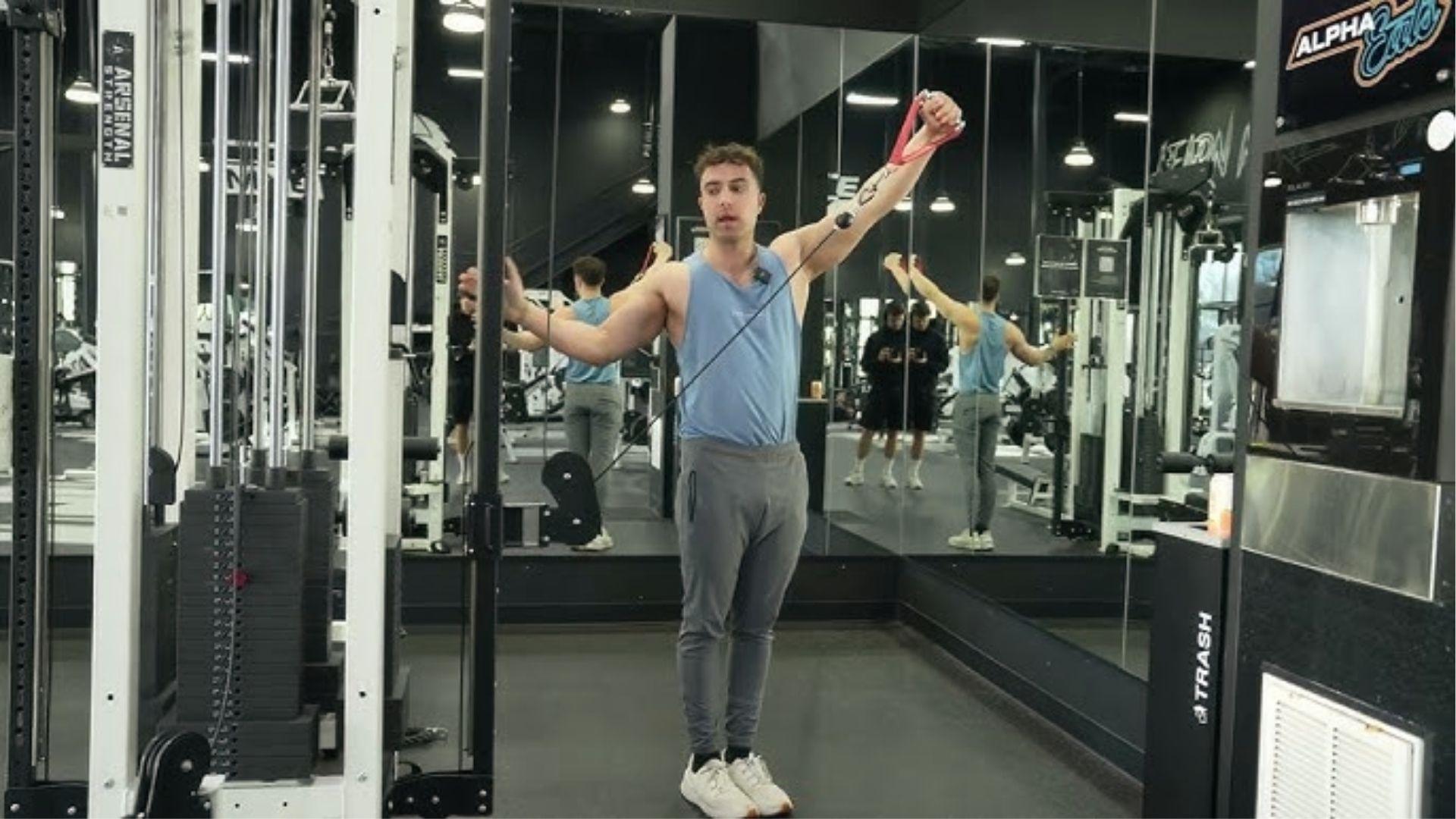
Instructions to help you perform this exercise with proper form from the start.
Proper Cable Machine Setup
Set both cable pulleys to the lowest position. Attach single-handle grips or use the cable ends directly. Stand in the center of the cable station, facing away from the machine.
Correct Starting Position
Hold one handle in each hand. Step forward slightly to create tension in the cables. Stand tall with your feet shoulder-width apart. Keep your core tight and chest up.
Cable Y Raise Form
Start with arms at your sides and a slight forward lean at the hips. Keep a soft bend in your elbows.
Raise both arms up and out at a 45-degree angle until they form a Y shape above your head. Hold briefly at the top. Lower slowly back to the starting position.
Proper Arm Path and Y Position
Your arms should move in a diagonal path not straight out to the sides and not straight overhead.
The Y shape is key. Think of raising toward the 10 o'clock and 2 o'clock positions.
Cable Y Raise Video Demo Cues
Watch for these cues in any demo video: neutral spine, no shoulder shrugging, slow controlled reps, and full arm extension at the top without locking the elbows.
Best Rep Range and Training Tempo
Use 3 to 4 sets of 12 to 15 reps. Go slow, a 3-second lift and 3-second lower works well. This tempo keeps muscles under tension longer and improves muscle-mind connection.
Cable Y Raise Muscles Worked
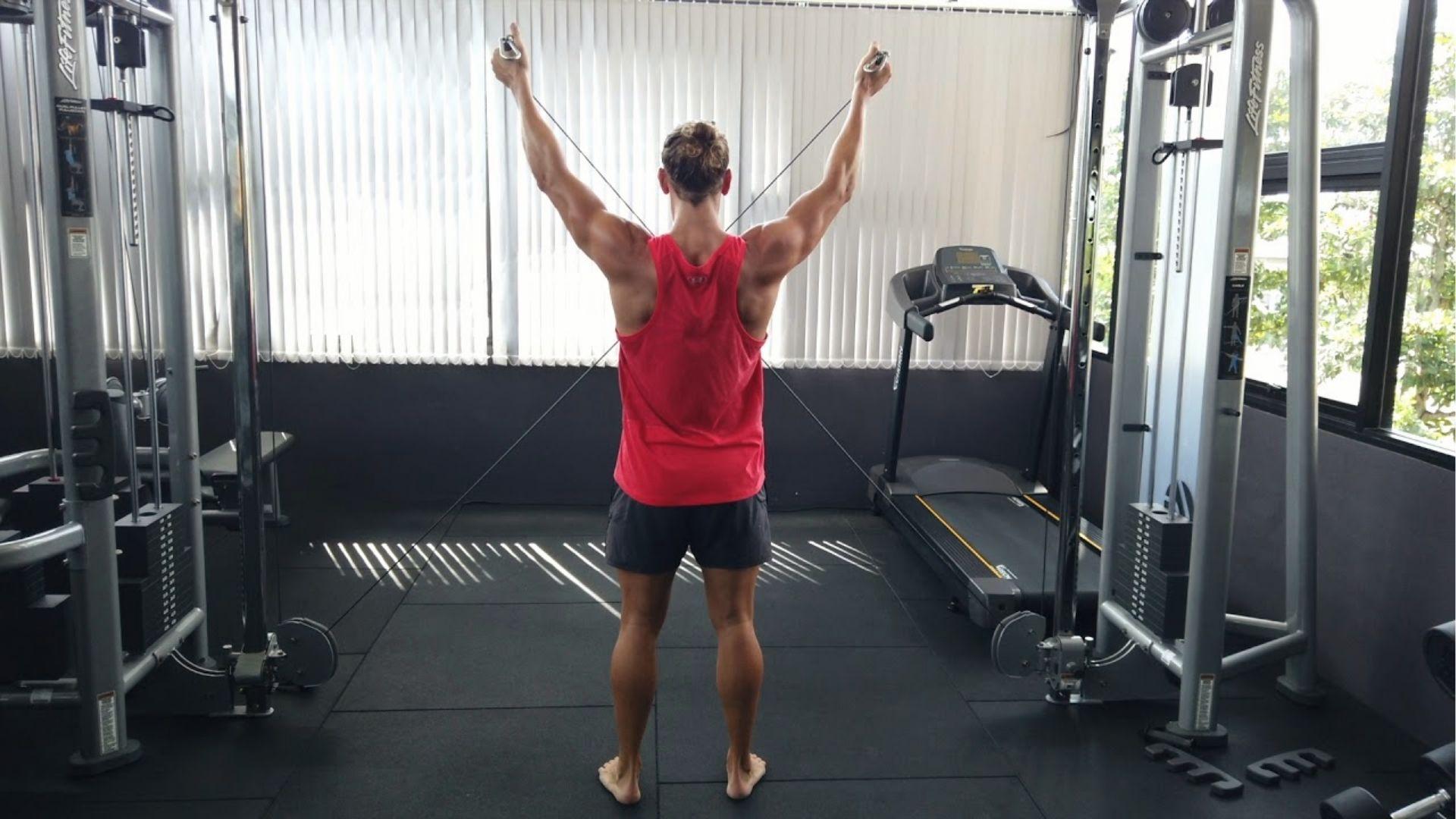
Know what's firing during this movement so you can train smarter and feel the right muscles engage.
Primary Muscles Targeted
The main muscles worked are the lateral deltoids, lower trapezius, and serratus anterior. These three work together to raise and stabilize the arm throughout the movement.
How the Lateral Delts Drive the Movement
The lateral deltoid is the outer part of your shoulder. It's responsible for raising your arm away from your body.
During the cable Y raise, this muscle does most of the lifting work in the first half of the movement.
Secondary Muscles Worked During Cable Y Raises
Secondary muscles include the middle trapezius, rhomboids, and rotator cuff muscles. These muscles assist with scapular control and keeping the shoulder joint stable.
Shoulder Stabilizers and Upper Back Activation
The cable Y raise demands a lot from your shoulder stabilizers. Your rotator cuff works constantly to keep the arm in the correct position.
The upper back muscles activate to prevent the shoulder blades from winging out.
Common Cable Y Raise Mistakes to Avoid
These are the most common errors that reduce results and increase injury risk.
- Using Too Much Weight, heavy weight forces you to use momentum and lose proper form. Start light and focus on feeling the right muscles work.
- Arching the Lower Back, excessive back arching usually means the weight is too heavy. Keep your core engaged and spine neutral throughout the set.
- Shrugging the Shoulders, raising your traps takes stress off the lateral delts. Keep your shoulders down and away from your ears on every rep.
- Swinging the Cables, swinging turns a controlled isolation move into a full-body cheat. Slow down and let the muscles do the work.
- Raising the Arms Too High, going above the Y position shifts stress to the upper traps. Stop when your arms reach a Y and don't push further.
Benefits of the Cable Y Raise Exercise
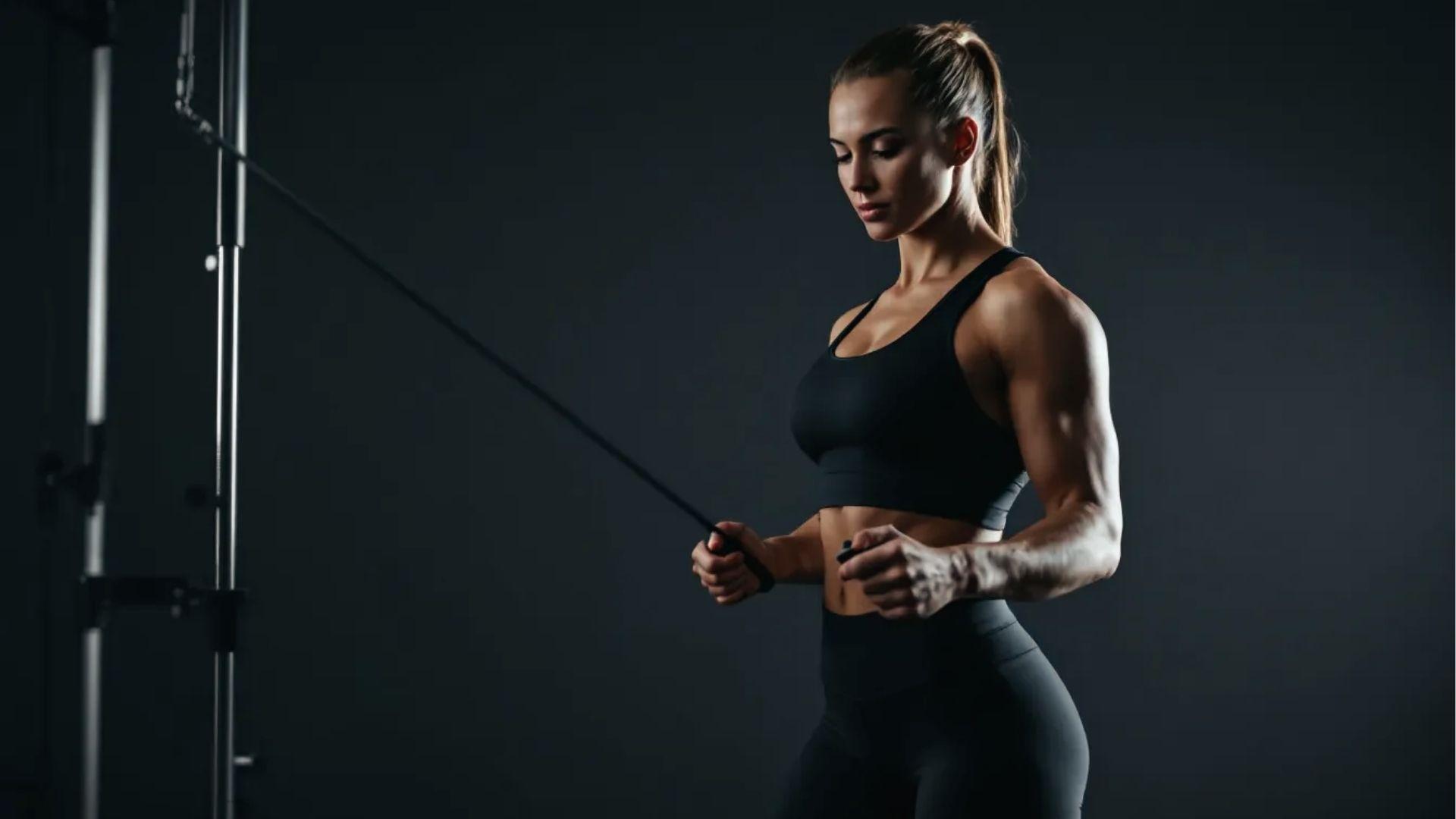
Here's why this exercise deserves a regular place in your shoulder training plan.
Builds Wider and Rounder Shoulders
Hitting the lateral delts with constant tension helps add width to the shoulder. Over time, this gives the shoulders a rounder, fuller look from the front and side.
Improves Shoulder Stability and Control
Stronger lower traps and serratus anterior mean better shoulder blade movement. This improves how your whole shoulder functions during pressing and pulling exercises.
Helps Improve Posture
Weak lower traps are a major reason people round their shoulders.
The cable Y raise directly strengthens these muscles, which helps pull the shoulders back and improve your standing posture.
Creates Constant Muscle Tension
Unlike dumbbells, cables keep tension on the muscle through the entire range of motion. This means more effective muscle stimulation per rep.
Excellent Shoulder Accessory Exercise
This exercise fits perfectly after heavier shoulder pressing. It works smaller stabilizing muscles that get skipped during compound movements.
Tips to Get Better Results From Cable Y Raises
Simple adjustments that make a real difference in your training results.
- Focus on slow and controlled reps don't rush.
- Keep constant cable tension by not letting the weight stack rest between reps.
- Maintain a neutral spine from start to finish.
- Prioritize form over heavy weight every single set.
- Pair cable Y raises with rear delt flies and face pulls for full shoulder coverage.
Conclusion
I added the cable Y raise to my shoulder workouts a while back, and the difference in shoulder stability was noticeable fast. It's not a flashy lift, but it works.
If your shoulders feel weak, rounded, or underdeveloped, give this movement a real shot. Start with light weight, feel the muscles working, and build from there.
Drop a comment below and tell me how it goes or share this with someone who's been skipping their rear delts. Your shoulders will thank you.
Frequently Asked Questions
What muscles do cable Y raise work?
Cable Y raises target the lateral deltoids, lower trapezius, and serratus anterior. They also activate the rotator cuff and upper back stabilizers during the movement.
Is the cable Y raise good for shoulders?
Yes. It builds shoulder width, improves stability, and strengthens muscles that most shoulder exercises miss. It's one of the better isolation options for the lateral delt.
Are cable Y raises better than lateral raises?
They serve different purposes. Cable Y raises involve more upper back muscles and keep constant tension. Lateral raises isolate the lateral delt more directly. Both belong in a complete shoulder program.
Can beginners do cable Y raises?
Yes, beginners can do this exercise with light weight. Focus on learning the arm path and feeling the right muscles engage before increasing resistance.
How many sets and reps should you do?
Three to four sets of 12 to 15 reps is a solid starting point. Use a slow tempo and prioritize control over load.