

Ever finished a tough workout and noticed a random bruise you can’t explain? You’re not alone. Bruising after a workout is something many people face, and it can feel confusing or even scary.
I’ve been there too, staring at a purple mark on my arm, wondering what went wrong.
In this article, I’ll break down exactly why it happens, when it’s fine, and when you should pay attention.
With years of fitness experience and research behind this, you can trust the information here is real and helpful.
What Bruising After a Workout Really Means
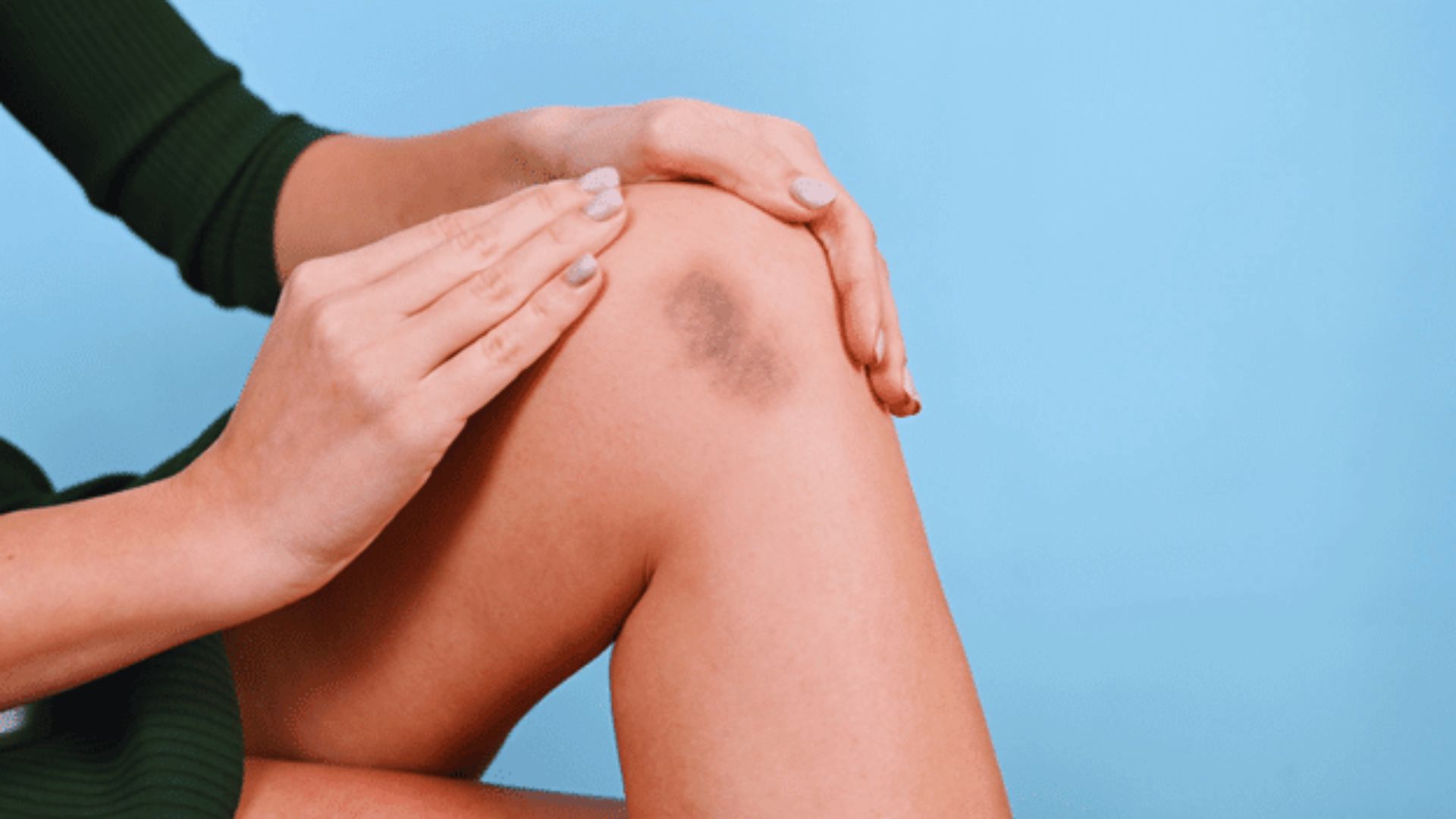
When you exercise hard, tiny blood vessels under your skin can break. Blood leaks out and pools under the surface. That’s what creates the dark, blotchy marks we call bruises.
Exercise puts your body under real physical stress. Muscles stretch, contract, and push past their limits. This can damage small capillaries, especially during intense training.
Normal bruising fades in 7 to 14 days. It might be tender but shouldn’t feel sharp or get worse. Concerning bruising spreads fast, comes with heavy swelling, or keeps coming back without reason.
Is Bruising After Workout Normal or a Warning Sign?

Not every bruise means something serious, but some do need your attention.
When It’s Completely Normal
If you just pushed through a heavy leg day or ran a long race, some bruising is expected. Long workouts, intense sessions, and minor bumps during exercise can all leave marks.
Your body is just responding to stress. It happens more often with high-impact activities like weightlifting, boxing, or intense cardio.
When It Might Signal a Problem
Pay attention if bruises show up for no clear reason.
Also watch for:
- Bruises that grow larger over time
- Pain that doesn’t improve after a few days
- Swelling around the bruised area
- Bruises happening after light activity
These signs may point to something beyond normal exercise recovery.
Main Causes of Bruising After Workout
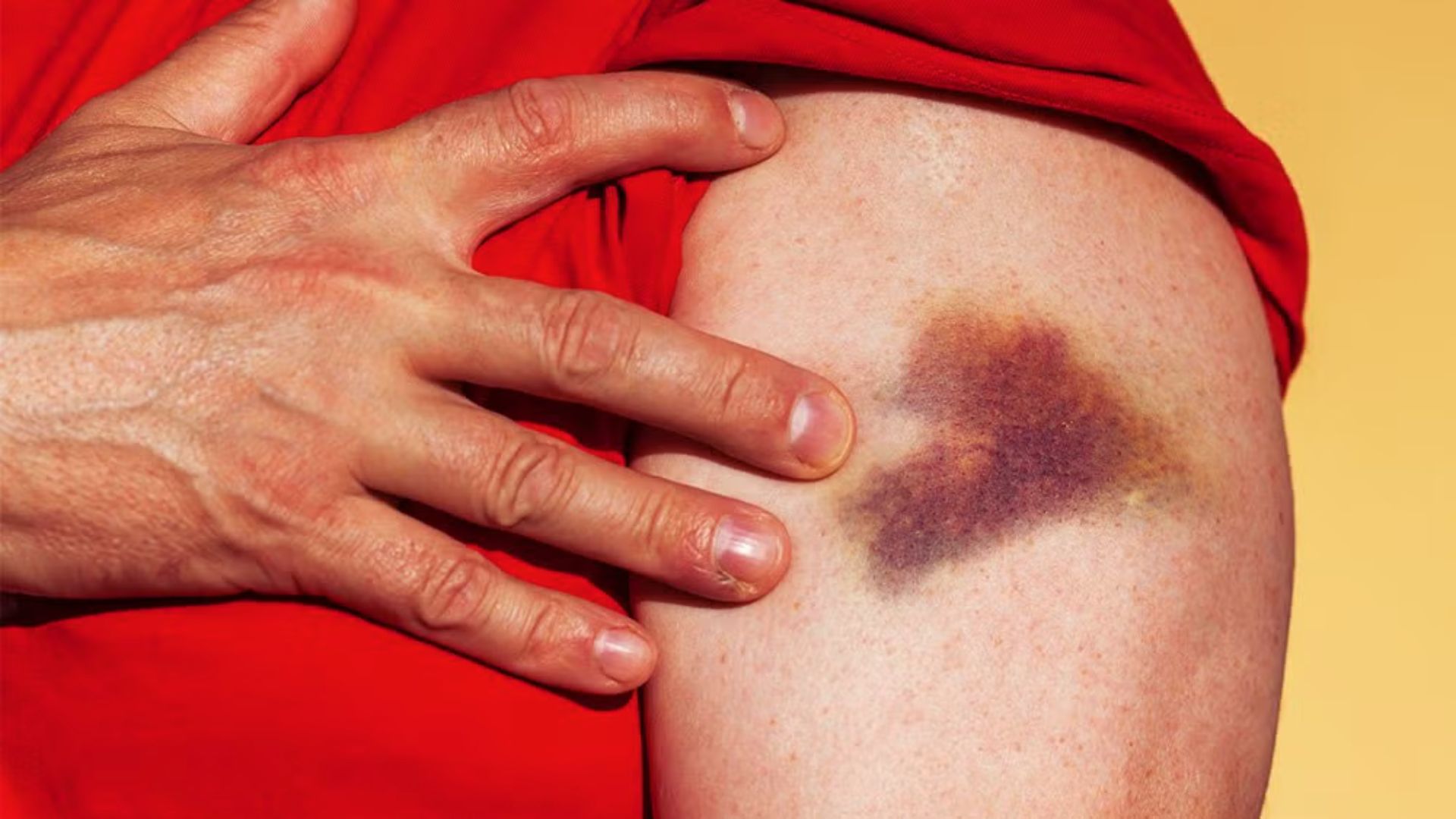
Several things can lead to bruising, from training style to what you eat.
Intense Training and Muscle Fatigue
When you train hard, your muscles go through micro-tears. These are tiny, normal tears that help muscles grow.
But they also put pressure on the blood vessels nearby. Heavy stress on tissues can push blood out of capillaries, creating bruises under the skin.
Muscle Bruising After Workout
Overuse is a big one. Lifting too heavy, too often, without enough rest wears the tissue down. Muscles that are already fatigued are more likely to bruise.
This is common in athletes who skip rest days or ramp up training too fast.
Accidental Impact During Exercise
Gym equipment is everywhere. You might bump your thigh on a bench, knock your arm on a barbell, or fall during a run.
These small impacts are easy to forget but can cause visible bruising by the next day.
Aging and Fragile Blood Vessels
As we get older, skin gets thinner and blood vessels become more fragile. Even moderate exercise can cause bruising that wouldn’t have happened in younger years.
This is completely normal but worth noting if bruising increases with age.
Medications and Nutritional Deficiencies
Blood thinners like aspirin or warfarin make bruising much easier. Low levels of Vitamin C and Vitamin K also play a role.
Vitamin C helps build strong blood vessels. Vitamin K helps blood clot properly. Without enough of both, bruising becomes more frequent.
Why You Get Bruising in Specific Muscles
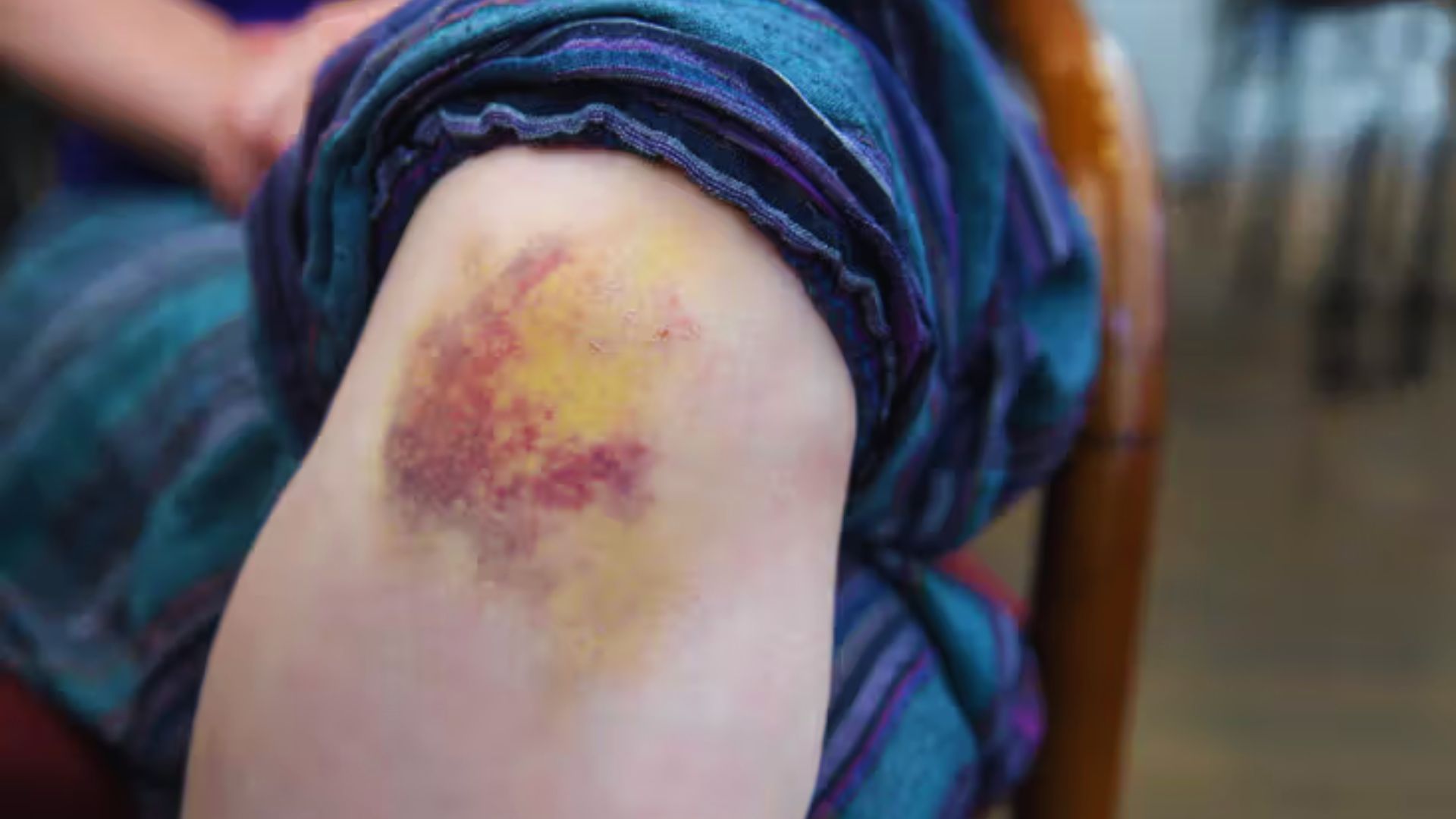
Some muscle groups bruise more than others depending on the type of workout.
Bicep Bruising After Workout
Heavy curls and pulling movements put a lot of strain on the bicep. The skin in this area is thin, making blood leakage more visible. Intense arm days often leave marks here.
Tricep Bruising After Workout
Overhead presses and dips load the tricep in a stretched position. This can stress the muscle fibers and nearby vessels, especially when going too heavy or too fast.
Shoulder Bruising After Workout
Shoulder workouts involve small, stabilizing muscles that are easy to overwork. Pressing movements and lateral raises can stress these areas and cause bruising, especially if the shoulder is already tired.
Leg Bruising After Exercise
Legs take the most beating. Squats, lunges, and running all create high impact and muscle stress. Bruising on thighs and calves is very common, especially after a new or harder workout.
When to Worry About Bruising After Workout
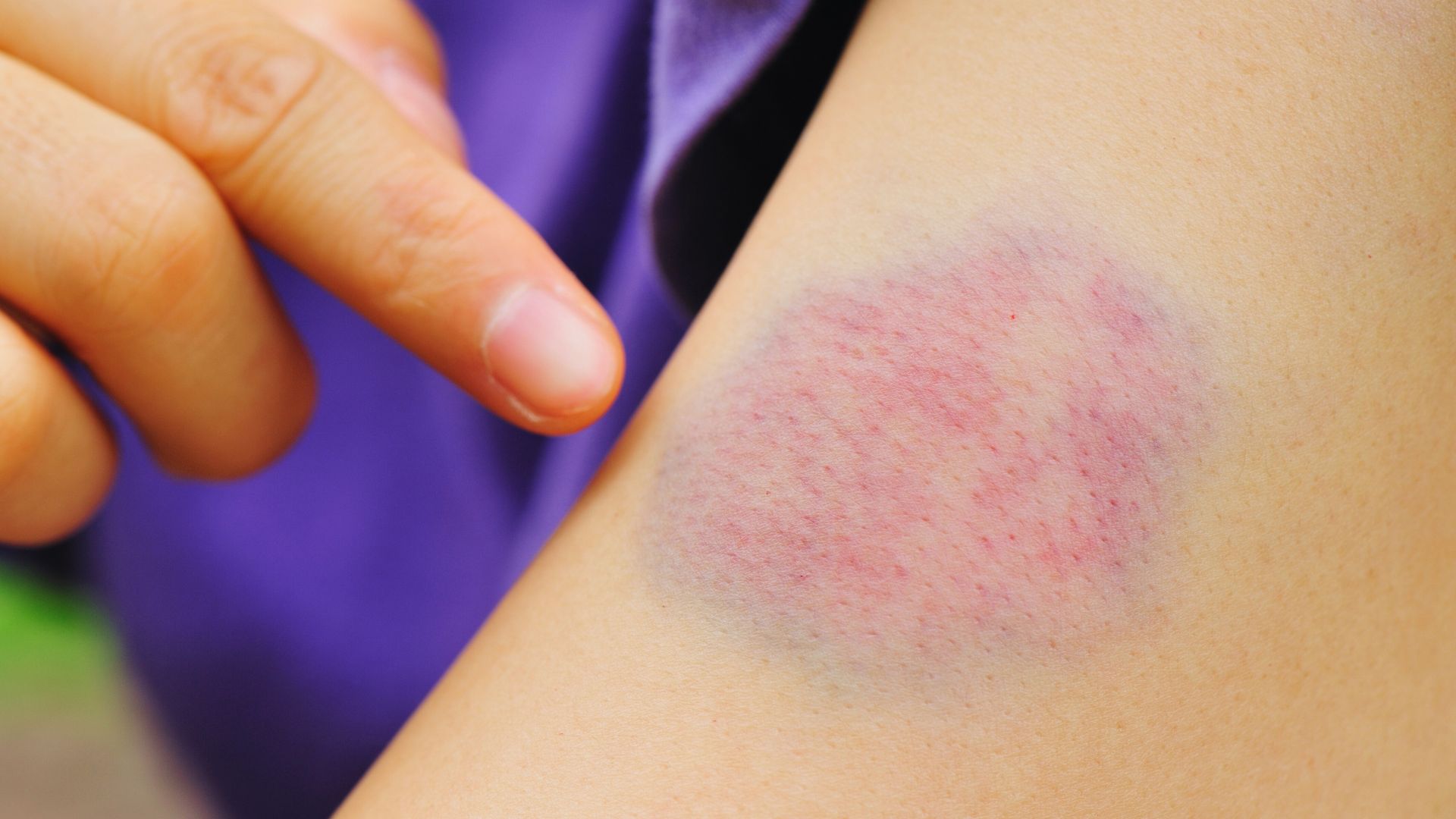
Most bruises heal on their own, but some are signs your body needs medical care.
Bruising Without Any Injury
If you didn’t bump anything and you didn’t train especially hard, a bruise coming out of nowhere is worth watching. One unexplained bruise might be fine. Repeated ones are not.
Severe Pain or Rapid Swelling
Normal bruising is sore but manageable. If the area swells quickly, feels very hot, or the pain is sharp and worsening, stop activity and rest. These may be signs of a muscle tear or hematoma.
Possible Underlying Health Conditions
Some conditions like low platelet count, hemophilia, or liver problems can make bruising much easier. These aren’t workout-related but may show up after exercise because of increased physical stress.
When to Consult a Doctor
See a doctor if,
- Bruising happens frequently without reason
- A bruise doesn’t fade after two weeks
- You also notice unusual fatigue or bleeding gums
- The bruise is very large or deeply painful
Tips to Prevent Bruising After Workout
Small changes in how you train can make a big difference in how your body responds.
- Rest between sessions avoid training the same muscles two days in a row
- Use correct form to reduce uneven pressure on muscles and joints
- Always warm up before and cool down after every workout
- Don’t push a sore or bruised muscle let it heal first
- Eat Vitamin C and K rich foods and stay hydrated to support recovery
- Add protein to your diet to help repair muscle tissue faster
Conclusion
Bruising after a workout is often nothing to stress about. Your body is working hard, and sometimes that shows.
I’ve found that once I understood why it happens, I stopped panicking and started paying smarter attention.
The key is knowing the difference between normal soreness and a real warning sign. Take care of your body, train with intention, and respect your recovery.
If this helped you, drop a comment below or share it with a gym friend who needs it. Your next workout will thank you.
Frequently Asked Questions
Is bruising after a workout a sign of overtraining?
It can be. If bruising happens often and you’re training hard without enough rest, overtraining may be the cause. Scaling back and adding recovery days usually helps.
How long does bruising after a workout last?
Most workout bruises fade within 7 to 14 days. If a bruise lasts longer than two weeks or keeps growing, it’s best to see a doctor.
Can dehydration cause bruising after exercise?
Dehydration weakens the body’s ability to recover. While it’s not a direct cause, being dehydrated can make tissues more fragile and slow down healing after bruising occurs.
Should I keep exercising with a bruise?
Light movement is usually okay, but avoid working the bruised area directly. Give it time to heal. Training on an already damaged muscle can make the bruise worse and delay recovery.
Does vitamin deficiency really cause bruising after workouts?
Yes. Low Vitamin C weakens blood vessel walls, making them easier to break. Low Vitamin K affects clotting. Both deficiencies can lead to more frequent bruising during or after exercise.


