Struggling to get stronger, more stable calves even after regular workouts?
If you’ve tried exercises before but didn’t see results, this guide on bodyweight calf exercises is for you.
From my years of coaching clients and training athletes, I’ve seen how proper technique and consistent practice upgrade lower-leg strength and stability.
In this blog, I’ll walk you through exercises, explain how each muscle works, highlight common mistakes to avoid, and give routines for all fitness levels.
By the end, you’ll know exactly how to strengthen your calves effectively and safely.
Let’s get started.
Anatomy of the Calf Muscles
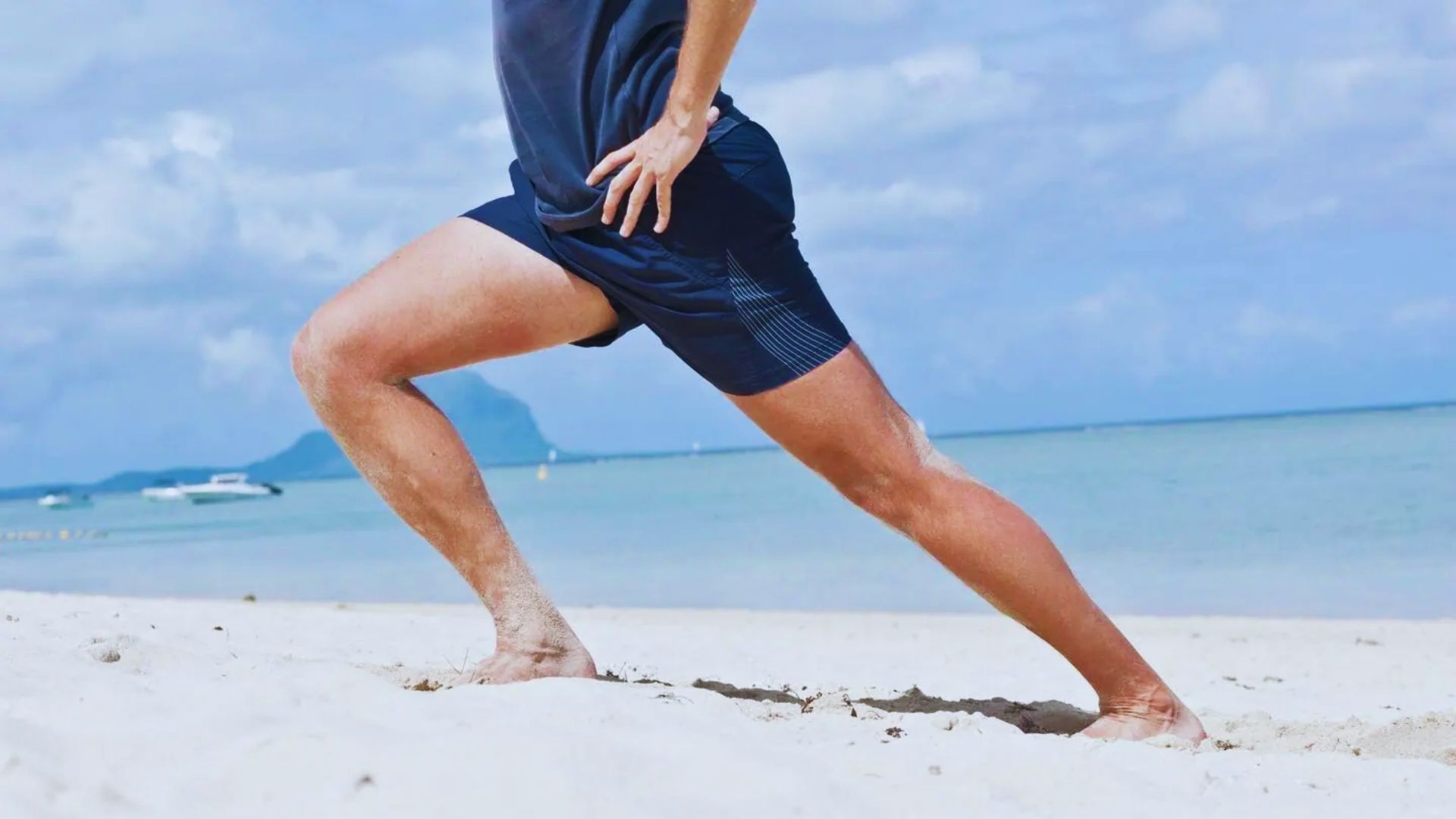
The calf is made up of two main muscles that play a crucial role in lower leg strength and movement.
The gastrocnemius is the larger, outer muscle that is visible when you look at the back of your legs.
It works most effectively when the knees are straight and is responsible for actions like rising onto your toes, running, and jumping.
Beneath it lies the soleus, a smaller muscle that becomes active when the knees are bent, such as during squats or lunges.
Focusing on both muscles helps maintain balanced strength, improves stability, and reduces the risk of injuries, making everyday movements and athletic performance smoother.
Top Bodyweight Calf Exercises
Strong calves improve balance and strength. These bodyweight exercises can be done anywhere and fit easily into any routine.
1. Standing Calf Raise
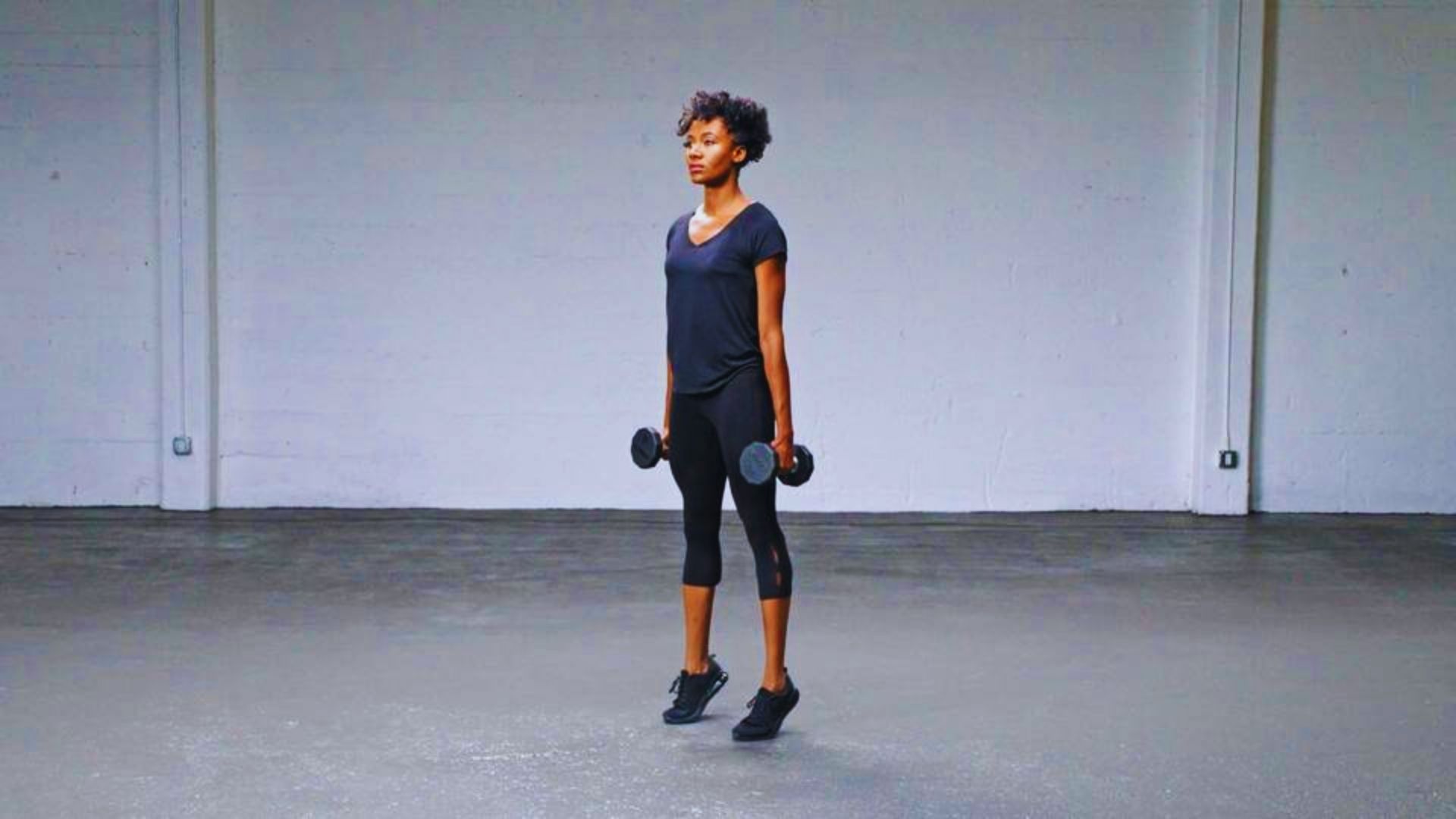
The standing calf raise is a classic exercise that strengthens the gastrocnemius. Stand with feet shoulder-width apart, slowly rise onto your toes, pause at the top, and lower in a controlled motion.
This helps build strength, stability, and endurance in your calves with minimal equipment or space.
2. Single-Leg Calf Raise
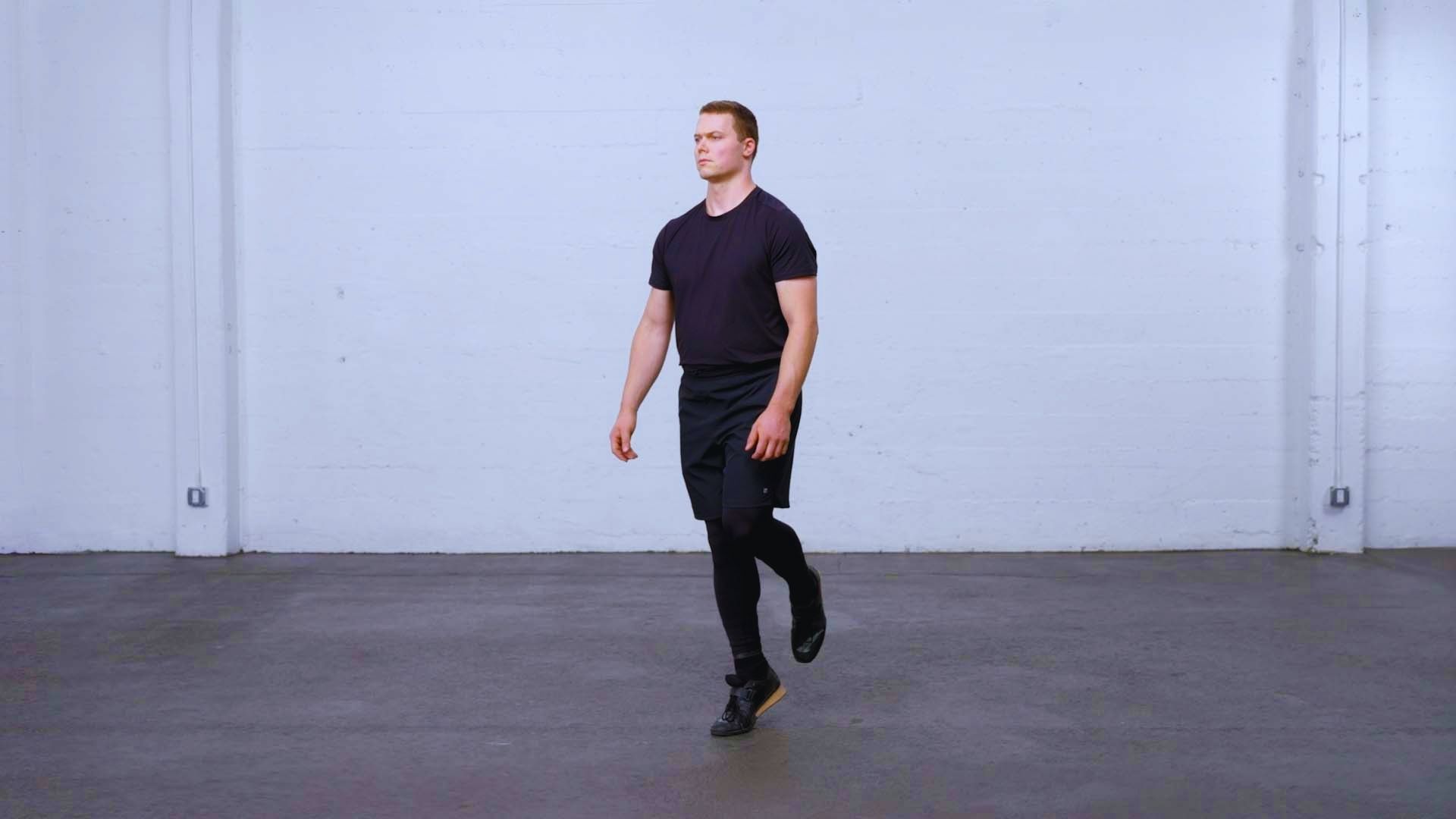
This exercise focuses on one leg at a time to build balance and unilateral strength. Stand on a single leg, slowly lift your heel, hold briefly, and lower with control.
Using a wall or chair for support can help maintain stability while maximizing muscle engagement and improving coordination.
3. Heightened/Step Calf Raise
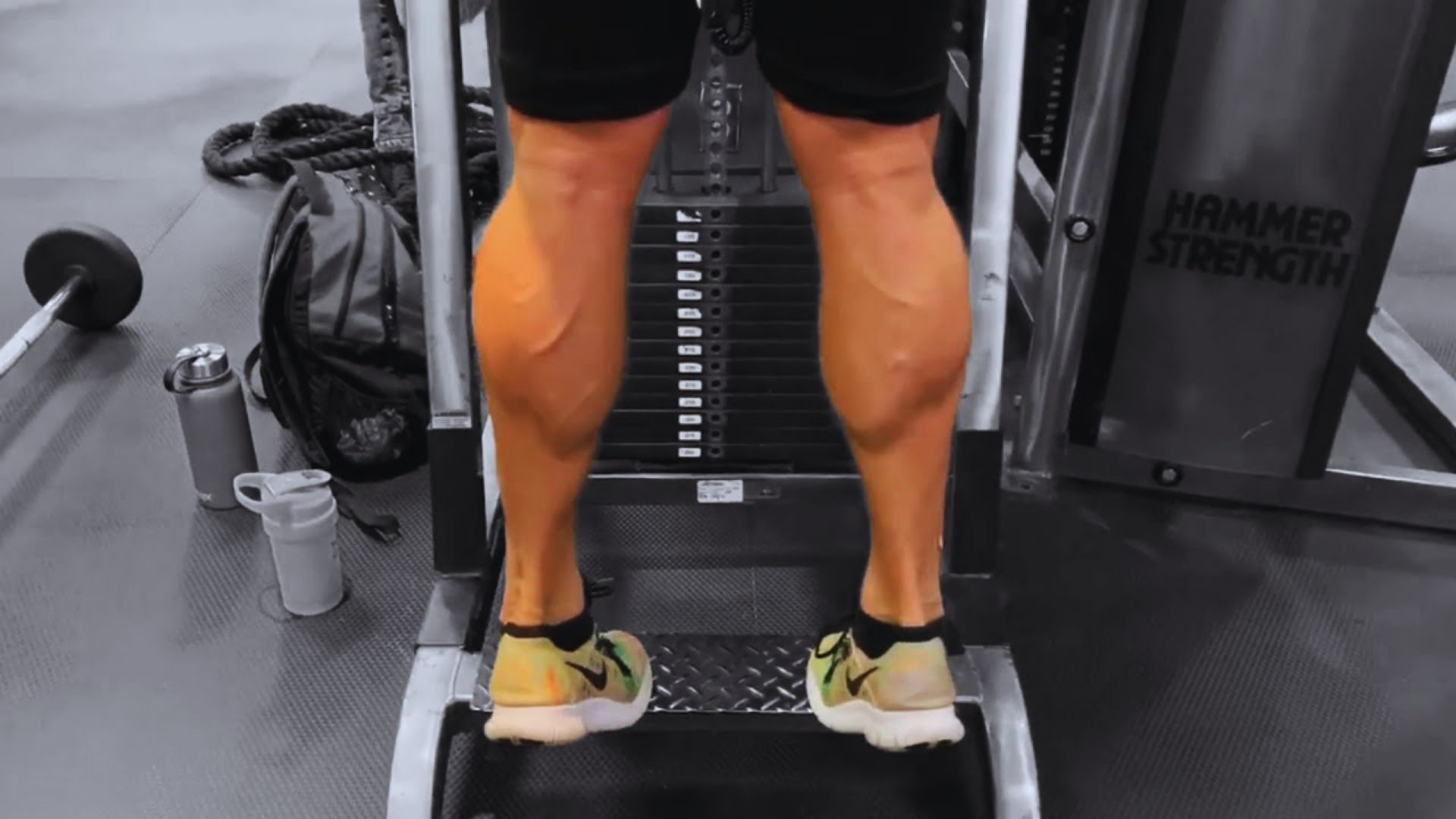
Heightened calf raises increase the range of motion and stretch the calves fully. Place the balls of your feet on a step edge, let your heels dip below the level, then rise onto your toes slowly.
This targets both strength and flexibility, helping the calves handle more movement and endurance work.
4. Single-Leg Raised Calf Raise
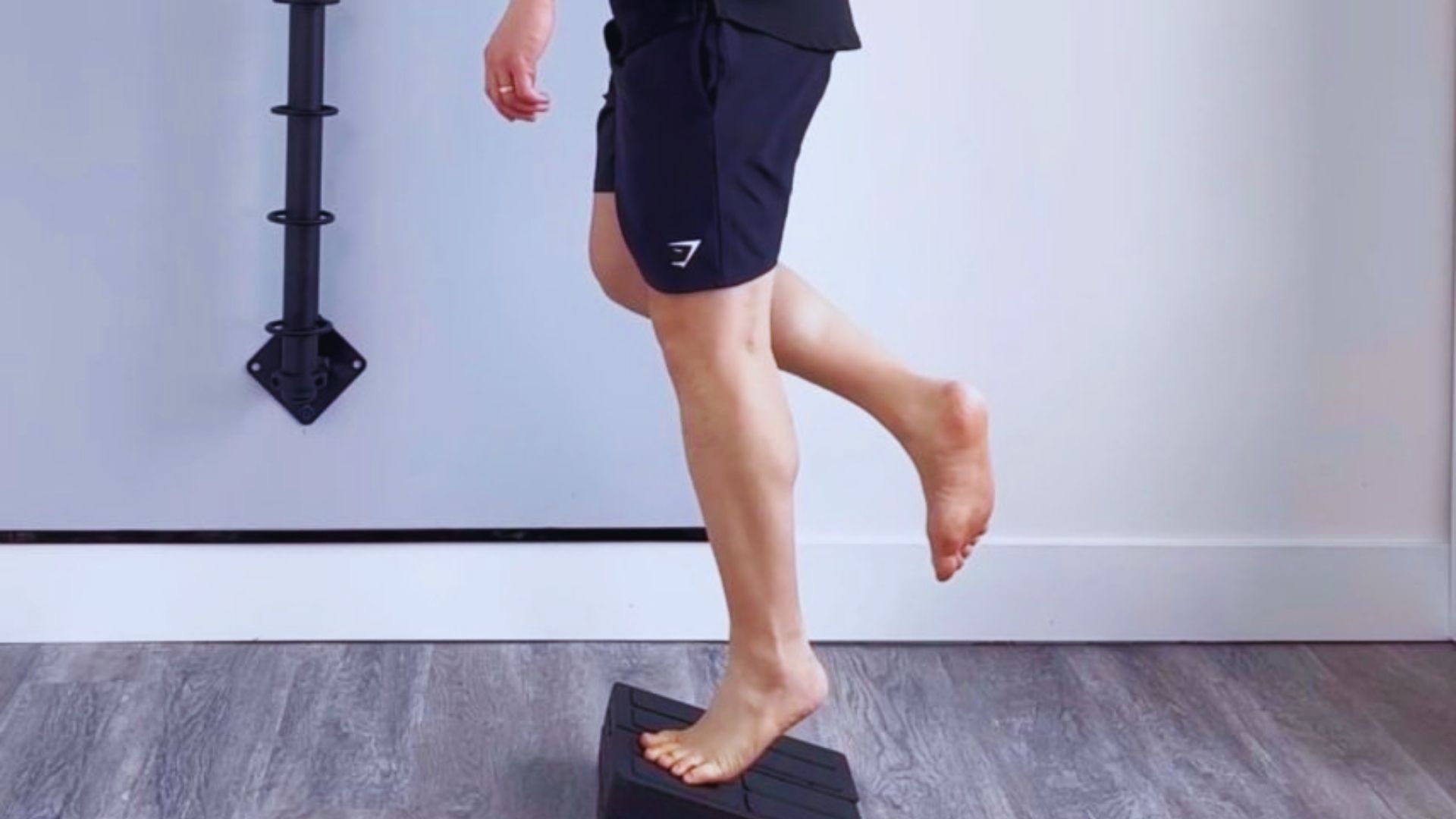
This variation intensifies the heightened calf raise by performing it on one leg. Balancing on a single foot, you lower your heel below the step and rise slowly.
This exercise builds strength, balance, and control in the working leg, helping both calves develop evenly and respond better to daily or athletic movements.
5. Seated Calf Raise (Bodyweight Version)
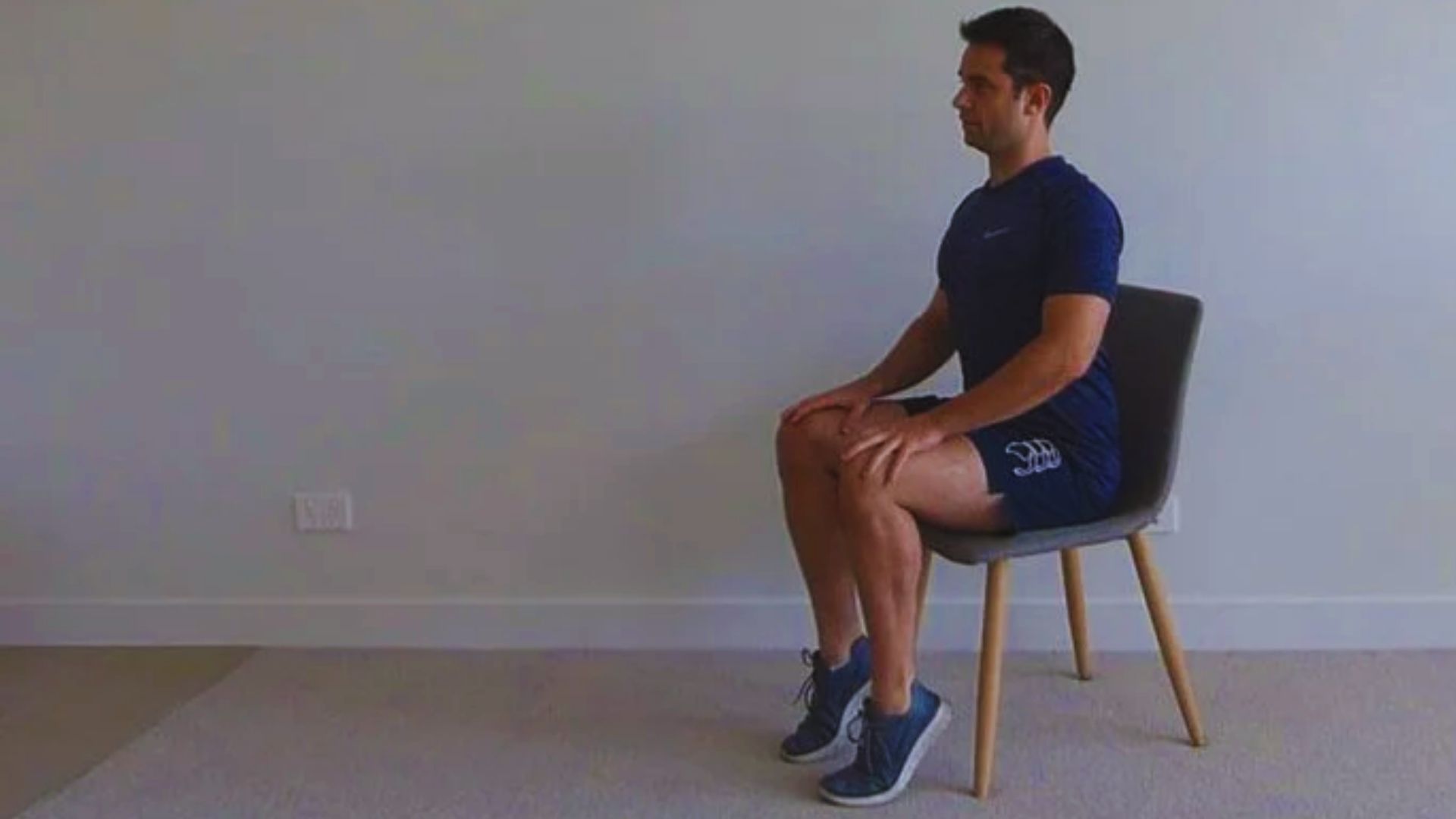
Seated calf raises focus mainly on the soleus muscle, which supports bent-knee movements.
Sit on a chair, lean slightly forward, and lift your heels while pressing lightly on your knees for resistance. Slowly lower the heels to the ground to strengthen calves and improve ankle stability effectively.
6. Calf Hops
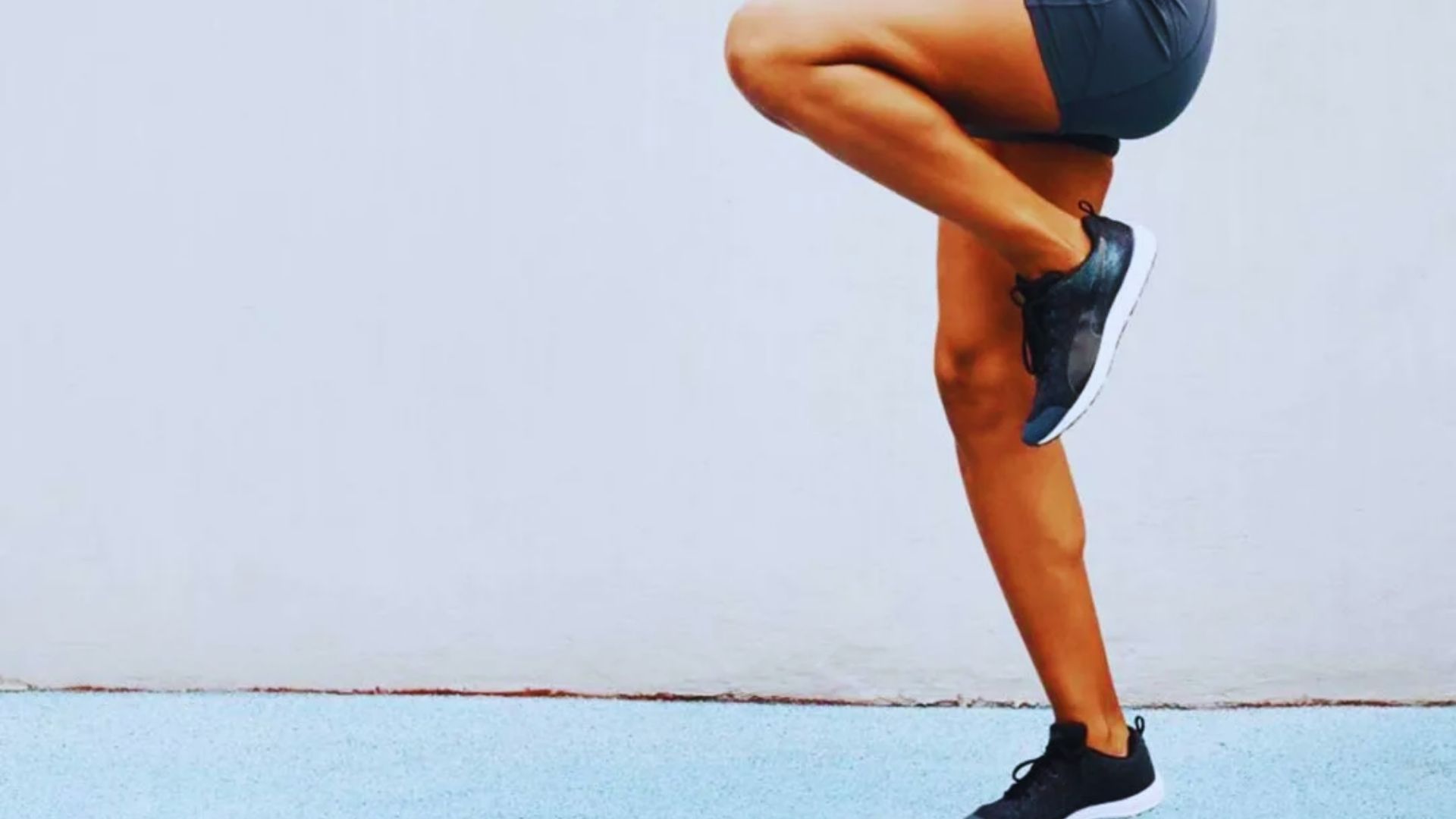
Calf hops are small, quick jumps performed on the balls of your feet. Keep minimal ground contact and land softly to reduce strain.
This exercise improves explosive power, endurance, and ankle stability while engaging both gastrocnemius and soleus muscles. It is ideal for warming up or finishing a calf workout.
7. Jump Rope / Shadow Jumping
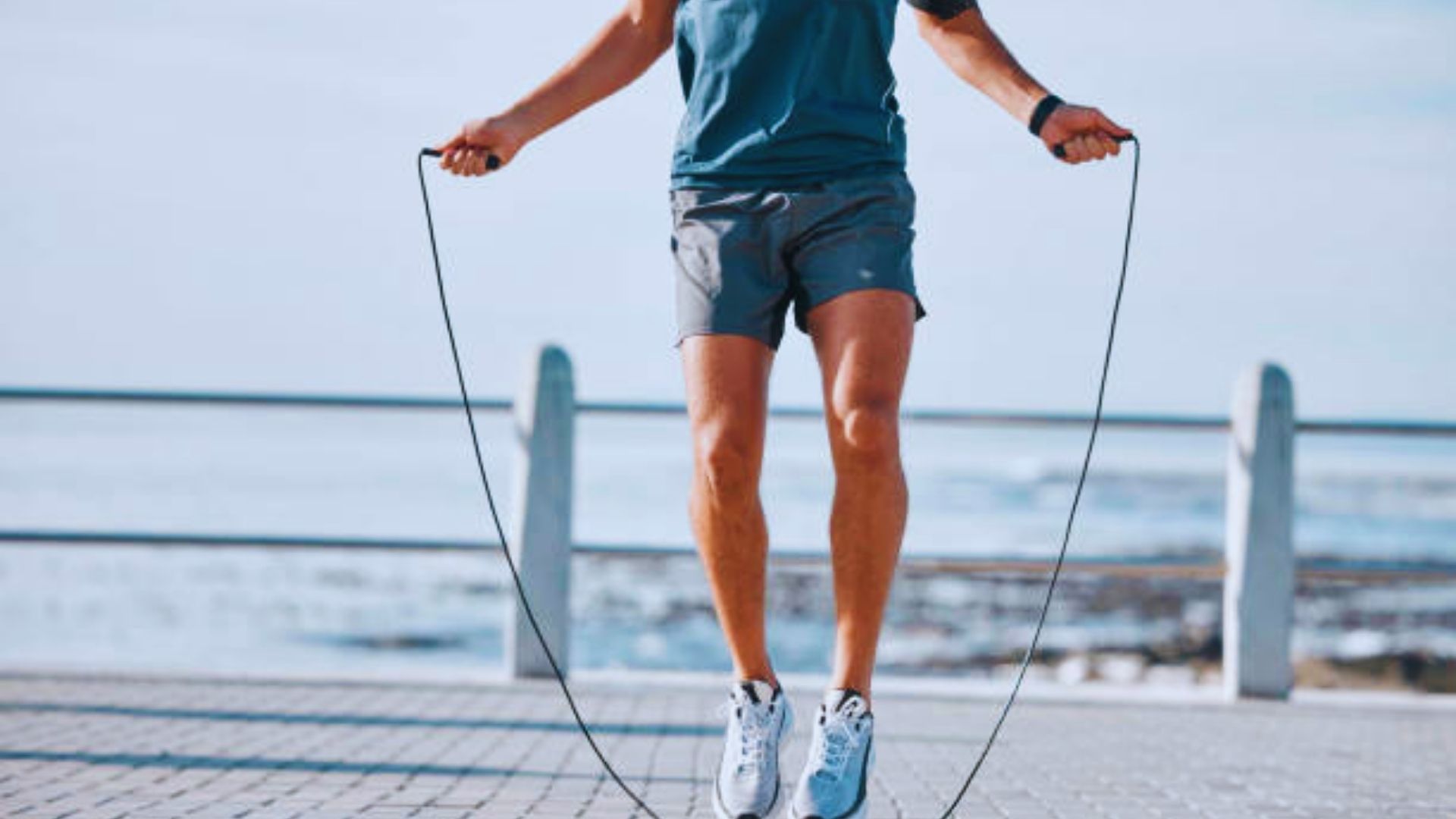
Jump rope or perform shadow jumping using rapid, controlled ankle movements. Keep your feet close to the ground and land lightly on the balls of your feet.
This exercise strengthens calves, increases quickness, and improves overall endurance. It also supports coordination and builds stamina for running and jumping activities.
8. Lunge Pulses with Calf Focus
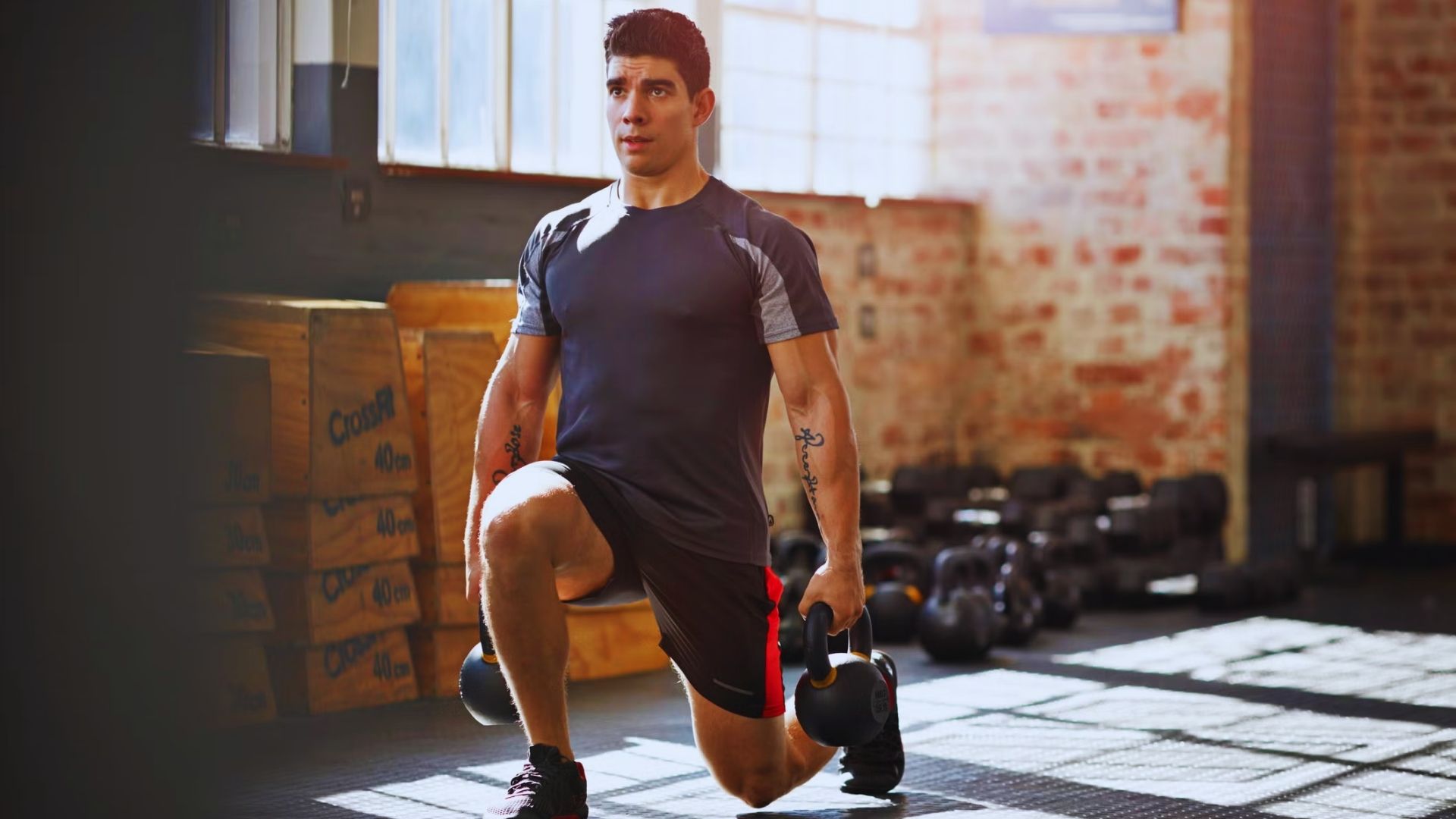
While in a lunge position, pulse slowly up and down, focusing on the front leg’s calf. Maintain balance and engage your core to stabilize.
This movement strengthens the soleus and gastrocnemius while improving functional strength and ankle control, making everyday movements and athletic performance more efficient.
9. Deep Squat Calf Raises
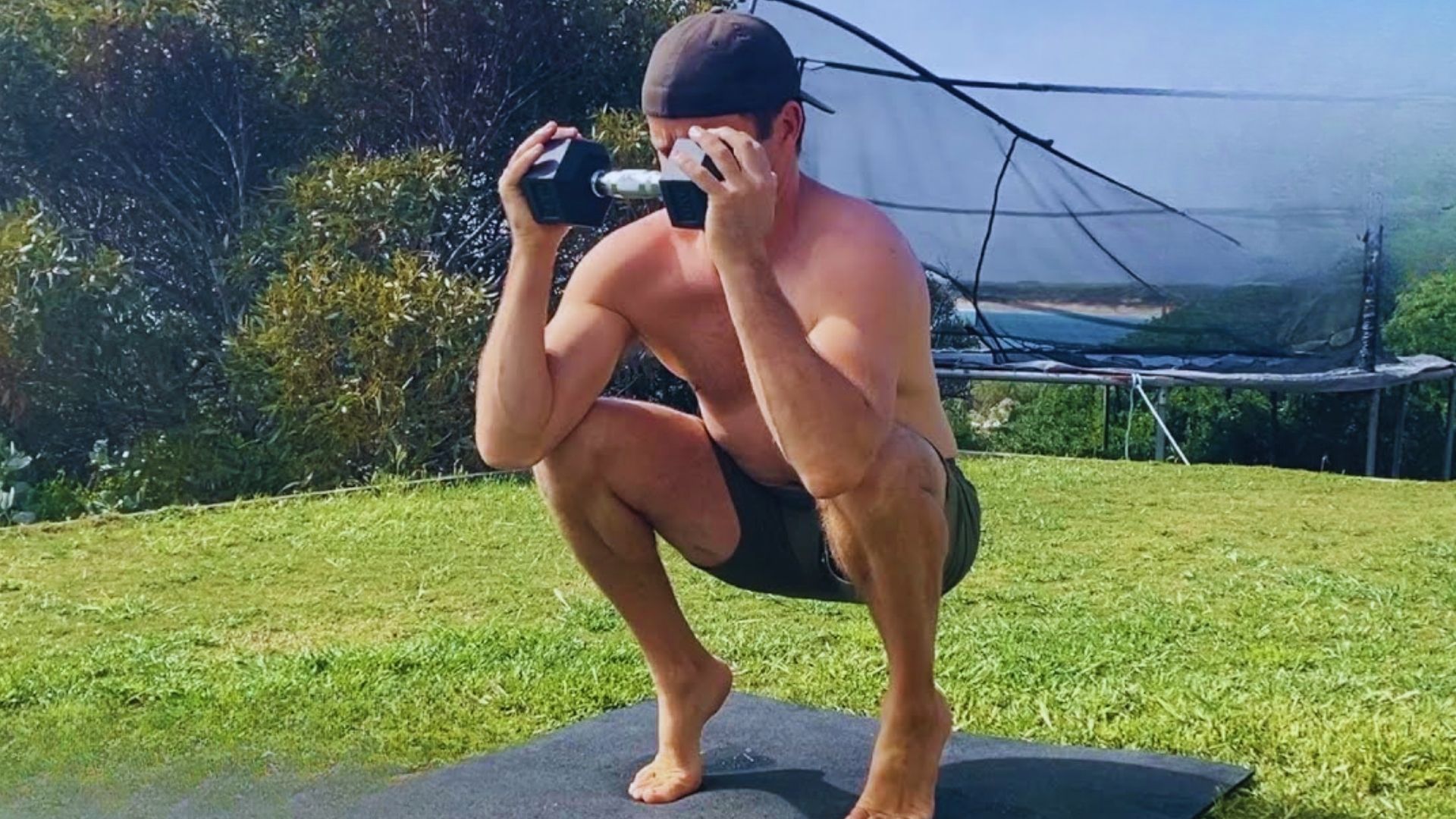
In a deep squat, rise slowly onto your toes, keeping heels aligned. This variation targets the soleus primarily and also engages the gastrocnemius.
Performing the exercise slowly with control increases calf endurance, improves ankle flexibility, and strengthens the muscles used in squats, lunges, and other bent-knee movements.
10. Donkey Calf Raises (Bodyweight)
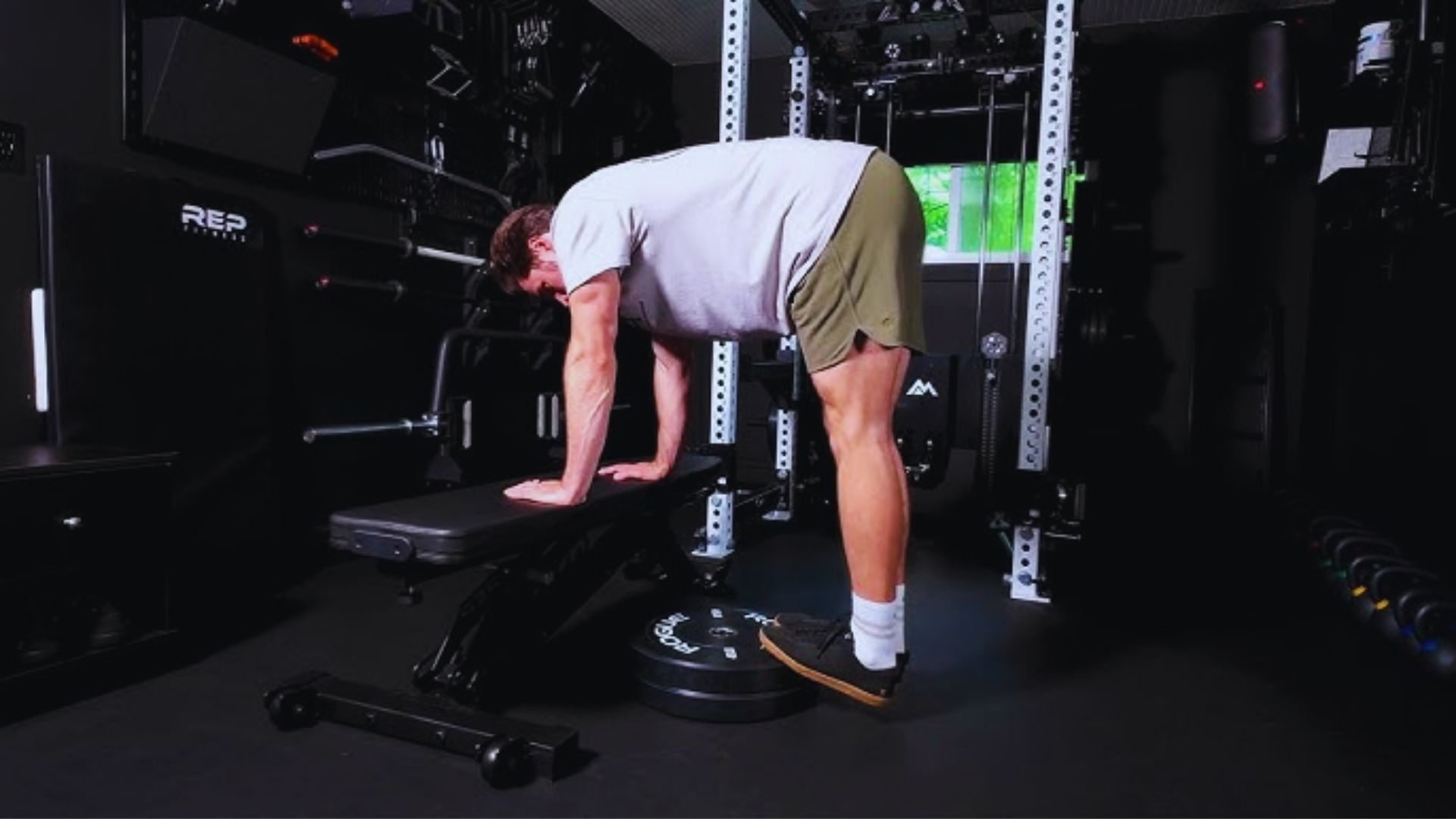
Place your hands on a stable surface, hinge at the hips, and lift your heels while keeping your legs straight.
Donkey calf raises emphasize the gastrocnemius and help improve calf strength, ankle stability, and lower-leg control. This bodyweight exercise is effective for both beginners and advanced trainees.
11. Side-to-Side Calf Raises
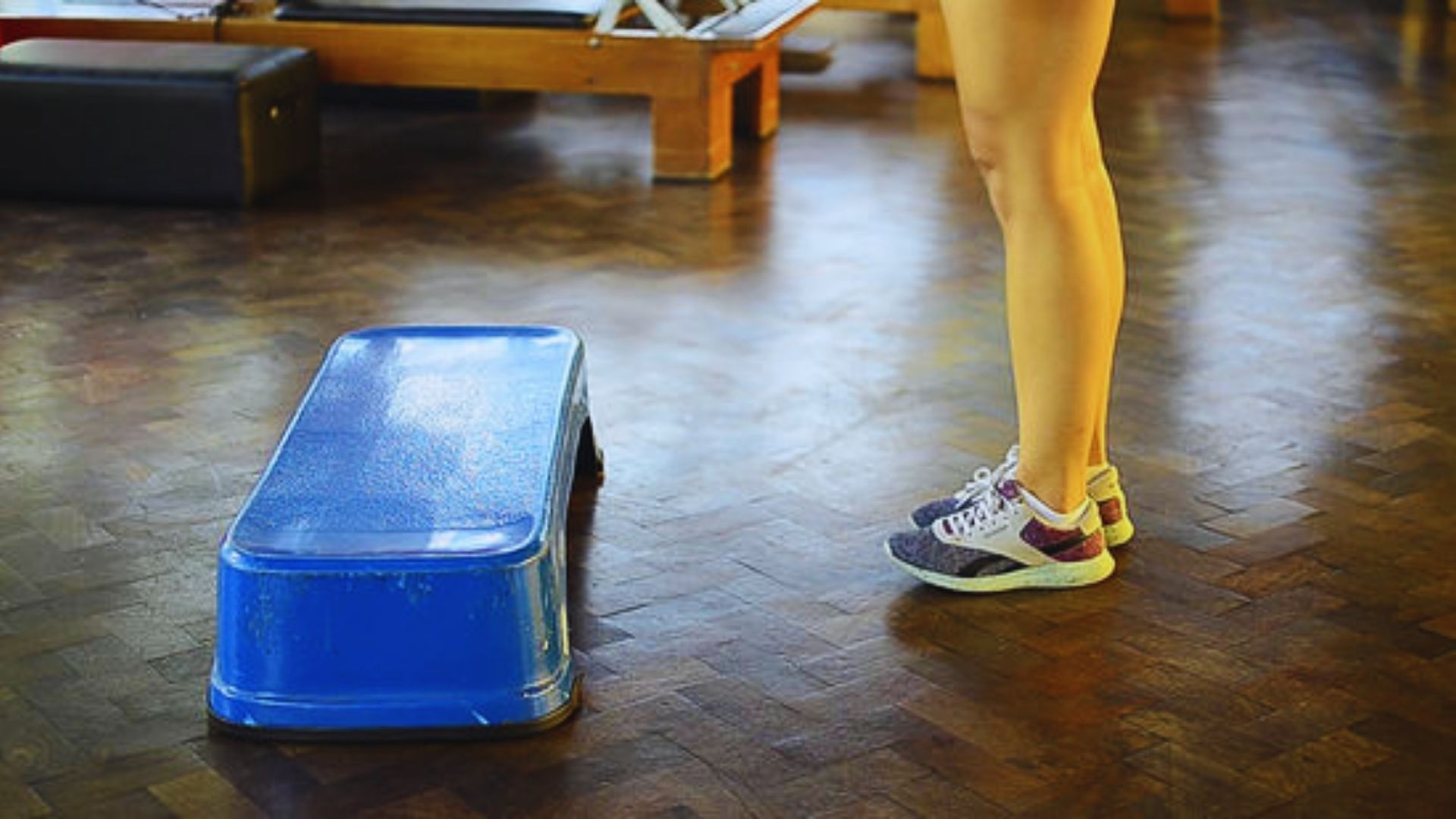
Shift your weight from one foot to the other while standing on the balls of your feet. Rise and lower slowly to engage the calves fully.
This exercise strengthens stabilizing muscles around the ankle, improves balance, and supports lateral movements needed in sports and daily activities.
12. Tip-Toe Walk
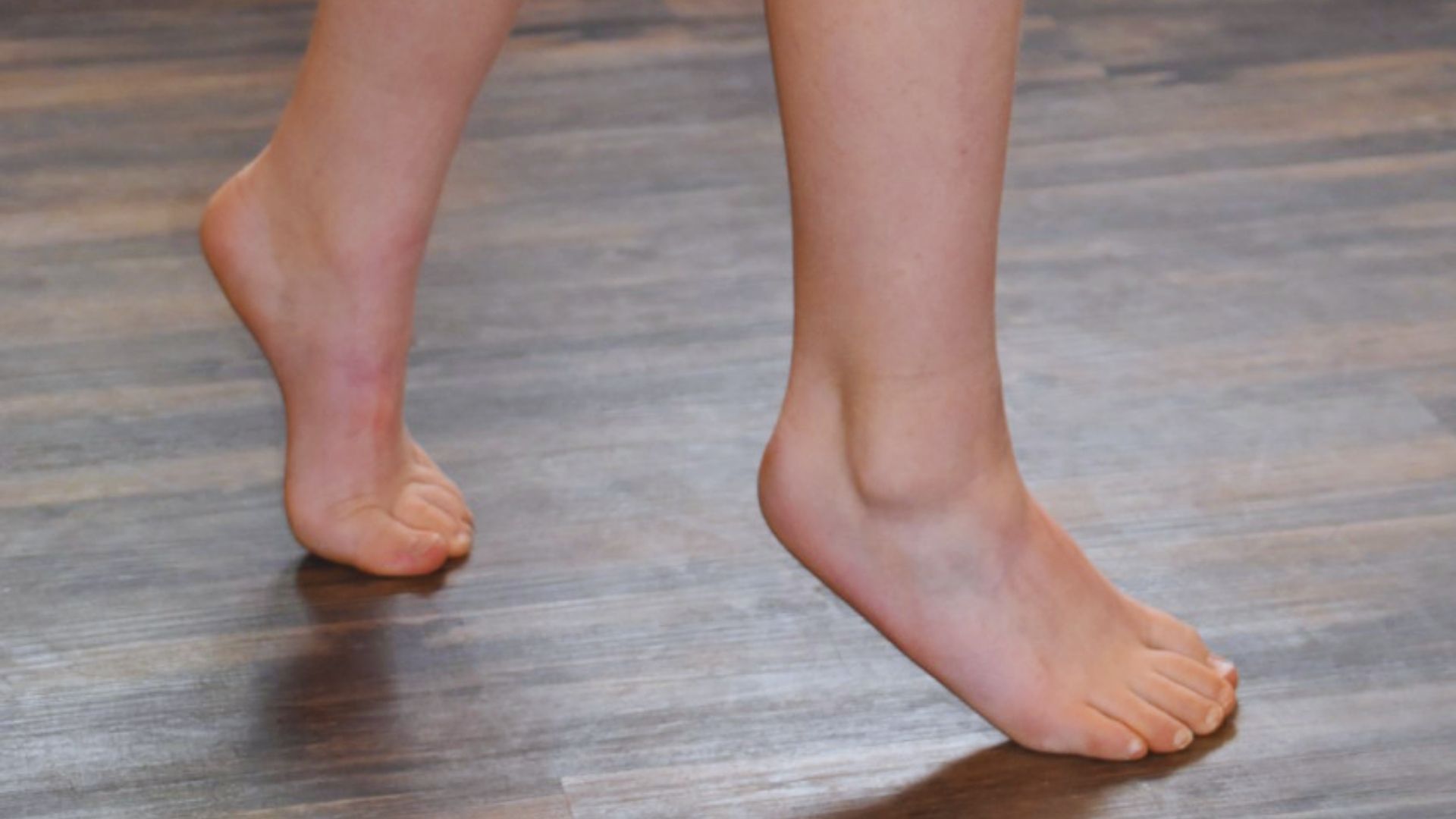
Walk forward on the balls of your feet for a set distance or time, keeping your heels lifted.
This exercise builds calf endurance, strengthens both gastrocnemius and soleus, and improves ankle control.
It also improves posture and makes walking, running, and jumping smoother and more stable.
13. Heel Drop Stretch with Raise

Stand on the edge of a step or raised surface, lower your heels fully, and then rise explosively onto your toes. This movement stretches the calves while strengthening them at the same time.
It improves flexibility, builds strength, and supports ankle stability during daily and athletic movements.
14. Wall Calf Press
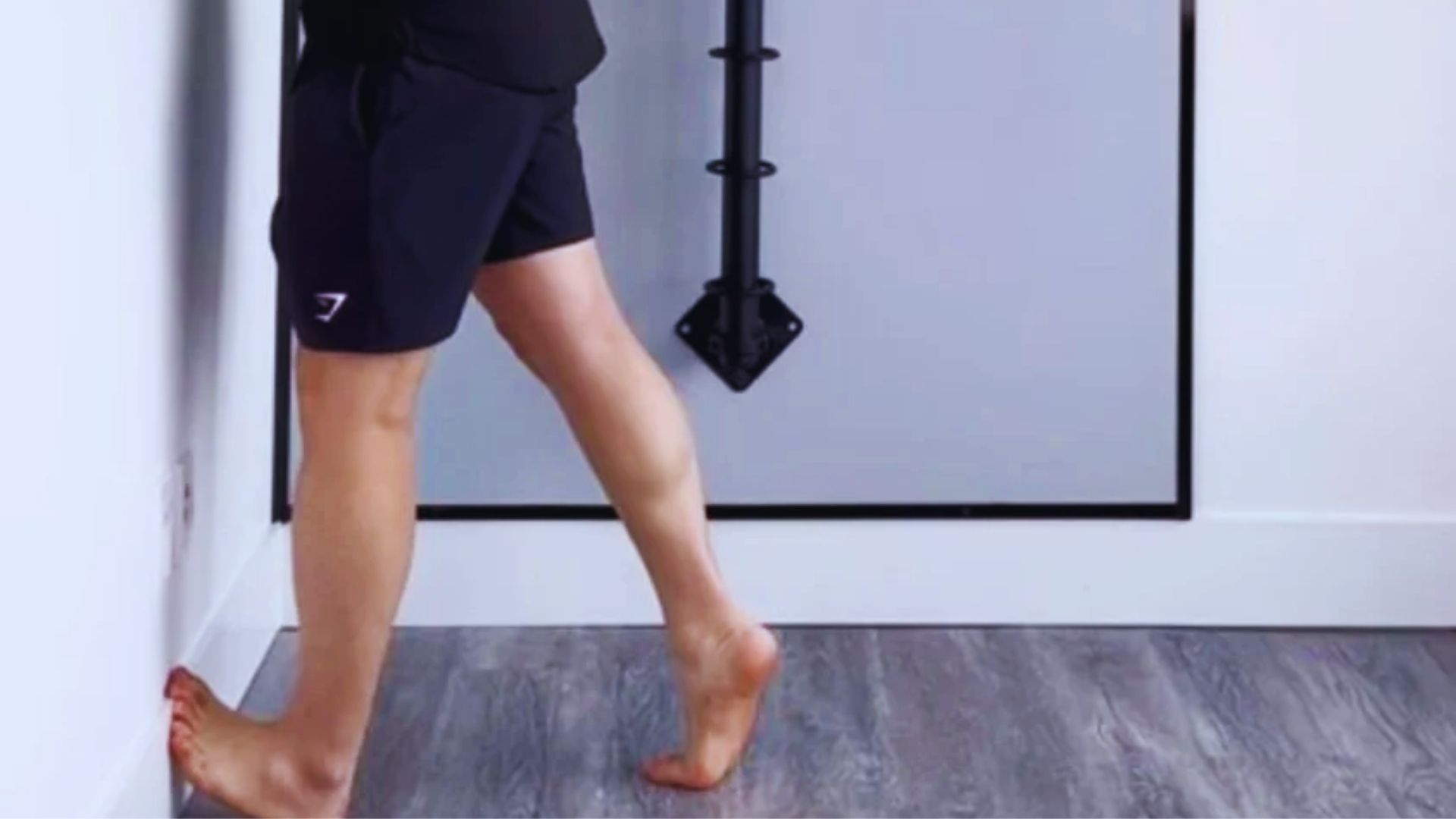
Place one foot forward and lean into a wall while rising onto the back foot’s toes. Press through your heels slowly as you lift.
This variation strengthens both calf muscles, improves ankle stability, and teaches controlled movement, making it effective for functional strength and daily mobility.
15. Calf Squeeze Hold

Stand on your toes and hold at the top of the movement for 10-20 seconds. This isometric exercise focuses on endurance in the gastrocnemius and soleus.
Holding the contraction strengthens the calves, improves stability, and helps maintain proper muscle engagement during longer activities or workouts.
16. Single-Leg Hop Series

Perform small, controlled hops on one leg, keeping your movements steady and balanced. This exercise strengthens the calves while improving ankle stability, coordination, and power.
It also builds endurance in both the gastrocnemius and soleus, making it a great functional movement for sports and daily activities.
17. Squat with Heel Lift
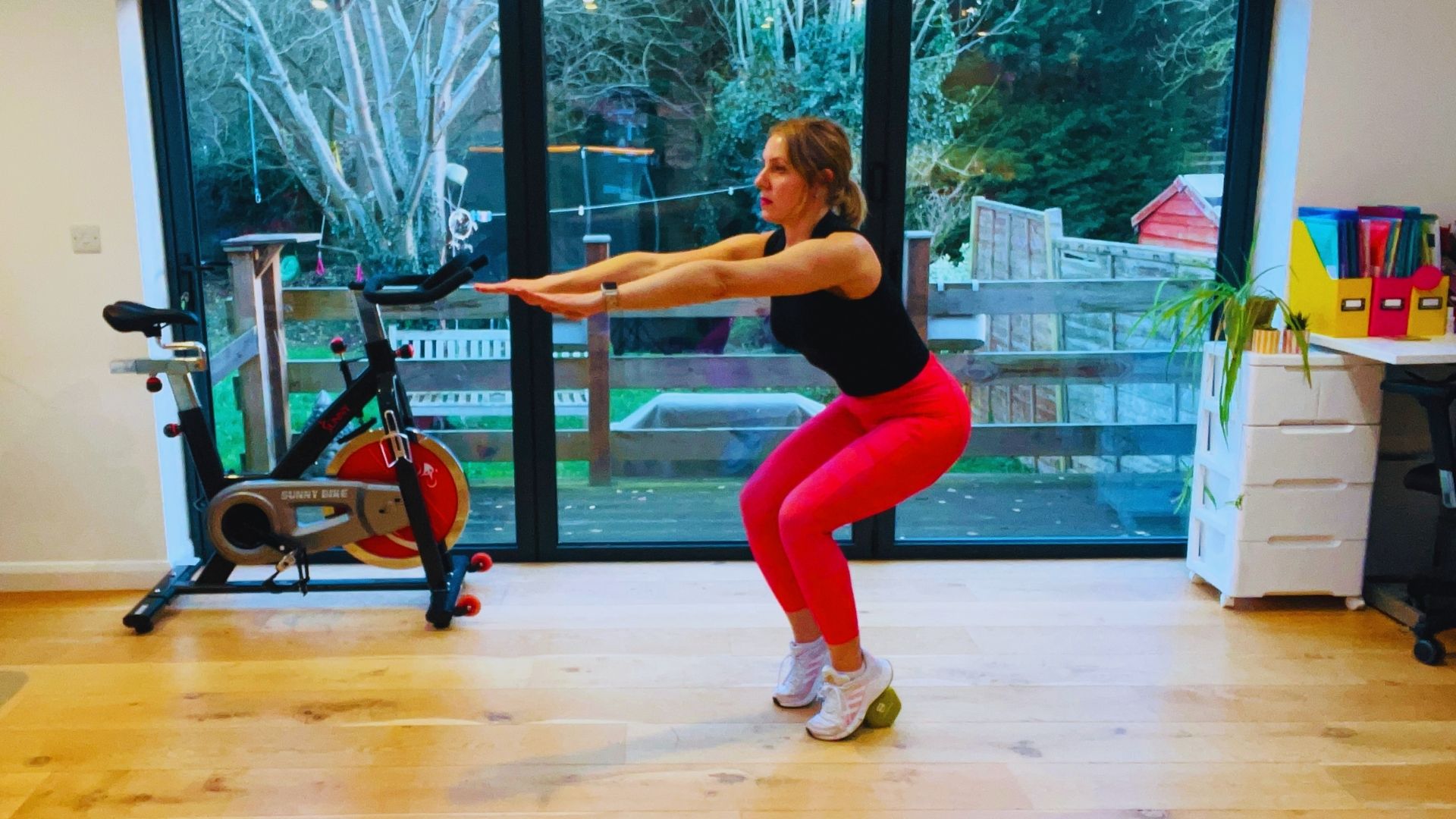
While performing a bodyweight squat, rise onto your toes at the top of the movement. This combines lower-body strength with calf activation.
It strengthens the gastrocnemius and soleus, improves ankle stability, and helps develop better control in movements like squats, lunges, and jumps.
18. Alternating Heel Raises
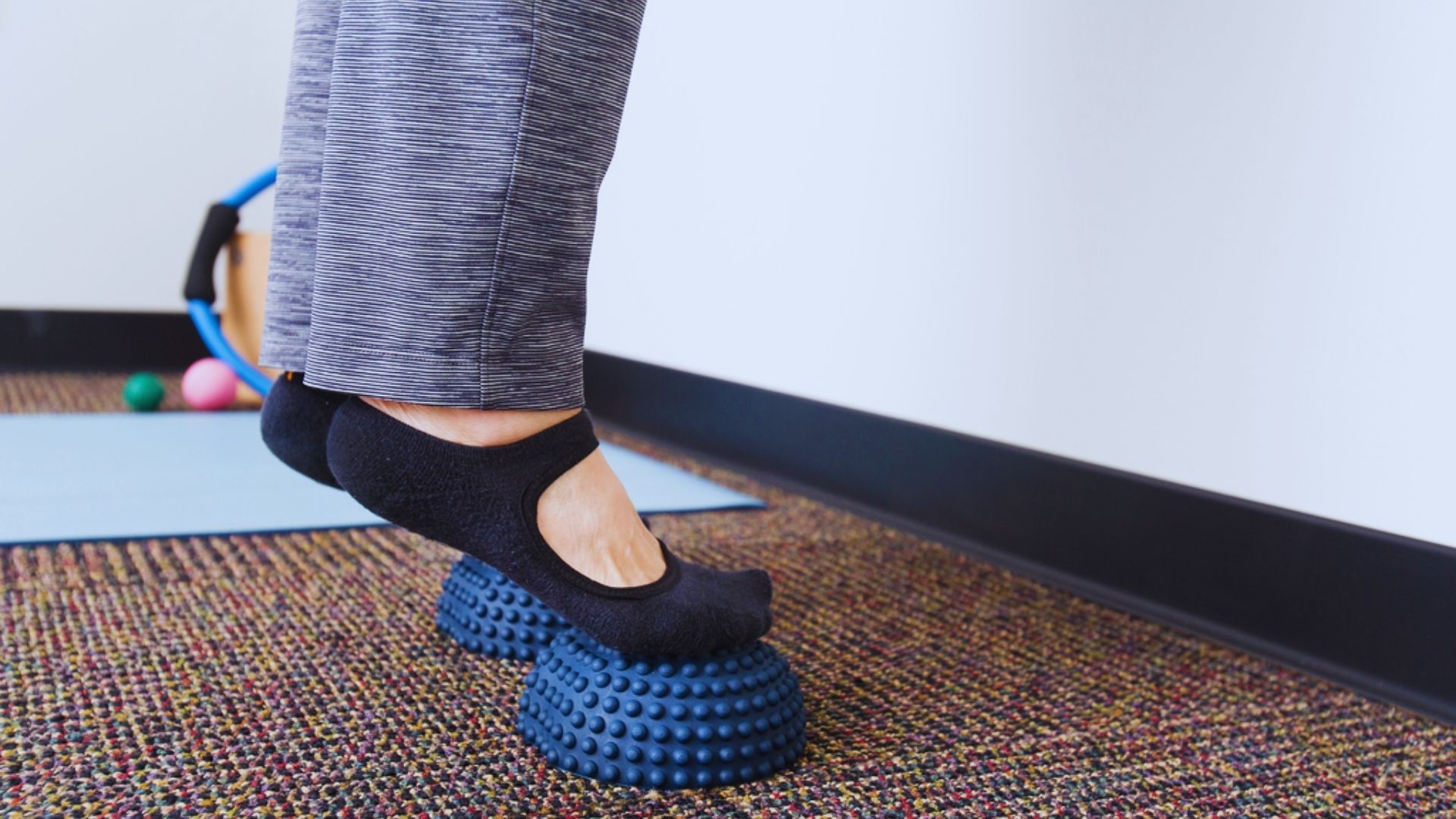
Quickly lift your heels up and down, alternating between each foot while maintaining balance.
This exercise engages both calf muscles, improves neuromuscular control, and improves ankle coordination.
It also trains endurance and responsiveness, which is useful for running, jumping, and dynamic lower-body movements.
19. Side Lunge Calf Raise
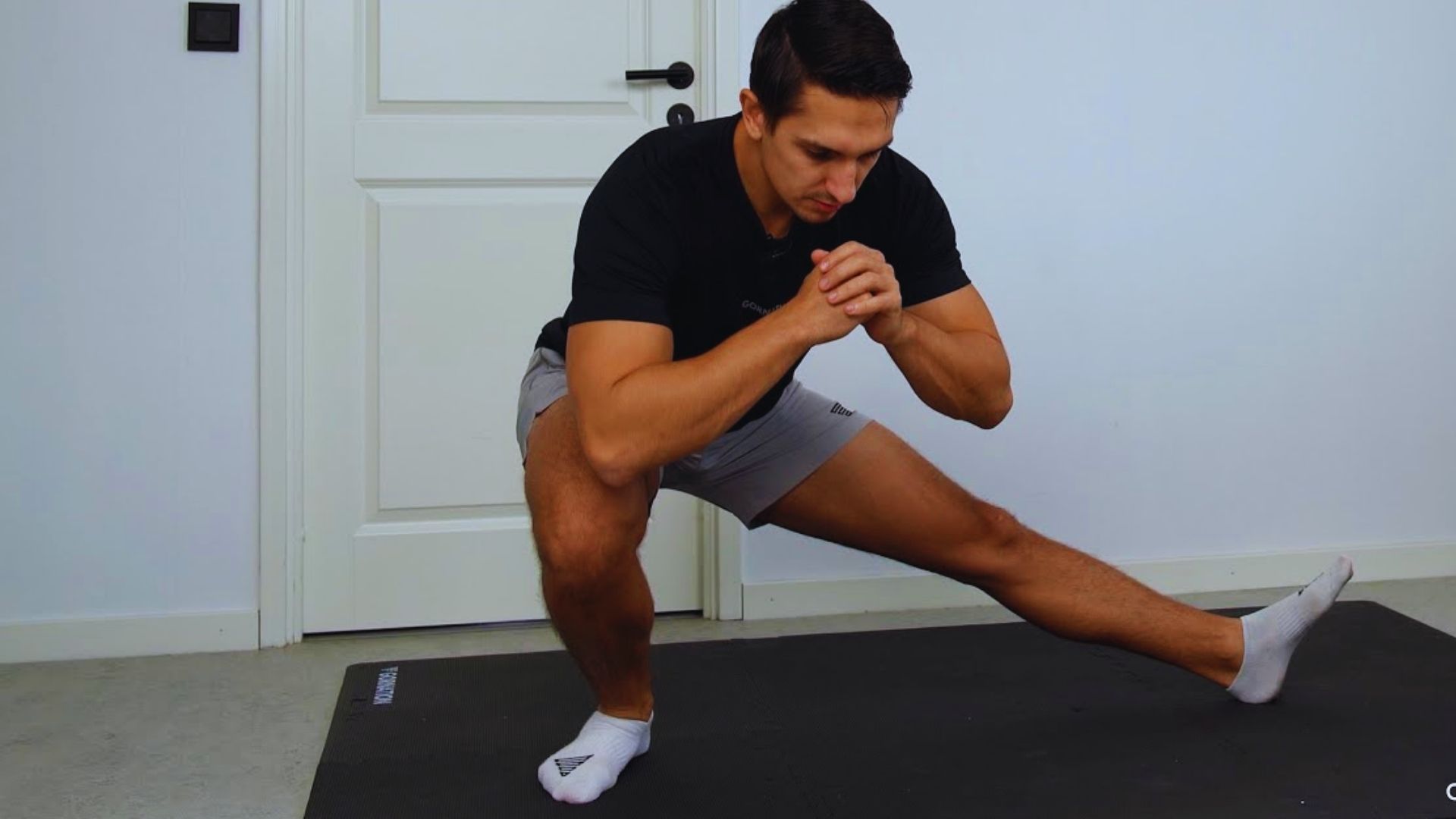
Step into a side lunge and rise onto the toes of the lunging leg, keeping control throughout. This targets the calves at an oblique angle while strengthening stabilizers in the ankles and legs.
It also improves lateral strength and supports balance for daily or athletic movements.
20. Curtsy Lunge Calf Raise

Perform a curtsy lunge and lift onto the front foot’s toes, keeping your balance steady. This movement activates both gastrocnemius and soleus muscles while improving ankle stability and lateral control.
It also adds functional strength for side-to-side movements and helps maintain proper calf engagement.
21. Single-Leg Eccentric Calf Lower
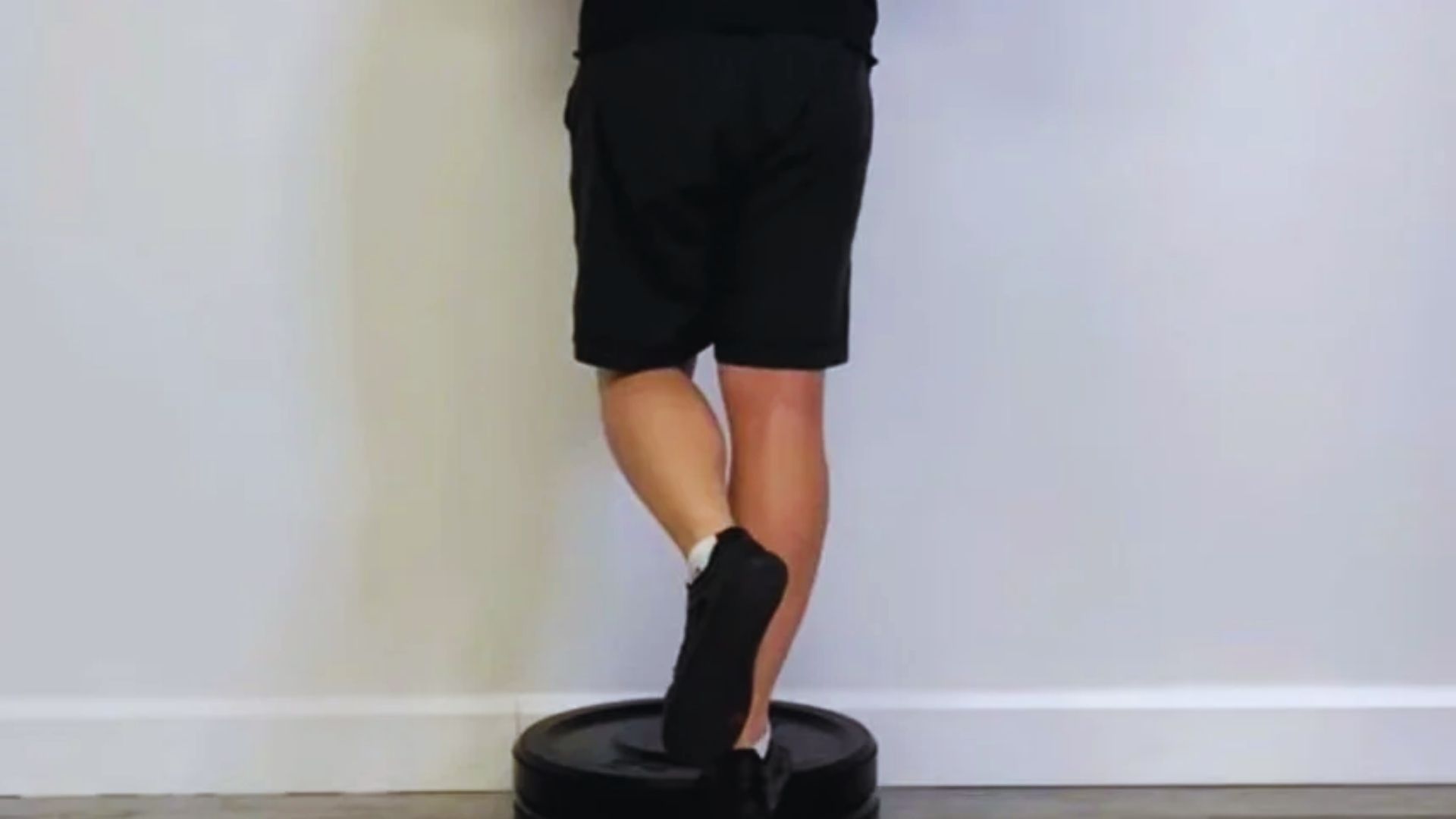
Rise onto your toes using both legs, then slowly lower down on one leg with control.
This eccentric-focused movement strengthens the gastrocnemius and soleus, improves ankle stability, and encourages muscle growth.
It also develops balance and control, making calves stronger and more resilient for daily and athletic activities.
22. Ankle Circles on Tip-Toes
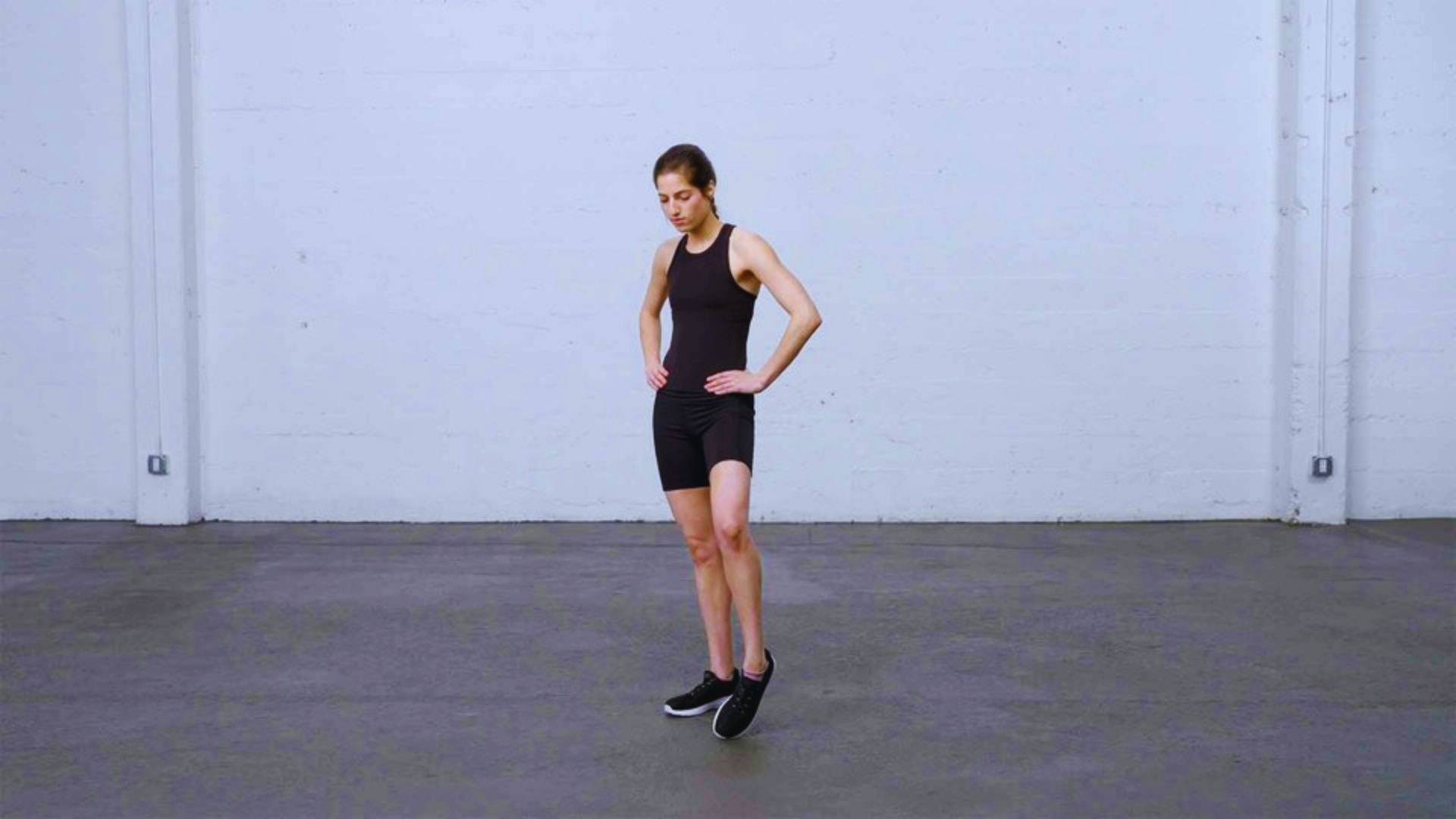
Balance on your toes and rotate your ankles slowly in clockwise and counterclockwise directions.
This exercise strengthens the calf muscles while improving ankle mobility and joint control. It also helps prevent injuries, supports better balance, and increases endurance in both the gastrocnemius and soleus over time.
23. Frog Pose Calf Raises
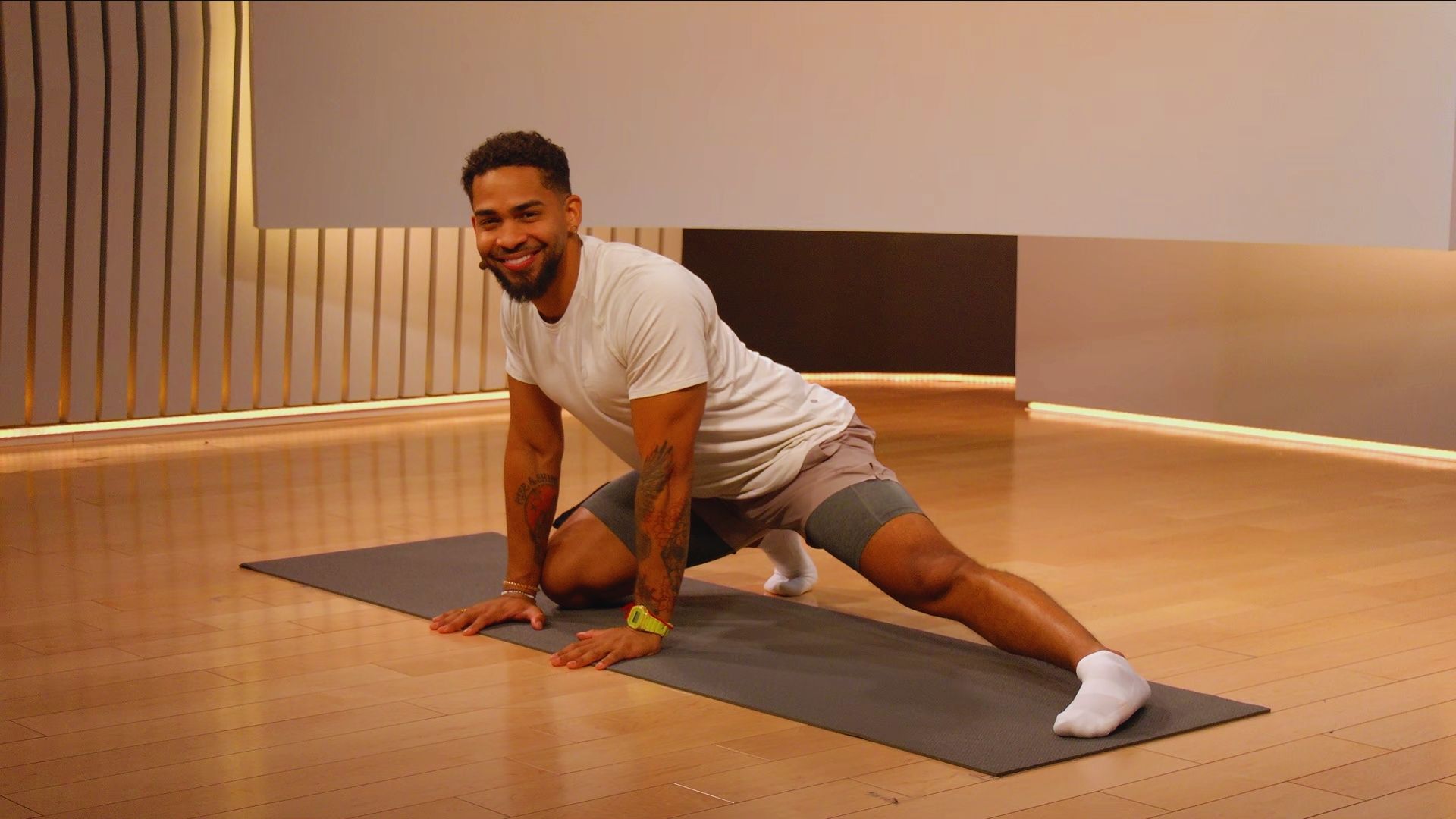
From a deep squat with heels together, rise slowly onto your toes while keeping balance. This exercise stretches the calves while building strength in both the gastrocnemius and soleus.
It improves flexibility, ankle stability, and lower-leg control, making your calves more functional and capable in everyday movements.
Key Principles for Bodyweight Calf Training
Strong calves come from more than just lifting your heels.
Full range of motion: Let your heels dip below your toes and rise as high as possible to fully engage the calf muscles.
Controlled movements: Lower your heels slowly to keep tension on the muscles and get the most out of each repetition.
High repetitions: Calves are built for endurance, so aim for 15–25 reps or continue until you feel fatigue.
Variation: Include both straight-leg and bent-leg exercises to target the gastrocnemius and soleus for balanced development.
Progressive overload: Increase intensity using bodyweight techniques like single-leg raises, heightened positions, and pulse movements.
Practicing these principles regularly ensures stronger, more stable, and resilient calves.
Calf Training Routine Examples
Training your calves effectively depends on your fitness level. The right routine helps build strength, endurance, and stability safely.
Beginner: Perform 3 sets of 15-20 repetitions for each exercise. Focus on maintaining proper form and controlled movements to safely build calf strength and endurance.
Intermediate: Include single-leg and raised variations. Complete 3-4 sets of 20-25 repetitions, gradually increasing intensity while keeping movements slow and controlled.
Advanced: Combine jumps, pulses, and high-repetition holds. Perform 4-5 sets until your calves reach fatigue. This level challenges both strength and endurance for well-rounded development.
Weekly schedule: Aim for 2-3 calf-focused sessions per week. Allow rest days in between to promote recovery and prevent overuse injuries.
Consistent practice builds stronger calves and lowers injury risk.
Common Mistakes & How to Avoid Them
Avoiding common mistakes ensures safer, more effective calf training.
| Common Mistake | How to Avoid It |
| Bouncing or rushing reps | Perform all movements slowly and with control to keep tension on the muscles. |
| Partial range of motion | Lower heels fully and rise as high as possible to engage the entire calf. |
| Ignoring both straight-leg and bent-leg movements | Include exercises for both gastrocnemius (straight-leg) and soleus (bent-leg) for balanced development. |
| Overtraining | Allow rest days between sessions and listen to your body to promote recovery and prevent injury. |
Following these tips helps maximize results while preventing injuries and promoting balanced muscle growth.
Benefits of Bodyweight Calf Training
Bodyweight calf exercises offer multiple advantages for strength, stability, and overall lower-leg health.
- Strengthens calves for running, jumping, and climbing stairs.
- Improves ankle stability and balance.
- Reduces injury risk, including Achilles tendon strain.
- Can be done anywhere, no equipment required.
Practicing these exercises regularly supports stronger, more resilient calves and reduces the risk of injuries.
Final Thoughts
Bodyweight calf exercises can significantly improve leg strength, balance, and endurance.
By working both the gastrocnemius and soleus, you support everyday movements and reduce injury risk.
Consistency and controlled technique are key, even with simple exercises.
Over time, your calves become stronger, more stable, and responsive, improving both daily activities and athletic performance.
Start incorporating these exercises at your own pace and notice the gradual improvement in strength and stability.
Take a few minutes daily and feel the difference in your lower legs!
Frequently Asked Questions
How Often Should I Stretch My Calves?
Stretch your calves 2-3 times per week or after workouts to maintain flexibility and reduce tightness.
Can Calf Exercises Improve Running Speed?
Yes, stronger calves improves push-off power and ankle stability, which can contribute to faster running.
Is It Normal For Calves To Soreness Last Several Days?
Mild soreness is normal after intense calf training, but it should fade within 48 hours. Prolonged pain may indicate overtraining.
Can Bodyweight Calf Training Prevent Shin Splints?
Yes, strengthening calves and improving ankle stability helps reduce the risk of shin splints during running or high-impact activities.
Are Calf Muscles Harder To Grow Than Other Muscles?
Calves have a high proportion of endurance fibers, so growth can be slower. Consistent training and full range movements are key to development.