Ever try to balance on one leg while reaching for something on a high shelf, and feel your whole core kick in to keep you from tipping over?
That's basically what the bird dog row trains, on purpose. A lot of people skip this move because it looks too basic to matter, but it quietly builds core stability, back strength, and balance all in one exercise.
If you want a move that trains your body the way it actually works in real life, not just in the gym, this guide walks you through proper form, setup, execution, and a few variations to try once you've got the basics down.
What Is the Bird Dog Row?
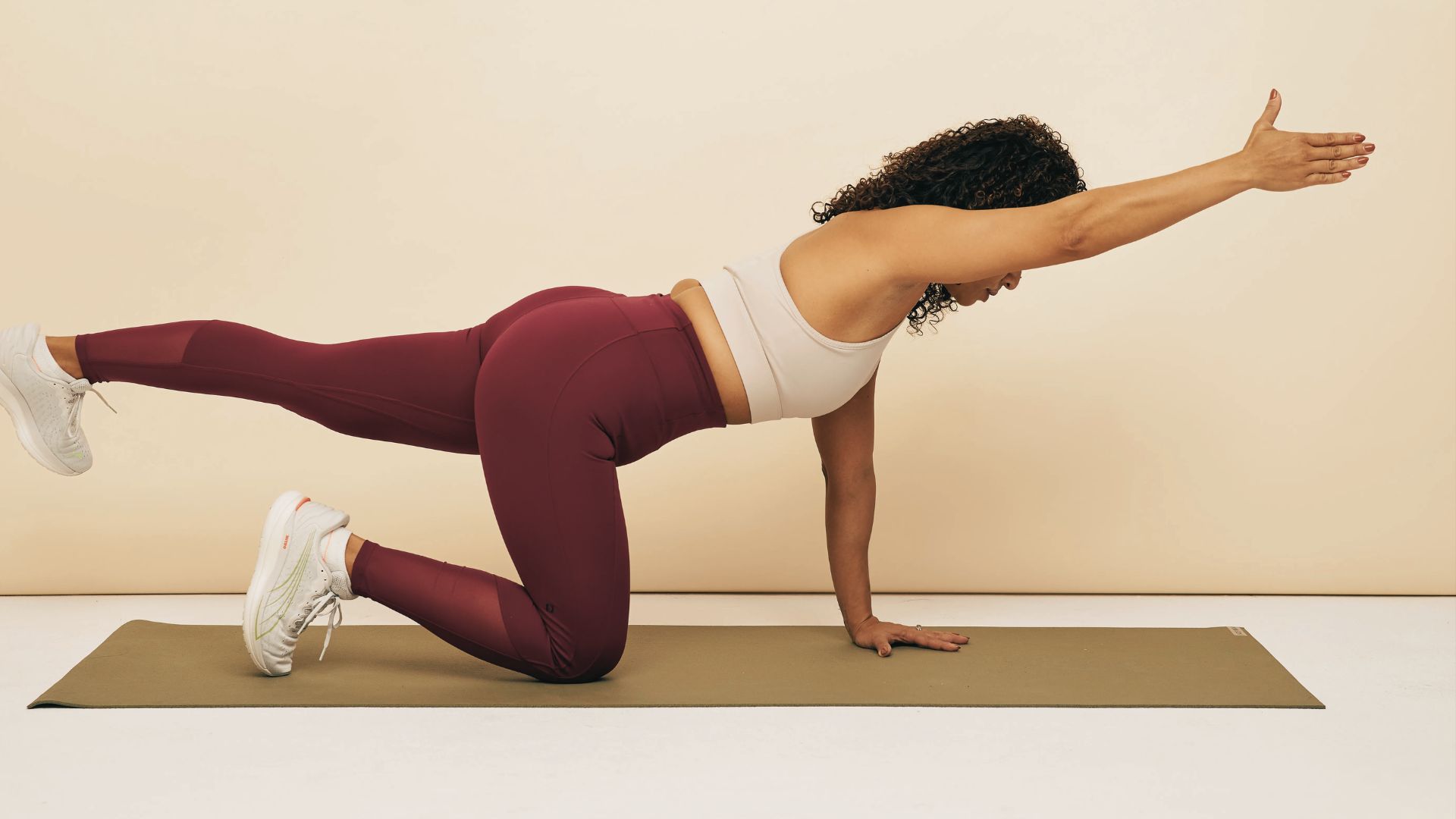
The bird dog row combines two classic moves into one. You start in the quadruped position, on your hands and knees, then add a rowing motion with a weight in one hand.
It sounds simple, but it asks a lot from your body at the same time. You have to balance, brace your core, and pull weight, all in one rep.
I like this exercise because it trains stability and strength together. Most row variations only work your back and arms.
This one also forces your core and hips to hold still while everything else moves. That combination makes it a smart pick for anyone who wants real functional strength, not just muscle size.
It's effective because it copies how your body works in daily life. You rarely lift something while standing perfectly still. You twist, reach, and balance at the same time.
The bird dog row trains this contralateral movement pattern directly, since your opposite arm and leg work together, which can lower your risk of injury and build strength you can actually use.
Muscles Worked During the Bird Dog Row
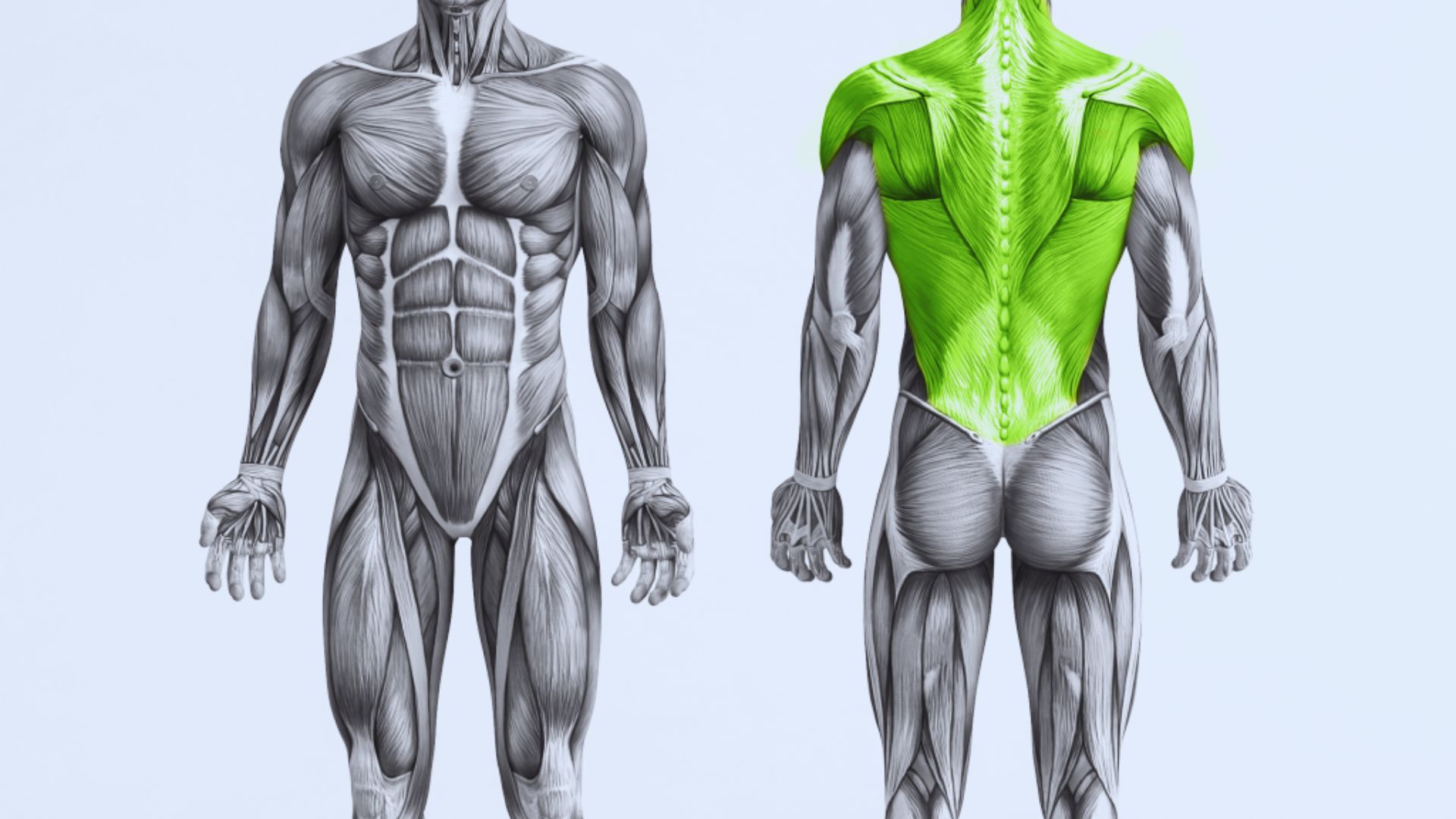
This move hits more muscles than people expect from something that looks so basic.
Primary muscles worked include your lats, rhomboids, and rear shoulders, along with help from your trapezius.
These are the muscles that pull the weight up toward your ribs during the row. Your glutes and hamstrings on the extended leg also work hard to keep your hip level.
Secondary stabilizing muscles include your obliques, your erector spinae, and the quadratus lumborum, plus the small muscles around your shoulder blade.
These muscles don't move much, but they fire constantly to keep you from tipping over or sagging in the middle.
Your core engagement here is the real star of the show. Every rep asks your abs and lower back to brace against rotation. When you pull the weight with one arm and reach one leg back, your body wants to twist.
Your core has to resist that pull. This is called anti-rotation training, and it's one of the best ways to build a core that protects your spine during real activities like carrying groceries or swinging a golf club.
How to Perform the Bird Dog Row Correctly
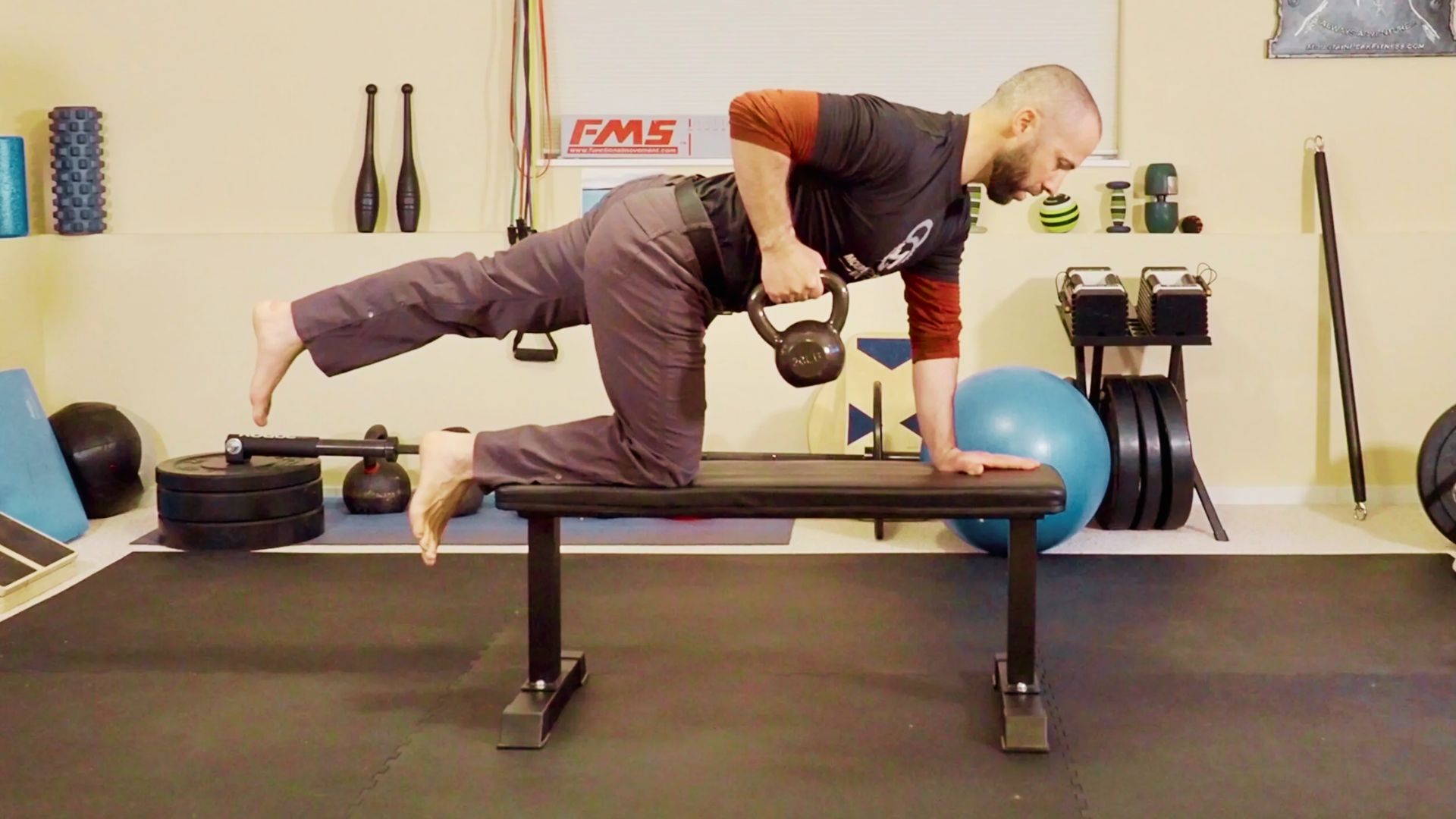
Good form makes or breaks this exercise. Here's how I walk people through it step by step.
Equipment Needed
You only need a few things to get started. Grab one dumbbell or kettlebell, something light to start.
A yoga mat or padded surface helps protect your knees and hands. That's really it. This move works well at home or in a gym.
Proper Starting Position
Get on all fours with your hands under your shoulders and your knees under your hips. Hold your weight in one hand. Keep your spine in a neutral line, not rounded and not arched.
Look down at the floor slightly so your neck stays relaxed.
Step-by-Step Instructions
- Brace your core like someone is about to poke your stomach.
- Extend your opposite arm and leg out straight, so if the weight is in your right hand, your left leg reaches back.
- Row the weight up toward your ribs, squeezing your shoulder blade back through scapular retraction as you pull.
- Lower the weight back down with control, using slow eccentric phase control instead of just dropping it.
- Return your arm and leg to the starting position.
- Switch sides after your set is done.
Move slowly through each step. Speed is not the goal here. Control is.
Breathing Tips
Breathe out as you row the weight up. Breathe in as you lower it back down. Don't hold your breath through the whole rep.
Holding your breath raises tension in the wrong places and makes it harder to stay balanced.
Common Bird Dog Row Mistakes to Avoid
I see the same few errors over and over, even with experienced lifters.
- Rotating the hips: This is the most common form of trunk rotation compensation. When your hips twist toward the rowing side, you lose the core benefit of the exercise. Keep your hips square to the floor the entire time.
- Arching the lower back: This happens when people try to lift too much weight or extend their leg too high. Your lower back should stay flat, not curved upward.
- Using excessive weight: This turns the move into a strength exercise instead of a stability one. Start lighter than you think you need. You can always add weight later once your form is solid.
- Rushing the movement: This isn't a move you should do fast. Slow, controlled reps build far more stability than quick ones, since more time under tension is what builds the stabilizing strength you're after.
Bird Dog Row Variations
Once you've got the basic version down, try mixing it up to match your fitness level.
1. Bodyweight Bird Dog
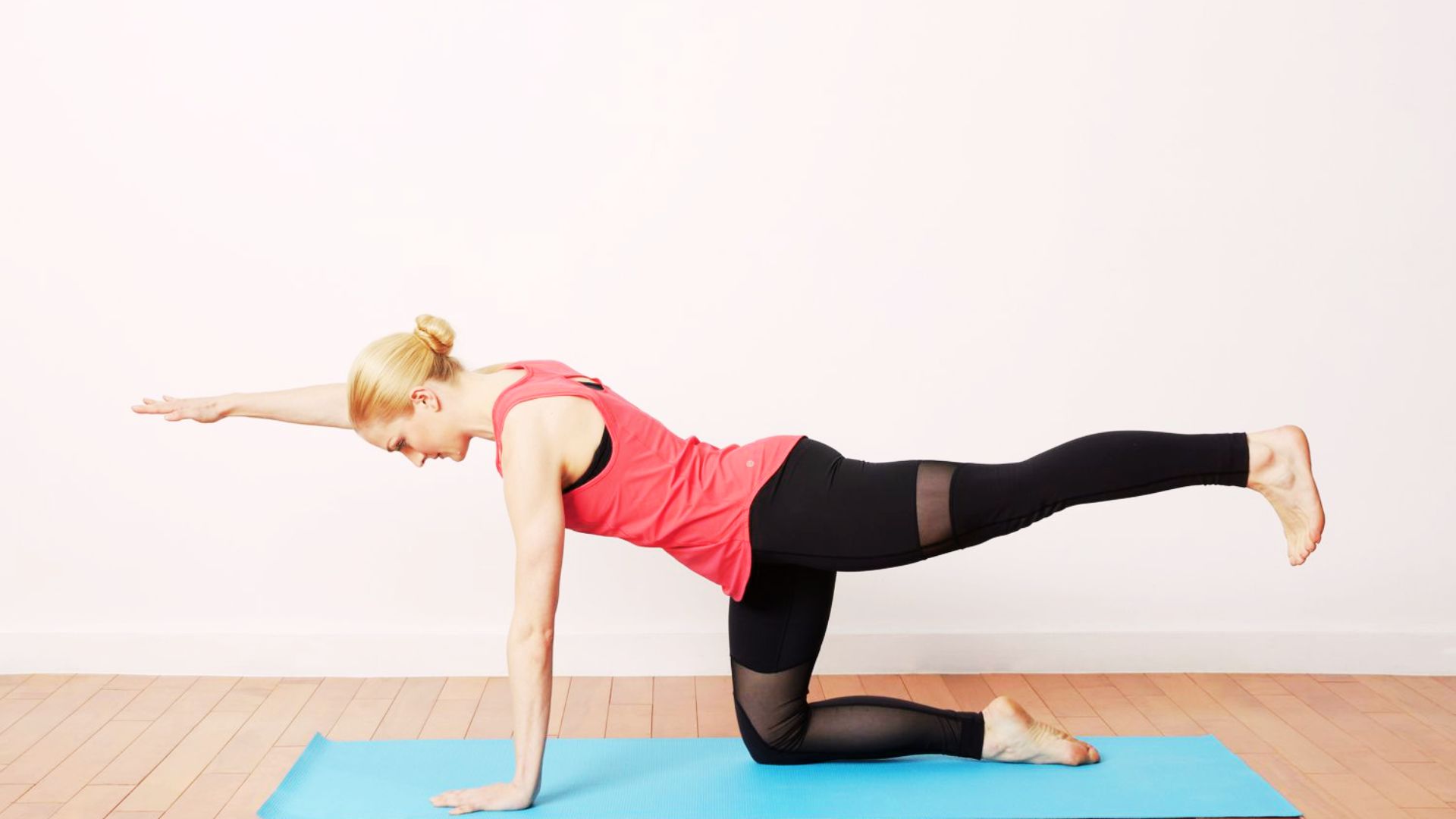
This version skips the weight entirely. It's the best place to start if balance is still tricky for you. Focus on holding the position without wobbling before you add a row.
2. Dumbbell Bird Dog Row
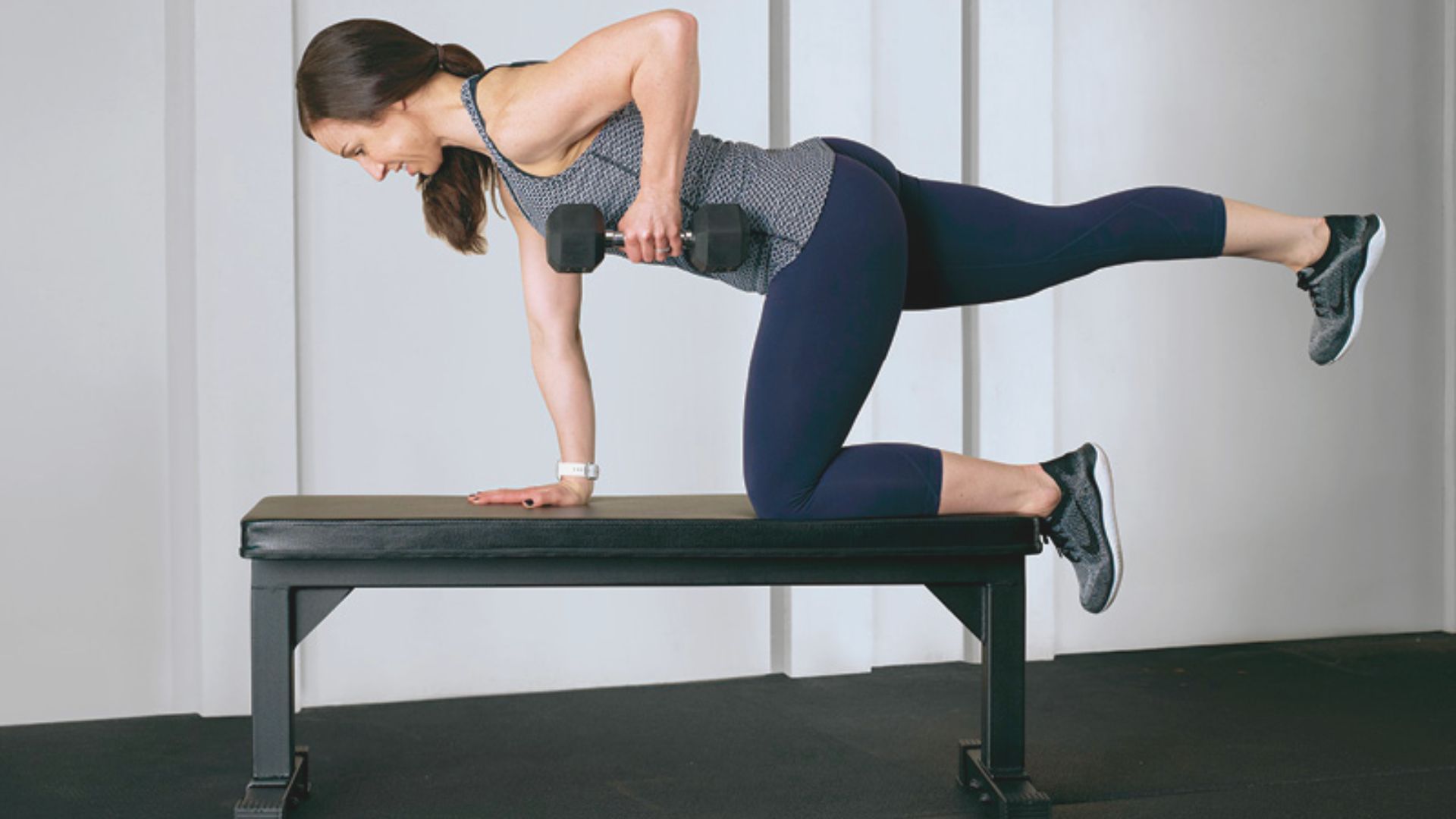
This is the standard version most people use. It adds resistance to the row while keeping the same stability demands.
3. Resistance Band Variation
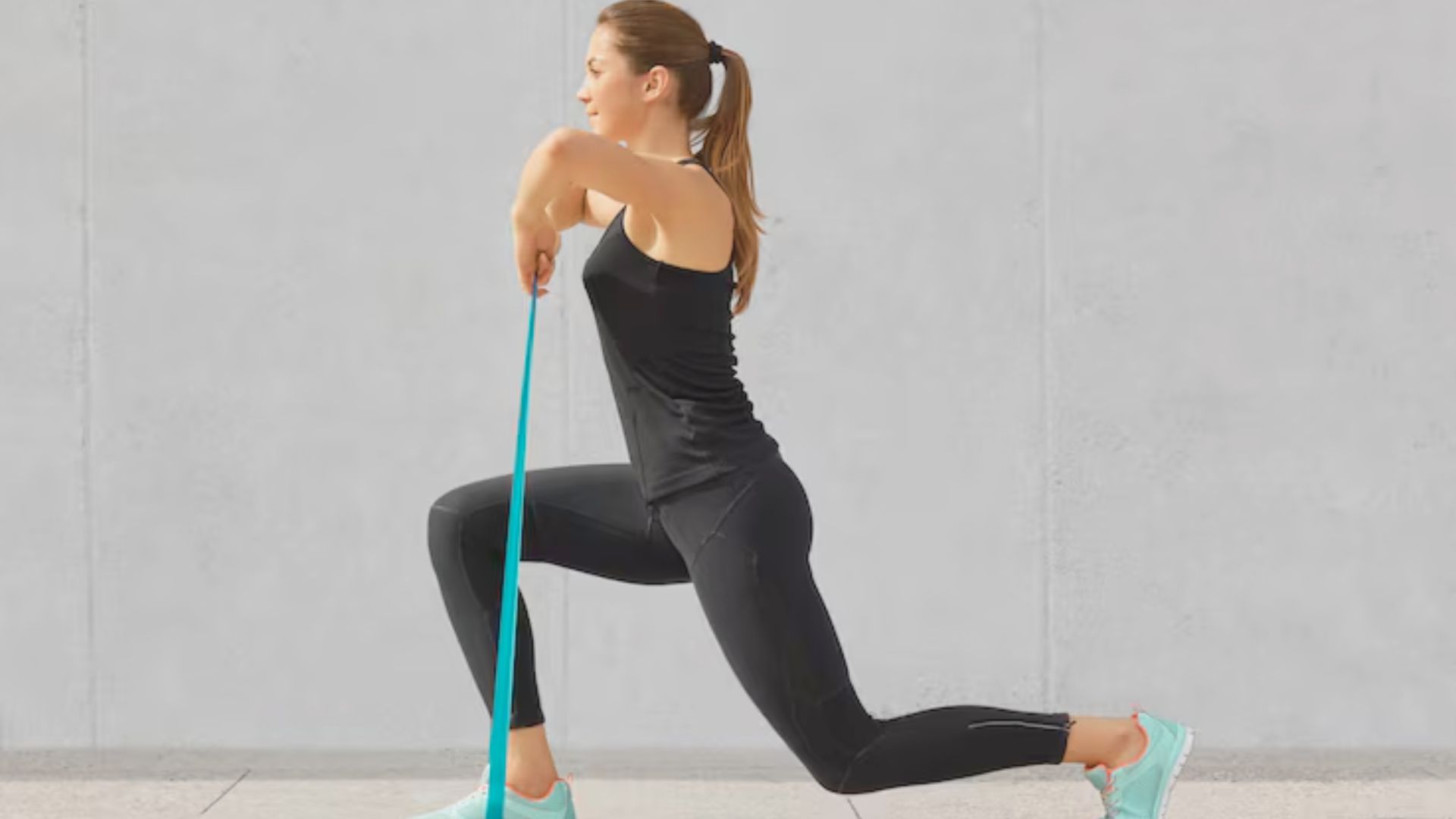
This uses a band anchored in front of you instead of a weight. It changes the resistance curve and can feel gentler on the joints.
4. Bench-Supported Variation
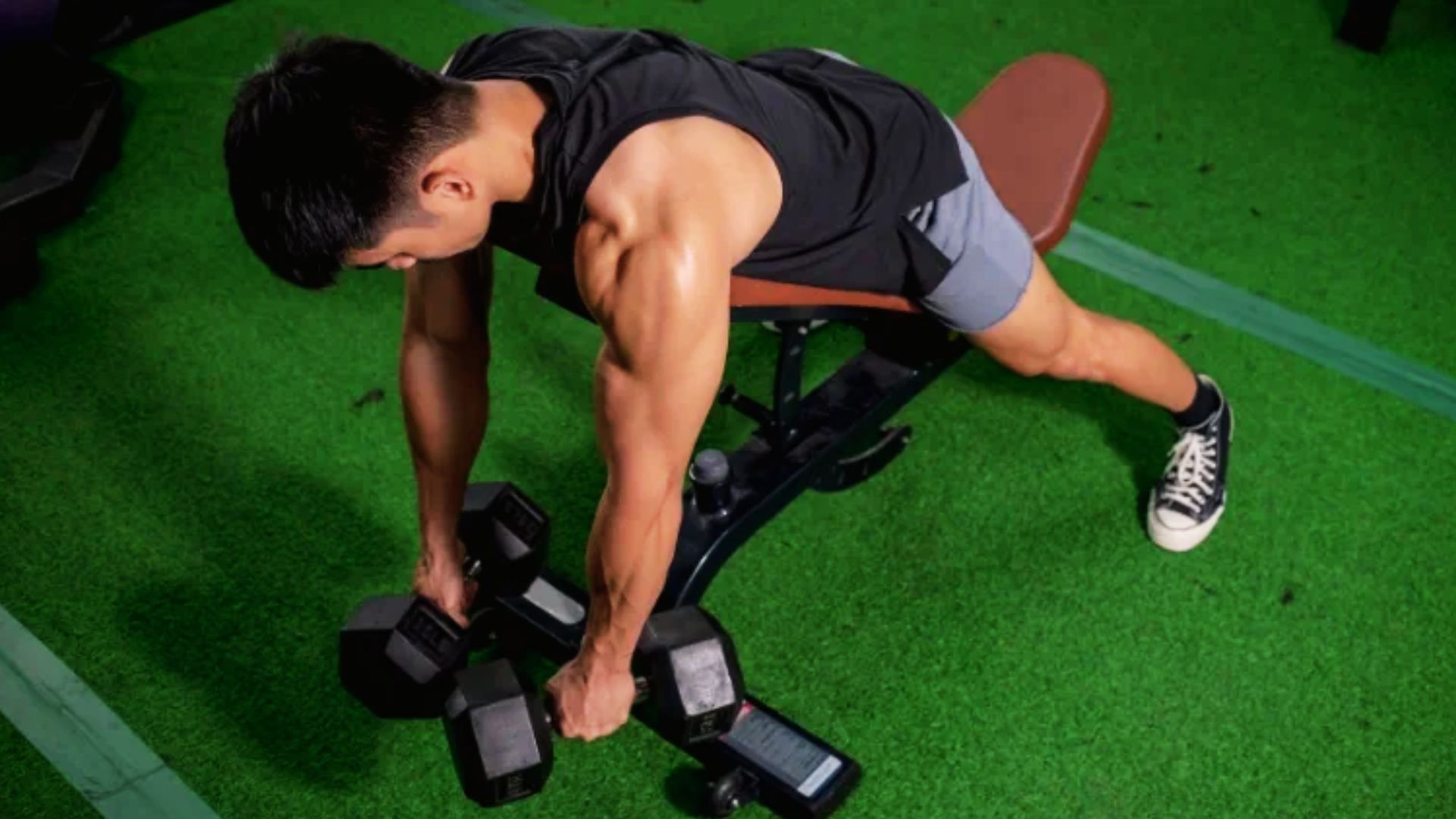
This has you place one hand and one knee on a bench while the opposite arm and leg stay on the floor. It reduces the balance challenge slightly, which can help beginners focus more on the rowing motion.
Benefits of the Bird Dog Row
This exercise offers a lot for the time it takes to do it.
- Improves core stability: Trains your midsection to resist movement instead of just creating it. This carries over to almost every other lift and daily task.
- Builds back and shoulder strength: The rowing portion helps posture and pulling power for other exercises like pull-ups or deadlifts.
- Builds balance and coordination: You work opposite limbs while staying steady on two points of contact, which sharpens proprioception and motor control. This kind of cross-body training also supports better brain and body connection.
- Supports better posture: Strengthens the muscles that hold your shoulders back and your spine tall. People who sit at a desk all day often see real posture improvements from adding this move a few times a week.
- Supports low back health: Trainers and physical therapists often use this pattern for low back rehabilitation, since it strengthens spinal stabilizers without loading the spine heavily.
Bird Dog Row Tips for Better Results
A few small adjustments can make a big difference in how much you get out of this move.
Choosing the right weight matters more here than in most row exercises. Pick something that lets you keep your hips still. If you feel yourself twisting to finish the row, the weight is too heavy.
Maintaining control throughout the movement means no jerking or swinging. Every phase of the rep, up, down, and the hold, should feel steady. This is where good eccentric control pays off most, since a slow lowering phase keeps your core working the whole time.
Recommended sets and reps for most people fall around 2 to 3 sets of 8 to 12 reps per side. Beginners can start with just bodyweight holds and build up from there over a few weeks.
Conclusion
The bird dog row is one of those moves that looks simple but delivers real results once you nail the form.
It builds core stability, strengthens your back and shoulders, and trains your balance in a way that carries over to everyday movement.
The next step is yours. Add it to your routine a few times this week and pay attention to how your form feels as you go.
If this guide helped you get a better grip on the bird dog row, drop a comment with your questions or share it with a friend who could use stronger core training too.
Frequently Asked Questions
Is the bird dog row good for lower back pain?
Yes, it can help. It strengthens the muscles that support your spine without putting heavy load on your lower back.
How often should I do bird dog rows?
Two to three times a week works well for most people. This gives your muscles time to recover between sessions.
Can beginners do the bird dog row?
Yes, beginners should start with the bodyweight version first. Once balance feels solid, add a light weight for the row.
What weight should I use for a bird dog row?
Start with 5 to 10 pounds if you're new to the move. Increase slowly once your form stays steady through every rep.
Does the bird dog row help with posture?
Yes, it strengthens your upper back and core, which are both key muscle groups for holding your shoulders back and your spine tall.