

I’ve been there. Big arms, wide shoulders, and then stick legs that barely fill your jeans.
It looks off, it feels off, and it holds back your strength more than you think.
This guide breaks down exactly why your legs are lagging and what to do about it.
You’ll get the real reasons behind the imbalance, smart training fixes, and a full workout program to follow.
I’ve put this together based on what actually works, so you can stop guessing and start seeing real results.
Let’s get into it.
What It Really Means to Have a Muscular Imbalance

A muscular imbalance is not just a cosmetic issue. It goes much deeper than how you look in a mirror.
When your upper body is far more developed than your lower body, real problems follow.
Your posture shifts, your athletic performance drops, and your injury risk goes up because stronger muscles start compensating for weaker ones.
Most people focus on the chest, arms, and shoulders since that’s what they see. Legs get pushed to the end of the week and trained with low energy.
That pattern creates a body that looks top-heavy and performs unevenly. The good news is this is fully correctable with the right training, nutrition, and consistency.
7 Reasons Why You Might Have Small Legs
You’re not just unlucky. There’s always a reason your legs aren’t growing.
1. Genetics and Body Type
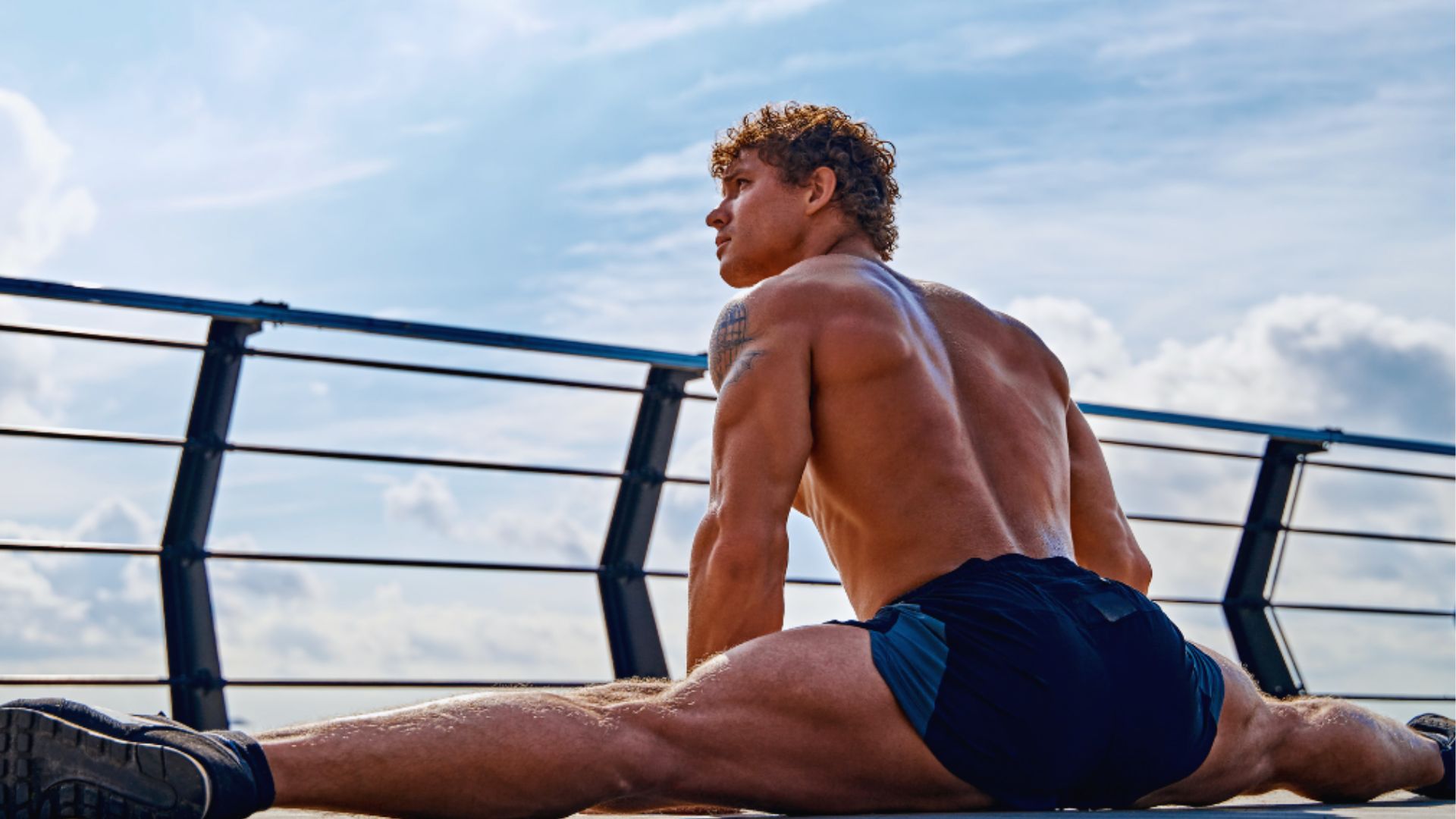
Some people naturally build upper body muscle faster. It’s just how their body is wired. Your muscle fiber makeup, limb length, and hip structure all play a role.
That said, genetics are not a ceiling. They’re just a starting point. With the right program and consistency, you can absolutely build strong, well-developed legs.
Your body responds to good training no matter what your starting point looks like.
2. Insufficient Training Volume

Most people simply don’t do enough sets for their legs each week. Research points to 14 to 18 sets per week for quads and 12 to 16 sets for hamstrings to see real growth.
If you’re doing two or three sets of squats once a week, that’s not enough. Low volume means low stimulus.
Low stimulus means your muscles have no reason to grow. More quality sets equal better results.
3. Poor Exercise Selection
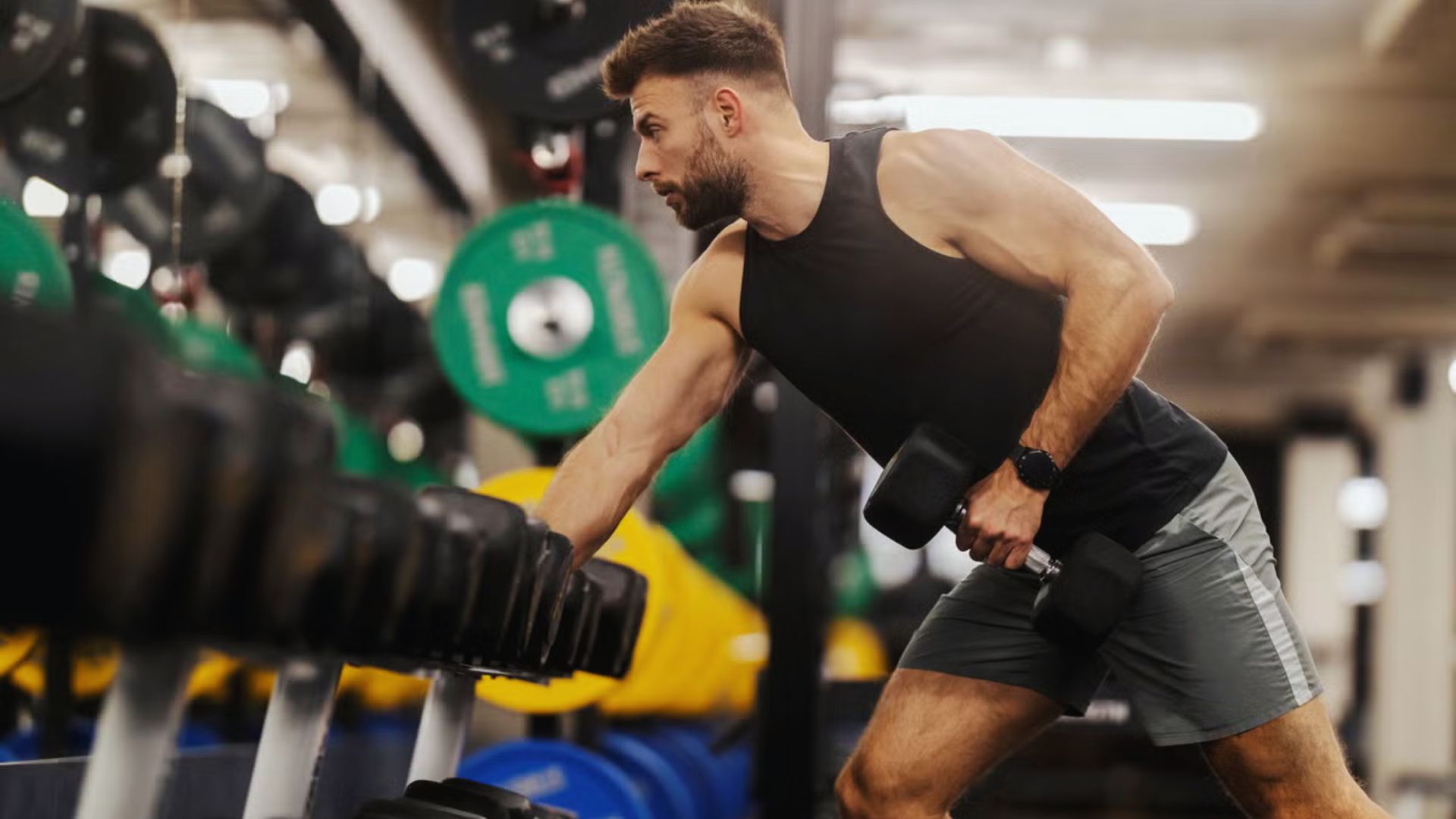
Doing only machine curls or light lunges won’t cut it. Your legs need heavy compound lifts like squats, deadlifts, and leg presses to build real size.
Then you add isolation work like leg extensions and hamstring curls on top. Think of compounds as the base and isolation as the finishing work.
Skipping compounds is the biggest mistake most people make. You need both to fully develop quads, hamstrings, and glutes.
4. Limited Range of Motion
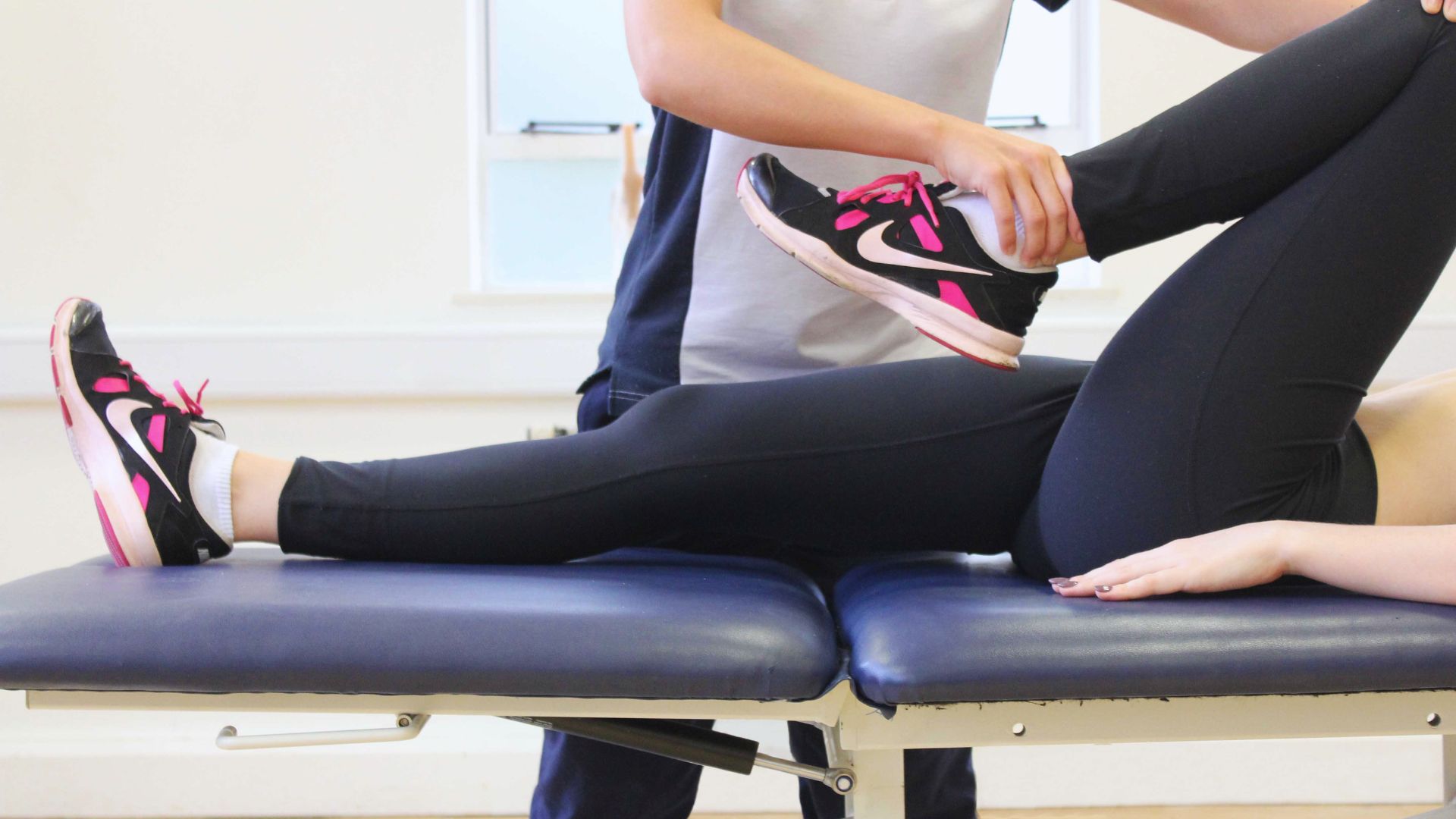
Squatting halfway down is half the work. Full range of motion means squatting below parallel, hinging all the way through a deadlift, and letting your muscles stretch under load.
Partial reps reduce the amount of muscle fiber you recruit. Over time, this creates weak points. Going deeper is harder, but it’s where the growth happens.
Don’t cut corners in depth. Your legs will respond much better when you train through the full movement.
5. Improper Training Loads

Too heavy and your form breaks. You can’t do enough reps to build volume, and your fatigue spikes fast. Too light and there’s no real challenge for your muscles.
Both extremes slow progress. The sweet spot is a weight that challenges you while keeping form solid.
For most leg work, that means staying in the 5 to 15 rep range depending on the exercise. Find the right load and stick with it.
6. Poor Nutrition

Your legs won’t grow if you’re not eating enough. Simple as that.
You need a caloric surplus, enough protein (aim for 0.7 to 1 gram per pound of body weight), and consistent meals to fuel recovery and muscle growth.
Leg training is demanding. It burns a lot of energy. If you’re undereating, your body has nothing to build with. Food is not optional. It’s part of the program.
7. Excessive High-Impact Cardio

Running long distances or doing intense cardio sessions burns the calories your legs need to grow. If your body is in a constant deficit from cardio, it can’t repair and build muscle.
Swap high-impact cardio for lower-impact options like cycling or walking.
Keep cardio volume in check, especially around leg training days. You don’t have to cut it out. Just manage how much you’re doing and when.
Actionable Strategies to Fix Muscular Imbalances
Small changes in how you train can make a big difference in how your legs develop.
Prioritize Leg Training
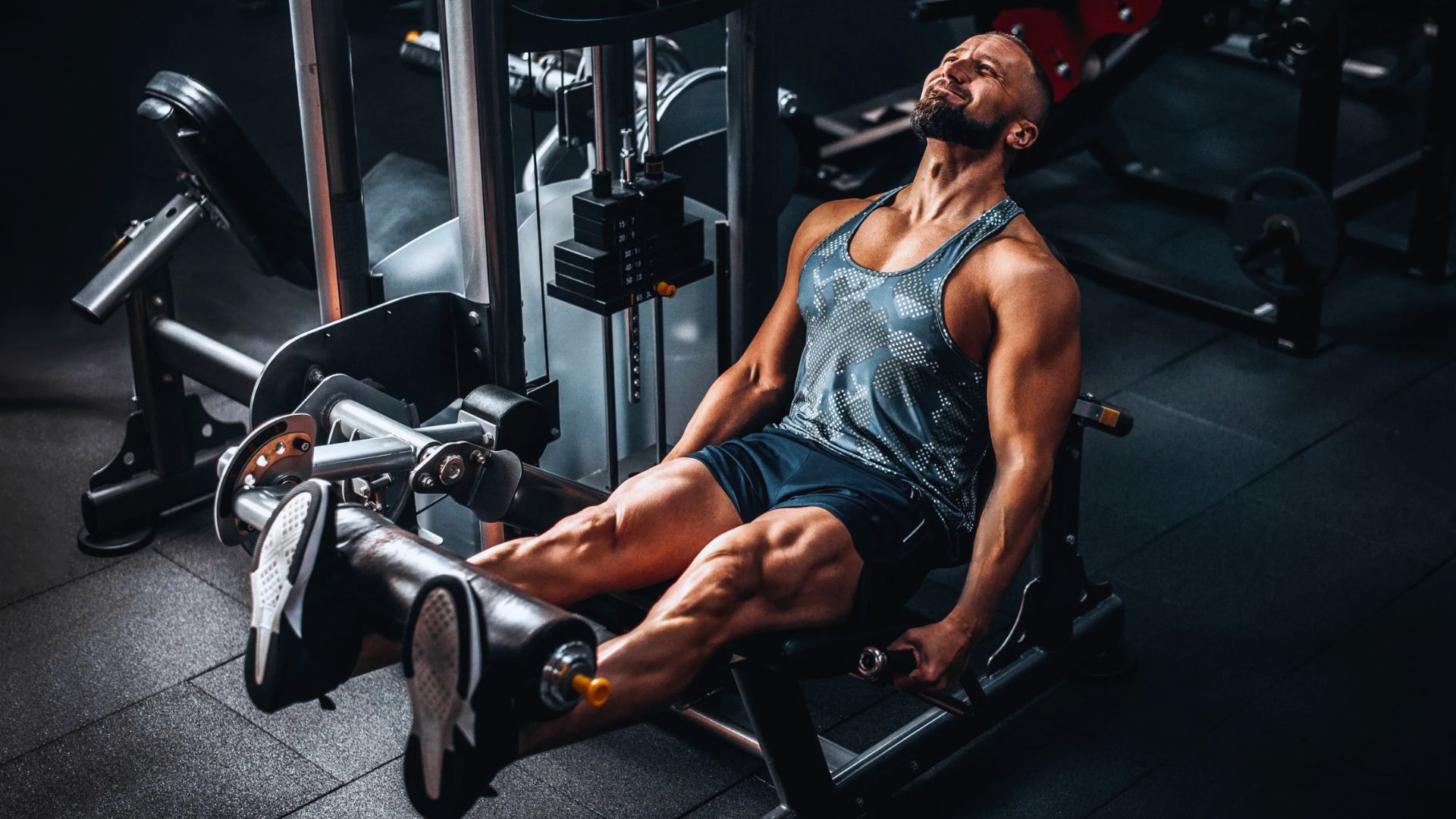
If your legs are behind, stop training them when you’re already tired. Put leg day first in your week, or at least first in your session.
You bring more energy, more focus, and more effort when you’re fresh. Pair that with full range of motion on every rep and a focus on progressive overload.
Your legs will respond when they’re treated like a priority, not an afterthought.
Use Progressive Overload
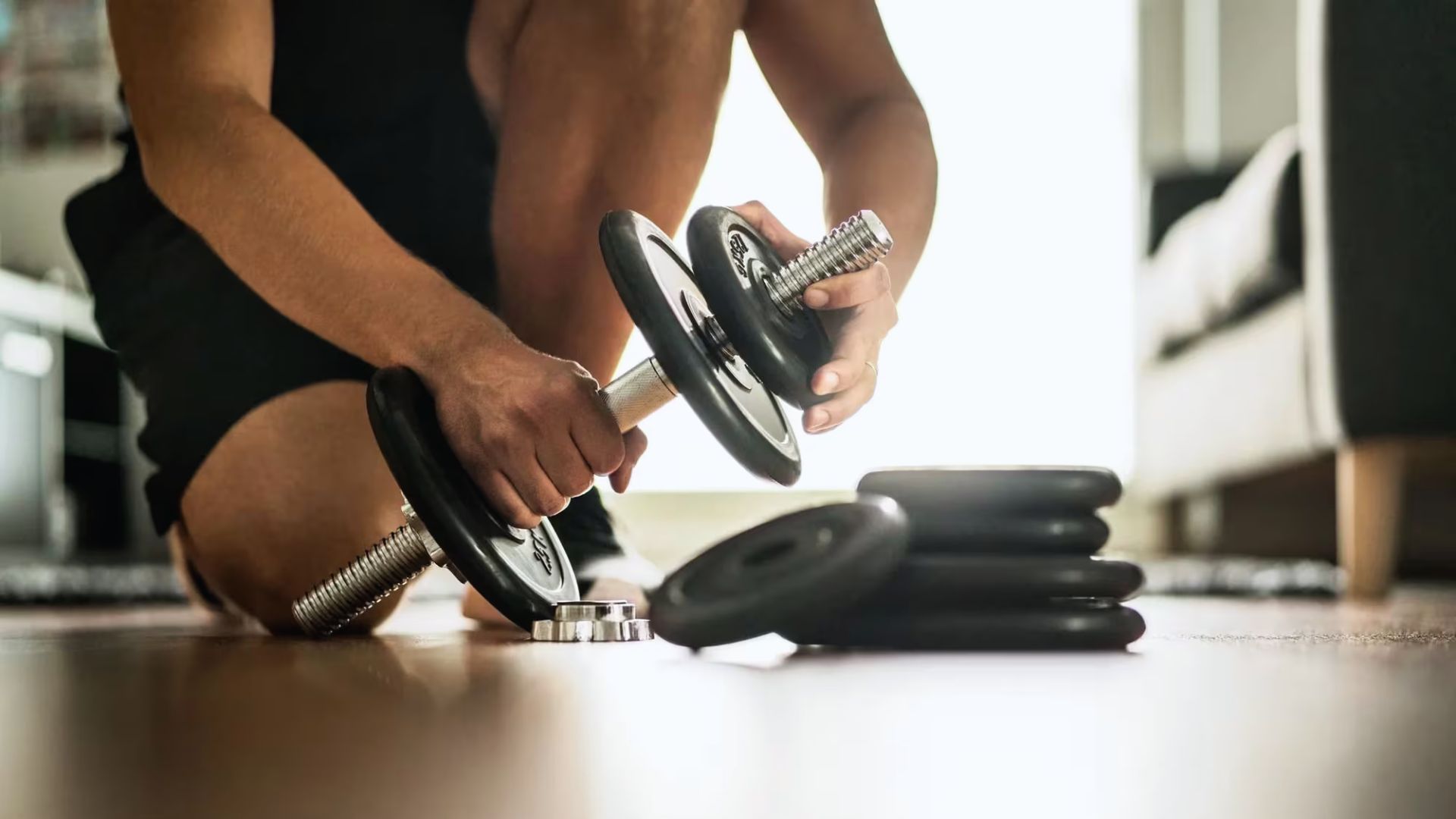
This is the foundation of any growth. Add weight, add reps, or add sets over time. Your muscles only grow when they’re forced to do more than they did before. Track your numbers.
If you squatted 135 lbs for 3 sets of 8 last week, aim for 140 lbs or a 9th rep this week.
Small increases add up fast. Without overload, you’re just maintaining. With it, you’re building.
Split Training Volume
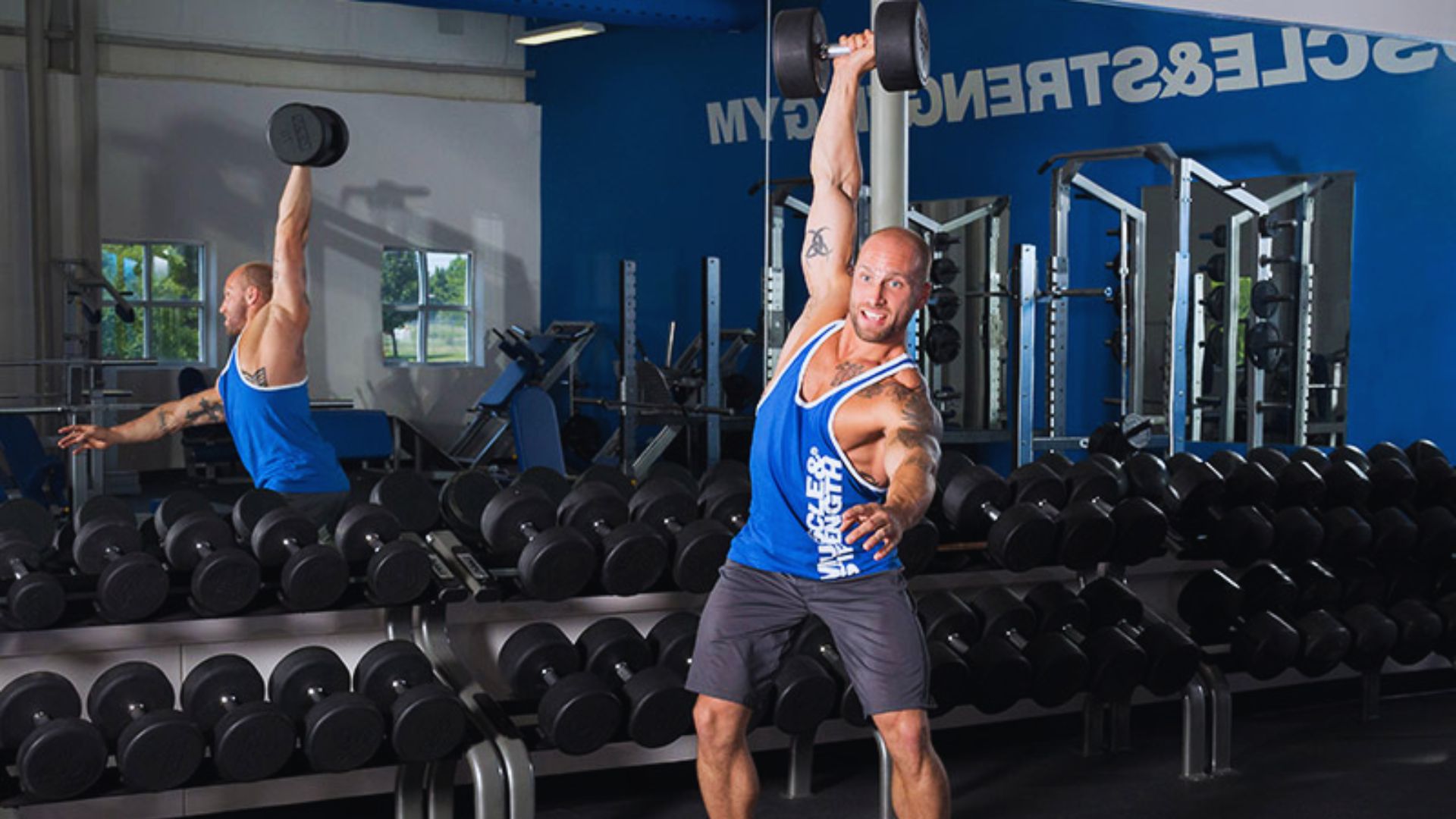
One leg day per week is rarely enough. Aim for two or three leg sessions spread across the week.
This lets you hit more total sets without burning out in one session. It also gives your muscles more frequent stimulus, which speeds up growth.
A push-pull-legs split or an upper-lower split works well here. More frequency equals more opportunities to grow, as long as recovery is solid.
Mix Compound and Isolation Movements
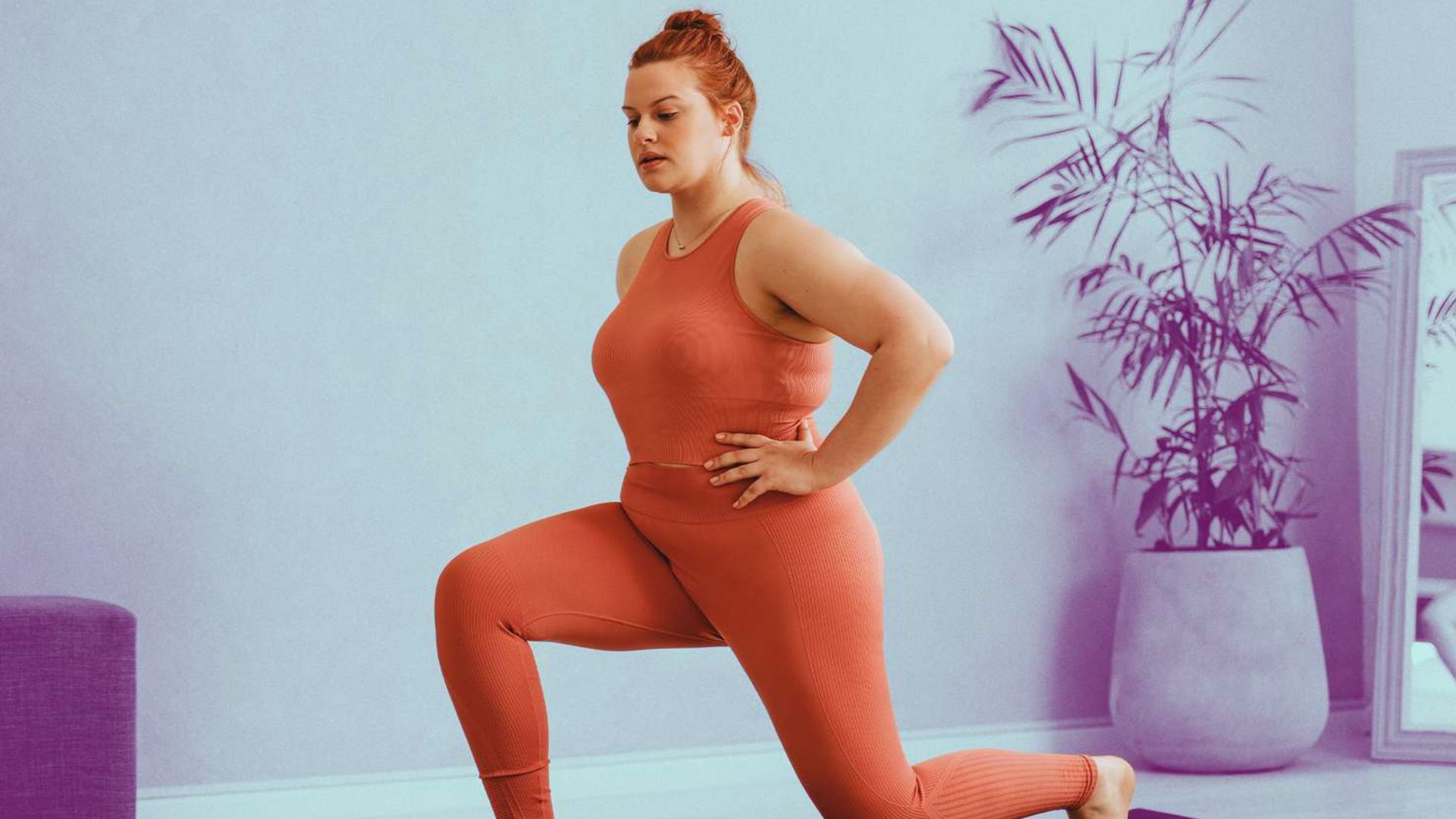
Compound lifts build the base. Squats, deadlifts, and leg press load your entire lower body and let you move heavy weight.
They’re the core of any good leg program. Isolation moves like leg extensions and hamstring curls fill in the gaps.
They target muscles that compounds don’t fully hit. You need both. Compounds for size and strength. Isolation for detail and balance. Don’t skip either category.
Track and Adjust

If you’re not tracking, you’re guessing. Write down every set, every rep, and every weight you use. Take monthly measurements of your legs. Look at progress photos.
Data tells you what’s working and what’s not. If your quads are growing but hamstrings are lagging, you adjust.
If strength is stalling, you change the plan. Tracking removes the guesswork and keeps you moving in the right direction.
Best Exercises for Leg Growth
The right exercises, done consistently, will change how your legs look and perform.
Quadriceps-Focused
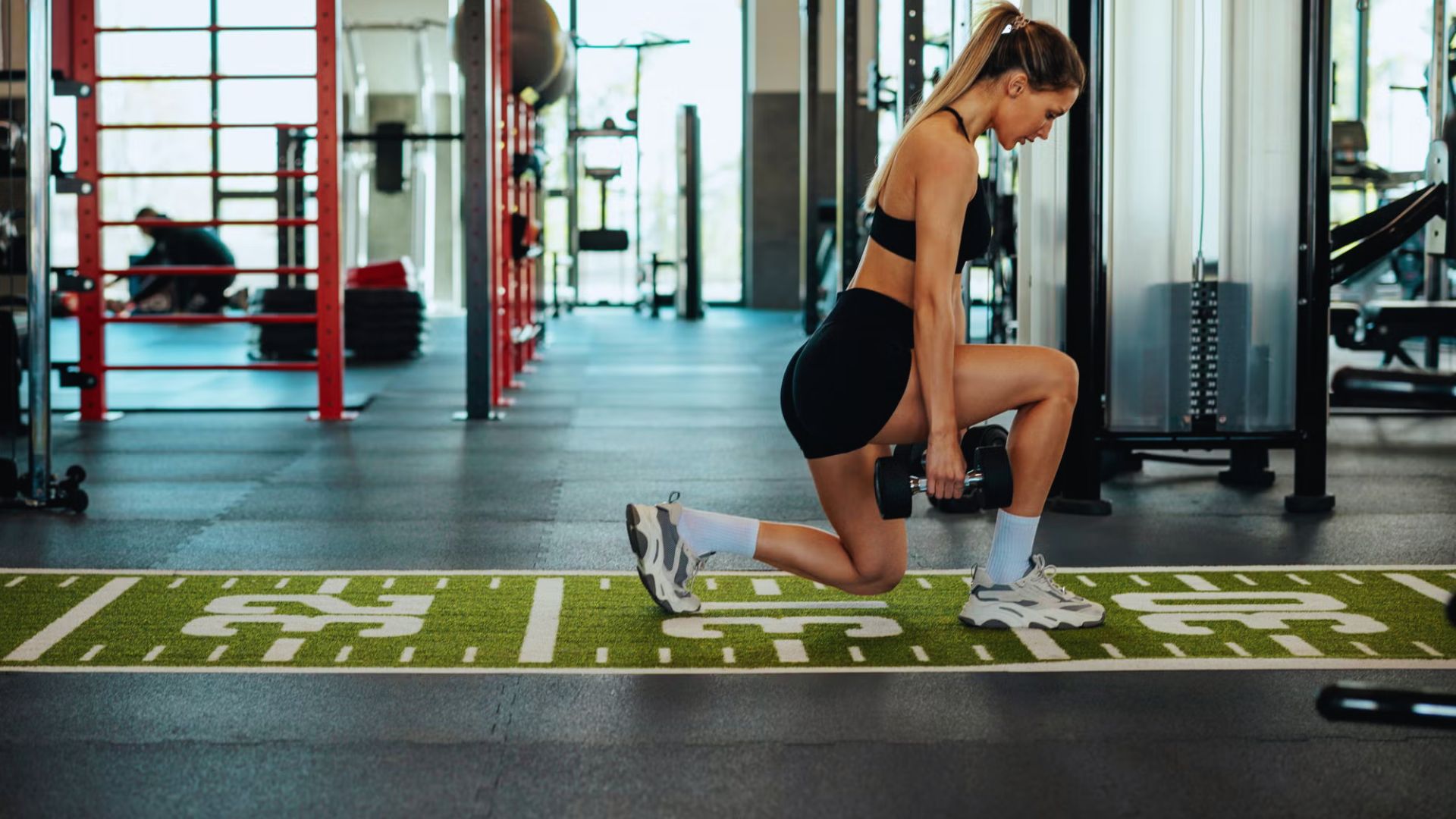
These are the go-to moves for building thick, strong quads:
- High Bar Back Squat: the king of quad builders
- Front Squat: shifts load to the quads more than any other squat variation
- Leg Press: great for volume without heavy spinal load
- Hack Squat: targets the lower quad sweep directly
- Bulgarian Split Squat: builds each leg independently and fixes imbalances
Use these as your main quad exercises across the week.
Hamstring-Focused
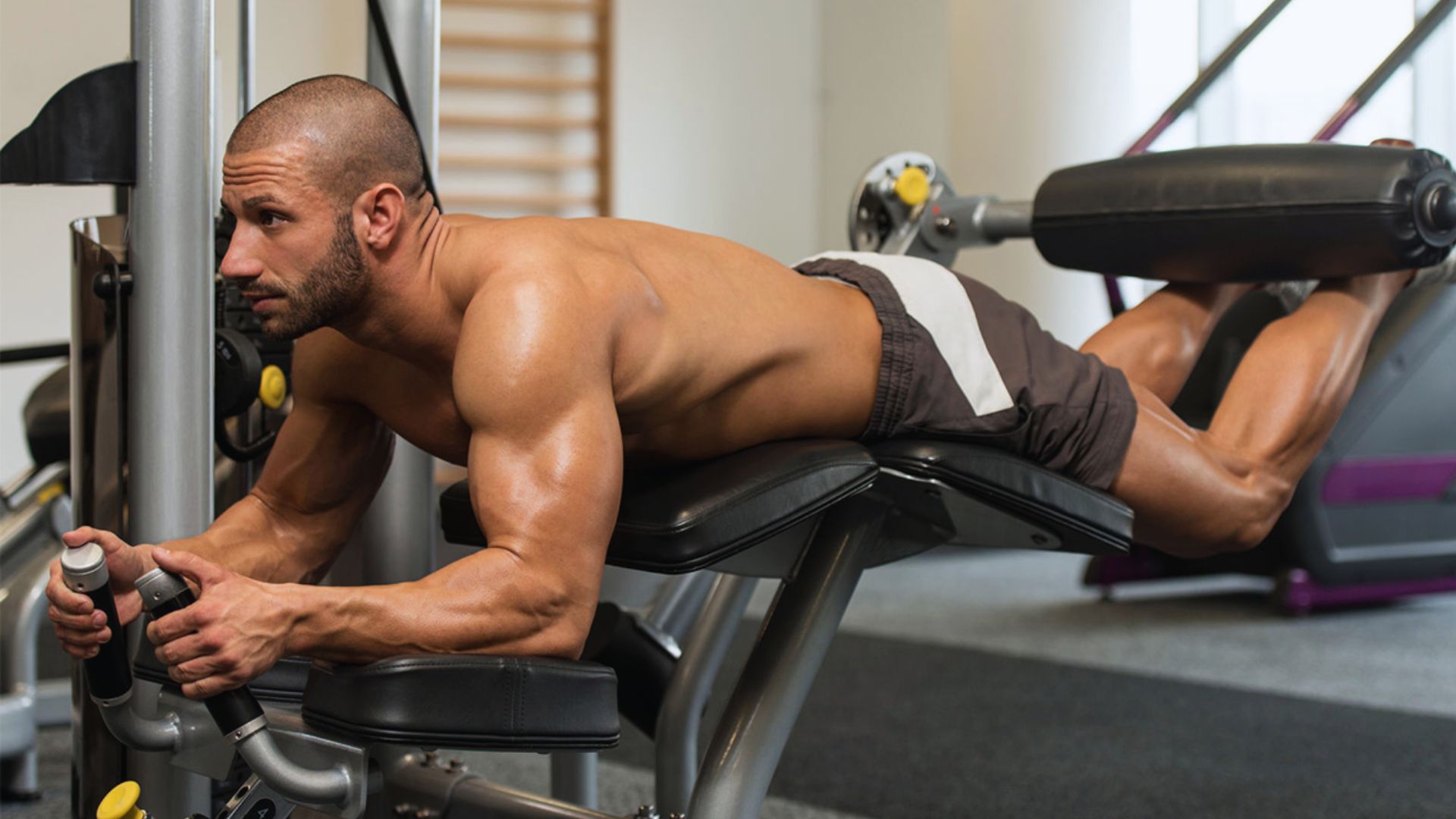
Hamstrings often get ignored. These moves fix that:
- Stiff Leg Deadlift: stretches and loads the hamstrings through a long range
- Romanian Deadlift: hip hinge with a deep stretch at the bottom
- Seated or Lying Hamstring Curls: isolates the hamstrings directly
Program at least two of these per leg session. Hamstrings respond well to both heavy loaded stretches and high-rep isolation work. Mix both styles for the best results.
Functional and Alternative Exercises

These work well as finishers or if you need variety:
- Heavy Sled Pushes: builds quad endurance and strength without joint stress
- Step-Ups or Weighted Lunges: improves balance, targets each leg separately
Don’t underestimate these. When loaded properly, sled pushes and lunges can seriously add size to your legs.
Sample Leg Hypertrophy Program
A simple two-day split designed to hit quads and hamstrings with enough volume to grow.
Day 1: Quadriceps Focused
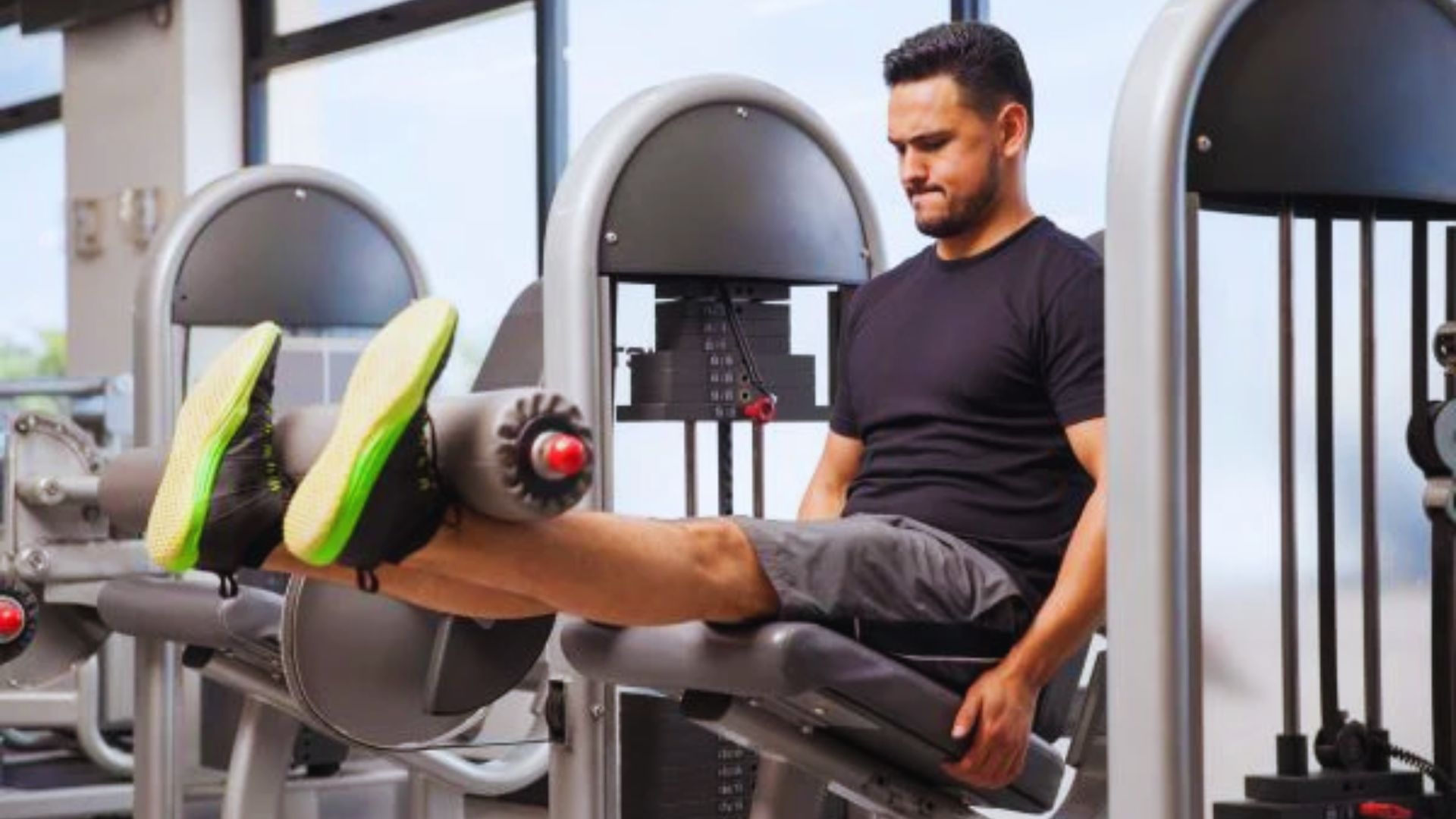
Start with your heaviest compound movement when you’re fresh.
- High Bar Back Squat: 4 sets x 5 to 8 reps
- Good Mornings: 4 sets x 5 to 8 reps
- Leg Press: 4 sets x 10 to 15 reps
- Bulgarian Split Squat: 3 sets x 8 to 10 reps
- Machine Leg Extension: 3 sets x 20 to 30 reps
Rest 2 to 3 minutes between heavy sets. Keep form tight throughout. The leg extensions at the end flush the quads with blood and drive extra volume without heavy load.
Day 2: Hamstring Focused
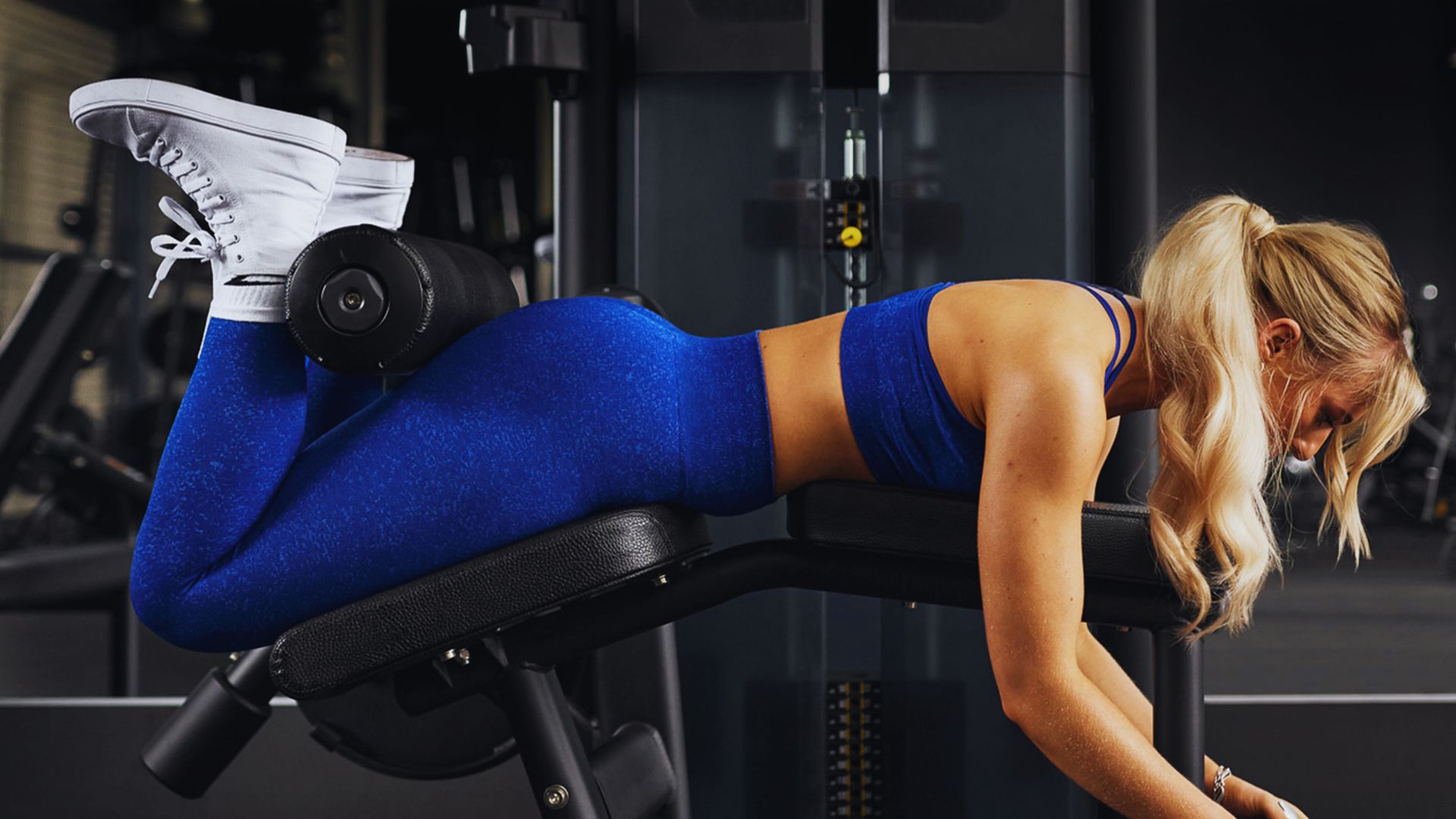
This session shifts all the focus to the back of your legs.
- Stiff Leg Deadlift: 5 sets x 5 to 8 reps
- Machine Hamstring Curl: 5 sets x 10 to 15 reps
- Hack Squat or Heel-Elevated Goblet Squat: 5 sets x 10 to 15 reps
Slow down the lowering phase on every rep. Control beats heavy weight here. The goblet squat at the end keeps your quads in the mix.
Nutrition and Recovery Strategies

Your legs grow outside the gym, not inside it. Here’s how to support that process:
- Eat in a caloric surplus: Eat more than you burn. Without extra calories, muscle growth stalls.
- Hit your protein target: Aim for 0.7 to 1 gram per pound of body weight daily to repair and grow muscle.
- Prioritize sleep: Get 7 to 9 hours per night. Poor sleep kills your gains.
- Take rest days seriously: Rest is when muscles actually build. Skipping it leads to fatigue and injury.
- Manage your cardio carefully: Keep high-impact cardio away from leg days. If needed, do it after your session.
Train hard, eat enough, and rest well. That’s the full formula for building the legs you want.
Conclusion
Your legs can catch up, and I genuinely believe that. I used to deal with the same exact problem, and fixing it completely changed how I looked, moved, and performed overall.
More sets, better food, and real consistency did all the work.
Pick one tip from this guide and start today. Small steps lead to big changes over time.
Found this helpful? Share it or drop a comment below and let me know what is working for you.
Frequently Asked Questions
Why are my legs not growing even though I train them?
Most likely low volume, not enough food, and shallow reps. Fix all three and you’ll see results.
How many times a week should I train my legs to fix an imbalance?
Two to three times a week is plenty to build lagging legs.
Can genetics really cause small legs?
Yes, but consistent training and good volume will overcome it.
How long does it take to fix a muscular imbalance?
Most people notice real changes within 8 to 12 weeks of focused effort.
Should I stop upper body training to focus on legs?
No. Just reduce upper body volume slightly and put more focus on legs.