

Living with a leaky heart valve can feel confusing, especially when it comes to staying active. Can you exercise? Is it safe? What should you avoid? I had the same questions when I first started looking into this.
In this article, I will walk you through the 7 best exercises for leaky heart valve ones that are gentle, effective, and supported by cardiac guidelines.
You will also learn how to pick the right workout, what risks to watch for, and how to build a safe routine.
With years of health research experience, I am here to give you clear, honest, and trustworthy guidance every step of the way.
Understanding Exercise for a Leaky Heart Valve

Knowing what a leaky heart valve means helps you make smarter, safer choices about staying active. A leaky heart valve, also called valve regurgitation, happens when the valve does not close fully, causing some blood to flow backward.
This makes the heart work harder. It can affect any of the four valves, but the mitral valve is most common. Symptoms include fatigue, shortness of breath, and a rapid heartbeat.
For most people, light to moderate exercise is safe and even helpful. It strengthens muscles, lowers blood pressure, improves circulation, reduces heart strain, and boosts energy.
Severe cases need medical clearance before starting any activity.
How to Choose the Best Exercise for Leaky Heart Valve

Choosing the right type of workout makes all the difference for your heart's safety and long-term progress.
Low-impact vs high-intensity workouts
Low-impact workouts are the smart starting point. Walking, swimming, and yoga keep your heart rate in a safe zone.
High-intensity training can put too much strain on a valve that is already working harder. Start with low-impact options first. Build from there only if your doctor agrees.
Importance of gradual progression
Jumping into intense workouts is not the goal here. A slow, steady increase in activity is safer and more effective. Add a few minutes each week rather than big jumps.
Your heart needs time to adjust. Gradual progression protects it.
Listening to your body signals
Your body will tell you when something is off. Pay attention to
- Chest tightness
- Unusual shortness of breath
- Dizziness or lightheadedness
- Rapid or irregular heartbeat
If any of these show up, stop and rest. Do not push through warning signs.
7 Best Exercise for Leaky Heart Valve
Here are seven safe and effective exercises that can help support your heart health without putting it under unnecessary stress.
1. Walking for Gentle Daily Movement

Walking is one of the safest options for people with a leaky heart valve. A 20 to 30 minute walk each day keeps the heart active without overloading it.
Start at a comfortable pace and slowly build up over time. It is simple, free, and easy to fit into any daily routine.
2. Swimming for Low-Impact Cardio

Swimming is gentle on both the joints and the heart. The water supports your body and reduces physical strain. It builds endurance and keeps circulation strong.
Aim for 20 to 30 minute sessions a few times a week for steady progress.
3. Yoga for Flexibility and Stress Relief
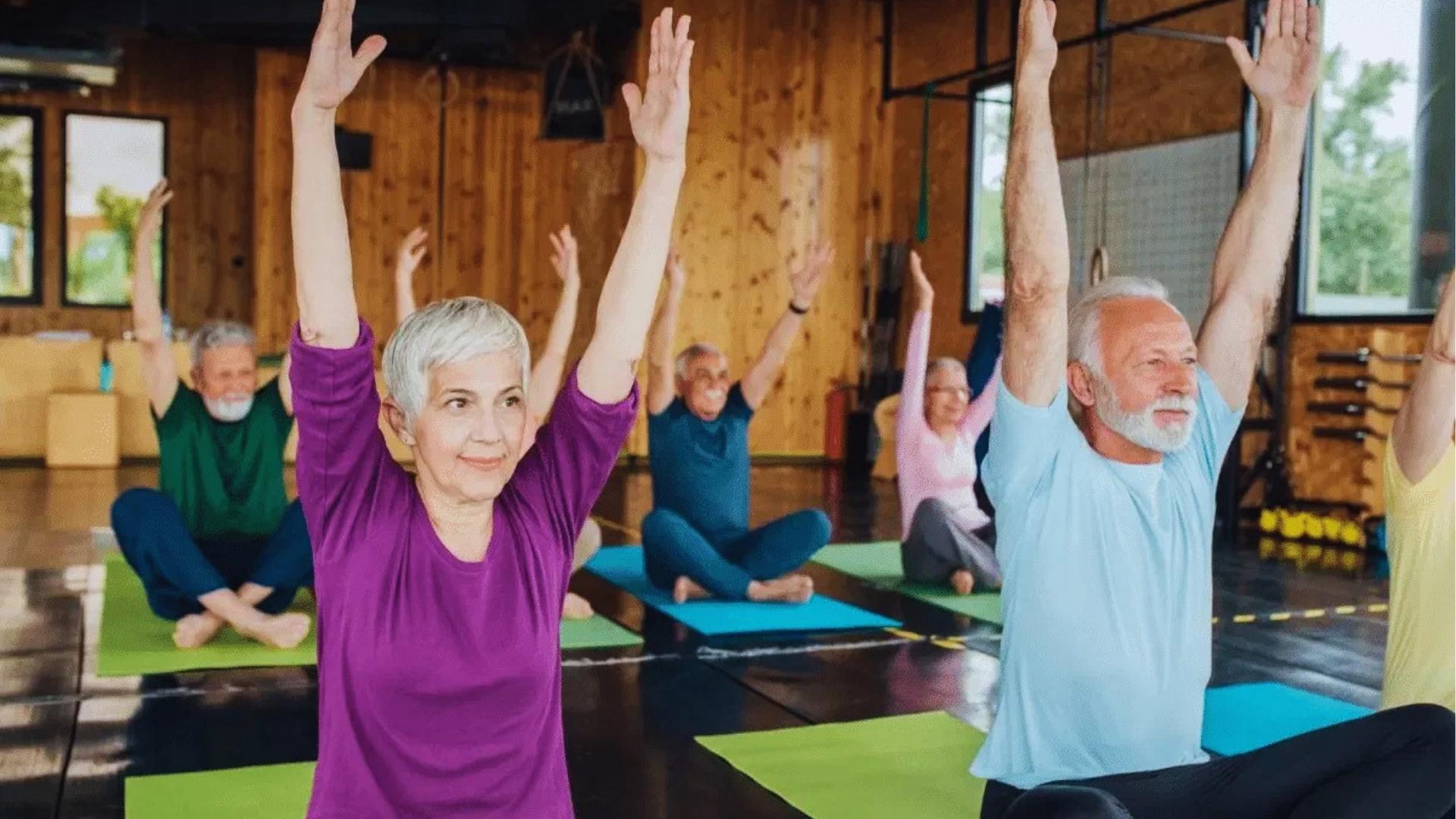
Yoga supports both physical and mental health, which matters a lot for heart conditions. It lowers stress hormones that can put extra pressure on the heart.
Stick to gentle or restorative styles and avoid hot yoga or intense flow classes. Even 20 minutes a day can make a real difference.
4. Cycling for Controlled Cardiovascular Fitness

Stationary cycling lets you control your speed and resistance at all times. It delivers solid cardio benefits without heavy impact on the body.
Keep the intensity moderate and pay attention to how you feel during each session. It is a reliable and safe option for most people.
5. Stretching for Mobility and Recovery
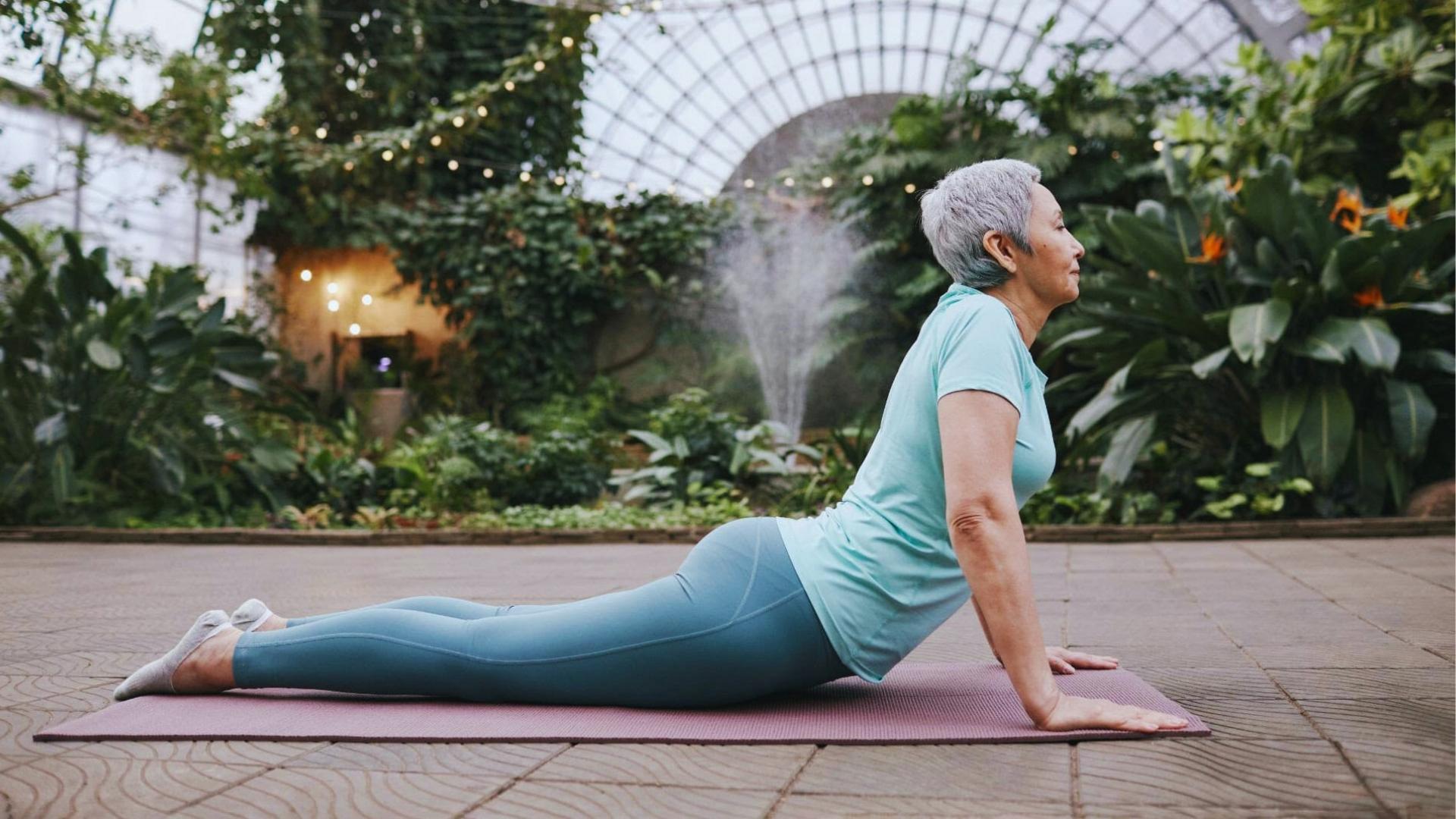
Stretching keeps muscles flexible and supports healthy blood flow throughout the body. It works well as both a warm-up and a cool-down after other activities.
Hold each stretch for 20 to 30 seconds and avoid forcing any movement. Done regularly, it helps your body recover faster and move better.
6. Light Strength Training for Muscle Support

Light weights or resistance bands help build muscle without overworking the heart. Strong muscles reduce the overall effort your heart needs to pump blood.
Avoid heavy lifting and never hold your breath during reps. Two to three sessions per week is a safe and effective starting point.
7. Breathing Exercises for Heart and Lung Support
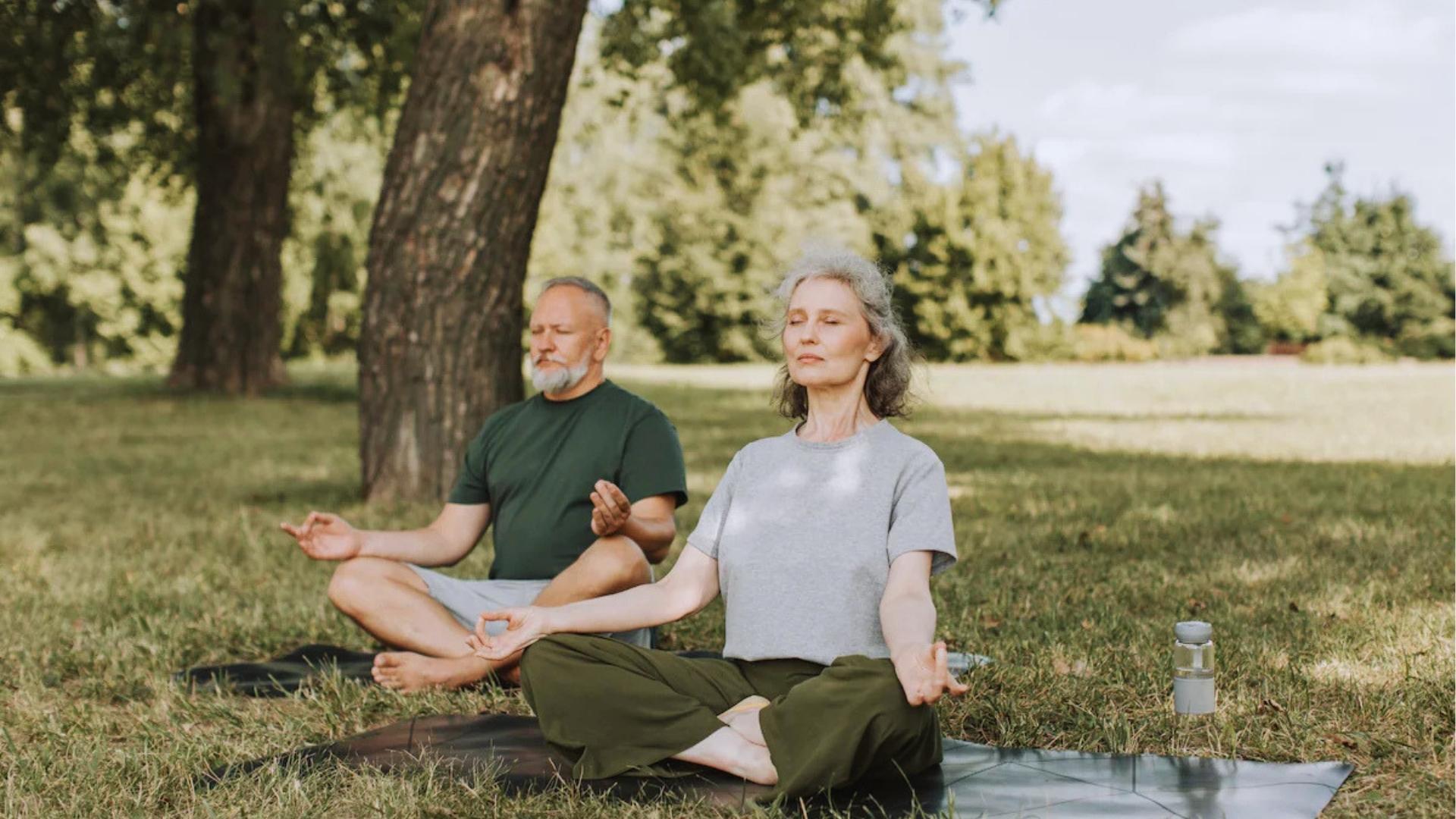
Controlled breathing exercises strengthen the lungs and calm the nervous system at the same time. Techniques like diaphragmatic breathing help lower heart rate and improve oxygen flow.
These exercises are easy to do anywhere and require no equipment at all. Just 5 to 10 minutes of practice each day can bring noticeable benefits.
Benefits of Regular Exercise for Heart Valve Health

Consistent, safe movement offers real improvements in how your heart performs day to day.
Improved Circulation and Heart Efficiency
Regular movement helps blood flow more smoothly. The heart does not have to work as hard over time. This reduces stress on the leaky valve and supports overall function.
Better Energy Levels and Stamina
Many people with this condition feel tired quickly. Consistent exercise builds stamina. Over weeks, daily tasks feel less draining and your energy improves noticeably.
Reduced Risk of Complications
Staying active can lower blood pressure and prevent weight gain. Both of these reduce extra pressure on the heart. Less strain means a lower risk of the condition worsening.
Risks and Precautions to Be Aware Of

Being aware of the risks keeps you safe and helps you exercise with confidence and care.
Signs of Overexertion During Workouts
Watch for these during any session
- Chest pain or pressure
- Severe breathlessness
- Swelling in legs or feet
- Feeling faint
These are signs your body needs rest, not more effort.
Activities to Avoid or Limit
Some activities put too much strain on the heart
- Heavy weightlifting
- Sprinting or competitive racing
- Contact sports
- High-altitude activities without clearance
These can cause dangerous spikes in heart rate or blood pressure.
When to Stop Exercising Immediately
Stop right away if you feel chest pain, extreme fatigue, or a sudden irregular heartbeat. Sit down, breathe calmly, and call for medical help if symptoms do not pass quickly.
Tips for Exercising Safely with a Leaky Heart Valve
Simple habits can make your workout routine much safer and more effective long term.
- Begin with 10 to 15 minute sessions and slowly add 5 minutes every week or two to avoid putting sudden stress on your heart.
- Use a heart rate monitor or check your pulse manually to make sure you stay within a safe heart rate zone during every session.
- A simple way to check your effort level is to see if you can hold a short conversation while exercising without gasping for air.
- Drink water before, during, and after every workout since dehydration adds extra strain on the heart.
- Rest days are just as important as active days, so aim for at least one or two full rest days each week.
- Always consult your doctor before starting any exercise routine so they can guide you on what is safe for your specific condition.
Conclusion
Stick to low-impact activities, listen to your body, and always get medical advice before starting anything new. Begin small, stay consistent, and build slowly over time. I hope this gave you a clear path forward.
I know it can feel overwhelming at first, but small steps really do add up. The best exercise for a leaky heart valve is the one you can do safely and consistently.
Start where you are and be patient with yourself. Drop a comment below sharing your favorite gentle workout. I would love to hear from you.
Frequently Asked Questions
Can I exercise every day with a leaky heart valve?
Yes, light activity like walking or stretching can be done daily. Avoid intense workouts every day and include rest to let your heart recover.
How long should my workout sessions be?
Start with 15 to 20 minutes and gradually increase to 30 minutes. Always check how you feel during and after each session.
Is weightlifting completely off-limits?
Heavy lifting is generally not advised. Light resistance training with proper breathing technique can be safe for many people with medical approval.
Can yoga really help with heart valve issues?
Gentle yoga lowers stress hormones and supports healthy blood pressure. These benefits are good for heart health when practiced at a relaxed, moderate pace.
What should I do if I feel dizzy during exercise?
Stop immediately and sit or lie down. Drink water and rest. If dizziness continues or is paired with chest pain, seek medical attention right away.


