

Building muscle starts with what you eat first thing in the morning. Your breakfast sets the tone for protein synthesis and recovery all day.
I’ve tested countless high-protein breakfasts to find what actually works. This guide gives you practical breakfast options that fit different diets, time constraints, and tastes.
You’ll learn which foods pack the most protein, how to combine ingredients for better results, and which morning meals to skip.
From quick options to traditional Indian recipes, I’m covering everything you need to fuel your muscle-building goals with meals that taste good and deliver real results.
What Is the Best Breakfast for Muscle Gain?
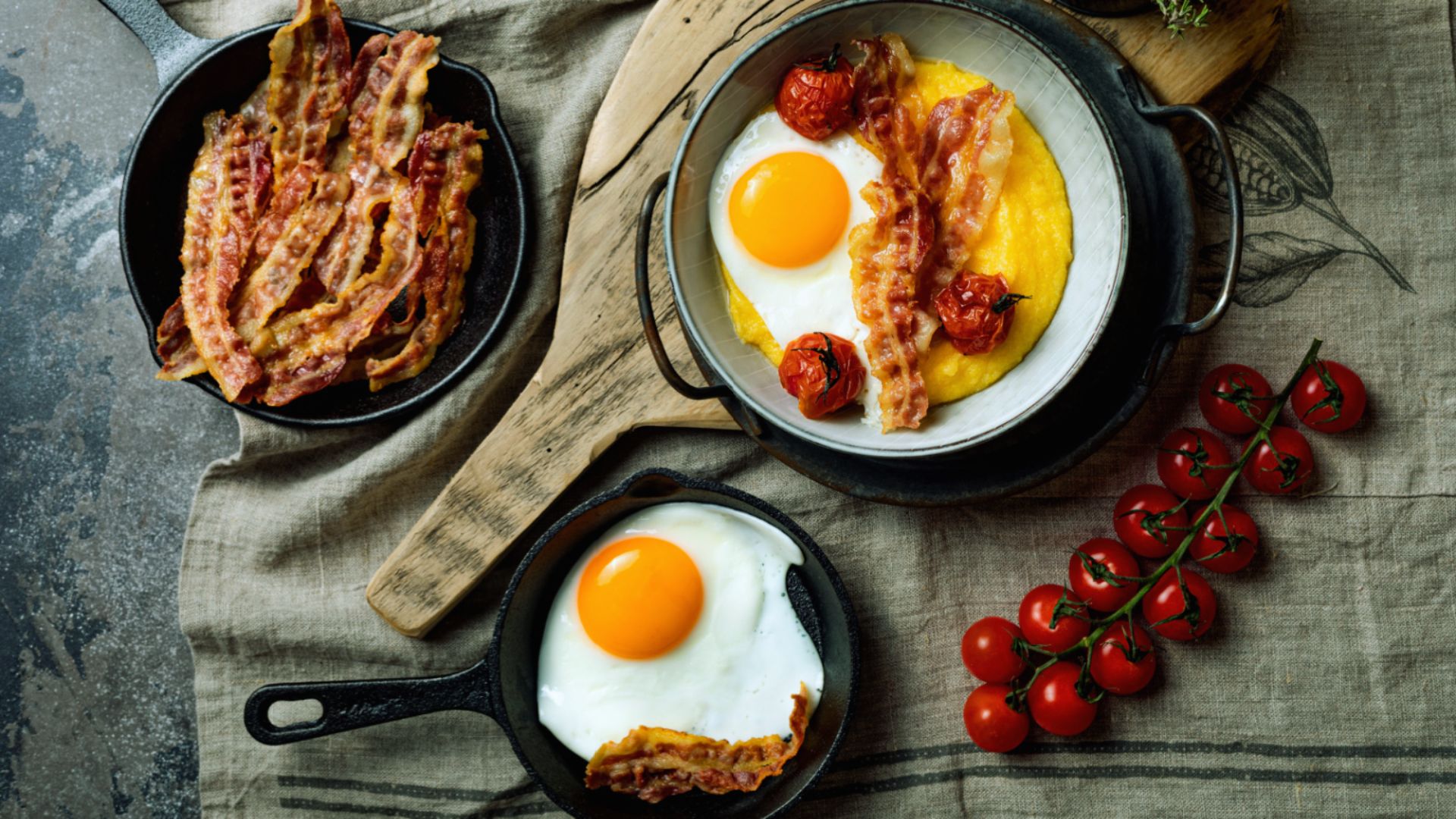
The best breakfast for muscle gain delivers 25-40 grams of protein with complex carbs and healthy fats.
Your body needs 1.6 to 2.2 grams of protein per kilogram of body weight daily. Spreading this across meals, especially breakfast, helps maximize muscle protein synthesis.
Protein quality matters as much as quantity. Complete proteins contain all nine amino acids your muscles need. Eggs, dairy, and meat provide these naturally.
Plant proteins often lack certain amino acids, so combine different sources.
Bioavailability determines how much protein your body actually uses. Whey protein absorbs quickly with 95% bioavailability. Egg protein follows at 94%. Plant proteins typically range from 70-80%.
For plant-based eaters, combine legumes with grains. Try beans with rice or lentils with whole-wheat bread. Pair dairy with seeds for complete amino acid profiles.
Best Breakfast for Muscle Gain (High-Protein Classics)
Traditional high-protein breakfasts that consistently support muscle growth and recovery for active people.
Egg-Based High-Protein Breakfasts
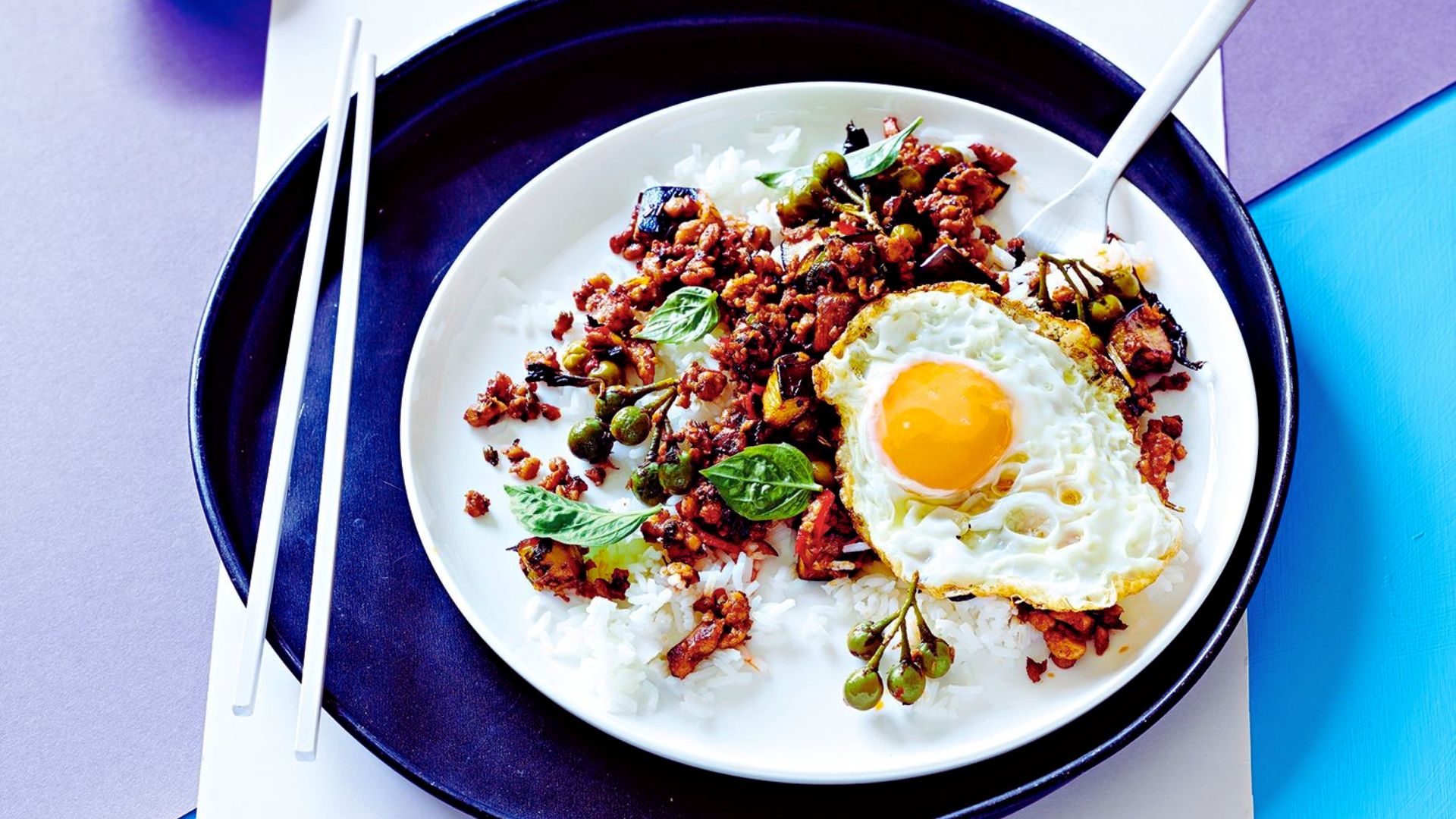
Complete protein sources with all amino acids your muscles need for optimal growth.
- Scrambled eggs with whole-grain toast: Three large eggs give you 18 grams of protein plus complex carbs for sustained energy.
- Omelette with vegetables and cheese: Four-egg omelette with veggies and cheese delivers 28 grams of protein with added fiber.
- Boiled eggs with peanut butter toast: Four hard-boiled eggs and peanut butter toast provide 32 grams of protein and healthy fats.
- Poached eggs with sautéed spinach: Two poached eggs served with spinach provide 18–20 g of protein.
- Greek yogurt with nuts and fruit: One cup packs 20 grams of protein with antioxidants and healthy fats from nuts.
- Cottage cheese (paneer) with seeds: High-protein powerhouse with 28 grams per cup, topped with mineral-rich seeds.
- Protein smoothies with milk: Blend whey, milk, banana, and peanut butter for 35-40 grams of protein that tastes great.
- Overnight oats with whey protein: Prep the night before for a ready-to-eat breakfast with 30 grams of protein.
- Egg whites with sautéed veggies: Six egg whites provide 20 grams of protein with minimal fat and maximum volume.
- Grilled chicken salad breakfast: 100 grams of chicken breast delivers 31 grams of lean protein with leafy greens.
- Tofu scramble: One cup of crumbled tofu offers 20 grams of plant protein seasoned for egg-like taste.
- Plain Greek yogurt with berries: Skip flavored versions for 20 grams of protein with low sugar and antioxidants.
- Greek Yogurt with Nuts and Seeds: Thick yogurt topped with seeds providing 18–20 g of protein.
- Cottage Cheese with Fruit: Low-fat cottage cheese paired with fruit delivering 16–20 g of protein.
- Tofu Scramble with Vegetables: Firm tofu sautéed with vegetables offering 18–22 g of protein.
- Protein Oatmeal with Plant Milk: Oats cooked with plant milk and protein powder providing 20–25 g of protein.
- Chia Pudding with Added Protein: Chia seeds mixed with protein powder supplying 15–20 g of protein.
- Quinoa Breakfast Bowl with Nuts: Quinoa combined with nuts and seeds delivering 15–18 g of protein.
- Avocado Toast with Eggs: Whole-grain toast with avocado and two eggs providing 18–20 g of protein.
- Oatmeal with Milk and Protein Powder: Oats cooked in milk with added protein powder delivering 20–25 g of protein.
- Breakfast Burrito with Eggs and Beans: Whole-wheat wrap filled with eggs and beans offering 22–25 g of protein.
- Greek Yogurt with Seeds and Fruit: Thick Greek yogurt topped with seeds supplying 15–20 g of protein.
- Smoked Salmon on Whole-Grain Bread: Salmon with whole-grain bread providing 18–22 g of protein
- Egg & Whole-Grain Sandwich: Two eggs on whole-grain bread providing 12–14 g of protein with steady energy.
- Grilled Chicken Wrap: Lean grilled chicken in a whole-wheat wrap delivering 18–22 g of protein.
- Cottage Cheese with Crackers: Low-fat cottage cheese paired with whole-grain crackers offering 15–18 g of protein.
- Protein Smoothie with Milk: Milk-based smoothie with whey or plant protein supplying 20–25 g of protein.
- Protein shake with banana: One scoop of whey blended with water and banana provides 25 grams in two minutes.
- Peanut butter sandwich plus milk: Whole-wheat bread with peanut butter and milk delivers 20 grams total.
- Boiled eggs and fruit: Threepre-boiled eggs with an apple give you 18 grams of grab-and-go protein.
- Greek yogurt bowl: One cup topped with nuts and berries provides 20 grams of protein in one minute.
- Overnight oats: Prepared the night before with protein powder for 25-30 grams of ready-to-eat protein.
- Protein bar plus milk combo: High-quality bar with milk delivers 28 grams with zero prep time.
- Grilled chicken salad: Order extra chicken from cafes for 30 grams of lean protein with greens.
- Soya milk plus egg pancake: Breakfast spot combo provides 25 grams from plant and complete protein sources.
- Cottage cheese bowl: Restaurant serving with fruits and nuts typically contains 25 grams of protein.
- High-protein smoothie: Juice bar option with added protein powder delivers 25-30 grams per serving.
- High-protein shake: Pre-made store-bought shakes work in a pinch with at least 20 grams per bottle.
- High-protein juice: Fortified juice brands with added whey or plant protein offer 15-20 grams per serving.
Dairy-Based Muscle-Building Breakfasts
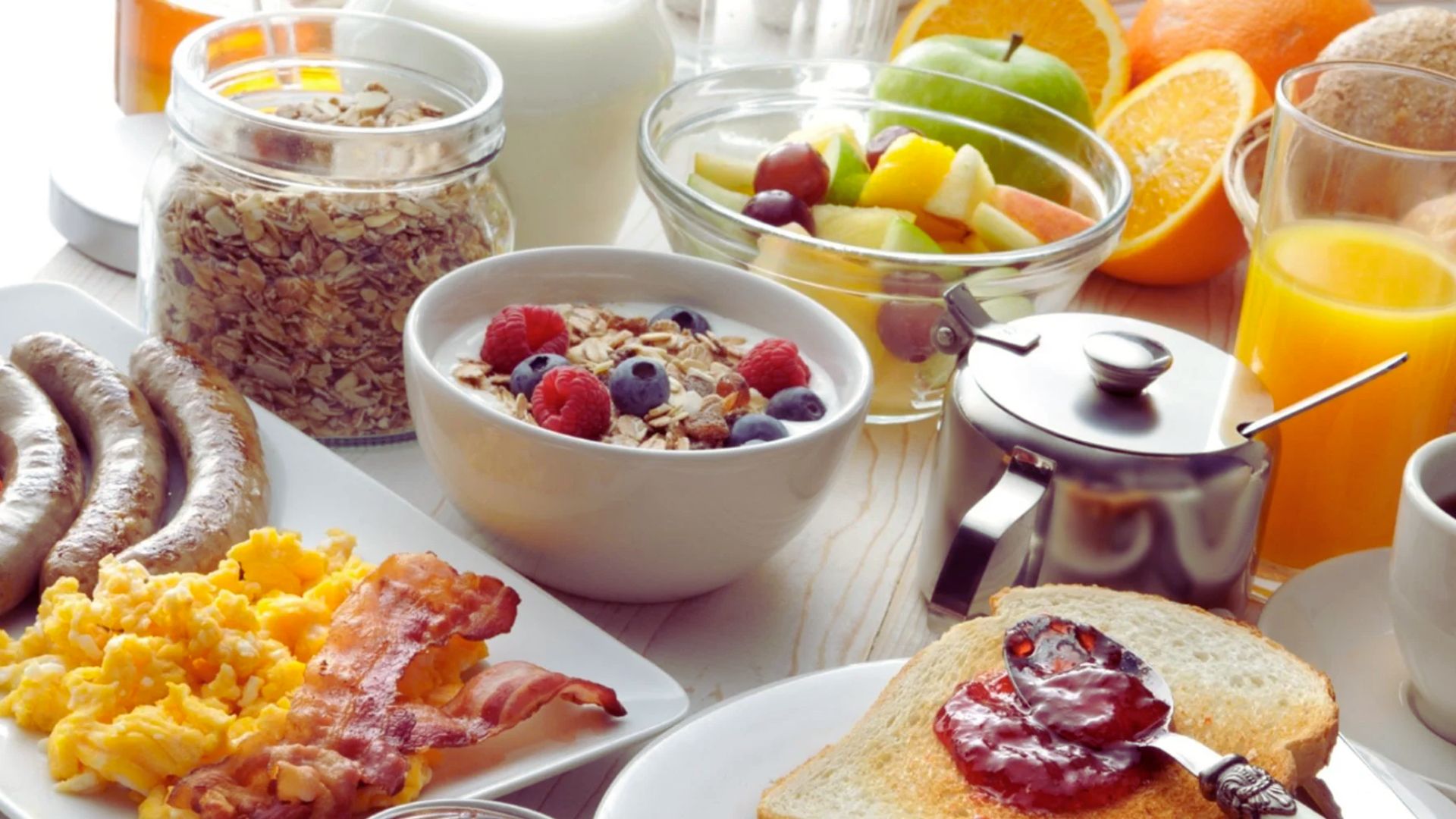
Rich in casein and whey protein for sustained muscle recovery throughout the morning.
High-Protein, Low-Calorie Breakfast Options

Perfect for cutting phases when you need protein without excess calories.
Vegetarian High-Protein Global Breakfasts

Plant-based breakfast options that deliver solid protein for muscle gain without meat
Global Muscle-Building Breakfasts (Protein-Focused Classics)

Simple, protein-rich breakfast ideas from around the world that support muscle growth and recovery.
Quick High-Protein Breakfasts On the Go
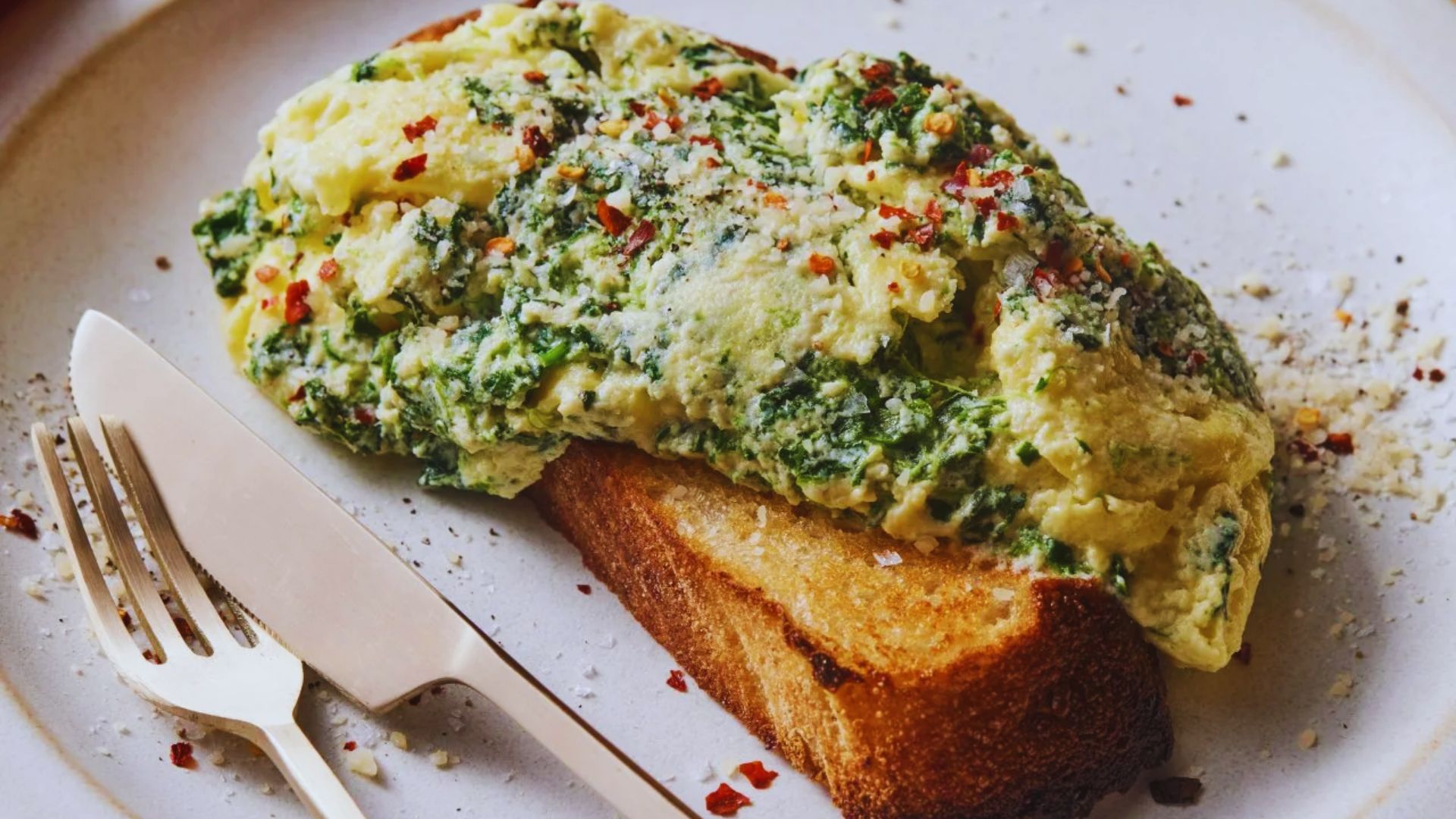
Convenient, protein-forward breakfast choices for busy mornings without compromising muscle gain.
5-Minute Breakfast Ideas
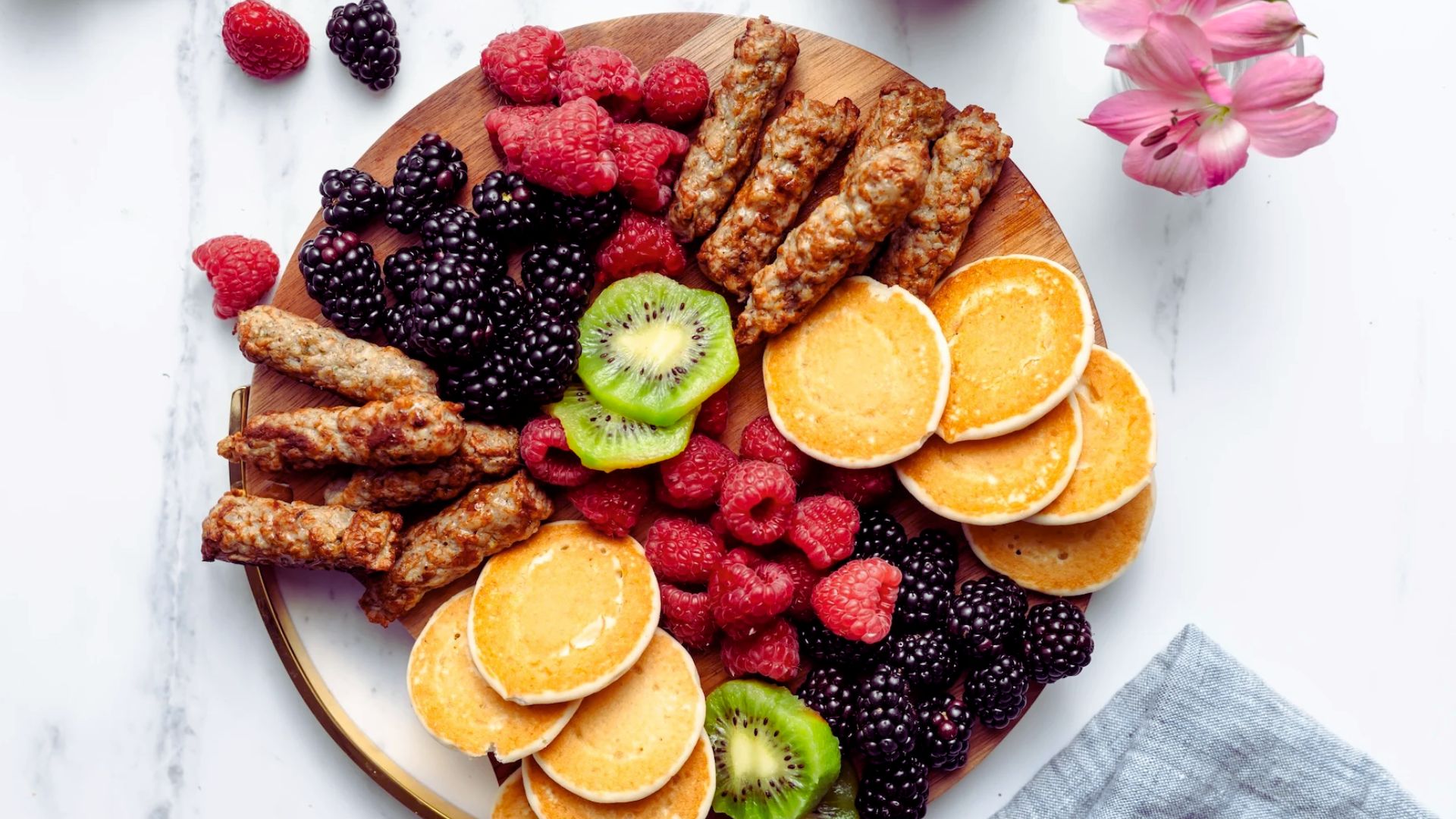
Fast preparations for busy mornings when you need protein without the time investment.
No-Cook High-Protein Breakfasts
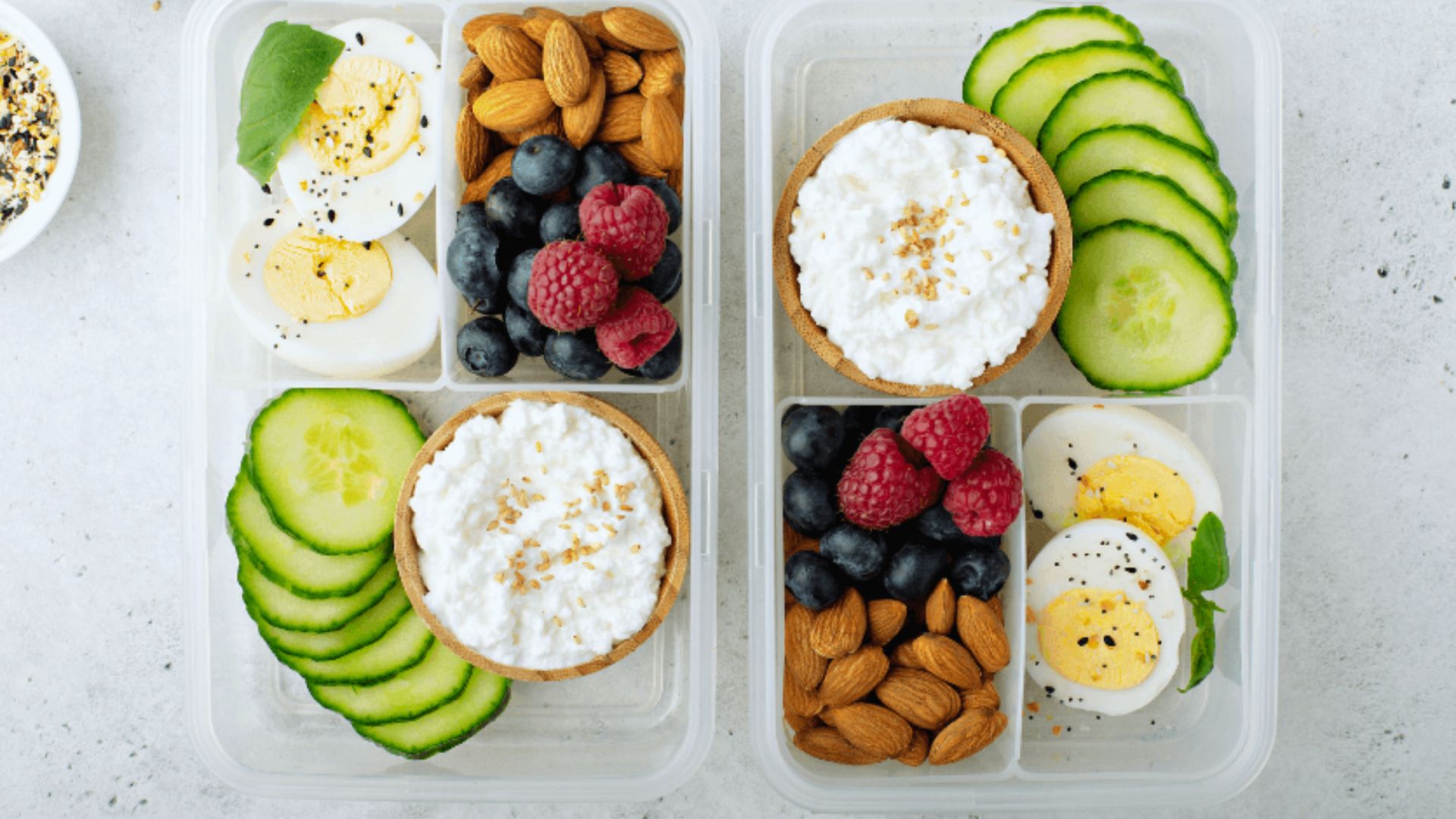
Zero preparation meals you can grab straight from the fridge on rushed mornings.
Ready-to-Eat & Restaurant Options
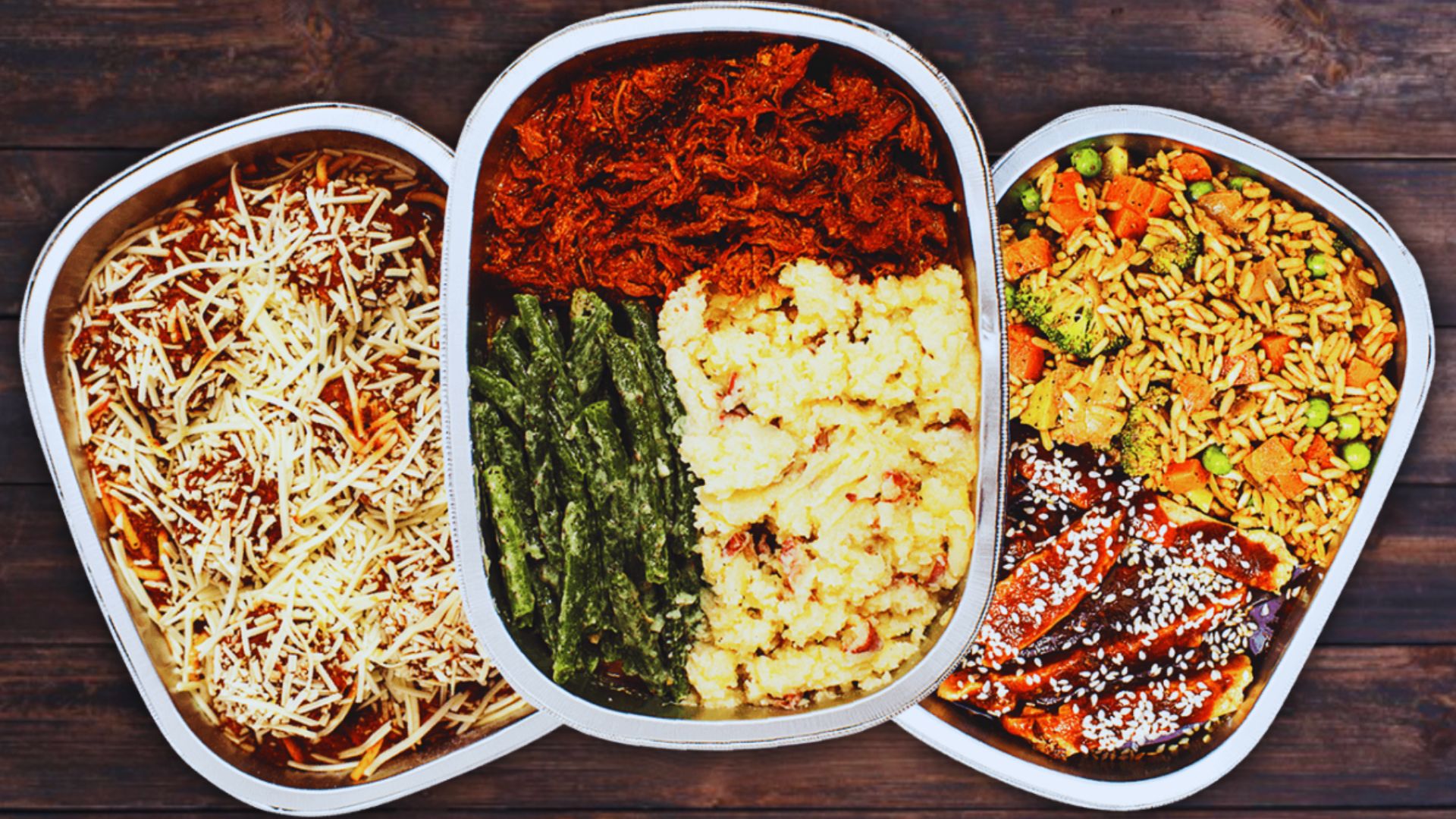
Convenient choices when eating out or ordering that still hit your protein targets.
How to Customize the Best Breakfast for Muscle Gain
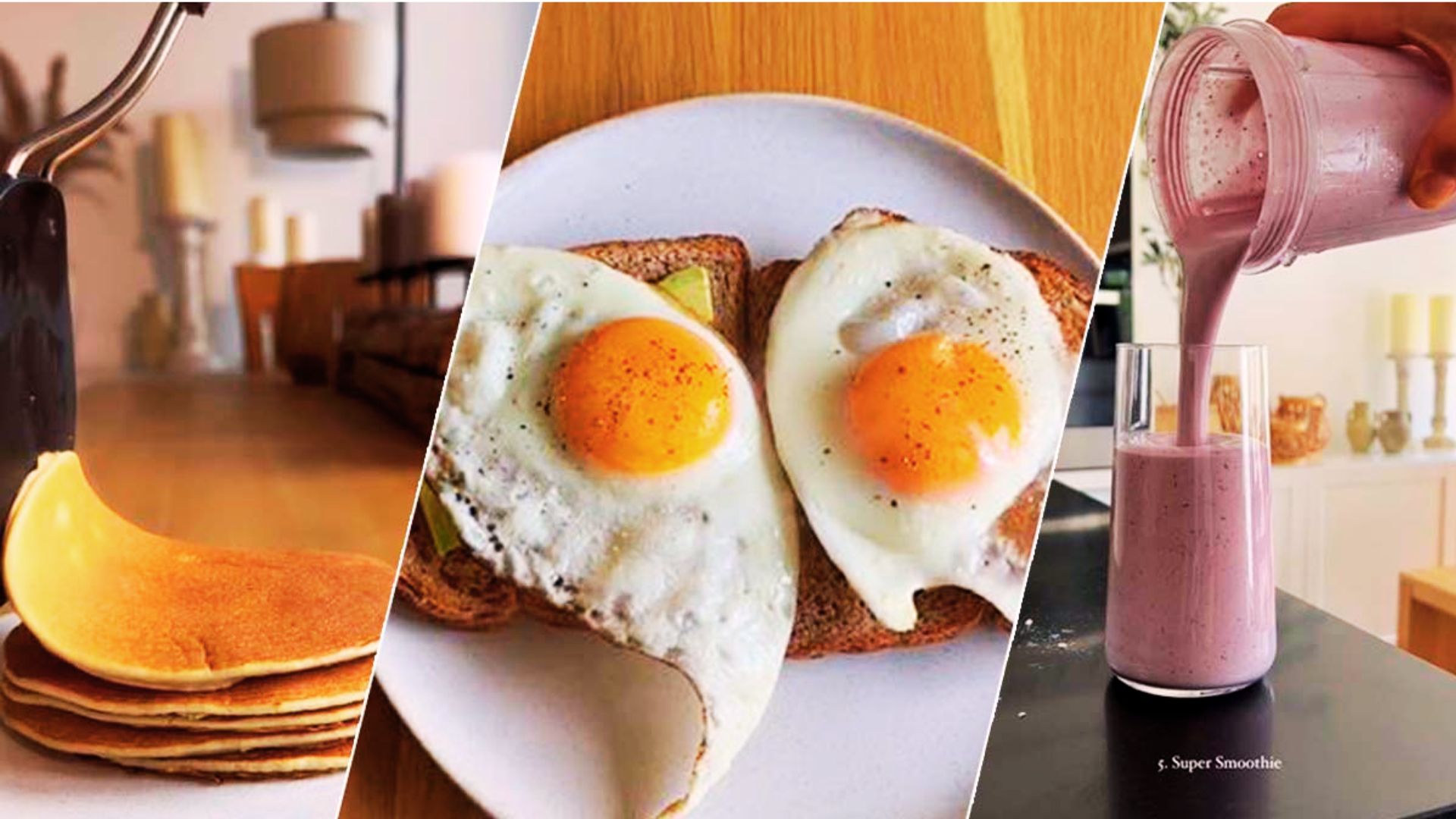
Adjust your breakfast based on your specific body weight, training schedule, and fitness goals for better results.
Based on Body Weight & Training Goals
Bulking: Eat 35-45 grams of protein at breakfast with extra carbs and healthy fats. Add oats, rice, nuts, or avocado for a calorie surplus.
Cutting: Keep protein high (35-40 grams) but reduce carbs and fats. Focus on egg whites, lean chicken, tofu, and Greek yogurt.
Pre-Workout vs Post-Workout Breakfasts
Pre-workout: Eat 1-2 hours before training with easily digestible carbs and moderate protein. Try oatmeal with protein powder or toast with eggs. Avoid high-fat meals.
Post-workout: Consume fast-absorbing protein within 30-60 minutes after training. Whey shakes, scrambled eggs, or Greek yogurt with simple carbs like banana or white rice work best.
Tips to Choose the Best Breakfast for Muscle Gain
Practical strategies to maximize muscle growth through smarter breakfast choices and timing.
- Target 25-40 grams of protein at breakfast to kickstart muscle protein synthesis and prevent muscle breakdown throughout the morning.
- Pair protein with complex carbs like oats, whole-wheat bread, or brown rice for sustained energy and better workout performance.
- Include healthy fats from nuts, seeds, or avocado to support testosterone production and keep you satisfied longer.
- Adjust portions based on your goal: increase carbs and fats when bulking for a calorie surplus, keep protein high but reduce carbs and fats when cutting.
- Prep breakfasts in advance with overnight oats, boiled eggs, and pre-cut fruits to save time and avoid skipping meals or making poor choices.
Conclusion
Building muscle depends on consistent, protein-rich breakfasts that fuel your body right from the start.
I’ve tested dozens of these options, and what matters most is finding meals you actually enjoy eating daily.
Start with three or four recipes from this list and make them part of your routine. Remember, consistency matters more than perfection.
Your muscles grow from what you do repeatedly, not from one perfect meal. Try a new breakfast option this week and let me know in the comments which one works best for you.
Frequently Asked Questions
How much protein should breakfast have for muscle gain?
Aim for 25-40 grams of protein at breakfast, depending on your body weight and training intensity. This kickstarts muscle protein synthesis and represents about one-fourth of your daily protein needs.
Can I build muscle without eggs or meat?
Yes, combine plant proteins like lentils with rice, tofu with quinoa, or Greek yogurt with seeds. These combinations provide complete amino acid profiles your muscles need for growth.
Is whey protein good for breakfast?
Whey protein is excellent for breakfast because it digests quickly with 95% bioavailability. Mix it with oats, milk, or fruit for a complete meal with protein and carbs.
Is breakfast necessary for muscle gain?
Breakfast isn’t mandatory, but eating protein early maximizes daily protein synthesis and provides energy for morning workouts. Just meet your protein goals across other meals if you skip it.
What makes a breakfast high-protein and muscle-friendly?
A muscle-friendly breakfast has at least 25 grams of quality protein, complex carbs for energy, and healthy fats for hormone support. It keeps you full for 3-4 hours without digestive discomfort.


