
The bent over barbell row is one of the best exercises for building a strong, thick back. But most people do it wrong, and that leads to poor results or, worse, injury.
I've been training for years, and this is the movement I keep coming back to for real back development.
In this article, I'll cover proper form, grip options, muscles worked, common mistakes, and the best variations.
You'll know exactly how to perform the movement correctly, what muscles it targets, and how to avoid the most common errors that hold people back.
This guide gives you everything you need to row with confidence and get results.
What Is the Bent Over Barbell Row?
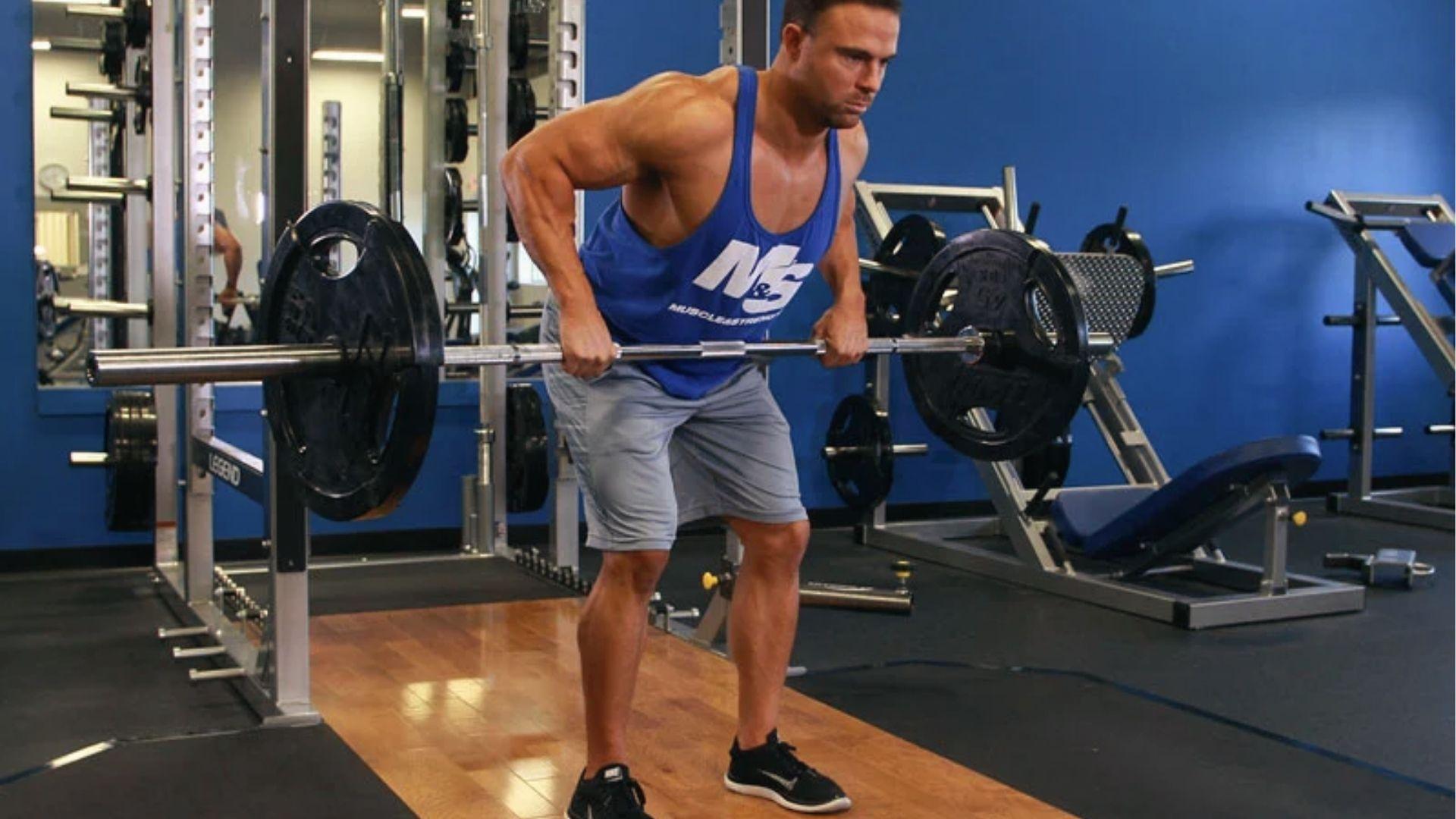
The bent over barbell row is a compound pulling exercise. You hinge at the hips, keep your back flat, and pull a barbell toward your torso.
It works the entire back along with the biceps, rear delts, and core. Unlike machines, this movement requires your whole body to stay engaged throughout every rep.
That is what makes it so effective for building real back strength. It is a staple in powerlifting, bodybuilding, and general strength programs.
If you want a thicker, stronger back, this exercise belongs in your routine.
What Does Bent Over Barbell Row Work?
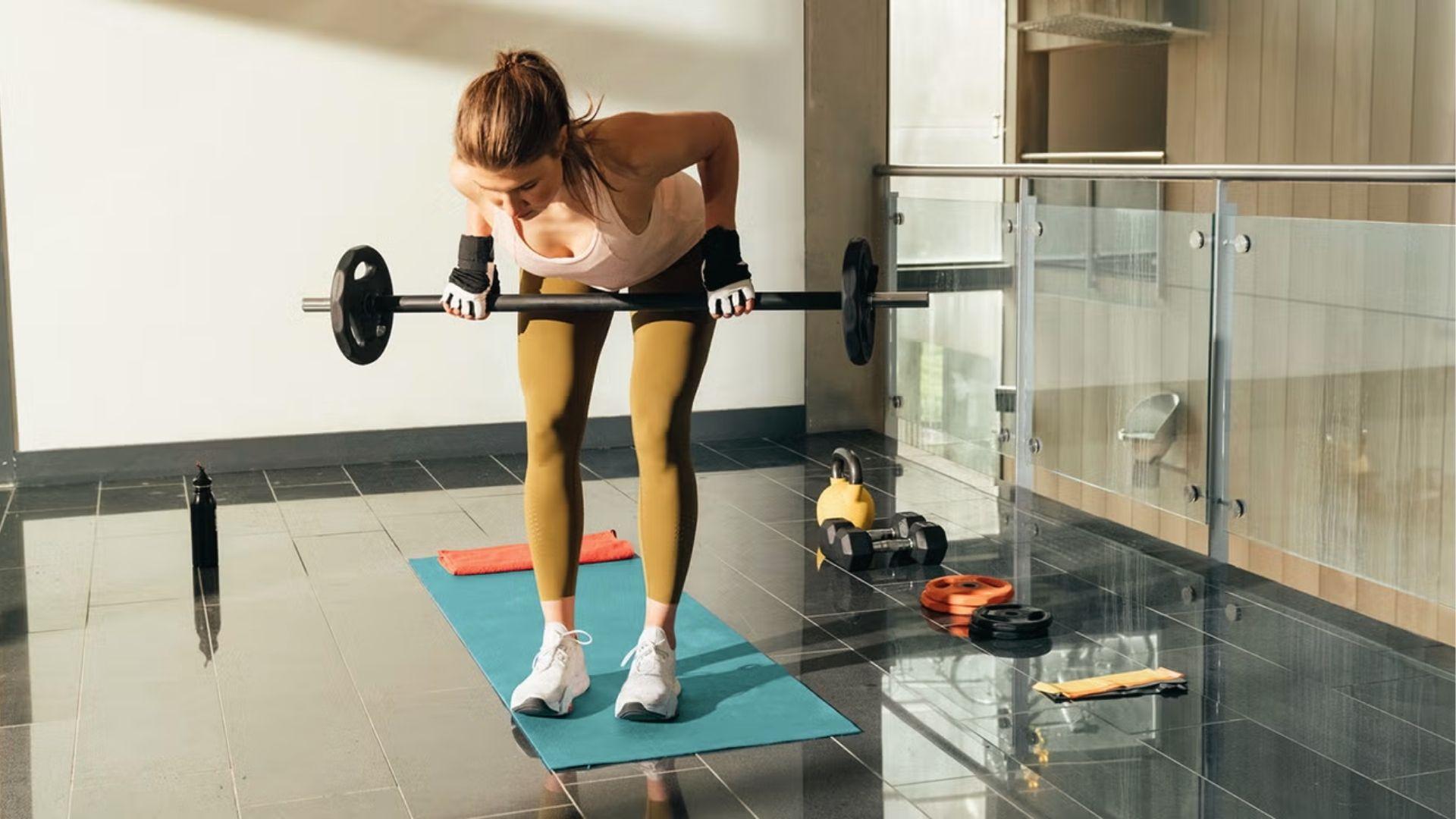
This exercise hits more muscles than most people expect. Here's a full breakdown.
Primary Muscles Targeted
The main muscles working during this movement are:
- Latissimus dorsi (lats)
- Rhomboids
- Middle and lower trapezius
- Rear deltoids
- Erector spinae (lower back stabilizers)
Secondary Muscles Activated
Several supporting muscles also get trained:
- Biceps
- Forearms and grip muscles
- Core and abdominals
- Glutes and hamstrings (isometric hold)
How the Exercise Builds Back Thickness and Strength
The pulling angle and free weight load force your muscles to stabilize and contract fully.
This creates more tension than most cable or machine rows. Over time, that tension leads to real thickness in the upper and mid-back.
How to Do Bent Over Barbell Row Properly

Getting the form right from day one will protect your back and get you better results.
Bent Over Barbell Row Instructions
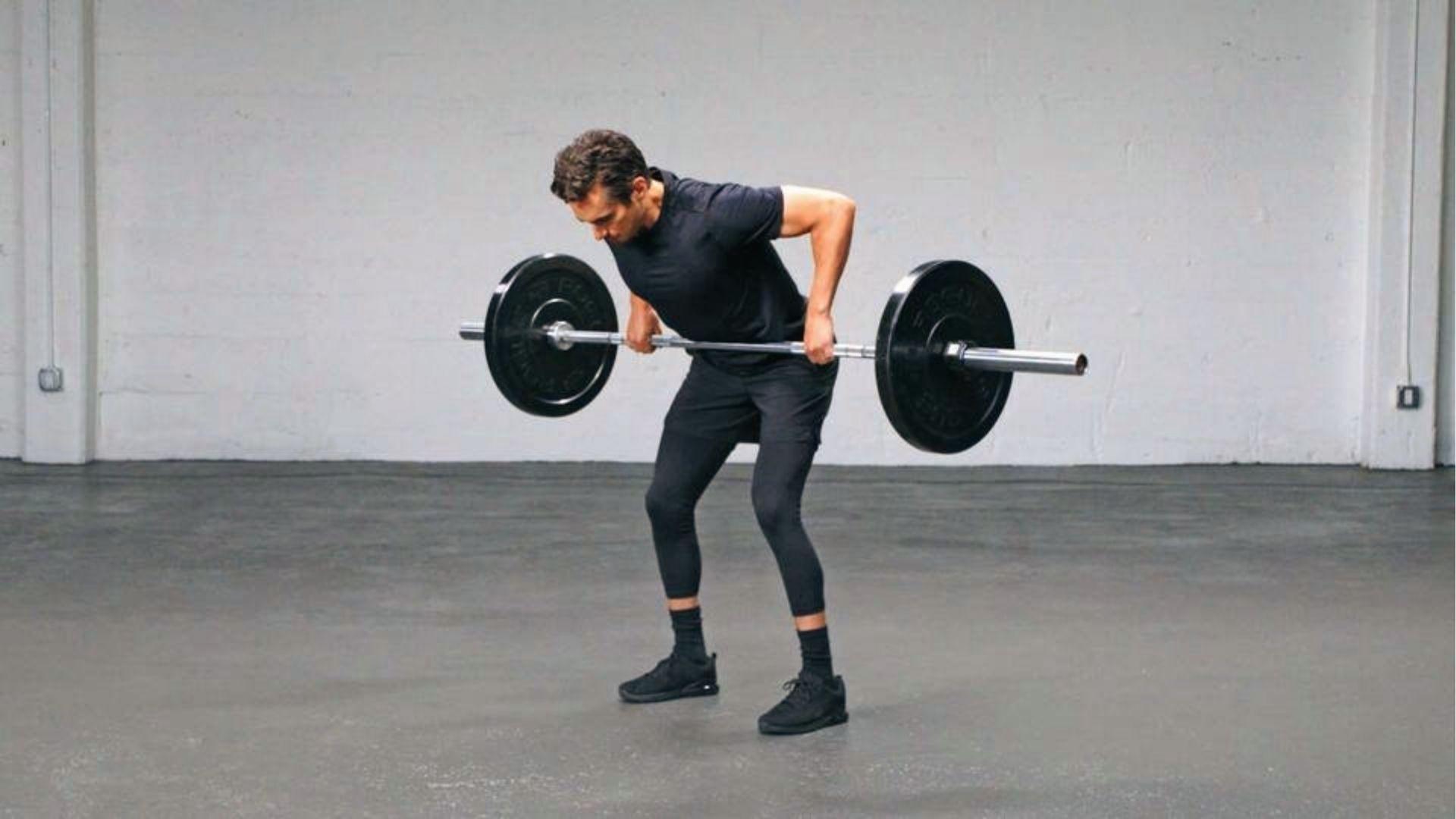
Start by standing with your feet shoulder-width apart and holding the barbell with an overhand grip, slightly wider than shoulder-width.
Hinge at your hips until your torso reaches about 45 degrees or closer to parallel with the floor.
Keep your back flat and your core tight throughout the movement.
From this position, pull the bar toward your lower chest or upper stomach, then squeeze your back muscles at the top of the rep.
Finally, lower the bar in a controlled manner back to the starting position.
Correct Starting Position and Body Alignment
Your knees should be slightly bent. Your hips should be pushed back. Your chest should be up and your spine neutral.
The bar should hang just below your knees at the start of each rep.
Proper Pulling Technique for Maximum Back Activation
Think about pulling with your elbows, not your hands. Drive your elbows back and up.
Keep them close to your sides or flared slightly, this depends on your grip choice. Focus on squeezing the shoulder blades together at the top.
How to Lower the Barbell Safely and With Control
Lower the bar slowly. Don't let it drop. A two-second lowering phase helps build more muscle and keeps your joints safe.
Rushing the lowering phase is one of the most common mistakes in this lift.
Common Bent Over Barbell Row Mistakes to Avoid
Small errors in form can slow your progress and lead to injury over time.
- Rounding the lower back is one of the most common mistakes. It puts direct stress on your spine. Keep your back flat and chest up throughout every rep.
- Using momentum to lift the bar takes work away from your back muscles. Control each rep on the way up and the way down for real muscle engagement.
- Standing too upright during the movement turns it into a shrug instead of a row. Hinge at the hips and keep your torso at roughly a 45-degree angle.
- Pulling with your arms instead of your back is a habit many beginners fall into. Think about driving your elbows back and squeezing your shoulder blades together at the top.
- Loading too much weight too soon forces your body to compensate with bad form. Start light, nail the technique, and add weight only when your form stays clean for every rep.
Bent Over Barbell Row Form and Grip Guide

Your grip affects which muscles get worked more, choose based on your goals.
Bent Over Barbell Row Proper Form
Keep your back flat throughout every rep, don't let your hips rise as you pull, brace your core like you're bracing for a punch, keep your head in a neutral position, breathe out as you pull, breathe in as you lower.
Overhand vs Underhand Bent Over Barbell Row Grip
An overhand grip targets the rhomboids and mid-back more. An underhand grip shifts more load to the lower lats and biceps.
Both are effective. Most beginners start with overhand and add underhand later for variety.
Wide Grip vs Narrow Grip Differences
A wider grip hits the upper back and rear delts more. A narrower grip allows a longer range of motion and targets the lats more directly.
Neither is wrong, they just create slightly different stimuli.
Best Grip Width for Back Development
For most people, a grip just slightly outside shoulder-width works best. It gives a good range of motion while keeping stress off the shoulders and wrists.
How to Maintain a Neutral Spine During Rows
Before each set, take a big breath, brace your core, and pull your chest up. This locks your spine into position.
If your lower back starts to round, the weight is too heavy or you're too fatigued to continue.
Tips to Get Better Results From Bent Over Barbell Rows
Small changes in how you train can lead to much better progress over time.
- For strength, do 3 to 5 sets of 3 to 6 reps heavy. For muscle growth, do 3 to 4 sets of 8 to 12 reps. For endurance, go 15 or more reps.
- Slow down each rep, pause at the top for one second, and focus on feeling your back contract, not just moving the bar.
- Add weight only when you complete all reps with clean form for two sessions in a row. Go up by five pounds at a time.
- Film yourself from the side, use a mirror, and start lighter than you think you need to. Focus on back engagement first.
- Warm up before heavy sets, use a belt if needed, and never row with a rounded spine. Stop if anything hurts.
Conclusion
I've seen the bent over barbell row change physiques when done right. It takes patience and practice, but the results are real.
Start with the basics, keep the form tight, and build from there. Good technique means more muscle activation, less injury risk, and better long-term progress.
This exercise rewards lifters who take time to learn it correctly. If this helped you, drop a comment below and tell me how your rows are going.
Share this with someone who wants to build a stronger back.
Frequently Asked Questions
How often should I do the bent over barbell row?
Two to three times per week works well for most people. Make sure you allow enough recovery time between sessions so your back can repair and grow.
Is the bent over barbell row safe for beginners?
Yes, it is safe when done with proper form. Beginners should start with light weight and focus on learning the correct back position before adding load.
What is the best grip for bent over barbell rows?
An overhand grip slightly wider than shoulder-width is a strong starting point. You can experiment with underhand or narrower grips as you get more comfortable with the movement.
Can bent over barbell rows replace pull-ups or lat pulldowns?
They are not a direct replacement because the pulling angle is different. Rows target horizontal pulling while pull-ups and pulldowns focus on vertical pulling. Both types should be in your program.
Why do I feel this more in my biceps than my back?
This usually means you are pulling with your arms instead of initiating through your elbows and shoulder blades. Try lightening the weight and focusing on squeezing your back at the top of each rep.