

I ignored stationary bikes for years. I thought they were boring. Thought they couldn’t match real workouts.
Then I hopped on one after my knees started screaming from running. Thirty minutes later, I was drenched in sweat and my legs were toast. Zero joint pain.
The benefits of stationary bike exercise hit different when you actually push yourself. I’m talking about serious calorie burn, muscle building, and cardio gains without destroying your body.
I’m showing you 13 proven benefits of stationary bike workouts that’ll change how you train.
Ready to see what you’ve been missing?
Why Stationary Bike Exercise Is One of the Best Low-Impact Workouts
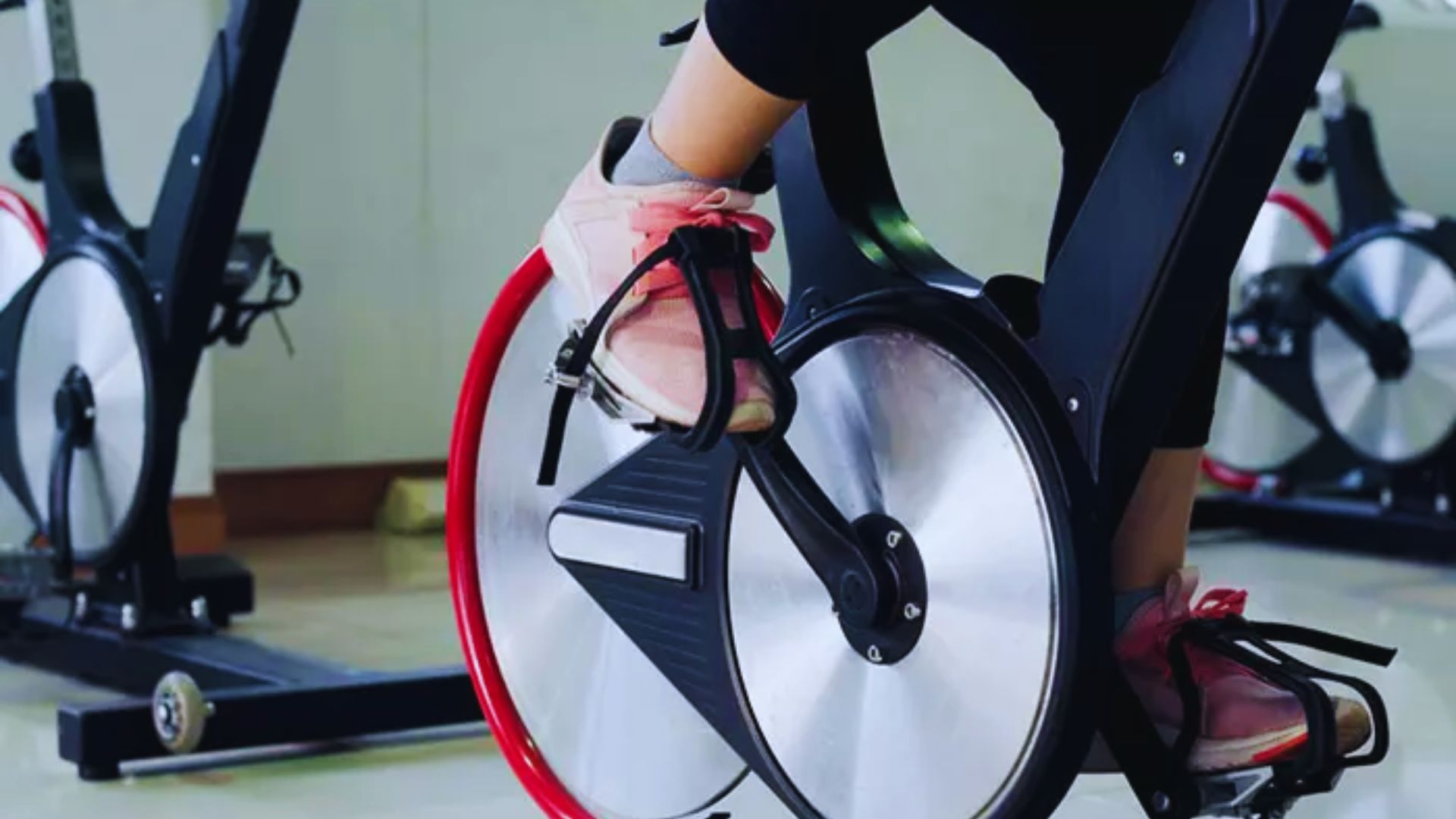
A stationary bike workout means pedaling on a fixed bike that stays in one spot. Simple, right?
But here’s the kicker. It works for complete beginners and elite athletes. You control the intensity with resistance levels.
Running beats up your knees and ankles. Cycling doesn’t. You get the same cardio burn without the joint stress.
The benefits of stationary bikes 30 minutes a day are real. Half an hour gives you a complete cardiovascular session without needing hours at the gym.
13 Powerful Benefits of Stationary Bike
Here’s why this machine deserves a spot in your routine.
1. Improves Cardiovascular Health
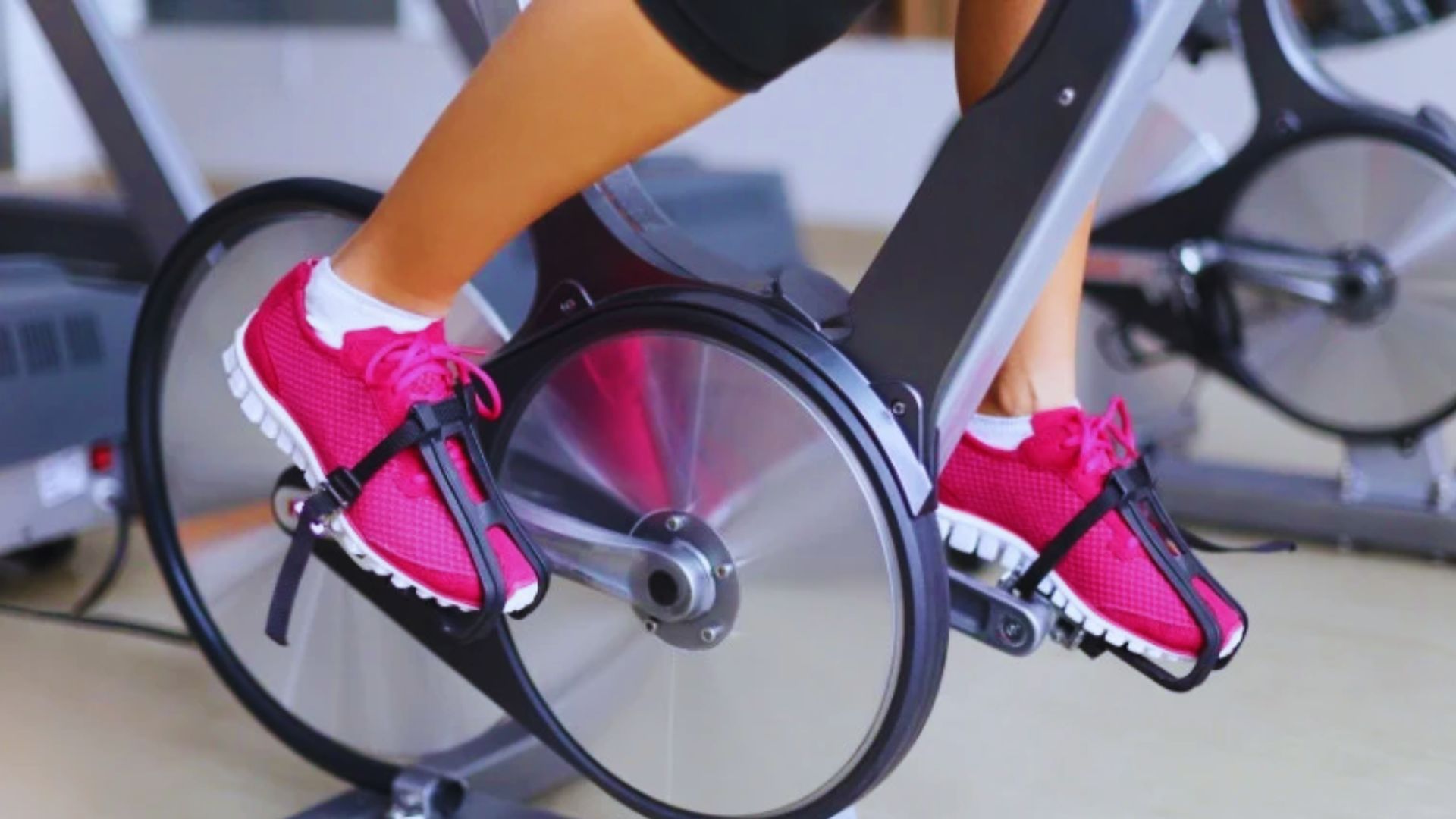
Your heart is a muscle. Cycling makes it stronger.
Regular sessions improve blood flow throughout your body. Better circulation means more oxygen reaching your muscles and organs.
Studies show consistent cycling reduces heart disease risk by up to 50%. That’s huge.
Your resting heart rate drops over time. That means your heart works more efficiently even when you’re not exercising.
2. Accelerates Weight Loss

Stationary bikes torch calories fast. A moderate 30-minute session burns 200-300 calories. Go harder and you’ll hit 400-600.
Your body taps into fat stores for fuel during longer rides. This boosts your metabolism even after you stop pedaling.
The benefits of stationary bikes for weight loss stack up when you stay consistent. Three to five sessions weekly creates a serious calorie deficit.
Pair cycling with smart eating and you’ll see the scale move. I dropped 15 pounds in three months just by adding regular bike sessions.
3. Strengthens Lower Body Muscles

Every pedal stroke works your quads, hamstrings, calves, and glutes.
You’re not just doing cardio. You’re building leg strength with every revolution.
Crank up the resistance and it feels like leg press work. Lower it down for speed and endurance training.
Your legs will feel it the next day. That burn means muscle growth and strength gains.
4. Burns Calories Efficiently in Short Sessions
Don’t have an hour? No problem.
Twenty minutes of interval training on a bike can match an hour of steady-state cardio for calorie burn.
High-intensity intervals spike your heart rate fast. Your body keeps burning calories for hours afterward.
This makes cycling perfect for busy schedules. Get in, work hard, get out, and still see results.
5. Improves Joint Mobility Without Impact

Running creates impact force equal to three times your body weight. Ouch.
Cycling? Zero impact. Your feet never leave the pedals.
This makes it perfect for people with knee issues, hip problems, or arthritis. You can still train hard without pain.
The circular pedaling motion actually improves joint flexibility. Your knees and hips move through their full range without stress.
6. Boosts Endurance and Stamina

Start with 10 minutes and you’ll be gassed. Keep at it and 30 minutes becomes easy.
Your body adapts. Your lungs get more efficient at processing oxygen.
Progressive training builds stamina faster than you’d think. I went from barely finishing 15 minutes to crushing 45-minute sessions in two months.
Better endurance means everyday activities feel easier. Stairs? No problem. Long walks? Piece of cake.
7. Supports Mental Health and Stress Relief
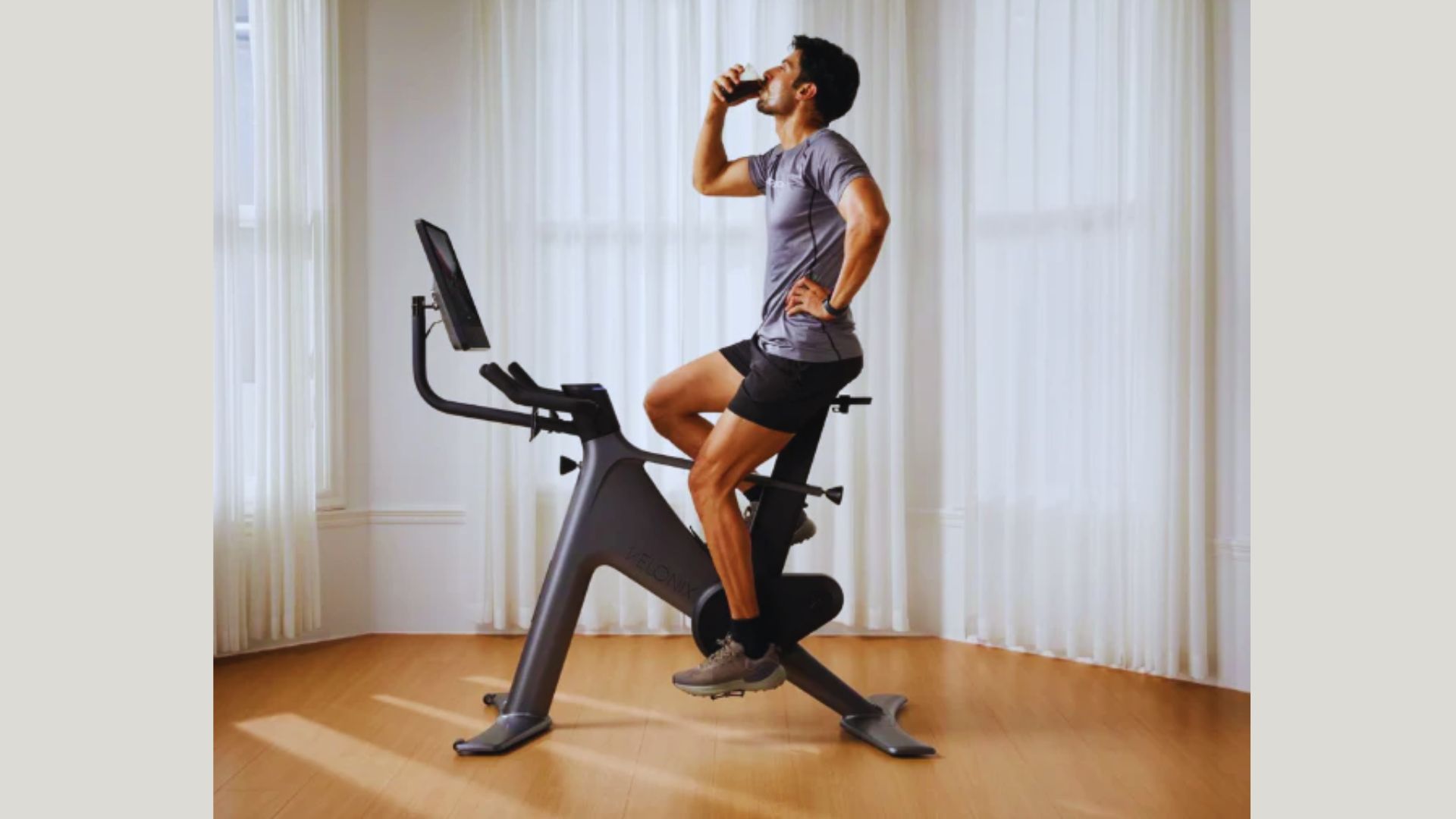
Cycling releases endorphins. Those feel-good chemicals flood your brain during and after workouts.
I use my bike sessions as therapy. Bad day at work? Twenty minutes of pedaling clears my head completely.
Regular exercise reduces anxiety and depression symptoms. The rhythm of pedaling becomes almost meditative.
You’ll finish sessions feeling mentally sharper and emotionally lighter. That’s not hype, that’s brain chemistry working in your favor.
8. Helps Regulate Blood Sugar Levels

Exercise pulls glucose from your bloodstream into your muscles for energy.
This improves insulin sensitivity. Your body processes sugar more efficiently.
For people with type 2 diabetes or prediabetes, regular cycling can be life-changing. Studies show it helps control blood sugar better than many medications.
Even if you’re not diabetic, stable blood sugar means consistent energy throughout the day. No more afternoon crashes.
9. Improves Balance and Coordination

You might think balance doesn’t matter on a stationary bike. Wrong.
Your core engages to keep you stable. Your neuromuscular system coordinates leg movements with upper body stability.
This carries over to daily life. Better balance means fewer falls and injuries as you age.
I noticed improved stability in other exercises after months of regular cycling. My squat form got cleaner without specifically working on it.
10. Safe for All Fitness Levels
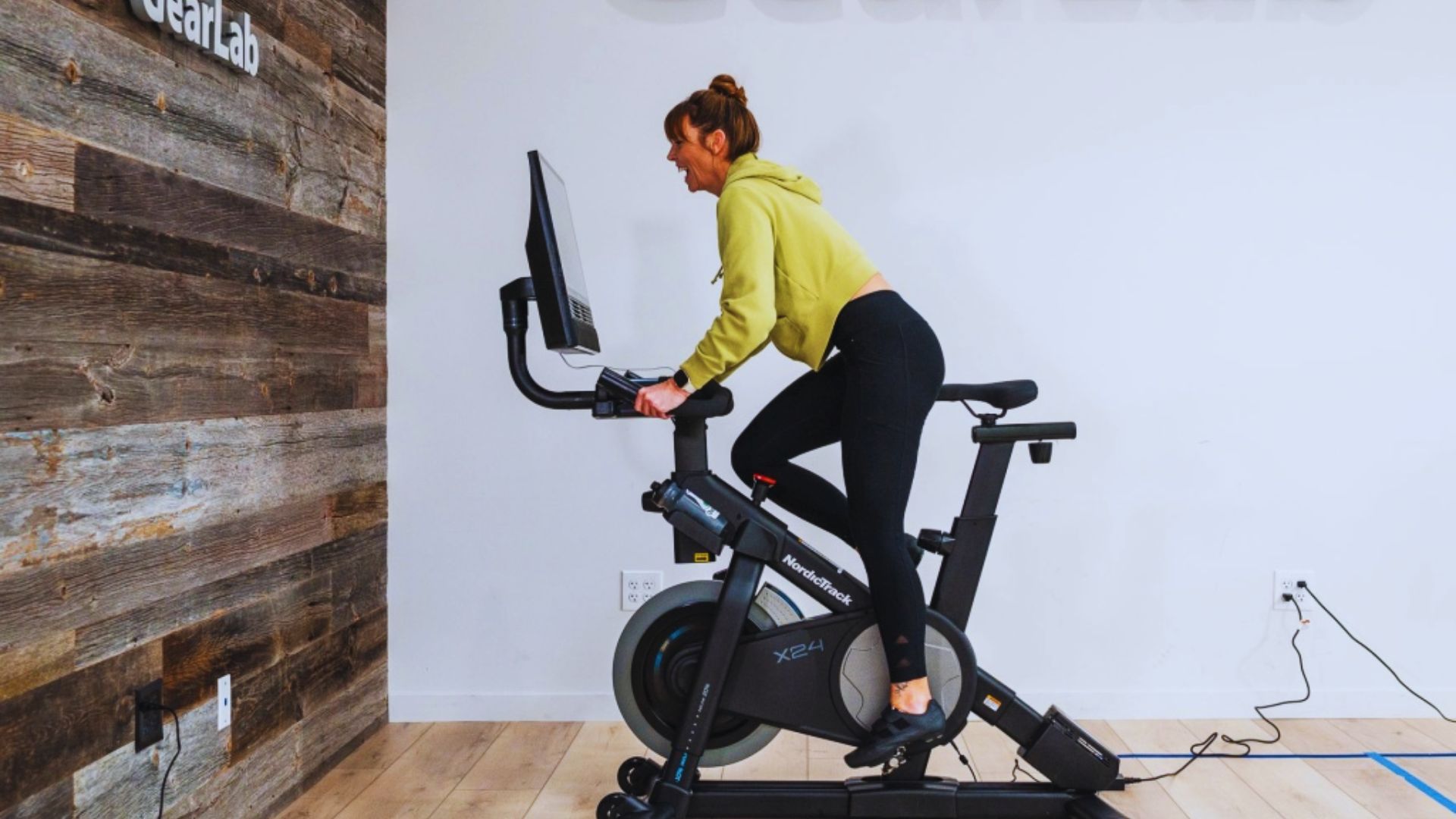
Total beginner? Set the resistance to almost nothing and pedal at your own pace.
Advanced athlete? Crank it up and do sprint intervals that’ll leave you gasping.
The same bike works for everyone. You adjust it to your current fitness level.
There’s no learning curve. Sit down and pedal. You already know how to ride a bike.
11.Encourages Workout Consistency
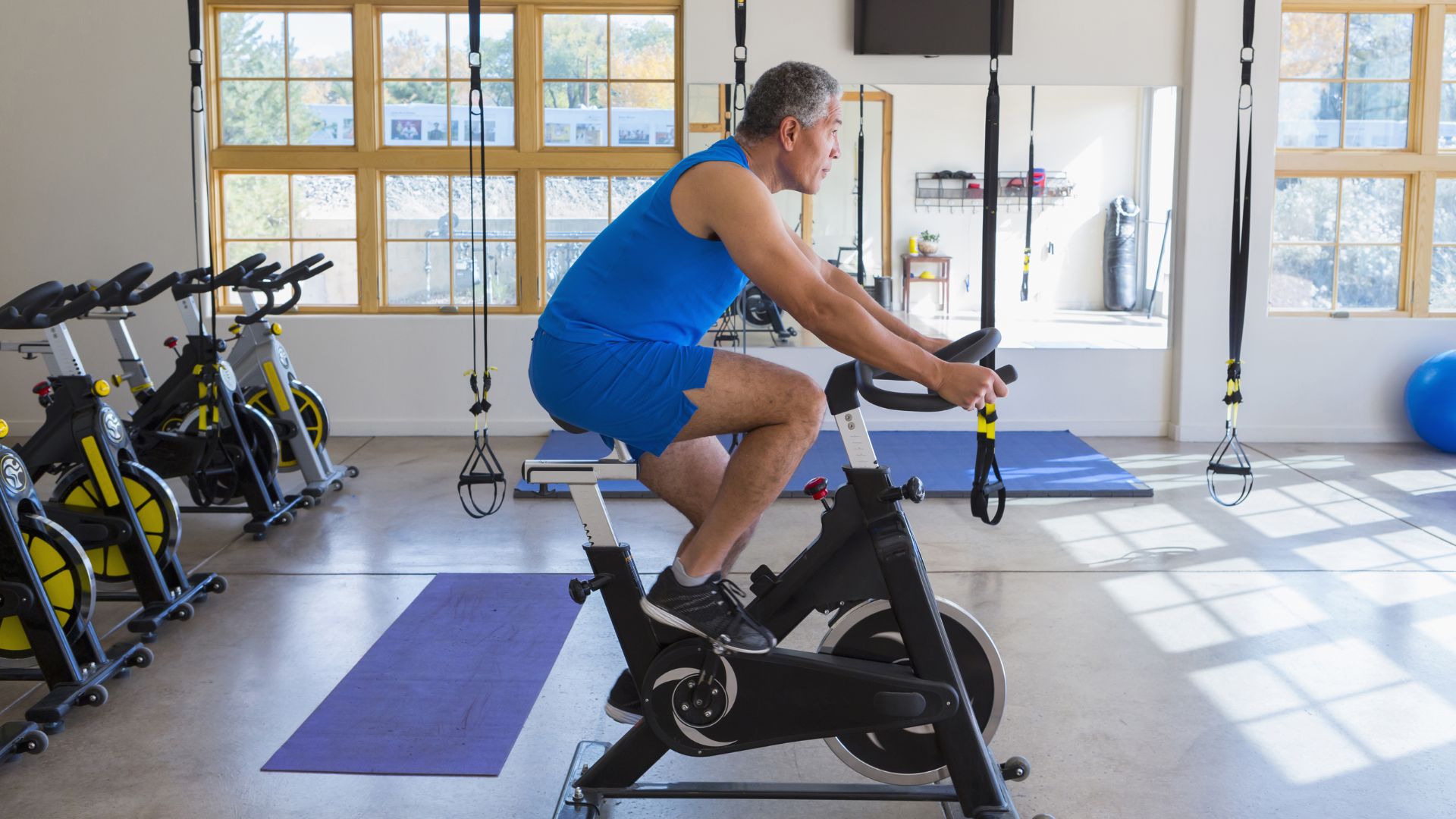
Rain, snow, heat wave? Doesn’t matter. Your bike is always ready indoors.
No excuses about weather or darkness or unsafe conditions.
I stay consistent because there’s zero friction. Roll out of bed, hop on the bike, done.
Consistency beats intensity every time. Regular moderate sessions trump occasional hardcore workouts.
12. Aids Recovery and Rehabilitation

Physical therapists love stationary bikes for rehab work.
Post-surgery or injury, you need movement without stress. Cycling provides exactly that.
Light spinning increases blood flow to healing tissues. This speeds recovery without risking reinjury.
I used my bike during recovery from a torn calf muscle. It kept me active while everything healed properly.
13. Promotes Long-Term Heart and Lung Health

Aerobic exercise strengthens your cardiovascular system for life.
Your heart stays healthier. Your lungs work better. Your blood vessels remain flexible.
This isn’t about short-term fitness. This is about still being active and independent in your 70s and 80s.
I think about my future self every time I ride. Building this foundation now pays dividends for decades.
How to Maximize the Benefits of a Stationary Bike Workout
Getting on the bike is step one. Getting real results requires smarter training.
- Start with proper bike setup: Adjust seat height so your knee has a slight bend at the bottom of each pedal stroke
- Mix up your intensity: Alternate between steady-state rides and high-intensity intervals throughout the week
- Track your sessions: Log time, resistance, and perceived effort to monitor progress
- Add upper body movement: Incorporate light arm movements or resistance bands while pedaling for full-body engagement
- Focus on cadence: Aim for 80-100 RPM (revolutions per minute) for optimal cardiovascular benefit
- Stay hydrated: Keep water nearby and sip throughout longer sessions
- Warm up and cool down: Five minutes of easy pedaling before and after prevents injury and aids recovery
Consistency matters more than perfection. Three solid 30-minute sessions beat one brutal hour-long ride you can’t repeat.
Conclusion
You’ve got the full breakdown of the benefits of stationary bike training.
Here’s your challenge: pick one benefit that spoke to you most. Weight loss? Joint relief? Mental health boost?
Focus on that single goal for your first two weeks. Track it. Own it. Then come back here and tell me which benefit surprised you the most. I bet it won’t be the one you expected.
The benefits of stationary bike exercise hit harder when you stop reading and start pedaling.
Your bike is waiting.
What are you going to do about it? Drop your biggest question below and let’s talk.
Frequently Asked Questions
How long should I ride a stationary bike daily to see results?
Aim for 20-30 minutes of moderate intensity cycling at least 3-5 times per week. You’ll notice improved cardiovascular fitness within 2-3 weeks and weight loss within 4-6 weeks with consistent effort.
Are stationary bikes effective for weight loss?
Yes, stationary bikes are highly effective for weight loss when combined with proper nutrition. A 30-minute session can burn 200-600 calories depending on intensity, creating the calorie deficit needed for fat loss.
Is 30 minutes a day on a stationary bike enough exercise?
Absolutely, 30 minutes daily meets the CDC’s minimum recommendation for cardiovascular exercise. This duration provides significant health benefits including improved heart health, weight management, and increased endurance.
Can beginners use a stationary bike safely?
Yes, stationary bikes are one of the safest exercise options for beginners. The adjustable resistance and low-impact nature allow you to start at your own pace and gradually increase intensity as fitness improves.
How often should I do a stationary bike workout each week?
Aim for 3-5 sessions per week for optimal results. This frequency allows adequate recovery between workouts while building consistent cardiovascular fitness and maintaining momentum toward your fitness goals.


