Grip strength is often the weak link in heavy training. If your hands give out before your muscles do, you are leaving gains on the table.
This guide covers everything about the barbell static hold, from proper technique to programming and variations.
You will learn: How to do it correctly, Which muscles it targets, How to program it for real results
I have used static holds in my own training to break through plateaus in deadlifts and rows. They work. This guide gives you a clear, practical plan to follow.
What is Barbell Static Hold

A simple grip exercise that builds serious strength from the ground up.
The barbell static hold means picking up a loaded barbell and holding it in place for a set amount of time. No reps. No movement. Just steady tension on your grip and muscles.
You stand tall, hold the bar at arm’s length, and squeeze as hard as you can for the full duration. It is one of the most direct ways to build grip strength because you can progressively add weight over time.
If your grip ever fails before your muscles do, this exercise is the fix.
Barbell Static Hold Muscles Worked

This movement trains more than just your hands. Here is a breakdown of what gets worked.
Forearms and Grip Muscles
The flexor muscles in your forearms and the muscles of your hand do most of the work. Every second you hold the bar, these muscles are under load.
This is where the most direct training effect happens.
Shoulders and Traps
Your shoulders and traps work as stabilizers to keep the bar in position. This is especially true for overhead variations.
Even in a standard hang, the upper back and traps are engaged throughout the hold.
Core and Stabilizer Muscles
Holding a heavy barbell requires your core to stay braced. Your abs, obliques, and lower back all work to keep your posture steady. This makes the barbell static hold a surprisingly full-body movement.
How to Do Barbell Static Hold Correctly
Getting the technique right from the start saves you from wasted effort and injury.
Step 1: Load the Barbell
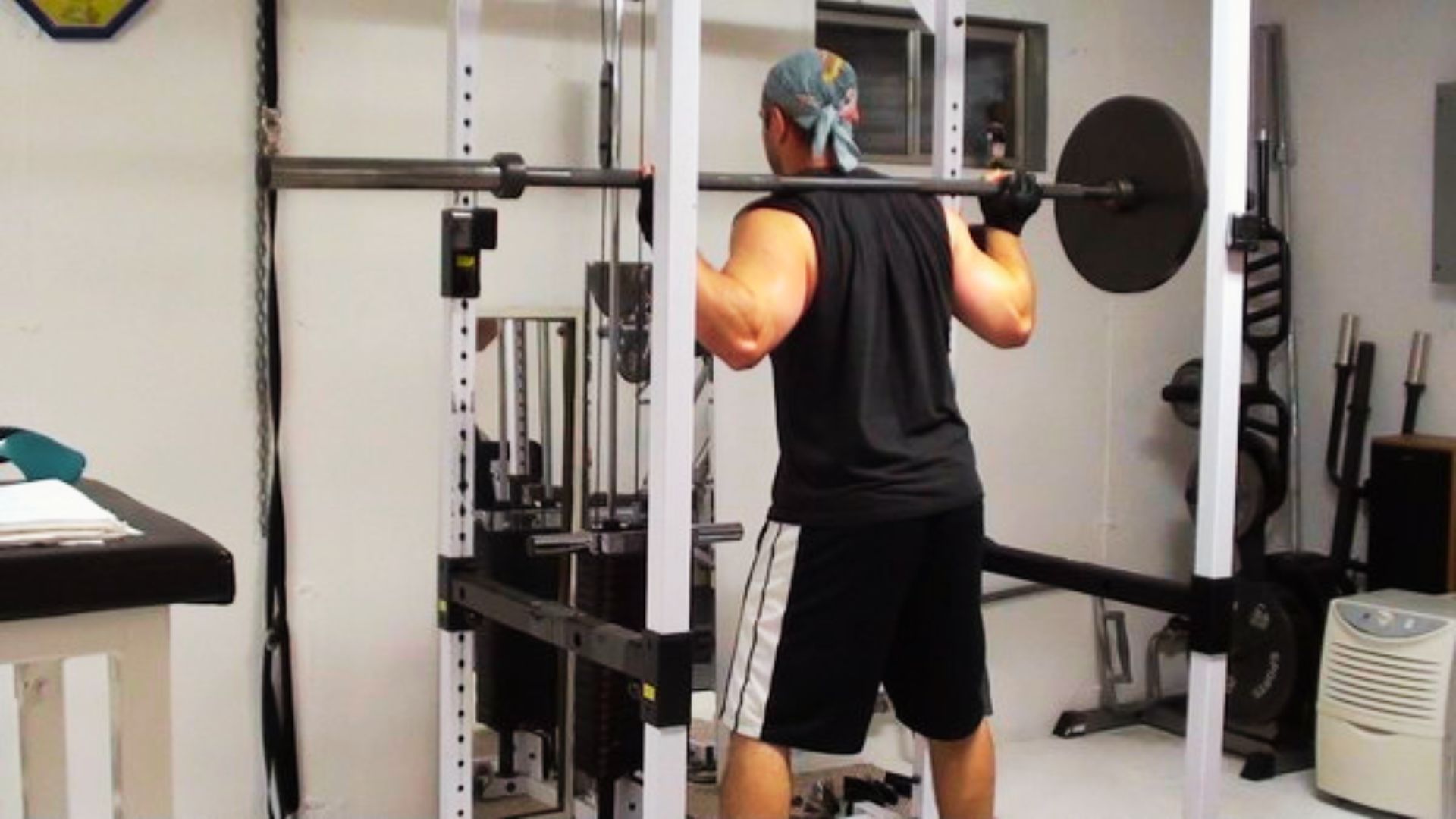
Start with a weight you can hold comfortably for 20 to 30 seconds. Do not go too heavy when starting out. Build your base first.
Step 2: Set Your Stance
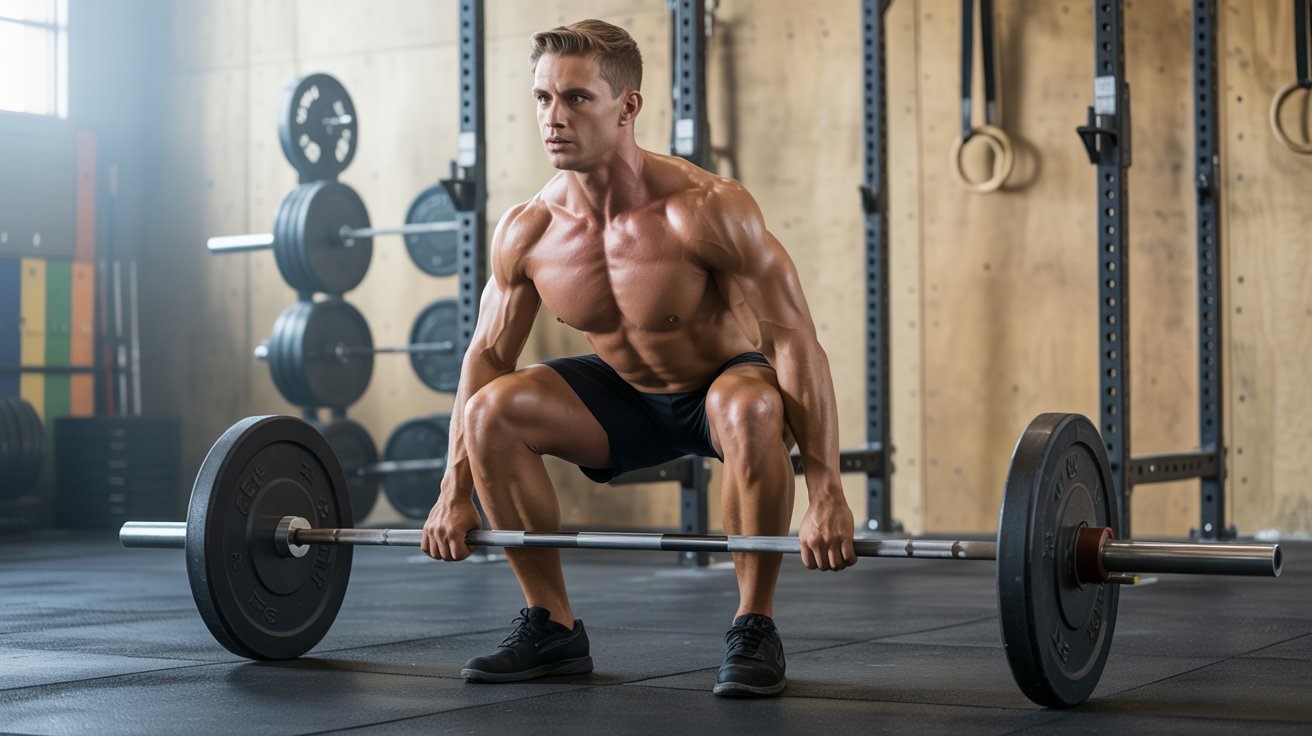
Stand tall with your feet shoulder-width apart. Keep your chest up and shoulders pulled back before you even touch the bar.
Step 3: Pick Up the Bar

Use an overhand grip and lift the bar from the floor or a rack. Let it hang at arm’s length with your arms straight. Do not bend your elbows.
Step 4: Grip the Bar Correctly
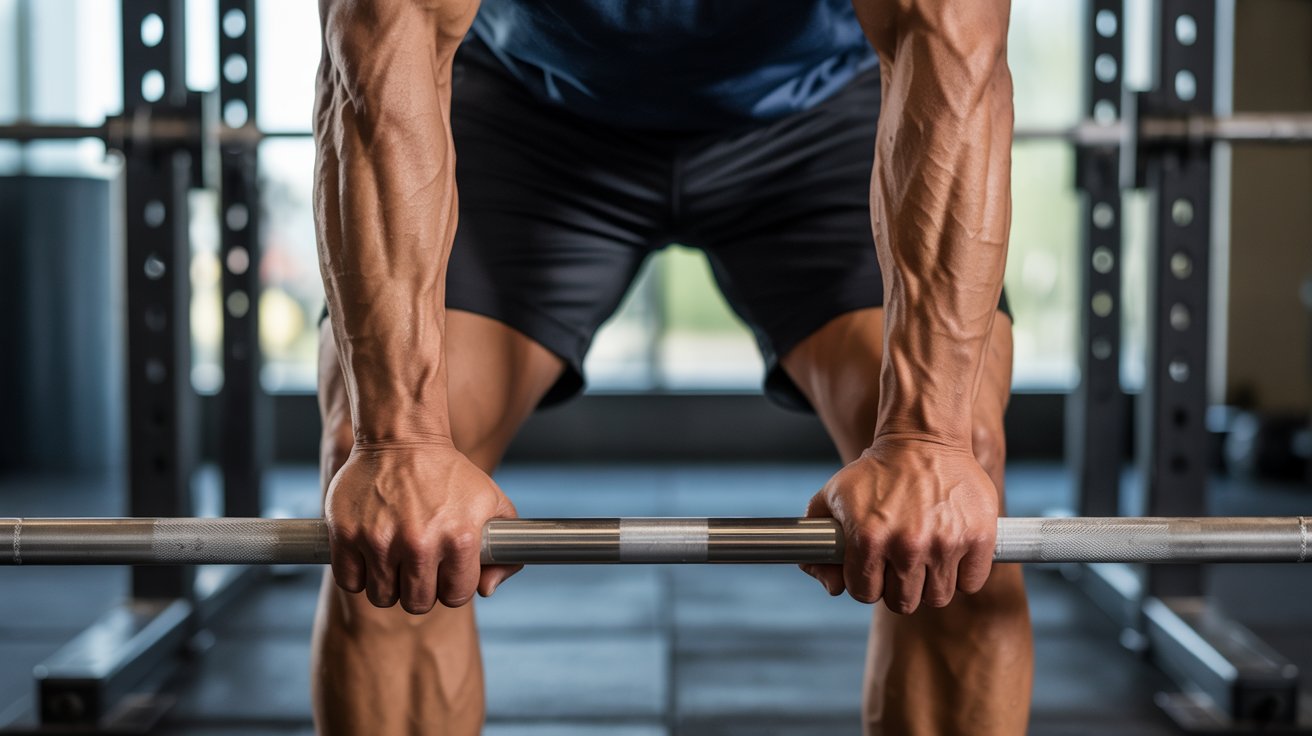
Grip the bar in your fingers, not deep in your palm. Your knuckles should face forward. Squeeze as hard as you can. Think about crushing the bar to keep tension high throughout the hold.
Step 5: Brace and Hold

Keep your core tight and your spine neutral. Hold for your target time. Breathe steadily. Do not hold your breath.
Step 6: Set It Down With Control

Once the hold is complete, lower the bar back down in a controlled way. Do not drop it or lose position on the way down
Barbell Static Hold Variations to Try
Once you have the basics down, these variations keep your training fresh and targeted.
Barbell Static Hold for Forearms
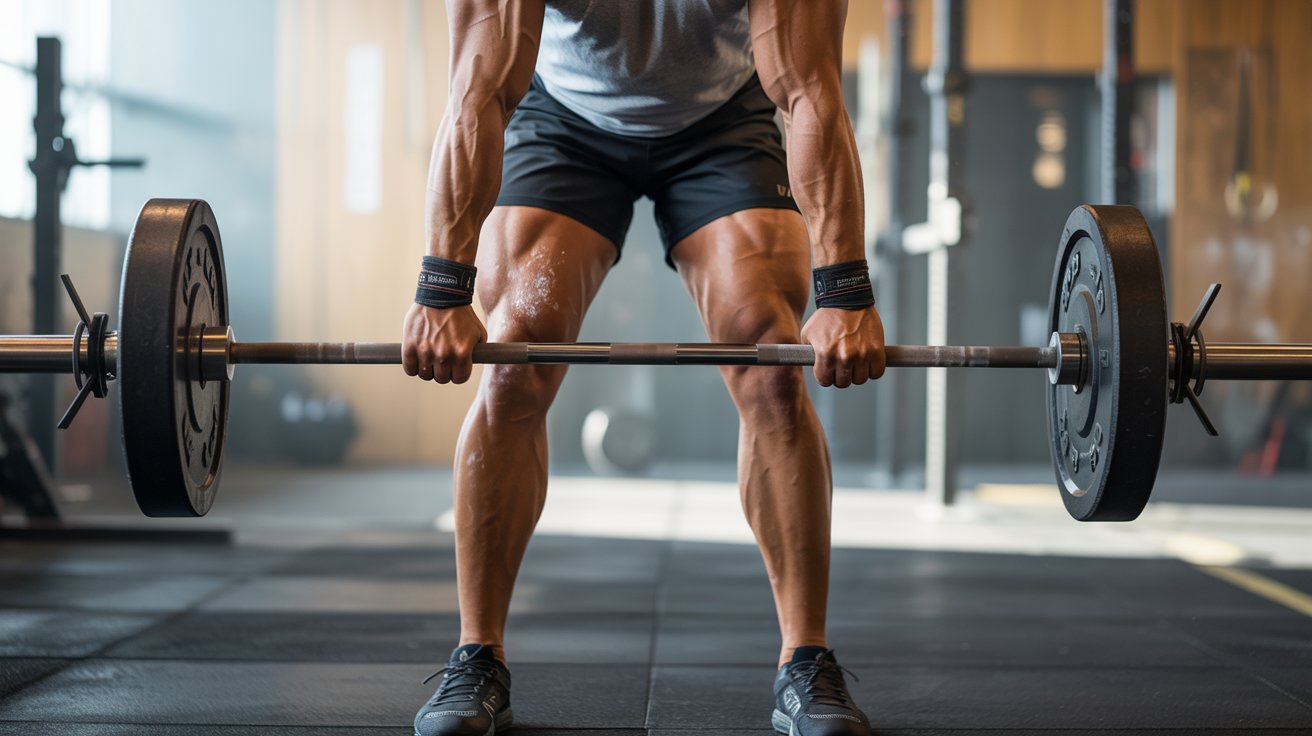
This is the standard version. Use an overhand grip and let the bar hang at arm’s length. The forearms take the brunt of the load. It is the best starting point for most lifters.
Suitcase Barbell Static Hold

Hold the barbell on one side of your body, like a suitcase. This challenges your grip and also trains your core to resist lateral tipping.
It is a great way to build unilateral strength and core stability at the same time.
Overhead Barbell Static Hold for Shoulders
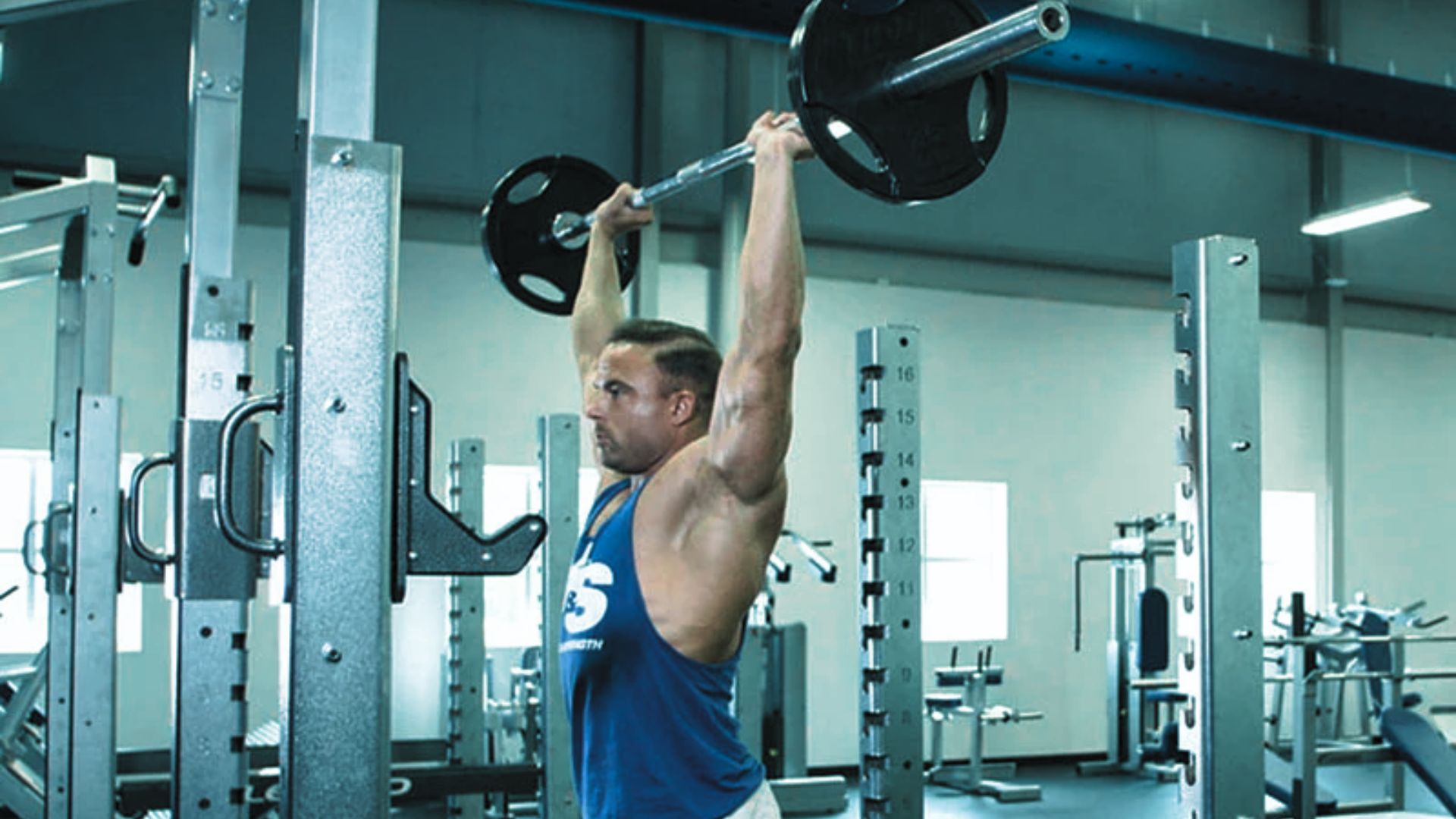
Press the bar overhead and hold it there. This version targets the shoulders, triceps, and upper back while also demanding serious grip control.
Start light and build up. It is more demanding than it looks.
Benefits of Barbell Static Hold for Strength Gains

Static holds are simple but powerful. Here is why they deserve a spot in your training.
Improves Grip Strength and Forearm Development
When you hold a loaded barbell for time, your forearms and grip muscles are forced to work hard.
Over time, this builds real grip strength that carries over to deadlifts, rows, and pull-ups. Most people ignore grip training. That is a mistake.
Increases Time Under Tension for Muscle Growth
Time under tension is one of the key drivers of muscle growth. A barbell static hold keeps your muscles contracted for an extended period.
This creates a strong growth stimulus without adding more volume to your lifts.
Improves Performance in Compound Lifts
A stronger grip means better performance in almost every compound movement. When your grip is not the limiting factor, you can focus on driving through the actual lift. Static holds fix that weak link directly.
Builds Mental Toughness and Endurance
Holding a heavy barbell for 30 to 60 seconds is not easy. It teaches you to push through discomfort.
That mental edge translates to tougher sets, better focus, and more consistent training over time.
Barbell Static Hold Tips for Better Results
Small adjustments make a big difference with this exercise.
- Start with moderate weight before going heavy
- Keep your core tight and spine neutral throughout the hold
- Focus on squeezing the bar as hard as possible
- Track hold time instead of reps
- Increase weight gradually using a 5 percent progression
Conclusion
The barbell static hold is one of the most underrated tools in strength training.
I started adding it after my grip kept failing on heavy deadlifts, and within a few weeks, I noticed a real difference. It is simple, it is effective, and it does not take long.
Start with what you can hold for 20 to 30 seconds. Build from there.
If you found this guide helpful, drop a comment below and let me know how static holds fit into your routine. Share it with someone who wants stronger hands and bigger lifts.
Frequently Asked Questions
How long should you hold a barbell static?
Beginners should aim for 20 to 30 seconds. As grip strength builds, work up to 45 to 60 seconds. Hold duration depends on your training level and the weight being used.
Is barbell static hold good for forearms?
Yes, it is one of the most direct ways to train the forearms. The forearm flexors work continuously throughout each hold, making it highly effective for forearm size and strength.
What muscles does barbell static hold work?
The primary muscles worked are the forearms and grip muscles. The shoulders, traps, and core also engage as stabilizers, especially during longer or heavier holds.
Can beginners safely perform barbell static hold?
Yes. Beginners should start with light to moderate weight and short hold times. Focus on proper posture and breathing first. It is a low-risk exercise when done with control.
How often should I include barbell static holds in my training?
One to two times per week is enough for most people. Adding it at the end of pulling sessions works well. More than that can lead to grip fatigue that affects your other lifts.