Strong hamstrings are vital for athletic performance, good posture, and avoiding injuries. Barbell training gives you adjustable resistance and lets you build strength progressively. This guide covers 7 effective barbell hamstring exercises that will help you develop powerful legs and a solid posterior chain.
I’ve spent years training hamstrings with barbells, and these movements deliver real results. You’ll learn proper form for each exercise. You’ll see how to structure your workouts. You’ll get a complete sample routine to follow.
Weak hamstrings hold you back. This article shows you exactly how to fix that problem. Let’s build stronger, more resilient legs together.
Hamstring Anatomy and Function
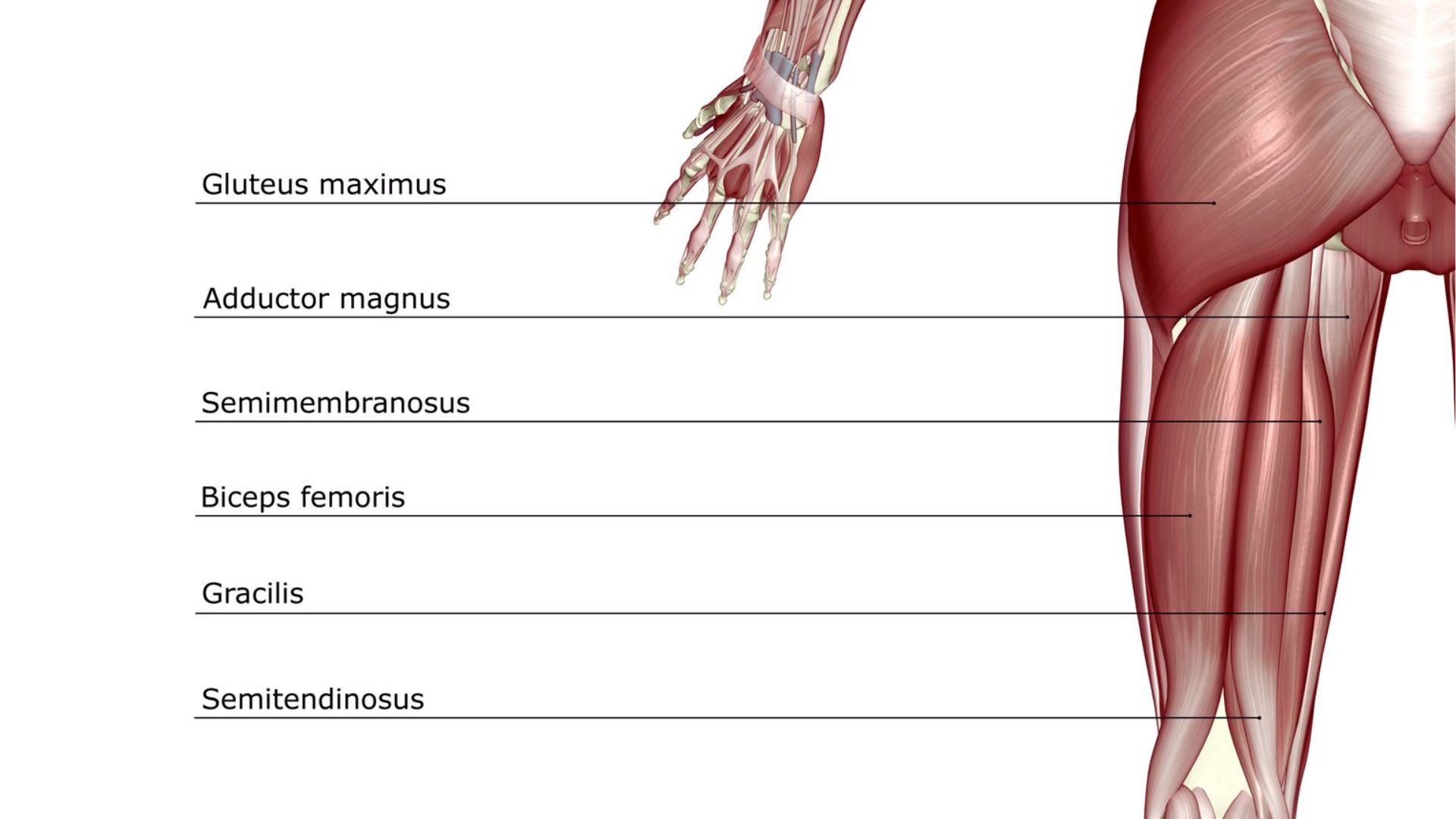
Understanding your hamstrings helps you train them better. These muscles run along the back of your thigh and play multiple roles in movement.
Your hamstring group contains three main muscles. Biceps Femoris (long and short head), Semitendinosus, and Semimembranosus. These work together during leg movements and contribute to overall strength.
Hamstrings perform two primary actions. Hip extension happens when you straighten your hip, like during Romanian Deadlifts. Knee flexion occurs when you bend your knee, like in leg curls.
Your hamstrings also balance against your quadriceps during running, jumping, and squatting. Strong hamstrings prevent knee injuries and improve athletic performance.
7 Barbell Hamstring Exercises
These seven barbell movements target your hamstrings from different angles for complete development.
1. Romanian Deadlift (RDL)

Muscles Worked: Hamstrings, glutes, lower back
Benefits: This exercise builds your entire posterior chain. It improves hamstring flexibility while strengthening your glutes. The movement pattern transfers well to sports and daily activities.
How to Perform: Start with feet hip-width apart. Hold the barbell with an overhand grip. Keep a slight bend in your knees. Push your hips back as you lower the bar down your thighs.
Stop when you feel a good stretch in your hamstrings. Drive your hips forward to return to standing. Keep your back flat throughout the movement.
2. Stiff-Leg Deadlift
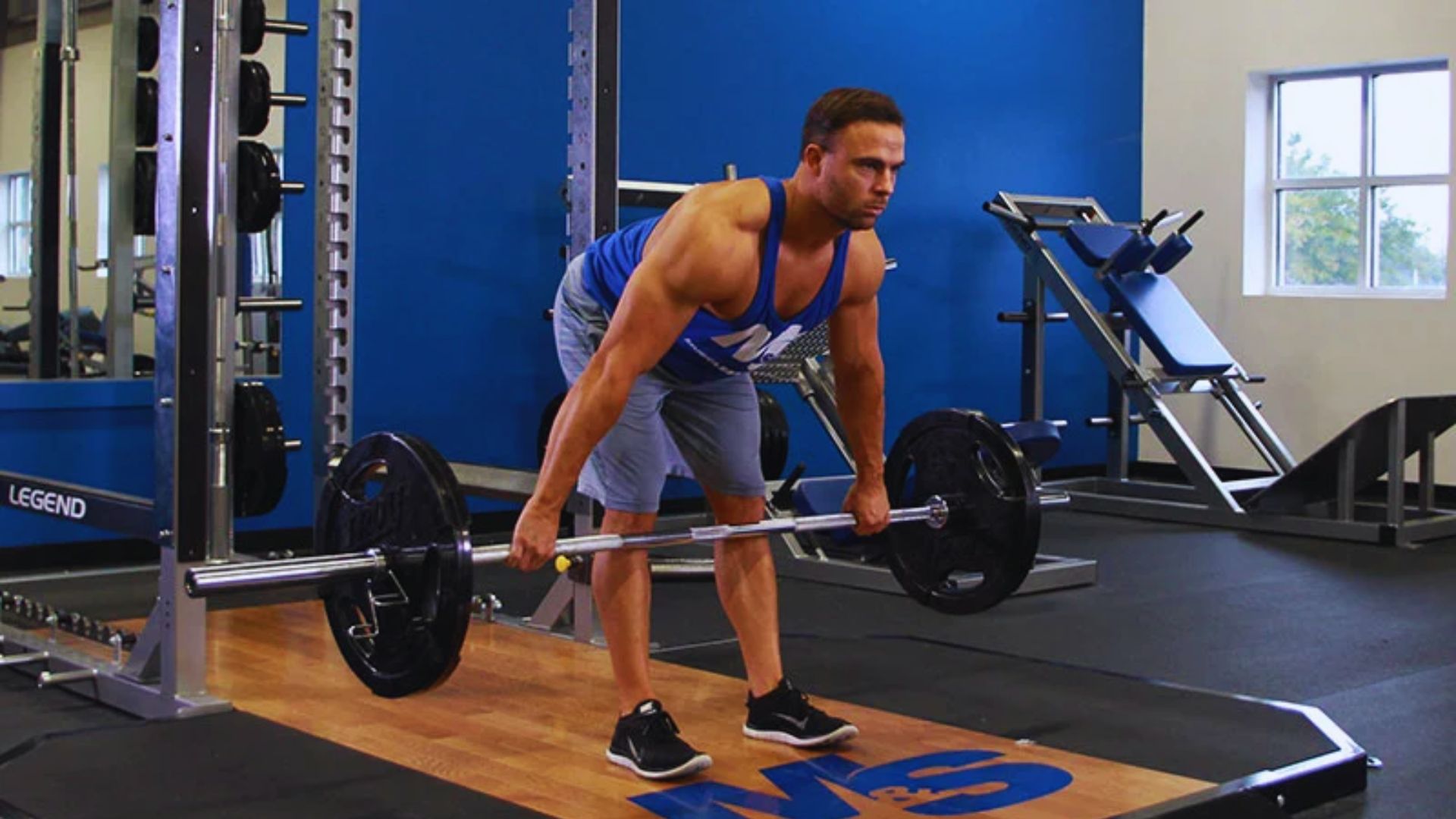
Muscles Worked: Hamstrings, glutes, lower back
Benefits: This variation isolates your hamstrings more than RDLs. You’ll get a deeper stretch at the bottom. The straight-leg position increases hamstring tension.
How to Perform: Stand with legs nearly straight but not locked. Hold the barbell in front of your thighs. Hinge at your hips and lower the bar toward the floor. Keep your legs straighter than you would in RDLs.
Feel the stretch in your hamstrings. Return to the starting position by contracting your hamstrings and glutes.
3. Good Morning

Muscles Worked: Hamstrings, glutes, spinal erectors
Benefits: Good Mornings strengthen your hamstrings and lower back together. They improve flexibility in your posterior chain. This exercise also helps you maintain better posture.
How to Perform: Place the barbell across your upper back. Stand with feet shoulder-width apart. Keep your knees slightly bent.
Hinge forward at your hips while keeping your spine neutral. Lower your torso until you feel hamstring tension. Return upright by squeezing your glutes and hamstrings.
4. Barbell Deadlift

Muscles Worked: Hamstrings, glutes, lower back, quads
Benefits: Deadlifts develop your entire posterior chain. They build functional strength that carries over to real life. This compound movement works multiple muscle groups at once.
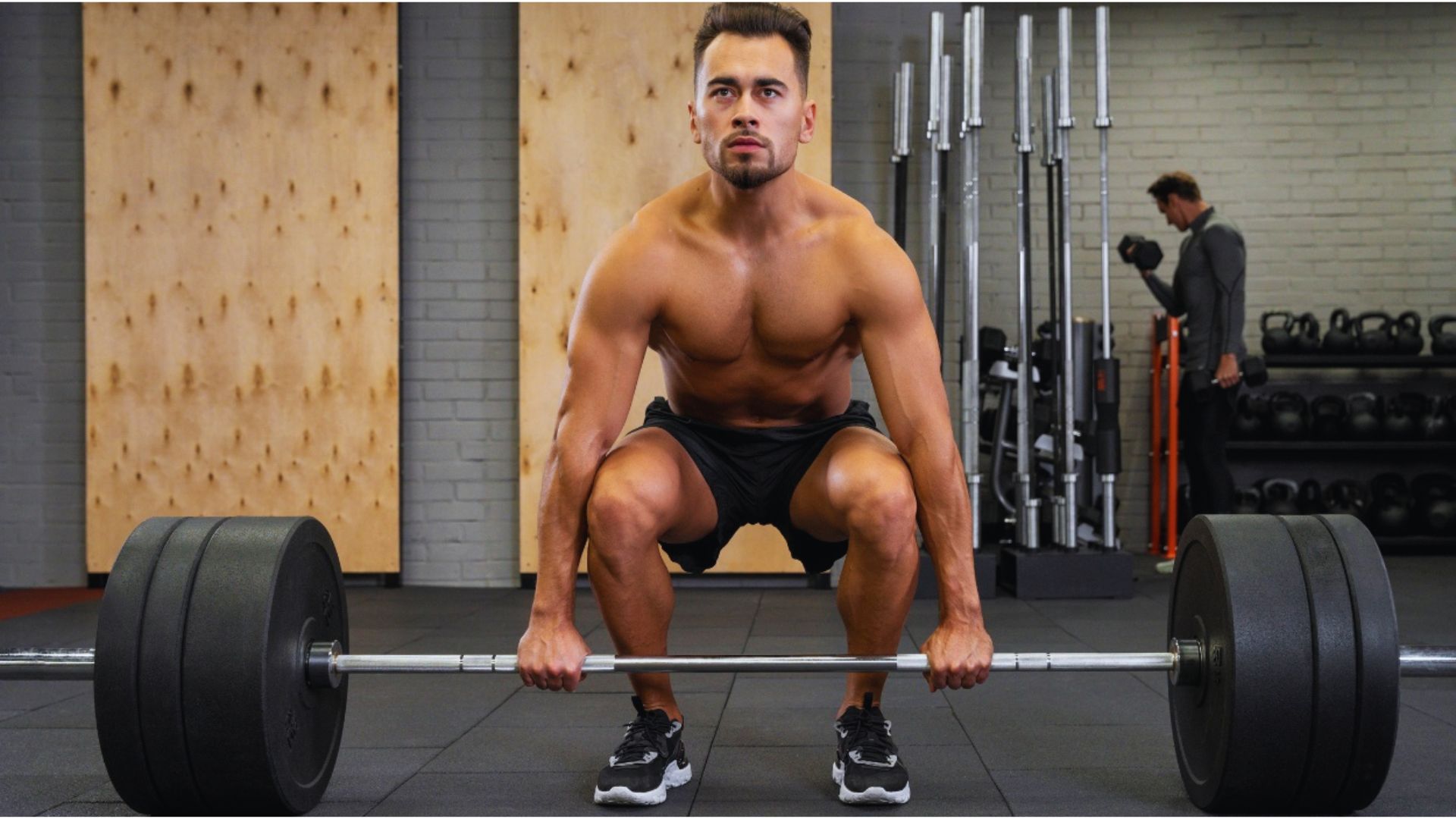
How to Perform: Position the bar over the middle of your feet. Bend down and grip the bar. Keep your back straight and chest up. Drive through your heels to lift the bar. Stand fully upright at the top. Lower the bar with control while maintaining good form.
5. Single-Leg Romanian Deadlift
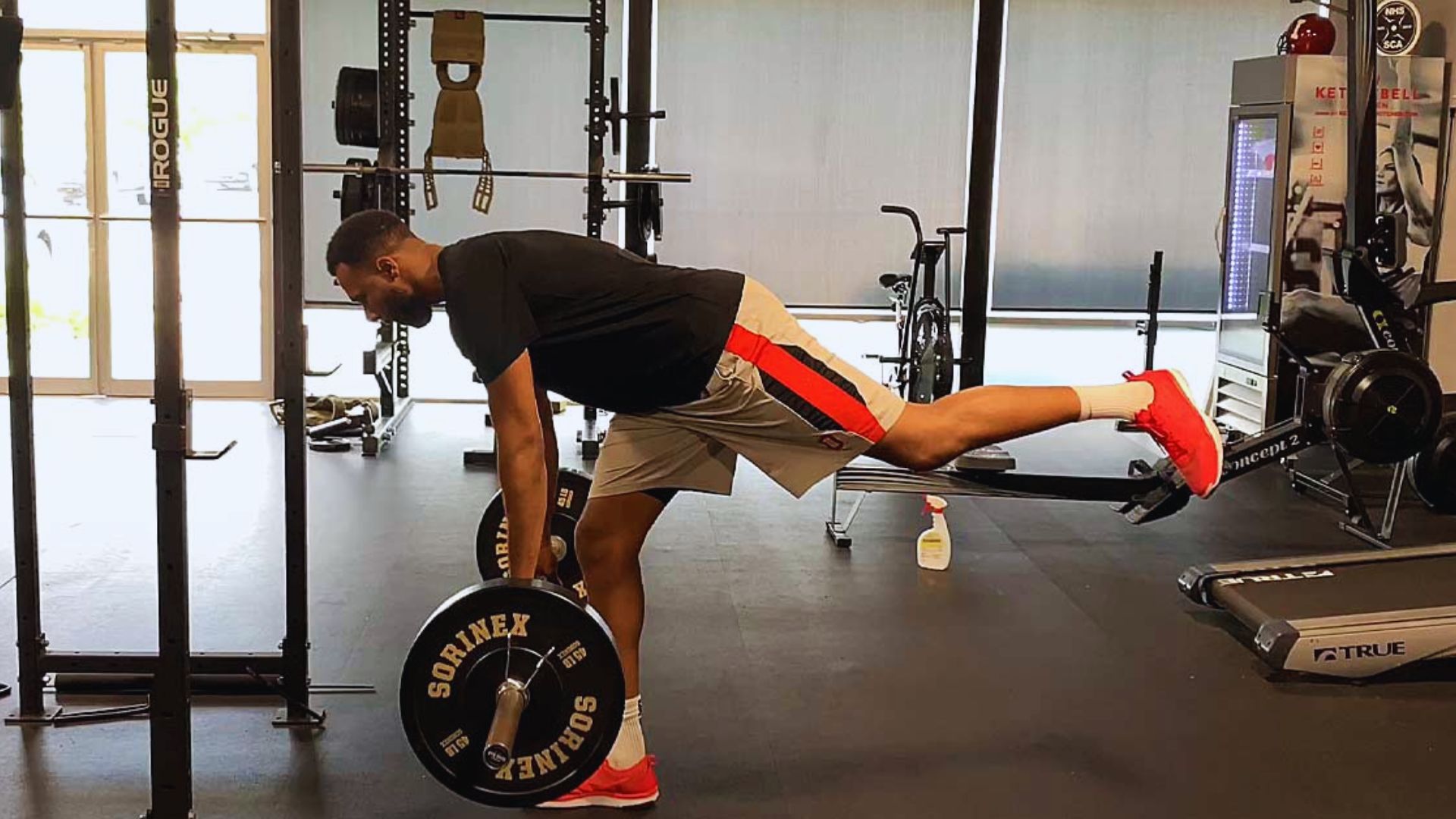
Muscles Worked: Hamstrings, glutes, core
Benefits: This unilateral exercise fixes strength imbalances. It improves your balance and stability. Your core works harder to keep you steady.
How to Perform: Stand on one leg, holding the barbell. Keep a slight bend in your standing knee. Hinge at your hip and lower the bar.
Let your free leg extend behind you for balance. Go down until you feel a hamstring stretch. Return to standing using your hamstring and glute.
6. Barbell Hip Thrust

Muscles Worked: Glutes (primary), hamstrings (secondary)
Benefits: Hip thrusts build powerful glutes and hips. Your hamstrings support the movement. This exercise improves hip extension strength significantly.
How to Perform: Sit on the floor with your upper back against a bench. Roll the barbell over your hips. Use padding for comfort.
Plant your feet flat on the floor. Drive through your heels and lift your hips. Squeeze your glutes at the top. Lower your hips slowly and repeat.
7. Barbell Back Squat (Hamstring-Focused Variation)
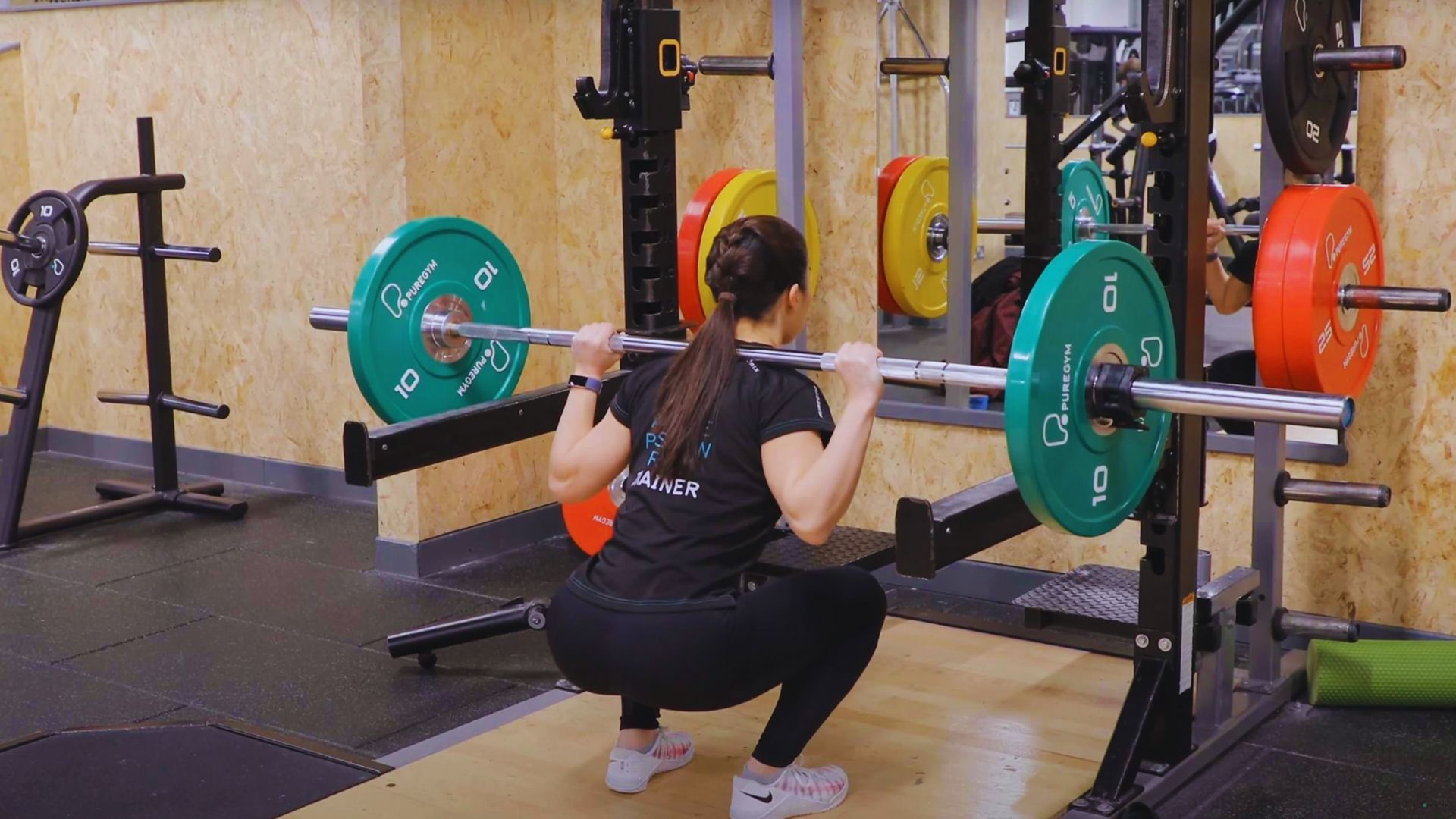
Muscles Worked: Quadriceps, hamstrings, glutes
Benefits: While squats target quads primarily, you can shift focus to your posterior chain. Going deeper and emphasizing the hip hinge engages the hamstrings more. This adds stability to the movement.
How to Perform: Set up with the bar on your upper back. Stand with feet shoulder-width apart. Squat down by pushing your hips back. Go as deep as your mobility allows. Focus on sitting back rather than just bending your knees. Drive through your heels to stand back up.
Tips for Effective Barbell Hamstring Training
Here are key tips to maximize your hamstring training results:
- Maintain proper form: Keep a neutral spine during hip hinge movements. Don’t round your back or lock your knees. Start light and gradually increase weight as your technique improves.
- Balance your exercises: Combine hip extension movements like RDLs and Good Mornings with knee flexion work like leg curls. This develops complete hamstring strength.
- Use appropriate rep ranges: Aim for 6 to 12 reps per set for strength. Use 10 to 20 reps for muscle growth. Adjust based on your specific goals.
- Rest adequately between sets: Take 60 to 90 seconds rest for hypertrophy work. Rest 90 to 120 seconds when lifting heavier weights for strength.
- Train twice per week: Hit your hamstrings two times weekly for best results. Allow at least two days between sessions for proper recovery.
Sample Barbell Hamstring Workout
This workout targets your hamstrings through multiple angles. Perform these exercises in order.
Romanian Deadlift: 4 sets of 8 reps
Start your workout with this compound movement. Use challenging weight while maintaining good form.
Stiff-Leg Deadlift: 3 sets of 10 reps
The higher rep range adds volume. Go lighter than your RDL weight.
Good Morning: 3 sets of 8 to 10 reps
This exercise complements the deadlift variations. Focus on the hip hinge pattern.
Single-Leg Romanian Deadlift: 3 sets of 8 reps per leg
Address any strength imbalances. Use moderate weight to maintain balance.
Barbell Hip Thrust: 3 to 4 sets of 10 to 12 reps
Finish your main work with glute and hamstring activation. You can go heavy here.
Optional – Seated or Lying Leg Curl: 3 sets of 12 to 15 reps
Add this for extra hamstring isolation. This works well as a finisher.
Rest 2 to 3 minutes between heavy compound sets. Take 60 to 90 seconds between accessory exercises.
Conclusion
Strong hamstrings change everything in your training. I’ve seen it firsthand after years of focusing on these exercises. Your lifts improve. Your speed increases. Those nagging injuries fade away.
Start with the basics like RDLs and Good Mornings. Add weight slowly. Stay consistent with your training. Your hamstrings will respond.
Try this workout next leg day and see how it feels. Share your results in the comments below. I’d love to hear about your progress.
Frequently Asked Questions
How often should I train hamstrings with barbells?
Train your hamstrings two times per week for best results. Space sessions at least 48 hours apart. This gives your muscles time to recover and grow stronger.
Can I build hamstrings with just barbell exercises?
Yes, barbell exercises alone can build strong hamstrings effectively. RDLs, stiff-leg deadlifts, and Good Mornings provide enough stimulus. Adding leg curls helps, but isn’t required for good development.
What weight should I use for Romanian Deadlifts?
Start with 40 to 50 percent of your regular deadlift max. Focus on feeling the hamstring stretch first. Gradually add weight as your form improves and flexibility increases.
Are Good Mornings safe for my lower back?
Good Mornings are safe when performed correctly with appropriate weight. Keep your spine neutral throughout the movement. Start light and build up slowly to avoid strain.
How long until I see hamstring results?
You’ll notice strength gains within 3 to 4 weeks of consistent training. Visible muscle growth takes 8 to 12 weeks. Track your lifts and measurements to monitor progress accurately.