Want stronger core muscles but tired of the same old ab routines? A balance board workout might be exactly what you need.
I have been using balance boards for a while now, and the difference in my stability and posture has been real.
In this article, you will find what a balance board workout is, the top benefits, how to start safely, and 7 exercises that actually work. We will also cover common mistakes and tips to get better results faster.
Everything here is simple, practical, and beginner-friendly.
What Is a Balance Board Workout?
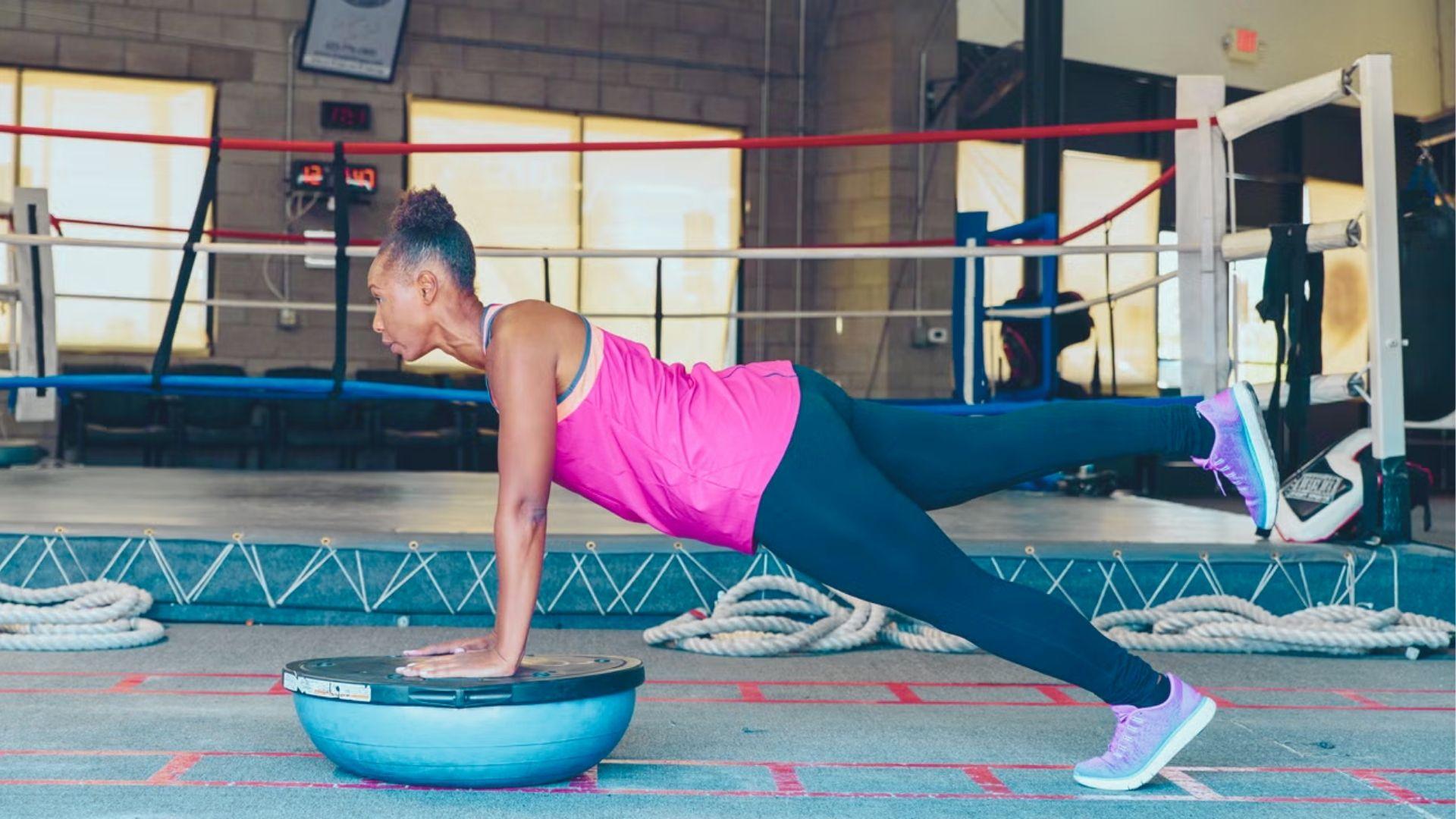
A balance board workout uses an unstable surface to challenge your body. Your core, legs, and stabilizer muscles stay active the whole time. It forces your body to work harder than it would on flat ground.
The board sits on a rounded base or roller. Your muscles keep adjusting to stay upright. This constant adjustment activates your core, ankles, and hips together.
Your core includes more than just your abs. It covers the muscles around your spine, hips, and pelvis. Balance training hits all of them at once, without you even thinking about it.
Almost anyone can benefit. Beginners, athletes, older adults, and office workers all see real results. It also helps with posture, back pain, and injury recovery.
Benefits of a Balance Board Workout
A balance board workout does more than just improve balance. It builds real, functional strength that helps you in everyday life.
Improves Core Stability and Posture
A strong core keeps your back straight and your posture aligned. Balance board training activates your deep core muscles with every movement.
Over time, this makes standing, sitting, and moving feel easier and more natural.
Enhances Balance and Coordination
Your body learns to react faster when it trains on an unstable surface. This improves your overall coordination.
You become more aware of where your body is in space, which helps in sports, workouts, and daily tasks.
Strengthens Stabilizer Muscles
Most workouts miss the small stabilizer muscles around your joints. A balance board targets them directly. Stronger stabilizers mean healthier knees, ankles, and hips.
This can lower your risk of injury over time.
Supports Overall Fitness and Athletic Performance
Balance training complements any fitness routine. It builds a foundation that makes other exercises more effective. Athletes notice better agility and body control.
Beginners build confidence as they get stronger.
How to Start a Balance Board Workout Safely
Starting safely is important. Rushing into balance training without the right setup can lead to falls or injuries. Take your time with the basics first.
Choosing the Right Balance Board
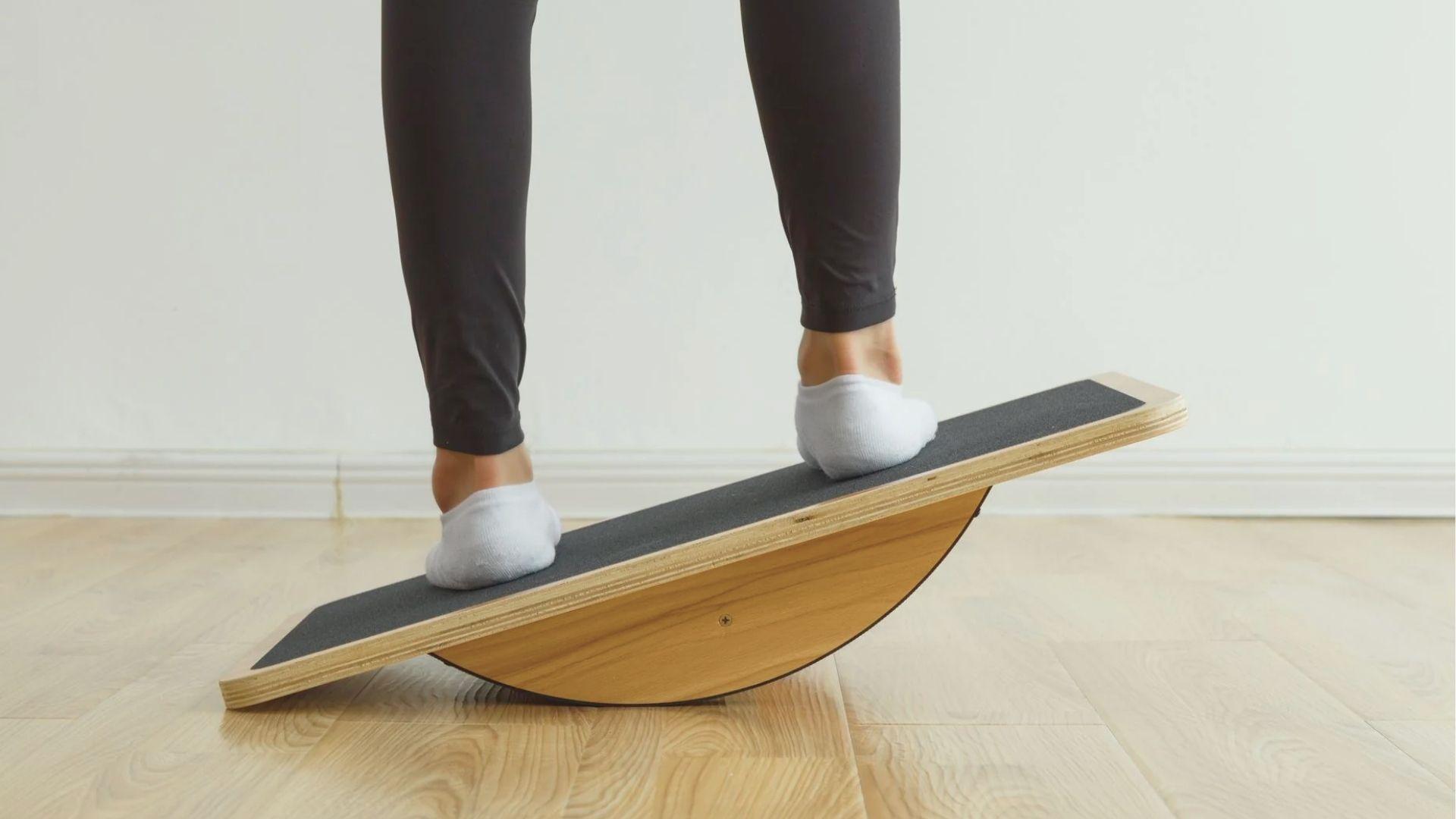
There are different types of balance boards. Wobble boards are great for beginners. Rocker boards move side to side and are also good for starting out. Roller boards are more advanced.
Pick one that matches your current fitness level. A wobble board is the safest option if you are just getting started.
Beginner Safety and Posture Tips
Always stand near a wall or hold onto something stable when you first start. Keep your knees slightly bent. Never lock your knees on a balance board.
Keep your chest up and your eyes forward. Look at a fixed point to help your balance. Start with short sessions of 5 to 10 minutes.
Simple Warm-Up Before Training
Warm up your ankles, knees, and hips before stepping on the board. Do some leg swings, ankle circles, and light squats. A 5-minute warm-up reduces the risk of strain and prepares your joints for movement.
7 Best Balance Board Workout Exercises
These seven exercises cover the full body with a strong focus on core strength. Start with the basics and work your way up.
1. Basic Balance Hold

How to do it: Step onto the board with both feet shoulder-width apart. Try to keep the board level without letting the edges touch the floor.
Why it works: This is the starting point for all balance board training. It teaches your body how to respond to the unstable surface. Aim to hold for 30 to 60 seconds at a time.
Tip: Keep your core tight and your gaze fixed on one spot in front of you.
2. Balance Board Squats

How to do it: Stand on the board with feet shoulder-width apart. Slowly lower into a squat, keeping your chest up and knees behind your toes. Rise back up slowly.
Why it works: Squats on a balance board fire up your quads, glutes, and core all at once. The unstable surface forces your stabilizers to stay active throughout the full movement.
Tip: Go slow on the way down. Control is more important than speed here.
3. Balance Board Plank
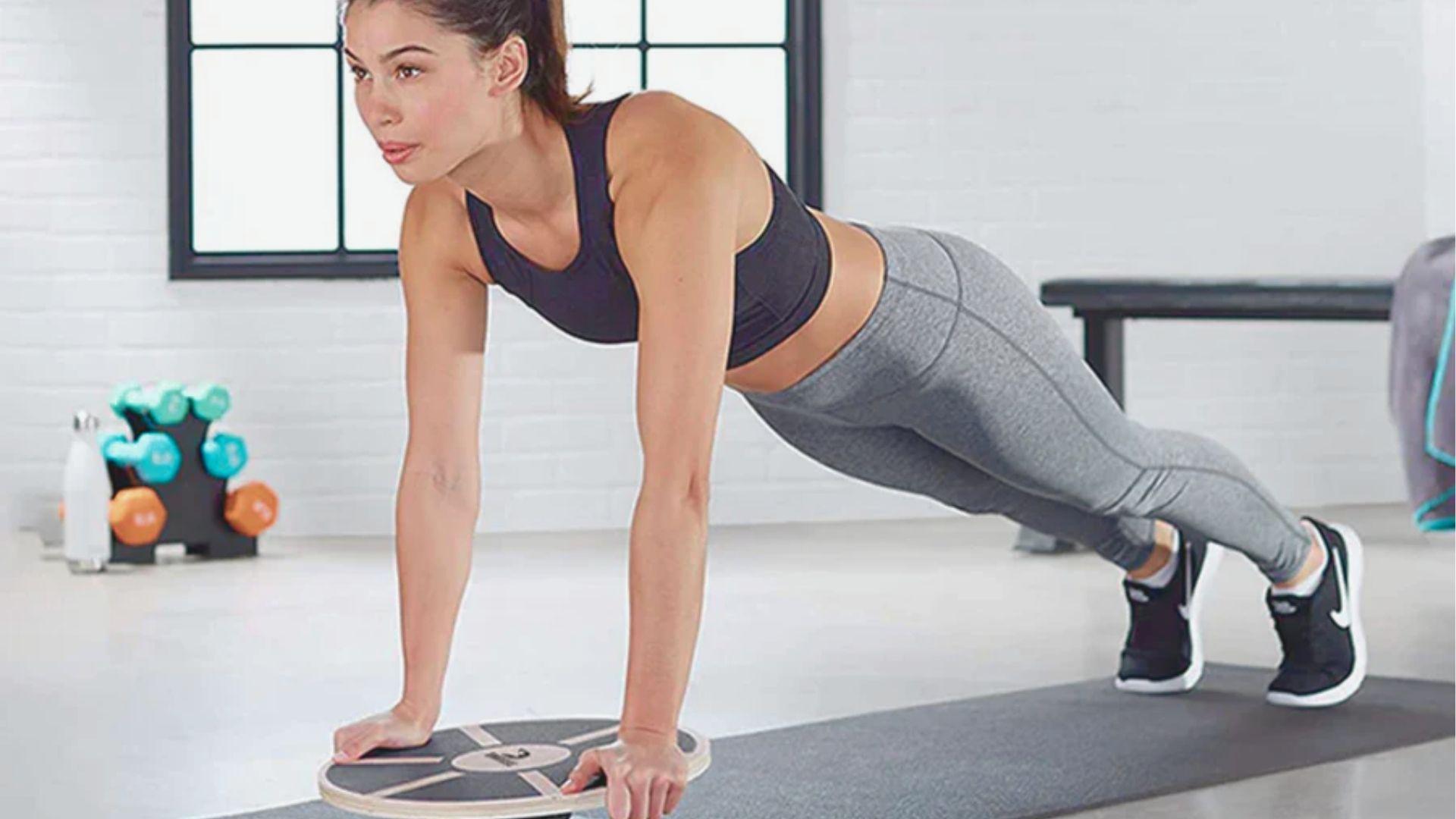
How to do it: Place your hands on the edges of the board and hold a plank position. Keep your body in a straight line from head to heels.
Why it works: This is one of the hardest core exercises you can do on a balance board. The wobble forces your deep core muscles to work constantly just to keep you stable.
Tip: Start with 20-second holds and build up from there.
4. Push-Ups on a Balance Board
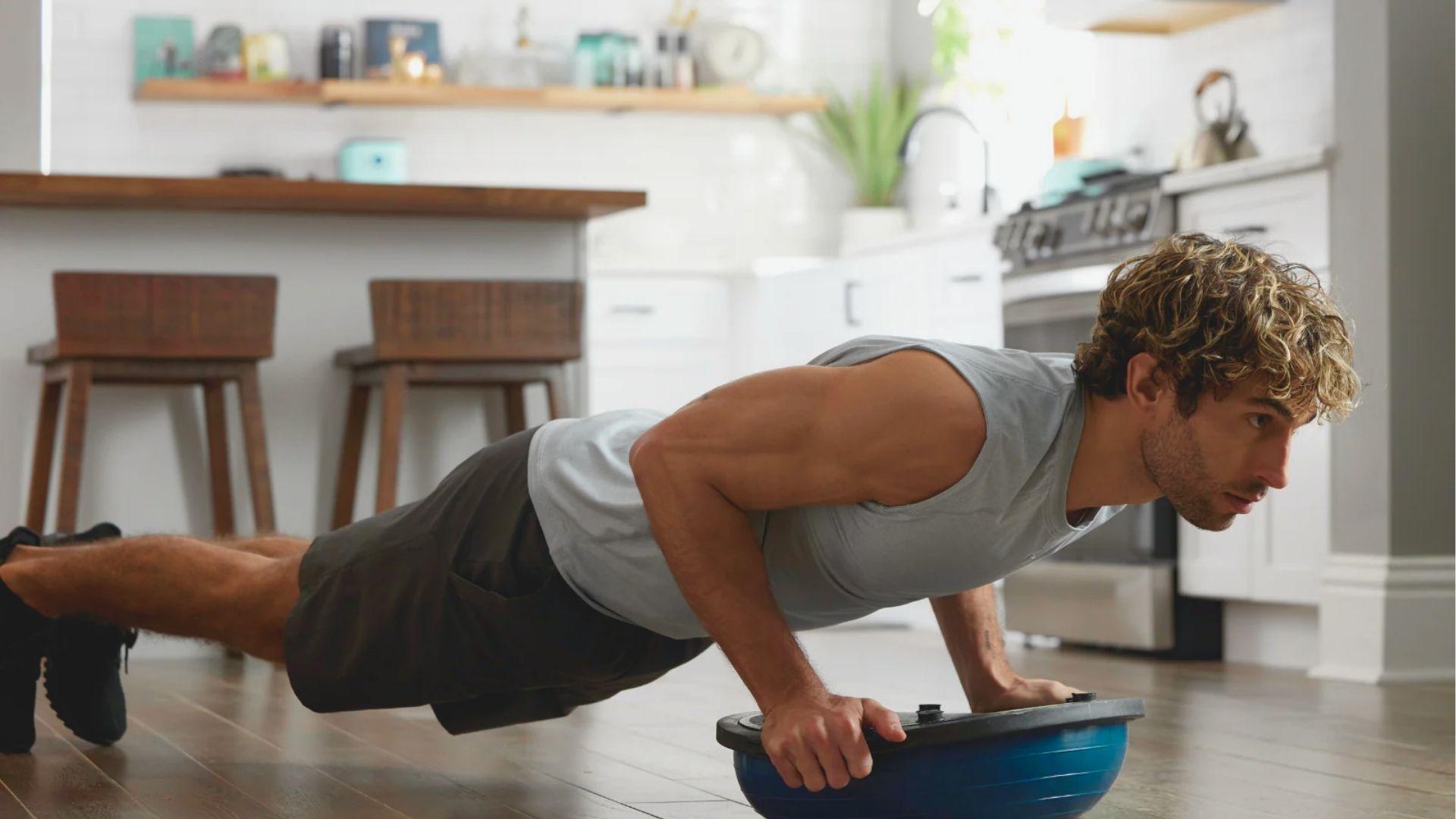
How to do it: Get into a push-up position with your hands on the board. Lower your chest toward the board, then push back up.
Why it works: Push-ups already work your chest, arms, and core. Doing them on a balance board adds an extra layer of difficulty. Your core has to stabilize the board while your upper body does the work.
Tip: Master the basic plank on the board before trying push-ups.
5. Single-Leg Balance Exercise
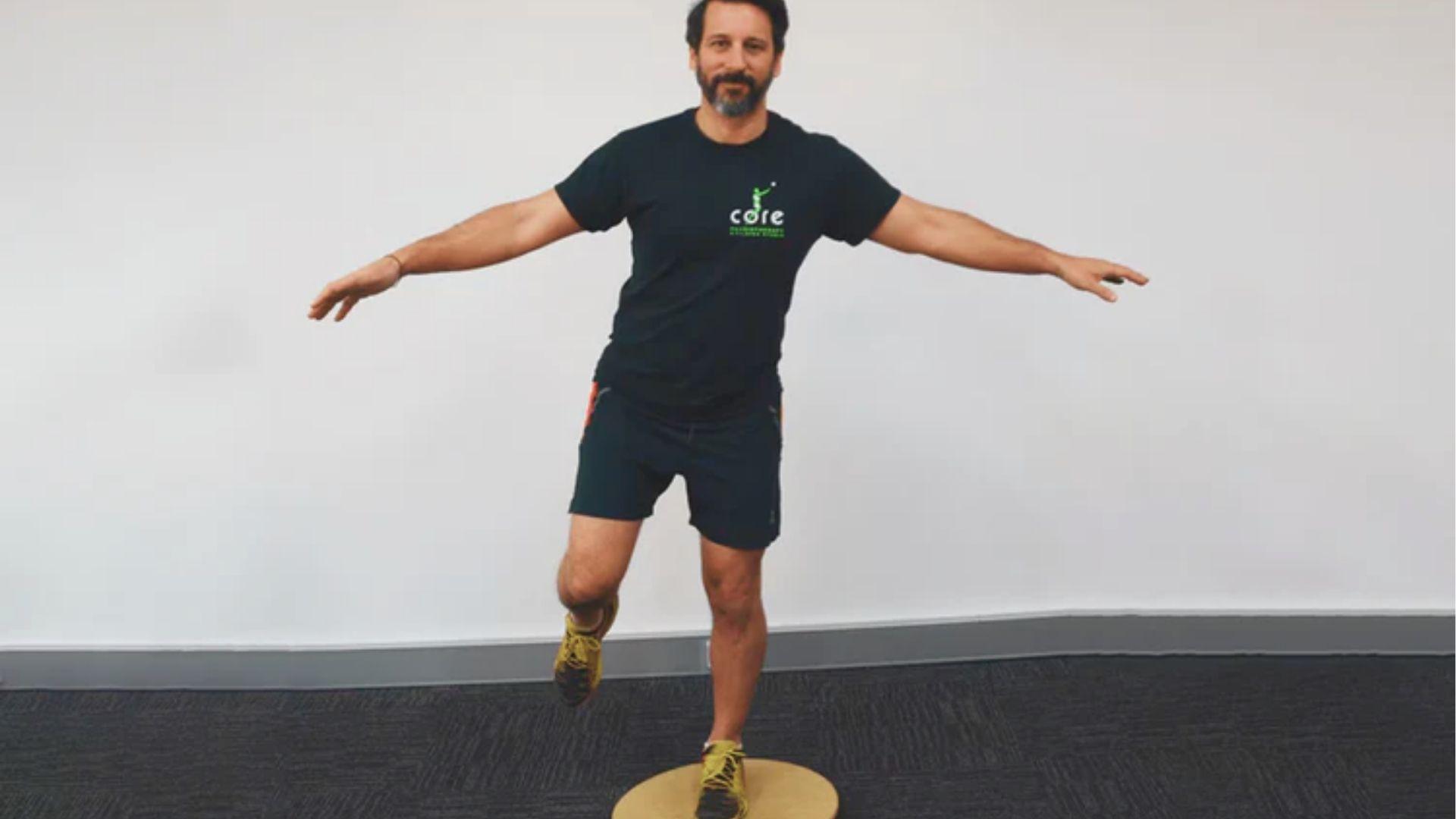
How to do it: Stand on the board and slowly lift one foot off the surface. Hold for 10 to 20 seconds, then switch legs.
Why it works: This exercise puts all the work on one leg at a time. It builds ankle strength, knee stability, and single-leg balance. Great for runners and anyone who wants better body control.
Tip: Keep your standing knee slightly bent at all times.
6. Lateral Tilts
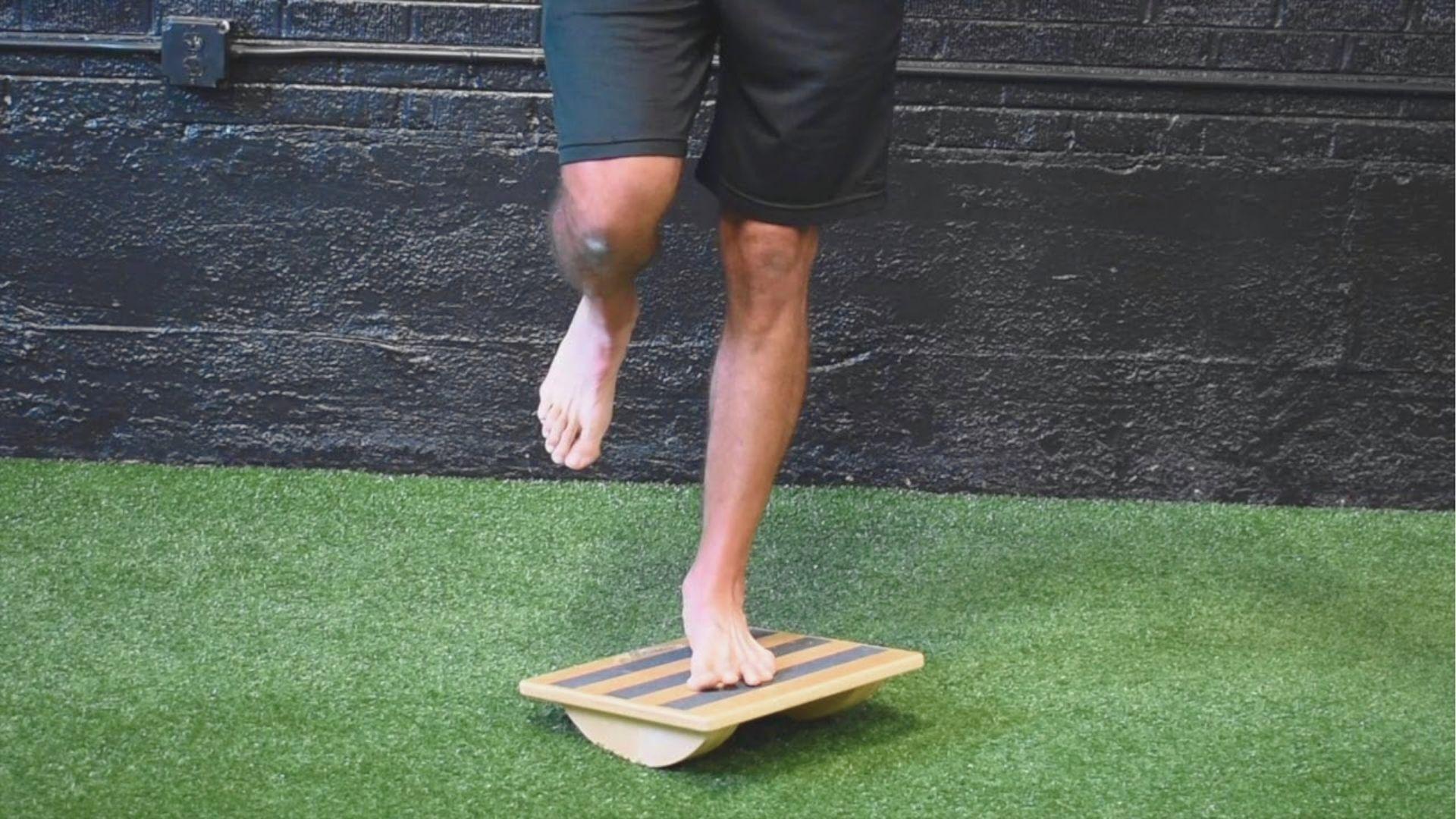
How to do it: Stand on the board and slowly tilt it to the left until the edge nearly touches the floor. Then bring it back to center and tilt to the right. Repeat in a controlled rhythm.
Why it works: Lateral tilts target the muscles on the sides of your core, including your obliques and hip abductors. These muscles are often weak from sitting too much.
Tip: Move slowly and with control. Do not let the board slam to one side.
7. Kneeling Rotations
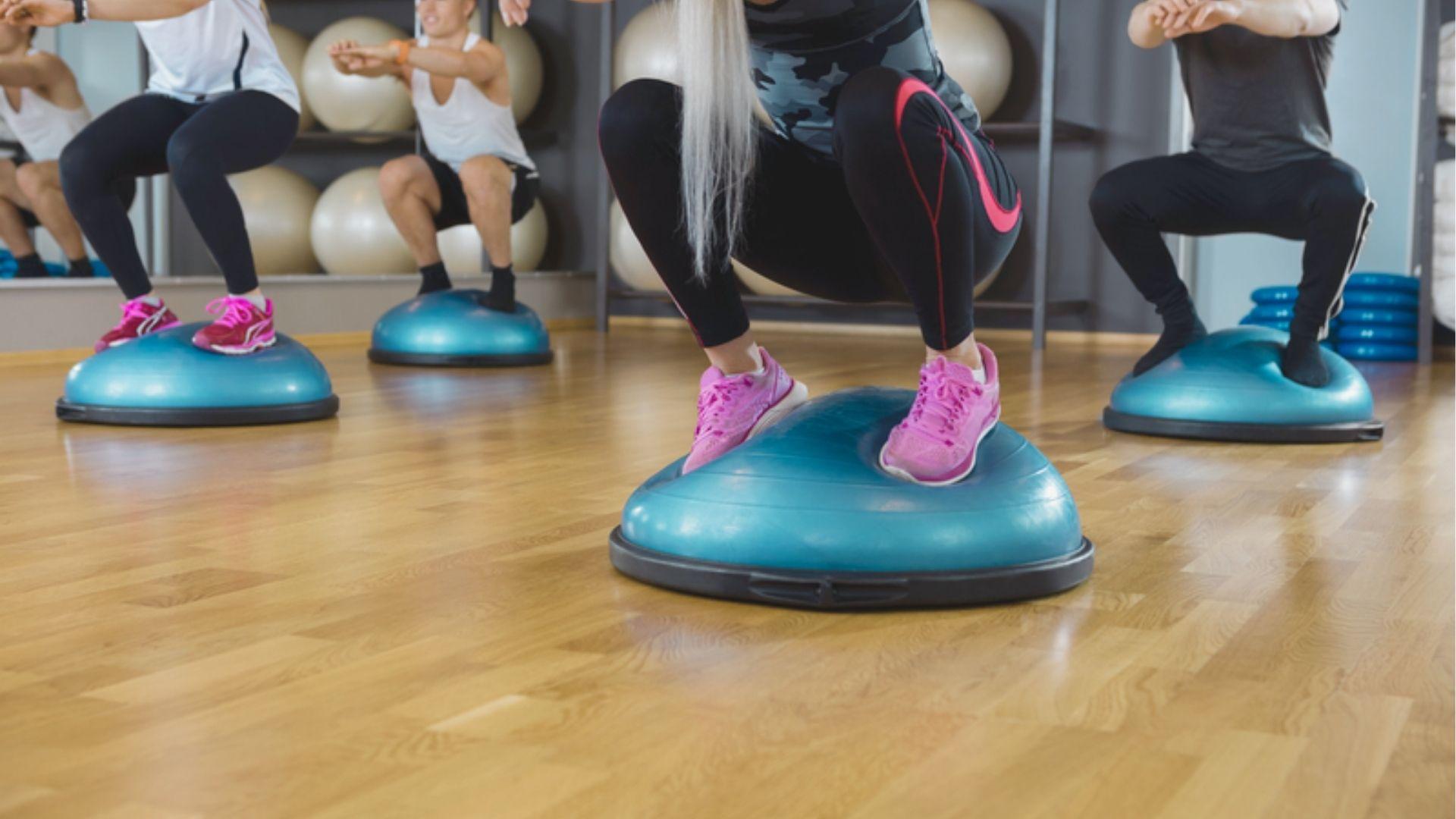
How to do it: Kneel on the board with your knees shoulder-width apart. Place your hands on your hips. Slowly rotate your torso to the left, return to center, then rotate right.
Why it works: Kneeling removes the leg muscles from the equation and puts all the focus on your core. The rotational movement works your obliques and deep spinal muscles.
Tip: Keep your hips square as you rotate. Only your upper body should twist.
Common Mistakes During a Balance Board Workout
Even small mistakes can slow your progress or lead to injury. Knowing what to avoid saves you time and keeps you safe.
Moving Too Quickly During Exercises
Speed is not the goal on a balance board. Moving too fast reduces muscle activation and increases the risk of falling. Slow, controlled movements are always more effective.
Take your time with each rep. The slower you move, the harder your muscles have to work.
Poor Posture and Locked Knees
Locking your knees on a balance board puts stress on your joints. Always keep a soft bend in your knees. Slouching or rounding your back also reduces the benefit of the exercise.
Stand tall, keep your shoulders back, and engage your core before you start moving.
Skipping Progression and Balance Control
Jumping to advanced exercises before you are ready is a common mistake. You need to build balance control first. Start with simple holds and basic movements. Add difficulty only when you feel fully stable at your current level.
Progression should feel gradual, not rushed.
Tips to Improve Your Balance Board Workout Results
Small changes to how you train can make a real difference in your progress over time.
- Train 3 to 4 times per week to give your stabilizer muscles enough time to recover between sessions. Daily short sessions of 10 minutes are fine, but longer workouts need rest days.
- Consistency beats intensity when you are just starting out. Showing up regularly matters more than pushing too hard too soon.
- Make exercises harder gradually by trying things like closing your eyes during a balance hold or adding light weights to squats. Always add one new challenge at a time.
- Move to a harder board type only after your current exercises feel fully controlled and easy. Rushing this step increases your risk of falling or injury.
- Pair balance training with strength workouts, yoga, or pilates to get more out of both routines. Use it as a warm-up before lifting or as a core finisher at the end of your session.
Conclusion
If you made it this far, you are already ahead. A balance board workout is one of the simplest tools I have added to my own routine, and the results have been worth it. My posture improved, and my core feels more solid during other workouts too.
Start small. Stay consistent. You do not need a perfect setup to begin.
Try one or two exercises from this list today. If this helped you, leave a comment below or share it with someone who wants a stronger core. You might also enjoy our other workout guides.
Frequently Asked Questions
How long should a balance board workout be for beginners?
Start with 10 to 15 minutes per session. As you get more comfortable, you can increase the time gradually over a few weeks.
Can a balance board help with lower back pain?
Yes, it can. Strengthening your core and stabilizer muscles takes pressure off your lower back. Always check with a doctor first if you have an existing back condition.
Is a balance board workout good for weight loss?
It supports weight loss as part of an active lifestyle. It burns calories and builds muscle, but works best when combined with cardio and a healthy diet.
How do I know if I am ready for advanced balance board exercises?
You are ready when basic holds and simple movements feel easy and controlled. If you can hold a steady position for 60 seconds without effort, it is time to progress.
Can kids use a balance board?
Yes, kids can use balance boards safely with supervision. It helps with coordination and body awareness. Use a beginner board and keep sessions short and fun for younger users.