
Two years of barbell rows and I kept wondering why my back was not responding the way I wanted.
Then a trainer told me to step away from the free weights and spend a month on the cable machine instead.
I was skeptical. I was also wrong.
Back workouts cable style completely changed how my back developed.
The constant tension, the control, the ability to hit every angle without losing form. It was a different experience entirely.
But which cable exercises actually build a stronger, wider back? And how do you put them together into a real routine?
Let’s get into it.
Why Choose Cable Machines for Back Workouts

The biggest advantage cables have over free weights is constant tension.
With a barbell or dumbbell, the resistance changes as you move through the lift. Cables keep the muscle under load for the entire range of motion. That matters a lot for muscle development.
Cable machines also give you a much better mind-muscle connection.
Because the movement is guided and controlled, you can focus entirely on feeling the right muscles working rather than managing balance and momentum.
For beginners especially, cable back workouts are safer and more joint-friendly than heavy compound lifts.
The controlled resistance means less strain on your lower back and shoulders while you are still learning proper movement patterns.
The versatility is another major advantage. You can change the cable height, swap attachments, and adjust your grip to target different parts of your back.
Lats, traps, rhomboids, and lower back can all be worked thoroughly on a single machine.
13 Best Back Workouts Cable for Maximum Results
These thirteen moves cover every region of your back.
Whether after width, thickness, definition, or lower back strength, this list has you covered. Pick from these based on your goals and current level.
1. Cable Lat Pulldown

The cable lat pulldown is the go-to move for building lat width. Set the bar at the top of the cable machine, grip it slightly wider than shoulder width, and pull it down to your upper chest.
Focus on driving your elbows down and back rather than pulling with your hands. That shift in thinking makes a big difference in how much lat activation you actually get.
Avoid leaning too far back as you pull. A slight lean is fine, but excessive backward movement turns this into a different exercise entirely.
2. Seated Cable Row

The seated cable row is the most reliable back workouts cable row for building mid-back thickness. Sit upright, grip the handle, and pull it into your lower abdomen while squeezing your shoulder blades together at the end of each rep.
That final squeeze is everything. Without it, you are just moving weight. With it, you are actually building the back you want.
Keep your torso relatively still throughout. Rocking backward to generate momentum removes the tension from your back and puts it on your momentum instead.
3. Wide-Grip Cable Row
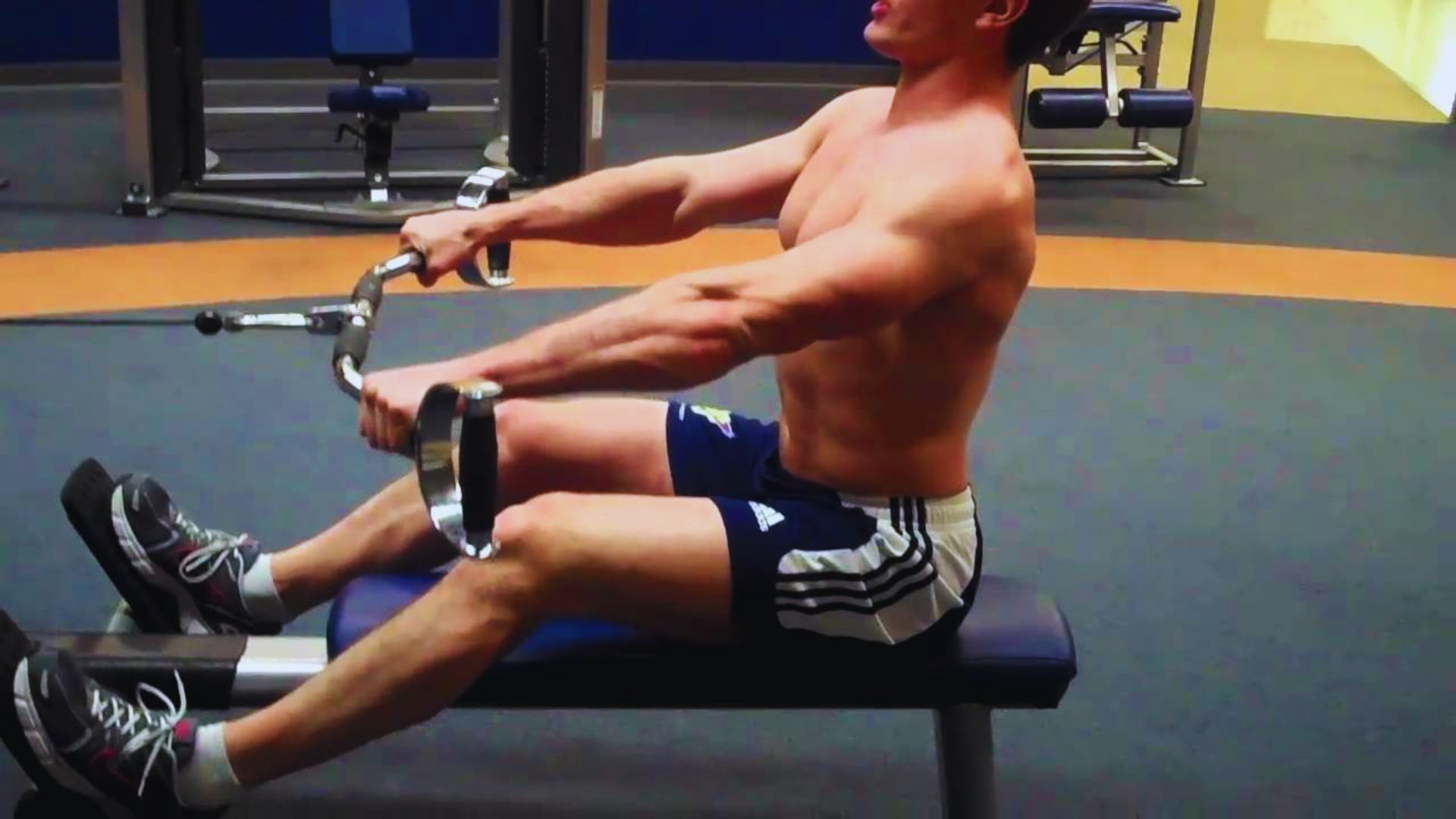
Swap your handle for a long straight bar and take a wide grip. This variation shifts the emphasis toward your upper back and rear deltoids, two areas that often get underdeveloped in standard rowing movements.
Pull the bar into your upper abdomen rather than your lower. That small change in pull angle makes a noticeable difference in where you feel the work.
This is a great complement to seated cable rows in the same session for full back coverage.
4. Close-Grip Cable Row
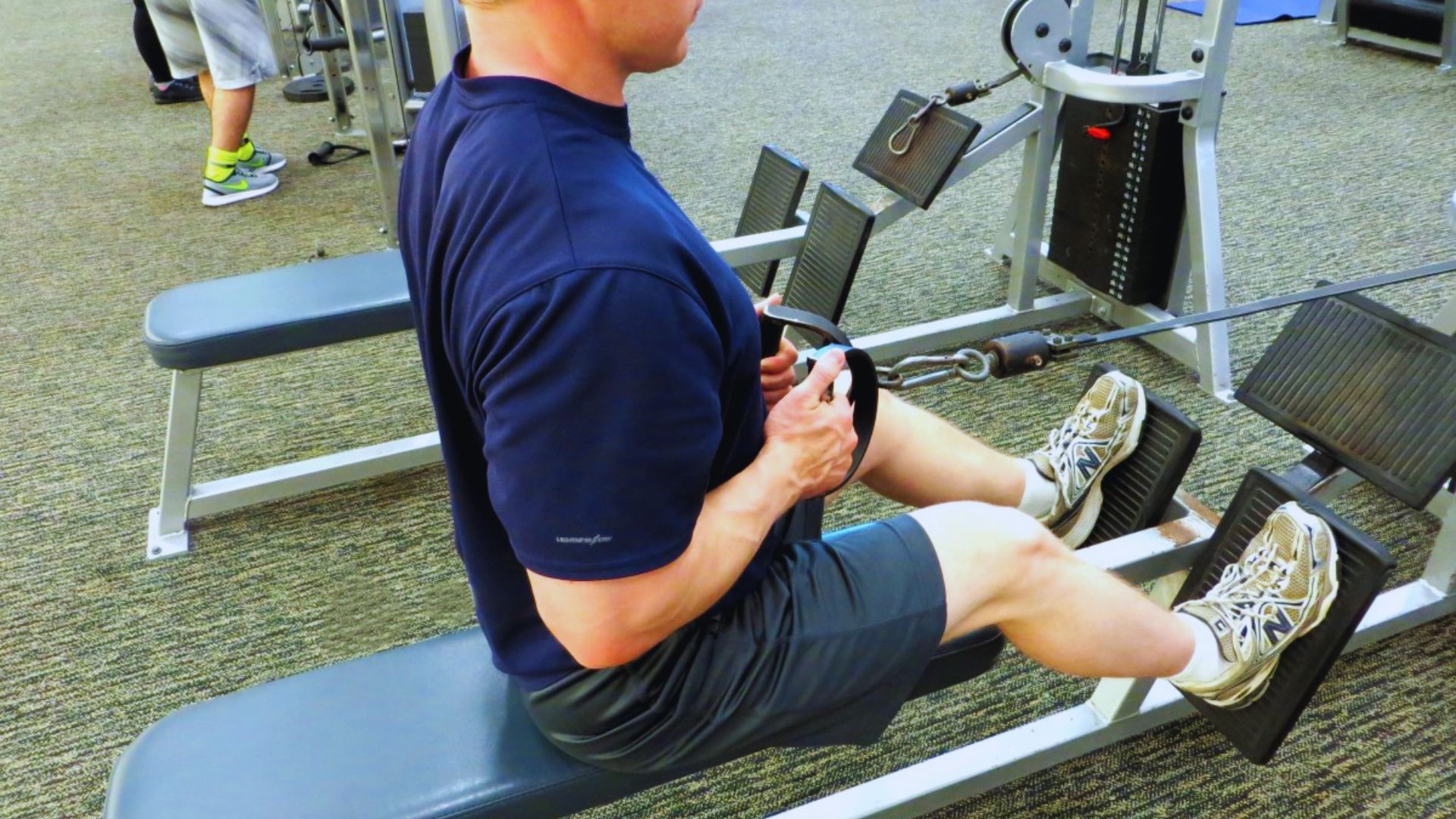
Use a V-handle attachment and bring your hands close together. Pulling from this grip creates a deeper contraction in the middle of your back, targeting the rhomboids and inner lats more directly.
You will likely feel this one differently from standard rowing. The squeeze at full contraction hits a spot that wider grips tend to miss.
Keep your elbows close to your body throughout the pull for maximum effect.
5. Single-Arm Cable Row
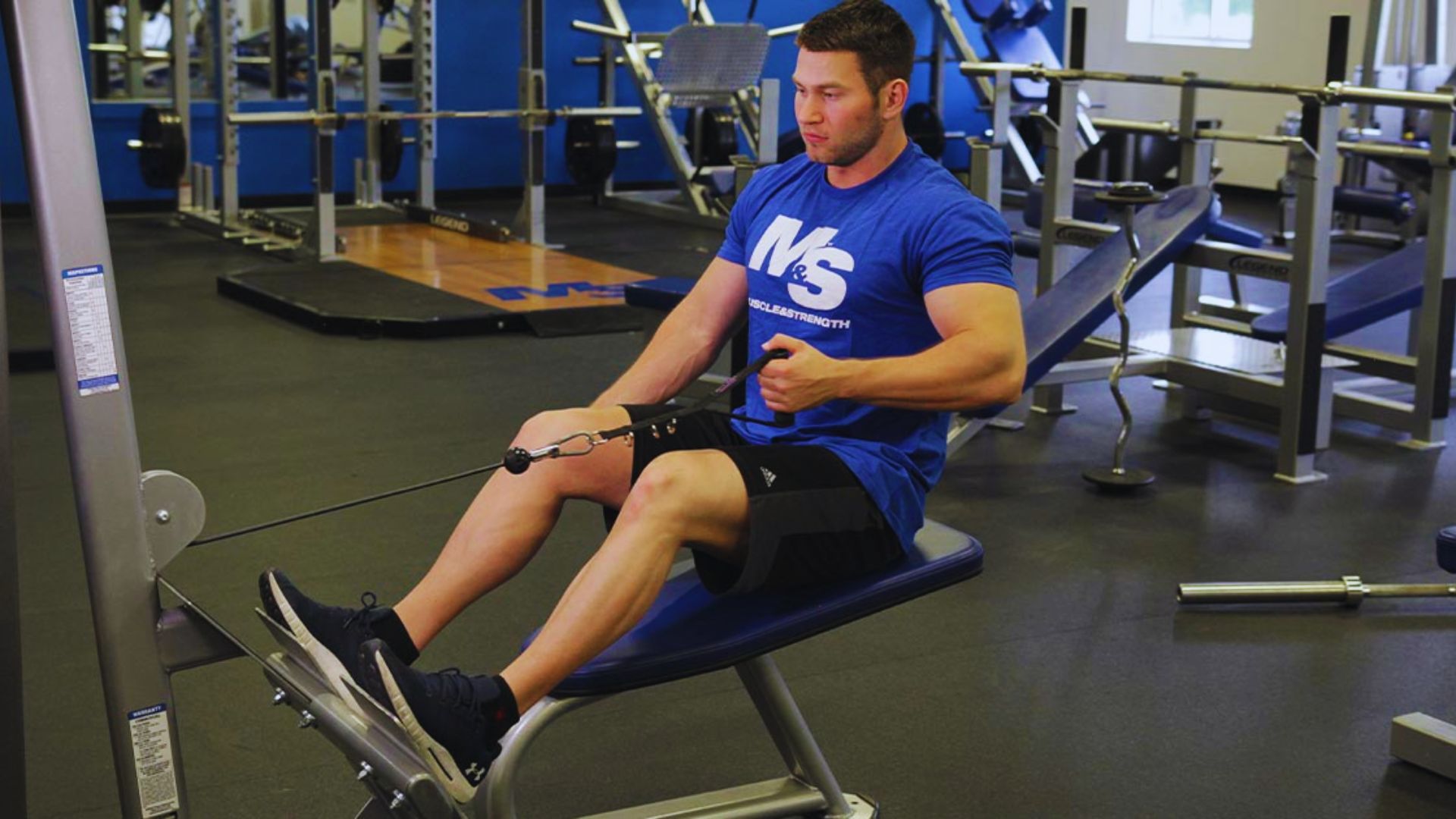
Most people have one side of their back that is stronger than the other. Single-arm cable rows fix that directly. Train each side independently so the stronger side cannot compensate for the weaker one.
Set the cable at a low position, grip with one hand, and row while keeping your torso square to the machine. Do not rotate your shoulder to add range. Let the arm do the work.
This is one of the most practical back workouts cable exercises for long-term balance and injury prevention.
6. Straight Arm Cable Pulldown

Stand facing the cable machine with a straight bar set high. Keep your arms straight and pull the bar down in a wide arc until it reaches your thighs.
This is a pure lat isolation move. No biceps involvement, no rowing momentum. Just your lats pulling the weight from top to bottom.
It works especially well at the end of a session as a finisher to fully exhaust the lats after heavier compound work.
7. Cable Face Pull
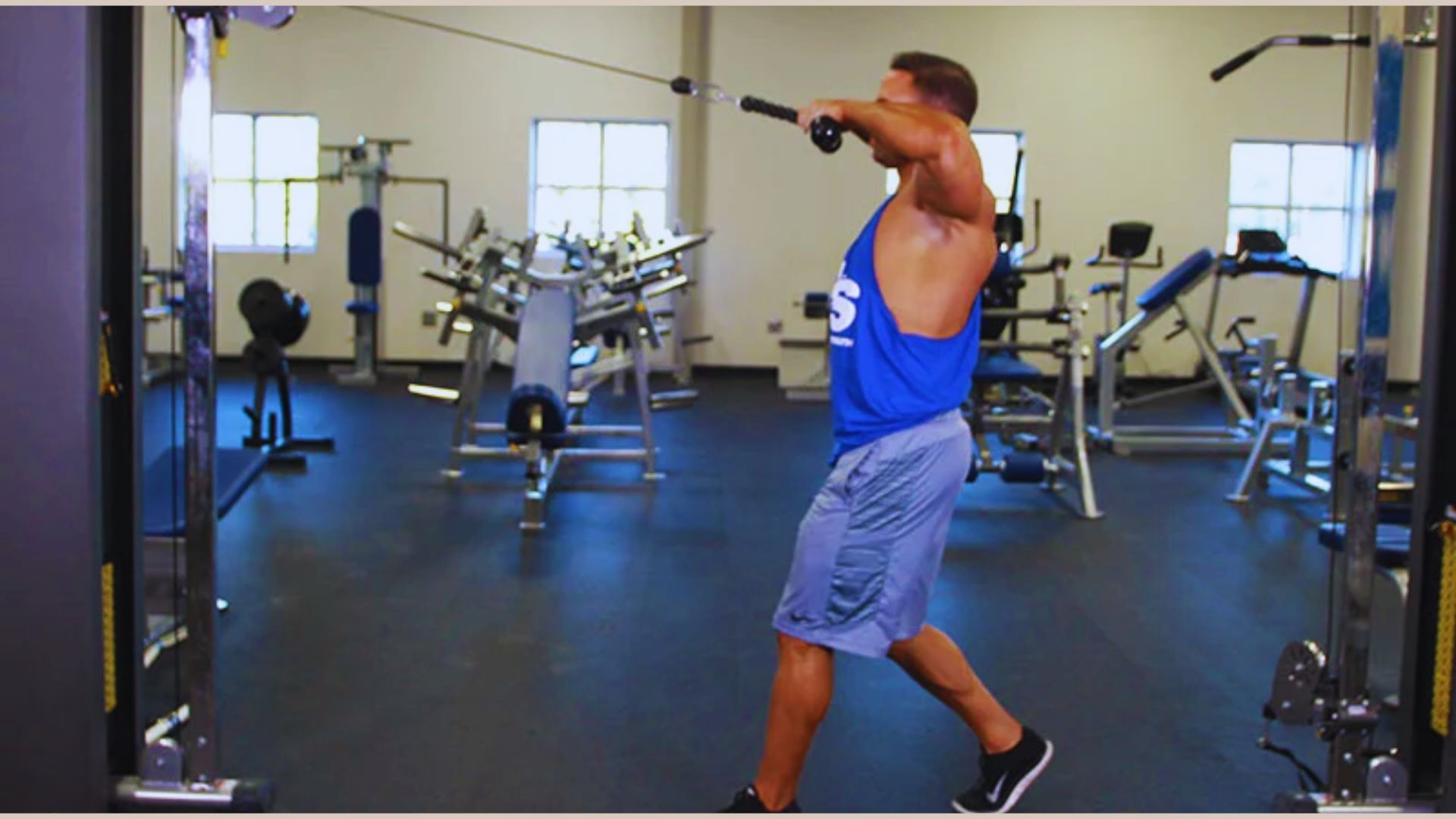
Set the cable at roughly head height and use a rope attachment. Pull the rope toward your face, separating the ends as you pull, with elbows flaring out to the sides.
This targets your rear deltoids and upper traps, which are critical for shoulder health and posture. Most gym programmes underwork these muscles significantly.
Adding cable face pulls regularly will improve how you look from the back and reduce the shoulder tightness that heavy pressing tends to cause.
8. Cable Reverse Fly

Set two cables at chest height, stand in the middle, and cross your arms to grab the opposite handles. Then open your arms wide in a reverse fly motion.
This move targets the upper back and rear deltoids with a different feel than face pulls. The crossover starting position creates a longer range of motion and a stronger stretch at the beginning of each rep.
Control the movement on the way back in. That is where a lot of the muscle-building stimulus actually comes from.
9. Kneeling Cable Pulldown

Instead of sitting in the lat pulldown seat, kneel on the floor and pull from that position. This removes any chance of using your lower body to generate momentum.
Kneeling forces your lats to do all the work. The stretch at the top of each rep also tends to be more pronounced, which improves the overall range of motion.
If standard lat pulldowns feel like your arms are doing more work than your back, try this variation.
10. Cable Deadlift
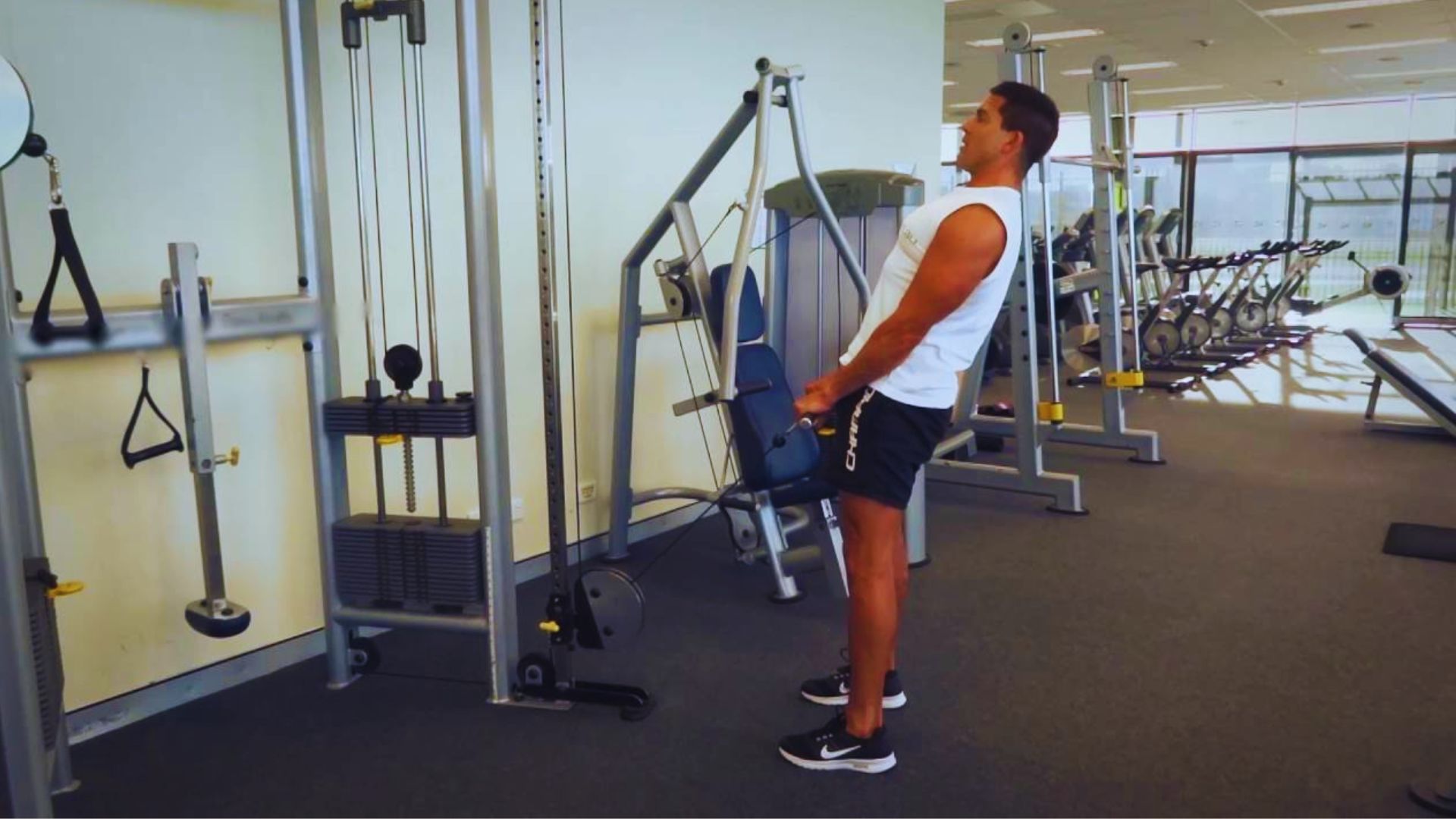
Set the cable at the lowest position and attach a straight bar or rope. Hinge at the hips, keep your back flat, and drive through your heels to stand up.
This is one of the best lower back workouts cable options available. It mimics the deadlift pattern but with more controlled resistance and less spinal loading than a barbell version.
Your glutes and hamstrings work hard here too, making it a solid posterior chain exercise overall.
11. Cable Shrugs

Hold two cable handles with the pulleys set at the lowest position. Stand upright and shrug your shoulders straight up toward your ears, then lower slowly.
This builds upper trap thickness, which adds that distinctive fullness to the top of the back when viewed from behind.
Avoid rolling your shoulders. Just go straight up and straight down. The rolling movement adds nothing and risks straining the joint.
12. Cable Pull-Through
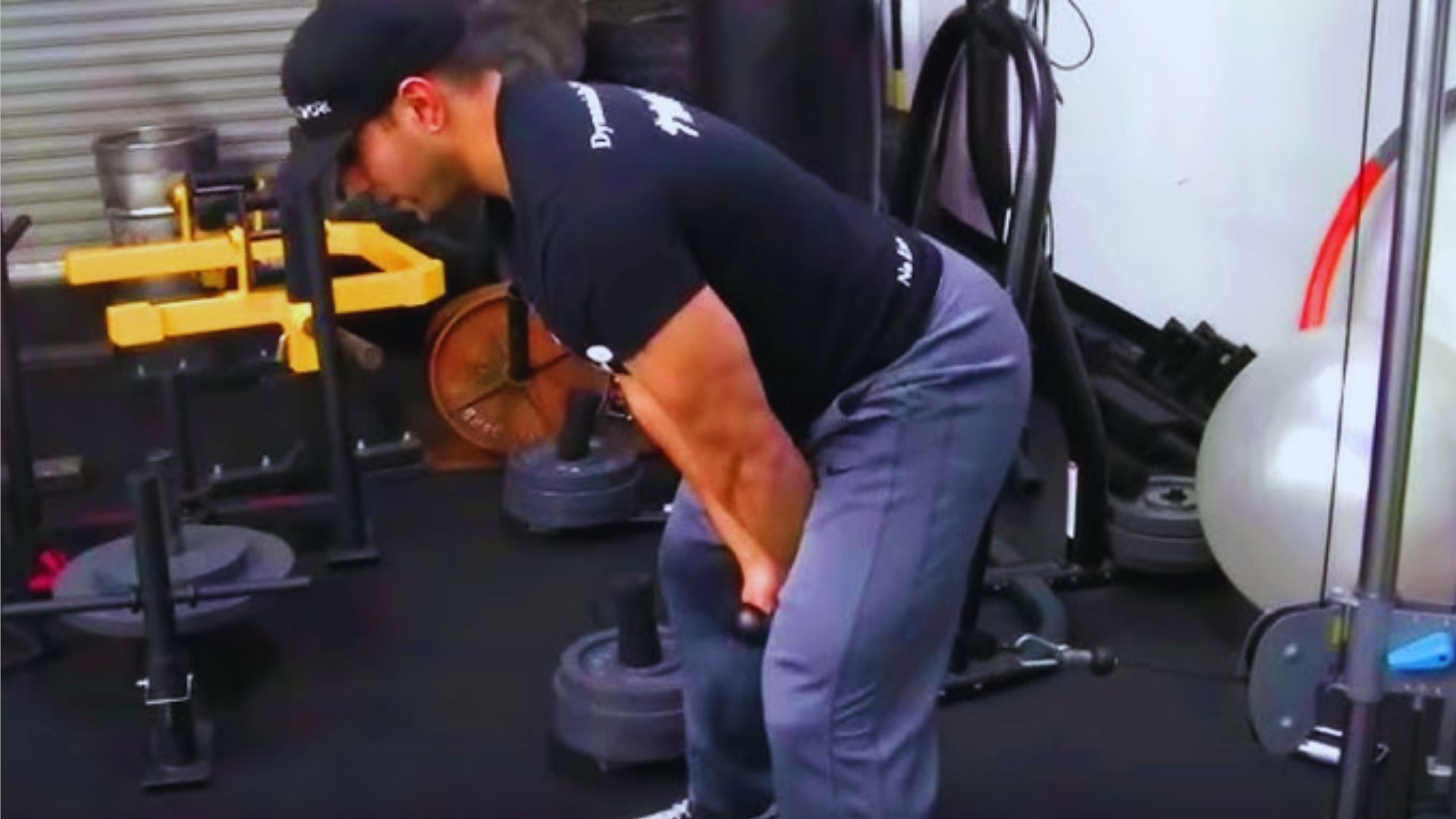
Stand with your back to a low cable machine, reach between your legs to grip a rope attachment, and drive your hips forward to stand up straight.
This movement strengthens the entire posterior chain with particular emphasis on the lower back and glutes. It teaches the hip hinge pattern in a safe, controlled way that works well for both beginners and experienced lifters.
It is one of the most underused lower back workouts cable moves and absolutely worth adding to your rotation.
13. Cable Good Morning
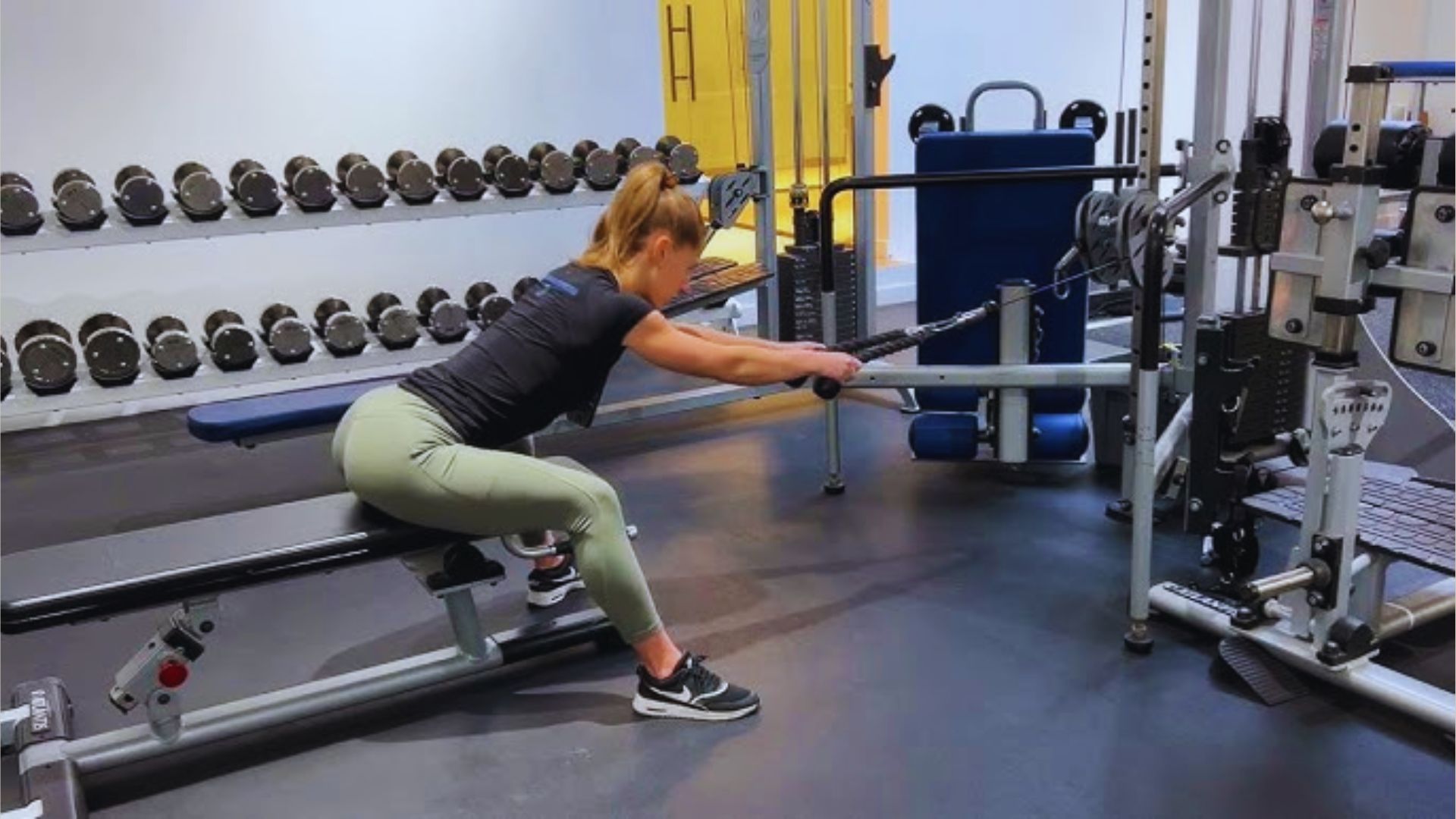
Attach a rope to a low cable, place it across your upper back, stand upright, and hinge forward at the hips while keeping your back flat. Return to standing.
This provides controlled lower back and hamstring activation in a pattern that most people rarely train directly. The cable adds resistance through the full range of motion, which a bodyweight good morning cannot replicate.
Start with very light resistance until the movement feels completely natural.
Complete Back Workouts Cable Routine (Beginner to Advanced)
A good routine does not just list exercises. It organises them in a way that makes sense for your body and your goals. Here are three structured options based on training experience.
Beginner Routine
Start with three to four exercises and keep the focus entirely on form. Getting the movement patterns right at this stage will pay off for years.
Choose cable lat pulldowns, seated cable rows, cable face pulls, and straight arm pulldowns. Do three sets of ten to twelve reps on each with a weight that challenges you but allows clean technique throughout.
Rest ninety seconds between sets. Prioritise the squeeze and the range of motion over the weight on the stack.
Intermediate Routine
At this level, you are ready to add more volume and combine compound moves with isolation work. Your routine should include five to six exercises across the full back.
Pair seated cable rows with wide-grip rows for thickness. Add single-arm rows to address any imbalances. Include straight arm pulldowns and face pulls at the end for detail and posture work.
Four sets of eight to twelve reps per exercise with sixty to ninety second rest periods. Start increasing weight progressively each week.
Advanced Routine
Advanced training means pushing harder with less rest and more variety. Use supersets, pairing two exercises back to back with minimal rest between them.
Superset lat pulldowns with straight arm pulldowns. Superset seated rows with single-arm rows. Add cable deadlifts and pull-throughs for posterior chain work. Finish with face pulls and cable shrugs.
Use drop sets on your final set of major exercises. Reduce the weight by thirty percent and push to failure. Progressive overload and variation are what continue driving results at this stage.
Common Mistakes to Avoid in Cable Back Workouts
Even with great exercises, poor habits can stall your progress or cause injury. These are the most common mistakes I see people make with cable back training.
- Using too much weight: Heavy weight with bad form does nothing for muscle development and strains joints. Go lighter and feel the muscle working properly
- Relying on momentum: Rocking your torso or jerking the weight removes tension from the back entirely. Slow the movement down
- Not engaging the lats: Many people row with their arms and biceps rather than driving with their elbows. Think elbow, not hand
- Limited range of motion: Partial reps give partial results. Extend fully at the top and squeeze fully at the contraction
- Skipping lower back training: The lower back is part of your back. Cable deadlifts and pull-throughs belong in your routine, not as an afterthought
Fix these habits early. They are the difference between a routine that works and one that just keeps you busy.
Pro Tips to Maximise Back Gains with Cable Machines
The exercises are only part of the equation. How you perform them and how you structure your training determines how fast you actually progress.
Apply these principles consistently and your back workouts cable results will improve noticeably:
- Build your mind-muscle connection first: Before adding weight, make sure you can feel the right muscles working on every rep
- Control your tempo: Lower the weight slowly on every rep. A three-second eccentric phase builds significantly more muscle than letting the weight drop
- Adjust cable height regularly: High, mid, and low cable positions all hit the back differently. Rotate them across sessions for full development
- Experiment with attachments: Rope, V-handle, straight bar, and single handle each change the feel of the exercise. Use variety to keep progressing
- Train the full back evenly: Upper back, lats, mid-back, and lower back all need attention. A well-structured routine does not neglect any region
Consistency with these habits will compound over time. The back responds well to volume and variety when both are applied with good technique.
Conclusion
Here is what I know after training back with cables consistently. The results do not lie.
Every session gets more precise. Every week you feel the difference.
And at some point you stop wondering if cables work and start wondering why you waited so long to take them seriously.
Back workouts cable training rewards patience and good form more than almost anything else in the gym.
So pick one exercise from this list and add it to your next session today. Then come back and tell me how it felt in the comments.
And share this with someone whose back training needs a serious upgrade.
Frequently Asked Questions
Are Cable Back Workouts Effective for Building Muscle?
Yes, cables provide constant tension throughout every rep, which drives consistent muscle activation and growth. When combined with proper form and progressive overload, they are highly effective for building both size and definition.
Can Beginners Do Back Workouts Cable Machine Exercises?
Absolutely. Cable machines are safer and easier to control than free weights, making them an ideal starting point for beginners. The guided resistance helps you learn correct movement patterns without the stability demands of barbell training.
Which Is the Best Back Workouts Cable Row Variation?
The seated cable row is the most effective overall for building mid-back thickness and is a staple in most serious back programmes. It targets the rhomboids, lats, and traps in one controlled movement.
How Often Should I Train Back with Cables?
Two to three times per week is the sweet spot for most people, allowing enough stimulus for growth while giving the muscles adequate time to recover. Advanced lifters may train back more frequently with proper programming.
Do Cable Exercises Help with Lower Back Strength?
Yes, moves like cable deadlifts, pull-throughs, and cable good mornings directly target the lower back and posterior chain. Including these in your routine builds functional lower back strength that carries over into everyday movement and heavier compound lifts.