Want to get stronger without beating up your body? Back off sets might be your answer. I’ve used this method for years, and it changed how I train.
In this article, you’ll learn what back off sets are and why they work. I’ll show you how to program them for real strength gains. You’ll see when to use them and which exercises work best. We’ll also cover common mistakes and how to fix them.
This isn’t a theory. It’s what actually works in the gym.
Let’s make your training smarter.
What Are Back Off Sets?
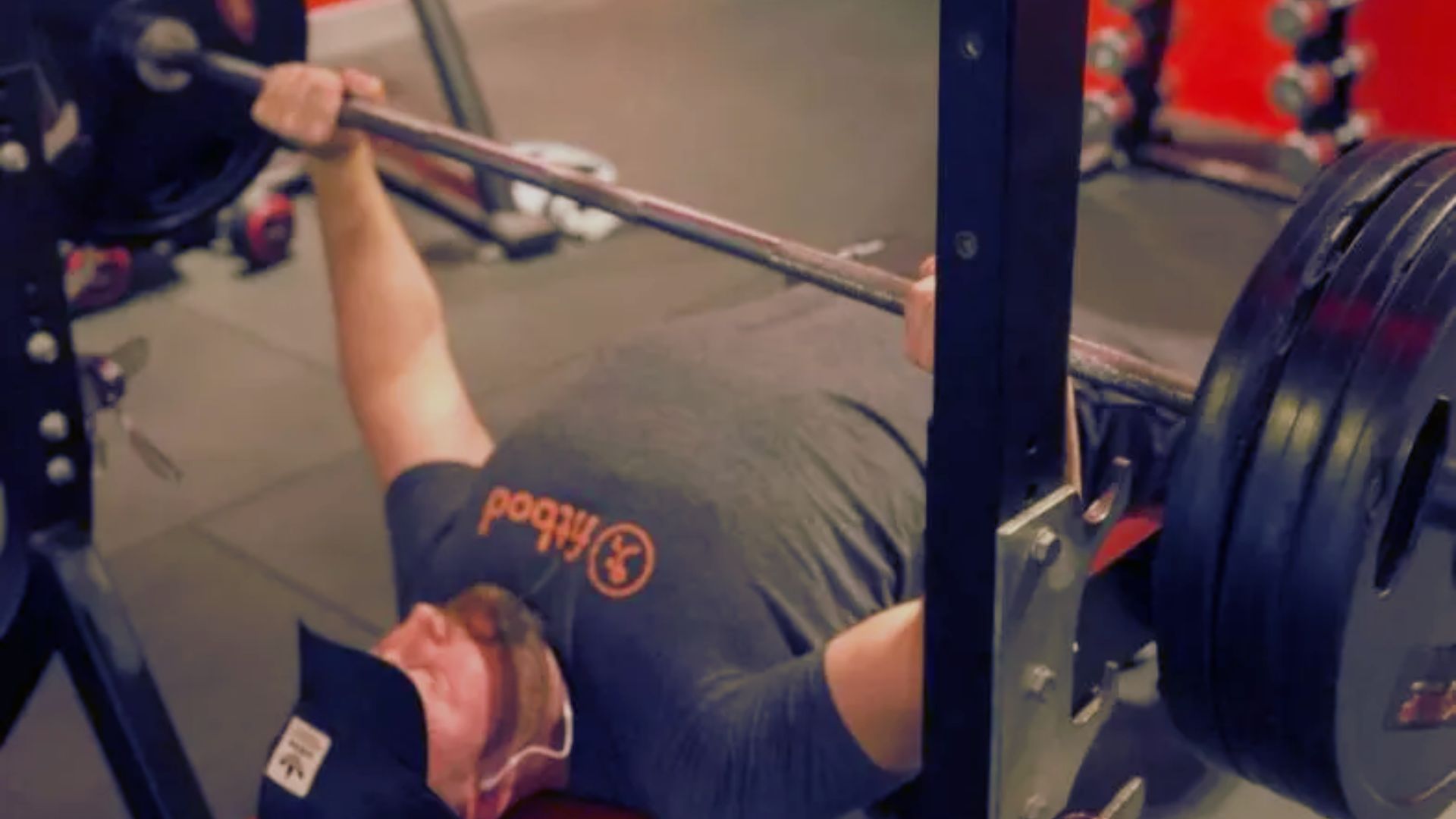
Back off sets help you train heavy without going all-out every time. They balance hard work with smart recovery.
Here’s how it works: You do one heavy top set first. This is your hardest effort of the day. After that, you reduce the load and perform multiple sets of the same lift. These lighter sets are your back off sets.
This is different from straight sets. Straight sets use the same weight for every set. Back off sets start heavy, then drop the weight for the remaining sets.
This lets you train harder on that top set because you know lighter work is coming. You get better at managing fatigue while still getting stronger.
Why Use Back Off Sets for Strength?

That heavy top set teaches your body to recruit more muscle fibers. The back off sets let you practice without frying your system. You’re training your nerves and muscles to work together better.
You get volume that actually matters. Each rep still feels challenging. You’re building real strength with every set.
Back off sets let you train hard without destroying yourself. Constant max effort breaks you down. This method gives you intensity without extreme fatigue. You stay healthy and train consistently.
They also adjust to how you’re performing. Feeling flat? Drop more weight. Crushing it? Keep it higher. This flexibility keeps you progressing without forcing bad sessions.
When to Use Back Off Sets?

Use them once a beginner gains end and you need to balance intensity with better recovery.
Beginners can add weight every session. But that doesn’t last forever. Once you stop making weekly gains, back off sets help you keep progressing. They give you a way to train heavy and get volume at the same time.
If you’re training for a meet or testing your max, back off sets fit perfectly. They build strength without excess fatigue. You stay sharp and don’t burn out before your peak.
Training four or five days per week? Back off sets save your recovery. They let you hit big lifts multiple times per week without maxing out every session. This means you can train more often without breaking down.
Best Exercises for Back Off Sets
Use back off sets on heavy barbell compounds like squat, bench press, deadlift, overhead press, and Olympic lifts.
Barbell Compound Movements

These are the bread and butter of strength training. Back off sets work best with big, heavy lifts.
Squat: Your main strength builder for legs and overall power.
Bench press: The go-to for upper body pressing strength.
Deadlift: Nothing builds total body strength like heavy pulls.
Overhead press: Shoulder and core strength in one movement.
Olympic Lifts and Variations
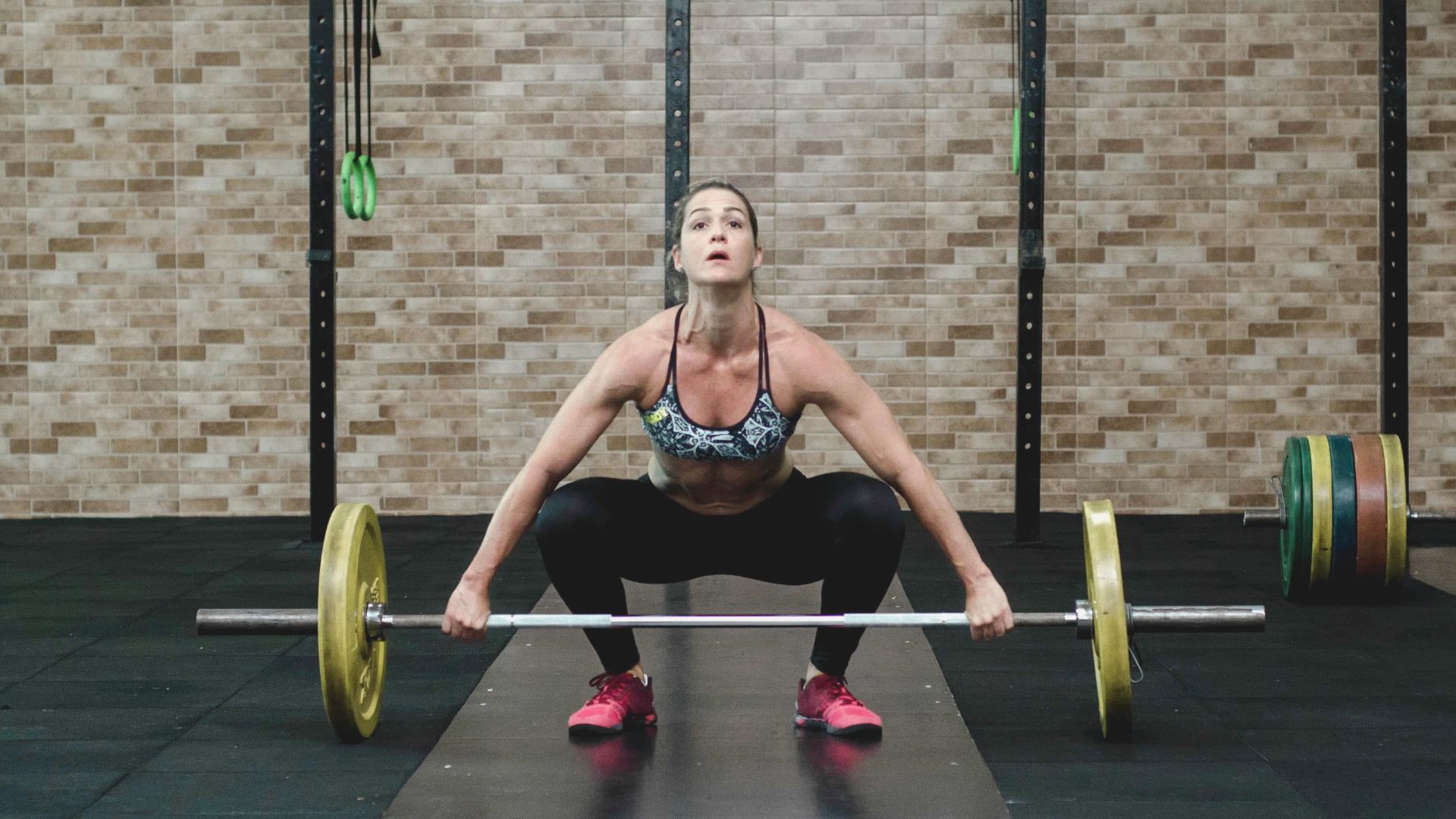
These movements demand speed and technique. Back off sets help you practice without getting sloppy.
Clean: Full body power and coordination.
Snatch: Technical skill under heavy loads.
Power clean: Explosive strength development.
How to Program Back Off Sets?
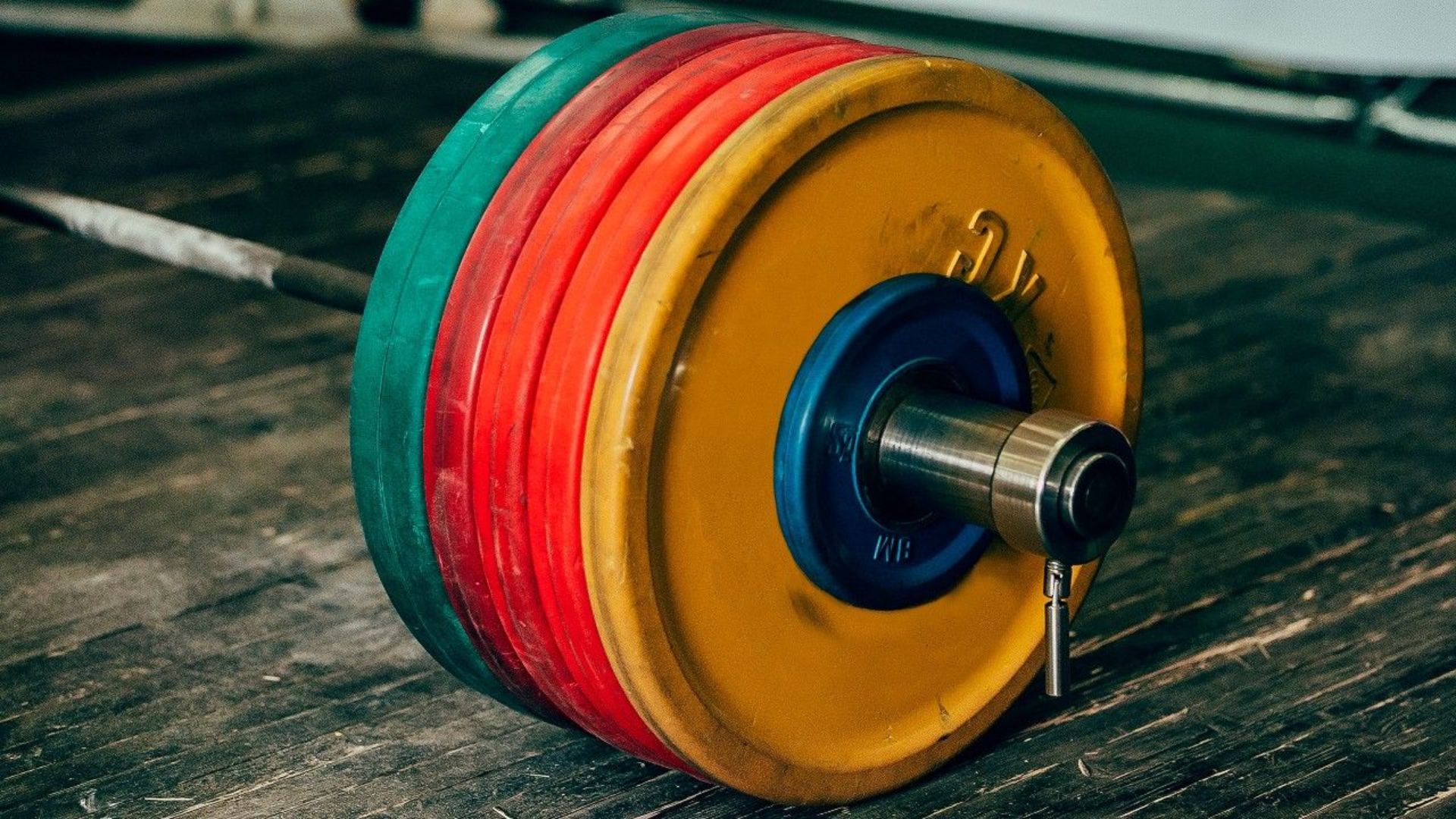
Back off sets are lighter weight sets performed after your heavy lifts to build volume and practice good form without excess fatigue.
Work Up to a Top Set
Start your session with warm-ups. Then work up to your heavy set. This is 1 to 3 reps at 85 to 92 percent of your max.
This set should feel hard but not impossible. You’re pushing close to your limit, but you’re still in control.
Reduce the Load
After your top set, take some weight off the bar. Drop 8 to 15 percent from what you just lifted.
If you did 315 pounds for your top set, your back off sets might be around 270 to 285 pounds. This keeps the weight challenging but manageable.
Perform Back Off Sets
Now do 2 to 5 sets of 3 to 6 reps. Keep the focus on strength, not just moving weight.
Each rep should look clean. Your technique should stay tight. This is quality work, not just finishing sets.
Adjusting Back Off Sets Based on Goals
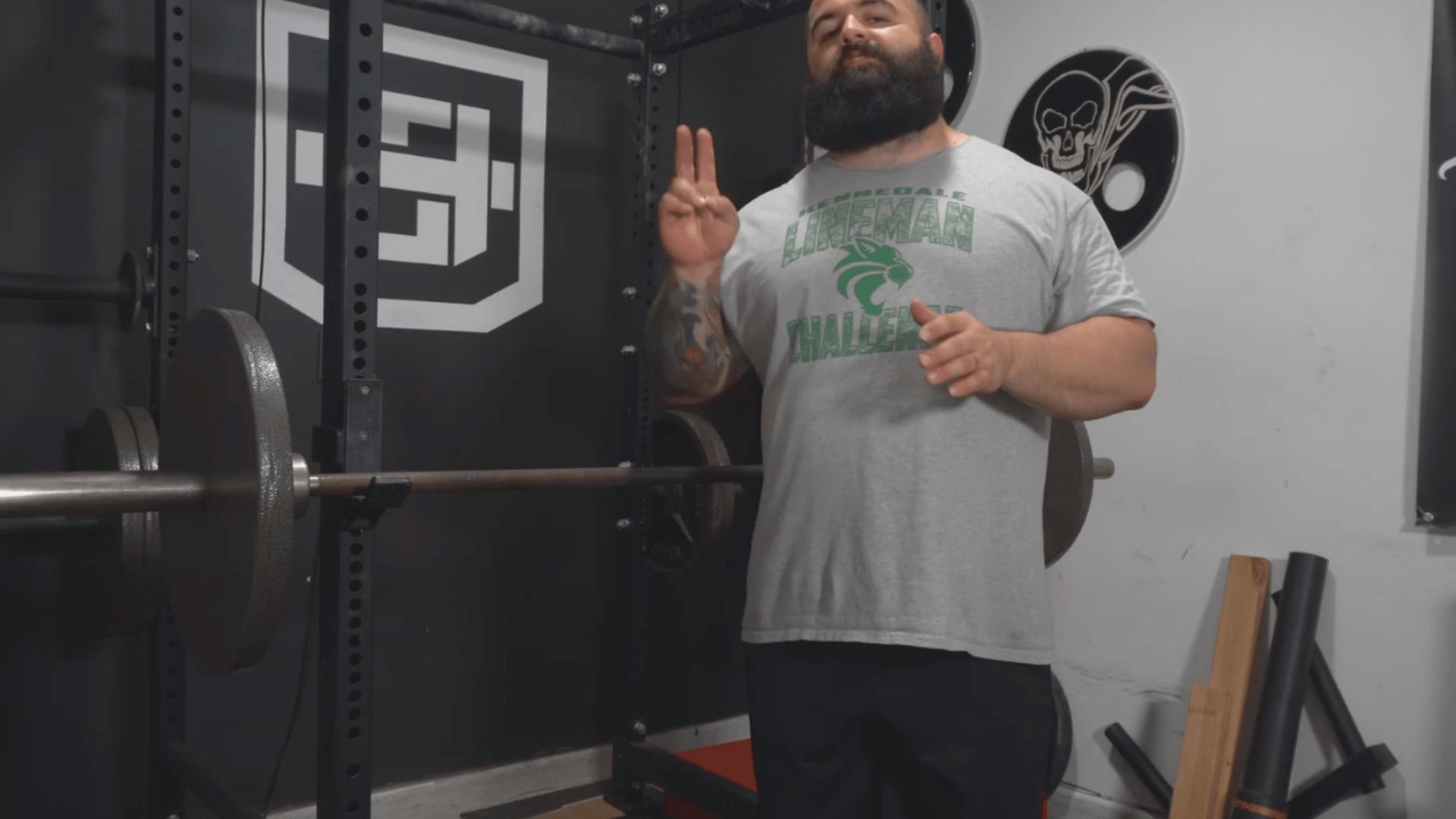
Adjust the weight drop and rep range based on your goal smaller drops and lower reps for strength, larger drops and higher reps for muscle, or focus on speed for power.
Strength-Focused Approach
Keep the reps low. Do 3 to 5 reps per set. Don’t drop the weight too much. Maybe only 8 to 10 percent off your top set.
This keeps the intensity high. You’re still training heavy. You’re building maximal strength.
Hypertrophy-Focused Approach
If you want more muscle, you can adjust things. Drop the weight a bit more, maybe 12 to 15 percent. Then do higher reps, around 6 to 8 per set.
You get more total volume. Your muscles work longer under tension. This builds size along with strength.
Power-Focused Approach
Power is about moving weight fast. Focus on bar speed during your back off sets. Keep the volume lower. Maybe just 2 or 3 sets.
Each rep should be explosive. You’re training your body to generate force quickly.
Practical Tips for Using Back Off Sets
Track your progress, stay consistent with technique, and adjust volume based on how often you train.
- Write down what you lift each week. If your top sets are going up, you’re getting stronger. If they’re stuck, change something.
- Treat your back off sets like skill work. Don’t get lazy just because the weight is lighter. Stay tight and move well.
- If you train the same lift multiple times per week, do fewer back off sets per session. Higher frequency means lower volume per day.
- Keep each rep clean and controlled. Build good habits on every set, not just your heavy ones.
- Use your performance as feedback. Adjust the weight and volume based on how you’re recovering and progressing.
Conclusion
I’ve been using back off sets for the past five years, and they completely changed my results. You can lift heavy without feeling destroyed after every workout.
This method works because it’s sustainable. You build strength week after week without the constant injuries and burnout.
Start with one main lift. Try the template I shared. Track your progress and adjust as needed. Drop a comment below and let me know which lift you’ll try this on first.
Frequently Asked Questions
How much weight should I drop for back off sets?
Drop 8 to 15 percent from your top set. If you lifted 300 pounds, your back off sets would be around 255 to 275 pounds. This keeps things challenging but manageable.
Can beginners use back off sets?
Yes, but they don’t need them as much. Beginners do better with straight sets and simple programs. Once you stop adding weight every week, back off sets become more useful.
How many back off sets should I do?
Start with 2 to 3 sets. As you get more advanced, you can do up to 5 sets. Listen to your body and adjust based on recovery.
Should I use back off sets on every exercise?
No. Use them on your main lifts like squat, bench, and deadlift. Smaller exercises like curls or lateral raises don’t need this approach.
How often should I use back off sets?
Use them whenever you’re doing strength-focused training. This could be 2 to 4 times per week depending on your program and recovery.