

Low back pain affects millions of people. Choosing the right exercises matters. I’ve worked with many patients who asked should I bend backward or forward? The answer isn’t the same for everyone.
In this article, I’ll show you when back extension vs flexion works best. You’ll learn how to test which direction helps your specific pain pattern. I’ll cover movement types, who benefits from each, and how to avoid common mistakes.
My years treating back pain taught me one thing: the right movement can change everything.
Let’s figure out which one works for you.
Understanding Back Extension and Flexion

Back extension means bending backward. Your spine curves the opposite way from a slouch. Common extension exercises include press-ups (cobra pose), lying on your stomach propped on elbows, and standing back arches. Your lower back muscles and glutes do most of the work during extension.
Back flexion means bending forward. Your spine rounds like when you tie your shoes. Common flexion exercises include pulling knees to chest while lying down, sitting forward bends, and child’s pose in yoga. Your abdominal muscles engage during flexion while your back muscles stretch.
When Back Flexion Is Better?

Some conditions improve when you bend forward instead of backward, especially nerve-related issues.
Spinal stenosis means narrowing in your spine. Nerves get squeezed in tight spaces. Extension makes the space smaller, causing pain to shoot down your legs. Flexion opens the space back up. Bending forward gives your nerves room.
If walking 5-10 minutes causes leg pain, but leaning forward on a counter helps, you likely have stenosis patterns. Riding a bike often feels fine because you’re bent forward.
Facet joint irritation also responds well to flexion. These joints sit at the back of each vertebra and guide spinal movement. Extension compresses these joints, creating sharp pain.
Flexion separates the joint surfaces and reduces pressure. This pattern is common in older adults whose joints show wear and tear. Forward bending gives them a break.
When Back Extension Is Better?
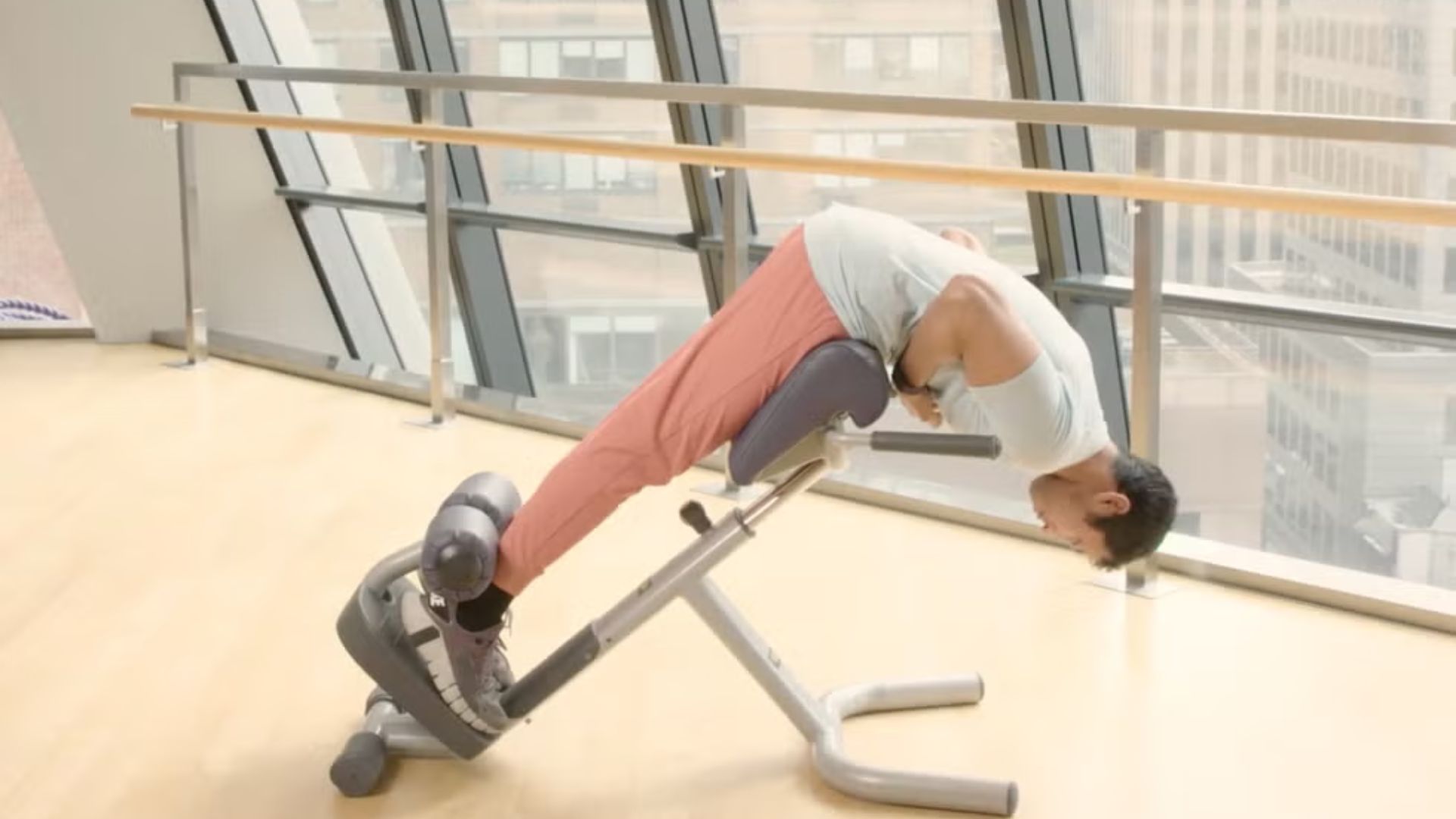
Extension exercises help specific pain patterns, especially for people who sit too much during the day.
Disc problems often respond well to extension. Sitting puts heavy pressure on your discs, shifting the nucleus backward and pinching nerves. Extension reverses this pressure. If pain gets worse after sitting for 30 minutes or bending forward hurts, you likely need extension exercises.
Modern life keeps us bent forward. Desks, phones, and cars flatten your natural spine curve. Sitting all day tires out your back muscles. Extension exercises restore the curve and prevent pain from building up.
I tell my patients every hour of sitting needs one minute of extension.
Back Extension vs Flexion Key Differences
These two movements put different pressure on your spine and can create opposite effects on pain.
|
Category |
Back Extension |
Back Flexion |
|
Movement Mechanics |
Increases the lower back curve |
Flattens the lower back curve |
|
Disc Pressure Shift |
Opens space at the front of discs |
Opens space at the back of discs |
|
Spinal Pressure Direction |
Pressure shifts toward the back of the spine |
Pressure moves toward the front of the spine |
|
Posture Effect |
Standing often reduces stress |
Sitting increases pressure during flexion |
|
Pain Response – Centralization |
Pain moves from leg toward spine (positive sign if symptoms improve) |
Can centralize pain if flexion is the correct direction |
|
Pain Response – Peripheralization |
Pain spreads down the leg if extension is wrong |
Pain spreads down the leg if flexion is wrong |
|
Repeated Movement Testing |
10 backward bends may improve symptoms if extension-biased |
10 forward bends may improve symptoms if flexion-biased |
|
Who Benefits Most |
Extension bias pattern |
Flexion bias pattern |
How to Safely Test Your Directional Preference?
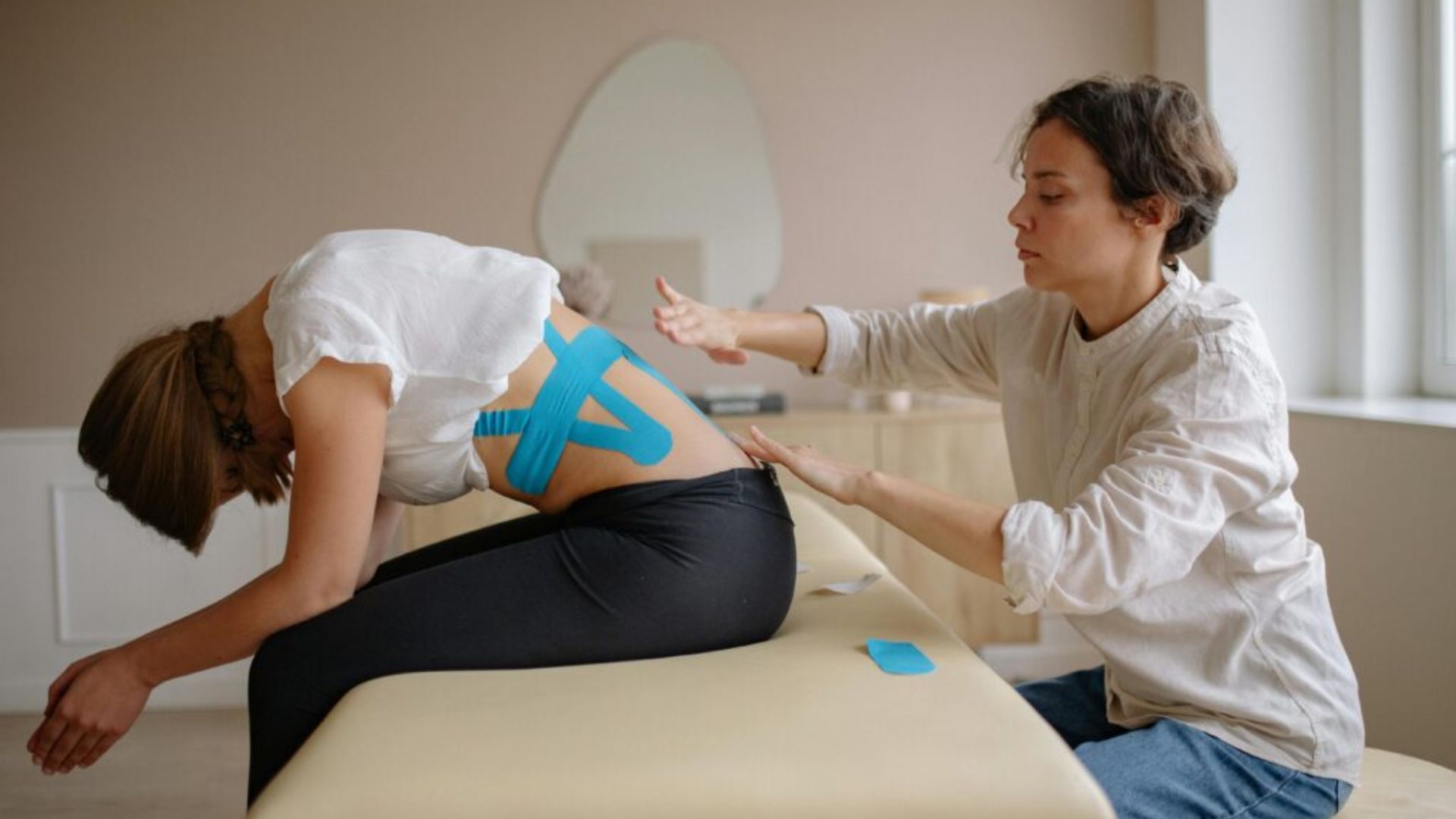
Testing helps you find which movement direction reduces your pain instead of making it worse.
Repeated Movement Testing
Simple but powerful. For extension, lie face down, place hands under shoulders, push upper body up while keeping hips down, lower back down. Repeat 10 times slowly.
For flexion, lie on your back, pull both knees to chest, hold for 2 seconds, lower legs back down. Repeat 10 times slowly.
Know the Signs to Stop
Red flags need medical attention right away, pain shooting down your leg that wasn’t there before, numbness spreading in your foot or leg, weakness making your leg give out, or loss of bladder or bowel control.
Yellow flags mean try the opposite direction, pain getting worse with each rep, symptoms moving away from your spine, sharp stabbing sensations, or increased stiffness after testing. One movement should feel better than the other.
How to Prescribe Back Extension vs Flexion Exercises?
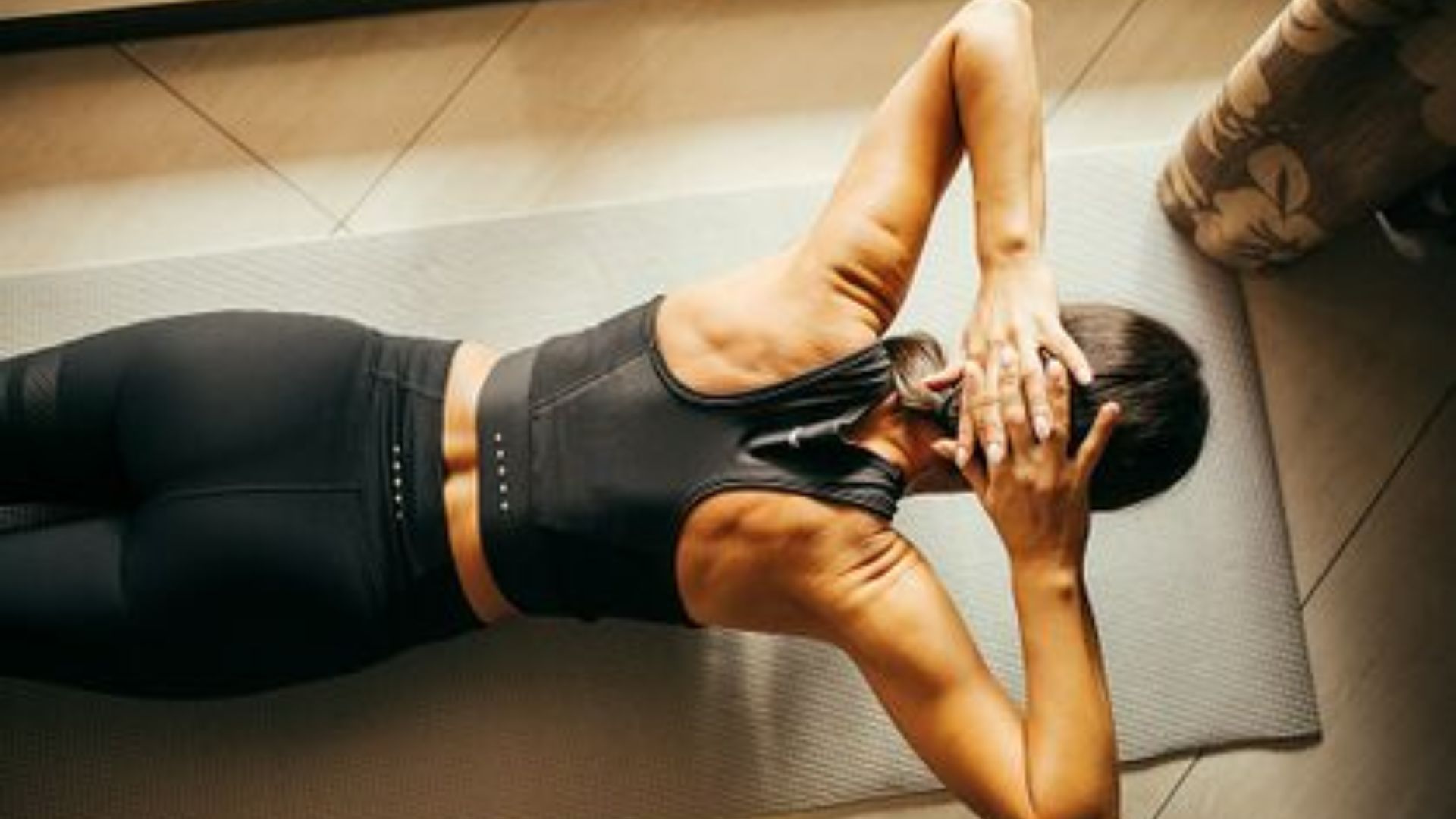
The right dose matters just as much as picking the right direction for your specific pain.
Start conservatively. You can always do more later. Begin with 10 repetitions, 3 times per day, holding each position 2-3 seconds. Move slowly and controlled. After one week, if symptoms improve, increase to 15 repetitions with a 5-second hold.
After two weeks, progress to 20 repetitions if doing well. Track your progress daily. Write down pain levels before and after. This data guides your decisions.
Exercises work better with hands-on treatment. Mobilization uses gentle, repeated movements to prepare joints and reduce stiffness. Manipulation creates a quick, specific movement that can reset joint mechanics. Not everyone needs this.
I combine treatments this way: mobilization first (5 minutes), your directional exercises (10 reps), brief mobilization again (2 minutes), then home exercises. The treatments support each other.
Practical Tips for Better Results
Small changes throughout your day can make your exercises work even better for long-term relief.
- Maintain proper posture throughout the day. Your exercises last 5 minutes, but your posture affects you for 16 waking hours. Sit with lumbar support and stand with weight evenly distributed.
- Avoid prolonged static positions. Set a timer and change positions every 30-45 minutes. Movement is medicine.
- Focus on controlled movement, not speed. Slow movements let you feel what’s happening. Quality beats quantity every time.
- Track symptom changes over time. Rate your pain 0-10 each morning. Note what makes it better or worse.
- Keep a simple log with date, morning pain level, activities that hurt, evening pain level, and exercise completion. Thistakes 30 seconds and shows what’s working.
Conclusion
I’ve seen hundreds of backs get better. The secret? Matching the right movement to your specific pattern. Back extension vs flexion isn’t about which one wins. It’s about which one helps you.
Test both directions carefully. Watch how your body responds. Trust what your symptoms tell you. I still remember my own back pain from years ago. Extension exercises changed everything for me. Maybe flexion will be your answer.
Try the tests above and see what happens. Drop a comment below and tell me which direction helped you most.
Frequently Asked Questions
Can I do both back extension and flexion exercises?
Usually, stick with one direction during the pain phase. Doing both can confuse your symptoms and slow recovery. Once pain resolves, gentle movement in all directions helps maintain mobility.
How long before I see results from the right exercises?
Most people notice changes within 3-5 days of consistent practice. Some feel better after the first session. Give any direction at least one week before switching approaches.
What if neither extension nor flexion helps my pain?
This happens sometimes. You might need lateral movements (side bending) or other strategies. See a physical therapist for a complete assessment. Some conditions need different approaches.
Should I stop my regular activities while testing these movements?
No, keep moving normally. Add these exercises to your daily routine. Bed rest usually makes back pain worse. Stay active within your comfort limits.
Can bad form make these exercises dangerous?
Yes, poor form reduces benefits and can increase pain. Move slowly. Keep movements controlled. If you feel sharp pain, stop. Consider getting feedback from a professional on your technique.


