
I have tried a lot of pull-up variations over the years. Wide grip, chin-up, close grip. But the one I keep coming back to is the neutral grip pull-up.
Palms facing each other. Elbows staying close. It just clicks from the first rep.
Most people skip this one. They stick to the standard pull-up and never look back. But this variation is easier on your joints, hits your biceps harder, and honestly feels more natural to do.
If your shoulders ache during regular pull-ups, this might fix that.
In this post, I will cover proper form, real benefits, and tips that actually make a difference.
What Is a Neutral Grip Pull-Up?
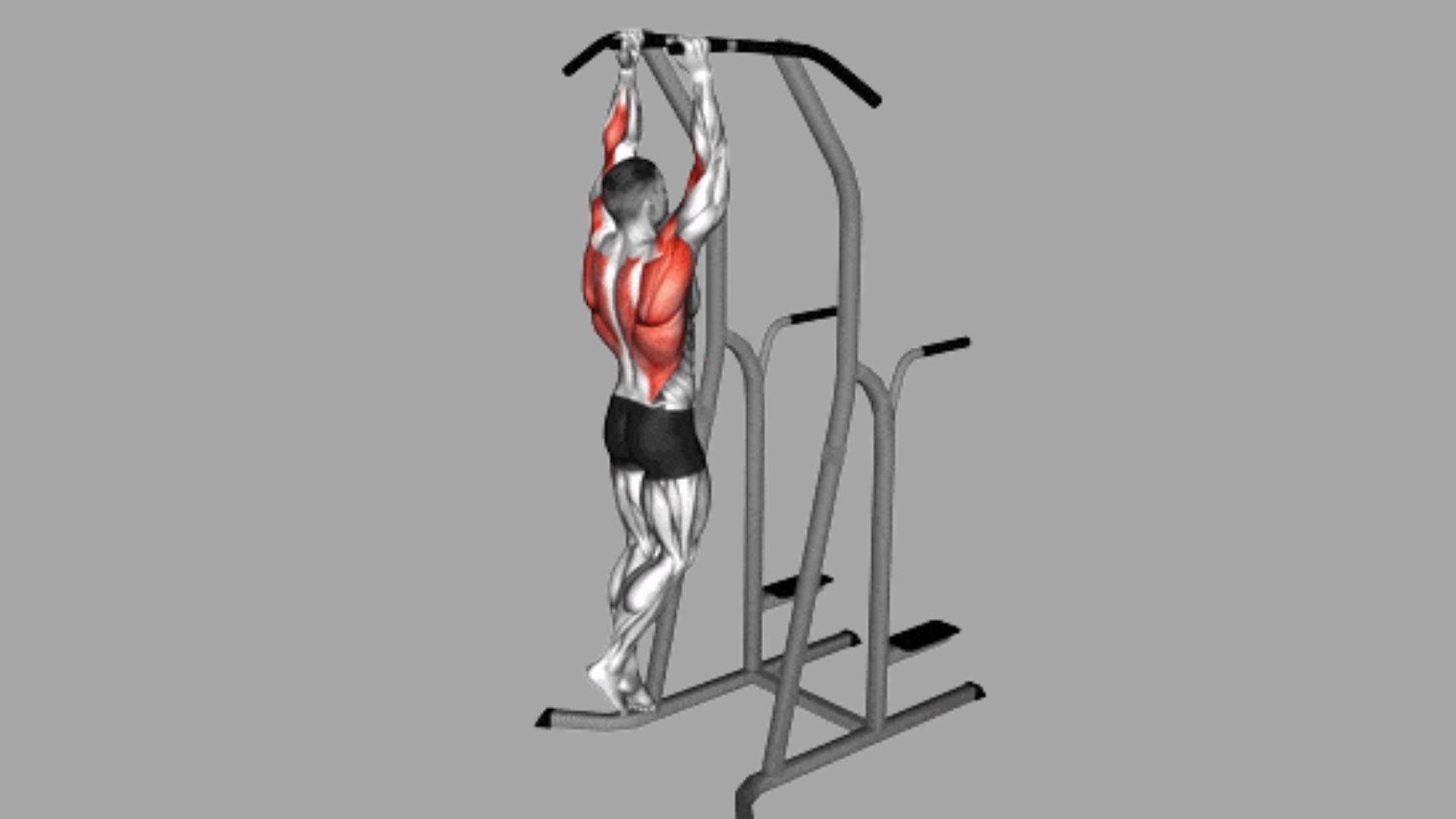
I have tried many pull-up variations over the years. But the one that keeps showing up in my routine is the neutral grip pull-up.
Your palms face each other. Your elbows stay close. And the movement just feels natural from the first rep.
It is not as common as the standard pull-up or chin-up. But once you try it, you will see why so many people stick with it.
In this post, I will break down what a neutral grip pull-up actually is, how it compares to other pull-up styles, and why it has become a go-to move for a lot of lifters.
Benefits of Neutral Grip Pull-Ups
- The neutral grip (palms facing each other) puts far less strain on your shoulders, wrists, and elbows compared to other pull-up grips. It's a smart pick if you deal with joint discomfort.
- Your biceps and forearms work harder in this grip position, making it one of the better pull-up variations for building arm size and strength.
- Every rep pulls your lats and upper back into serious work. Over time, this builds the thick, wide back that most people train for.
- Holding your full bodyweight with a neutral grip taxes your hands and forearms with every set. Your grip gets stronger without any extra work.
- The neutral grip feels more natural and easier to control than a wide overhand grip. It's a great starting point if regular pull-ups feel too tough right now.
Equipment Needed for Neutral Grip Pull-Ups
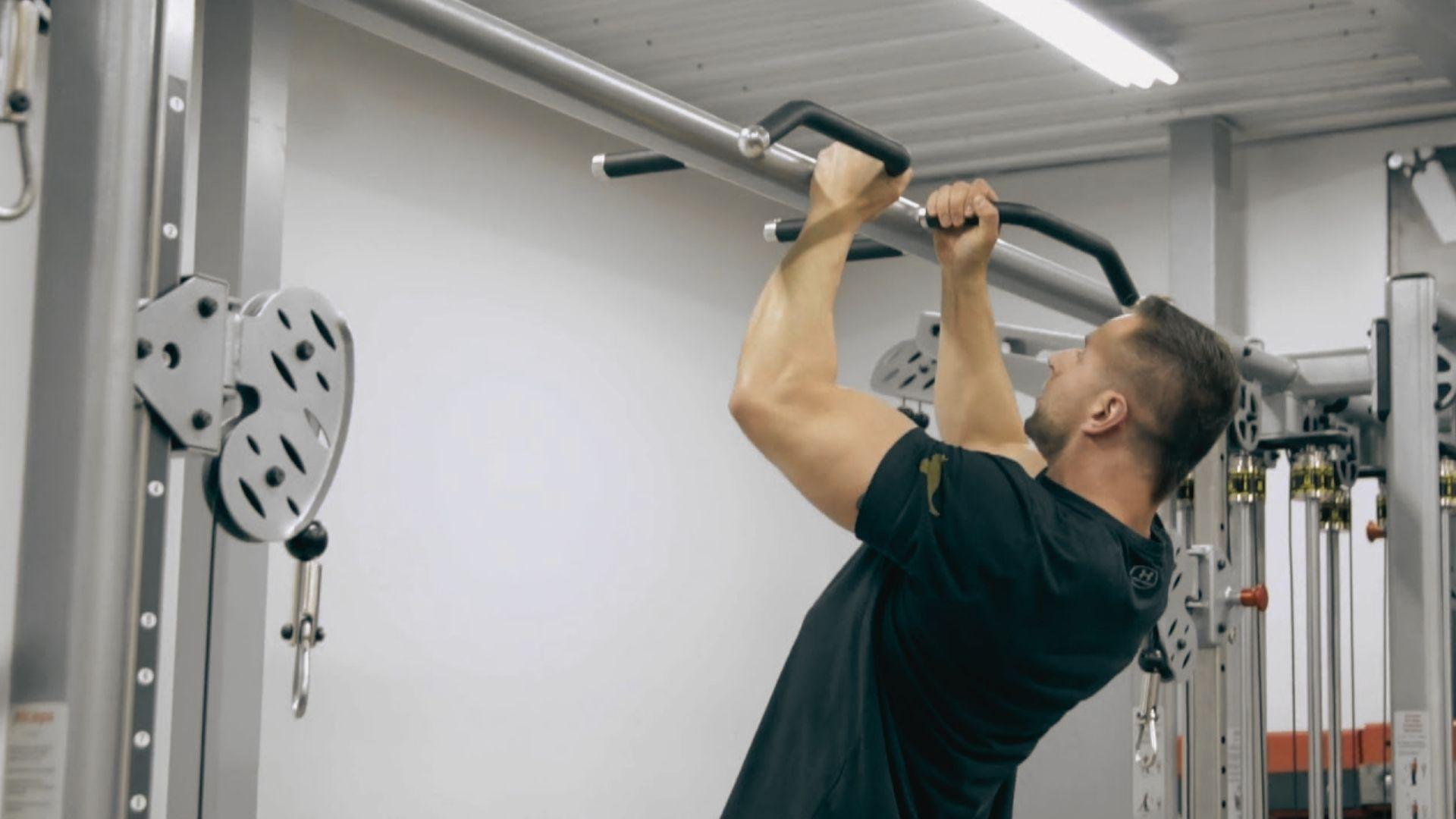
You need the right setup before you start. A parallel-grip pull-up bar is the most common option.
It has two handles set close together so your palms face each other naturally. A full pull-up station works too. These are bigger, freestanding units with multiple grip options built in.
If your gym only has a straight bar, grab a pair of neutral grip handles or attachments. They hook right onto the bar and give you the same grip angle.
How to Do a Neutral Grip Pull-Up Correctly
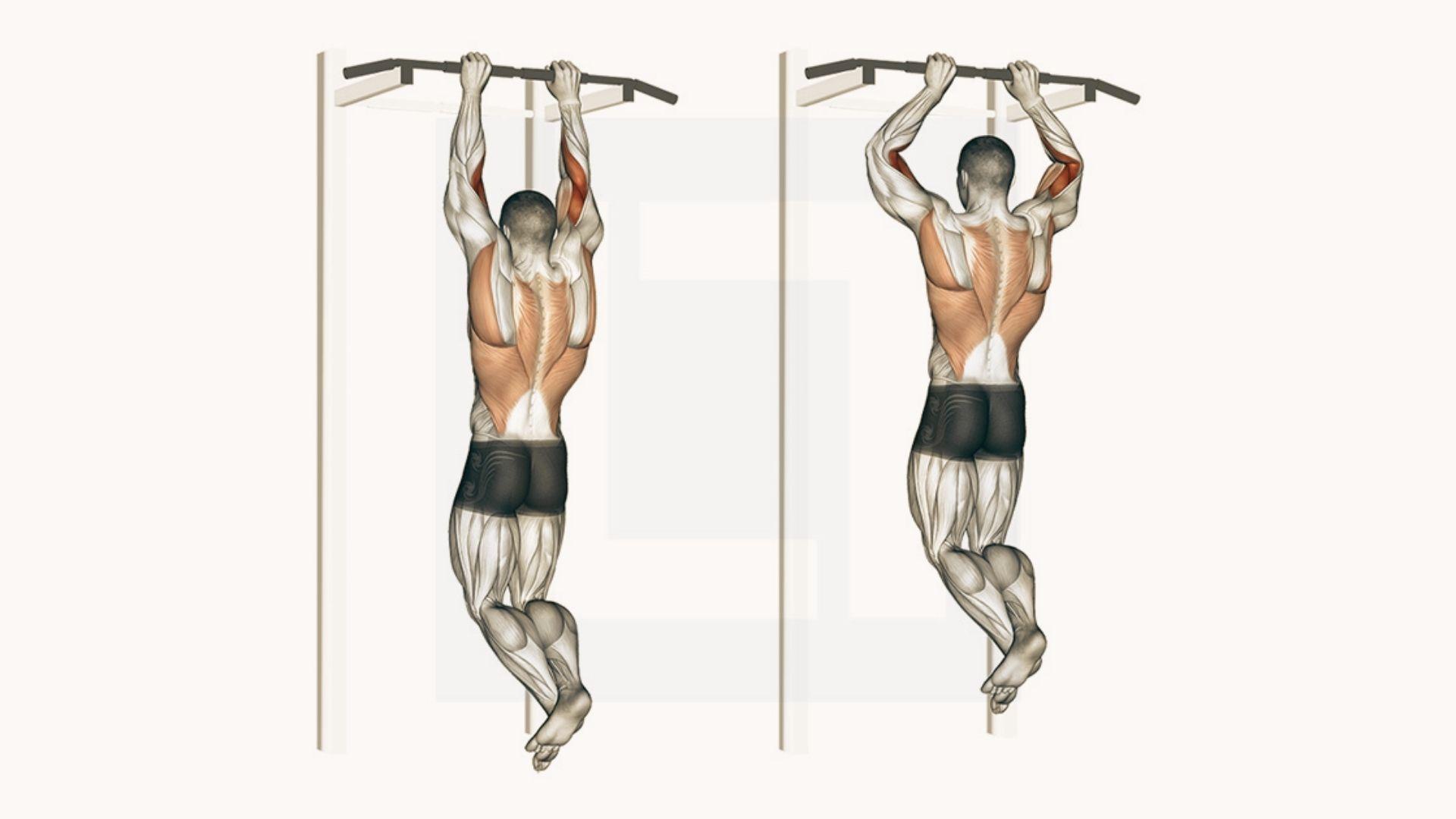
Getting the form right makes a big difference. Here's how to do a neutral grip pull-up step by step.
Step 1: Set Up Your Grip and Starting Position
Grab both parallel handles with your palms facing each other. Your arms should be fully extended. Let your body hang straight down. Feet can cross at the ankles or hang loose. This is your starting position.
Step 2: Engage Your Core and Shoulder Blades
Before you pull, brace your core like you're expecting a punch. Squeeze your shoulder blades down and back slightly. This protects your joints and puts the right muscles in charge before the movement even begins.
Step 3: Pull Your Body Up With Control
Drive your elbows down toward your hips, not outward. Think about pulling your elbows to your sides rather than just pulling with your hands. This keeps your lats engaged and stops your arms from doing all the work.
Step 4: Reach the Top Position
Pull until your chin clears the bar or your chest gets close to it. Hold for a second at the top if you can. Your elbows should be pointing down, not flared out. That's the peak of a clean rep.
Step 5: Lower Yourself Slowly to a Dead Hang
Don't just drop. Lower your body in a slow, controlled way back to a full dead hang. This part builds just as much strength as pulling up. Take two to three seconds on the way down for best results.
Neutral Grip Pull-Up Form Tips for Better Results
- Keep your chest slightly up and open as you pull. This stops you from rounding your shoulders and keeps the right muscles doing the work.
- Your neck should stay in line with your spine the whole time. Don't crane your chin up or tuck it down just to clear the bar.
- Swinging your legs or using body momentum turns this into a sloppy rep. Move slow and steady so your muscles are doing the actual lifting, not your body's swing.
- Start from a full dead hang and pull all the way up every single rep. Cutting the range of motion short means you're leaving strength and muscle gains on the table.
- The lowering phase is just as important as pulling up. Take two to three seconds to come back down. This builds more strength and keeps your joints safer over time.
Best Grip Width for Neutral Grip Pull-Ups
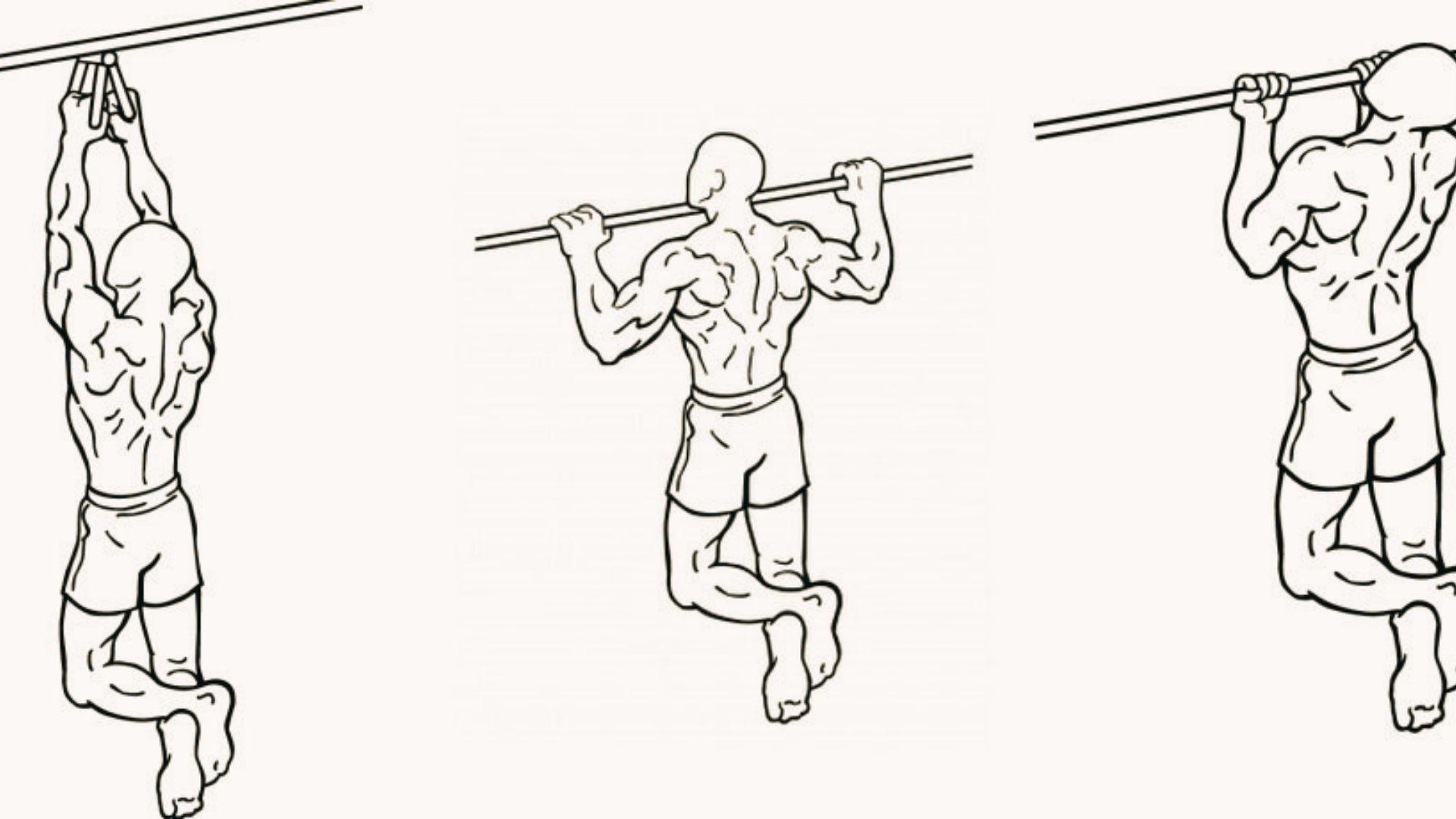
Grip width changes which muscles work harder and how the movement feels. Getting it right helps you get more out of every rep.
Shoulder-Width Grip Benefits
A shoulder-width grip is the sweet spot for most people. It feels natural, keeps your joints aligned, and spreads the work evenly across your lats, biceps, and upper back. Start here if you're not sure which width suits you.
Narrow Grip vs Wide Grip
A narrow grip hits your biceps and lower lats more. A wider grip shifts focus to the outer lats and upper back. Neither is better overall. It depends on what muscles you want to work more in your training.
How Grip Width Affects Muscle Activation
A closer grip increases bicep involvement and feels easier on the shoulders. A wider grip demands more from the lats but can stress the shoulders more too. Switching between widths over time gives you more balanced upper body strength.
Conclusion
Neutral grip pull-ups have earned their spot in my routine, and I think they will earn a spot in yours too. The joint-friendly grip, the bicep and lat activation, the natural feel.
It all adds up. Start with shoulder-width, nail your form, and control every rep on the way down. Small things done right build real strength over time.
Give it a go and let me know how it feels in the comments below.
Frequently Asked Questions
What is a neutral grip pull-up?
A neutral grip pull-up is done with your palms facing each other. This hand position puts less stress on your wrists and elbows compared to other pull-up styles.
Is a neutral grip pull-up easier than a regular pull-up?
Many people find it easier, yes. The neutral grip lets more muscles work together, which makes pulling your body up feel a little more manageable.
What muscles does a neutral grip pull-up work?
It mainly works your lats, biceps, and upper back. Your core also stays engaged throughout the movement to keep your body stable.
How many neutral grip pull-ups should a beginner do?
Start with 2 to 3 sets of 3 to 5 reps. Focus on good form first and slowly add more reps as you build strength over time.
Can neutral grip pull-ups help with shoulder pain?
They can be a better option for people with mild shoulder discomfort. The neutral hand position reduces strain on the shoulder joint compared to a wide overhand grip.