

Your obliques do more than you think. They help you twist, bend, and stay upright. But when they get tight, your back starts to pay the price.
This blog covers 11 oblique stretches that support core strength and back health. Each one is easy to follow, no gym needed.
I have worked with people who struggled with back stiffness for months. Simple, consistent stretching made a real difference for them.
You will learn what oblique muscles do, how to stretch them safely, and how to build a routine that sticks. Trust the process and your body will respond. Let's get started.
What Are the Oblique Muscles?

The oblique muscles are located on the sides of your torso. You have two layers on each side.
The external obliques sit on the outside and run diagonally from your ribs toward your hips. The internal obliques lie just beneath them and run in the opposite direction.
Together, they wrap around your midsection like a natural support belt. They help you twist, bend sideways, and keep your spine stable.
When these muscles get tight or weak, your lower back takes on extra stress and discomfort follows.
11 Oblique Stretches for Core Strength and Back Health
These stretches are simple, effective, and work for almost any fitness level.
1. Standing Side Bend Stretch for Oblique Flexibility
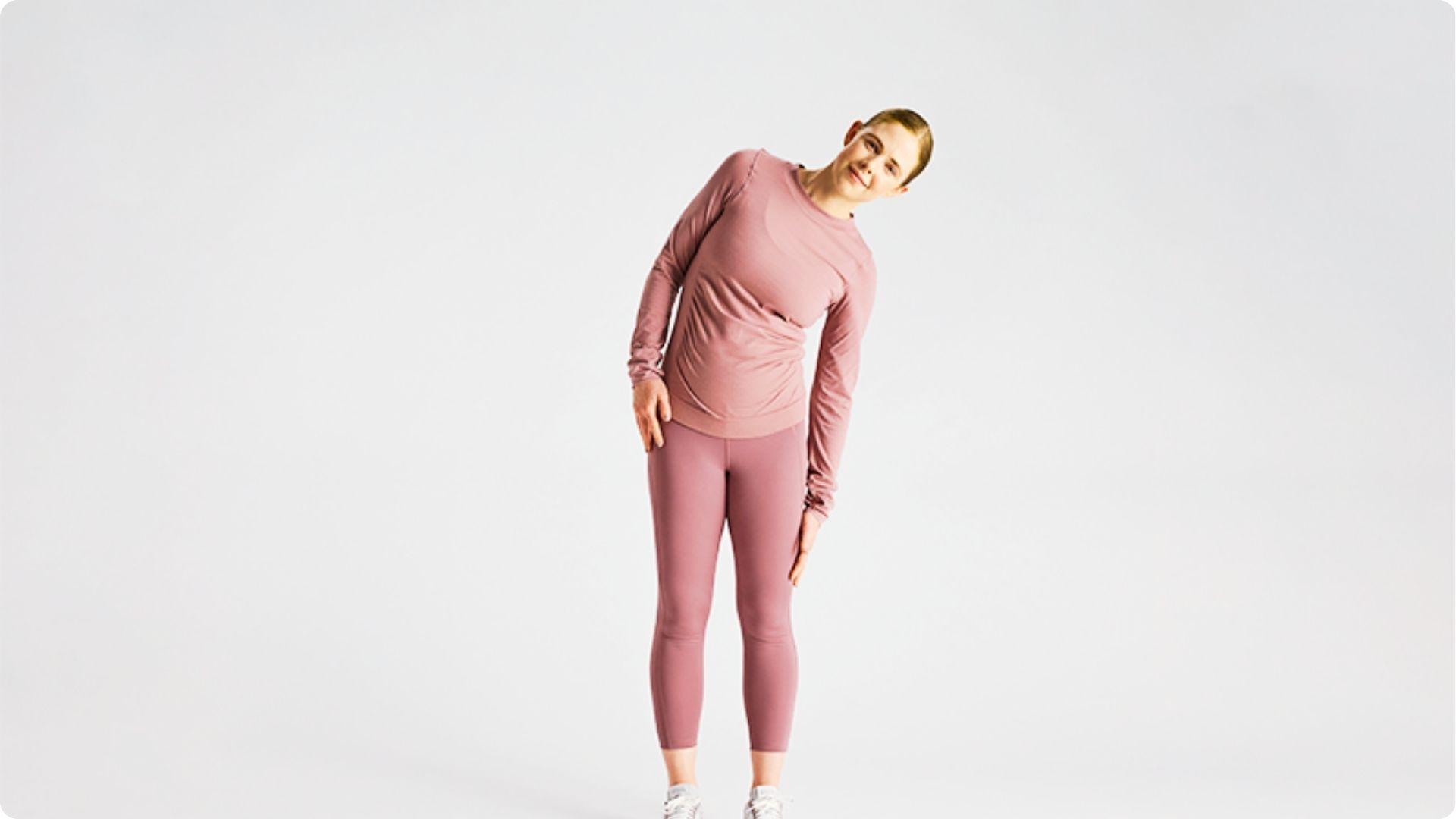
Stand feet hip-width apart, raise one arm overhead, and bend slowly to the opposite side. Hold for 20 to 30 seconds, return to center, and switch sides.
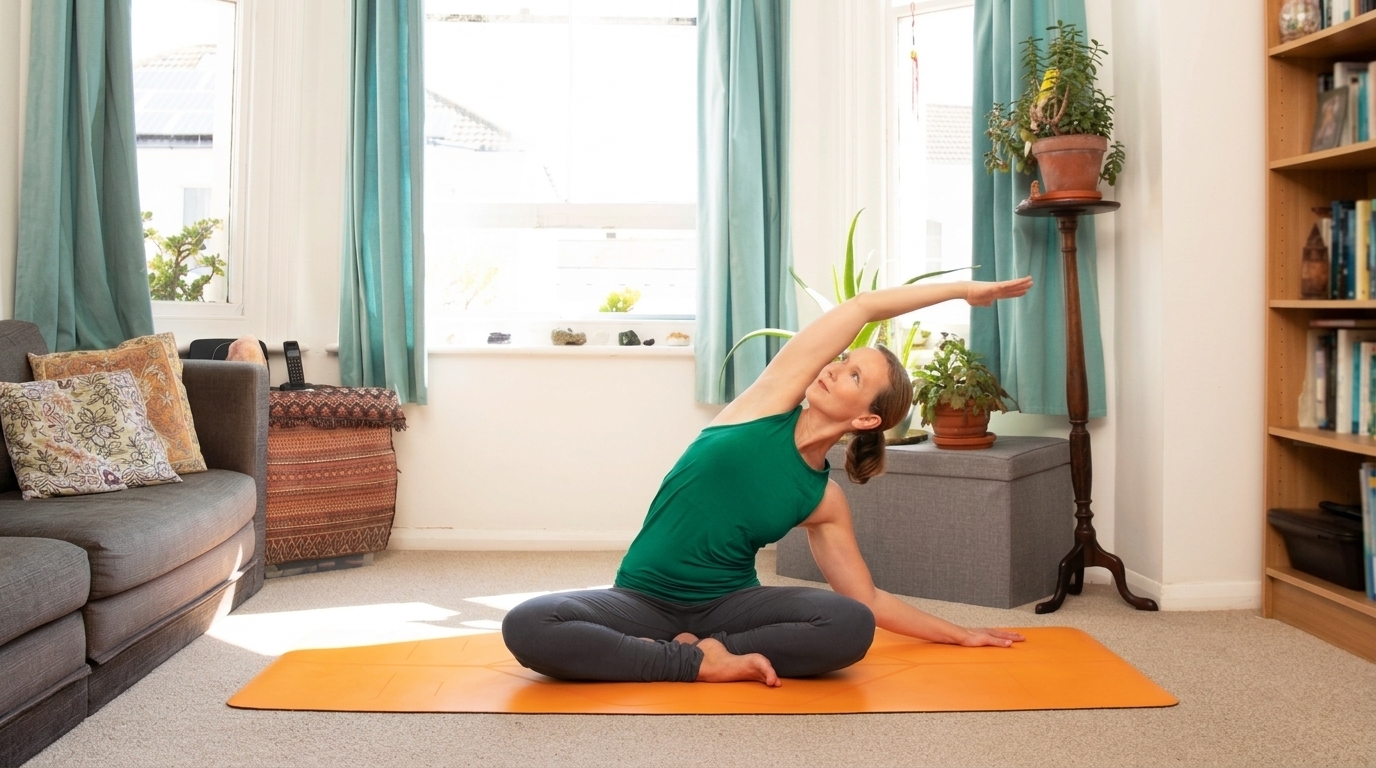
2. Seated Side Stretch for External Oblique Stretching
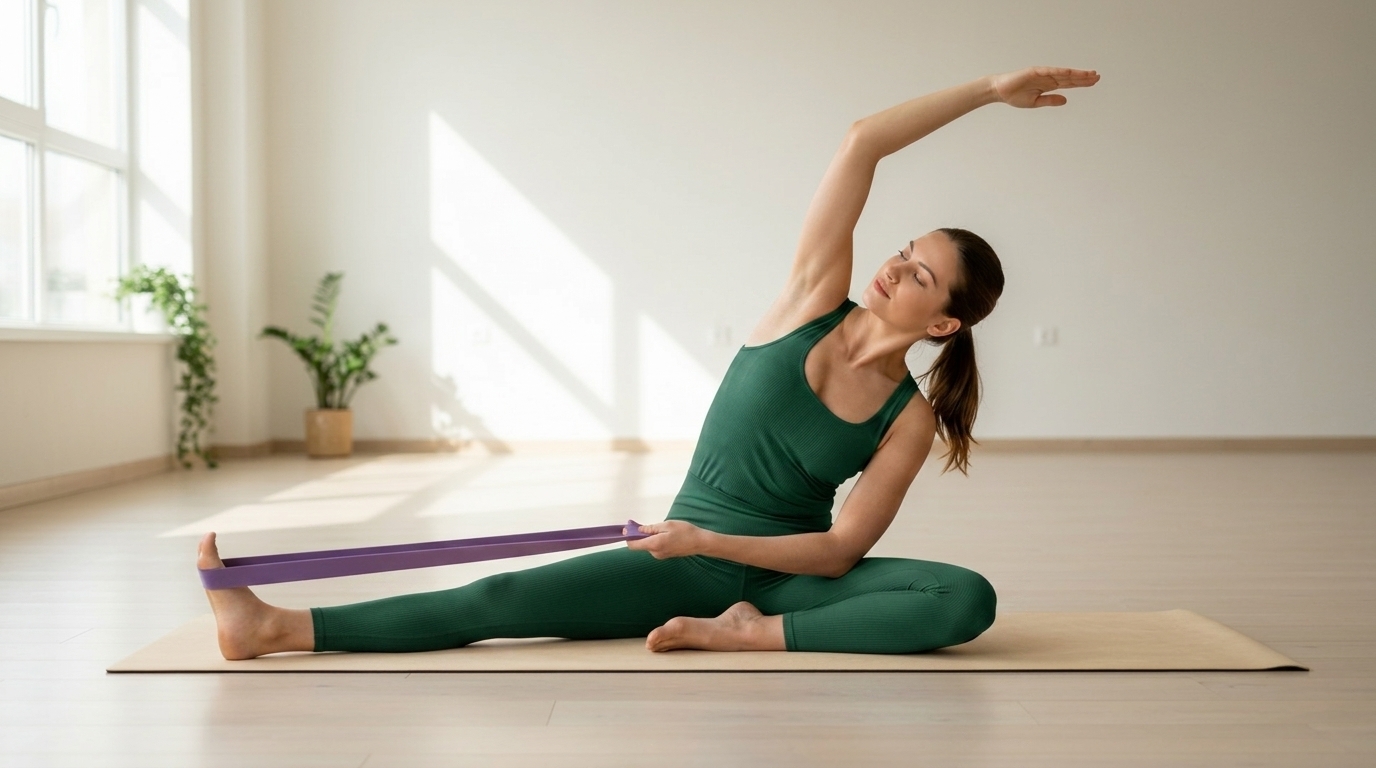
Sit on the floor, extend one arm up, and reach over to the opposite side while the other hand rests on the floor. Hold for 20 to 30 seconds and switch sides.
3. Knee Rocking Stretch for Lower Back and Obliques
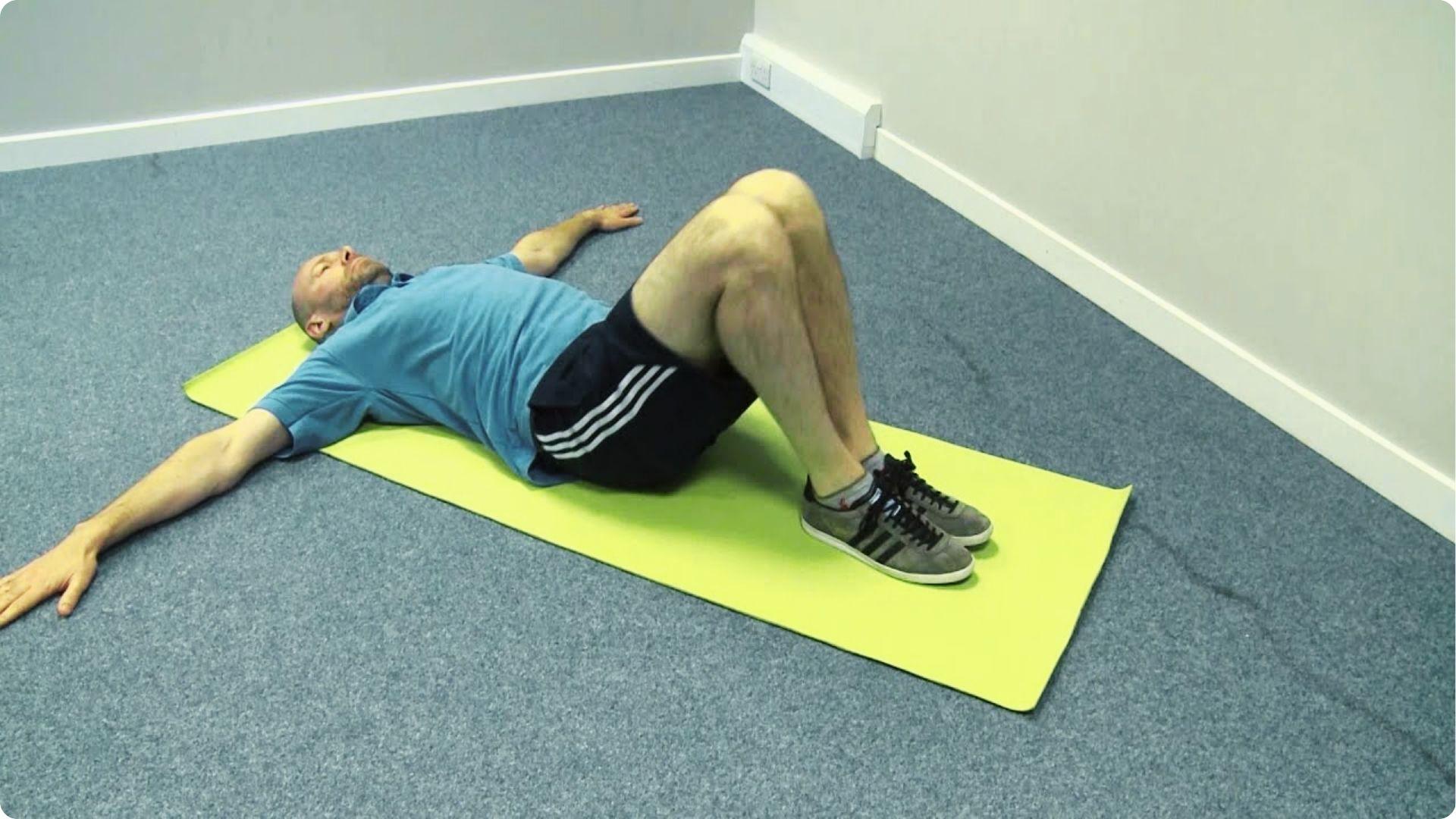
Lie on your back with knees bent and let both knees fall gently to one side. Hold for 20 seconds, return to center, and repeat on the other side.
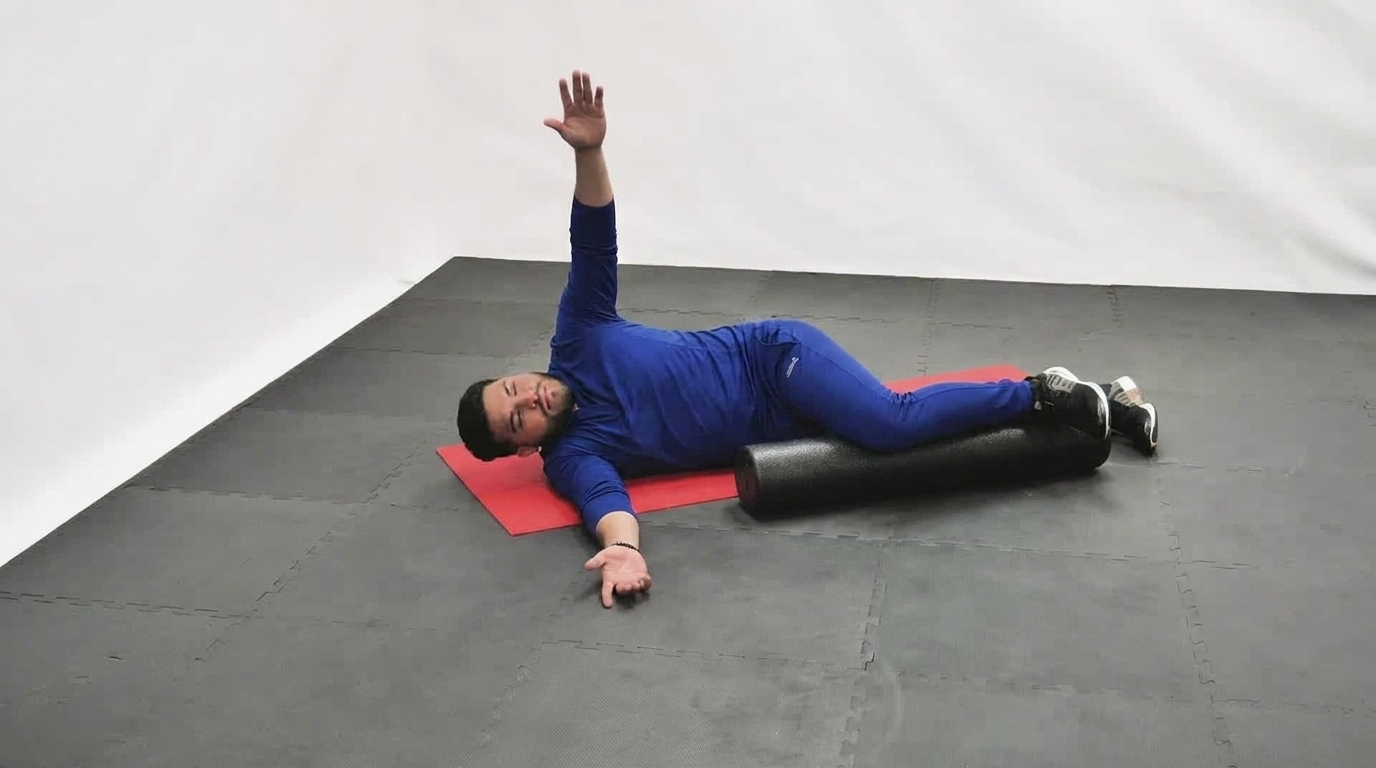
4. Open Book Rotation for Spinal Mobility and Obliques
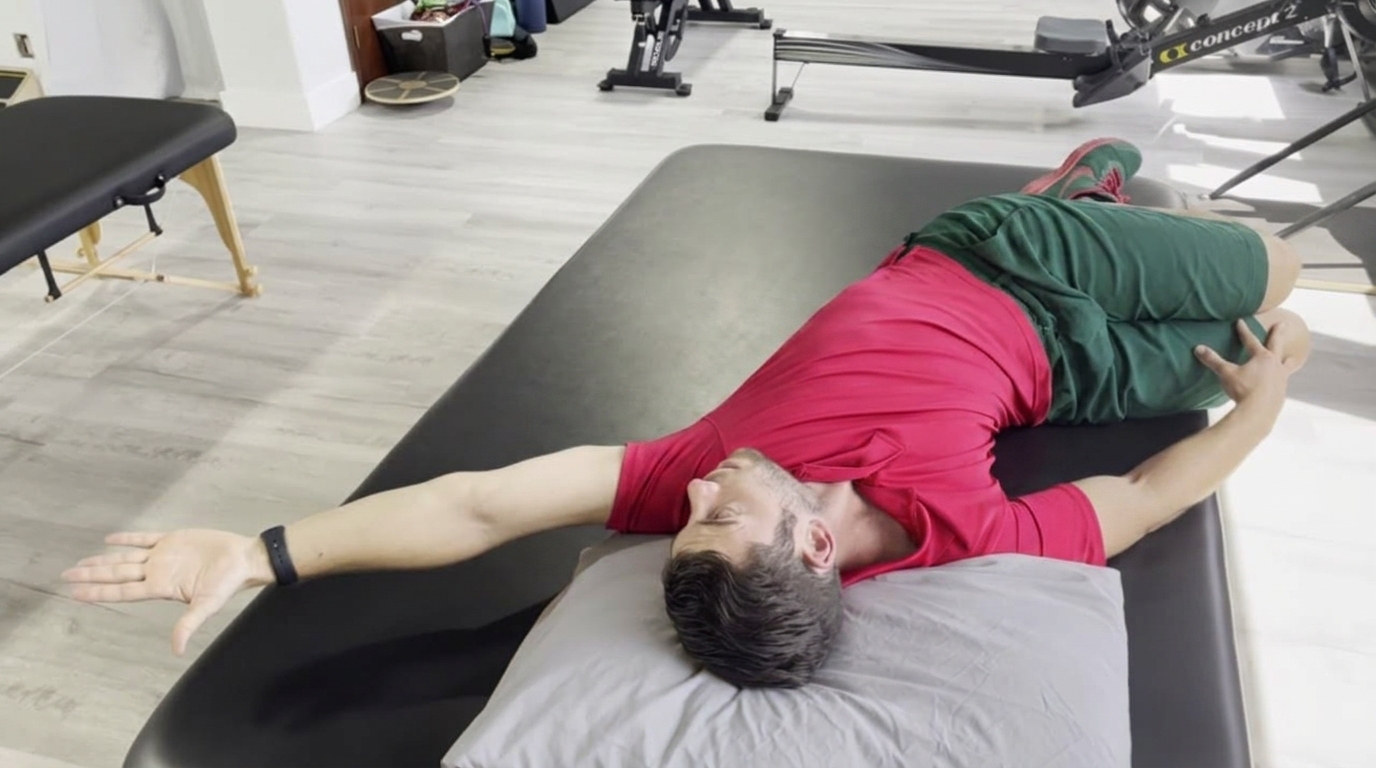
Lie on your side with knees stacked, extend both arms forward, then slowly rotate your top arm backward toward the ceiling. Hold briefly and repeat on both sides.
5. Thread the Needle Stretch for Deep Oblique Release

Start on all fours and slide one arm under the opposite arm along the floor. Let your shoulder drop toward the ground, hold for 20 to 30 seconds, and switch sides.
6. Cat-Cow Stretch for Spine and Core Mobility
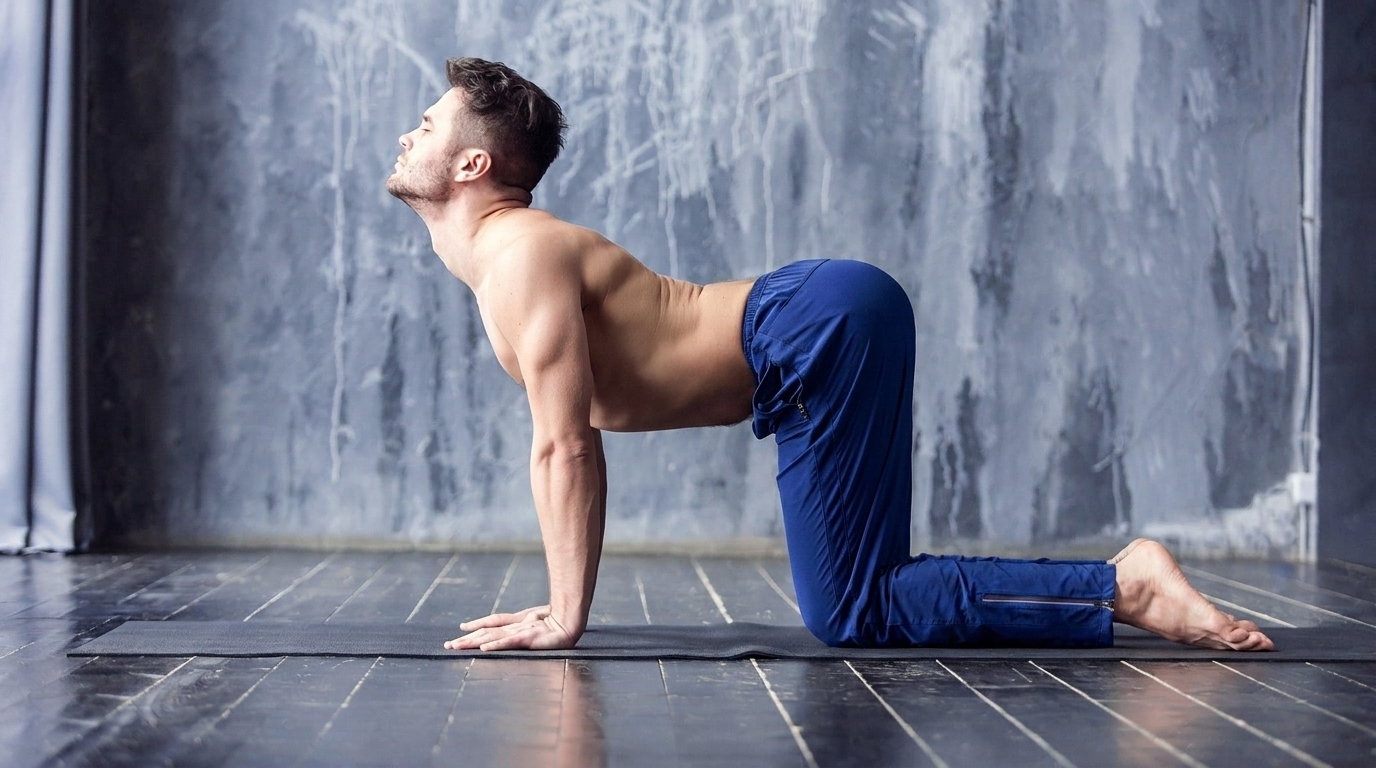
Start on all fours, inhale as you drop your belly and lift your head, then exhale as you round your back toward the ceiling. Move slowly through 8 to 10 rounds.
7. Standing Torso Twist for Oblique Activation
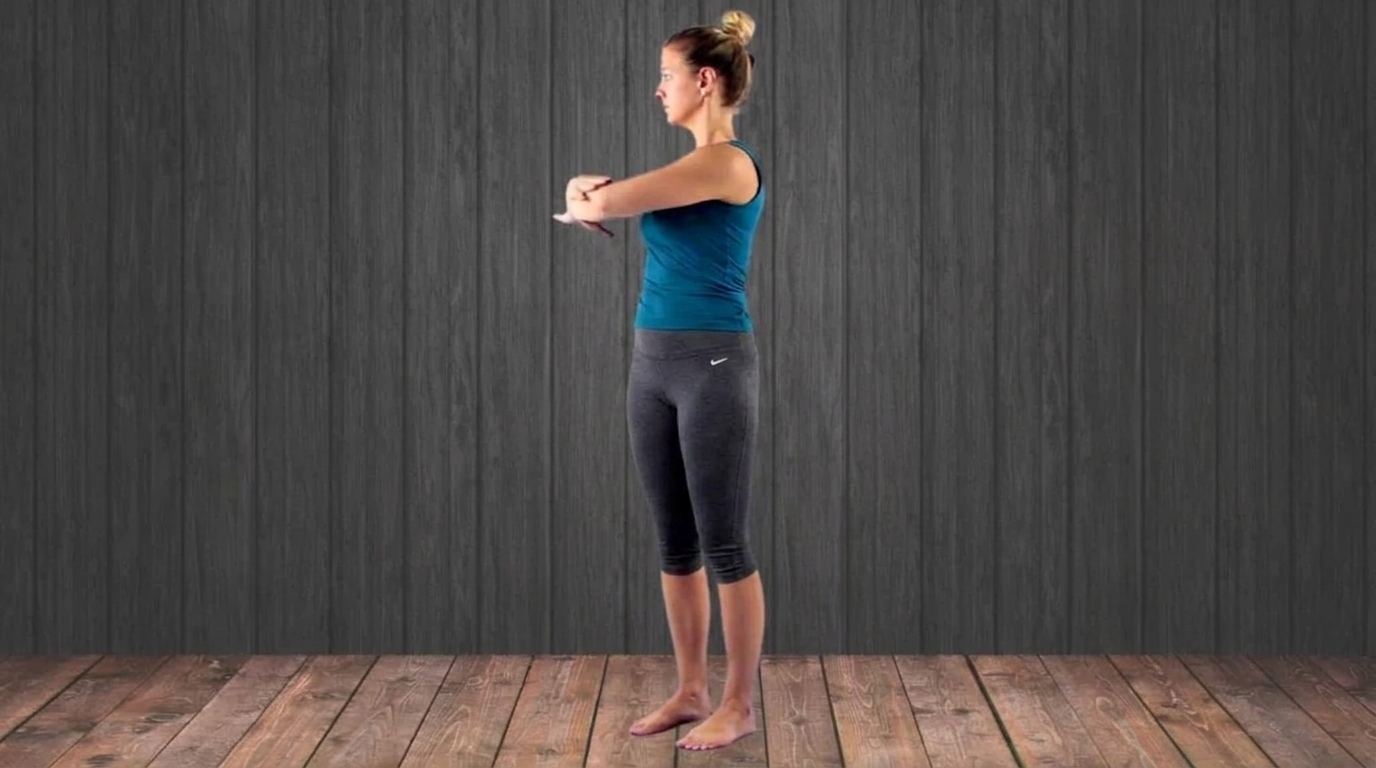
Stand feet shoulder-width apart, place hands on hips, and slowly rotate your upper body to the right then left. Move in a controlled way and do not rush the motion.
8. Back Rotation Stretch for Lower Back Relief

Lie on your back, pull one knee toward your chest, and guide it across your body with your opposite hand. Hold for 20 to 30 seconds and switch sides.
9. Side-Lying Overhead Reach for Lateral Body Stretch
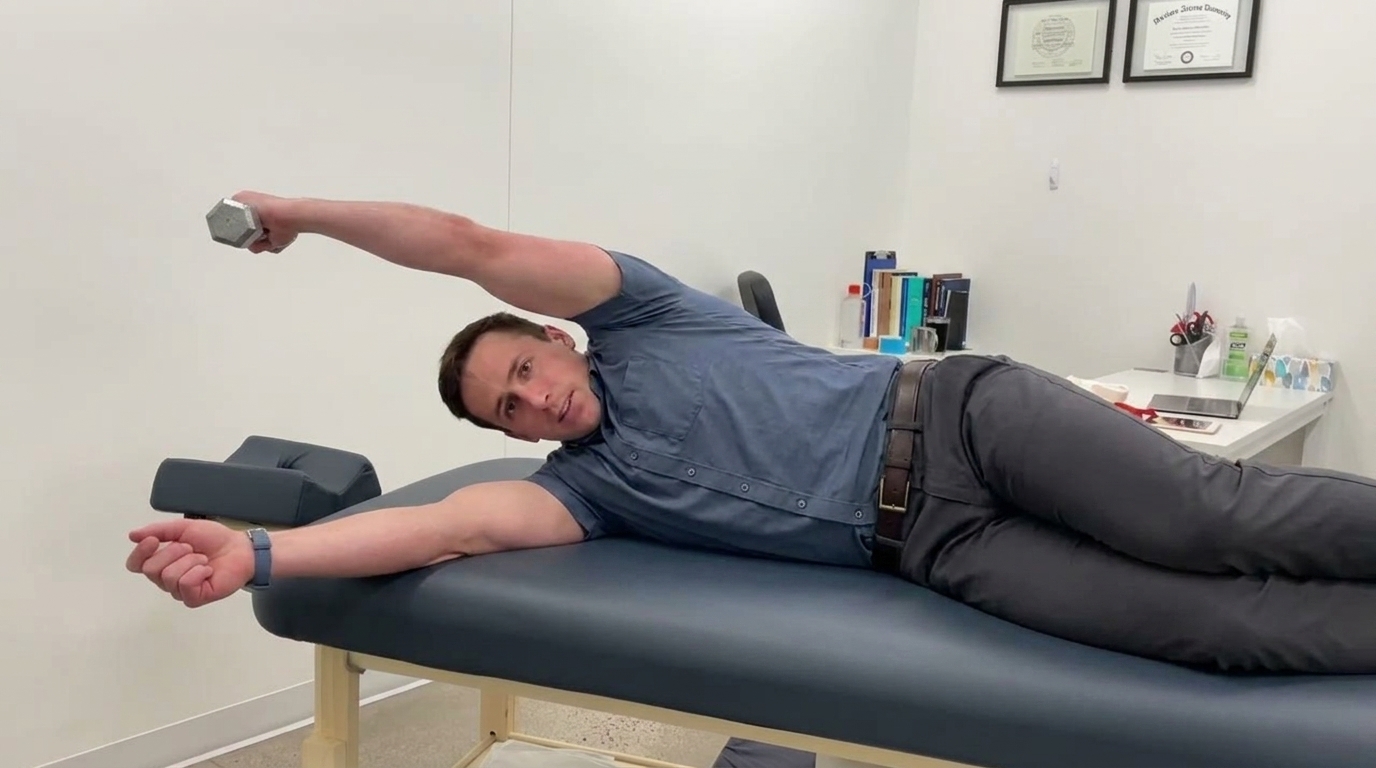
Lie on your side in a straight line, extend your bottom arm under your head, and reach your top arm up and over your head. Hold for 20 seconds and switch sides.
10. Kneeling Lat Stretch for Side Body Flexibility
Kneel on both knees, sit back slightly toward your heels, and reach both arms to one side along the floor. Hold for 20 to 30 seconds and switch sides.
11. Revolved Child's Pose for Full Core and Oblique Stretch
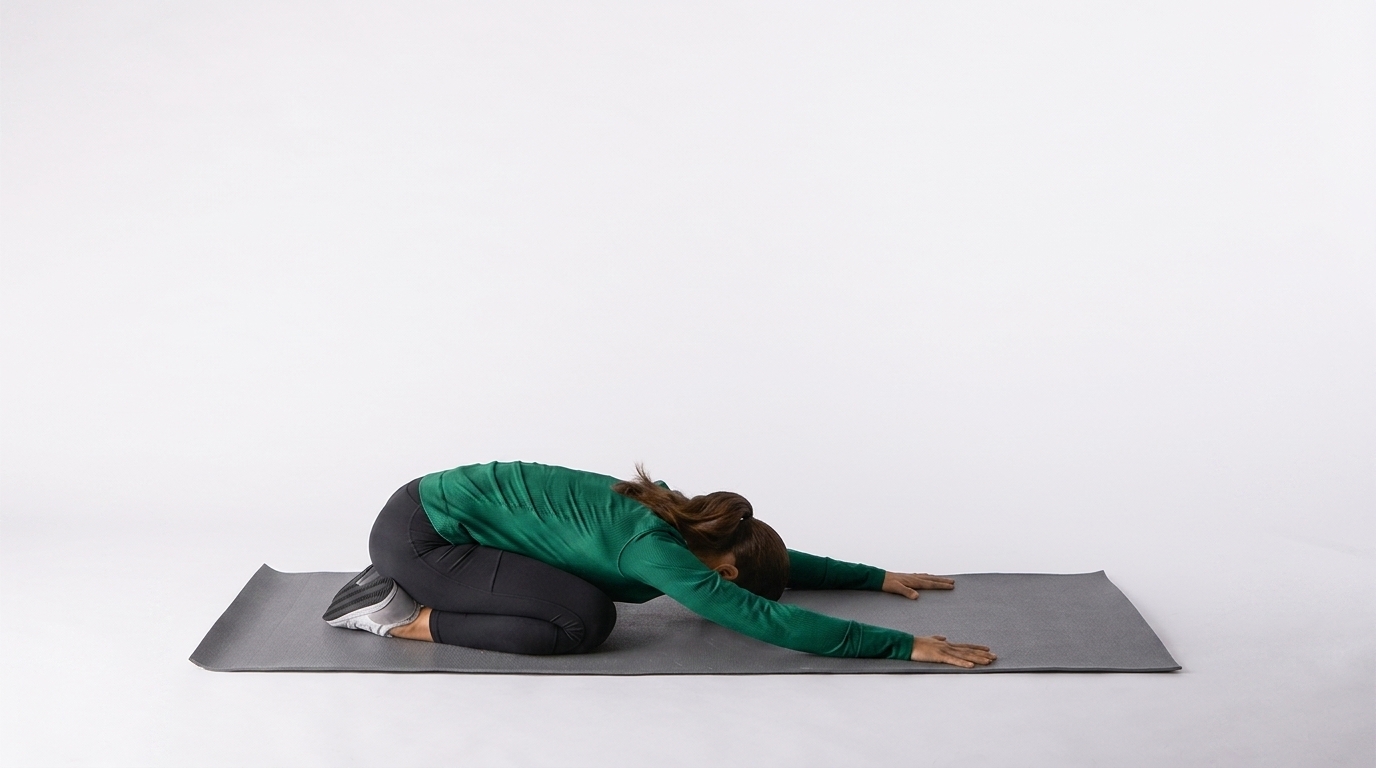
Start in child's pose with arms stretched forward, then slide one arm under your body in the opposite direction. Let your shoulder rest on the floor, hold for 20 to 30 seconds, and switch sides.
Benefits of Oblique Stretches for Core Strength and Flexibility
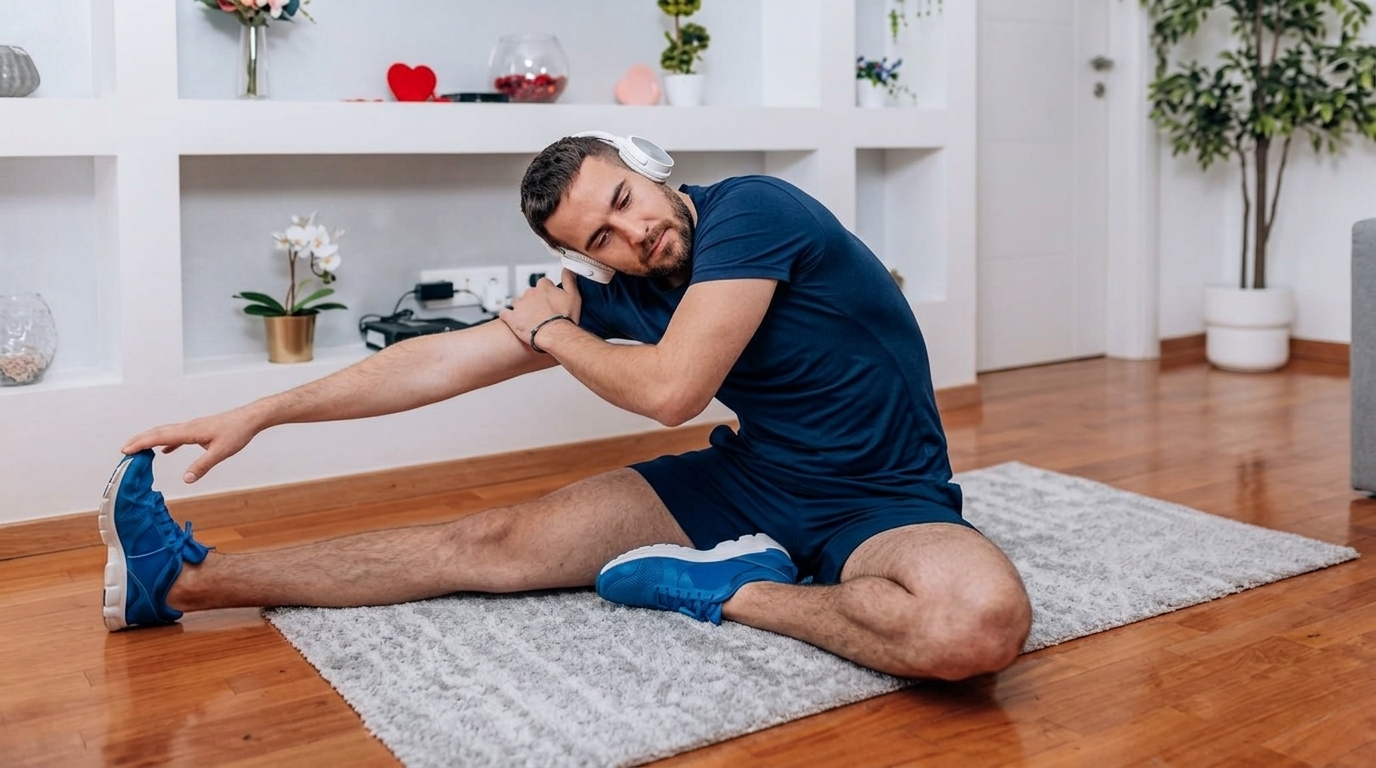
Stretching your obliques regularly does more than just reduce tightness. It improves how your whole body feels and moves.
Improve Core Strength and Functional Movement
Your obliques are a key part of your core, and keeping them flexible helps muscles work more effectively. This means better strength and performance in both daily tasks and workouts.
Improve Posture, Balance, and Stability
Tight obliques pull your spine out of alignment, which affects your posture and balance. Releasing that tightness allows your spine to sit properly and your body to stay stable.
Reduce Lower Back Tightness and Stiffness
Tight obliques are a common but overlooked cause of lower back discomfort. Regular side body stretching takes pressure off the lower back and brings noticeable relief over time.
Increase Flexibility for Daily Activities
Everyday movements like bending, twisting, and reaching all rely on your obliques. Stretching them keeps these actions comfortable and easy throughout the day.
How to Do Oblique Stretches Safely and Effectively
Doing these stretches the right way matters just as much as doing them consistently.
Proper Form and Alignment Tips
Always warm up before stretching with light movement like walking in place or cat-cow. Move slowly into each position and never force a stretch beyond comfortable tension.
How Long to Hold Each Oblique Stretch
Hold each stretch for 20 to 30 seconds and repeat two to three times on each side. For very tight areas, holding up to 45 seconds brings better results.
Tips to Maximize Results from Oblique Stretches
Small habits make a big difference when it comes to stretching results.
- Stretch your obliques at least four to five times a week for lasting flexibility and back relief.
- Always warm up before stretching to prepare your muscles and avoid strain.
- Breathe deeply during each stretch to help your muscles release tension more effectively.
- Focus on the muscle you are stretching to build a stronger mind-muscle connection.
- Use a foam roller or yoga strap to support deeper, more comfortable stretches.
Conclusion
I started paying attention to my obliques after dealing with stubborn back stiffness that would not go away.
Once I added these stretches to my routine, things changed quickly. Less tightness, better posture, and mornings that actually felt good.
These 11 oblique stretches are simple and do not require any equipment. Start with a few today and stay consistent.
Your back will thank you. If this helped, share it with someone who needs it and drop a comment below telling us which stretch worked best for you.
Frequently asked questions
How often should I do oblique stretches?
Aim for four to five times a week. Even a short daily session helps reduce stiffness and keeps your core flexible over time.
Can oblique stretches reduce lower back pain?
Yes, they can. Tight obliques put pressure on the lower back, and stretching them regularly helps release that tension and reduce discomfort.
What are external oblique stretches?
These are movements that target the outer layer of your side core muscles. The standing side bend and seated side stretch are two simple examples.
Are oblique stretches safe for beginners?
Yes, most are beginner friendly. Start slow, avoid forcing any position, and listen to your body throughout each stretch.
How long should I hold each oblique stretch?
Hold each stretch for 20 to 30 seconds and repeat two to three times per side for the best results.