

If you're searching for a complete front lever progression guide, you're in the right place.
The front lever is one of the most challenging calisthenics skills, and many people struggle to know where to start or how to progress safely.
This guide will solve that problem. You'll learn the muscles involved, the strength requirements, each progression step, training routines, common mistakes, and tips to improve faster.
Everything is explained in a simple, beginner-friendly way.
I've spent years studying bodyweight training methods and breaking down complex skills into practical steps.
My goal is to help you train smarter, stay consistent, and move closer to your first full front lever.
What Is the Front Lever?

The front lever is an advanced calisthenics skill where you hang from a bar or rings while holding your body parallel to the ground.
Your arms remain straight, and your body forms a straight line from your shoulders to your feet.
At first glance, the movement may look simple. However, it requires a combination of upper-body strength, core control, and full-body tension.
Because of these demands, the front lever is often considered a major milestone in bodyweight training.
In a proper front lever, your body should stay completely horizontal with no sagging hips or bent knees. Your shoulders, hips, knees, and ankles should remain aligned throughout the hold.
The position relies on maintaining full-body tension while keeping your arms locked out.
Your shoulder blades should stay engaged, and your core should remain tight to prevent your lower back from arching. The goal is to create one strong, stable line from head to toe.
Why the Front Lever Is So Challenging
The front lever is difficult because it requires multiple strength qualities at the same time.
Unlike standard pulling exercises, you must support your entire body weight while maintaining a horizontal position.
Several factors make the skill challenging:
- It demands exceptional lat strength.
- It requires advanced core control.
- Straight-arm strength is essential.
- Full-body tension must be maintained throughout the hold.
- Small technique errors can make the position much harder.
Another challenge is that progress often takes time. Many athletes need months of consistent training before achieving a full front lever.
The good news is that following a structured progression allows you to build the necessary strength step by step.
Front Lever Progression: Complete Step-by-Step Guide
Follow these progressions in order to build the strength and control needed for a full front lever.
Step 1: Scapular Pulls

Scapular pulls build shoulder engagement and stability for front lever training.
- Hang from a pull-up bar with straight arms.
- Keep your elbows locked.
- Pull your shoulder blades down and back.
- Raise your body slightly without bending your arms.
- Pause briefly.
- Slowly return to the starting position.
Recommended Sets and Reps
- Beginners:3 sets of 8–10 reps
- Intermediate:3–4 sets of 10–15 reps
Step 2: Hollow Body Hold
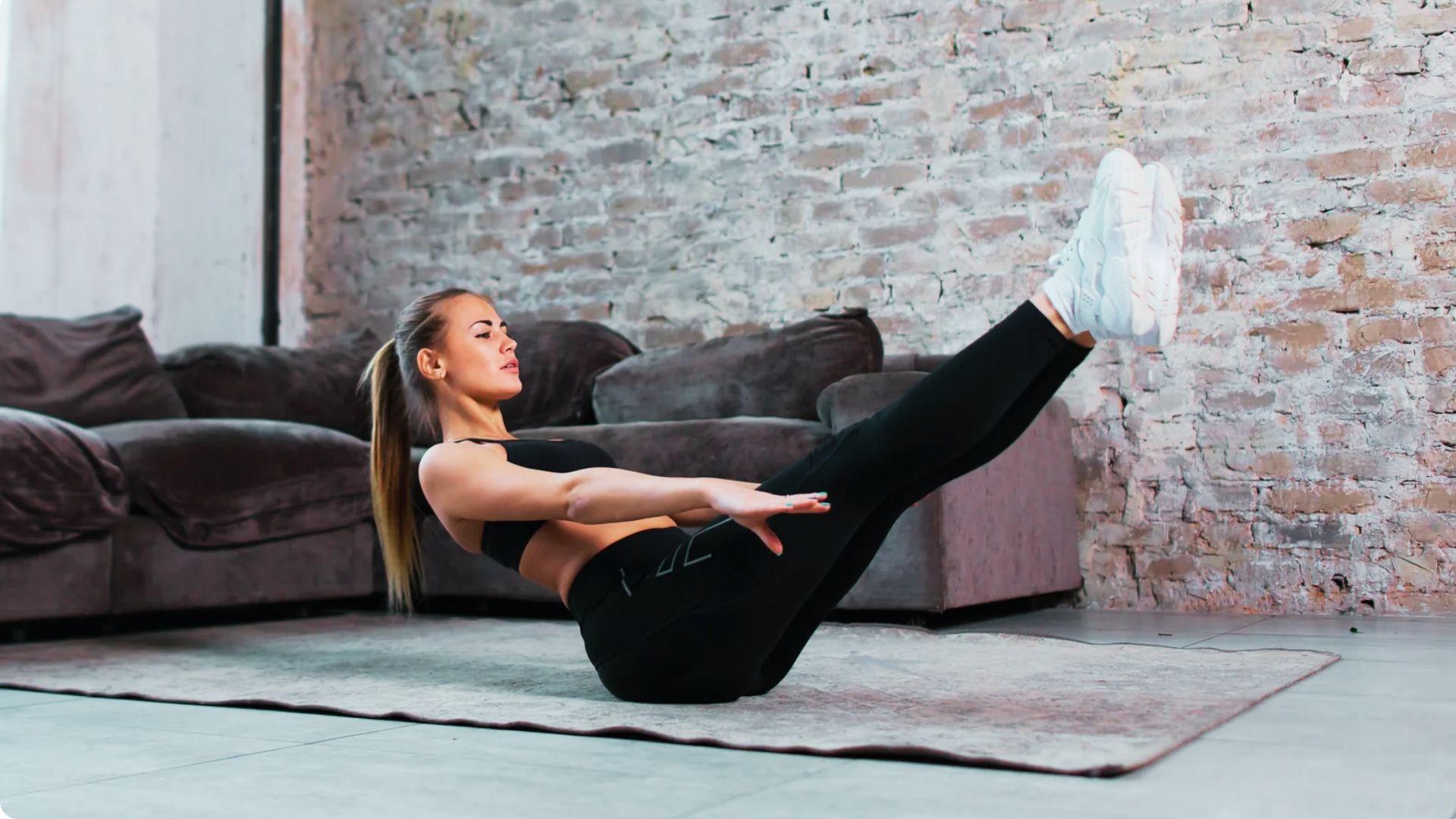
The hollow body hold develops core strength and body tension for front lever positions.
- Lie flat on your back.
- Press your lower back into the floor.
- Lift your shoulders slightly.
- Extend your arms overhead.
- Raise your legs a few inches off the ground.
- Hold the position while keeping your core tight.
Recommended Sets and Hold Times
- Beginners:3 sets of 20–30 seconds
- Intermediate:3 sets of 30–45 seconds
- Advanced:3–4 sets of 45–60 seconds
Step 3: Tuck Front Lever
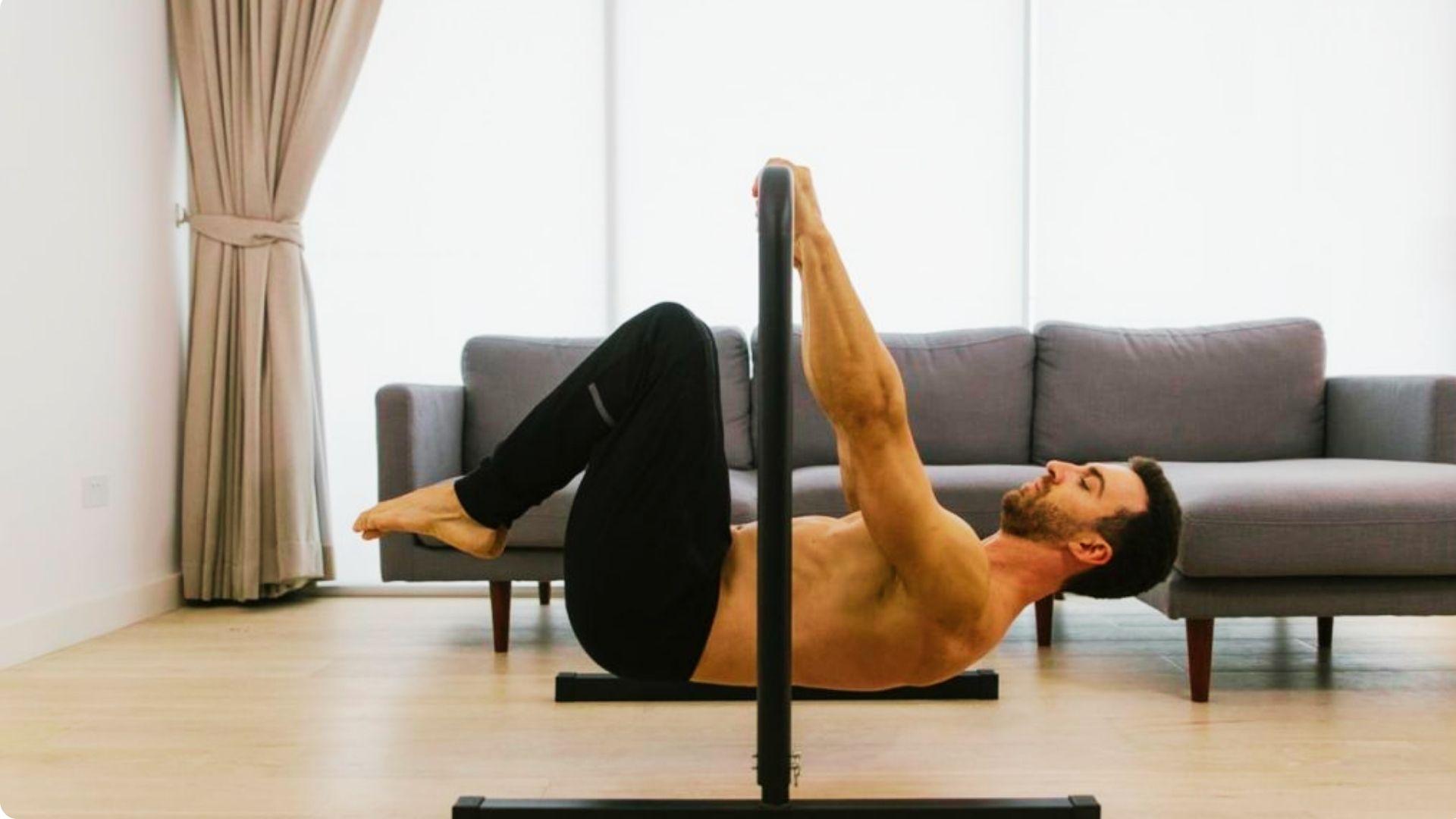
The tuck front lever is the first front lever progression.
- Hang from a pull-up bar.
- Pull your knees toward your chest.
- Keep your arms straight.
- Lean backward until your torso becomes parallel to the floor.
- Hold the position while maintaining tension.
Recommended Hold Times
- 3–5 sets
- 10–15 second holds
Step 4: Advanced Tuck Front Lever

The advanced tuck front lever increases difficulty by moving the knees farther from the chest.
- Hang from a pull-up bar.
- Pull your knees toward your chest.
- Extend your knees slightly away from your body.
- Keep your back flat and arms straight.
- Hold the position.
Recommended Hold Times
- 3–5 sets
- 8–15 second holds
Step 5: One-Leg Front Lever
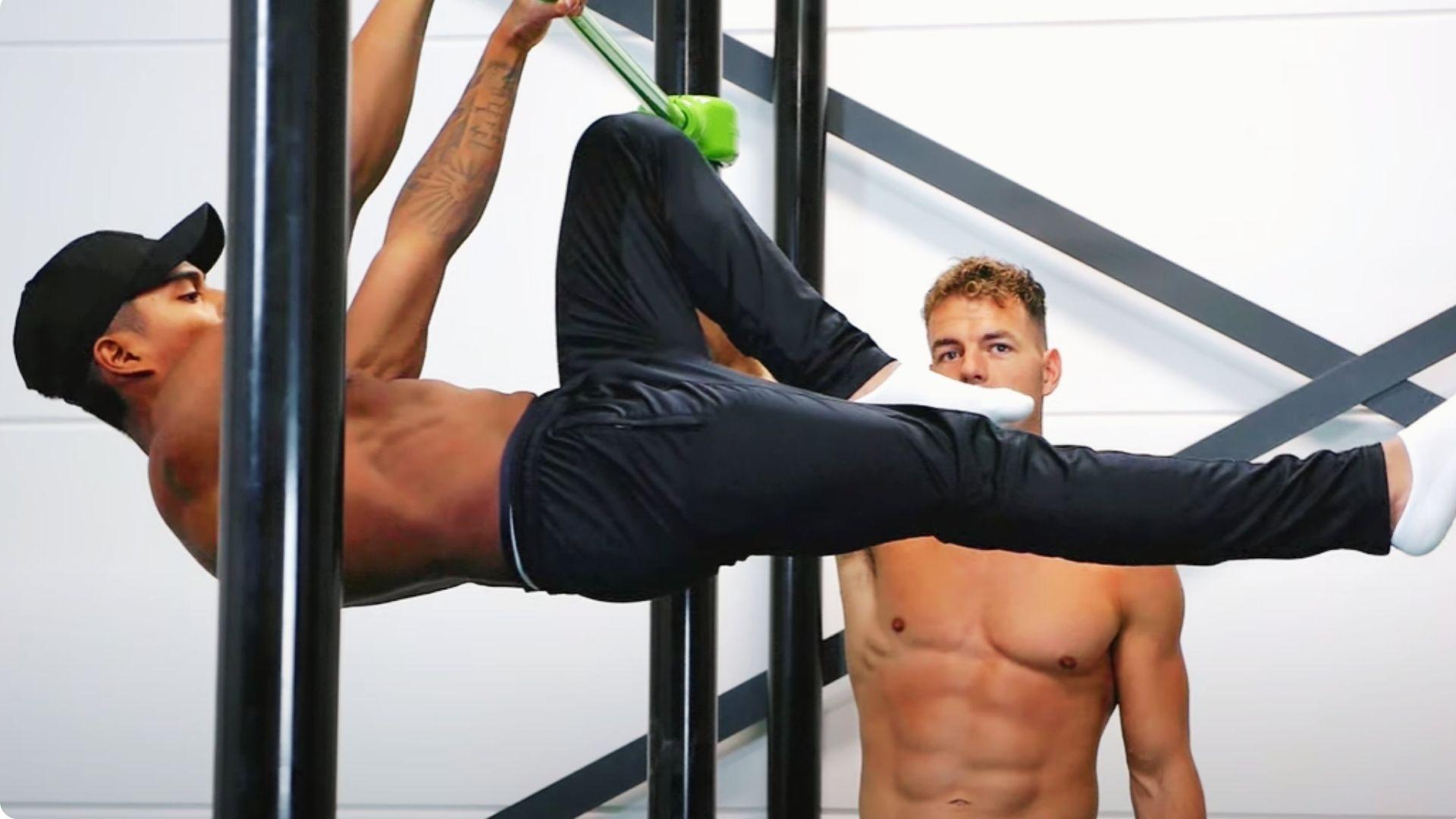
The one-leg front lever bridges the gap between advanced tuck and straddle front lever.
- Extend one leg fully.
- Keep the other leg tucked.
- Maintain straight arms.
- Keep your hips level.
- Hold the position.
Recommended Hold Times
- 3–5 sets
- 8–12 seconds per side
Step 6: Straddle Front Lever

The straddle front lever is often the final progression before the full front lever.
- Begin from an inverted hang.
- Lower into a front lever position.
- Spread your legs wide.
- Keep both knees straight.
- Maintain shoulder engagement.
Recommended Hold Times
- 3–5 sets
- 5–12 second holds
Step 7: Full Front Lever

The full front lever requires holding the body horizontally with straight arms and full-body tension.
- Hang from a pull-up bar.
- Raise your body until it is parallel to the floor.
- Keep your arms straight.
- Engage your core, lats, and glutes.
- Keep your legs straight and hold the position.
Recommended Hold Times
- 3–5 sets
- 5–20+ second holds
Front Lever Accessory Exercises
These exercises help strengthen the muscles involved in front lever training.
Front Lever Raises

Front lever raises build dynamic front lever strength.
- Start in a hang.
- Raise your body toward a front lever position.
- Lower with control.
- Repeat.
Recommended Sets and Reps
- 3–4 sets
- 5–8 reps
Front Lever Negatives
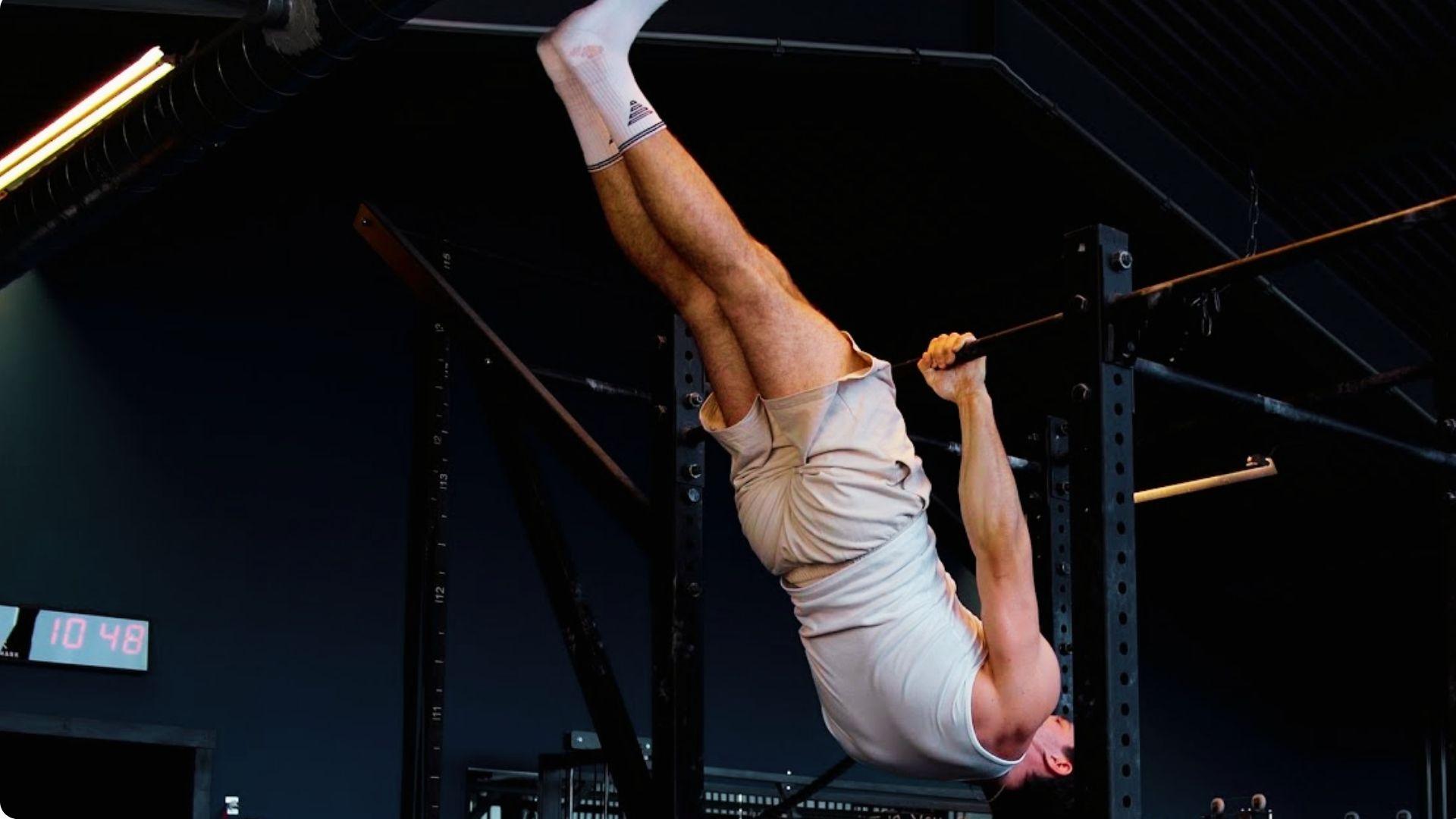
Front lever negatives build eccentric strength.
- Begin in an inverted hang.
- Slowly lower toward a front lever.
- Control the descent throughout the movement.
Recommended Sets and Reps
- 3 sets
- 3–5 reps
Australian Rows

Australian rows build horizontal pulling strength.
- Position yourself under a low bar.
- Grip the bar with straight body alignment.
- Pull your chest toward the bar.
- Lower under control.
Recommended Sets and Reps
- 3–4 sets
- 10–15 reps
Pull-Ups

Pull-ups build upper-body pulling strength.
- Hang from a pull-up bar.
- Pull yourself up until your chin clears the bar.
- Lower under control.
Recommended Sets and Reps
- 3–4 sets
- 6–12 reps
Straight Arm Pulldowns
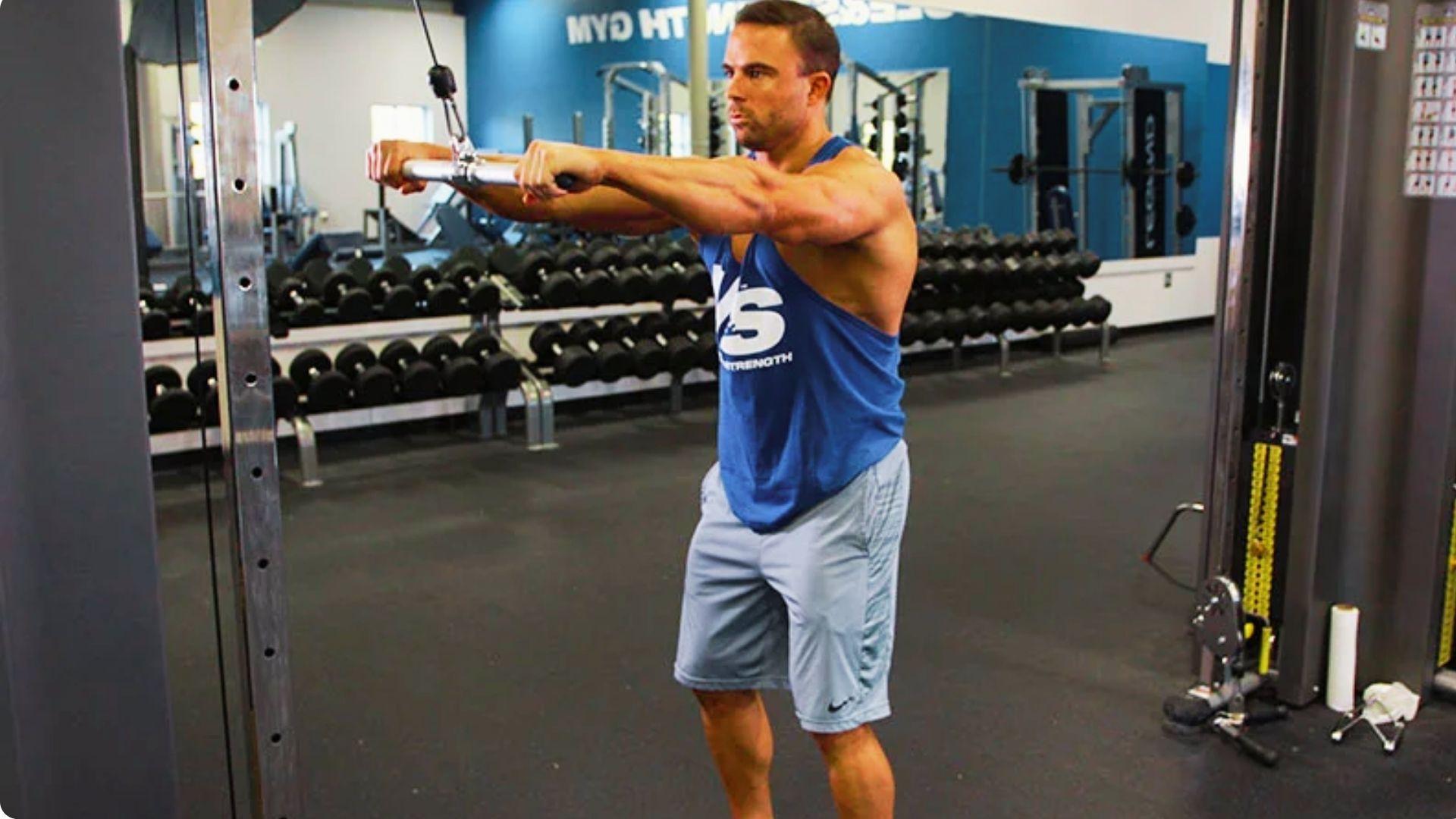
Straight arm pulldowns strengthen the lats in a front lever-specific movement pattern.
- Use a cable machine or resistance band.
- Keep your arms straight.
- Pull downward toward your hips.
- Slowly return.
Recommended Sets and Reps
- 3–4 sets
- 12–15 reps
Dragon Flags

Dragon flags build core strength and body tension.
- Lie on a bench.
- Grip behind your head.
- Raise your body into a straight line.
- Lower slowly under control.
Recommended Sets and Reps
- 3 sets
- 5–10 reps
Beginner Front Lever Routine
Sample Weekly Schedule for Beginners
Monday:
- Scapular Pulls
- Hollow Body Holds
- Tuck Front Lever
Wednesday:
- Australian Rows
- Hollow Body Holds
- Tuck Front Lever
Friday:
- Scapular Pulls
- Front Lever Negatives
- Tuck Front Lever
Intermediate Front Lever Routine
Sample Weekly Schedule for intermediate level experience
Monday:
- Advanced Tuck Front Lever
- Pull-Ups
- Front Lever Raises
Wednesday:
- One-Leg Front Lever
- Straight Arm Pulldowns
- Dragon Flags
Friday:
- Advanced Tuck Holds
- Front Lever Negatives
- Pull-Ups
Advanced Front Lever Routine
Sample Weekly Schedule for advanced level experience
Monday:
- Straddle Front Lever
- Weighted Pull-Ups
- Front Lever Raises
Wednesday:
- Full Front Lever Practice
- Dragon Flags
- Straight Arm Pulldowns
Friday:
- Full Front Lever Holds
- Front Lever Negatives
- Weighted Pull-Ups
How Long Does It Take to Learn the Front Lever?
The time required to learn the front lever varies from person to person.
Some athletes achieve their first full front lever within a few months, while others may need a year or longer of consistent practice.
Progress depends on several factors, including your current strength level, body composition, training experience, and recovery habits.
People with a strong calisthenics or gymnastics background often advance faster because they already have developed pulling strength and body control.
Staying consistent with training, allowing adequate recovery, and following a structured progression are usually the biggest factors that determine how quickly you can master this challenging skill.
Common Front Lever Mistakes
Avoiding these mistakes can help you build strength more efficiently and maintain proper front lever form.
- Rushing through progressions before mastering the current variation can slow long-term progress.
- Ignoring core engagement makes it harder to maintain proper body alignment during holds.
- Bending the arms reduces the effectiveness of front lever-specific strength development.
- Poor scapular position can limit stability and negatively affect technique.
- Training too frequently without recovery may lead to fatigue and slower improvement.
Conclusion
Learning a front lever progression takes time, but every hold and every training session moves you closer to the goal.
From my experience, the biggest improvements came when I focused on mastering the basics instead of rushing ahead.
If you stay patient and consistent, those small gains start adding up.
Picture yourself holding a clean front lever for the first time, it makes the effort worthwhile. Keep practicing, trust the process, and enjoy the journey.
If this guide helped you, leave a comment, share it with others, or try more calisthenics content.
Frequently Asked Questions
How often should I train front lever?
Most people see good results by training front lever 2–4 times per week. This provides enough practice while allowing recovery between sessions.
What is the best front lever progression for beginners?
The tuck front lever is usually the best starting point. It helps build strength and body control without overwhelming beginners.
How long should I hold each progression?
Aim for controlled holds of 10–15 seconds before moving to the next progression. Quality matters more than hold duration alone.
Can I learn the front lever without weights?
Yes, many athletes learn the front lever using bodyweight exercises only. Consistent practice and proper progressions are often enough.
Why do my hips drop during front lever holds?
Hip drop usually happens when core or lat engagement is lacking. Focus on maintaining full-body tension throughout the hold.