You've probably seen the hip abduction machine at the gym and wondered what it actually does.
This article breaks it down clearly. You'll learn which muscles the hip abduction machine works, why those muscles matter, and how to use the machine the right way.
I've spent years training legs and helping people fix weak hips and poor glute activation. This guide comes from real experience, not just textbook knowledge.
We'll cover the exact muscles targeted, the difference between seated and standing variations, and how to get the most from every rep. No fluff, no filler, just straightforward information that actually works.
What Is a Hip Abduction Machine and How Does It Work?
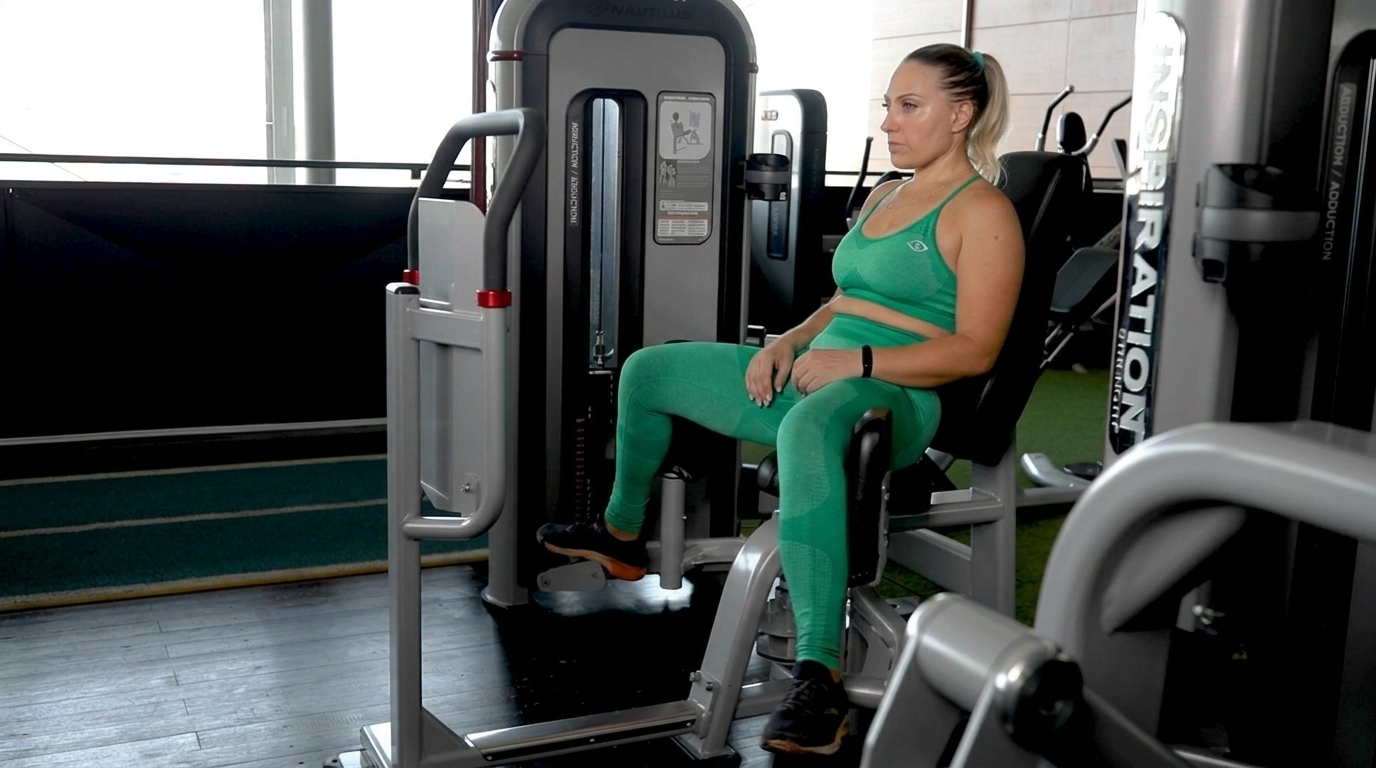
The hip abduction machine trains one specific movement pushing your legs outward against resistance.
You sit in the seat, place your thighs against the padded arms, and push outward. The machine controls the path so your muscles handle all the work.
This targets the outer hip and glute area directly. It looks simple, but the movement it trains is critical for hip stability, knee alignment, and lower body strength.
Both seated and standing versions exist, and each one challenges your muscles slightly differently. It is a straightforward machine that delivers real results when used correctly.
Hip Abduction Machine Muscles Worked Glutes
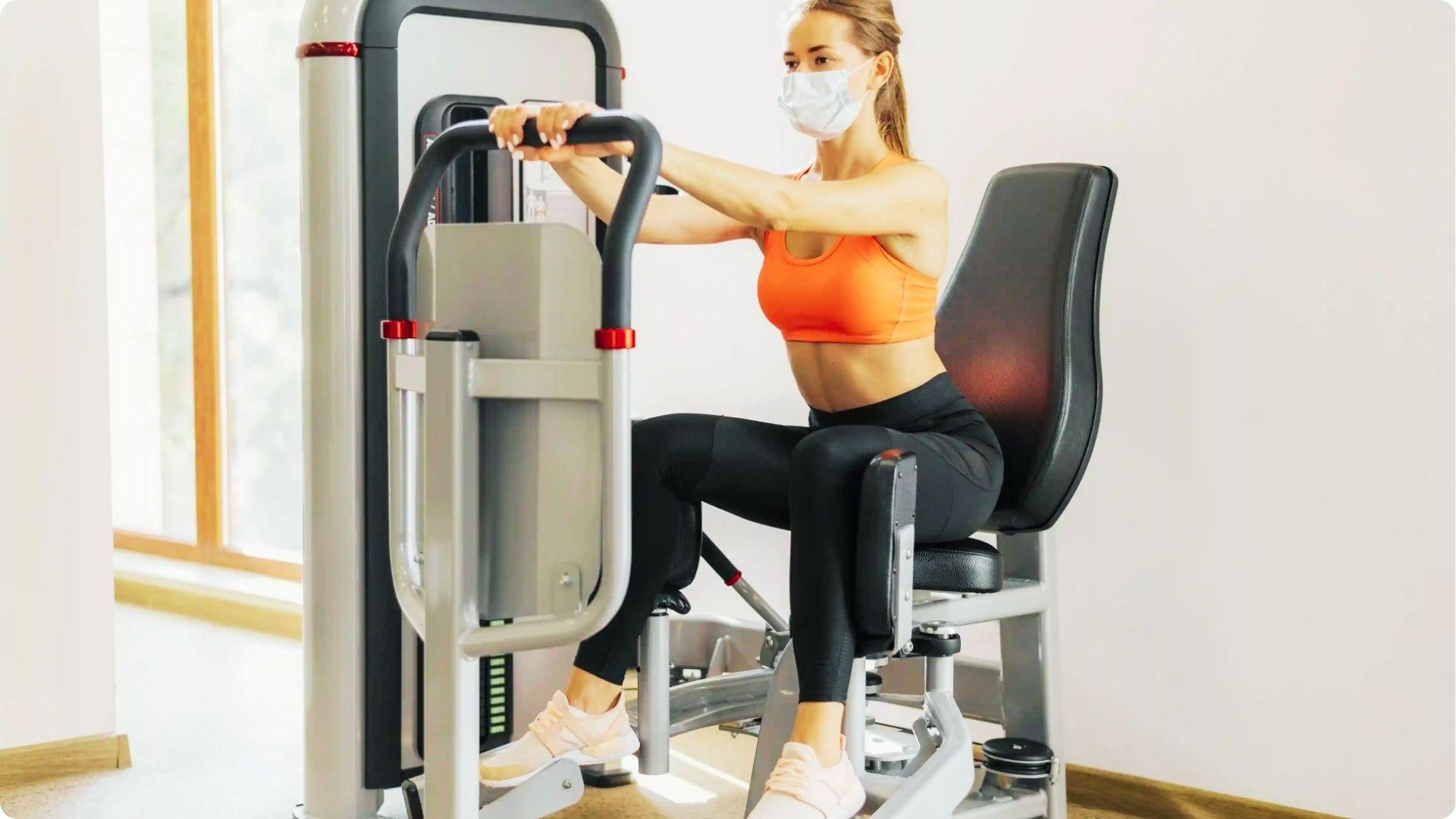
The glutes are the biggest players here and this machine knows exactly how to reach them.
How the Machine Targets the Glute Muscles
When you push your legs apart on this machine, the outer glute muscles contract directly. It is one of the few gym machines that puts focused tension on the glutes with every rep.
Outer Glute Activation and Shape Development
Squats work the glutes, but abduction adds width and roundness to the outer hip. This is the movement that builds the side of the glute most compound exercises skip.
Role of Glutes in Strength and Stability
Strong glutes support the pelvis, protect the lower back, and keep knees tracking correctly. The hip abduction machine builds this strength in a controlled and targeted way.
Hip Abduction Machine Muscles Worked Gluteus Medius (Deep Anatomical Focus)
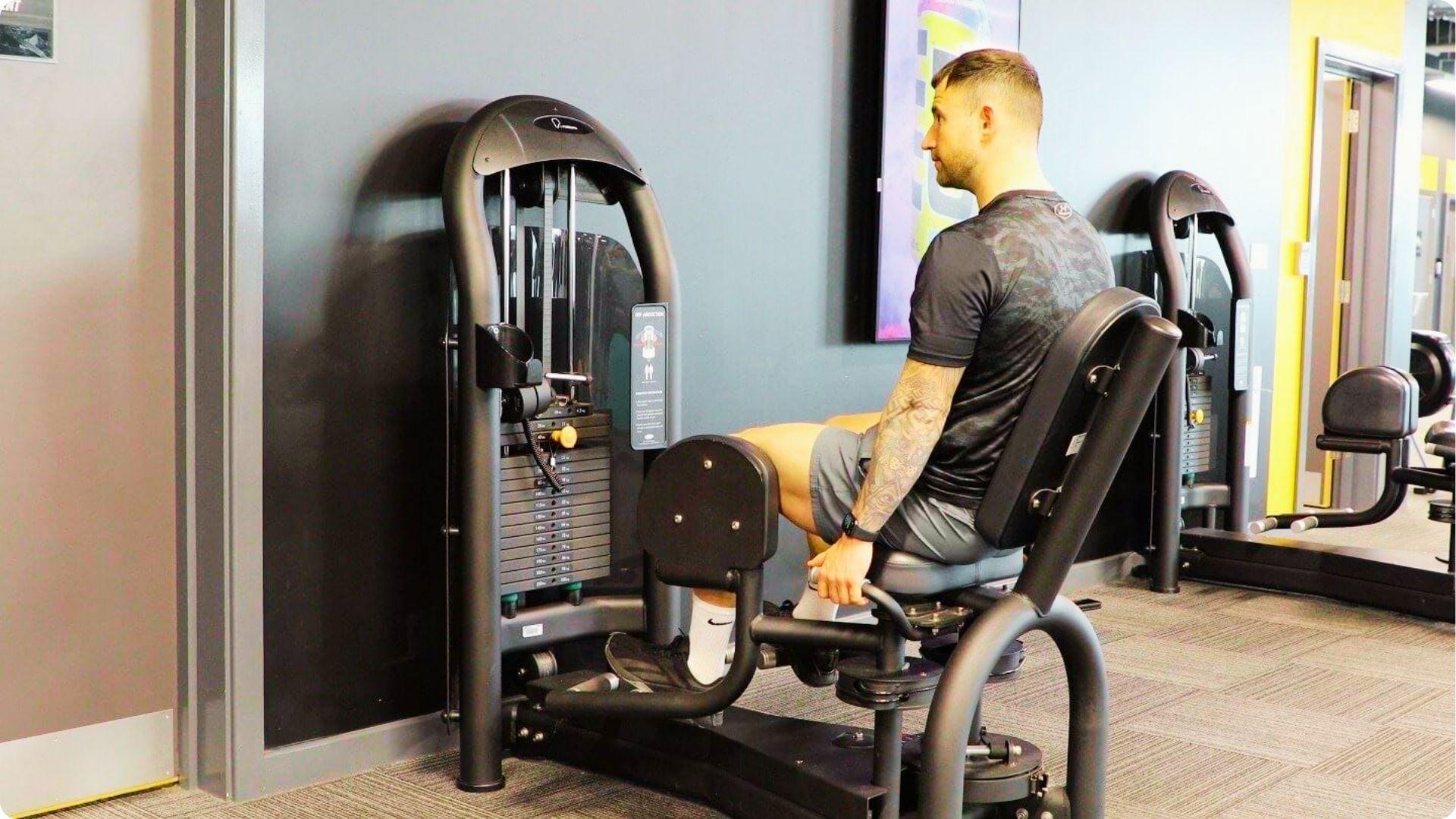
This smaller muscle does a huge job and most people have no idea they are even working it.
Why the Gluteus Medius Is the Key Muscle
The gluteus medius sits on the upper outer hip and is the main muscle fired during hip abduction. It is smaller than the glute max but does far more work on this machine.
Role in Hip Stability and Pelvic Alignment
This muscle keeps your pelvis level when you stand or walk on one leg. Without it, the hip drops on the opposite side and stresses the lower back and knees.
Connection to Knee Tracking and Injury Prevention
A weak gluteus medius is a leading cause of knees caving inward during squats and lunges. Strengthening it through abduction work keeps the knee stable and reduces injury risk.
Seated Hip Abduction Machine Muscles Worked
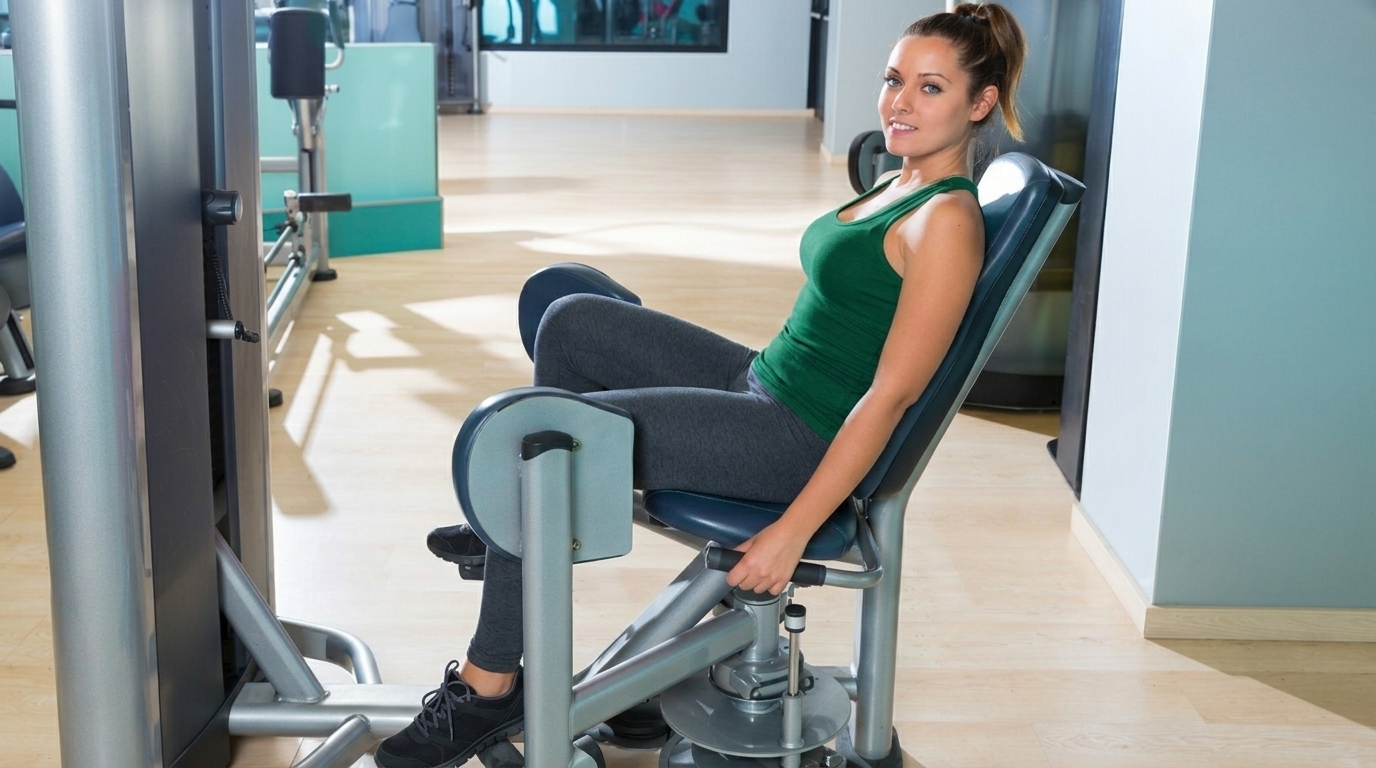
Sitting down does not mean taking it easy, this version isolates the target muscles with precision.
Muscle Activation in Seated Position
The seated position removes balance demands so the hip abductors take on the full load. This creates a more isolated contraction with each rep compared to standing versions.
Emphasis on Glute Medius Isolation
With your body stabilized by the seat, the glute medius handles most of the work. This makes the seated version ideal for focused muscle development or rehabilitation.
Stability and Controlled Resistance Benefits
The machine keeps the movement path fixed, making it easier to control weight and range of motion. It is one of the safest options for beginners or those coming back from injury.
Standing Hip Abduction Machine Muscles Worked
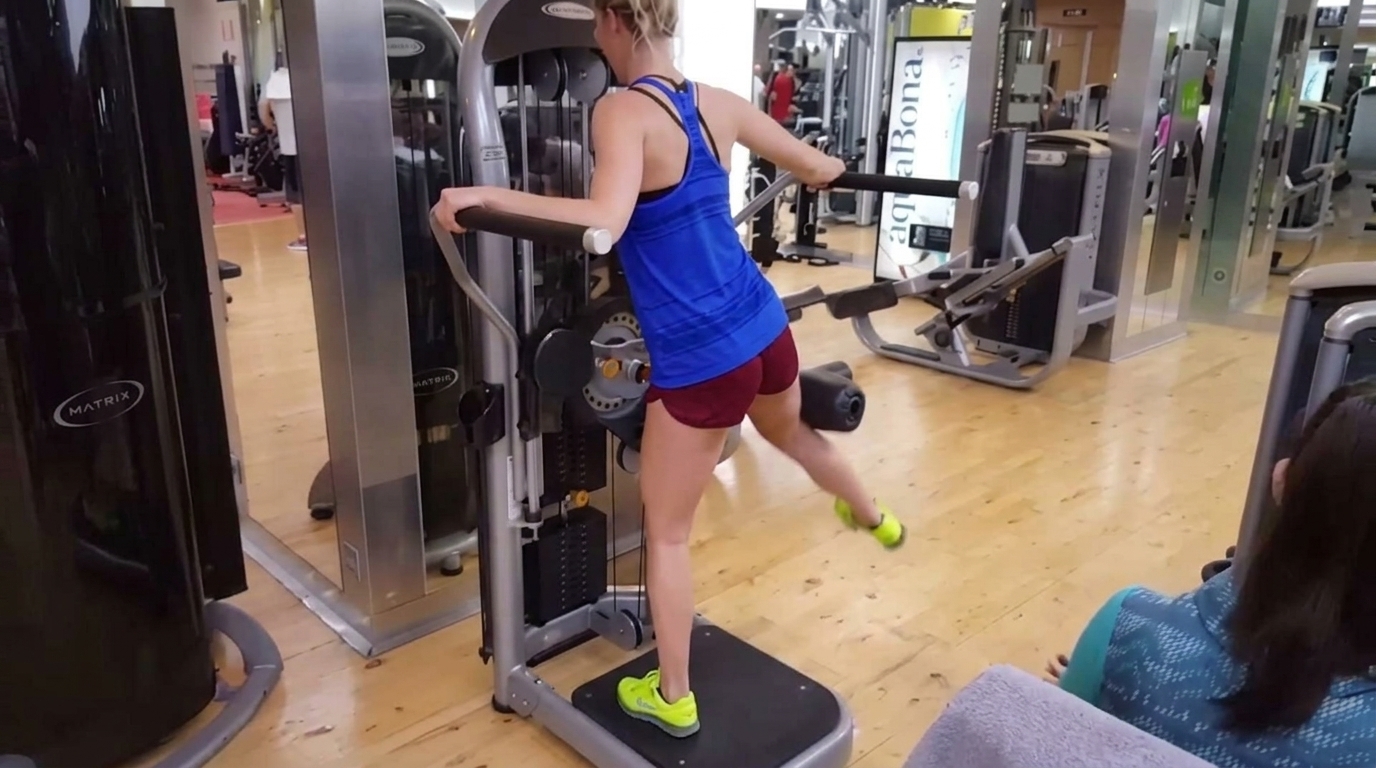
Standing changes the entire equation your whole body has to work together.
Functional Differences vs Seated Version
The standing version requires you to balance on one leg while pushing the other outward. This activates stabilizing muscles in the ankle, knee, and core that the seated version does not.
Greater Core and Balance Engagement
Your core fires constantly to keep you upright during each rep. The lower back and hip flexors also play a supporting role throughout the movement.
When Standing Variation Is More Effective
If athletic performance or functional strength is the goal, the standing version delivers more. It mirrors the single-leg demands of running and lateral movement better than the seated version.
Benefits of Hip Abduction Machine Training
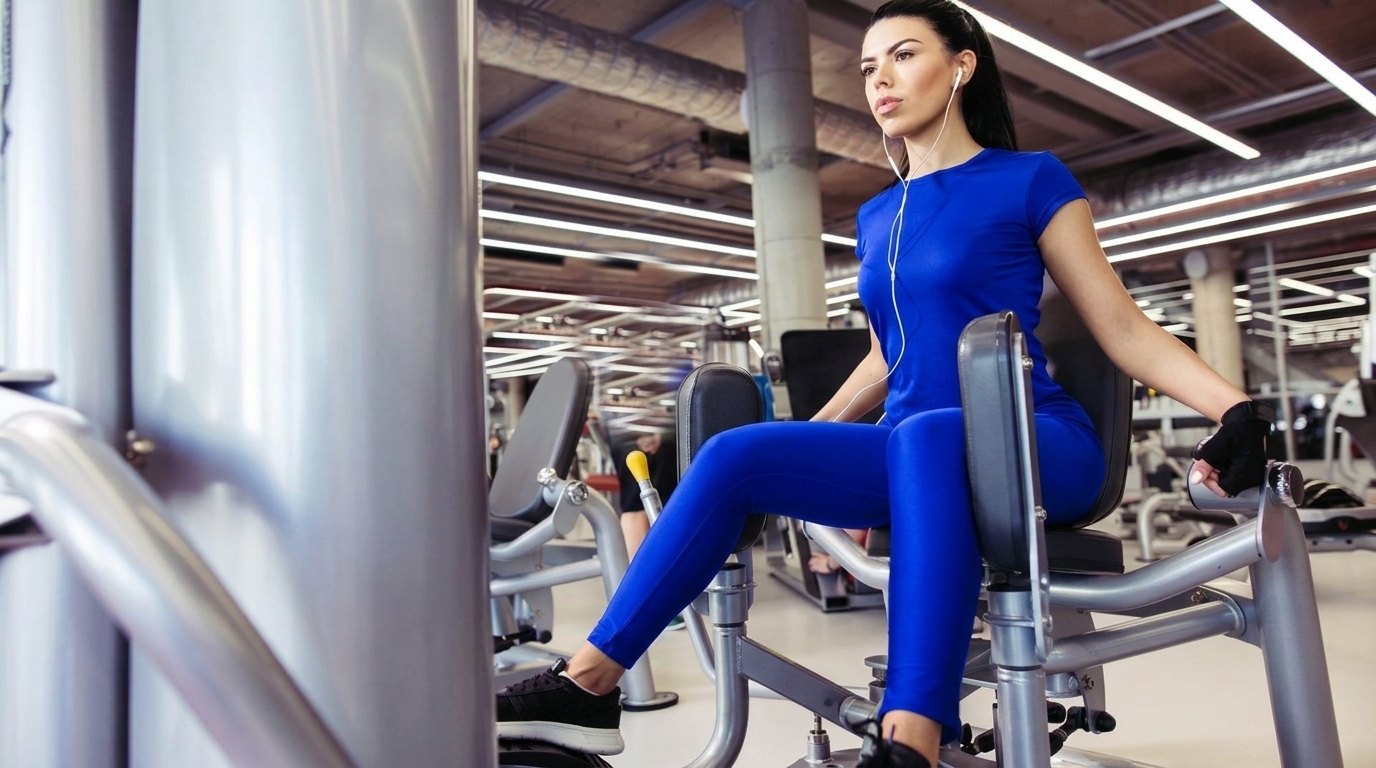
You do not need a complicated routine to see real results, just consistent use of this one machine.
Improves Hip Stability and Balance
Strong hip abductors keep your hips level and your body controlled during movement. This stability carries over into squats, sports, and everyday activity.
Supports Knee and Lower-Body Health
Stronger abductors reduce inward pull on the knee joint and lower the risk of patellofemoral pain. It is one of the smarter long-term investments for knee health.
Improves Athletic Performance and Lateral Movement
Hip abductor strength drives lateral speed, cutting ability, and direction changes in sport. Training this area builds the foundation for more powerful side-to-side movement.
Builds Stronger and More Defined Glutes
Consistent abduction training adds shape to the outer glute that most exercises miss. Over time, it creates a fuller and more complete lower body appearance.
Improves Functional Movement Patterns
Walking, climbing stairs, and single-leg balance all rely on the muscles this machine trains. Building strength here improves real-life movement, not just gym numbers.
How to Use the Hip Abduction Machine Correctly
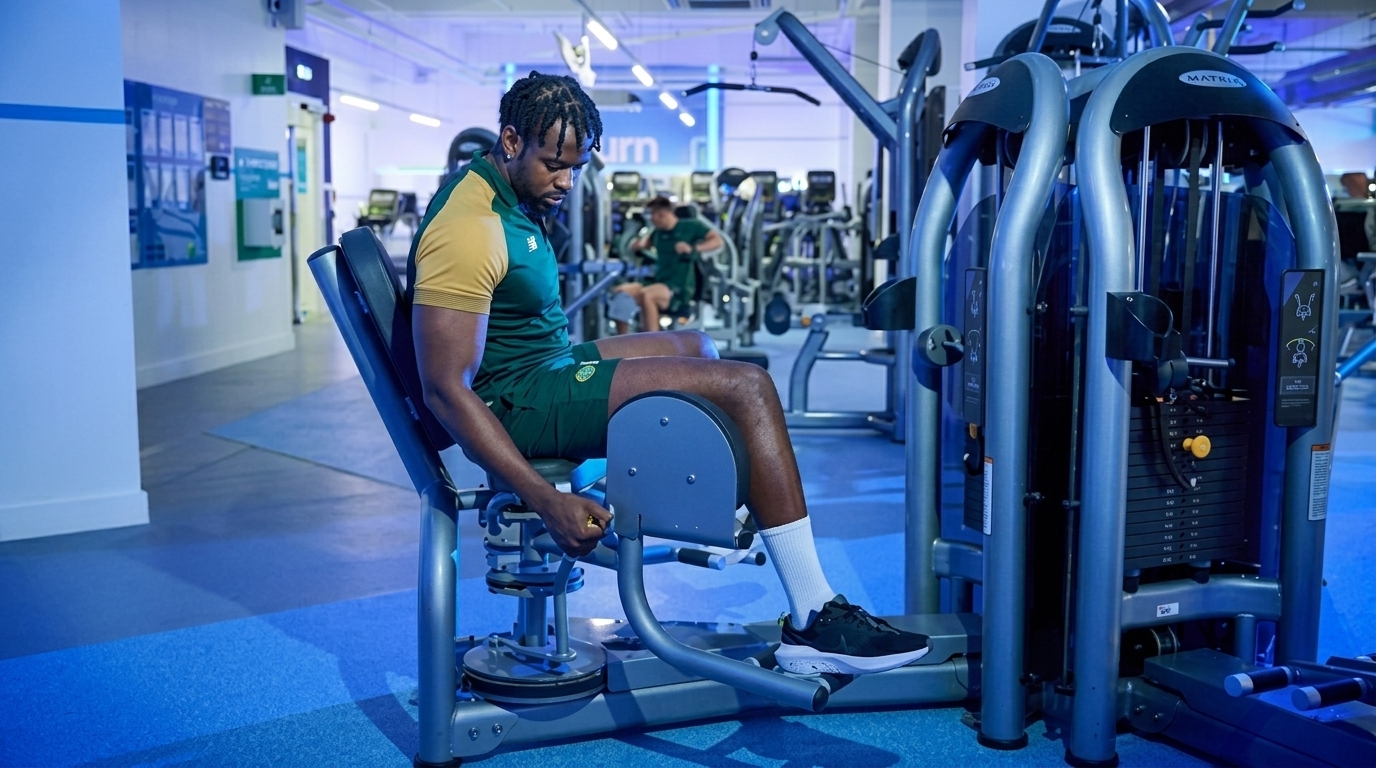
Good form turns this machine from decent to highly effective. Here is exactly how to do it.
Proper Setup and Body Position
Sit fully back so your lower back is supported and the pads rest against your outer thighs just above the knee. Keep your back straight and feet flat on the footrests throughout the set.
Step-by-Step Execution
Push your legs outward slowly, pause at the top to feel the glute contraction, then bring them back together with full control. Never let the weight slam back, that means the muscles have stopped working.
Recommended Reps, Sets, and Frequency
Aim for 3 to 4 sets of 12 to 15 reps for muscle development, or 15 to 20 reps for endurance and rehab. Two to three sessions per week is enough for consistent progress.
How to Choose the Right Resistance
Start lighter than you expect and increase only when your form stays clean throughout every rep. The glute medius is a small muscle overloading it too soon leads to compensation from the lower back.
Variations of Hip Abduction Exercises
The machine is great, but mixing in other variations keeps your training fresh and well-rounded.
Seated Hip Abduction Machine Variations
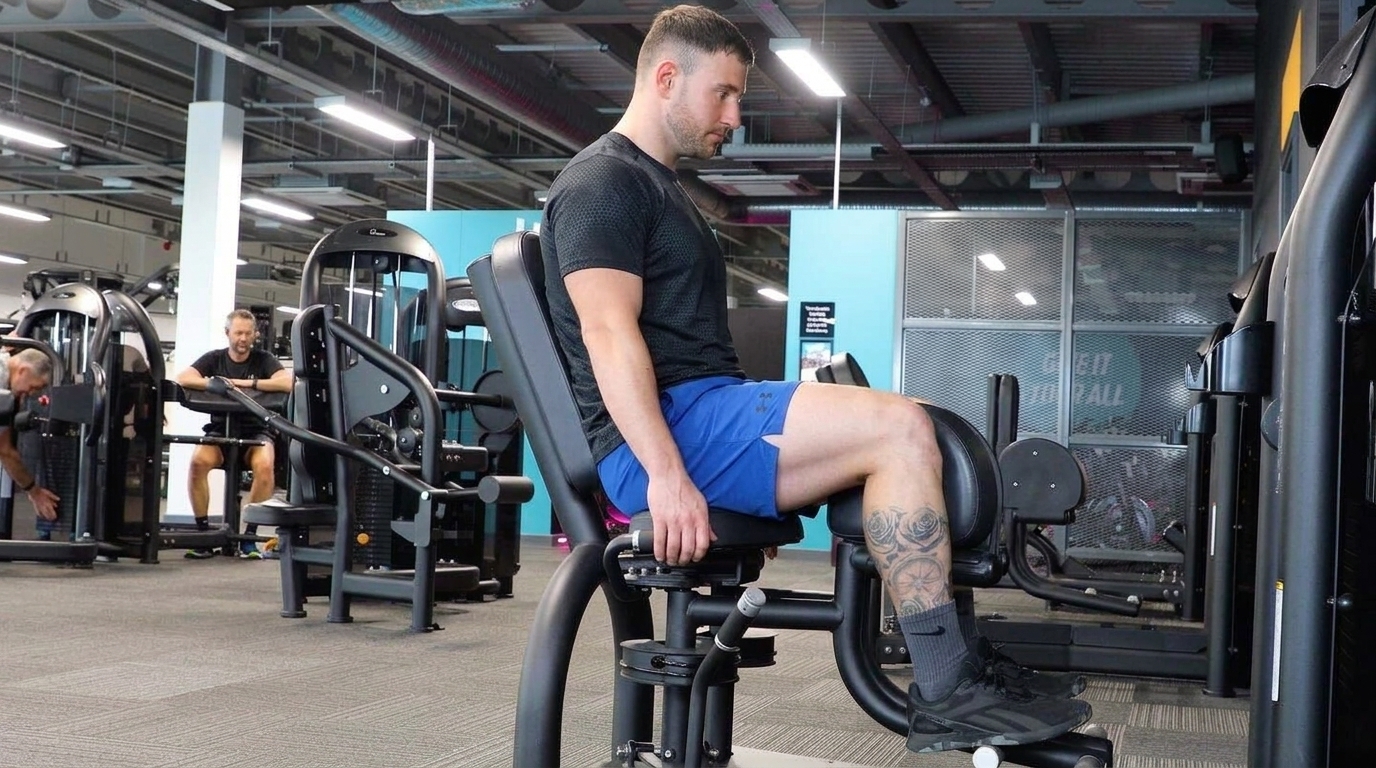
Leaning slightly forward in the seat shifts more activation onto the glute medius. This small adjustment changes the angle enough to make a noticeable difference in muscle feel.
Standing Cable Hip Abduction
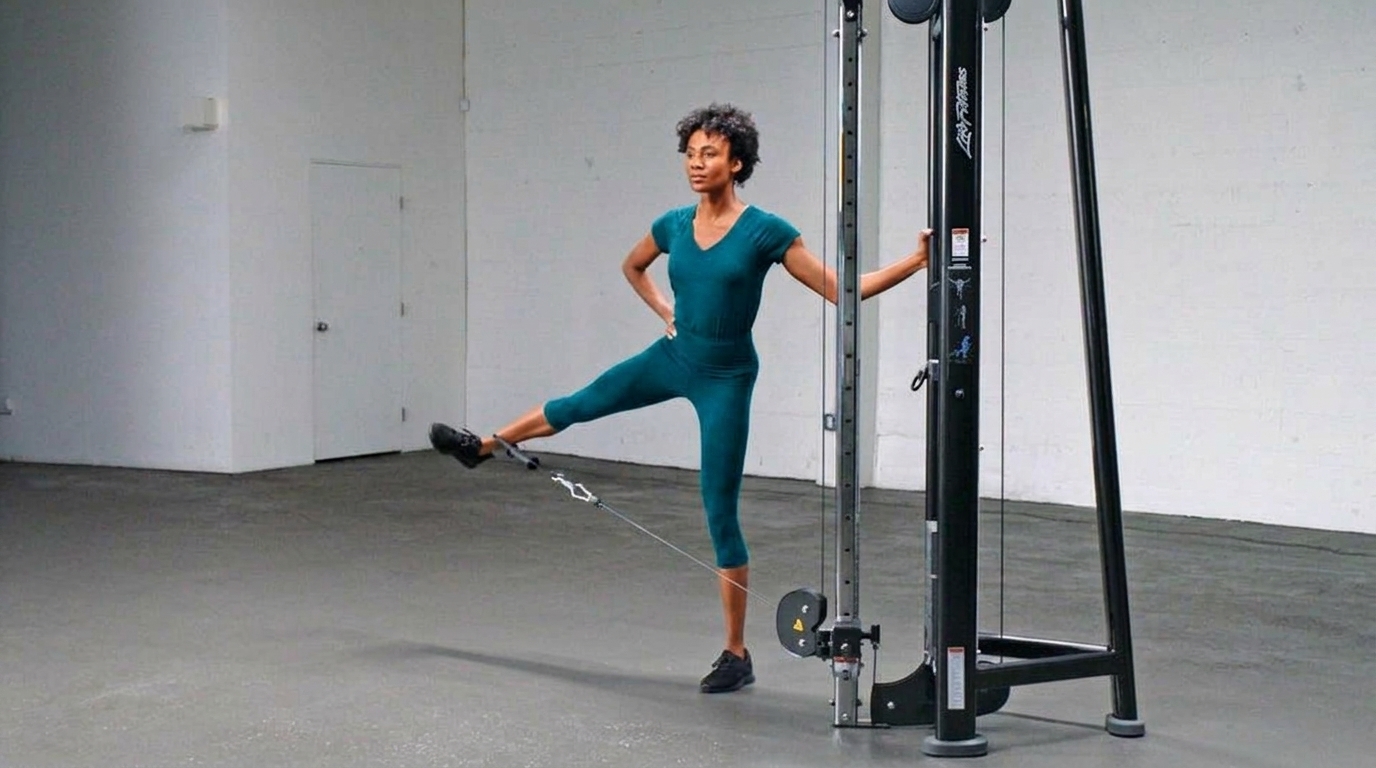
Attach an ankle cuff to a low cable pulley and push the outside leg away while keeping your torso still. This delivers constant tension through the full range of motion in a standing position.
Banded Lateral Walks
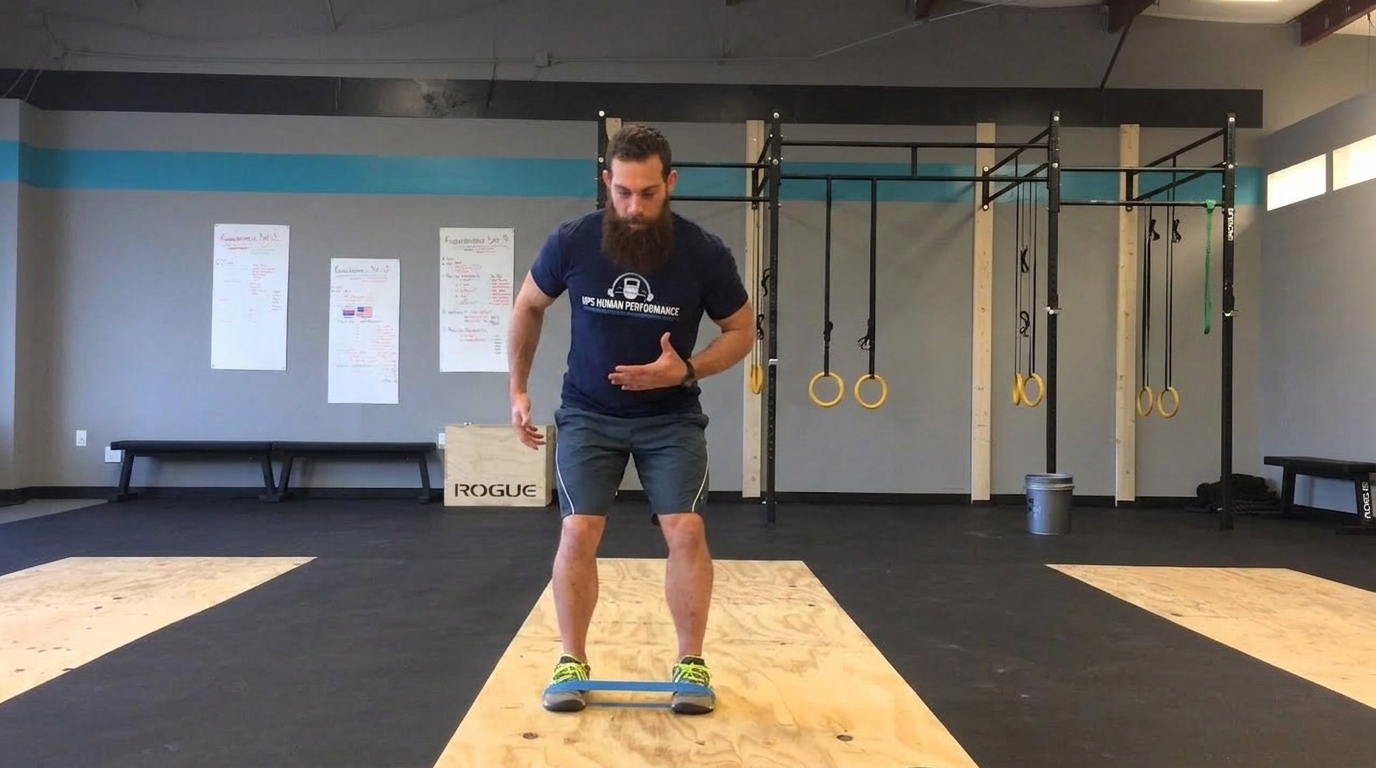
Place a resistance band above your knees and step side to side in a half-squat. This is one of the best warm-up moves for waking up the glute medius before a leg session.
Side-Lying Hip Abductions
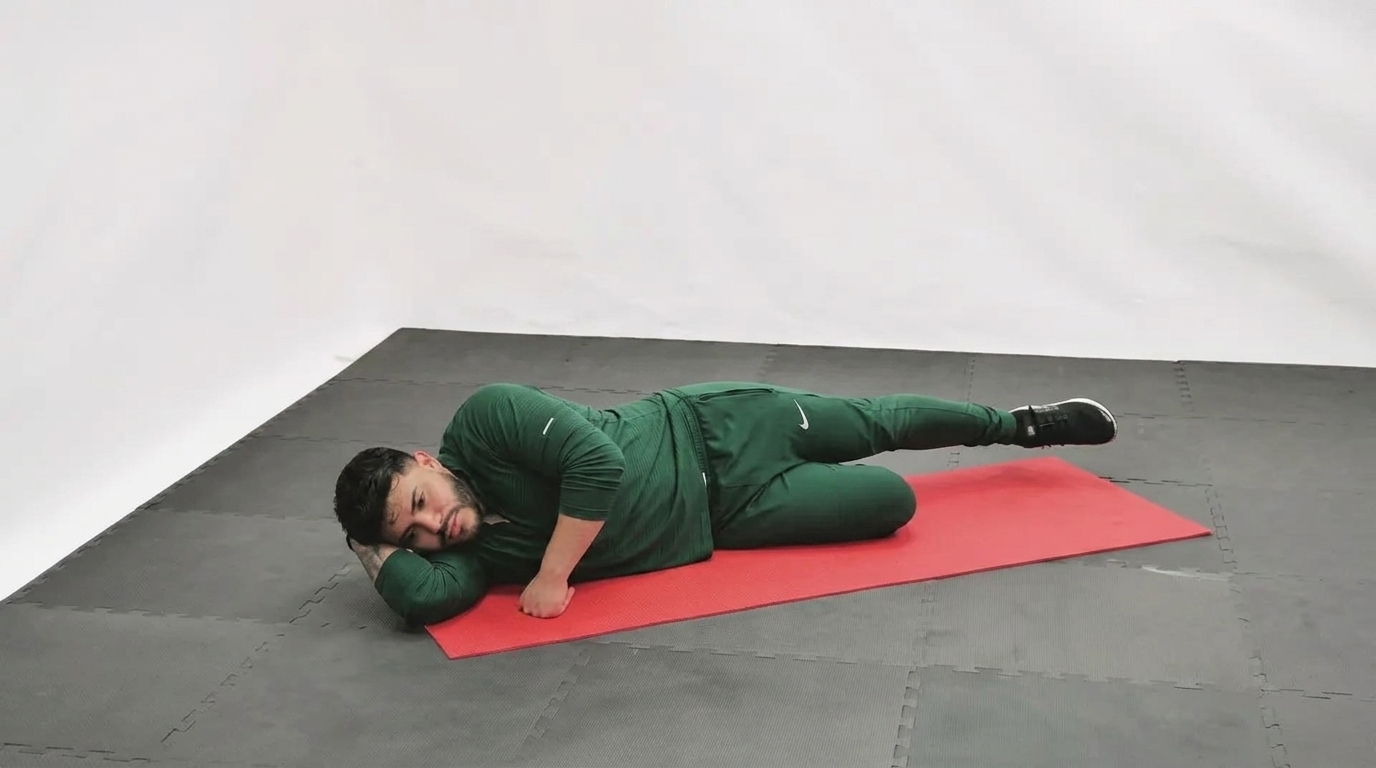
Lie on your side and lift the top leg slowly, pause, then lower with control. This bodyweight option works well for beginners or as a high-rep finisher at the end of a workout.
Tips for Maximizing Results From Hip Abduction Machine
Small adjustments lead to noticeably better results over time, these tips make the difference.
- Move slowly on both the push-out and return phase to keep tension on the muscles longer.
- Squeeze the outer glutes at the top of each rep before coming back in.
- Begin with a weight that lets you complete full reps without swinging or leaning.
- Push your legs as far apart as comfortable without losing your upright posture.
- Use the machine as an activation warm-up before squats or lunges on leg day.
Conclusion
I remember the first time I used the hip abduction machine consistently. My hips felt stronger, my squats felt more stable, and my outer glutes finally started responding.
It was a small change that made a real difference. Now you know exactly which hip abduction machine muscles worked the most and how to train them right.
Give it a few weeks and see how your lower body responds. Found this helpful? Drop a comment below, share it with someone skipping leg day, or check out our other glute training guides.
Frequently Asked Questions
What muscles does the hip abduction machine work most?
It mainly targets the gluteus medius and outer glutes. These muscles control leg movement away from the body and keep the hips and knees stable.
Is the seated hip abduction machine effective for glutes?
Yes, it isolates the glute medius well. The stable seat removes balance demands so the outer hip muscles take on more of the work.
Does it help with knee pain?
It can. Stronger hip abductors improve knee alignment and reduce inward collapse, which is a common cause of knee discomfort over time.
What's the difference between seated and standing hip abduction?
The seated version isolates the glute medius more directly. The standing version adds core and balance work, making it more functional overall.
How often should it be done?
Two to three times per week works well for most people. The glute medius recovers quickly, so regular training with rest days leads to steady progress.