
If you've ever finished a workout and noticed your muscles feeling fuller, tighter, and larger, you may have wondered what a pump is in the gym and why it happens. You're not alone.
Many gym-goers experience this feeling but don't fully understand what's going on inside their bodies.
In this guide, I'll explain what a muscle pump is, why it occurs, its benefits, and whether it helps with muscle growth.
You'll also learn how to get a better pump and avoid common misconceptions.
I've spent years studying fitness and strength training concepts, and my goal is to make complex topics easy to understand and apply in the gym.
What Is a Pump in the Gym?

A muscle pump is one of the most recognizable feelings during a workout.
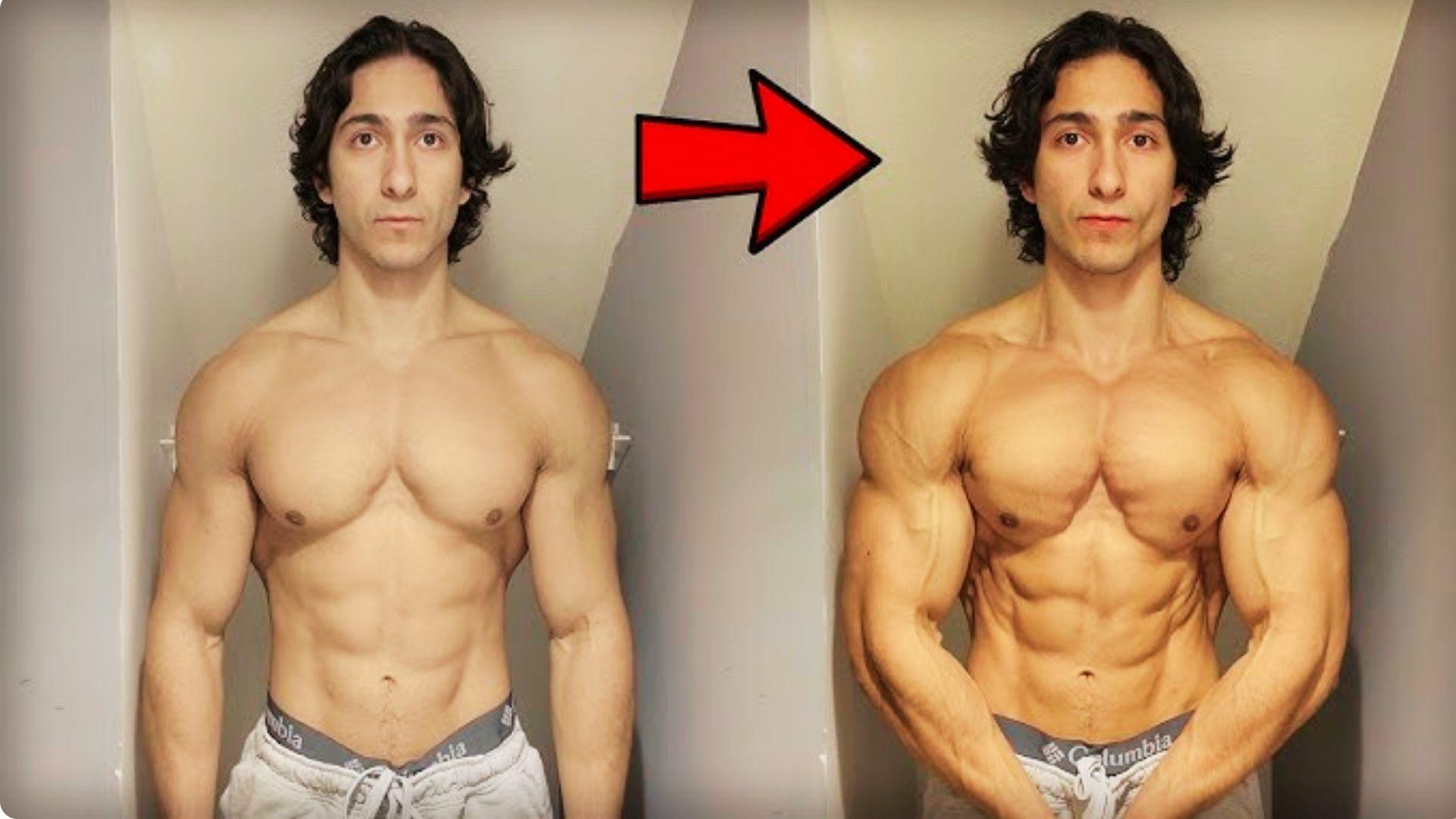
A muscle pump occurs when increased blood flow enters the muscles you're training, causing them to feel larger, tighter, and fuller.
This effect is temporary but often noticeable during and shortly after exercise.Many people describe a pump as a feeling of fullness, tightness, and increased muscle size.
A good pump can be motivating because it provides immediate feedback that your muscles are working. Many lifters also enjoy the temporary increase in muscle size and definition.
Why Does a Pump Happen?
Several physiological changes work together to create a muscle pump.
Increased Blood Flow to Working Muscles
When you exercise, your body sends more blood to the muscles being used.
- Delivers oxygen to working tissues.
- Supplies nutrients needed for performance.
- Supports muscle contractions during exercise.
Blood Gets Trapped in the Muscle Temporarily
As muscles repeatedly contract, blood enters more quickly than it leaves.
- Creates pressure inside the muscle.
- Contributes to the feeling of fullness.
- Helps produce the "pumped" appearance.
Fluid Moves Into Muscle Cells
Exercise causes fluid to shift into muscle tissue.
- Increases muscle cell volume.
- Creates temporary swelling.
- Enhances the visual effect of the pump.
The Body's Response to Repeated Muscle Contractions
Repeated repetitions encourage greater circulation in the targeted muscles.
- Supports energy production.
- Improves nutrient transport.
- Increases muscular endurance during sets.
What Happens Inside Your Body During a Pump?
The muscle pump involves several short-term physiological changes.
| Process | What Happens |
| Blood Flow Increase | More blood reaches working muscles |
| Cell Swelling | Muscle cells temporarily expand |
| Nutrient Delivery | Nutrients move more efficiently to muscles |
| Vascular Response | Veins become more visible |
| Muscle Fullness | Muscles feel larger and tighter |
Is a Muscle Pump Good for Muscle Growth?
A muscle pump can be beneficial, but it is not the only factor that matters.
The Connection Between Pump and Hypertrophy
Researchers believe cell swelling may contribute to muscle-building signals. A strong pump can be one piece of an effective muscle-growth program.
What Research Says About Muscle Pumps
Current research suggests that metabolic stress and cell swelling may support muscle growth. However, they work alongside other factors such as mechanical tension and recovery.
Pump vs Progressive Overload
| Muscle Pump | Progressive Overload |
| Temporary training effect | Long-term growth strategy |
| Focuses on blood flow | Focuses on increasing demands |
| Often occurs during workouts | Happens over weeks and months |
| Helpful but not essential | Critical for continued progress |
Benefits of Getting a Pump in the Gym
A muscle pump can offer both physical and psychological benefits.
Improves Mind-Muscle Connection
- Helps you focus on the target muscle.
- Improves exercise awareness.
- Encourages better technique.
May Support Muscle Growth
- Creates metabolic stress.
- May contribute to cell swelling.
- Complements other growth factors.
Enhances Workout Motivation
- Provides immediate visual feedback.
- Makes workouts feel productive.
- Can increase training enjoyment.
Increases Nutrient Delivery to Muscles
- Improves circulation.
- Supports muscle function.
- Helps transport nutrients.
Creates Temporary Muscle Fullness
- Makes muscles appear larger.
- Improves muscle definition.
- Often boosts confidence after training.
How to Get a Better Pump in the Gym
Several training and nutrition strategies can help maximize a pump and make your muscles feel fuller during workouts.
Increase Training Volume
Training volume refers to the total amount of work you perform during a workout.
Completing more sets and repetitions can increase blood flow to the working muscles, making a pump easier to achieve.
Higher-volume workouts also create more metabolic stress, which contributes to the feeling of fullness in the muscles.
Adding an extra set or a few additional repetitions to key exercises can often make a noticeable difference.
Use Moderate to Higher Repetitions
Moderate to high repetition ranges are commonly used when the goal is to maximize a muscle pump.
Performing around 10 to 20 repetitions per set keeps the muscles under tension for longer periods and encourages greater blood flow.
While heavy low-rep training is excellent for building strength, slightly higher reps often create the muscle-burning sensation that many people associate with a strong pump.
Shorten Rest Periods Between Sets
Long rest periods allow your heart rate and blood flow to return closer to normal levels between sets.
By keeping rest periods relatively short, usually between 30 and 90 seconds, you can maintain blood circulation in the targeted muscles.
This continuous demand on the muscles often leads to greater fullness and a more noticeable pump throughout the workout.
Stay Hydrated Throughout the Day
Hydration plays a major role in muscle performance and appearance.
When your body is properly hydrated, it can maintain healthy blood volume and support efficient nutrient delivery to your muscles.
Dehydration may reduce workout performance and make it harder to achieve a strong pump.
Drinking enough water before, during, and after training can help support both performance and muscle fullness.
Eat Carbohydrates Before Training
Carbohydrates provide the body with a readily available source of energy for exercise.
They also help replenish muscle glycogen stores, which can contribute to a fuller appearance in the muscles.
Eating a balanced meal or snack containing carbohydrates a few hours before training may help improve workout performance and make it easier to achieve a noticeable pump during your session.
Focus on Controlled Repetitions
Moving through each repetition with control helps keep tension on the target muscles for a longer period of time.
Instead of rushing through exercises, focus on feeling the muscle work during both the lifting and lowering phases of the movement.
This approach can improve your mind-muscle connection, increase muscle activation, and encourage the blood flow needed to create a stronger pump.
Best Exercises for Getting a Pump
Certain exercises are especially effective because they keep continuous tension on the muscles.
| Exercise | Main Muscles Worked |
| Bicep Curls | Biceps |
| Tricep Pushdowns | Triceps |
| Lateral Raises | Shoulders |
| Leg Extensions | Quadriceps |
| Chest Flyes | Chest |
| Cable Rows | Back |
Foods and Supplements That May Help With a Pump
Proper nutrition can support better workout performance and pumps.
| Food or Supplement | Potential Benefit |
| Carbohydrates | Increase muscle glycogen |
| Water & Electrolytes | Support hydration |
| Citrulline Malate | May improve blood flow |
| Beetroot Products | May support nitric oxide production |
| Creatine | Supports muscle hydration |
Common Myths About Muscle Pumps
Several misconceptions surround muscle pumps.
- A Bigger Pump Always Means More Muscle Growth:A large pump does not automatically guarantee greater muscle growth.
- No Pump Means a Bad Workout:Many productive workouts produce little or no noticeable pump.
- Only Bodybuilders Should Care About the Pump:Athletes and recreational lifters can also benefit from improved muscle awareness.
- Supplements Are Required for a Pump:Many people achieve excellent pumps through training, hydration, and nutrition alone.
Can Beginners Get a Muscle Pump?
Most beginners can experience a pump fairly quickly.
What New Lifters Should Expect
The sensation may feel unusual at first, but it is generally a normal response to exercise.
How Long It Takes to Notice a Pump
Many people notice a pump within the first few weeks of consistent training.
Tips for First-Time Gym-Goers
- Focus on proper form.
- Stay hydrated.
- Train consistently.
- Be patient with progress.
Signs You're Getting a Good Pump
Several signs indicate that a pump is occurring.
- Muscles Feel Fuller:The trained muscles appear and feel larger than usual.
- Increased Muscle Tightness:The area may feel firm and slightly restricted.
- More Visible Veins:Blood vessels often become easier to see.
- Improved Muscle Awareness:You may feel stronger engagement in the muscles being trained.


