
Squats build powerful legs and a strong core. But knowing which squat machine types work best can feel confusing with so many options available.
I’ve spent years testing different machines in gyms and at home. This guide breaks down 9 squat machine types you can use to build strength safely.
You’ll learn which machines target your quads, which protect your back, and which fit in a home gym.
We’ll cover hack squats, belt squats, Smith machines, and six other options. Each section explains which muscles they work and who should use them.
I’ll help you pick the right machine for your goals and space.
What Are Squat Machines?
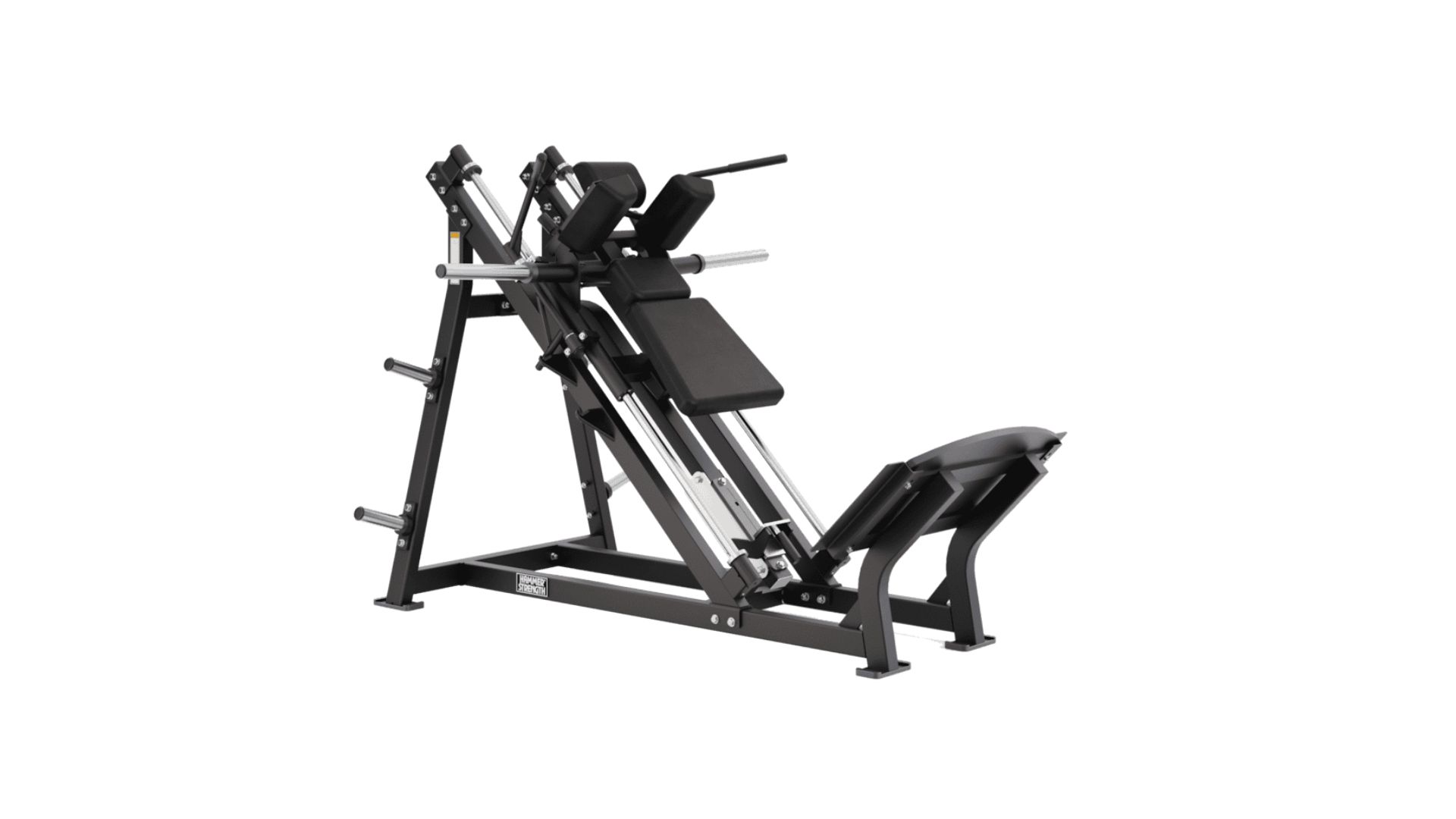
Squat machines are weight training equipment designed to support your body during squat movements. They guide your motion along a fixed or controlled path.
These machines offer stability that free weights can’t match. The guided movement reduces your injury risk. You can focus on pushing hard without worrying about balance.
Squat machines let you target specific muscles more effectively. Some focus on quads. Others hit your glutes harder. Many reduce the load on your spine compared to barbell squats.
Beginners can learn proper form safely. Advanced lifters can load heavy weights with less risk. People with back issues can train their legs without pain.
Gyms stock several squat machine types because each serves different training needs.
9 Squat Machine Types and Their Benefits
Each machine offers different benefits for building leg strength and muscle.
1. Hack Squat Machine
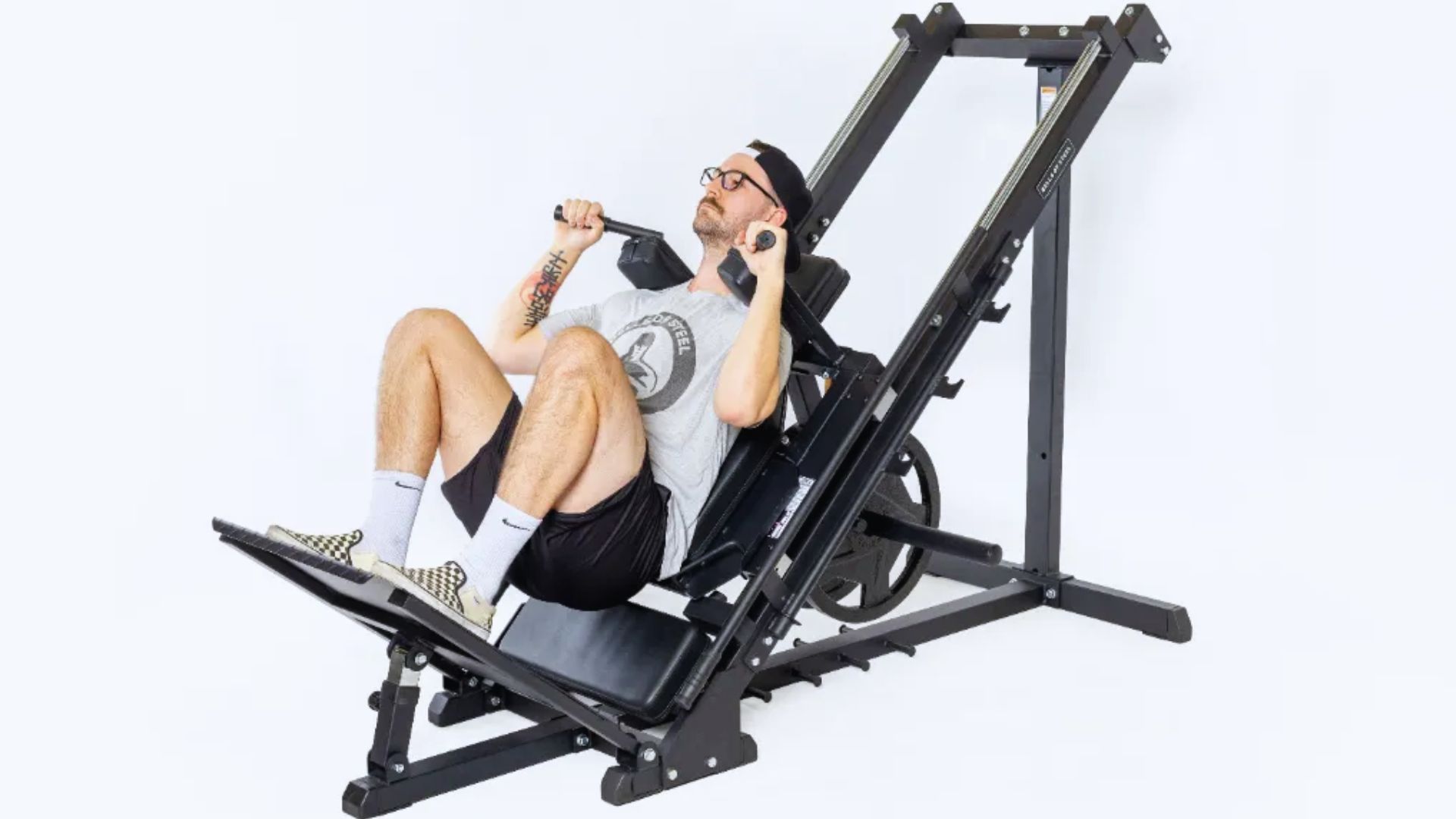
The hack squat machine uses an angled sled design. You stand on a platform with your back against a padded support. The weight moves along angled rails as you squat.
This machine isolates your quads like few others can. The angle keeps your torso upright and shifts work to the front of your legs.
Benefits: The hack squat is safer than barbell squats for beginners. The back pad supports your spine. You can’t fall forward or lose balance. It’s one of the best hack squat machine types for building quads.
Muscles worked: Quadriceps (primary), glutes, hamstrings.
For home gyms, look for compact models with plate-loaded resistance. Commercial gyms often have larger versions with more weight capacity.
Adjust foot placement higher on the platform to target the glutes more. Lower placement hits quads harder.
2. Belt Squat Machine
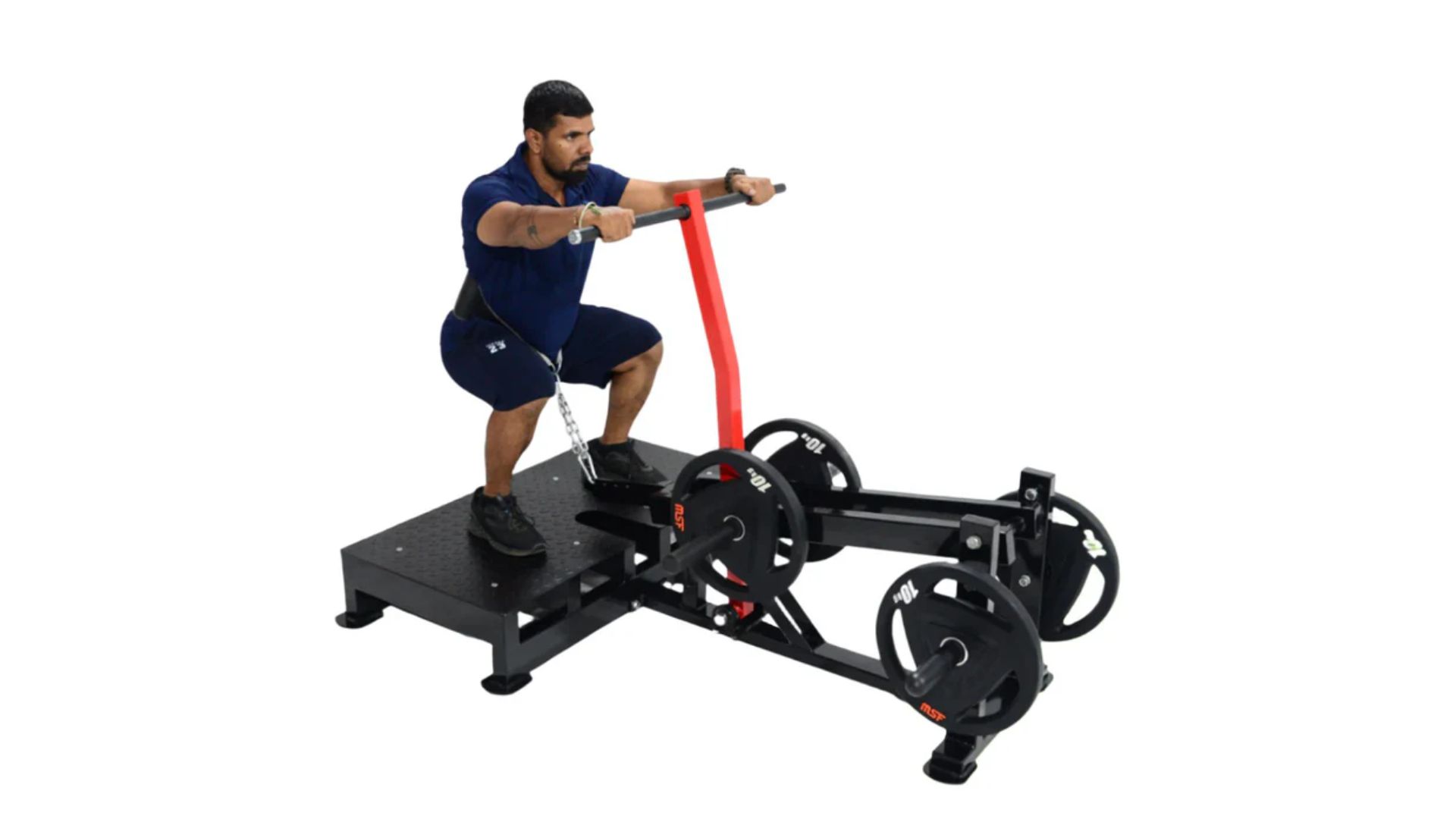
The belt squat machine loads weight through a belt around your hips instead of on your shoulders. You stand on two platforms with a gap in the middle. The weight hangs below and connects to your belt.
This design removes all load from your spine. Your legs do all the work while your back stays neutral.
Benefits: Belt squat machine types are perfect if you have back problems. No spinal compression means you can train hard without pain. They target your legs just as effectively as other squat variations.
Muscles worked: Quadriceps, glutes, hamstrings.
These machines work well in both home and commercial settings. Some models attach to cable systems you might already own.
3. Smith Machine Squat
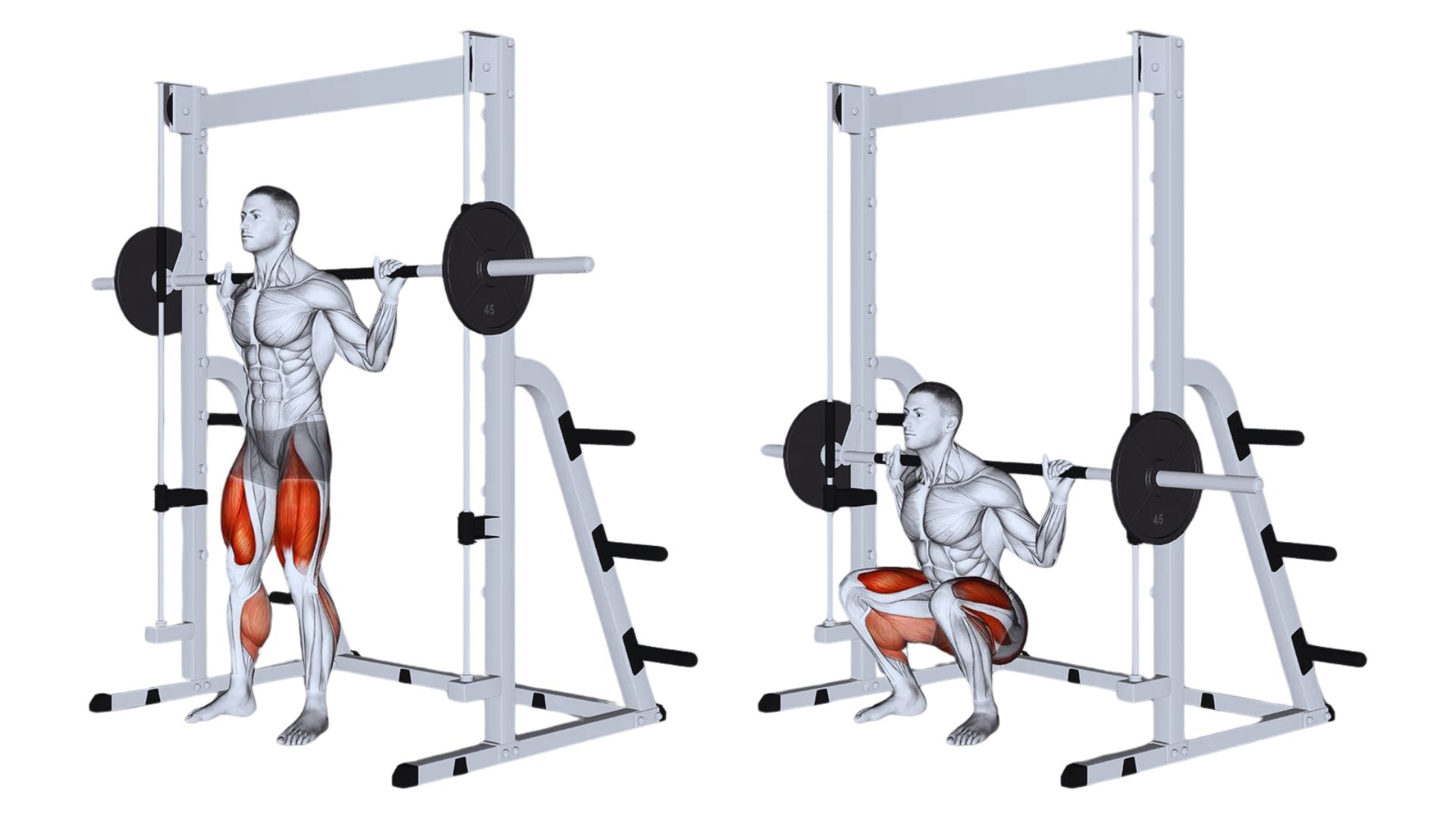
The Smith machine holds a barbell on a fixed vertical track. The bar only moves up and down. You can hook it at any height using safety catches.
The fixed path makes this beginner-friendly. You won’t tip forward or backward. The safety hooks let you train alone without a spotter.
Benefits: New lifters learn squat mechanics safely. The vertical track allows heavier loading than you might manage with free weights. You can focus on pushing hard instead of balancing.
Muscles worked: Quadriceps, glutes, hamstrings, core.
Smith machines are common in both home and commercial gyms. They take up moderate space and serve multiple exercises.
4. Front Squat Machine
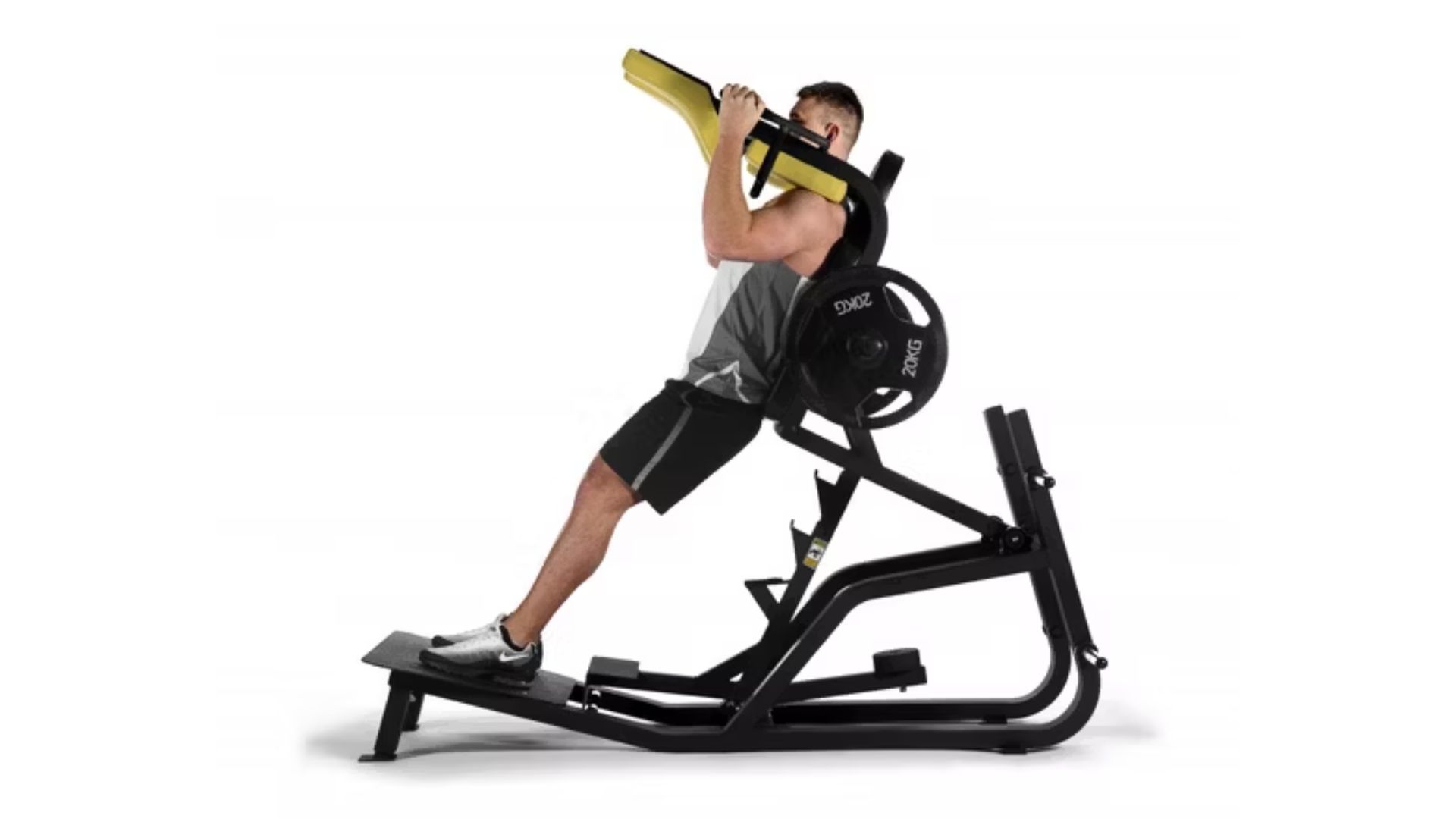
The front squat machine supports front squat mechanics with added stability. Handles or pads hold the weight in front of your body. Your torso stays very upright during the movement.
The upright position shifts work to your quads and reduces lower back strain. Your core must work hard to keep you stable.
Benefits: This machine emphasizes quad development. The reduced back strain helps people with lower back sensitivity. The handles make it easier than holding a barbell across your shoulders.
Muscles worked: Quadriceps, core, and upper back stabilizers.
These machines work well when you want quad growth without heavy spinal loading.
5. Leverage Squat Machine
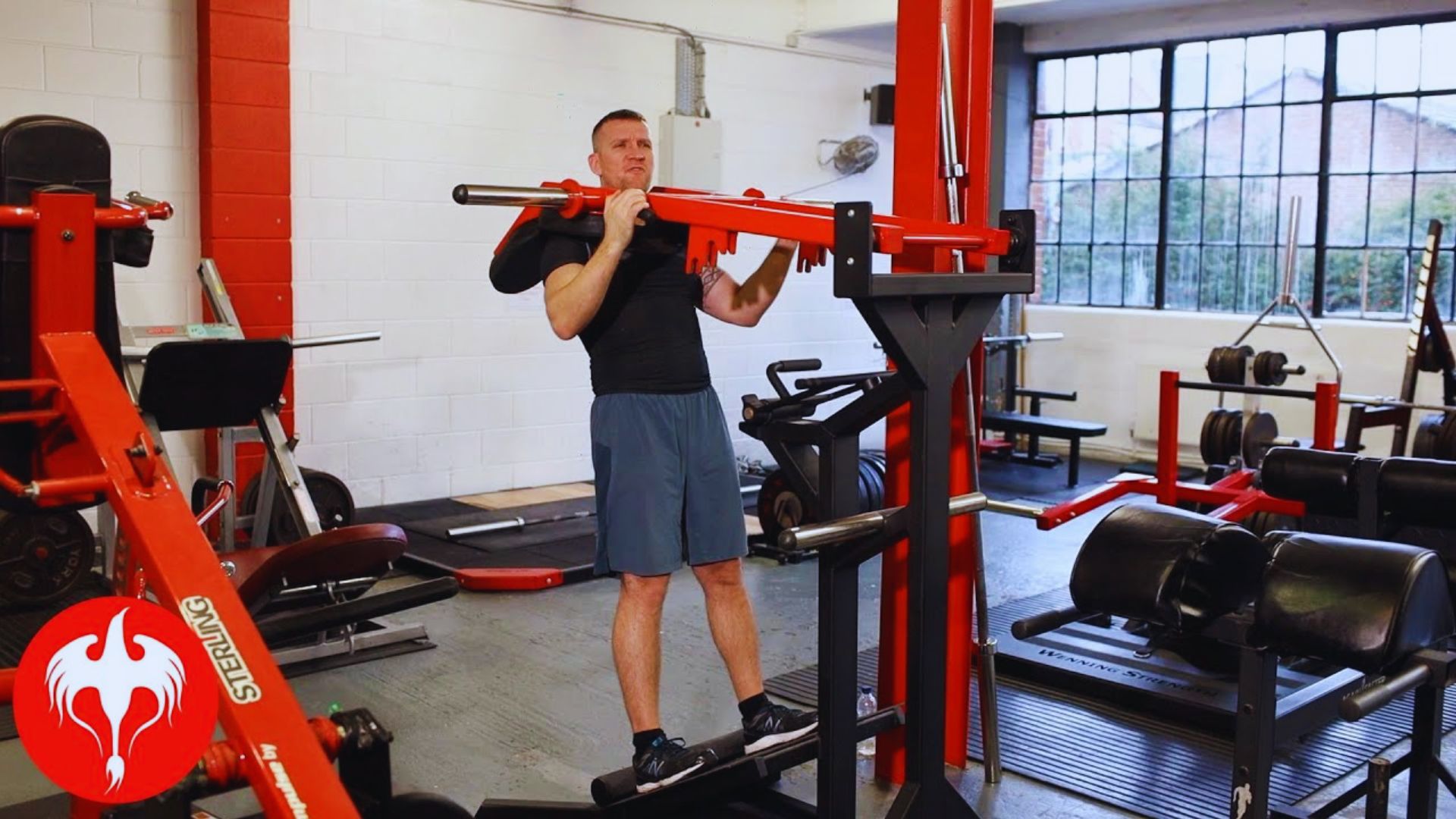
The leverage squat machine uses a pivoting lever arm system. You stand on a platform and push against shoulder pads. The resistance comes from weight plates loaded on lever arms.
The arc of motion targets your glutes more than some other machines. Most models are compact and fit in smaller spaces.
Benefits: Squat machine types for glutes include this one as a top choice. The leverage system feels natural. You can adjust resistance easily by adding or removing plates. The compact footprint works well for home gyms.
Muscles worked: Glutes (primary), quadriceps, hamstrings, calves.
These machines deliver effective glute training in a small package.
6. Pendulum Squat Machine
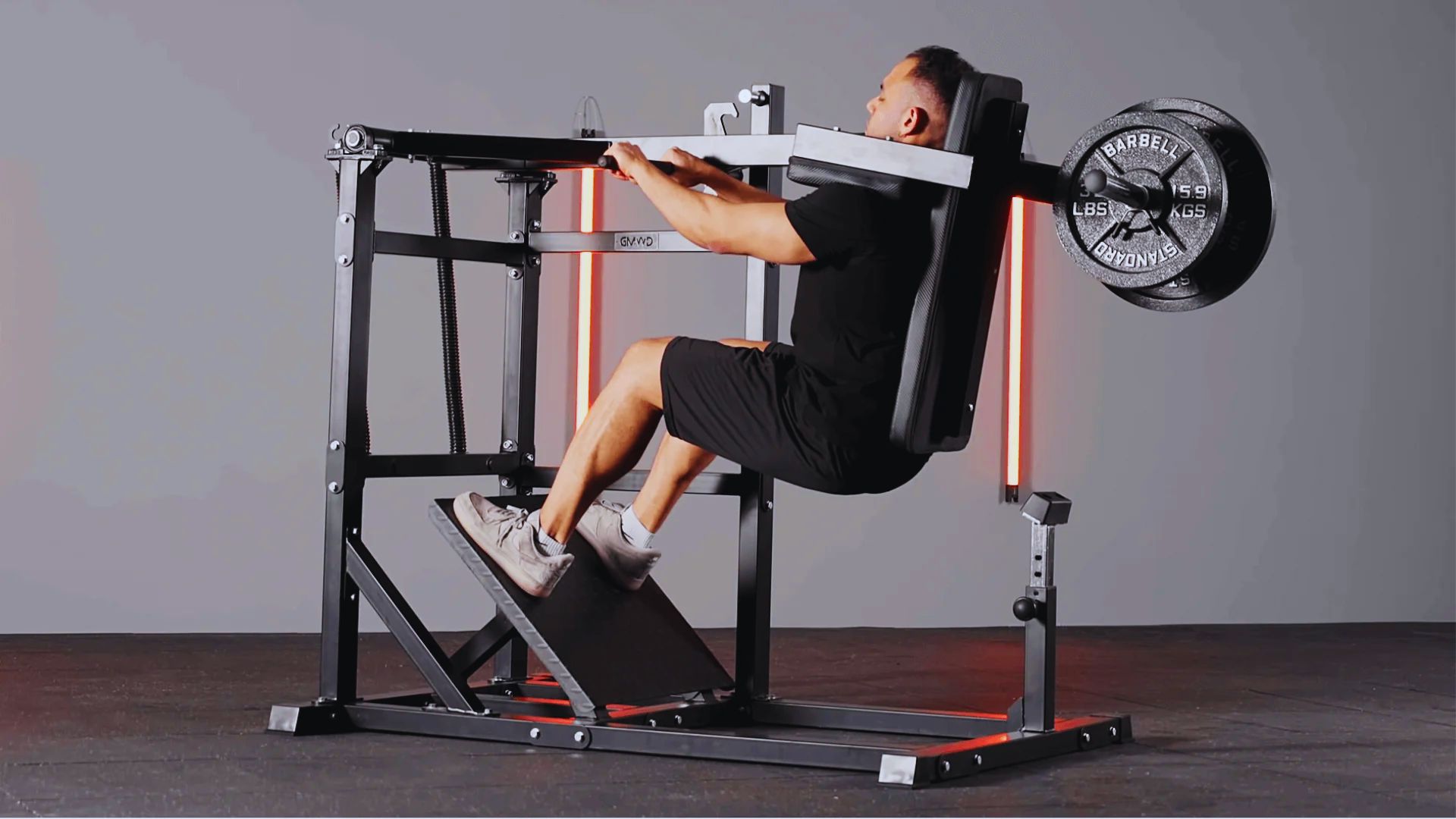
The pendulum squat machine swings in an arc like a pendulum. The natural curved path mimics how your body wants to move during a squat.
This smooth motion puts less strain on your knees compared to fixed vertical paths. The movement pattern is quad-dominant.
Benefits: The pendulum motion feels natural and comfortable. Your knees track in a safe path. You can load heavy weights with reduced joint stress.
Muscles worked: Quadriceps (primary), glutes, hamstrings.
These machines appear more often in commercial gyms due to their size and cost.
7. V-Squat Machine
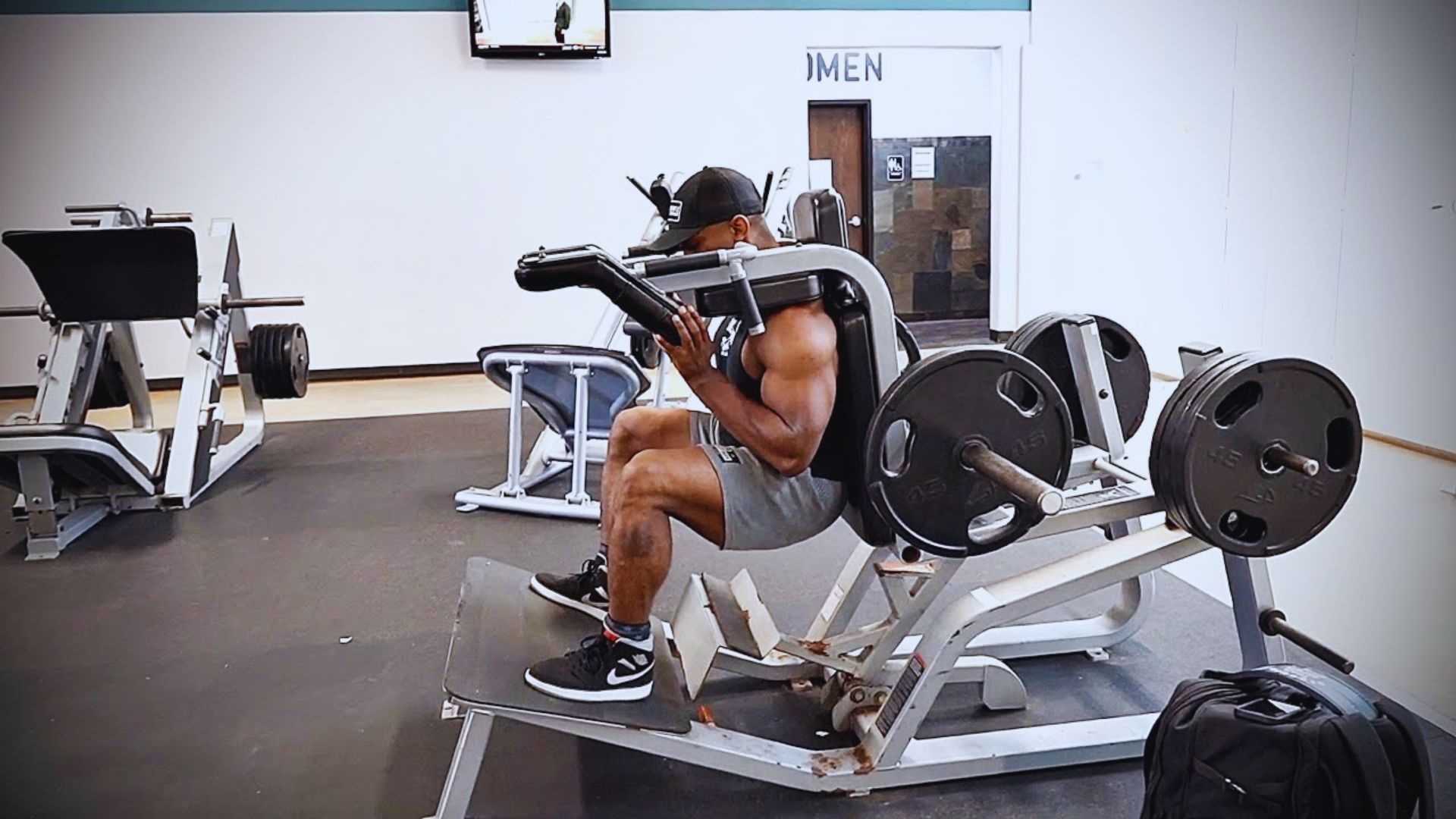
The V-squat machine is similar to a hack squat but targets your posterior chain more. The angle and foot platform position shift work toward your glutes and hamstrings.
The V-shaped platform gives this machine its name. You get balanced lower-body development instead of pure quad focus.
Benefits: This machine is safe for beginners while building strength across all leg muscles. The supported back position reduces injury risk.
Muscles worked: Glutes, hamstrings, quadriceps, calves.
V-squat machines balance out training programs that might otherwise neglect posterior chain work.
8. Sissy Squat Machine / Alternative
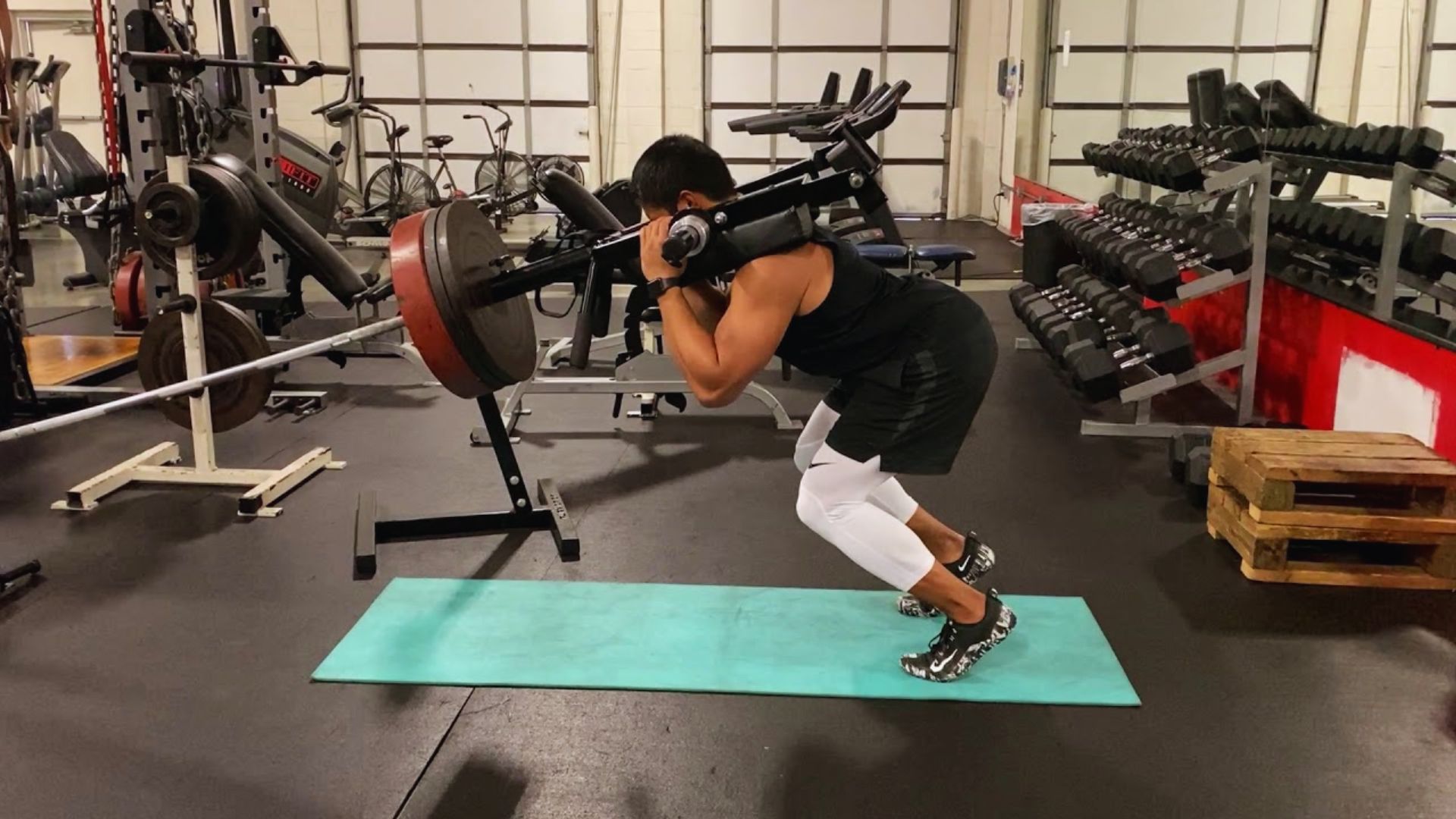
The sissy squat machine isolates your quadriceps through an unusual movement pattern. You lean back while bending your knees. The machine provides ankle support and handles for balance.
This bodyweight or machine-assisted movement hits quads in a way no other exercise can match.
Benefits: Pure quad activation builds muscle and control. The stabilization challenge improves your balance and body awareness. These squat machine types are often included in gym facilities, often include for bodybuilders.
Muscles worked: Quadriceps (isolated focus).
The sissy squat requires less space than most machines. Some versions are quite affordable for home use.
9. Leg Press Hack Squat Combo Machine
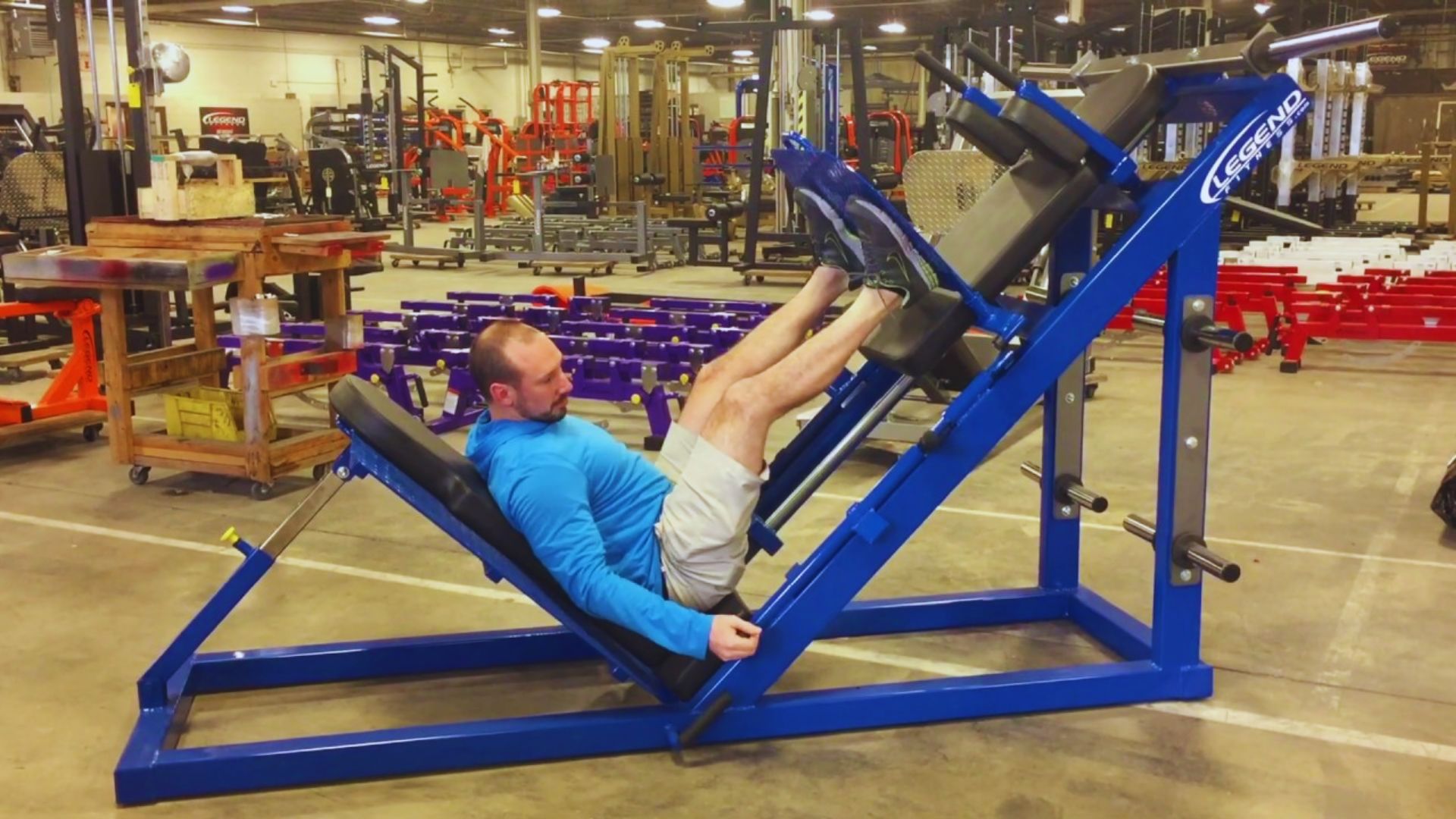
The combo machine serves as both a leg press and a hack squat in one unit. You can switch between exercises by adjusting your position and the seat.
This two-in-one design saves floor space. You get two effective lower-body exercises from a single purchase.
Benefits: Space-saving design suits smaller gyms. The versatility allows varied training. You cover more muscle groups without buying multiple machines.
Muscles worked: Quadriceps, glutes, hamstrings, calves.
Home gym owners often choose combo machines to maximize their equipment value. Commercial gyms use them to offer more exercises in a limited space. Both hack squat machine types and gym squat machine types benefit from this versatile design.
How to Choose the Right Squat Machine?

Picking the right squat machine depends on several practical factors.
Space requirements matter most for home gyms. Measure your available floor space before shopping. Some machines need 6-8 feet of clearance. Others fold or fit in corners.
Training goals should guide your choice. Want bigger quads? Choose hack squat or pendulum machines. Need glute growth? Pick leverage or V-squat machines. Have back problems? Belt squat machines protect your spine.
Budget affects your options. Single-function machines cost less than combo units. Plate-loaded versions run cheaper than weight stack models.
User experience and safety keep you training consistently. Beginners do well with Smith machines or hack squats. Experienced lifters might prefer pendulum or leverage machines for natural motion.
Tips for Using Squat Machines Safely
Safe setup and smart training habits keep you injury-free and make progress.
- Adjust the machine to your height. Shoulder pads sit on the shoulders, not the neck. Back pads support your full spine from shoulders to hips.
- Place your feet correctly for your goals. A higher foot position hits the glutes and hamstrings. Lower placement targets quads. Keep feet shoulder-width apart with toes slightly out.
- Warm up before heavy sets. Do 10-15 bodyweight squats first. Then perform 2-3 light sets on the machine to prep your joints and muscles.
- Control every rep with proper form. Keep knees tracking over toes, never caving inward. Don’t bounce at the bottom. Stop just short of a lockout at the top to protect your knees.
- Start light and progress slowly. Master the movement pattern with a lighter weight. Add load gradually over weeks. Breathe in as you lower, out as you push up.
Conclusion
I’ve tried most of these machines over the years. The belt squat saved my training when my back hurt. The hack squat built my quads faster than anything else.
Your right squat machine types depend on your goals and space. Pick machines that match what you’re trying to build. Start with proper form on a lighter weight. Add load as you get stronger.
Test different machines, if possible, before buying. Your body will tell you which feels best.
What’s your favorite squat machine? Drop a comment below and share your experience. Check out our other strength training guides for more tips.
Frequently Asked Questions
What squat machine is best for beginners?
The Smith machine works best for most beginners. The fixed bar path keeps you stable and safe. The safety hooks let you train alone without getting stuck under the weight.
Can squat machines replace barbell squats?
Yes, squat machines can replace barbell squats for most people. They work the same muscles with less injury risk. Athletes who need sport-specific balance might still want some free weight work.
Which squat machine builds the biggest glutes?
The leverage squat machine and V-squat machine build glutes most effectively. Both create a movement arc that targets your posterior chain. Place your feet higher on the platform to increase glute activation.
How often should I use squat machines?
Train legs with squat machines 2-3 times per week. Your muscles need 48-72 hours to recover between sessions. Beginners should start twice a week.
Are squat machines safer than free weights?
Squat machines are generally safer than free weights. The guided movement paths prevent you from tipping or losing balance. Built-in safety stops catch the weight if you fail a rep.


