

Thinking about eating just 600 calories a day? You are not alone. Many people try this to lose weight fast. But does it really work, and is it safe?
In this article, I break it down in simple terms. You will learn how much weight you might lose, what happens inside your body, and why this approach can backfire. I have reviewed research and real outcomes so you don’t have to.
We also cover risks, short-term results, and safer ways to lose weight. By the end, you will know what to expect and what to avoid.
How Weight Loss Works on 600 Calories a Day
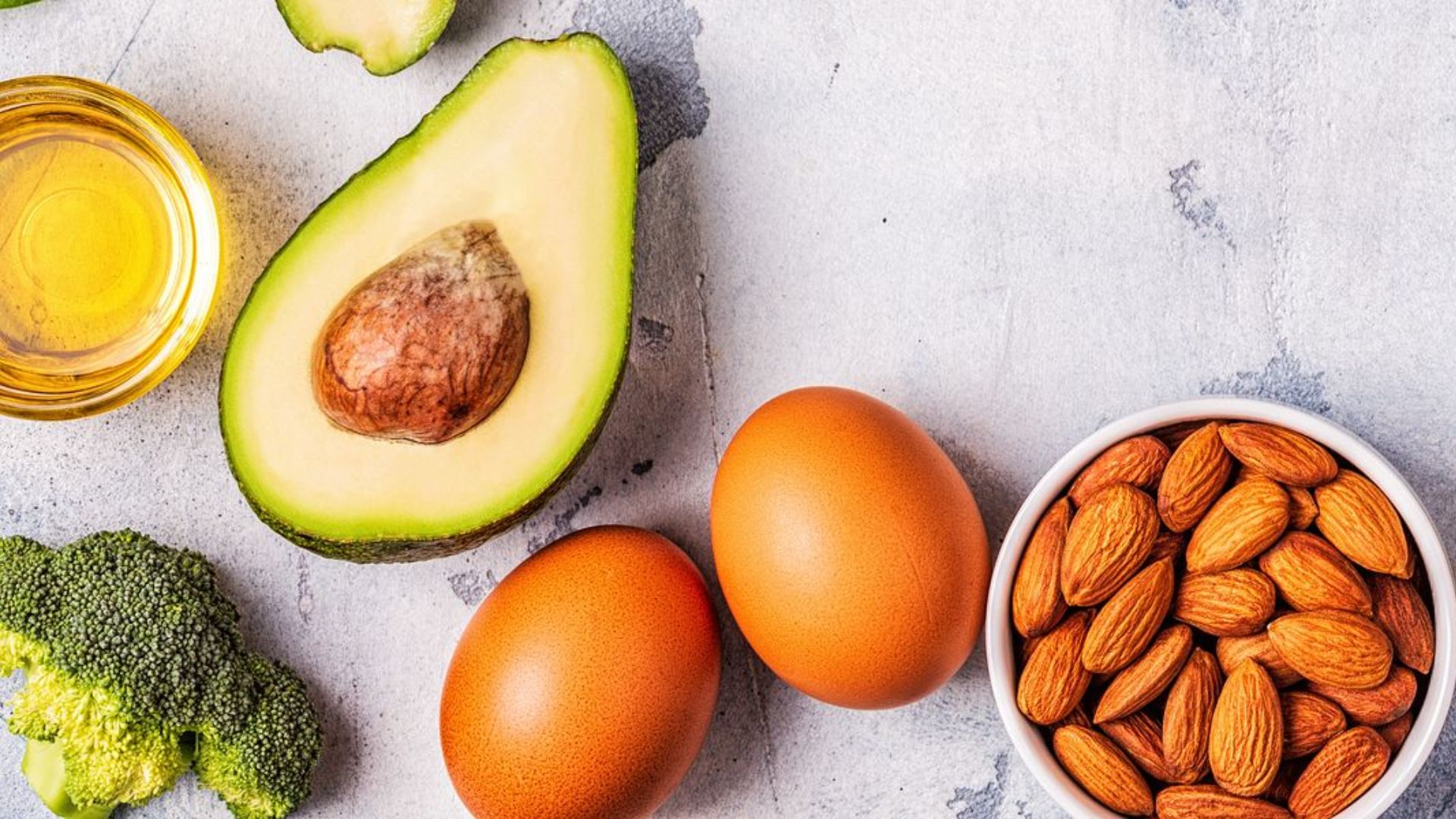
Understanding the basics helps you make better choices for your body.
Your body needs a set number of calories each day to function. When you eat less, it uses stored energy to make up the gap. This is called a calorie deficit. A larger deficit leads to faster weight loss, but it also puts more stress on your body.
Eating only 600 calories creates a very large gap. Most adults need much more than this daily. To cope, your body not only burns fat but also breaks down muscle and slows its normal processes to save energy.
In the early days, most weight loss is water, not fat. Your body uses stored carbs, which release water. Some muscle is lost too. Real fat loss takes more time than the scale shows.
How Much Weight Can You Lose on 600 Calories a Day?

Results vary, but the pattern is fairly predictable once you know what’s happening inside your body.
First Week Weight Loss Results and Why They Look Fast
Many people lose 3 to 5 pounds in the first week on very low calories. This looks impressive but is mostly water and glycogen leaving the body, not fat. It feels motivating, but it can be misleading.
Average Weekly Weight Loss on Very Low-Calorie Intake
After the first week, weight loss tends to slow to around 1 to 2 pounds per week. Some people lose slightly more, others less, depending on their starting weight, age, and activity level.
Why Weight Loss Slows Down After the Initial Drop
The body is smart. It adapts to low food intake by slowing the metabolism. This is the body’s survival response. It burns fewer calories to protect itself, which is why results slow down quickly.
Why Early Results Are Not Purely Fat Loss
A true pound of fat requires burning about 3,500 extra calories. On 600 calories, the body is not burning enough to account for all the weight shown on the scale. Much of it is fluid, muscle tissue, and digestive content.
What Happens to Your Body on 600 Calories a Day

Very low calorie intake does more than reduce weight. It changes how every system in your body works.
Energy Drop, Fatigue, and Low Performance
Your body runs on food. At 600 calories, most people feel drained, foggy, and physically weak. Daily tasks feel harder. Exercise becomes difficult or impossible to sustain.
Muscle Loss and Metabolic Slowdown
Without enough protein and calories, the body breaks down muscle for energy. Less muscle means a lower metabolism. This makes it harder to lose weight over time and easier to gain it back later.
Hormonal Imbalance and Its Effect on Weight Loss
Extreme restriction disrupts hormones like leptin, ghrelin, and cortisol. These hormones control hunger, stress, and how the body stores fat. When they are out of balance, cravings increase and fat loss slows.
Nutrient Deficiency and Health Impact
Six hundred calories is not enough to get the vitamins and minerals your body needs daily. Over time, this can lead to hair loss, weak bones, poor immunity, and heart problems.
Risks of Eating 600 Calories a Day
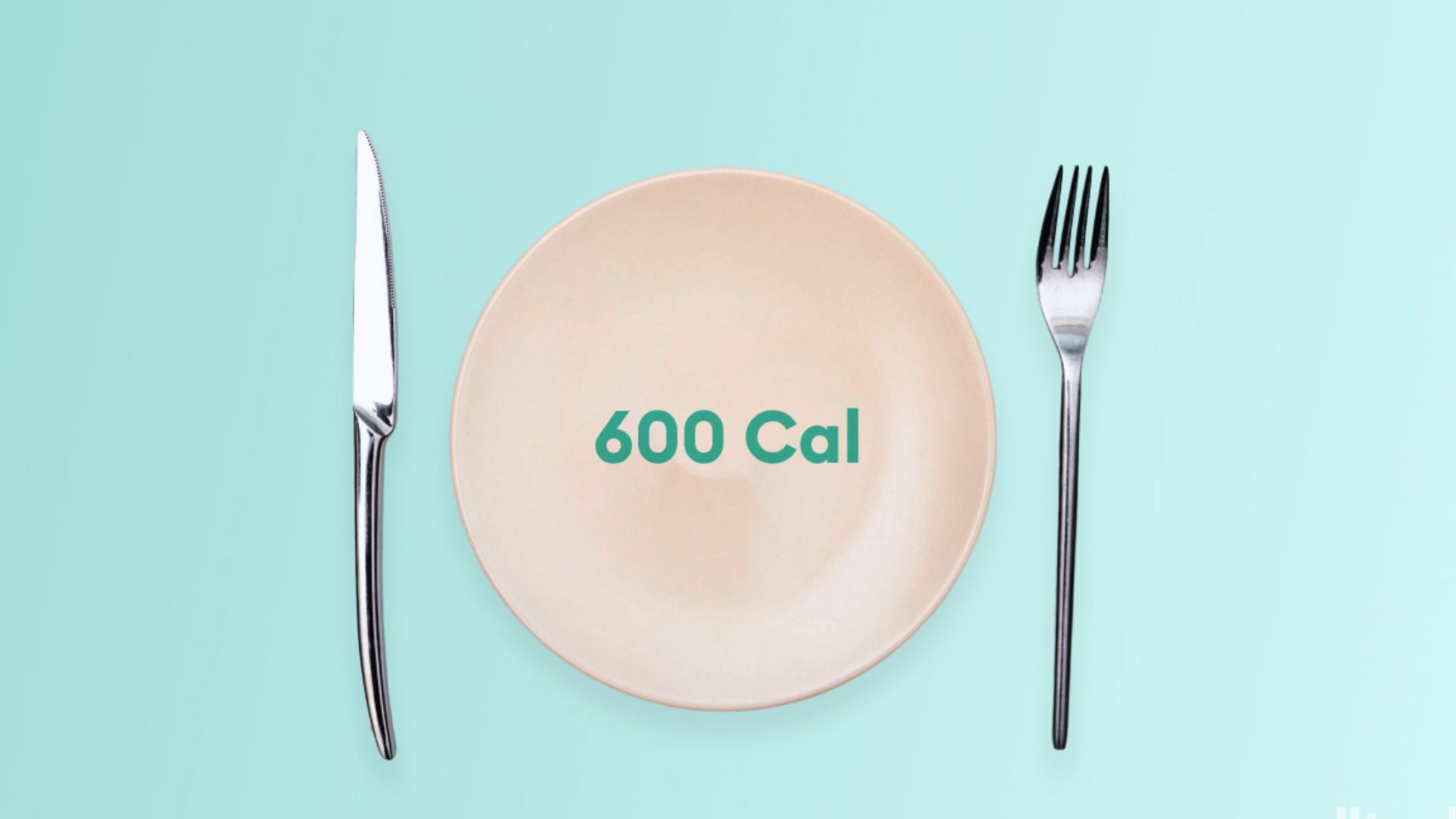
This level of restriction comes with real physical and mental health consequences.
Physical Risks Like Weakness and Dizziness
Low food intake drops blood sugar. This causes dizziness, fainting, muscle cramps, and weakness. These are not just uncomfortable. They can be dangerous, especially if you are driving or operating machinery.
Mental Effects Such as Brain Fog and Irritability
The brain needs glucose to function. Without enough food, thinking becomes cloudy. Many people also feel anxious, irritable, or depressed on very low-calorie diets.
Gallstones and Long-Term Metabolic Damage
Rapid weight loss is a known trigger for gallstones. Very low-calorie diets can also permanently lower the metabolic rate, making future weight management harder even after returning to normal eating.
Weight Regain After Stopping the Diet
Once normal eating resumes, the body is primed to store fat again. Metabolism is slower, muscle mass is lower, and hunger hormones are raised. Most people regain the weight quickly, sometimes more than they lost.
Is 600 Calories a Day Safe for Weight Loss?

In most cases, this level of restriction is not safe without medical supervision.
The human body cannot get enough protein, fats, vitamins, and minerals from just 600 calories. Over time, this leads to deficiencies that can affect muscles, organs, and immunity.
Doctors may suggest very low-calorie diets in certain medical cases. This is usually for people with obesity-related health issues. These plans are short-term and closely monitored.
Some people should avoid this approach completely. This includes pregnant or breastfeeding women, teenagers, older adults, and those with a history of eating disorders or heart problems.
Safer Alternatives to Lose Weight Effectively

There are better ways to lose weight that do not put your health at risk.
Moderate Calorie Deficit (Sustainable Fat Loss Method)
Cutting 300 to 500 calories from your daily intake is enough to lose weight steadily. This approach protects muscle, keeps energy levels up, and is far easier to stick with long term.
1,200–1,500 Calorie Balanced Diet Approach
A well-planned diet in this range gives the body enough nutrients while still creating a deficit. It includes vegetables, lean protein, healthy fats, and whole grains. This is one of the most researched and recommended approaches.
High-Protein Diet for Better Fat Retention
Eating more protein while in a deficit helps preserve muscle mass. It also keeps you feeling full longer. Studies consistently show protein-rich diets lead to better body composition during weight loss.
Intermittent Fasting Methods Like 5:2 and 16:8
Some people find it easier to manage intake through time-restricted eating rather than daily counting. The 16:8 method limits eating to an 8-hour window. The 5:2 method involves eating normally five days and reducing intake on two non-consecutive days.
Conclusion
Honestly, I get it. When you want results fast, 600 calories feels like the shortcut. But from everything I have read and seen, it almost always creates more problems than it solves. Your body deserves fuel, not punishment.
Start small. A moderate deficit, good protein, and consistent habits will take you much further than a crash diet ever will.
If this post helped you, leave a comment below or share it with someone who needs to see it. I’d love to hear your thoughts.
Frequently Asked Questions (FAQs)
Can you survive on 600 calories a day?
Technically yes, for a short time. But the body quickly starts breaking down muscle and slowing metabolism, which causes serious health problems over time.
How fast will I lose weight on 600 calories?
Most people see fast early results due to water loss, but true fat loss slows after the first week and comes with significant health risks.
Will eating 600 calories put me in starvation mode?
Yes. The body responds to extreme restriction by lowering its metabolic rate to conserve energy, which is commonly referred to as starvation mode.
What is the lowest safe number of calories per day?
Most health professionals recommend no fewer than 1,200 calories for women and 1,500 for men, and only under guidance for medically supervised plans.
Is it better to fast than eat 600 calories?
Both carry risks if done without guidance. However, structured intermittent fasting done properly is generally considered safer than sustained daily restriction at 600 calories.


