

I get this question a lot, and honestly, I had the same curiosity when I started working out. 50 squats burn how many calories?
The short answer is somewhere between 10 and 25 calories. But the real answer depends on your body weight, speed, and how hard you push yourself.
In this article, I will break down exactly how many calories 50 squats burn, what factors change that number, how to calculate it yourself, and practical tips to burn more with every squat.
I have researched and tested this, so you are getting accurate, helpful information.
50 Squats Burn How Many Calories? (Quick Answer)
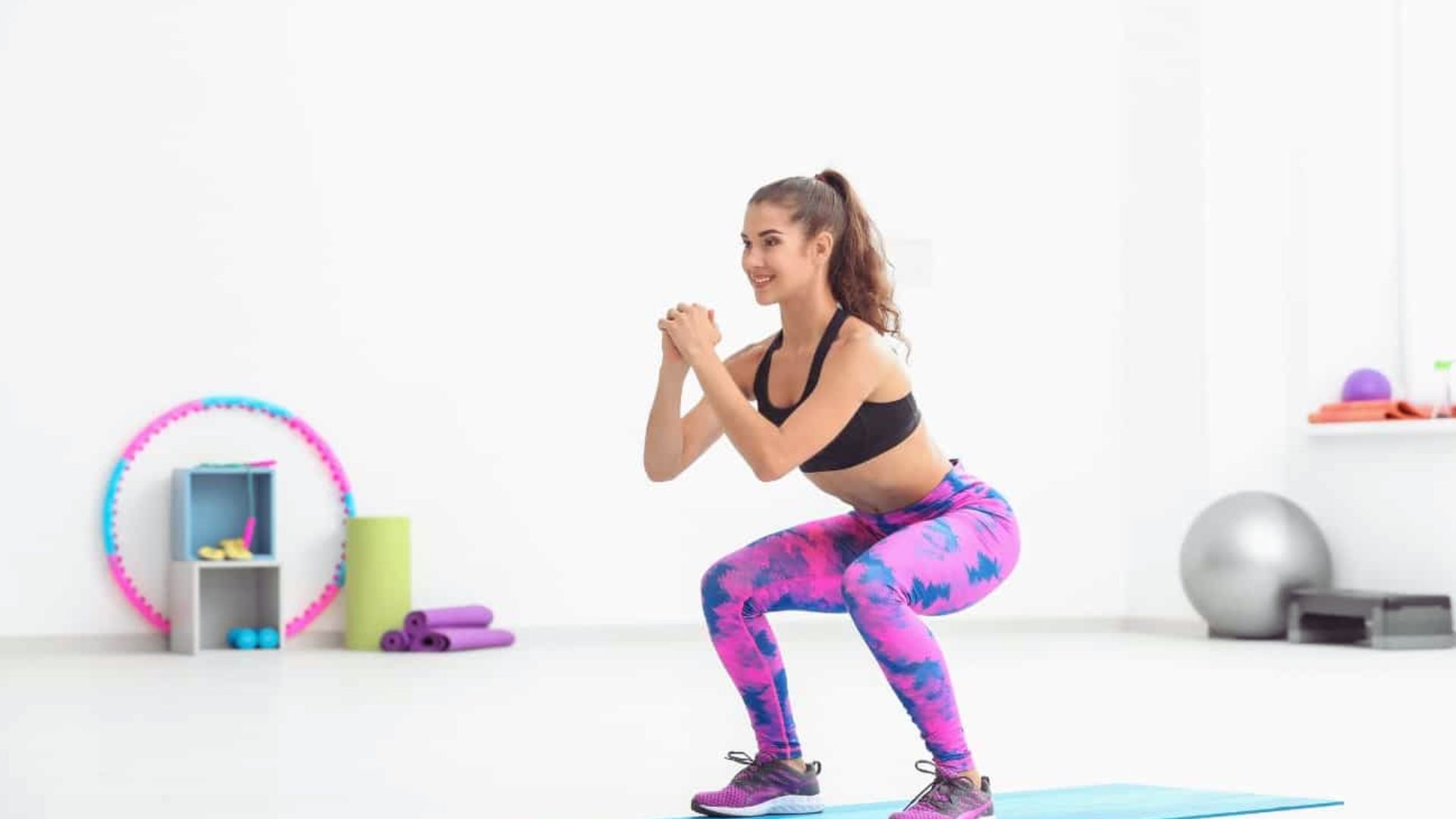
The short, no-fluff answer you have been looking for, right here.
Doing 50 squats burns roughly 10 to 18 calories for most people. Push harder with jump squats or high intensity reps, and that number climbs to 25 calories.
It is not a massive burn on its own. But here is what most people miss. Squats build muscle, and more muscle means your body burns more calories even at rest.
So the real benefit goes far beyond those 50 reps. That is the actual win.
Quick Calorie Estimate by Body Weight
Your body weight plays a big role in how many calories you burn.
| Body Weight | Calories Burned (50 Squats) |
|---|---|
|
120-140 lbs |
8-11 calories |
|
150-170 lbs |
11-15 calories |
|
180-200 lbs |
15-18 calories |
|
200+ lbs |
18-25 calories |
Heavier individuals burn more because their body works harder to move.
How Long It Takes to Do 50 Squats
Most people finish 50 squats in 1 to 3 minutes, depending on pace.
This matters because calorie burn is tied to time and effort. A slow, controlled set of 50 squats burns fewer calories than a fast, intense one. Speed and rest time both affect your total burn.
Calories Burned from 50 Squats Based on Intensity
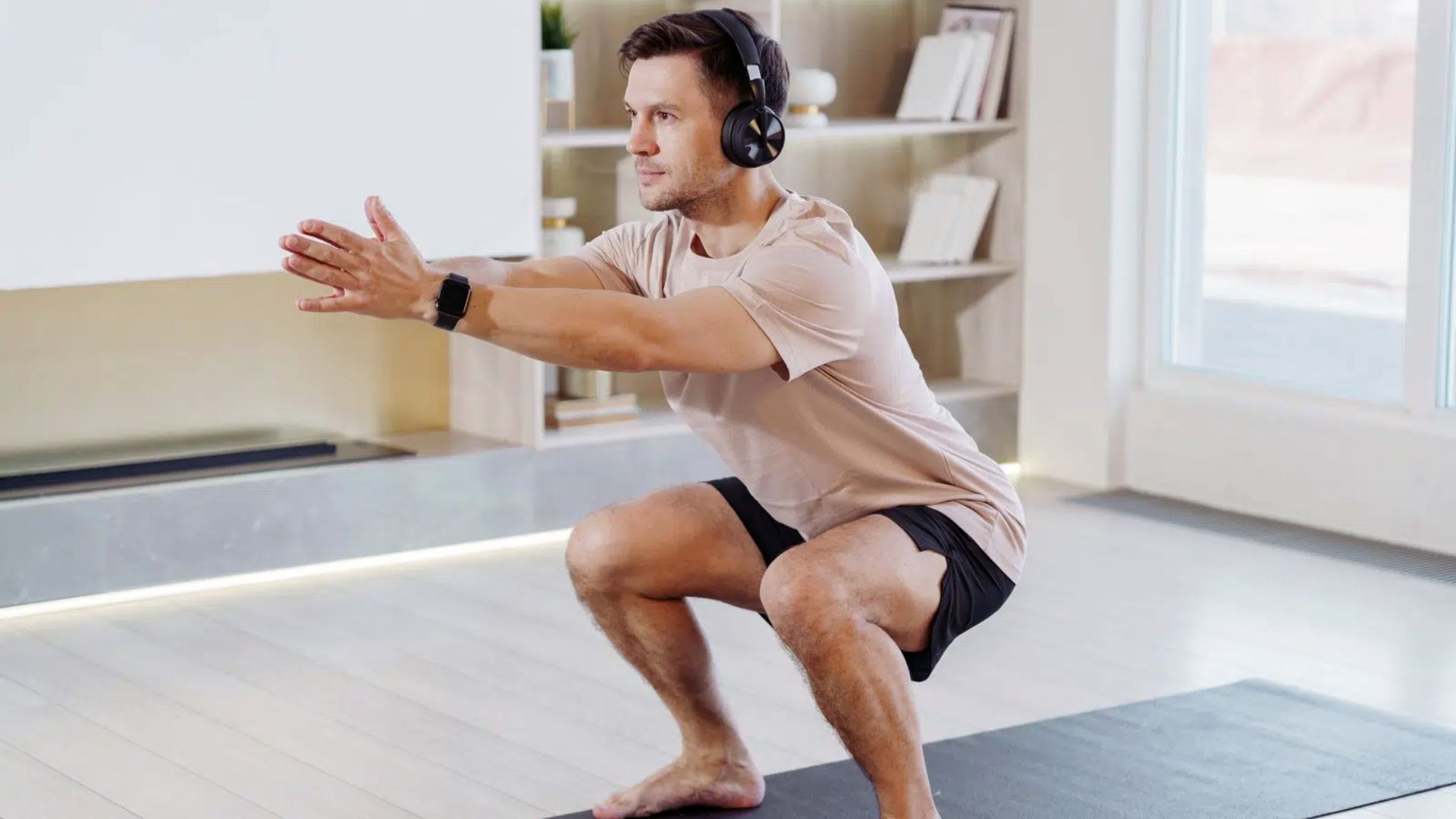
Your effort level changes how many calories you burn even with the same number of reps.
Low Intensity Squats
Slow, basic bodyweight squats with rest between reps.
Calories burned: Around 8-12 for most people.
This works for beginners or active recovery days. It is better than sitting, but it will not push your heart rate much.
Moderate Intensity Squats
Steady pace, full range of motion, minimal rest.
Calories burned: Around 12-18.
This is the sweet spot for most people. You are working hard enough to feel it, but not so hard that your form breaks down.
High Intensity / Jump Squats
Fast squats, jump squats, or squat pulses with no rest.
Calories burned: Up to 20-25.
Jump squats spike your heart rate fast. They also burn more calories after the workout through the afterburn effect. If you want more from 50 squats, this is the way to go.
How to Calculate Calories Burned from Squats
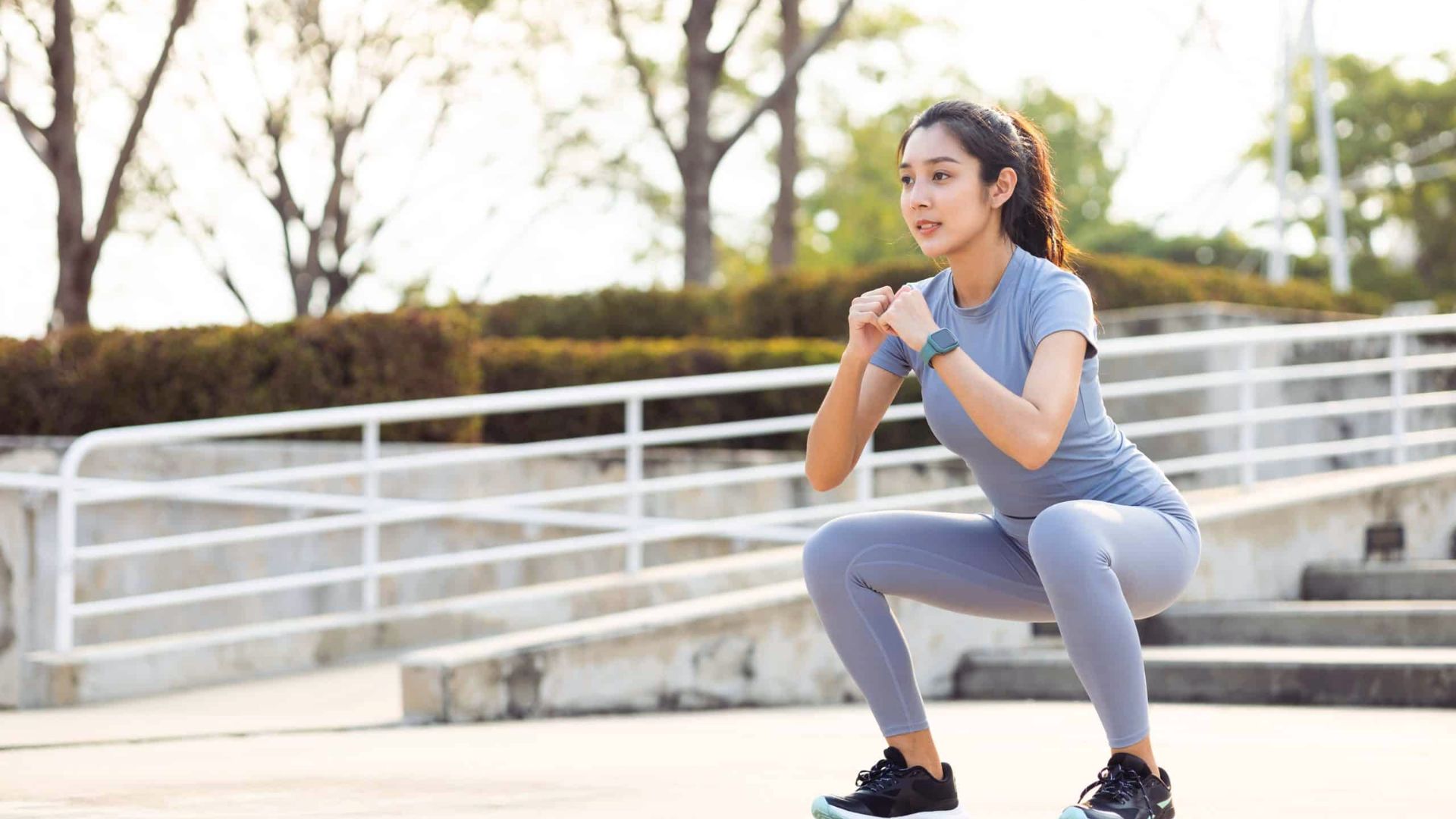
Use this simple formula to estimate your personal calorie burn from squats.
Simple Formula for Calories Burned
Calories = MET x Body Weight (kg) x Time (hours)
For squats:
Low intensity MET: 3.5
Moderate intensity MET: 5.0
High intensity MET: 7.0-8.0
Example Calculation
Let us say you weigh 70 kg (154 lbs) and do 50 moderate squats in 2 minutes (0.033 hours).
Calories = 5.0 x 70 x 0.033 = ~11.5 calories
That lines up with the estimates above. Use this formula to get a number specific to your body weight and workout time.
How Many Squats to Burn 100 Calories?
To burn 100 calories from squats alone, most people need to do around 400 to 500 squats.
That sounds like a lot, right? It is. This is why squats are better seen as a strength and muscle-building tool, not a primary calorie-burning exercise.
Think of it this way. 50 squats gets you 10-25 calories. Multiply that by 4 to 8 sets, and you are getting closer to 100 calories. Add weights, and you get there faster.
Factors That Affect Calories Burned

These key factors directly decide how many calories you burn with every squat session.
Body Weight
Heavier people burn more calories doing the same exercise. Their muscles do more work to move their body. A 200-pound person will always burn more squatting than a 130-pound person doing the same reps.
Speed and Reps
Going faster burns more calories in less time. Doing 50 squats in 60 seconds is very different from doing them in 3 minutes. Pace matters just as much as the number of reps.
Workout Intensity
Adding jumps, pulses, or reducing rest between sets raises your heart rate. A higher heart rate means more calories burned. This is why two people doing “50 squats” can get very different results.
Common Mistakes to Avoid When Doing Squats
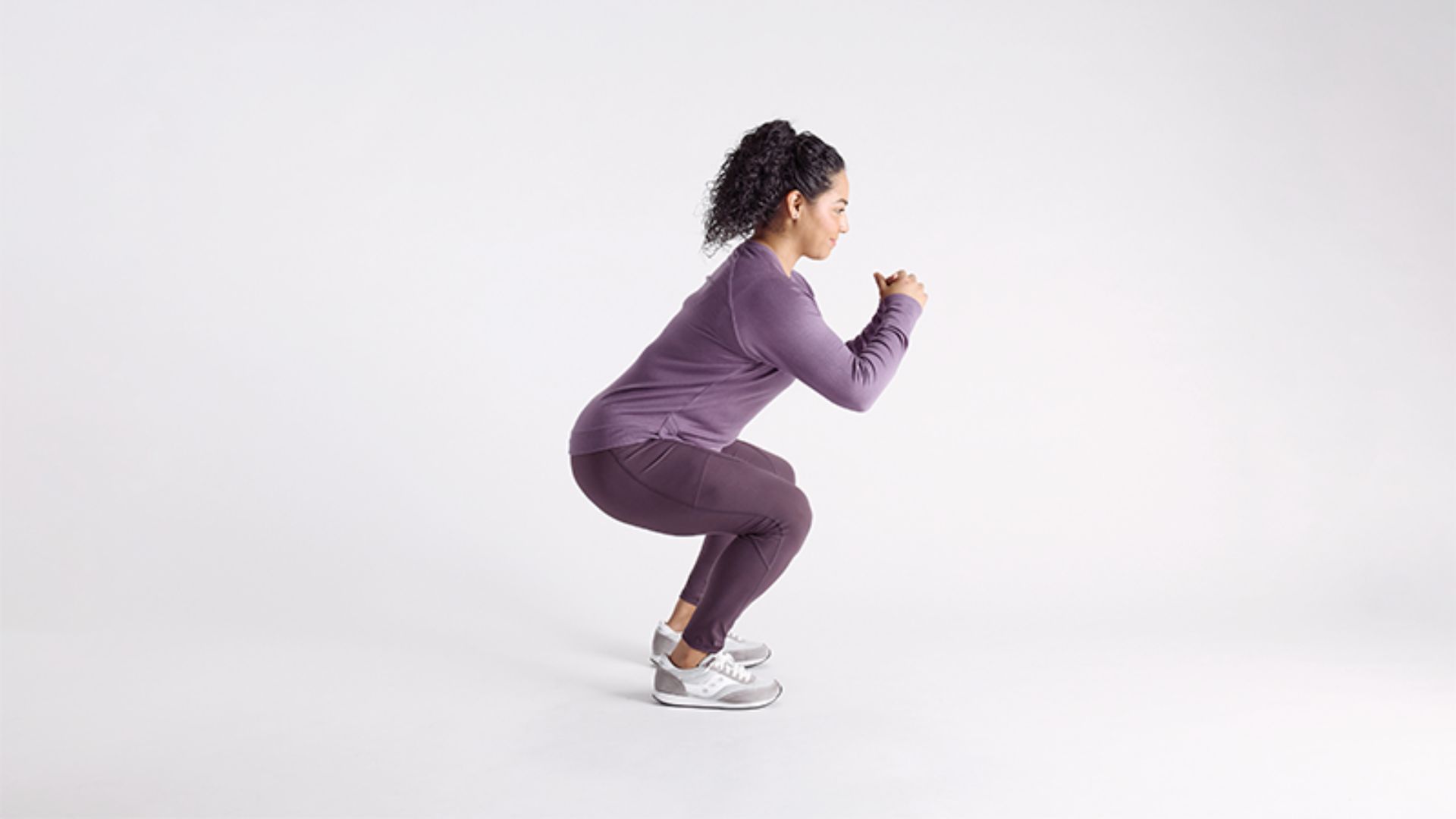
These simple errors can slow your progress and reduce the calories you burn.
Letting Your Knees Cave Inward
Many people allow their knees to collapse inward during a squat. This puts unnecessary stress on your joints and reduces the muscle engagement in your glutes and thighs.
Keep your knees pushed outward and in line with your toes throughout the movement.
Shortening Your Range of Motion
Half squats might feel easier, but they do not activate your muscles fully. Going only halfway down means less work for your body, which directly means fewer calories burned.
Aim to lower yourself until your thighs are at least parallel to the floor for best results.
Holding Your Breath During Reps
A lot of people forget to breathe properly while squatting. Holding your breath reduces your stamina and can cause dizziness, especially during high intensity sets.
Breathe in as you lower down and breathe out as you push back up. This simple habit improves both performance and calorie burn.
Tips to Burn More Calories with Squats
Small tweaks to your squat routine can make a real difference in calories burned.
- Cut rest time between sets to keep your heart rate up and burn more calories.
- Go faster through your reps while maintaining good form for a higher calorie burn.
- Hold dumbbells or a barbell to make your muscles work harder during every rep.
- Add a resistance band for extra tension that increases effort without heavy weights.
- Try jump squats or squat pulses to spike your heart rate and maximize your burn.
Conclusion
So, 50 squats burn how many calories? Roughly 10 to 25, depending on your weight and intensity.
It is not a massive number by itself, but squats do more than just burn calories in the moment. They build muscle, improve posture, and raise your resting metabolism over time.
I started adding jump squats to my routine and noticed a real difference in just a few weeks. Consistency is everything.
Start with what you can manage and build from there. Drop a comment below and tell me how many squats you do daily. I would love to hear where you are in your fitness progress!
Frequently Asked Questions
Do 50 squats a day make a difference?
Yes, doing 50 squats daily can improve leg strength and muscle tone over time. It is a small but consistent habit that adds up.
Can squats help with weight loss?
Squats support weight loss by building muscle, which increases your resting calorie burn. They work best when paired with a balanced diet and cardio routine.
Are jump squats better for burning calories?
Jump squats burn significantly more calories than regular squats because they raise your heart rate faster. They also activate more muscle groups at once.
How many squats should a beginner do per day?
Beginners should start with 20 to 30 squats per day and gradually increase. Proper form matters more than the number of reps when you are starting out.
Is it okay to do squats every day?
Light to moderate squats can be done daily for most people. However, if you are using heavy weights, give your muscles at least one rest day between sessions to recover properly.


