

I started the 28 day calisthenics challenge with zero equipment and very low expectations. What I got was a complete shift in how I moved, felt, and trained every single day.
In this blog, I will walk you through everything you need, including a full week-by-week workout plan, the best exercises to include, and simple tips to get real results.
This guide covers what the challenge is, how it works, and how beginners can follow it without feeling lost.
I have trained with bodyweight for years, and I know what works and what does not. You are in the right place.
What Is the 28 Day Calisthenics Challenge?

The 28 day calisthenics challenge is a structured bodyweight workout program designed to improve strength, endurance, flexibility, and overall fitness using minimal equipment.
Bodyweight training relies on movements like pushups, squats, lunges, planks, and pullups to build muscle and improve mobility without machines or heavy weights.
This challenge is suitable for beginners and intermediate fitness levels because exercises can be adjusted based on ability.
The 28-day format helps create consistent workout habits while remaining manageable and motivating.
Most workouts can be done at home with little more than a mat and an optional pull-up bar for advanced upper-body exercises later in the program.
Week 1 of the 28 Day Calisthenics Challenge: Building a Strong Foundation
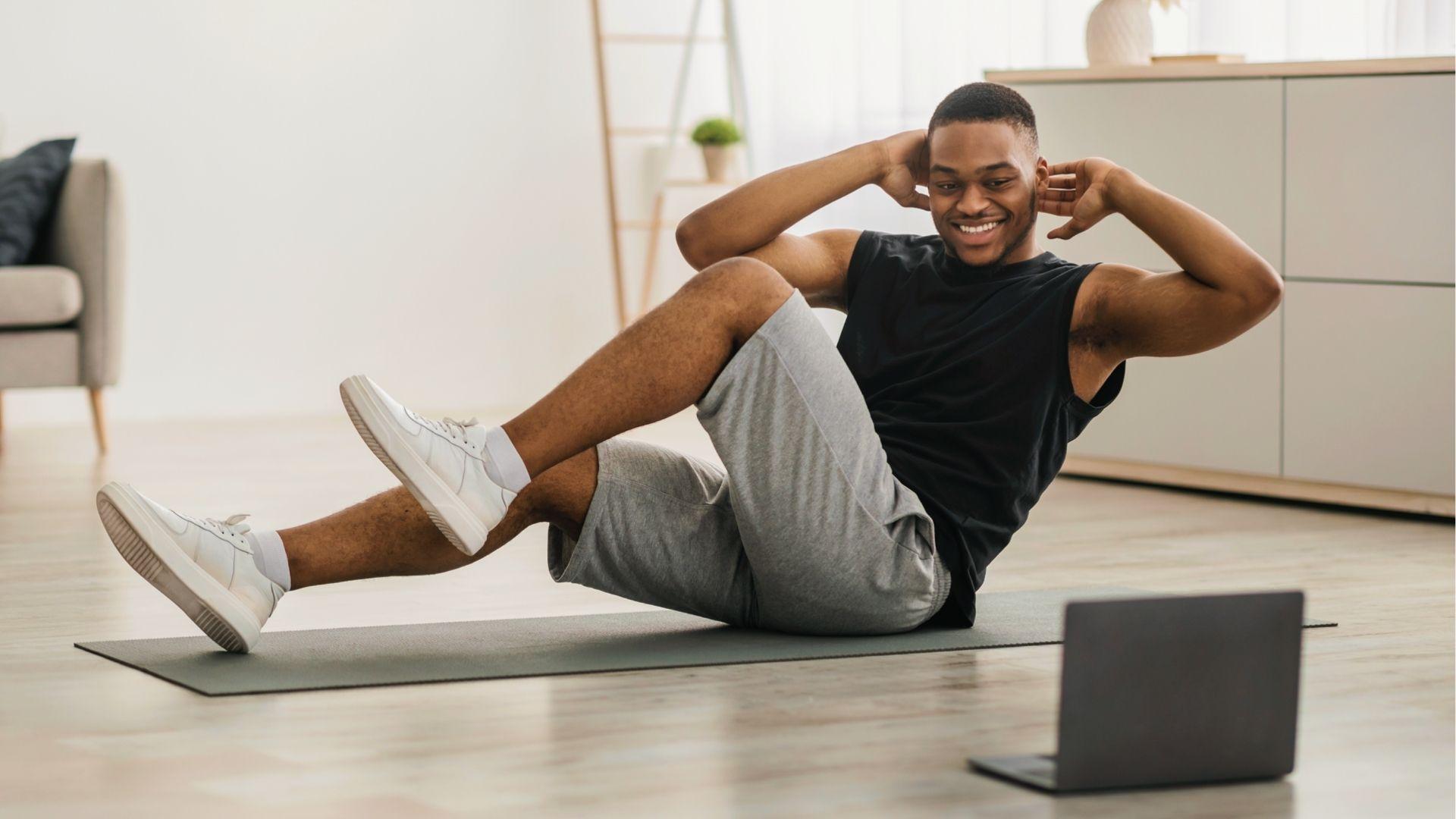
Week one focuses on learning the basics, building body control, and preparing your muscles for harder work ahead.
Day 1: Upper-Body Workout
Start with pushups, shoulder taps, and tricep dips. Keep reps low. Focus on form. Your chest, shoulders, and arms will feel it right away.
Day 2: Core and Cardio Training
Do planks, leg raises, and mountain climbers. These target your abs and build the cardio base you will need later in the challenge.
Day 3: Lower-Body Strength Exercises
Squats, lunges, and glute bridges are your focus today. Slow down each rep. Feel the burn in your quads and glutes.
Day 4: Full-Body Conditioning Routine
Combine movements from days 1 to 3. Do them in a circuit. Rest 60 seconds between rounds. This builds coordination and stamina.
Day 5: Beginner Strength Progression
Add a few extra reps to what you did earlier in the week. Push slightly harder. Rest on days 6 and 7.
Week 2: Increasing Strength and Workout Intensity

Week two raises the bar by adding more reps, cutting rest time, and introducing harder exercise variations.
Adding More Repetitions and Sets
Increase each set by two to three reps. This small jump creates steady progress without overloading your body.
Reducing Rest Time Between Exercises
Cut rest from 60 seconds to 45 seconds. This keeps your heart rate up and improves muscular endurance.
Introducing Advanced Exercise Variations
Try wide-grip pushups, sumo squats, and side planks. These small changes target muscles in new ways.
Improving Core Stability and Balance
Add single-leg deadlifts and plank variations. Your core supports every movement you do, so training it well pays off fast.
Maintaining Proper Recovery and Hydration
Drink at least two liters of water daily. Sleep seven to eight hours. Skipping recovery slows progress more than missing a workout.
Week 3: Improving Endurance, Mobility, and Flexibility
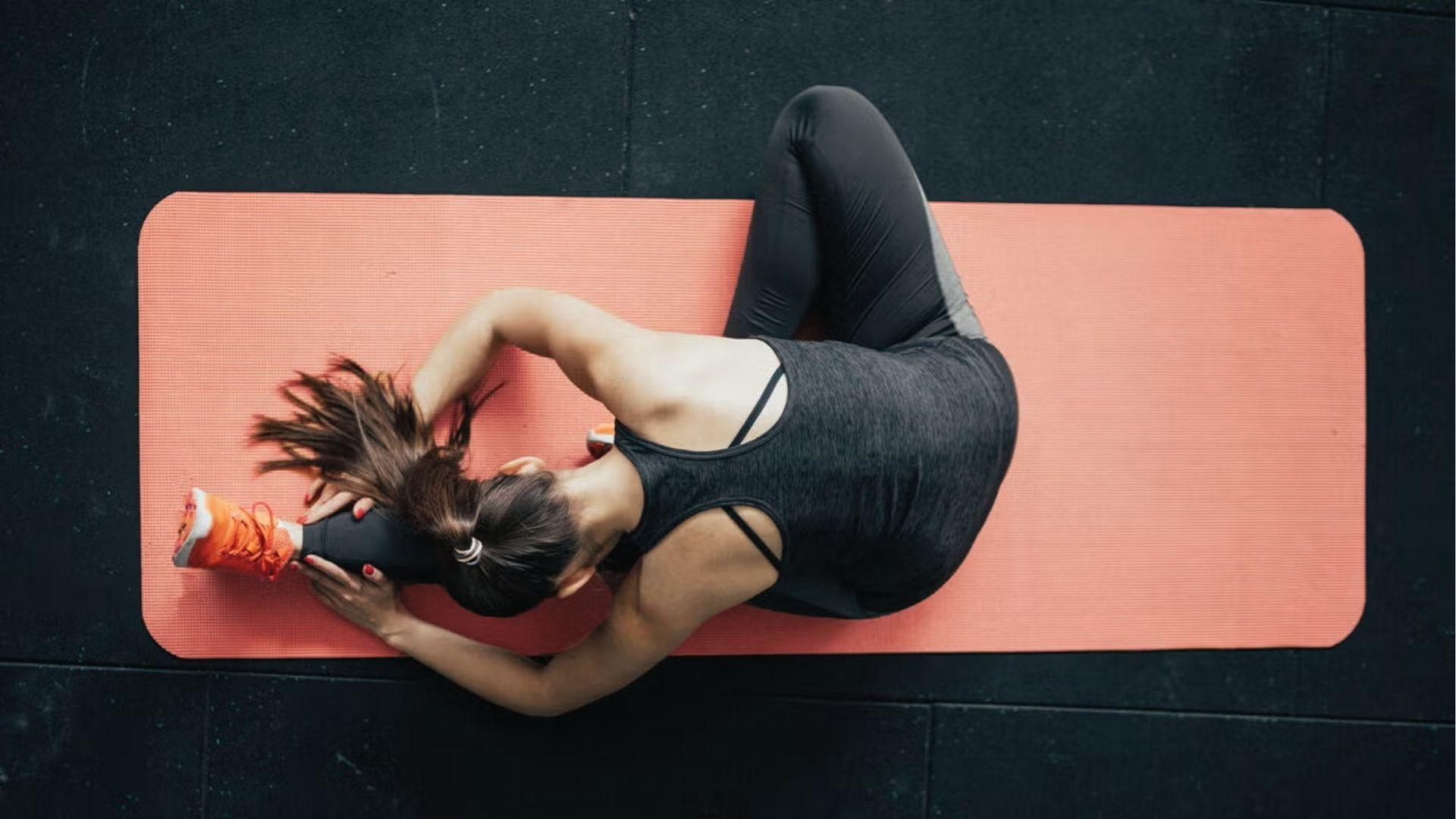
Week three shifts focus on how your body moves, stretches, and holds up through longer, harder sessions.
Dynamic Stretching and Warm-Ups
Spend five to ten minutes warming up. Leg swings, hip circles, and arm rotations prepare your joints and lower injury risk.
Balance and Stability Exercises
Single-leg squats and plank holds challenge your stabilizer muscles. These are often ignored but make a big difference in overall strength.
Full-Body Endurance Workouts
String five to six exercises together with minimal rest. Burpees, jump squats, and pushups in one circuit will test your stamina.
Progressive Overload in Calisthenics
You do not need heavier weights to progress. Add reps, slow down your tempo, or reduce rest. These methods keep your muscles challenged.
Week 4: The Best 28 Day Calisthenics Challenge Workout Plan

Week four brings everything together with high-intensity sessions, advanced movements, and a clear plan to track your progress.
High-Intensity Full-Body Circuits
Combine pushups, burpees, squats, and planks into back-to-back circuits. Rest only after completing a full round.
Advanced Bodyweight Exercise Variations
Try pike pushups, pistol squat progressions, and tuck holds. These are harder versions of moves you already know.
Strength and Conditioning Sessions
Mix strength sets with cardio bursts. Do ten pushups, then sprint in place for 20 seconds. Repeat four times.
Tracking Your Progress After 28 Days
Compare your starting numbers to your current ones. How many pushups can you do now? Can you hold a plank longer? These numbers matter.
How to Continue Calisthenics Training Long-Term
After week four, add new skills like muscle-up progressions or handstand work. Keep increasing difficulty slowly and stay consistent.
Best Exercises Included in the BetterMe 28 Day Calisthenics Challenge Style Routine

These are the core movements that make this challenge effective, covering every major muscle group using just your bodyweight.
Pushups and Pushup Variations
Standard, wide, diamond, and decline pushups. Each version targets your chest, triceps, and shoulders differently.
Squats, Lunges, and Jump Squats
These build serious lower-body power. Jump squats add a cardio element while still training strength.
Planks and Core Stability Exercises
Front planks, side planks, and plank shoulder taps. Your core connects your upper and lower body, so train it every week.
Burpees and Mountain Climbers
These two exercises work almost every muscle while keeping your heart rate high. Great for fat loss and conditioning.
Pullups, Chinups, and Bodyweight Rows
These are the best upper-back movements in calisthenics. If you do not have a bar, use a sturdy table for rows.
Tips to Get the Best Results From the 28 Day Calisthenics Challenge
Small habits done daily make the biggest difference over time.
- Stay consistent and complete your workouts every day
- Focus on proper form instead of rushing through exercises
- Get enough sleep and stay hydrated for better recovery
- Eat balanced meals with enough protein to support muscle growth
- Track your weekly progress to stay motivated and improve steadily
Conclusion
I finished the 28 day calisthenics challenge feeling stronger and more confident than when I started. No gym.
No equipment. Just the plan and the effort. If I can do it, so can you. Pick a start date and commit to it.
Your body will thank you in ways you did not expect. If this plan helped you or you have questions, drop a comment below.
Share this with someone who needs a push to start training. You are closer to your goal than you think.
Frequently Asked Questions
Does the 28 day calisthenics challenge really work?
Yes, it works when you stay consistent. Most people notice improved strength, endurance, and body control within the first two weeks.
Is the BetterMe 28 day calisthenics challenge beginner friendly?
Yes, it starts with basic movements and builds slowly. Beginners can follow it without any prior fitness experience.
How long does it take to see results from calisthenics?
Most people start seeing visible changes in two to four weeks with regular training and proper nutrition habits.
Can bodyweight workouts build muscle and strength?
Yes, bodyweight training builds real muscle when you apply progressive overload, rest well, and eat enough protein consistently.
What is the best 28 day calisthenics challenge for beginners?
A plan that starts with basic movements, adds difficulty each week, and includes rest days is the best starting point for beginners.