Want stronger legs? You’re in the right place. I’ve spent years testing different squat variations, and I’m here to share what actually works.
This guide covers 20 types of squats that will help you build muscle, gain strength, and improve your overall fitness.
You’ll learn which muscles each squat targets, how to do them correctly, and which ones match your current fitness level. From basic moves for beginners to advanced challenges for experienced lifters, I’ve got you covered.
Let’s get your legs stronger, one squat at a time. These are the same techniques I use in my own training, and they really deliver results.
Understanding Squats and Their Importance
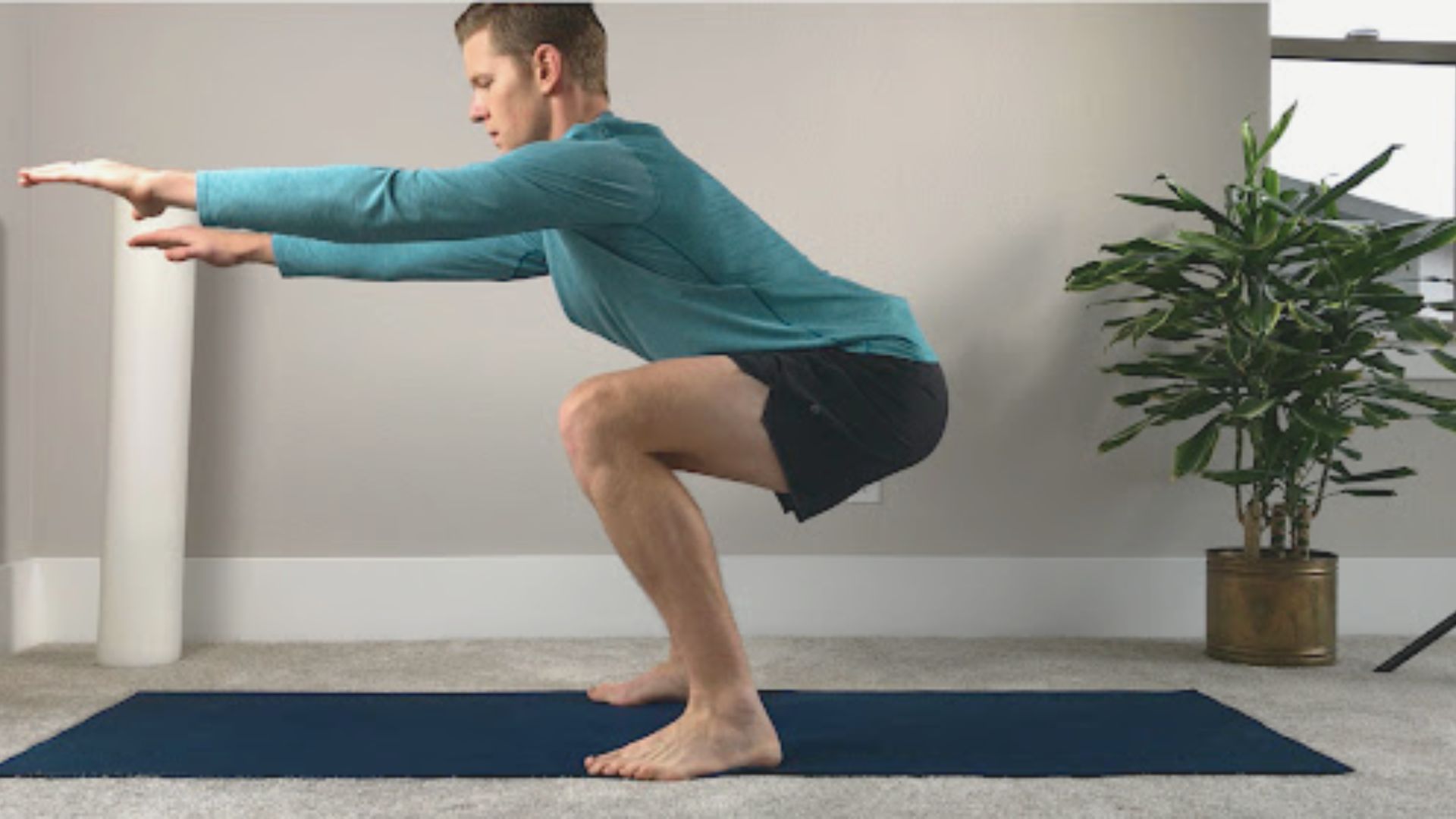
Squats are a fundamental lower-body exercise because they work multiple muscle groups at once. No other single movement builds leg strength as effectively while also improving how your body functions in real life.
Squats improve strength, mobility, and everyday functional fitness. When you squat regularly, you’ll notice it’s easier to sit down, stand up, climb stairs, and lift heavy objects. Your body learns to move better as a complete unit.
The role of squats in targeting quads, glutes, hamstrings, and core makes them incredibly efficient. Your quadriceps do the heavy lifting on the way up. Your glutes provide power and stability.
Your hamstrings control the downward movement. Your core keeps everything tight and protected throughout the entire motion.
Why Squats Matter for Building Leg Strength
Squats are one of the best exercises for your lower body. They work multiple muscle groups at once, making them super efficient. Regular squatting helps you get stronger, move better, and burn more calories.
Muscles Worked During Squats
Quadriceps are the large muscles on the front of your thighs. They do most of the work when you stand up from a squat.
Hamstrings sit on the back of your thighs. They help control your descent and provide stability.
Glutes are your butt muscles. They’re crucial for power and help you drive back up.
Core and stabilizing muscles include your calves, adductors, and obliques. These keep you balanced and protect your spine.
Benefits of Squats
Build lower body strength that carries over to daily activities like climbing stairs or lifting objects.
Improve posture, balance, and mobility by strengthening the muscles that support your spine and joints.
Boost calorie burn and functional fitness since squats work so many muscles at once. Your body burns more energy during and after your workout.
20 Different Types of Squats
A complete guide to squat variations that build stronger legs, improve muscle balance, and enhance overall lower-body strength for all fitness levels.
1. Air Squat

This is your basic bodyweight squat. You don’t need any equipment. Stand with feet shoulder-width apart, lower your hips back and down, then stand back up.
Air squats are perfect for beginners learning proper form. They also make great warm-ups before heavier lifting.
2. Wall Squat

You hold a seated position against a wall. Your back stays flat against the surface while your thighs stay parallel to the ground.
This isometric hold strengthens your quads, glutes, and knees. It builds endurance in your leg muscles.
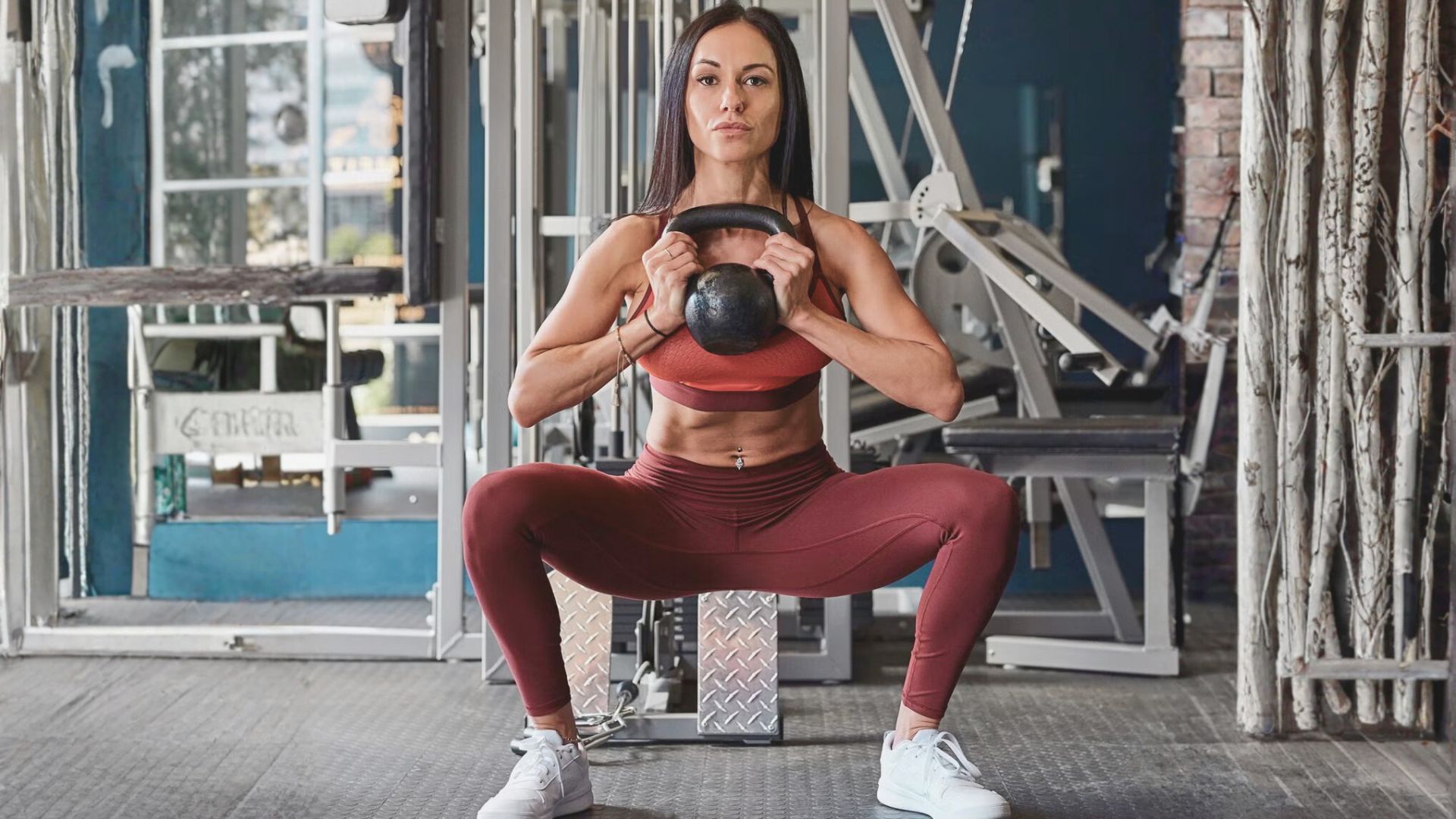
3. Goblet Squat

Hold a dumbbell or kettlebell at chest height. The weight sits in front of your body, close to your chest.
This front-loaded position engages your core while working your quads and glutes. It helps you maintain an upright posture.
4. Front Squat
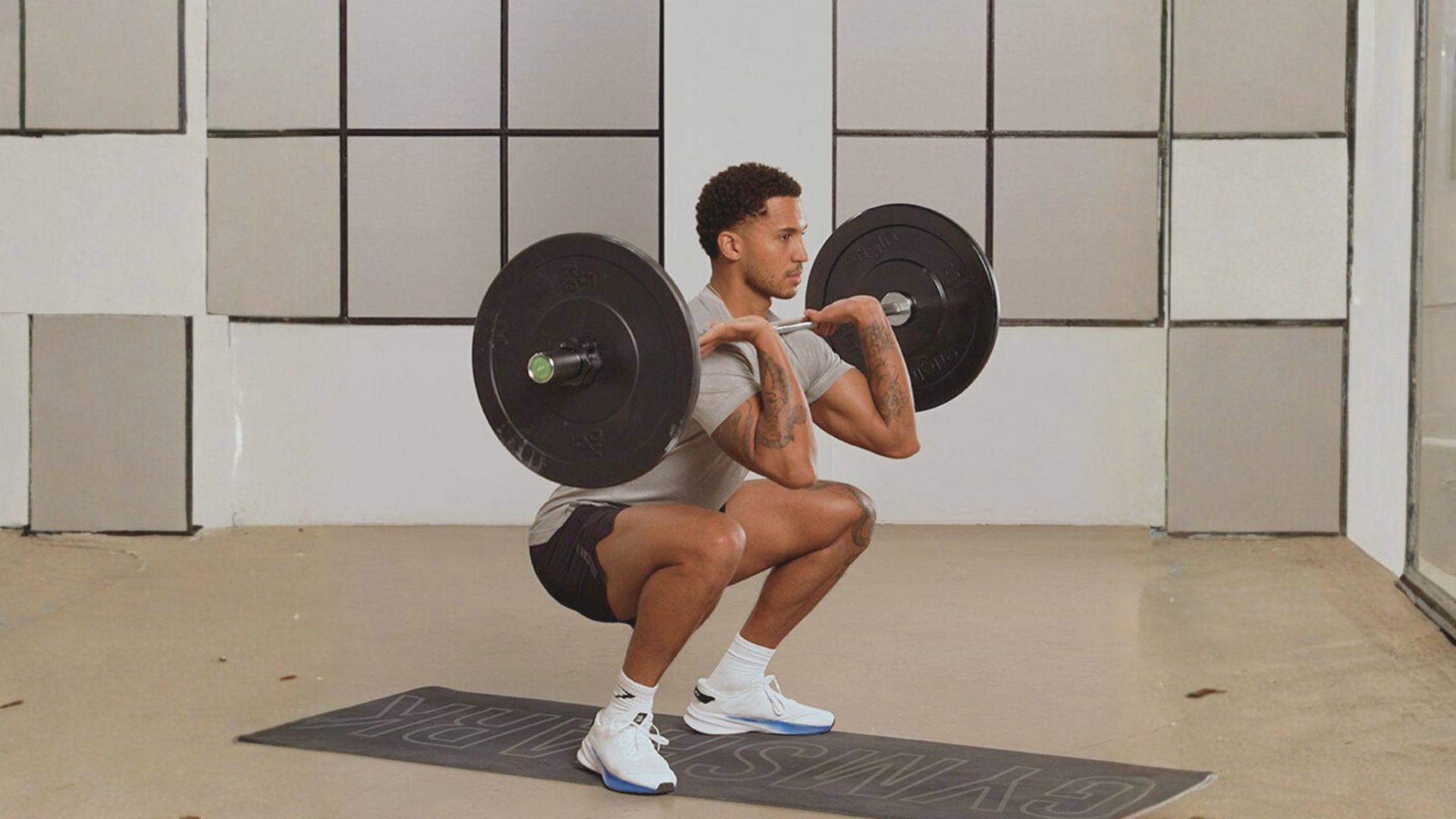
The barbell rests across the front of your shoulders. Your elbows point forward, and your upper arms stay parallel to the ground.
Front squats reduce lower back pressure compared to back squats. They really target your quads.
5. Skater Squat
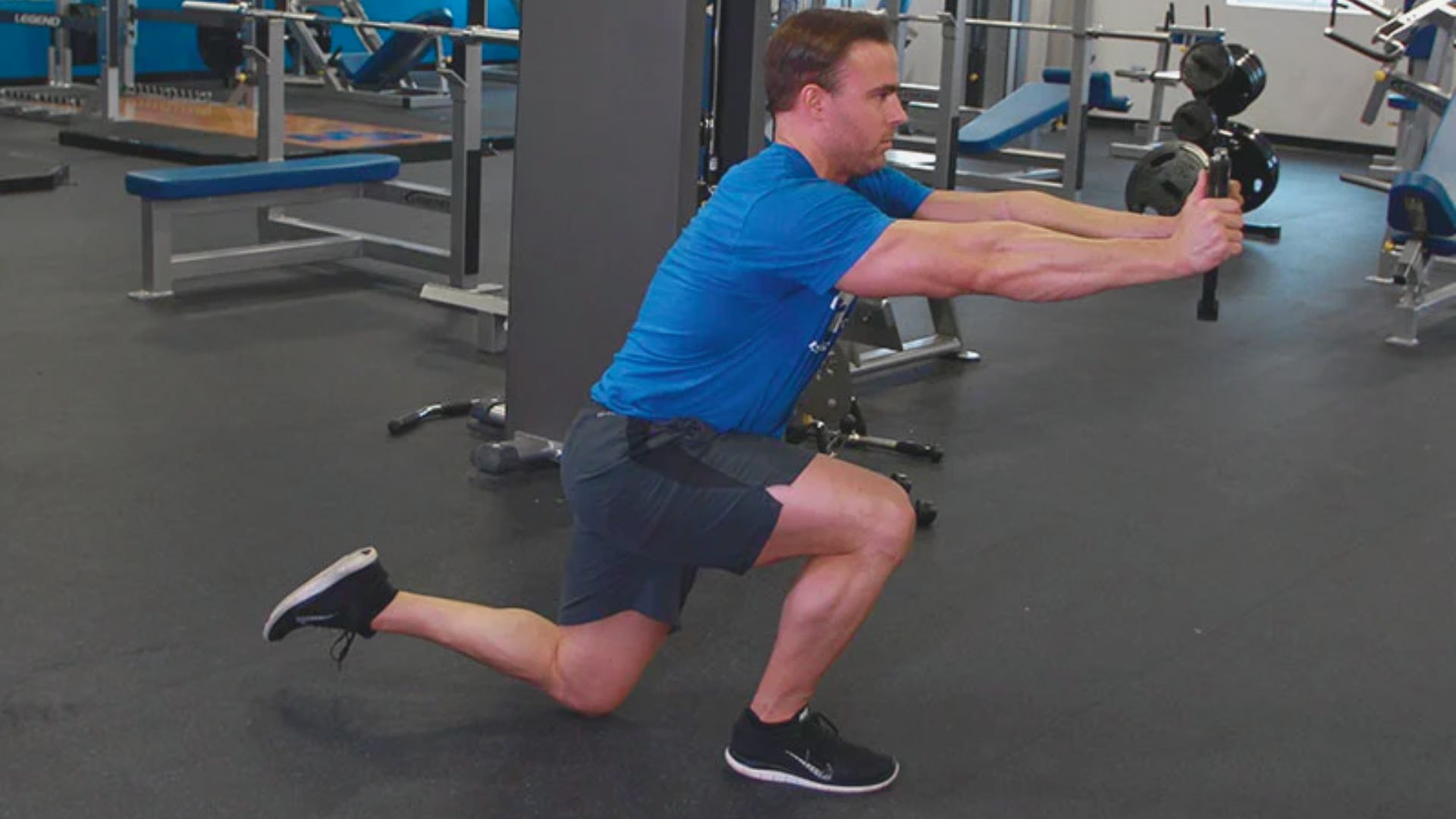
This single-leg movement challenges your balance. One leg lowers toward the ground while the other stays elevated behind you.
Skater squats target your glutes, hamstrings, and core. They also improve coordination.
6. Hack Squat
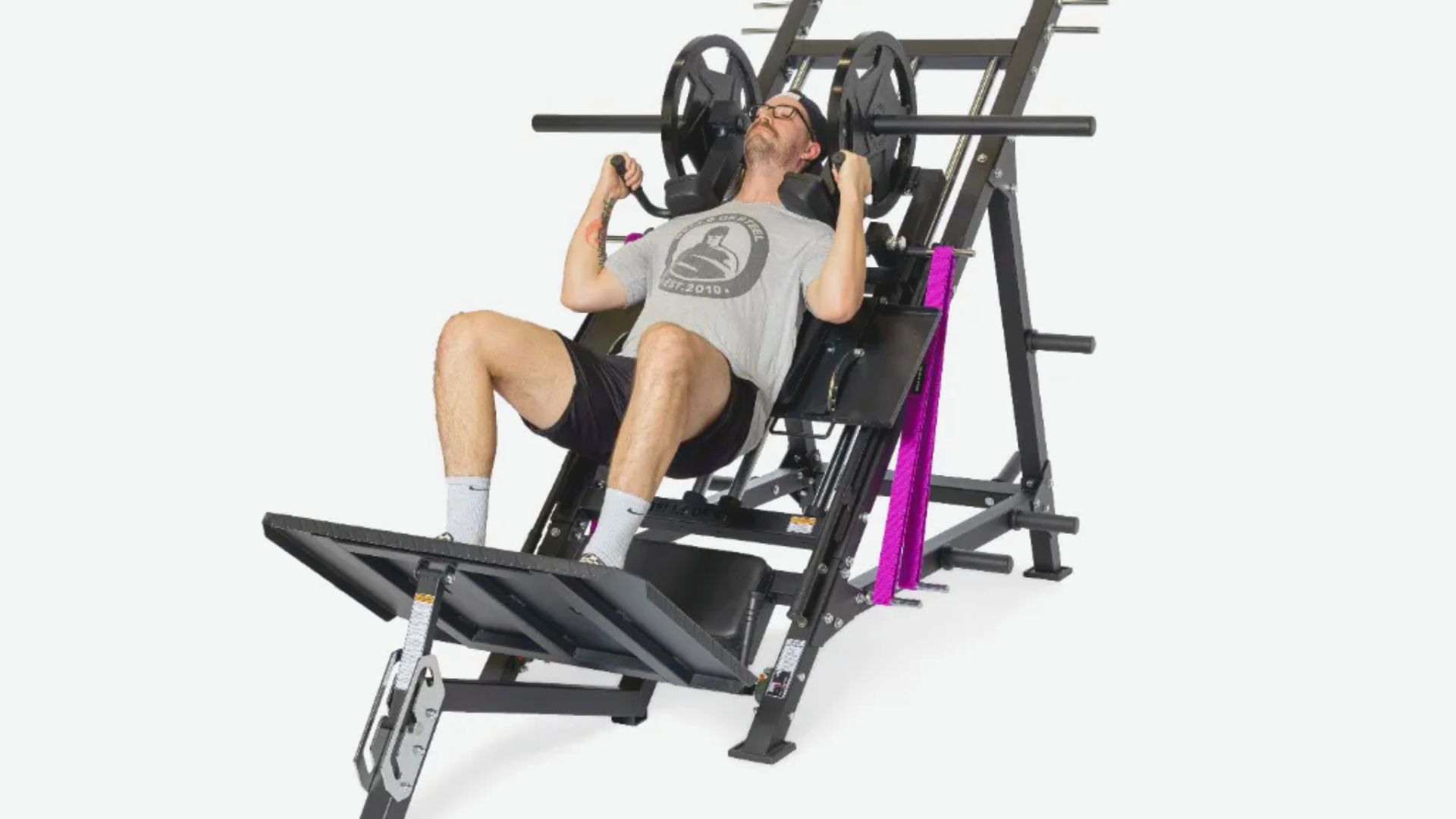
You hold a barbell behind your legs. The bar sits at arm’s length behind your body as you squat.
This variation is quad-dominant and requires good core stability. It offers a different angle of resistance.
7. Zercher Squat

You cradle the bar in the crook of your elbows. This unusual position forces your core to work harder.
Zercher squats work your quads, glutes, hamstrings, and core all at once. They’re challenging but effective.
8. Sumo Squat
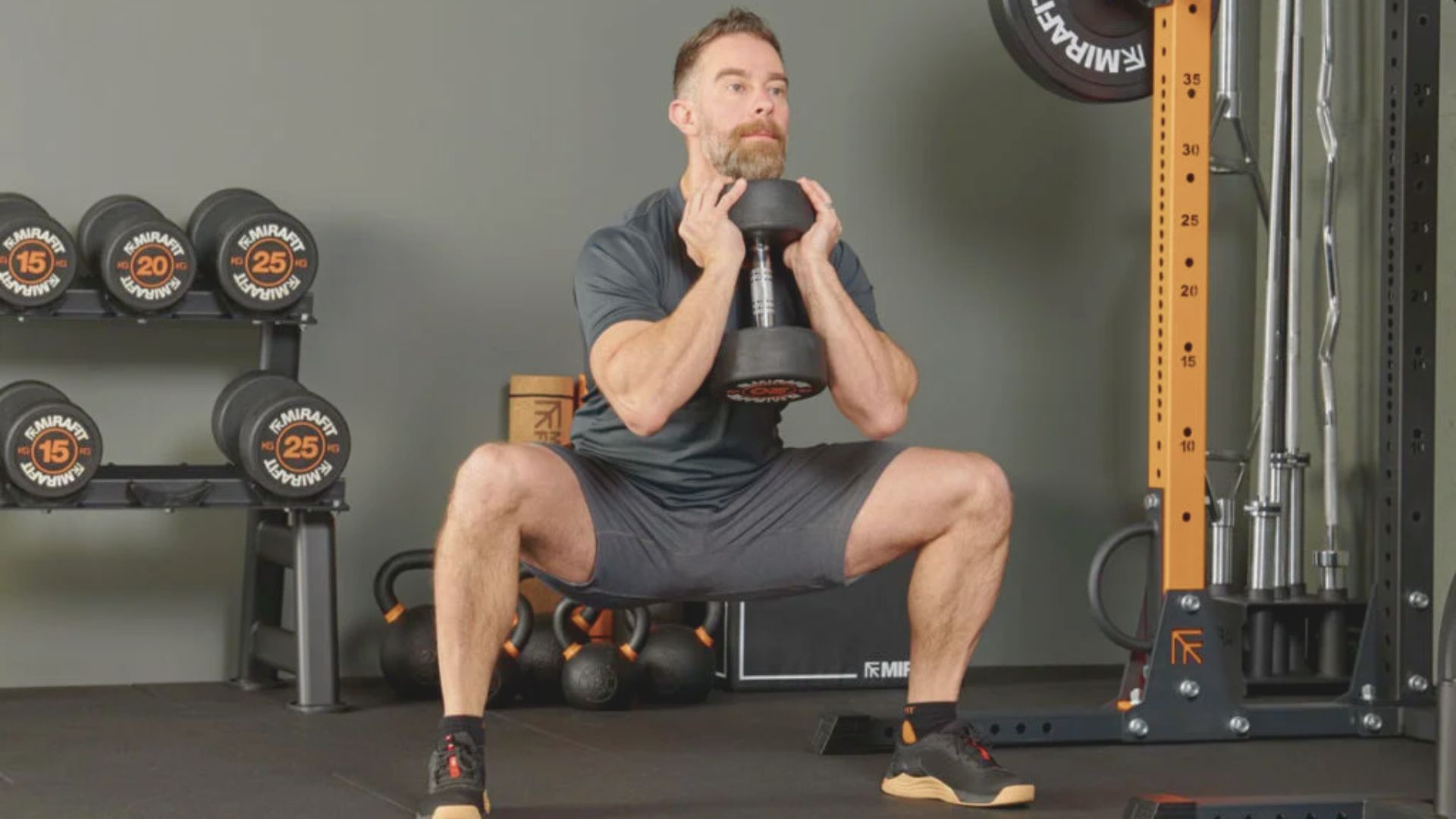
Take a wide stance with your toes pointed outward. Your feet should be wider than shoulder-width.
Sumo squats target your inner thighs and glutes more than regular squats. They’re great for hip mobility.
9. Narrow Stance Squat
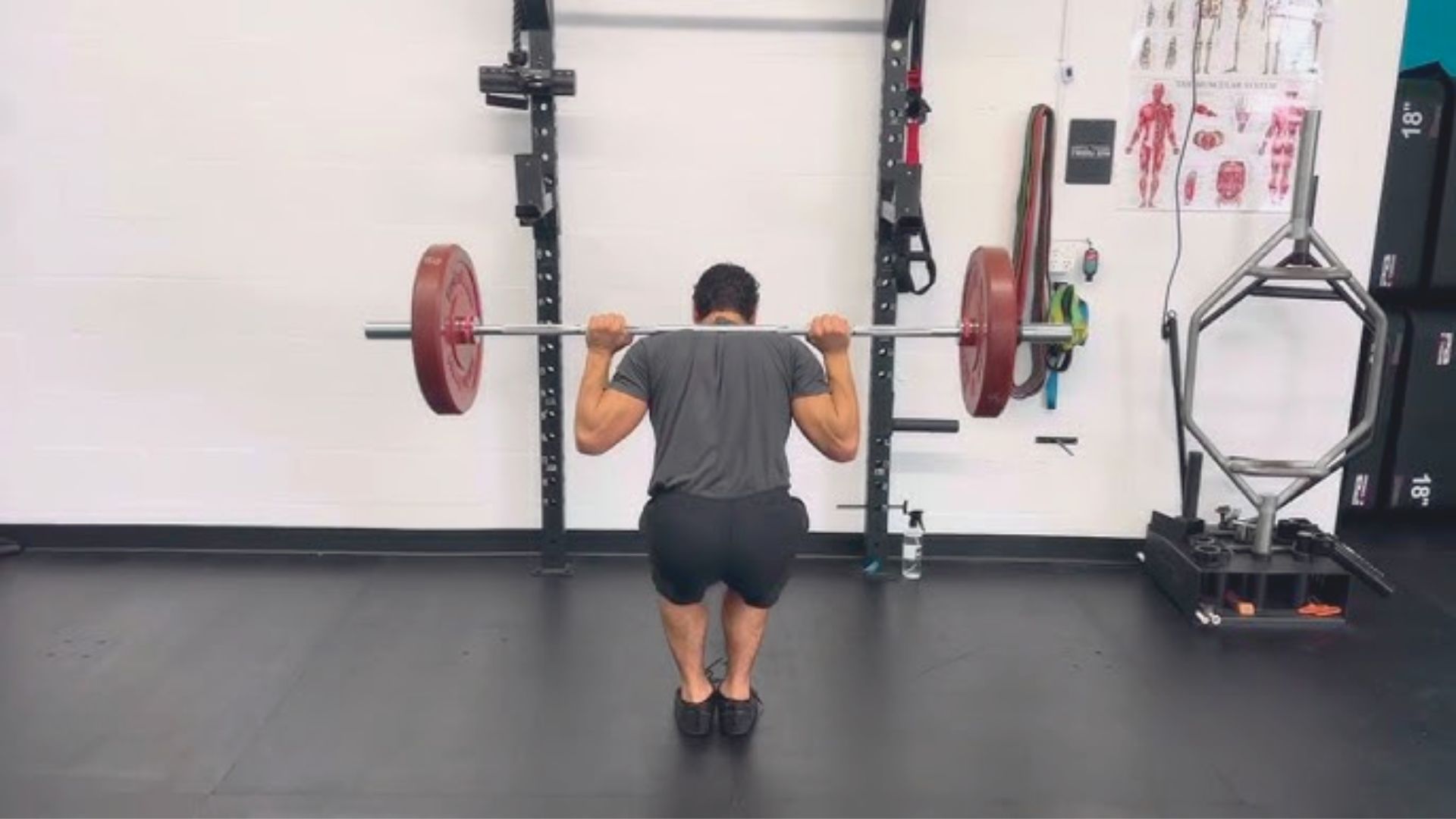
Place your feet close together. Your stance is much narrower than a regular squat.
This version emphasizes your quads, inner thighs, and balance. It requires good ankle mobility.
10. Squat to Side Leg Raise
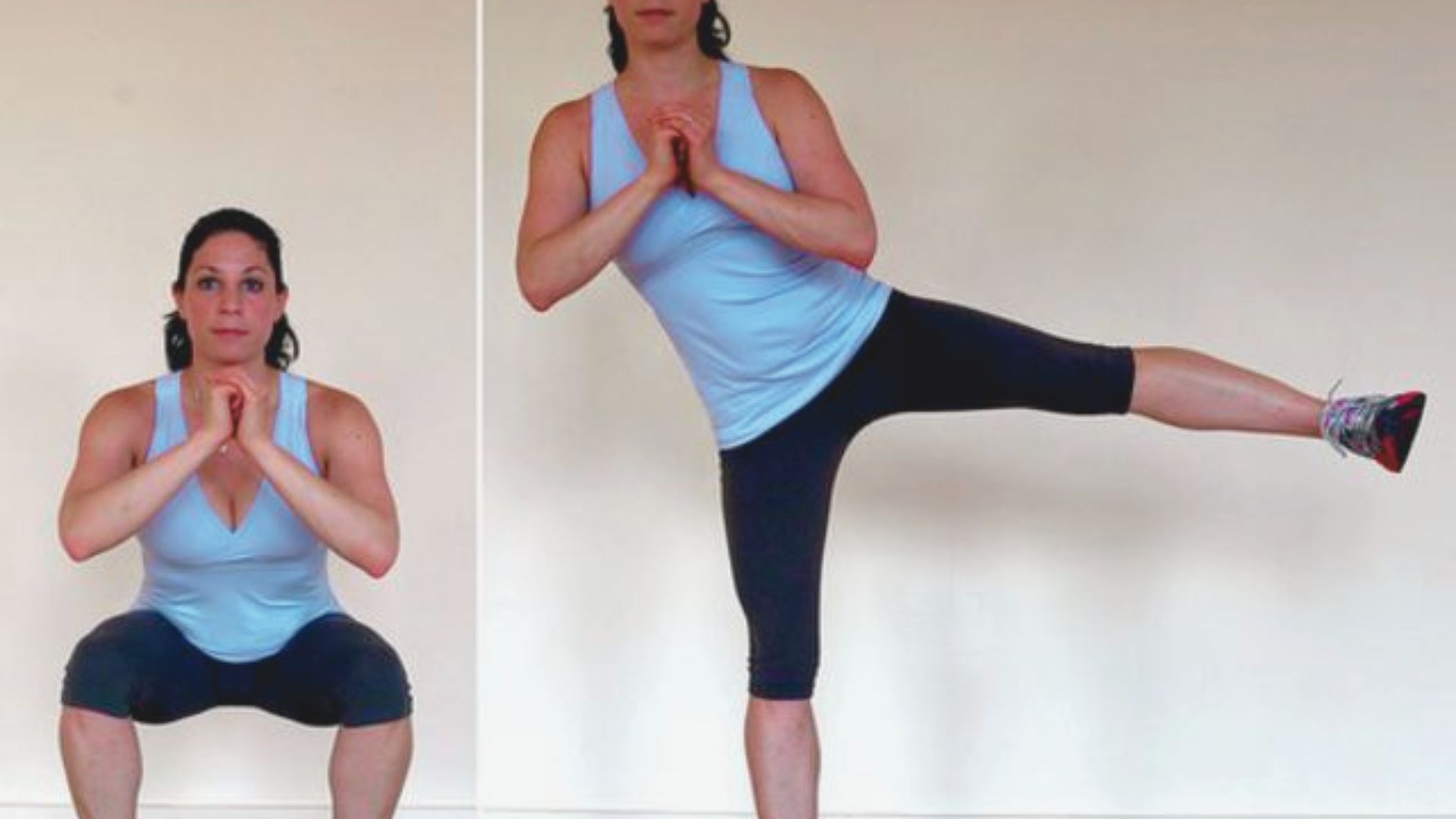
After squatting up, lift one leg out to the side. Alternate legs with each rep.
This combo hits your outer thighs while adding a coordination challenge. You’ll feel it in your hip abductors.
11. Squat Jumps

Add an explosive jump at the top of each squat. Land softly and immediately go into the next rep.
Plyometric squats build explosive power. They develop fast-twitch muscle fibers for athleticism.
12. Narrow to Wide Squat Jump

Jump from a narrow stance to a wide stance. Each jump alternates your foot position.
This dynamic variation hits both inner and outer thighs. It keeps your heart rate up, too.
13. Bulgarian Split Squat

Lifts your back foot on a bench. Your front leg does most of the work while the back leg provides balance.
Bulgarian split squats improve stability while crushing your glutes and quads. They fix strength imbalances between legs.
14. Split Squat
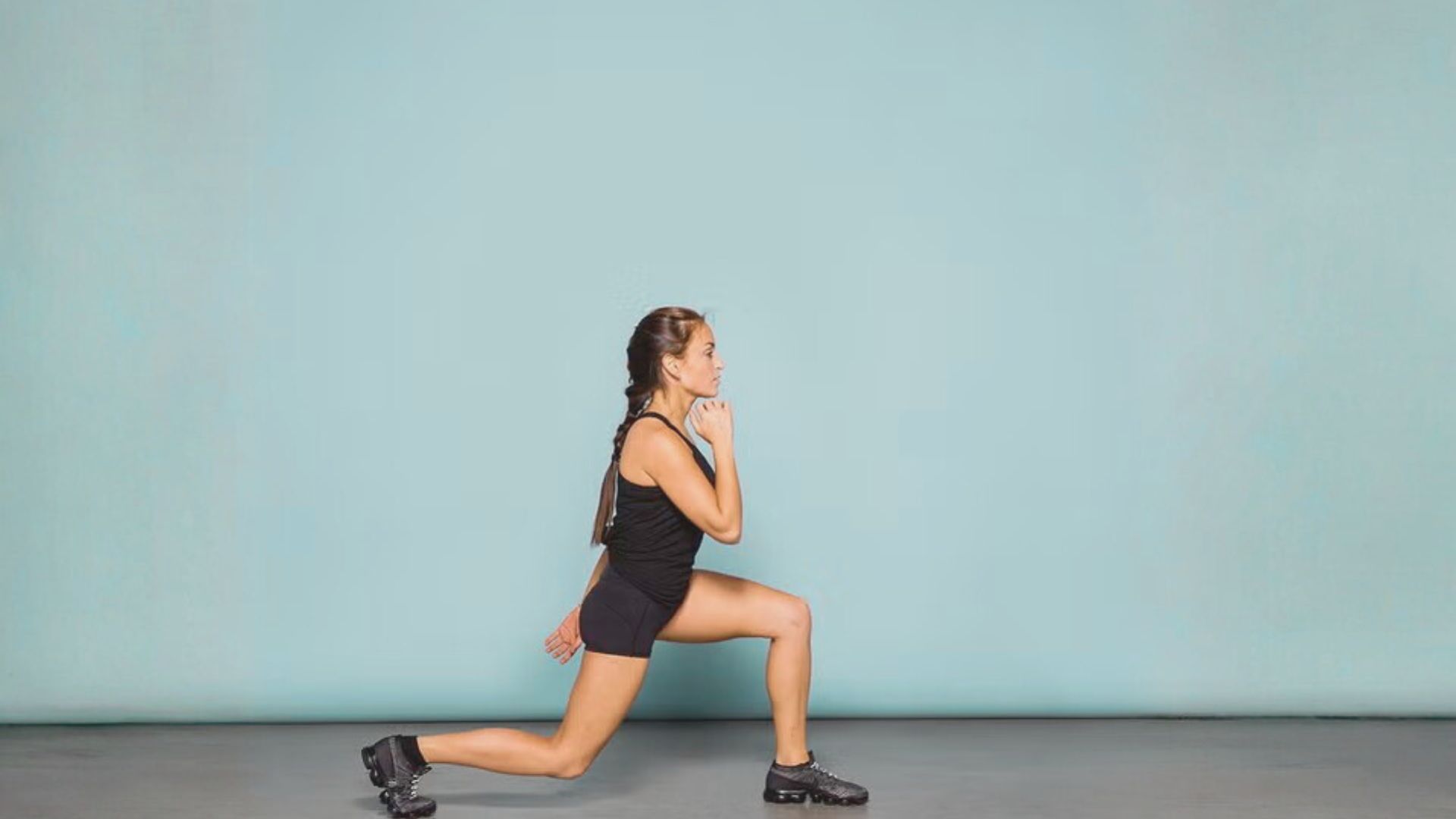
Use a staggered stance with both feet on the ground. Your front foot stays flat while your back heel lifts.
Split squats focus on quads, glutes, and core stability. They’re easier to learn than Bulgarian split squats.
15. Single-Leg Box Squat
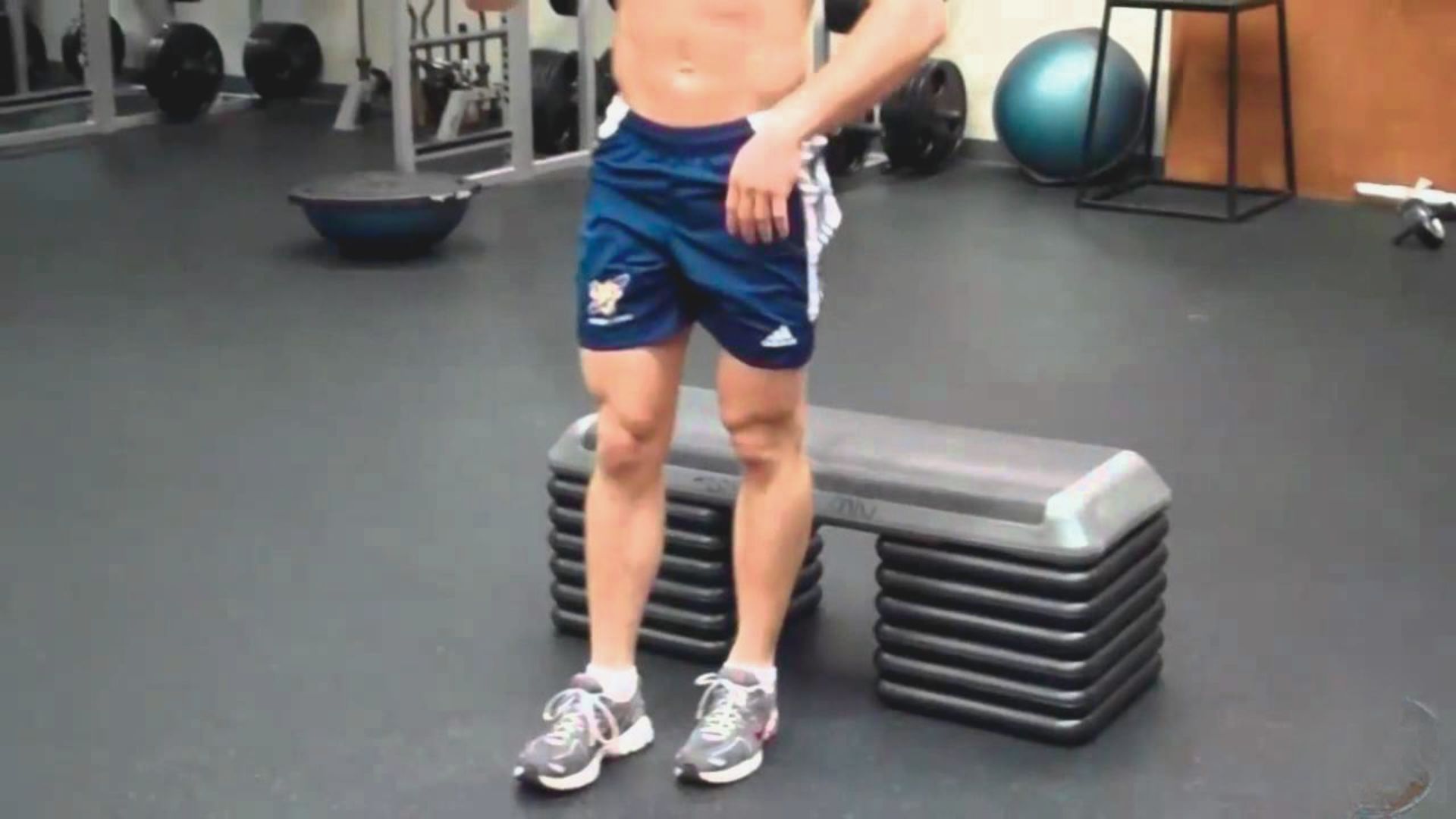
Sit back onto a box using only one leg. The box provides a safety net while you build strength.
This assisted variation builds unilateral strength and balance. You can adjust the box height as you get stronger.
16. Pistol Squat

Squat on one leg with the other extended straight out. This advanced move requires serious strength and flexibility.
Pistol squats demand strength, balance, and mobility all at once. They’re a true test of leg power.
17. Sissy Squat
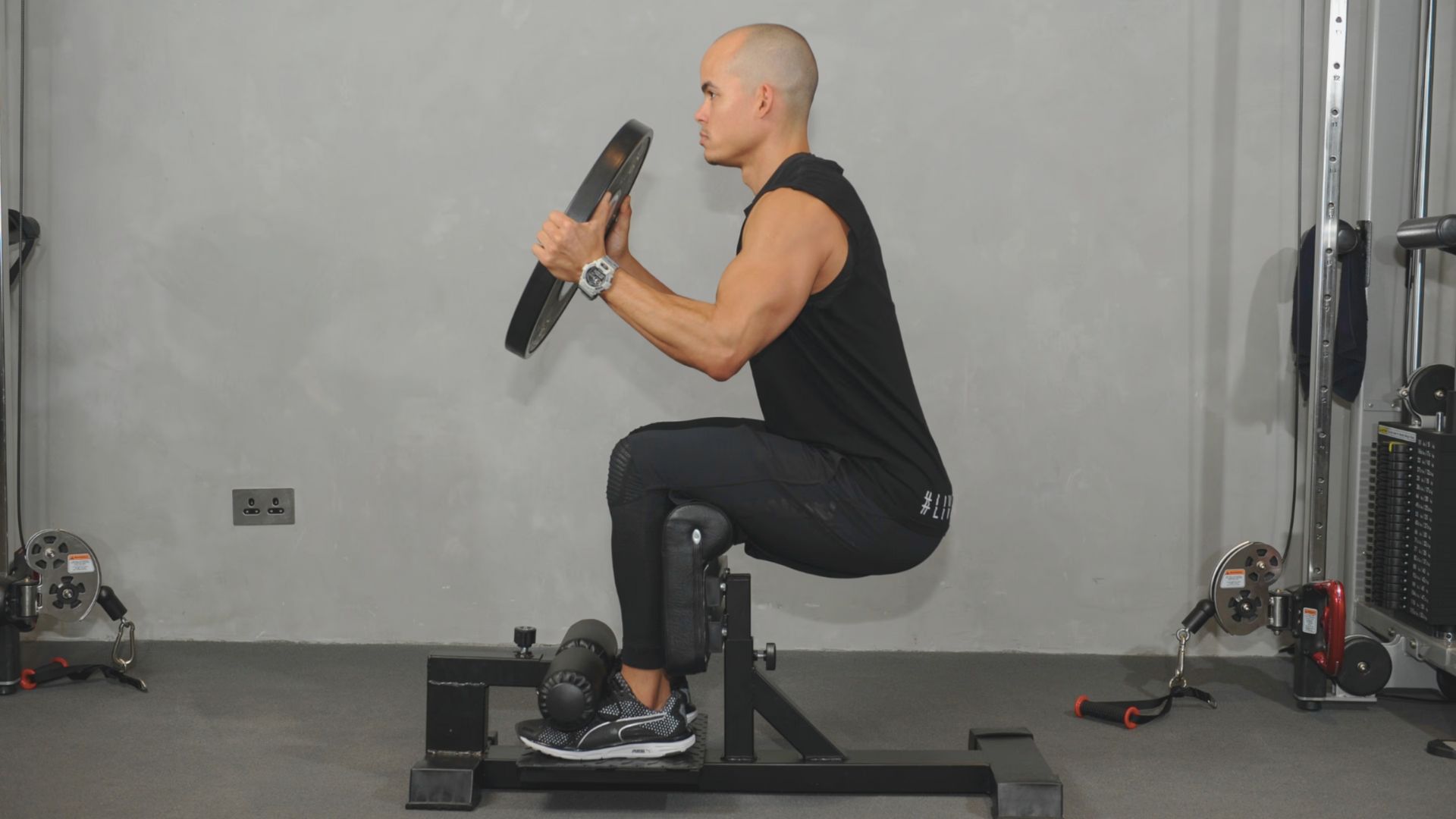
Lean back as you bend your knees. Your knees travel far forward while your torso leans back.
This quad-focused movement involves minimal hip action. It improves balance and core control.
18. Squat to Curl Press

Combine a squat with an overhead press. Hold dumbbells, squat down, stand up while curling, then press overhead.
This full-body move offers both strength training and cardiovascular benefits. You’ll work your entire body.
19. Offset Kettlebell Squat
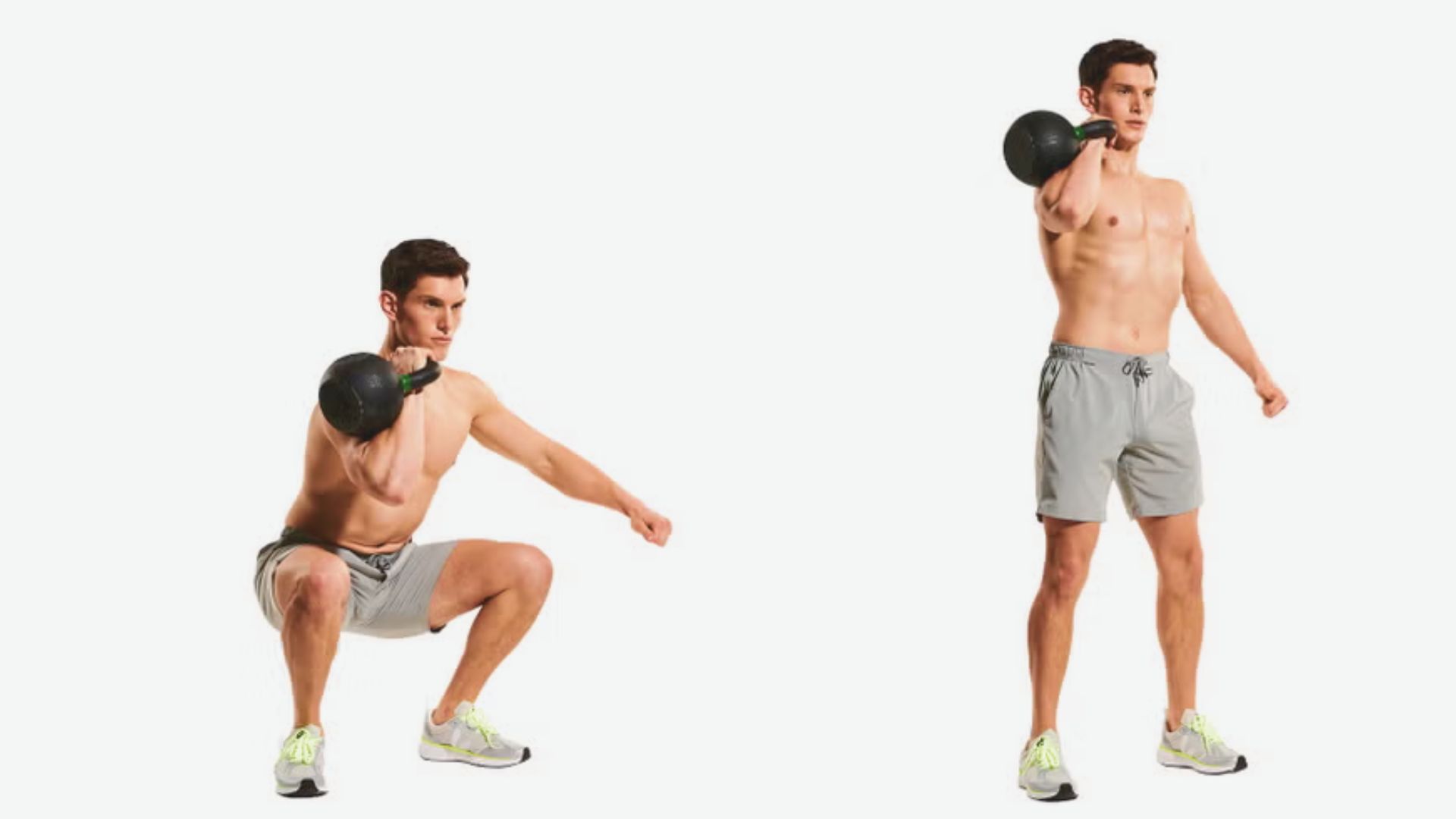
Hold weight on only one side of your body. The uneven load challenges your core and obliques.
Offset squats build stability and anti-rotation strength. Your abs work overtime to keep you balanced.
20. Overhead Squat

Hold a barbell overhead with straight arms. Keep the weight stable above your head throughout the squat.
This advanced technique tests your mobility, posture, and stability all at once. It’s one of the hardest squat variations.
Tips for Maximizing Squat Workouts
Get the most out of every squat with these simple strategies.
- Master basic form first. Proper technique prevents injuries and gets better results. Keep your chest up, knees tracking over your toes, and maintain a natural curve in your back.
- Mix and match variations. Doing different squat types keeps your muscles guessing. Rotate through several types each week to prevent boredom and ensure balanced development.
- Gradually increase load and difficulty. Start where you are and progress slowly. Add weight in small increments or try plyometric movements as you advance.
- Engage your core throughout. A strong core protects your spine during squats. Brace your abs before each rep and maintain that tension.
- Focus on balance and stability. Good balance prevents injuries and makes your squats more effective. This translates directly to better strength gains.
Conclusion
Squats have changed my training completely. These 20 variations give you options no matter your fitness level. Start with the basics, focus on good form, and gradually try new types.
Your legs will get stronger, and you’ll feel the difference in everyday activities. I still get excited trying new squat variations in my workouts.
Which type will you try first? Drop a comment below and let me know how your squat training goes. Check out our related guides for more leg-building tips.
Frequently Asked Questions
How often should I do squats each week?
Two to three times per week works well for most people. Make sure to rest at least one day between squat sessions for proper muscle recovery.
Can beginners start with weighted squats?
Start with bodyweight air squats first. Once you can do 15-20 reps with good form, you can add light weights.
Do squats make your thighs bigger?
Squats build muscle in your thighs. The amount of growth depends on your diet, genetics, and how you train.
Which squat type is best for glutes?
Sumo squats, Bulgarian split squats, and goblet squats work great for glutes. Single-leg variations also activate your butt muscles really well.
How low should I squat?
Lower until your thighs are parallel to the ground. You can go deeper if you have good mobility and maintain proper form.