

I used to track calories obsessively one week and completely ignore them the next. Neither approach worked.
Then I landed on 1900 calories a day. Not too restrictive. Not excessive. Just enough structure to actually produce results.
What surprised me was how normal eating felt. No hunger spirals. No guilt. Just consistent meals that kept me on track.
But here is the thing most people get wrong about a 1900 calorie meal plan. It is not just about the number. It is about what fills those calories.
So what does a day of eating actually look like? Let me show you.
What Is a 1900 Calorie Meal Plan?
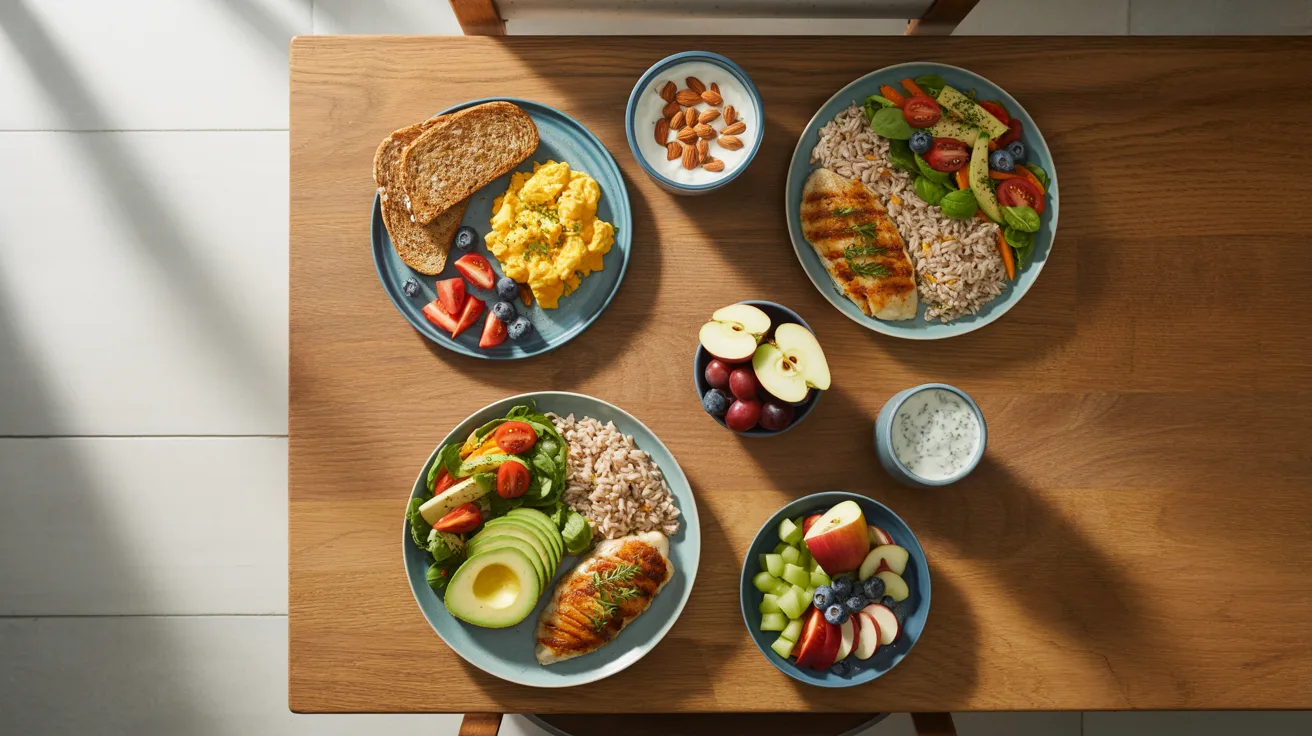
A 1900 calorie meal plan means you are eating a total of 1900 calories across your day through structured meals and snacks. It is not a crash diet. It is a controlled, balanced approach to eating.
For most moderately active adults, daily calorie needs fall somewhere between 1800 and 2400 calories. 1900 sits right in the middle of that range, making it a practical starting point for a wide range of goals.
The plan works best when those 1900 calories come from quality sources. Protein, complex carbohydrates, healthy fats, and fibre all have a role to play here.
Balance across macronutrients is what separates a plan that works from one that leaves you tired and hungry by mid-afternoon.
Who Should Follow a 1900 Calorie Diet?

For people looking to lose fat, 1900 calories often creates a small, manageable deficit without the misery that comes with extreme cuts. You lose fat and keep your energy up at the same time.
Smaller or lighter individuals who are not trying to lose weight can use this intake for maintenance. It keeps the body fuelled without pushing into a surplus.
If lean muscle building is your goal, 1900 calories with a high protein intake gives your body enough fuel to support strength training and recovery without adding excess fat.
The biggest advantage of this plan is how liveable it is. It does not ask you to eliminate food groups or survive on tiny portions. That makes it far easier to sustain over weeks and months.
Ideal Macronutrient Breakdown for 1900 Calories
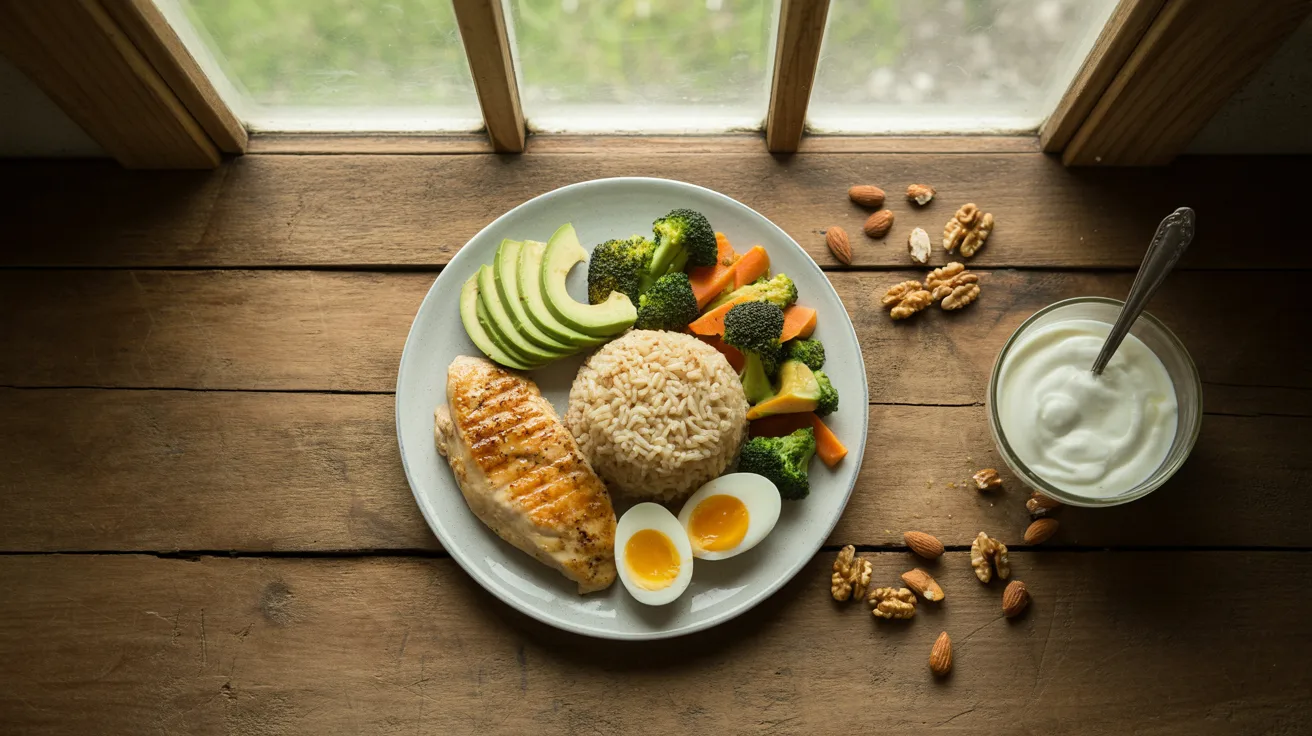
Getting your macros right is just as important as hitting the calorie number. Here is a practical split that works well across most goals.
Protein should make up 25 to 35 percent of your intake. That works out to roughly 120 to 165 grams per day. A 1900 calorie meal plan high protein setup like this improves muscle retention, reduces cravings, and keeps you fuller for longer.
Carbohydrates should sit at 35 to 45 percent of total calories. That is around 165 to 215 grams. Carbs fuel your workouts and keep your brain sharp throughout the day.
Fats should cover the remaining 20 to 30 percent, or about 42 to 63 grams. Healthy fats from sources like eggs, nuts, and olive oil support hormone function and absorption of key vitamins.
Do not stress about hitting these numbers exactly every day. Get close consistently and the results will come.
Sample 1900 Calorie Meal Plan (Full Day)
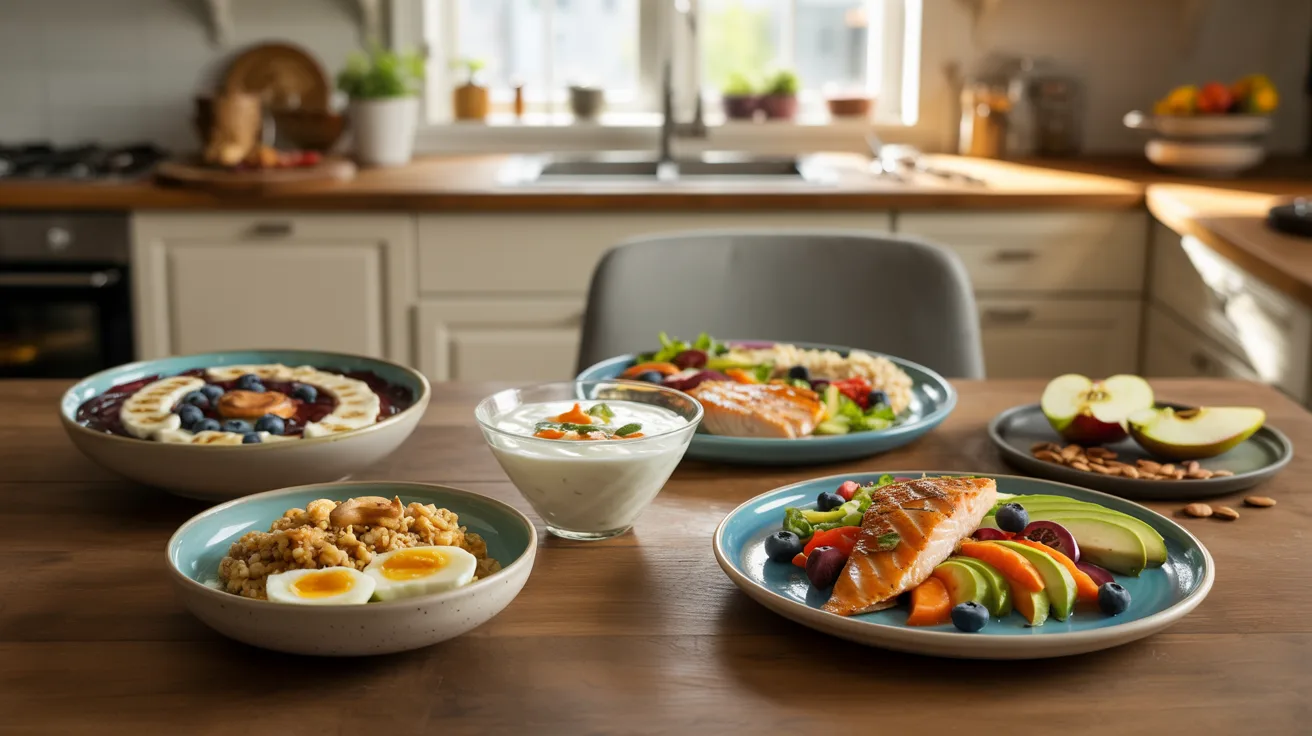
Here is a practical, realistic full day of eating built around the 1900 calorie target. Each meal is designed to be simple, filling, and easy to prepare.
Breakfast (400 to 450 Calories)
Start the day with oats cooked in water or low-fat milk, one scoop of whey protein stirred in, a tablespoon of peanut butter, and a handful of berries or a sliced banana on top.
This combination gives you a strong protein hit, slow-digesting carbs, and healthy fats all in one bowl. It keeps you full well past mid-morning.
The fibre from the oats and fruit also supports digestion and helps manage hunger throughout the rest of the day.
Mid-Morning Snack (Around 200 Calories)
Keep this simple. A cup of Greek yoghurt, two boiled eggs, or a small protein smoothie made with milk and a scoop of protein powder all work well here.
The goal is to bridge the gap between breakfast and lunch without letting hunger build to the point where you overeat at your next meal.
Pick whichever option fits your schedule. Boiled eggs are the easiest to prep in advance.
Lunch (500 to 550 Calories)
Lunch is your biggest and most balanced meal of the day. Aim for a lean protein, a complex carbohydrate, and a solid serving of vegetables.
A good example is grilled chicken or paneer with brown rice or two rotis and a side of mixed vegetables cooked in a small amount of oil. This hits all three macros in the right proportions.
Do not rush this meal. Eating it slowly helps with satiety and means you are less likely to reach for extra food an hour later.
Evening Snack (200 to 250 Calories)
A small handful of mixed nuts with a piece of fruit or a simple protein shake works perfectly here. It gives you an energy lift before or after an evening workout.
This snack also prevents you from arriving at dinner overly hungry, which is when portion control tends to fall apart.
Keep it quick and portable if your afternoons are busy. A protein bar with decent ingredients counts too.
Dinner (450 to 500 Calories)
Dinner should be light but satisfying. A lean protein like grilled chicken, fish, or tofu paired with roasted or steamed vegetables and a small amount of healthy fat from olive oil or avocado works well.
Keep carbohydrates lower at this meal if fat loss is your main goal. Your body needs less fuel in the evening compared to earlier in the day.
Eating a protein-focused dinner supports overnight muscle repair, especially if you trained earlier in the day.
Vegetarian 1900 Calorie Meal Plan Option
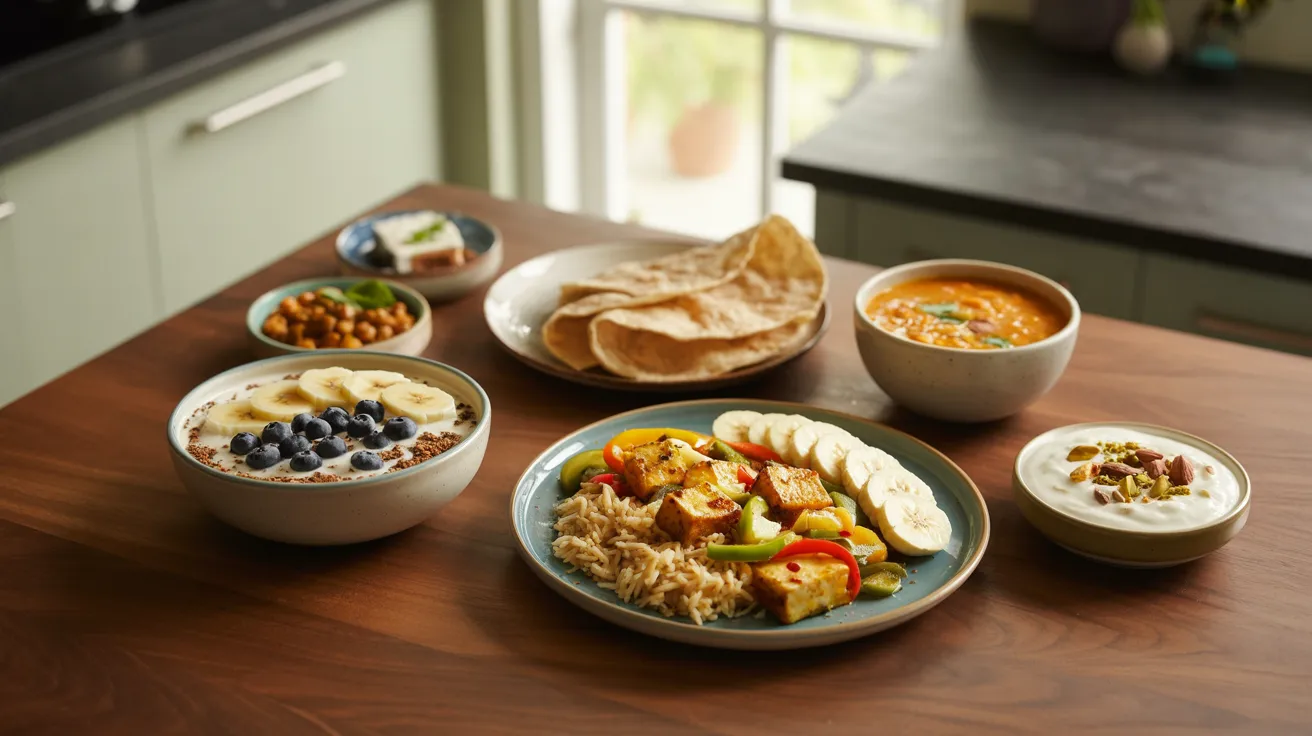
Following a vegetarian version of this plan is completely workable. The key is combining plant-based and dairy protein sources to hit your daily protein target.
Paneer, tofu, lentils, chickpeas, and Greek yoghurt are your most valuable protein sources. Used across meals, they can easily get you to 120 grams of protein per day.
Vegetarians can absolutely follow a 1900 calorie meal plan high protein approach by being intentional about protein at every meal. It requires a bit more planning but no complicated substitutions.
A sample vegetarian day might look like oats with protein powder for breakfast, a paneer stir fry with rice for lunch, lentil soup with roti for dinner, and Greek yoghurt and nuts as snacks across the day.
How to Customise Your 1900 Calorie Meal Plan
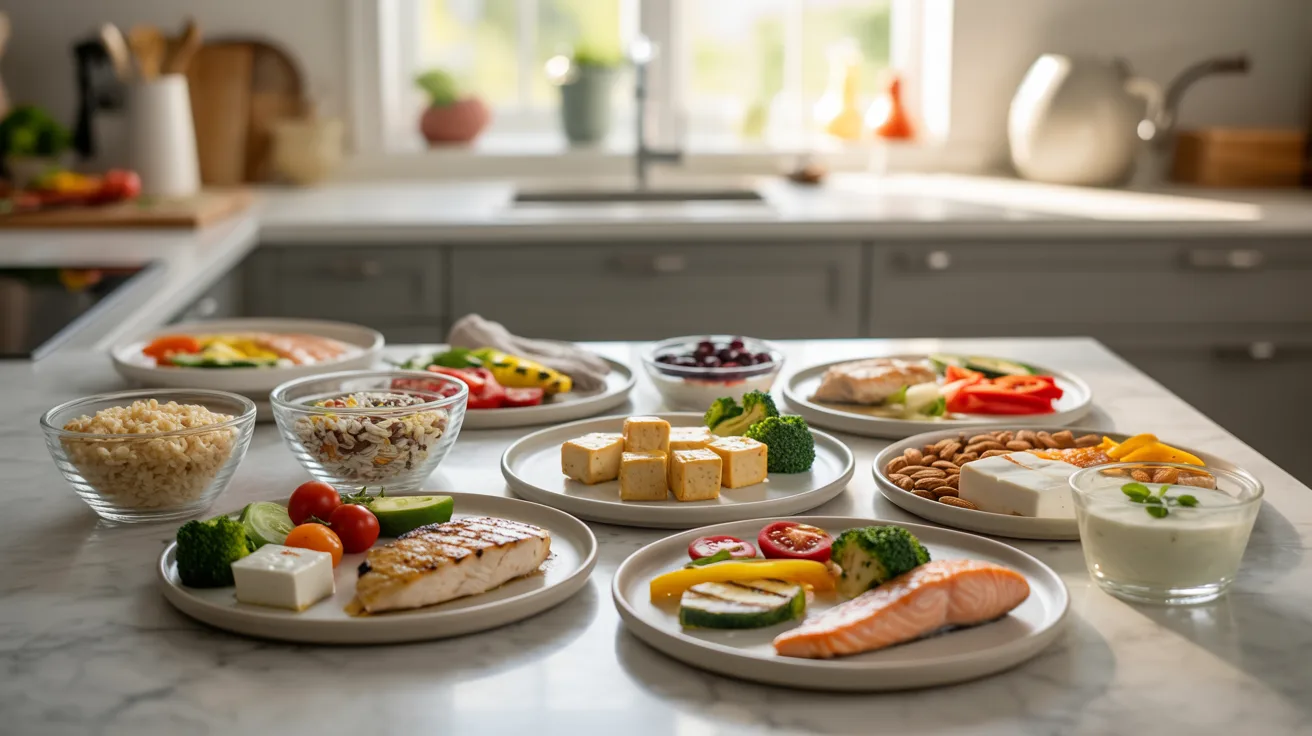
No two people have exactly the same needs. The 1900 calorie target is a strong starting point, but it should be adjusted based on your specific situation.
If you are very active, training five or more days per week, you may need to nudge calories up by 100 to 200 to support recovery. If you are mostly sedentary, the plan may already be at maintenance or slightly above.
Swapping foods within the same calorie and macro range is the easiest way to keep the plan flexible. Swap chicken for fish. Swap rice for oats. Keep the numbers similar and the structure stays intact.
Your fitness goal matters too. A fat loss phase keeps the plan as is or adds a small deficit. A muscle-building phase might push calories slightly higher while keeping protein the same or higher.
Benefits of Following a 1900 Calorie Diet
A well-structured 1900 calorie meal plan delivers real, lasting benefits without asking you to suffer through restriction or eliminate the foods you enjoy. Here is what you can realistically expect.
- Steady, sustainable weight management without the swings that come with extreme diets
- Consistent energy levels throughout the day because your body is being fuelled properly
- Better adherence compared to very low calorie plans because you are not constantly hungry
- Stronger muscle retention and growth when paired with regular strength training
- Gradual development of long-term eating habits that outlast any single diet phase
- Reduced cravings because meals are built around protein and fibre, which are the two most satisfying nutrients
The biggest benefit I noticed personally was how normal eating felt on this plan. No obsessing. No guilt. Just structured, consistent meals that kept me on track without making food stressful.
Conclusion
Most people overcomplicate eating and then wonder why nothing sticks.
A 1900 calorie meal plan cuts through that noise. No extremes. No eliminating food groups. Just structure, consistency, and meals that actually work for your life.
The hardest part is starting. Everything else gets easier from there.
Pick one day this week and follow the full plan exactly as written. See how it feels.
Already following a similar plan? Tell me what a typical day looks like for you in the comments. And share this with someone who keeps saying they will sort their diet out soon.
Frequently Asked Questions
Is a 1900 Calorie Meal Plan Good for Weight Loss?
Yes, for most moderately active people it creates a manageable calorie deficit that supports steady fat loss. The result depends on your individual maintenance calories, so track your progress over two to three weeks and adjust if needed.
Can I Build Muscle on a 1900 Calorie Diet?
Yes, especially when protein intake is kept high and the plan is paired with consistent strength training. It works best for maintaining or building lean muscle rather than aggressive bulking.
How Much Protein Should I Eat in a 1900 Calorie Meal Plan?
Aim for 120 to 160 grams of protein per day depending on your bodyweight and goals. Higher protein intake helps preserve muscle during fat loss and improves recovery after training.
Is This Plan Suitable for Women?
Yes, many women use a 1900 calorie intake for maintenance or moderate fat loss, particularly those who are moderately to highly active. Lighter or less active women may find it sits at or slightly above their maintenance level.
Can I Follow a Vegetarian 1900 Calorie Meal Plan High Protein?
Absolutely, by combining protein-rich plant and dairy sources like lentils, paneer, tofu, chickpeas, and Greek yoghurt across meals. With some planning, hitting 120 to 150 grams of protein on a vegetarian version of this plan is very achievable.