

Looking to get stronger but unsure which types of weights to use or how to choose the ones that suit your body, fitness level, and goals?
Whether you are just starting out or aiming to push your limits, picking the right weights can upgrade your results.
In this guide, I share years of experience helping clients use free weights, machines, and specialty equipment safely and effectively.
You’ll learn how each weight type builds strength, engages muscles, and boosts endurance.
By the end, you’ll feel confident selecting the right tools for your goals, making every workout more effective, safe, and enjoyable.
Let’s get started.
Understanding Weights in Fitness

Weights are tools used in strength training to make your muscles work harder. They help increase strength, build muscle, tone the body, and improve endurance.
Progressive overload is key, gradually increasing weight challenges muscles and promotes growth.
Weight training also supports bone health, balance, and functional fitness.
Weights are made from materials like cast iron, steel, rubber, or urethane. The choice depends on durability, exercise type, and whether you want to protect floors or reduce noise.
Different Types of Weights: Free Weights
Free weights let your muscles move naturally and engage stabilizers. They work for both isolation and compound exercises and suit all fitness levels.
1. Dumbbells

Dumbbells are handheld weights used for both single-arm and double-arm exercises. They come as fixed-weight, adjustable, or selectorized versions.
Made from rubber, neoprene, or cast iron, they are ideal for isolation movements like curls or presses.
Beginners should start light, while advanced users can progress to heavier sets for strength.
2. Barbells
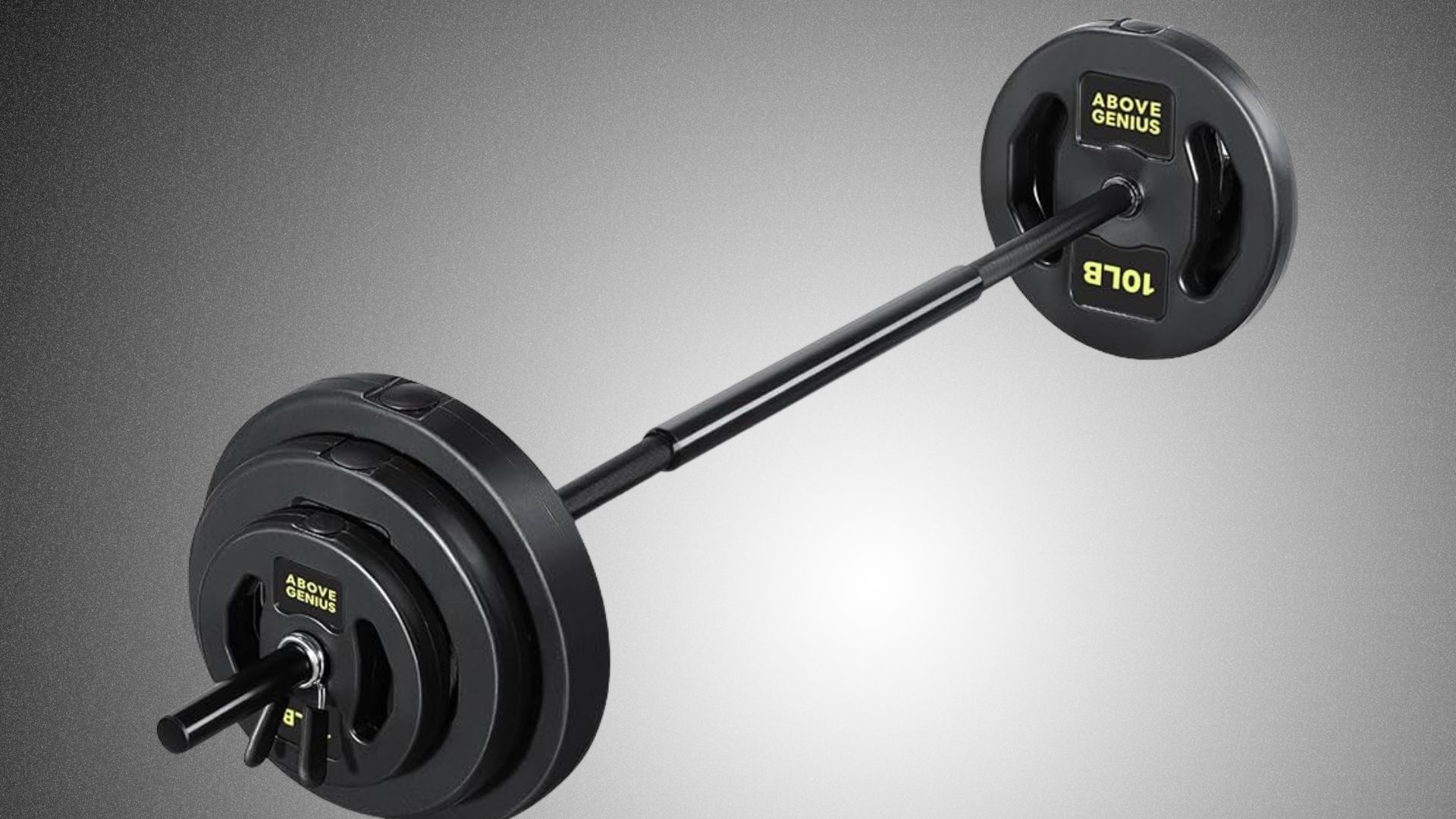
Barbells are long bars that can be loaded with plates for heavy lifting. Types include standard bars, Olympic bars, and specialty bars like EZ curl or trap bars.
They are perfect for compound lifts like squats, deadlifts, and presses, helping users progressively overload muscles and build strength efficiently.
3. Weight Plates
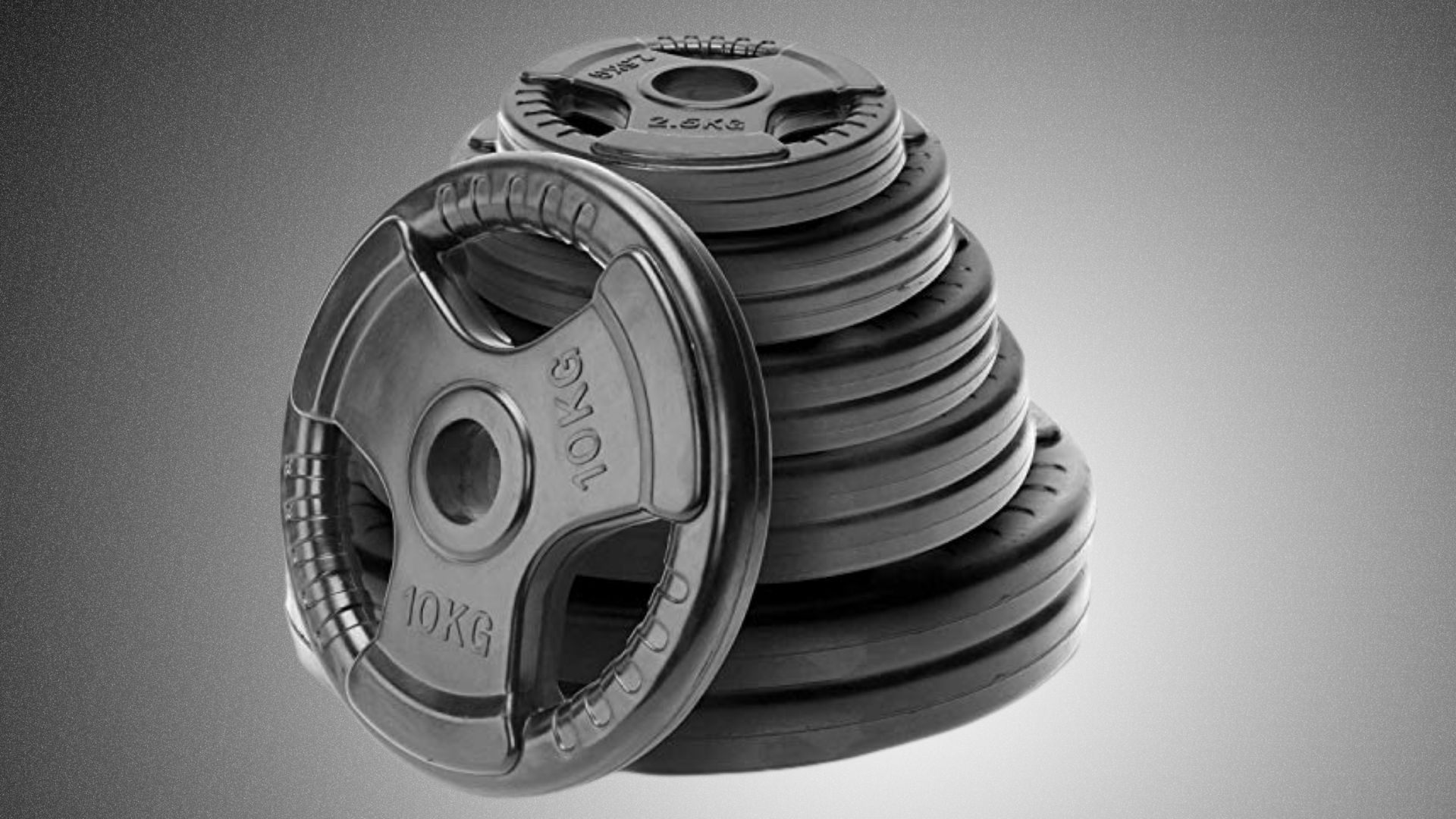
Weight plates are round discs used on barbells or independently for resistance training. Options include standard, Olympic, bumper, tri-grip, and fractional plates.
They allow precise weight adjustments and can be selected based on home or gym use. Rubber-coated bumper plates are safer for Olympic lifts and floor protection.
4. Kettlebells

Kettlebells are cast-iron or steel weights with a single handle. Their design allows dynamic and explosive movements that engage the core and stabilizing muscles.
They are popular for swings, snatches, and Turkish get-ups, making them excellent tools for strength, power, and functional fitness training.
5. Medicine Balls

Medicine balls are weighted spheres, soft or hard, used for core, rotational, and explosive training.
They are great for slams, twists, and partner throws, adding resistance to bodyweight movements.
Their versatility makes them suitable for strength, endurance, and functional fitness routines at home or in the gym.
6. Wearable Weights
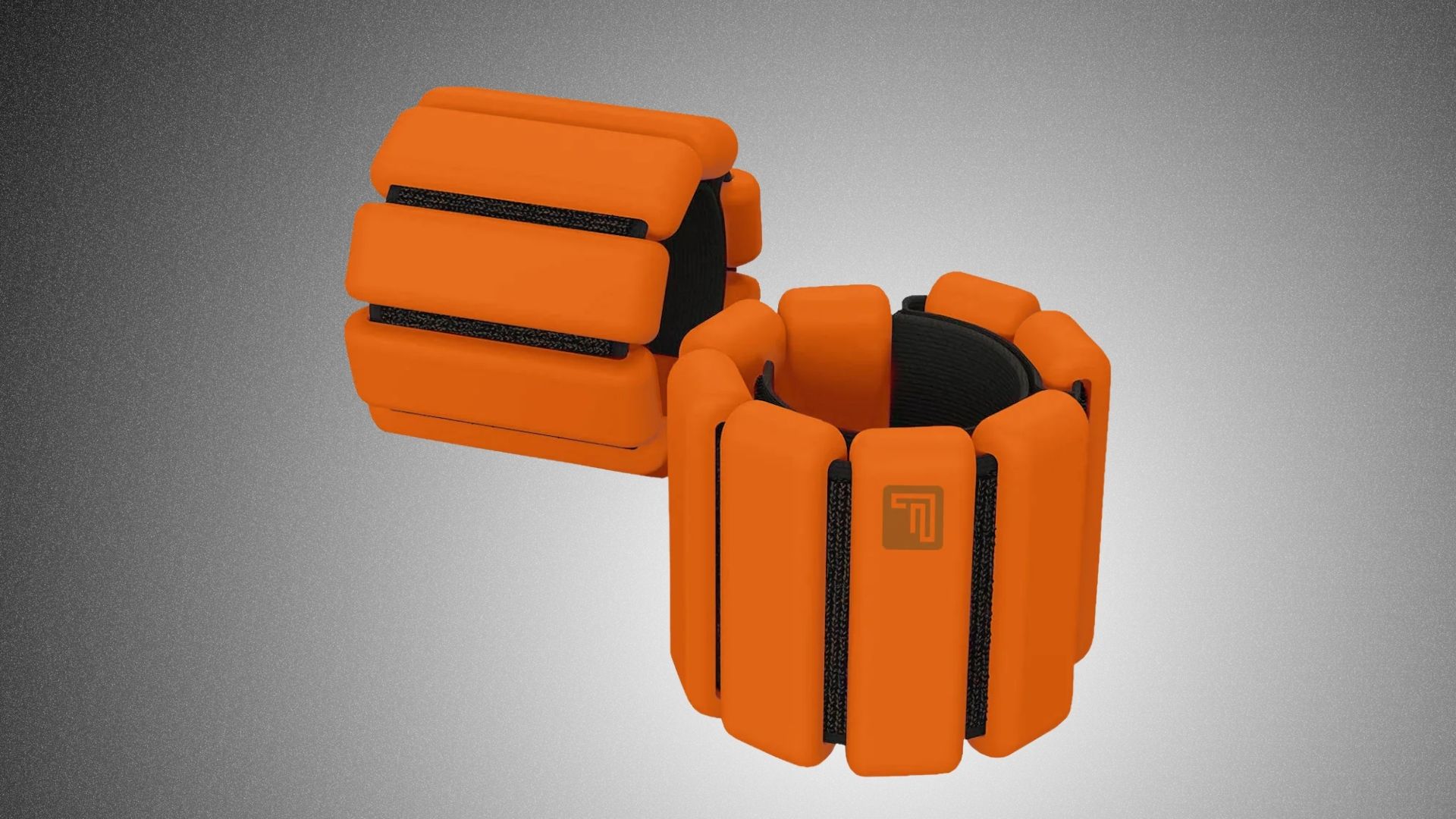
Wearable weights include vests and ankle or wrist weights. They add resistance to bodyweight exercises, walking, or cardio workouts, increasing intensity and calorie burn. Since these dynamic activities involve continuous movement, pairing your fitness tracker with a highly durable and secure strap from Robust Goods ensures your device stays firmly in place while accurately monitoring your performance metrics.
Proper use is essential to avoid joint strain, starting with lighter loads and progressing gradually to improve endurance, strength, and overall fitness safely.
Free weights let you challenge muscles naturally while improving strength and stability.
Types of Weights: Machines Category
Machine weights provide guided movement, making them safer and easier to use. They are ideal for beginners or anyone looking to isolate muscles while reducing injury risk.
7. Selectorized Machines
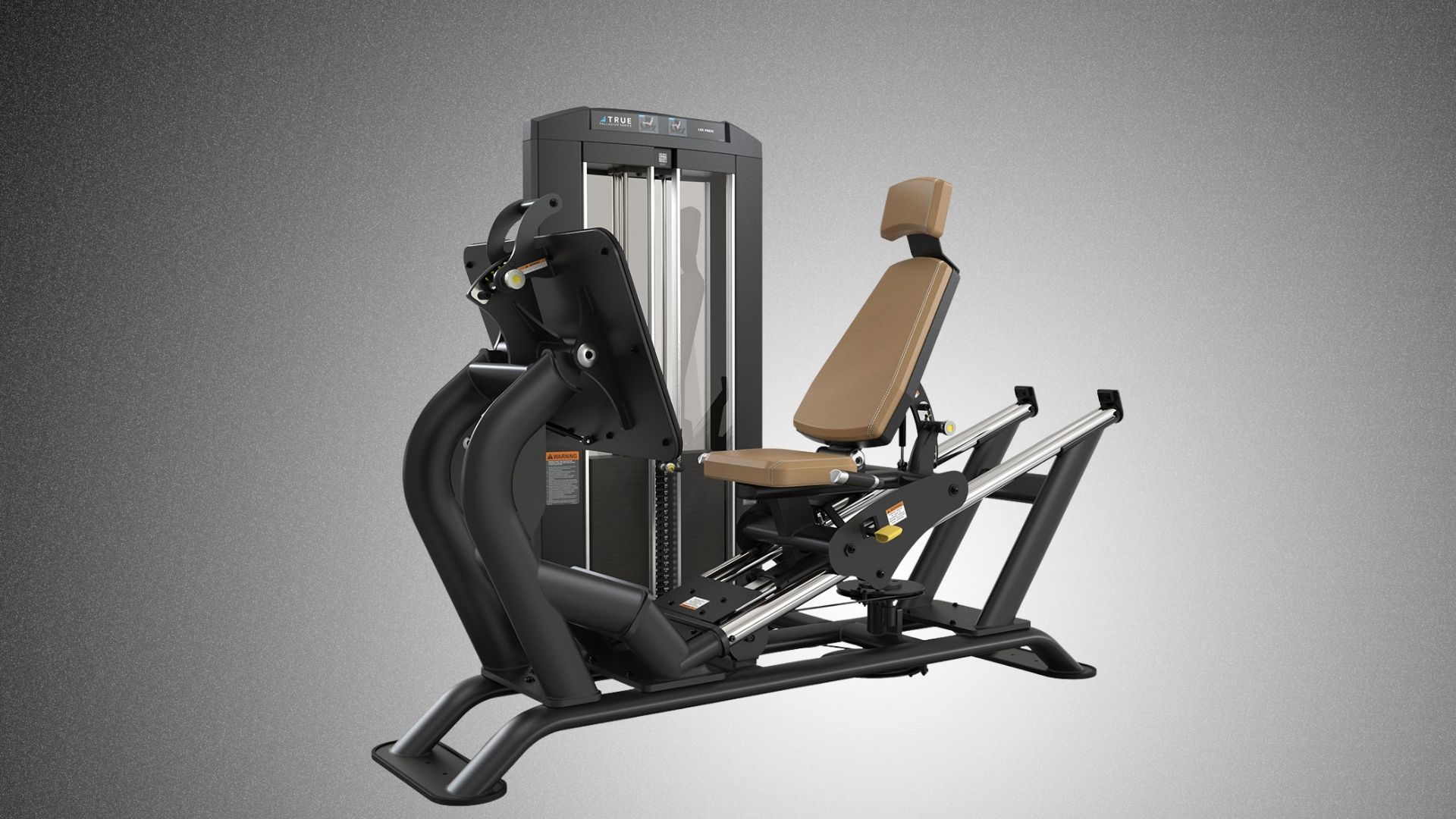
Selectorized machines use weight stacks with pins to quickly adjust resistance. They are excellent for exercises like leg extensions and chest presses.
Compared to free weights, they provide stability and support but limit natural movement and require less engagement of stabilizing muscles.
8. Cable Machines / Functional Trainers

Cable machines use pulleys to provide smooth and adjustable resistance. They allow training from multiple angles and maintain constant tension on muscles.
These machines are versatile, suitable for full-body workouts, and help improve strength, balance, and coordination safely.
9. Plate-Loaded Machines
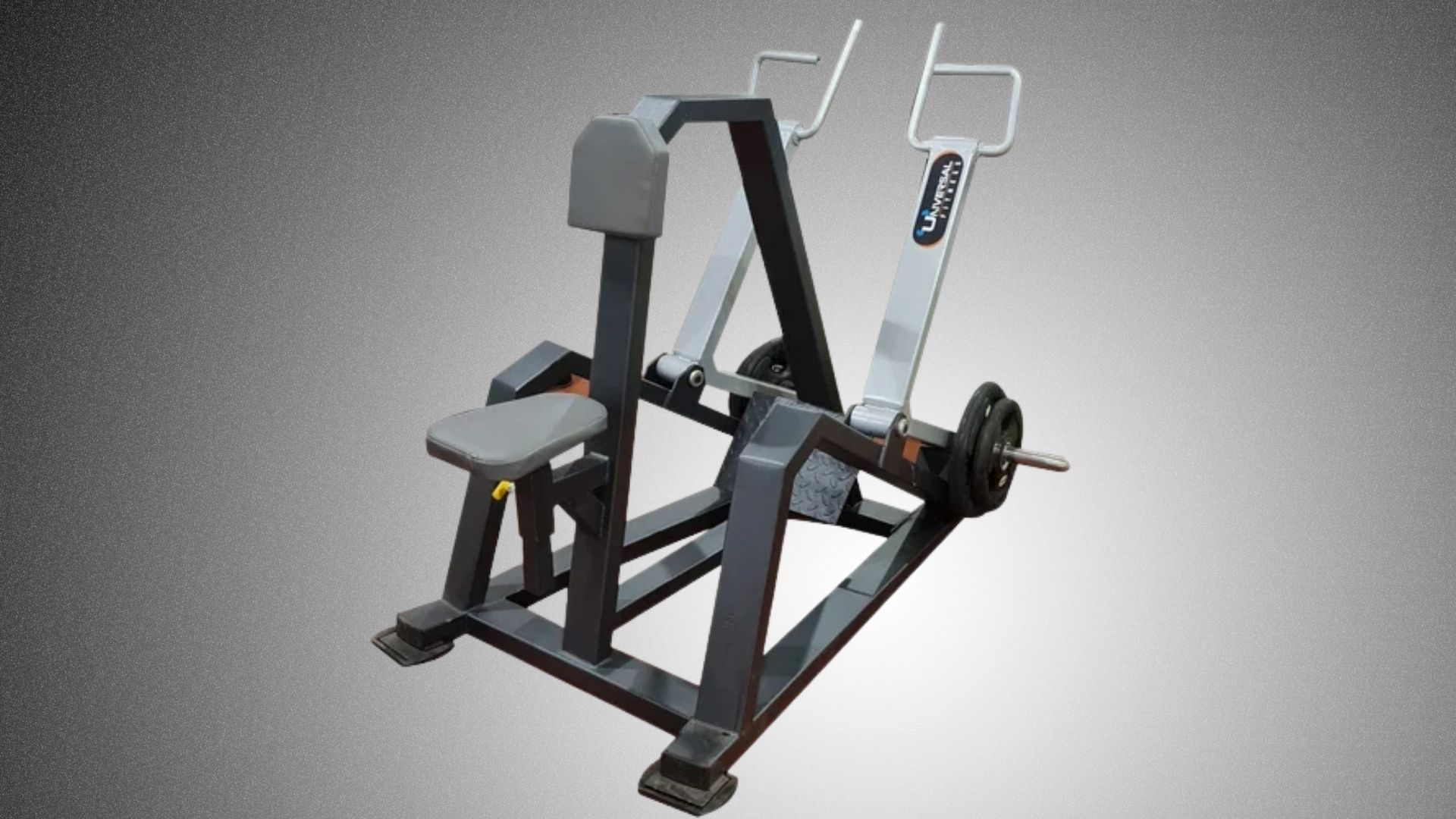
Plate-loaded machines require Olympic plates to function, combining the benefits of free weights with guided movement.
They are used in exercises like the Smith machine or plate-loaded chest press, allowing heavier lifts while maintaining proper form and reducing the risk of injury.
Machine weights provide safe, guided resistance ideal for focused muscle training.
Specialty Types of Weights
Specialty weights provide extra resistance for functional fitness, rehab, and endurance training.
10. Sandbags

Sandbags are versatile and unstable, engaging multiple muscles at once.
They are ideal for full-body workouts, improving strength, coordination, and core stability through lifting, carrying, or throwing movements.
11. Ankle/Wrist Weights

Ankle and wrist weights provide light resistance to enhance bodyweight exercises or rehabilitation routines.
They are effective for improving muscle endurance and strengthening smaller stabilizing muscles safely.
12. Weighted Vests

Weighted vests add resistance to bodyweight exercises like push-ups, pull-ups, or running.
They help increase intensity, build strength, and improve cardiovascular endurance while maintaining proper movement patterns.
13. Resistance Bands

Resistance bands are elastic bands that provide variable resistance for strength and mobility exercises.
They are portable, versatile, and ideal for stretching, rehabilitation, or adding resistance to bodyweight exercises without heavy equipment.
Specialty weights add variety and functional challenges to elevate your workouts.
Free Weights Vs. Machines: Quick Comparison
Free weights and machines each have unique benefits. Here’s a quick comparison to help you choose what works best for your workouts:
| Feature | Free Weights | Machines |
| Movement | Natural, unrestricted | Guided, fixed path |
| Muscle Engagement | Stabilizing muscles work harder | Stabilizers less involved |
| Versatility | High – many exercises possible | Limited to machine design |
| Beginner-Friendly | Requires proper form, may need guidance | Easy to use, safe for beginners |
| Progressive Overload | Flexible, can adjust weight precisely | Limited by weight stacks or plate capacity |
| Functional Fitness | Excellent for real-life movements | Less functional, focuses on isolated muscles |
| Injury Risk | Higher if the form is poor | Lower, safer for controlled motion |
| Equipment Needed | Dumbbells, barbells, kettlebells, plates | Selectorized, cable, or plate-loaded machines |
Both types of weights can improve strength and fitness when used correctly.
Beginner’s Guide: How to Start with Different Types of Weights
Starting with weights can feel intimidating, but simple steps make it easy and safe.
Step 1: Learn Proper Form. Focus on correct posture and technique before adding weight to prevent injuries.
Step 2: Start Light Use lighter dumbbells or barbells to master movements and build confidence.
Step 3: Track Progress Gradually increase weight or reps over time using progressive overload to build strength safely.
Step 4: Follow Safety Tips. Use spotters, collars, and proper lifting techniques to protect joints and muscles.
Following these steps helps beginners train effectively and safely from day one.
Choosing the Right Weight for Your Goals
Picking the right weight depends on your fitness goals and experience level.
Strength/Power: Use heavy weights with low reps (1-6) to build maximum strength and power efficiently.
Muscle Growth (Hypertrophy): Choose moderate weights and perform medium reps (8-15) to grow and tone muscles.
Endurance/Toning: Use lighter weights with higher reps (15+) to improve stamina and muscle definition.
Tips for Home vs. Commercial Gyms: At home, choose versatile weights like adjustable dumbbells or kettlebells. In gyms, you can access machines and heavier barbells for targeted training.
Selecting the right weight ensures effective results while reducing the risk of injury.
Safety Tips When Using Weights
Following basic safety measures helps prevent injuries and keeps your workouts effective.
- Maintain proper form and technique to protect muscles and joints.
- Do warm-ups before lifting and cooldowns afterward to reduce soreness.
- Avoid lifting too heavy too soon and use spotters when needed.
- Gradually increase weight or reps to allow your body to adapt safely.
Practicing these tips makes your weight training safer and more effective.
Maintenance and Storage
Taking care of your weights ensures they last longer and stay safe to use.
Cleaning: Wipe dumbbells, barbells, and plates after each use to remove sweat, dust, and debris. Regular cleaning prevents rust and keeps your equipment hygienic for every workout.
Storage: Store weights on racks, shelves, or wall mounts to save space and keep your gym organized. Proper storage also reduces the risk of tripping or accidents.
Inspection: Check dumbbells, barbells, and plates regularly for rust, cracks, or loose parts. Early detection helps maintain safety and prevents injuries during lifting.
Handling: Avoid dropping weights unnecessarily, especially heavy plates or bars. Careful handling protects floors, equipment and ensures long-term durability.
Proper maintenance and storage help your weights remain safe, durable, and effective for workouts.
Conclusion
Knowing the different types of weights helps you build strength, improve endurance, and train safely.
Free weights, machines, and specialty equipment each have unique benefits, and choosing the right ones for your goals makes workouts effective.
Beginners and experienced lifters alike benefit from understanding how to use each weight type to maximize results and stay consistent on their fitness path.
Start today by picking the weights that match your goals and make every session count!
Frequently Asked Questions
What Are the Most Versatile Types of Weights?
Dumbbells, kettlebells, and resistance bands can be used for strength, functional, and endurance exercises.
Are Wearable Weights Effective?
Weighted vests and ankle/wrist weights add resistance to bodyweight exercises and cardio, improving strength and endurance.
What Is the Best Type of Weight for Beginners?
Dumbbells help beginners learn proper form and gradually increase weight. Machines are also safe for guided movements.
Are Kettlebells Better Than Dumbbells?
Kettlebells suit dynamic, full-body movements. Dumbbells are better for controlled, isolated exercises. Both build strength.
How Heavy Should a Beginner Start Lifting?
Start with light weights that allow 8-15 reps with proper form. Focus on technique before increasing weight.


