

I remember standing in a gym, holding two weighted vests, completely unsure which one to pick.
Too light felt pointless. Too heavy felt risky. So I did the research, and now I'm sharing everything I learned.
What size weighted vest should I get? The answer depends on your body weight, fitness level, and goals.
This guide covers the 5 to 10% body weight rule, how to pick the right vest for walking, running, and training, plus a simple size chart and fit tips.
I've spent time testing and reviewing weighted vests, so you can count on this guide to help you choose safely.
How to Choose the Right Weighted Vest Size
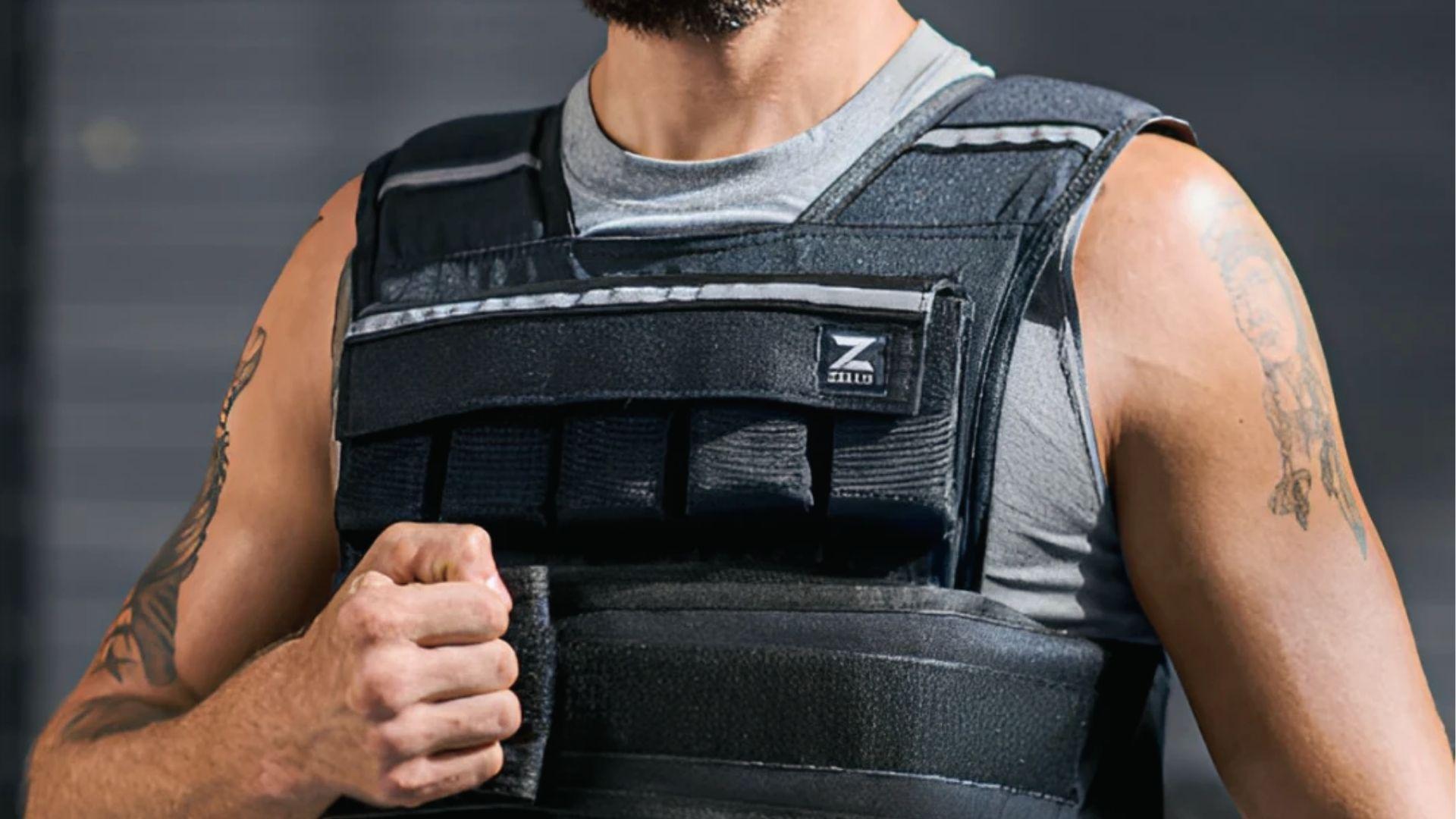
The most widely used guideline is simple: start with a vest weighing between 5% and 10% of your body weight.
If you weigh 160 pounds, that means 8 to 16 pounds. Beginners should always start at the lower end, around 5%, giving muscles and joints time to adjust.
Only increase weight when your current vest feels easy throughout a full workout. Wait at least two to three weeks before adding more, and go up in small steps of 2 to 5 pounds.
For most people, the maximum should stay between 10% and 15% of their body weight during regular training.
What Size Weighted Vest Should I Get for Walking?

Walking with a weighted vest is one of the easiest ways to boost calorie burn without changing your routine.
Best Weighted Vest Weight for Walking
For walking, keep the vest light. A vest between 5 and 15 pounds works well for most people. You want to feel the resistance without it affecting your posture or stride.
How Long Should You Walk With a Weighted Vest?
Start with 20 to 30 minutes per session. Once your body adjusts, you can build up to 45 to 60 minutes. Do not push through pain or discomfort.
Signs Your Weighted Vest Is Too Heavy for Walking
Watch for these signs:
- Lower back pain during or after your walk
- Hunching forward or leaning too much
- Knee or hip soreness that lingers
- Shortness of breath that feels unusual
If any of these show up, reduce the weight right away.
Walking With a Weighted Vest for Weight Loss
Adding a vest while walking increases calorie burn by roughly 10 to 15 percent. Over time, this adds up. Pair it with a consistent schedule and balanced eating, and you will see real results.
Weighted Vest Size Chart by Body Weight

A simple size chart can take the guesswork out of choosing your vest.
Weighted Vest Recommendations for Men
For men weighing 130 to 150 lbs, a vest between 7 to 15 lbs works well. If you weigh 150 to 180 lbs, aim for 8 to 18 lbs.
Those in the 180 to 220 lbs range can handle 10 to 22 lbs comfortably. Men over 220 lbs can start with 12 lbs and go up to 25 lbs as strength builds.
Weighted Vest Recommendations for Women
Women weighing 110 to 130 lbs should start with 5 to 12 lbs. At 130 to 160 lbs, a 7 to 15 lb vest is a good fit.
Those between 160 to 190 lbs can use 8 to 18 lbs. Women over 190 lbs can work with 10 to 20 lbs, starting at the lower end first.
Quick Weighted Vest Weight Calculator
Multiply your body weight by 0.05 for the low end and 0.10 for the high end. That gives your safe starting range.
Example:180 lbs x 0.05 = 9 lbs. 180 lbs x 0.10 = 18 lbs.
Choosing the Best Weighted Vest for Your Workout Goals

Your workout type plays a big role in the vest weight that works best for you.
Best Weighted Vest Size for Strength Training
For bodyweight exercises like pull-ups, push-ups, and squats, a heavier vest works well.
Most people use 10 to 30 pounds depending on strength level. The goal is added resistance without compromising form.
Best Vest Weight for Running and Cardio
Keep it light for running. A vest between 5 and 15 pounds is ideal. Too much weight during running increases injury risk, especially in the knees and hips.
Best Weighted Vest for Hiking and Rucking
Hiking and rucking can handle a bit more weight since the pace is slower. Vests between 15 and 30 pounds work for most hikers.
Build up slowly and always check how your knees feel on descents.
Adjustable vs Fixed Weighted Vests
Adjustable vests let you add or remove weight as your fitness grows. Fixed vests are simpler and often cheaper.
If you are just starting out, an adjustable vest gives you more flexibility as you progress.
How Should a Weighted Vest Fit?

A well-fitted vest protects your posture and makes your workout more effective.
Signs of a Proper Weighted Vest Fit
The vest should sit close to your body without restricting movement. It should not bounce or shift while you move.
You should be able to breathe fully without any tightness around your chest.
Tips for Women and Larger Chests
Look for vests with adjustable chest straps and a contoured fit.
A vest that is too straight across the chest can dig in or shift during movement.
Some brands now make vests specifically designed for women's body types.
How Tight Should a Weighted Vest Be?
Snug but not suffocating. You should be able to slide two fingers under the vest straps. If you cannot, it is too tight. If it moves around a lot, it is too loose.
Tips for Using a Weighted Vest Safely
Using a weighted vest safely means being smart about how and when you wear it.
- Start at 5% of your body weight and add no more than 5 lbs at a time, waiting at least 2 weeks before going heavier.
- Skip the vest if your joints feel sore protect your back, knees, and hips by listening to your body every session.
- Focus on posture and stretch after use, keep your back straight during reps and stretch your hips and lower back when done.
- Wear it 2 – 4 times per week, not daily your body needs rest to recover and avoid overuse injuries.
- Avoid common mistakes, never skip warm-ups, ignore pain, or wear a heavy vest on rest days or during high-impact sports without proper training.
Conclusion
Figuring out what size weighted vest to get does not have to be complicated. Start with 5% of your body weight, listen to your body, and build from there.
I always tell people to go lighter than they think they need, at first. It makes the habit stick and keeps injuries away.
The vest you actually use consistently is the best one for you. Found this helpful?
Drop a comment below with your current weight and workout goals. I would love to help you find the right fit.
Frequently Asked Questions
What size weighted vest should I get as a complete beginner?
Start with a vest that is about 5% of your body weight. This is light enough to be safe but heavy enough to feel the added resistance during workouts.
Can I wear a weighted vest every day?
It is better to use a weighted vest two to four times per week. Daily use, especially with heavier vests, can stress your joints and lead to overuse injuries over time.
Is a 20-pound weighted vest too heavy to start with?
For most beginners, yes. Unless you weigh over 200 pounds and already have a strong fitness base, 20 pounds is too much to start. Build up to it gradually.
What is the best weighted vest weight for weight loss?
A vest between 5 and 15 pounds worn during walking or cardio sessions is a solid starting point. It increases calorie burn without putting too much strain on your body.
How do I know if my weighted vest fits correctly?
Your vest should sit firmly against your torso, not bounce during movement, and allow full breathing. You should be able to slide two fingers under the straps without the vest slipping.


