

I remember staring at it my first week at the gym. Big metal frame. Fixed bar. Everybody seemed to use it, but I had no clue what it was or whether I should even touch it.
If you've been wondering "what is a smith machine," you're in the right place.
I've put together everything you need to know in one place. I'll cover how it works, its key features, the best exercises to do on it, and tips that actually get results. No gym jargon. No confusion.
By the end, you'll walk up to that machine with full confidence.
Let's break it all down.
Why the Smith Machine Is Popular in Gyms
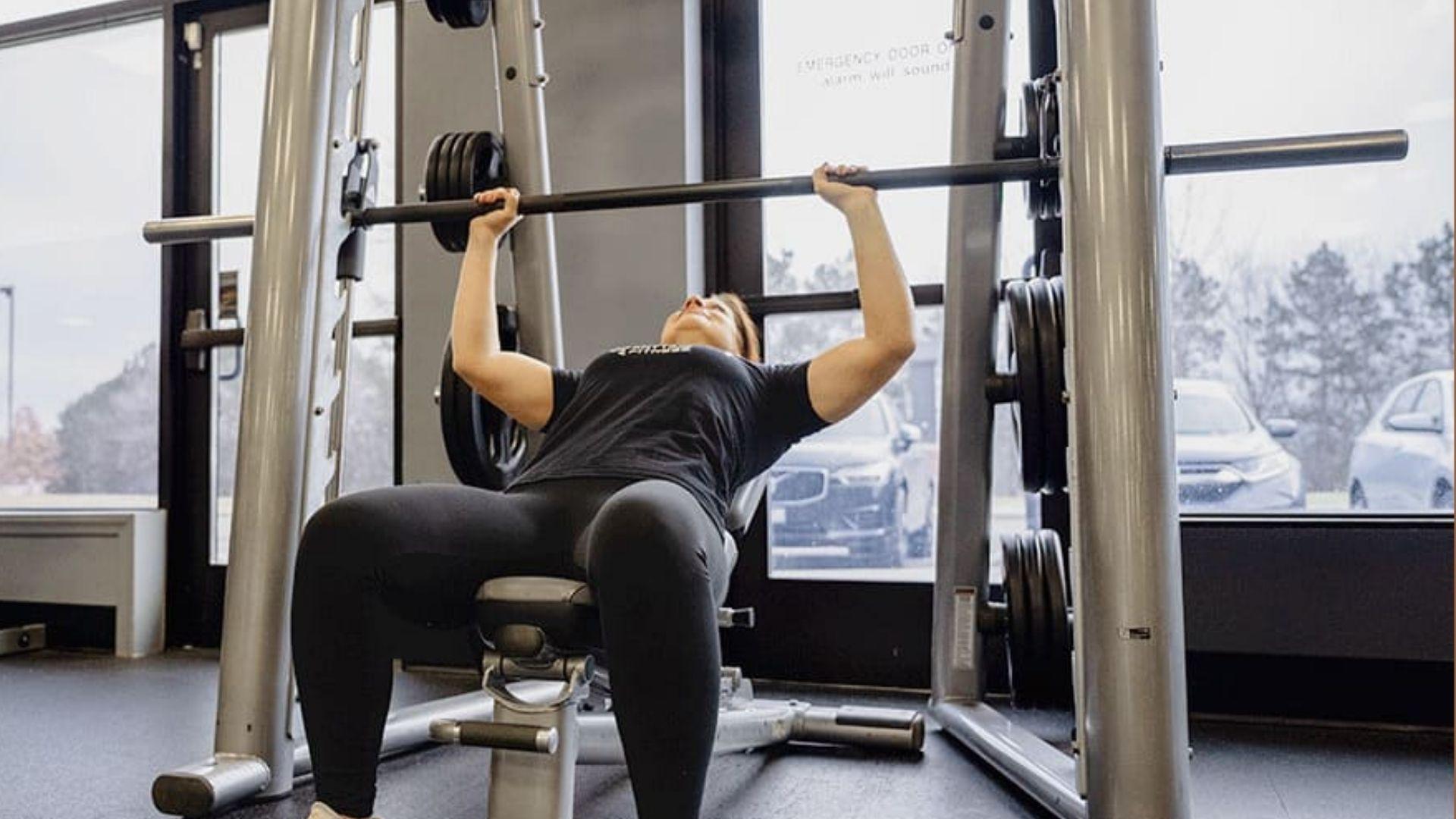
Walk into almost any gym and you'll spot a Smith machine within seconds. It's one of the most used pieces of equipment for a reason.
It gives lifters control, safety, and structure all in one place. Beginners love it because it removes the fear of dropping a bar.
Experienced lifters use it to isolate specific muscles without worrying about balance. It also works well for solo training sessions when no spotter is around.
The guided movement makes it a reliable option for squats, presses, and rows. That combination of safety and versatility keeps it on gym floors everywhere.
What Is a Smith Machine?

A Smith machine is a piece of gym equipment that holds a barbell fixed to a set of vertical steel rails.
The bar moves only in a straight up-and-down path. It cannot shift forward, backward, or sideways. This guided movement is what makes it different from a standard barbell setup.
The bar also comes with a built-in locking system. You can hook it into safety stops at any point during a lift.
This means you can train heavily without a spotter. It's widely used for compound movements like squats, bench press, and shoulder press across all fitness levels.
Basic Features of a Smith Machine
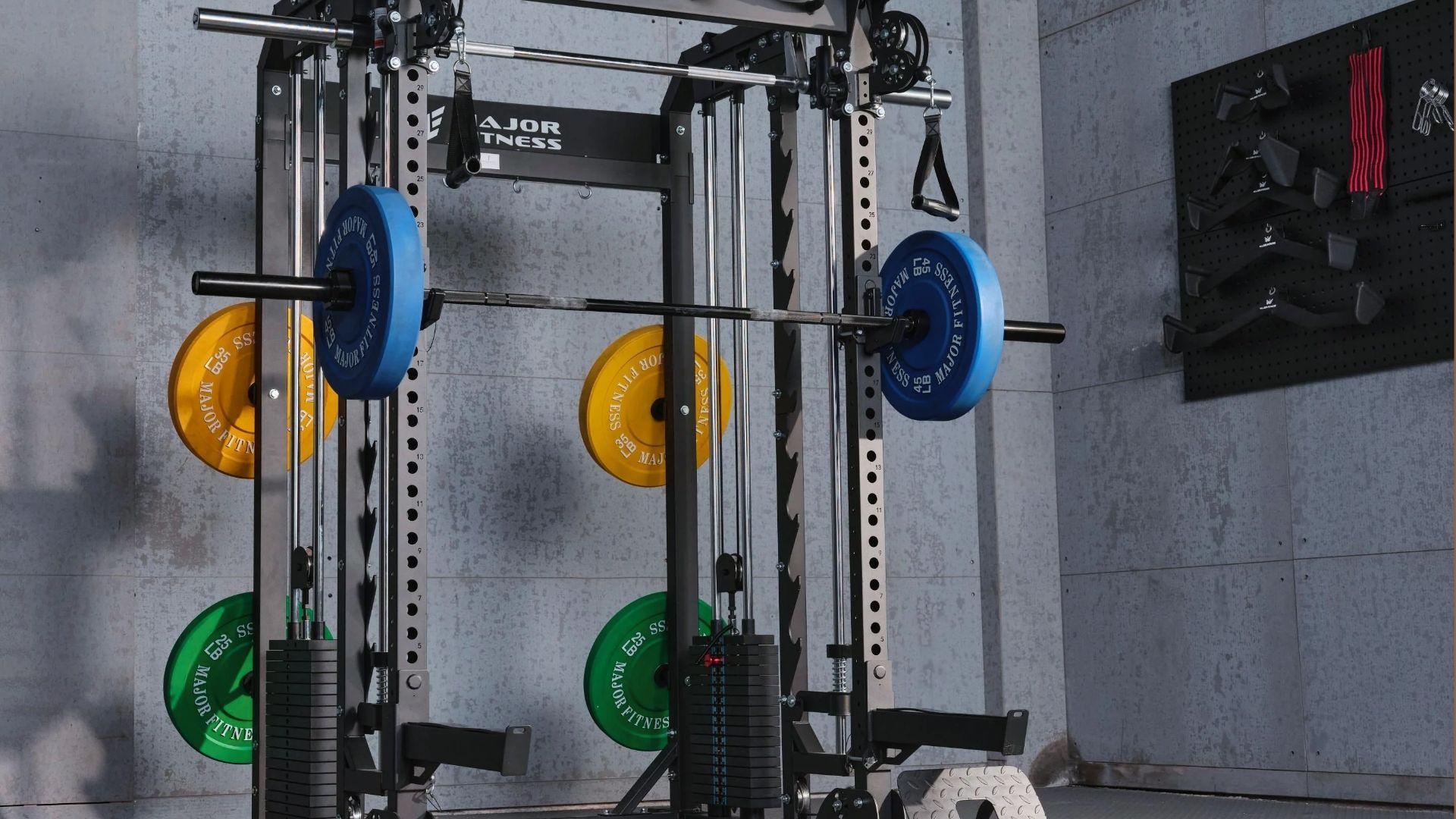
Knowing what each part does helps you use the machine with more confidence.
Fixed Barbell on Steel Rails
The barbell on a Smith machine is attached to two vertical steel rails. This keeps the bar moving in a straight, controlled line throughout every rep.
You get the feel of lifting a barbell without having to manage balance or stabilization.
It's a big reason beginners feel more comfortable on this machine compared to free weights right from the start.
Built-In Safety Stops
Safety stops are small metal pegs built into the rails at different heights. You can set them at any level before you start lifting.
If you fail a rep, the bar catches on these stops automatically. This removes the risk of getting stuck under a heavy bar with no one around to help.
It's one of the most practical safety features in any gym.
Locking Hook Mechanism
The Smith machine bar has rotating hooks on each side. You twist the bar slightly to lock it onto the rail at any height.
Twist it the other way to release and start lifting. This gives you full control over when the bar moves and when it stays in place.
It's simple to use once you get the feel for it after a couple of sessions.
Adjustable Bar Height
The bar can be set at different starting heights depending on the exercise. For squats, you set it at shoulder level.
For bench press, you adjust it to chest height. This makes the machine flexible for a wide range of movements.
You don't need to adjust a separate rack or add extra equipment. The height adjustment is built right into the rail system itself.
Weight Plate Storage and Attachments
Many Smith machines come with built-in pegs on the frame for storing weight plates. Some models also support attachments like cables or pull-up bars.
This makes the machine more than just a guided barbell station. You get extra storage and added exercise options without taking up more floor space.
It's a practical design choice that keeps your training area neat and organized.
Functions of a Smith Machine
A Smith machine guides the barbell along a fixed vertical track, letting you lift, squat, press, and train safely without a spotter.
Provides Guided and Controlled Barbell Movement
The main function of a Smith machine is controlling the bar's path. Since the bar moves only vertically, you don't need to focus on keeping it balanced.
Your muscles can work harder on the target area instead of wasting energy on stabilization.
This makes it easier to maintain good form throughout the set, especially when you're fatigued or still building your technique.
Improves Workout Safety With Built-In Stops
Safety is a core function of this machine. The adjustable stops along the rails act as a backup system during every lift.
If you can't complete a rep, you simply twist the bar and it locks in place. No bar crashing down. No injury risk from a failed attempt.
This gives you the confidence to push harder during training, knowing the machine has you covered.
Helps Beginners Learn Proper Exercise Form
For someone new to lifting, form is everything. The Smith machine makes learning easier by removing the balance factor.
You can focus entirely on the movement pattern without worrying about the bar drifting. Squats, presses, and rows all feel more controlled.
Over time, this helps you build the muscle memory you'll need when you move to free weights down the line.
Supports Solo Strength Training Without a Spotter
Training alone with heavy weights can be risky on a free barbell. The Smith machine solves that problem completely.
The locking hooks and safety stops act as your spotter. You can lift close to your max without anyone standing behind you.
This makes it a go-to option for people who train early mornings, late nights, or any time the gym is quiet and empty.
Common Exercises You Can Do on a Smith Machine
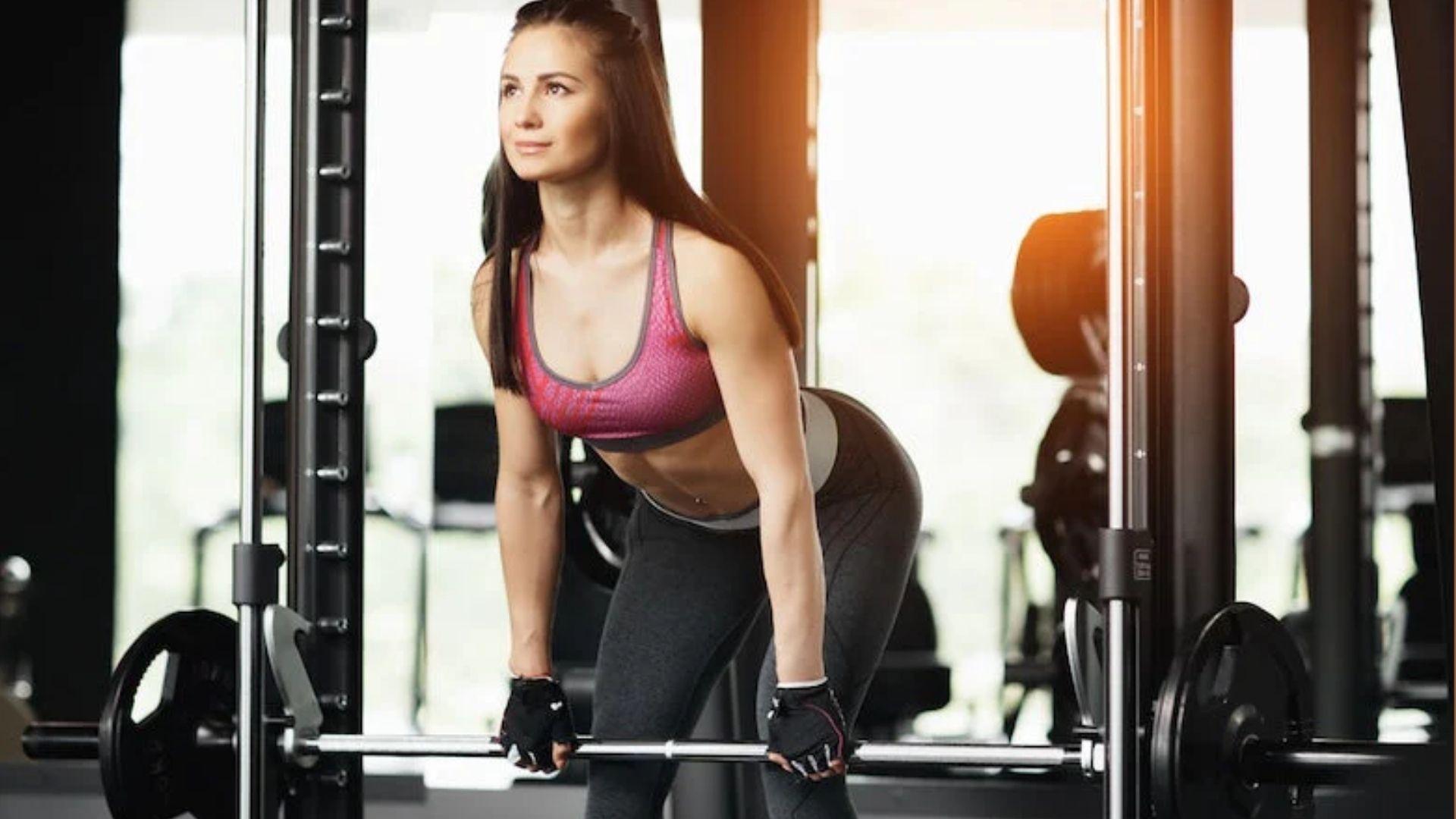
The Smith machine works for far more exercises than most people realize.
Smith Machine Squats
Set the bar at shoulder height and position it across your upper back. Stand with feet slightly in front of the bar.
Lower down until your thighs are parallel to the floor, then press back up. The guided bar keeps your movement consistent rep after rep.
It's a solid option for building leg strength, especially if you're still working on your free squat form.
Smith Machine Bench Press
Lie flat on a bench positioned under the bar. Set the bar at chest height before you start. Lower it slowly to your chest and press it back up in a straight line.
The fixed path takes stabilization out of the equation. This lets you focus fully on your chest muscles.
It's a great option for solo training when no spotter is available for a heavy pressing session.
Smith Machine Lunges
Stand under the bar with it resting across your upper back. Step one foot forward and lower your back knee toward the floor.
Press through your front heel to return. The bar stays stable throughout the movement, which helps you focus on balance and leg strength.
Lunges on the Smith machine are easier to control than barbell lunges, making them a good starting point.
Smith Machine Shoulder Press
Sit on an upright bench placed under the bar. Set the bar at upper chest height. Press it straight up overhead and lower it back down in a controlled path.
The guided movement reduces strain on the shoulder joints during the press.
It's a reliable way to build shoulder strength and size without the coordination demands of a standing overhead press with a free barbell.
Smith Machine Rows
Position the bar low on the rails. Bend at the hips and grip the bar with both hands. Pull it toward your lower chest and lower it back in a controlled motion.
This targets your upper back and lats effectively. The fixed bar path keeps the movement clean and consistent.
It's a straightforward row variation that works well for building back thickness without needing a cable machine.
Smith Machine Hip Thrusts
Sit on the floor with your upper back against a bench. Position the bar across your hips. Drive your hips up toward the ceiling and squeeze your glutes at the top.
Lower back down slowly. The Smith machine is ideal for hip thrusts because the bar stays perfectly still.
You can load it heavily and focus entirely on the glute contraction without managing bar movement.
Tips for Getting Better Results on a Smith Machine
A few small adjustments can make a big difference.
- Control every rep: Lower the bar slowly. Don't let it drop. Intention beats speed every time.
- Check your foot position: Feet usually need to sit slightly forward on the Smith machine. Test what feels strongest for you.
- Mix it with free weights: The Smith machine won't build stabilizer muscles on its own. Use both for a balanced routine.
- Add weight slowly: Small increases over time beat big jumps that break your form.
- Track your lifts: Write down weights and reps every session. Progress shows up in the numbers.
Stay consistent and the results will follow.
Conclusion
When I first used a Smith machine, I had no idea what I was doing. I just knew it felt safer than lifting alone under a free barbell. That feeling kept me coming back.
Now you know what is a smith machine, how it works, and how to use it right.
It's a solid tool. Don't overlook it.
Pick one exercise and try it this week. Drop a comment below and tell me which movement you're starting with. I'd love to know.
Frequently Asked Questions
What Is a Smith Machine Used For?
A Smith machine is used for guided barbell exercises like squats, presses, and rows in a controlled, fixed path.
Is a Smith Machine Good for Beginners?
Yes, it's one of the best starting points for beginners because it controls the bar and reduces injury risk.
Can You Build Muscle With a Smith Machine?
Absolutely. You can build real muscle with a Smith machine as long as you train consistently and progress the weight over time.
Is a Smith Machine Safer Than a Free Barbell?
Yes, the built-in safety stops and locking hooks make it significantly safer, especially when training without a spotter.
How Heavy Is the Bar on a Smith Machine?
Most Smith machine bars weigh between 15 and 25 lbs, which is lighter than a standard 45 lb Olympic barbell.


