

I never paid much attention to my glutes until my lower back started aching after long workdays. That one issue changed how I train forever.
So, what are glutes? They are the large muscles that make up your buttocks, but they do far more than fill out your jeans.
Strong glutes support your posture, protect your knees and hips, power your movement, and keep pain away.
In this blog, I will cover what the glute muscles are, why they matter for your health, signs of weak glutes, the best exercises to strengthen them, and tips to train smarter.
As someone who has studied muscle function and fitness for years, I can tell you glutes are one of the most overlooked muscle groups in the body.
Understanding the Glute Muscles
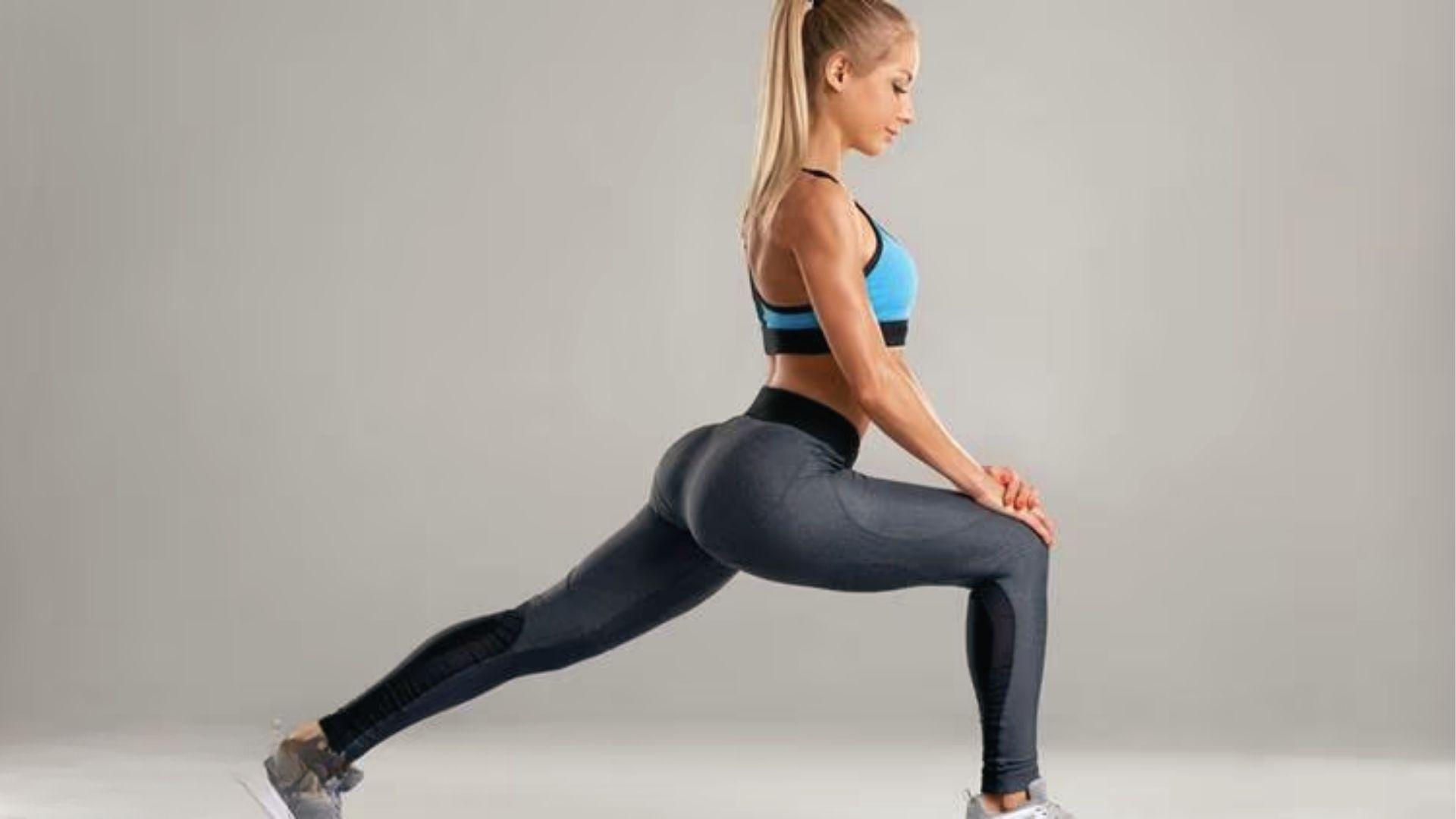
The glutes are a group of three muscles sitting in your buttocks, the gluteus maximus, gluteus medius, and gluteus minimus.
Together, they are among the largest and most powerful muscles in the human body. The gluteus maximus is the biggest of the three.
It drives movements like running, climbing, and jumping. The gluteus medius sits on the outer hip and controls side-to-side stability.
The gluteus minimus, the smallest of the three, supports hip rotation and alignment. All three muscles connect your hips, pelvis, and legs.
They work together to help you stand, walk, squat, and rotate your body while also protecting your spine by keeping your hips level.
5 Reasons Why Strong Glutes Are Important
Strong glutes do not just help in the gym. They support your body through every daily task.
1. Strong Glutes Improve Posture and Balance
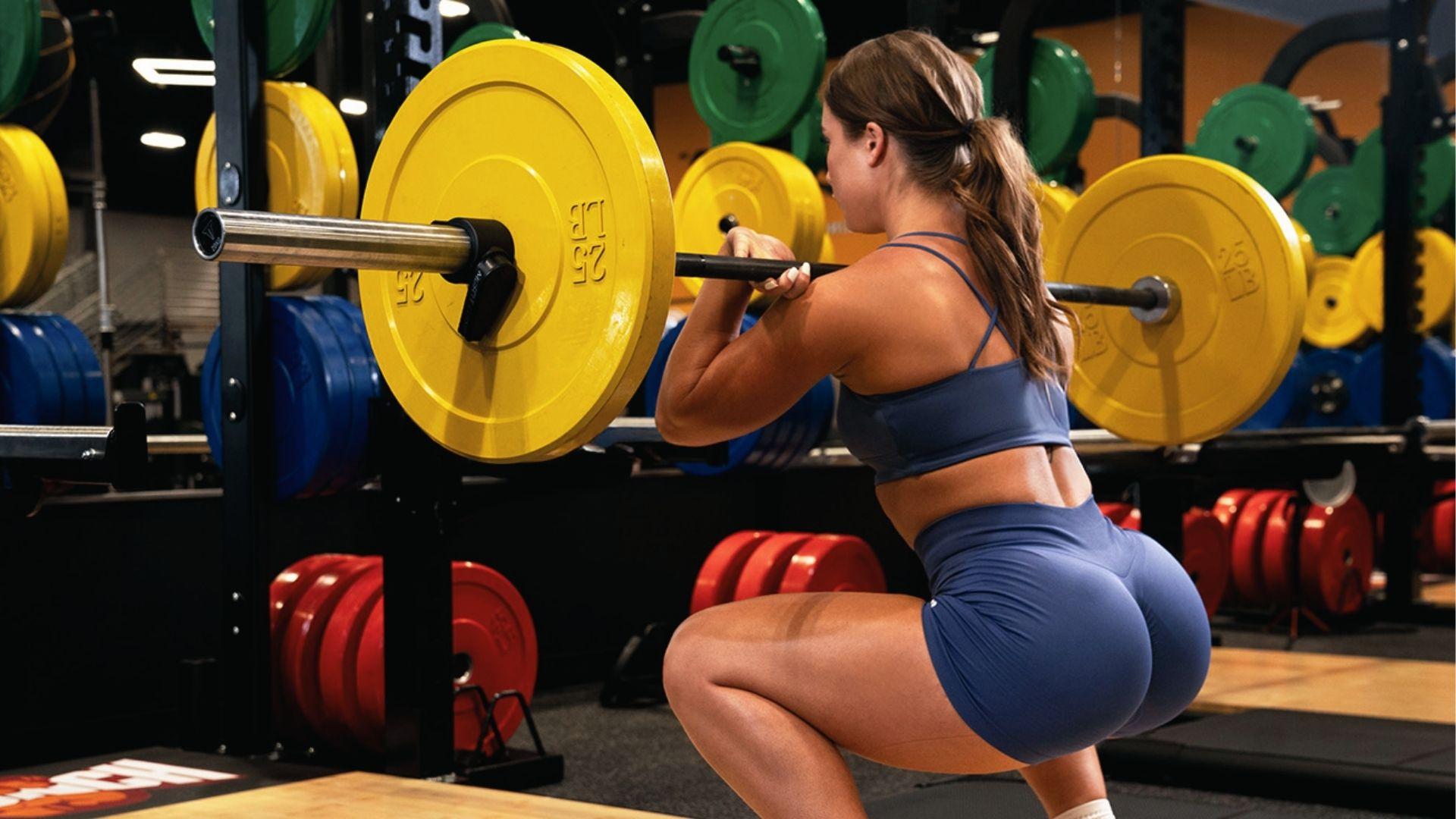
Weak glutes often lead to a forward tilt in the pelvis. This throws off your posture and puts pressure on your lower spine.
Strong glutes pull the pelvis into a neutral position, helping you stand taller and balance better.
2. Strong Glutes Support Walking, Running, and Daily Movement
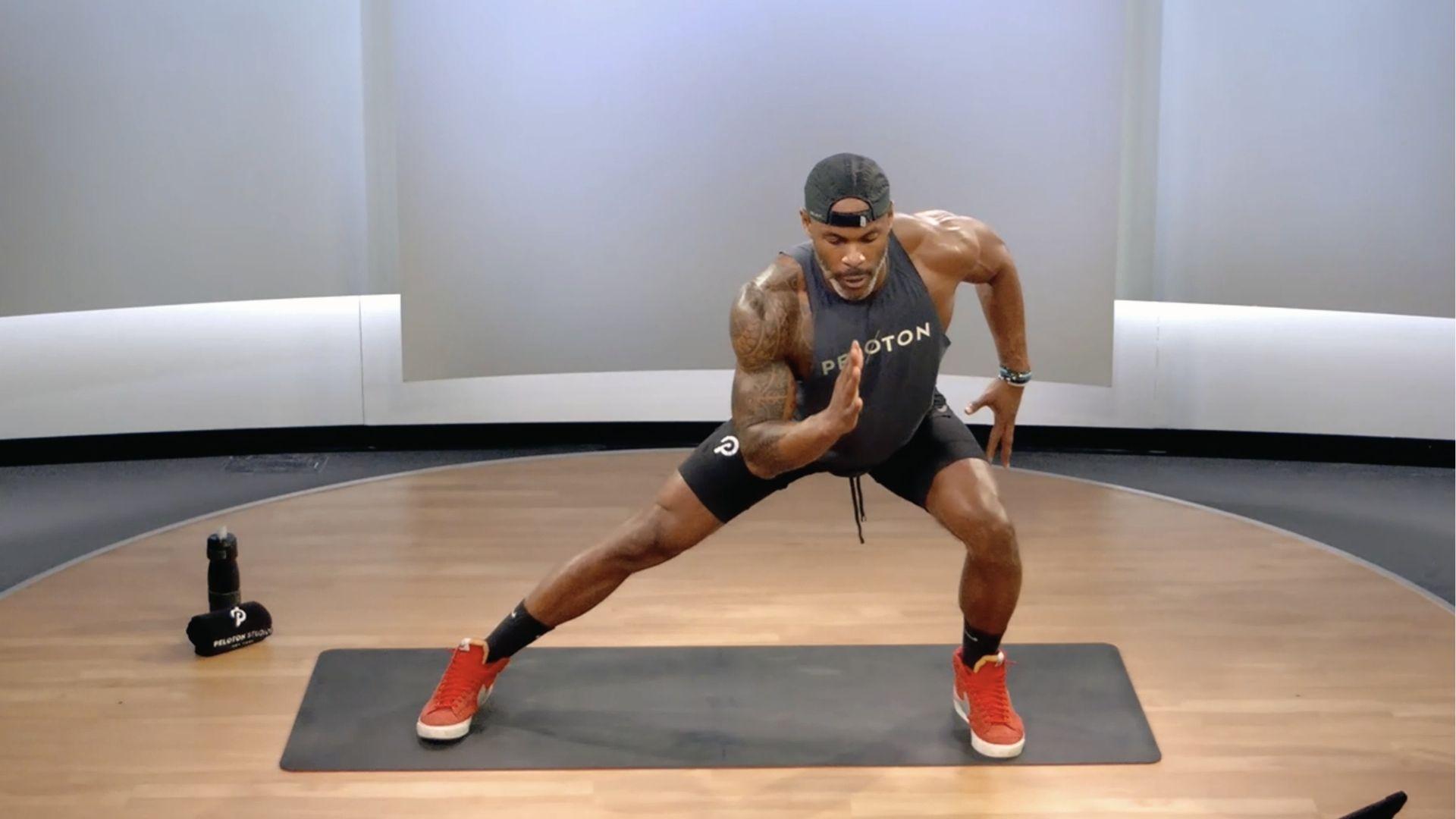
Every step you take involves your glutes. They push your leg back and drive you forward.
Without strong glutes, your body compensates using weaker muscles, which leads to fatigue and inefficient movement over time.
3. Strong Glutes Help Prevent Lower Back, Hip, and Knee Pain
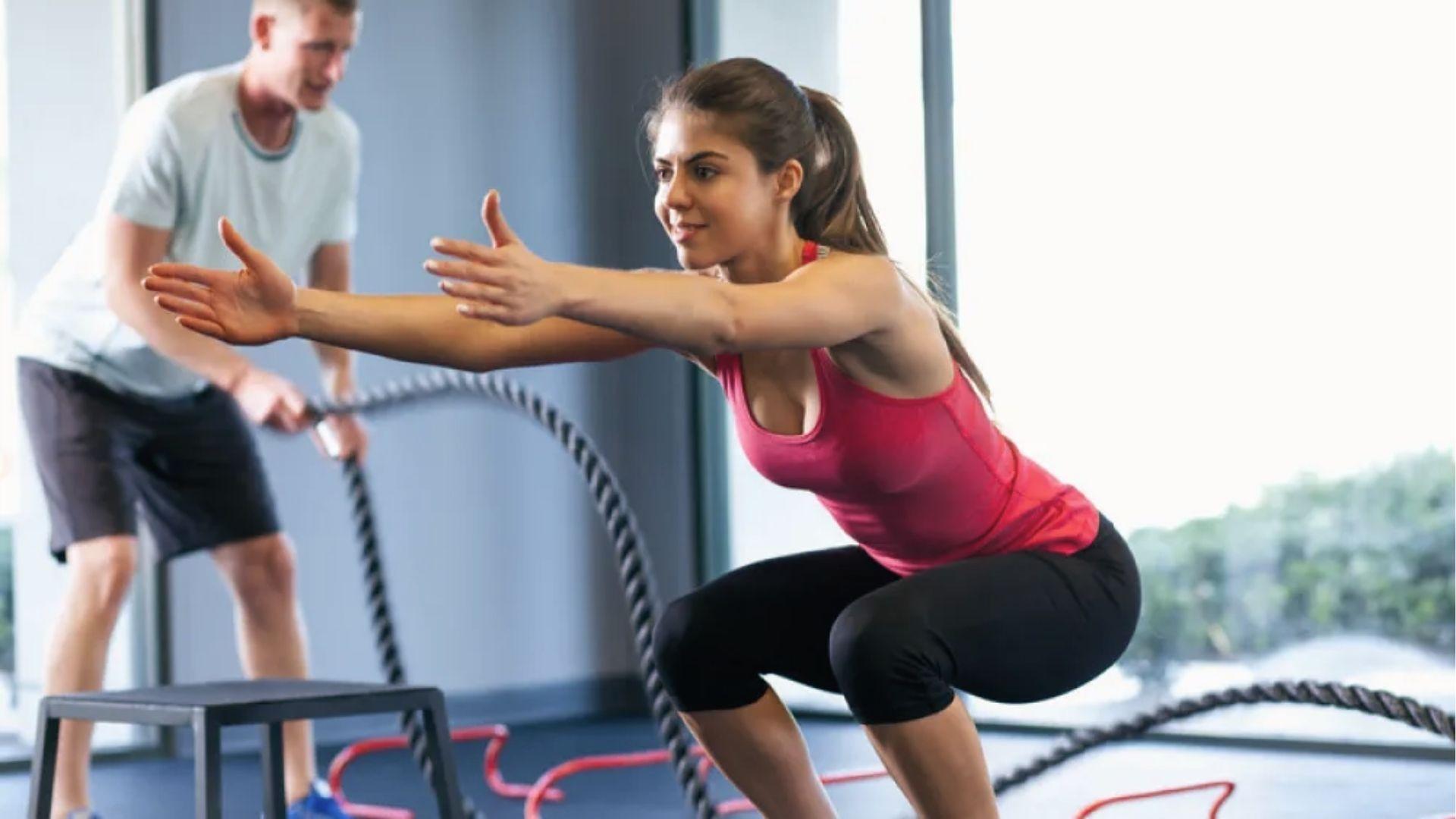
This one matters a lot. Weak glutes force your lower back and knees to take on extra stress.
Over time, this causes pain and injury. Strengthening your glutes takes that load off the joints and spine.
4. Strong Glutes Boost Athletic Performance and Power
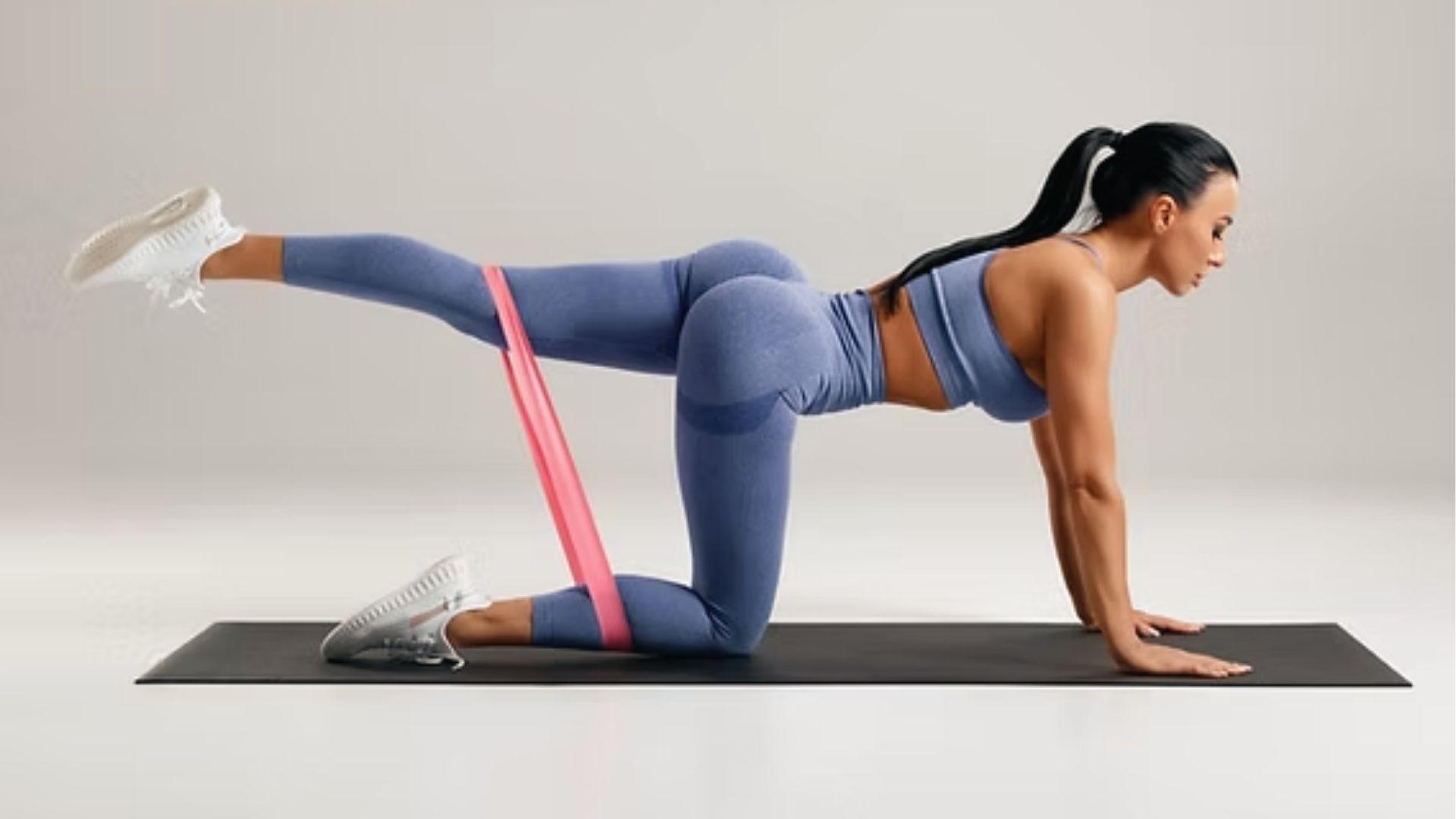
Sprinting, jumping, lifting, and cutting all depend on glute power. Athletes with stronger glutes generate more force and move more efficiently.
Whether you play sports or just want to move better, this matters.
5. Strong Glutes Improve Stability and Reduce Injury Risk
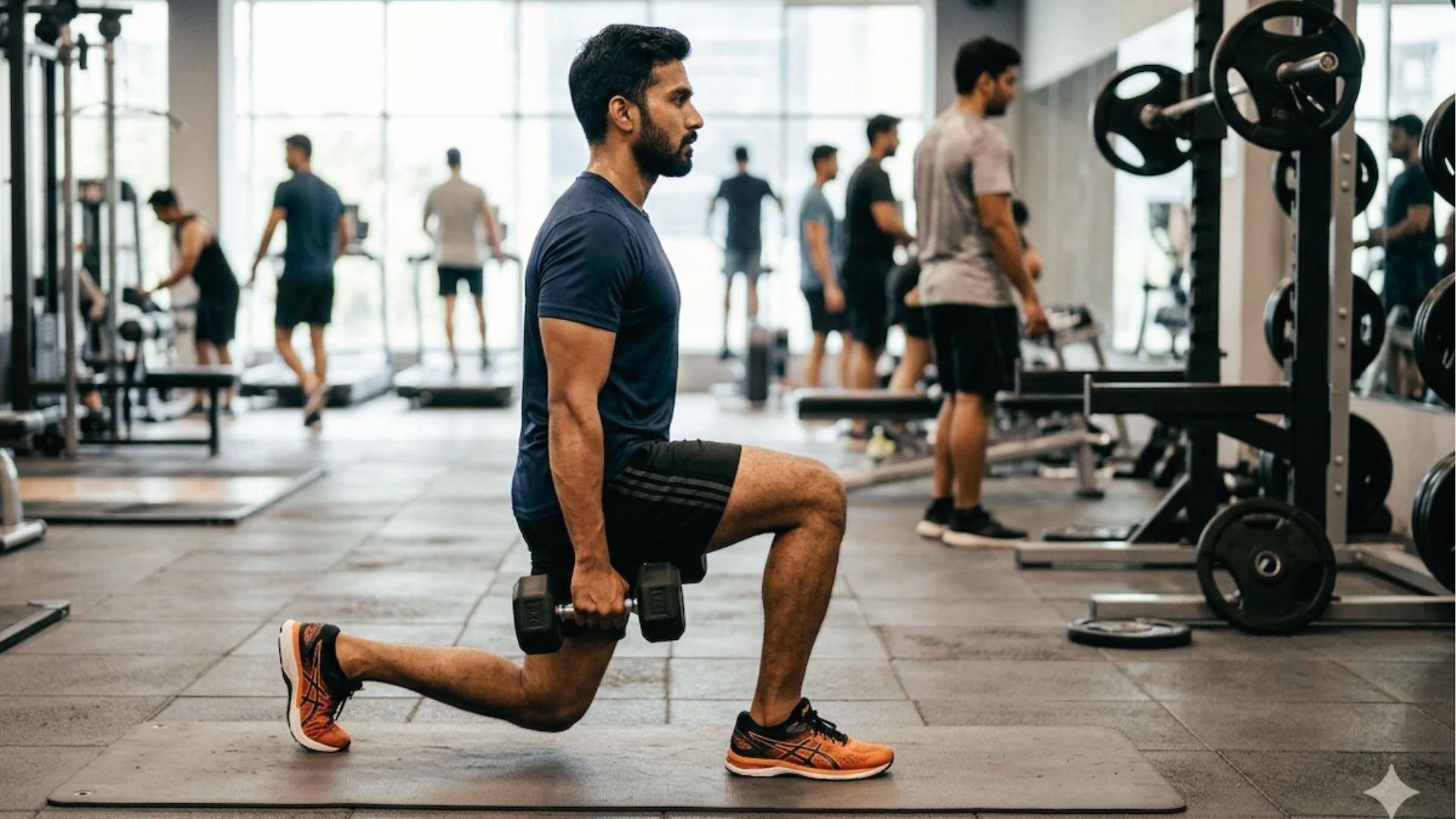
Your glutes act like a stabilizing system for your entire lower body. They keep your hips, knees, and ankles in line during movement. Without that stability, injuries become far more likely.
Signs and Problems of Weak Glutes
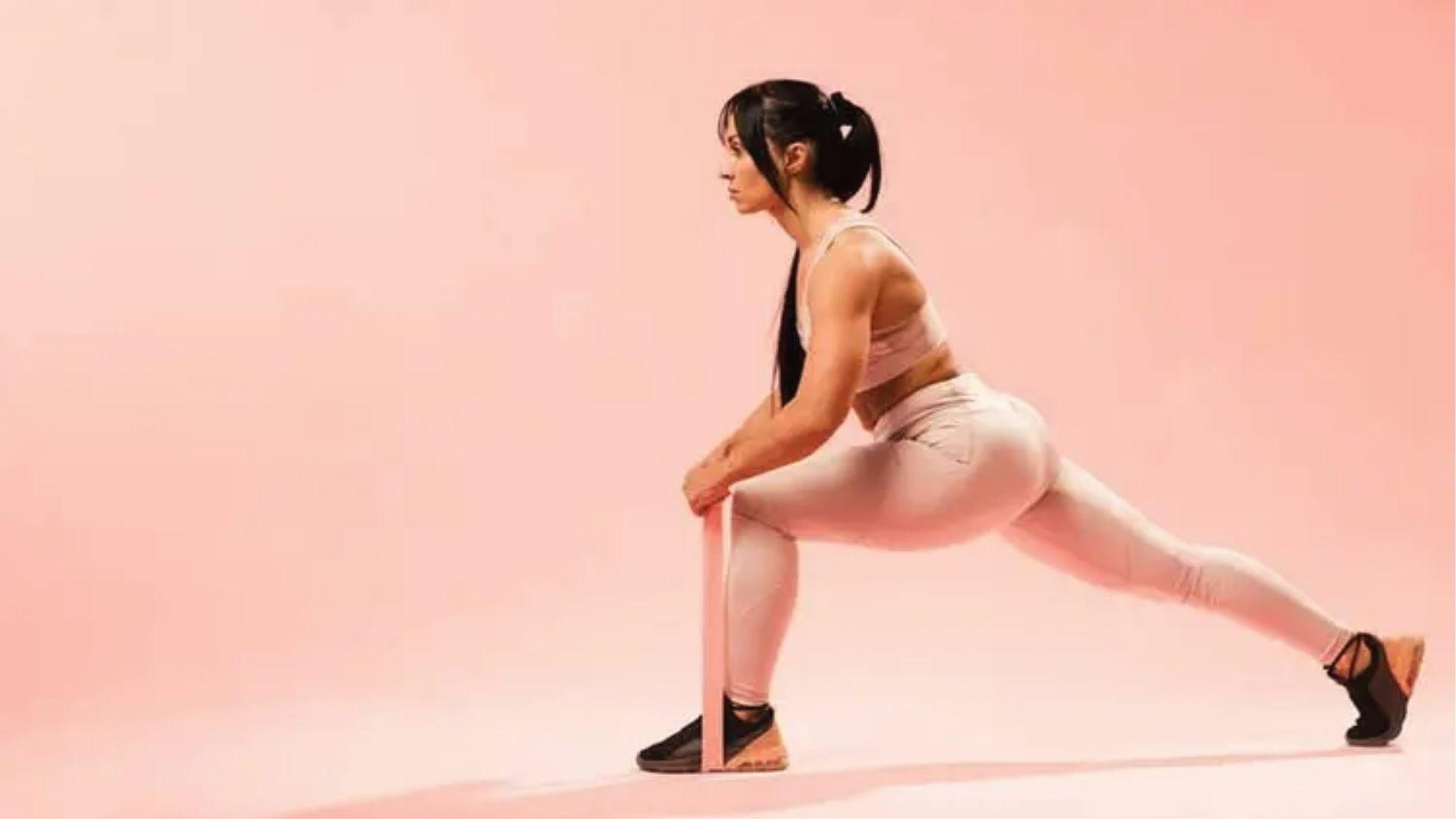
If your glutes are underactive, your body will show warning signs. Learn to spot them early.
Lower Back Pain and Poor Posture
One of the most common signs of weak glutes is chronic lower back pain. When glutes are not doing their job, the lower back muscles overwork and tighten.
Poor posture, like a rounded lower back or a forward-leaning pelvis, often follows.
Hip and Knee Instability
If your knees cave inward when you squat or walk, your glutes may be weak.
The gluteus medius in particular is responsible for keeping the knee tracking correctly. Without it, hip and knee pain often develop.
Reduced Mobility and Muscle Weakness
Weak glutes limit how far you can move your hips. You may notice tightness, a shorter stride, or trouble going up stairs.
General leg weakness during exercise is also a common sign.
Effects of Sitting Too Much
Long hours of sitting put your glutes in a shortened, inactive position. Over time, the muscles forget how to fire correctly.
This is called gluteal amnesia, and it affects millions of people who work at desks.
What Are Glutes Exercises?
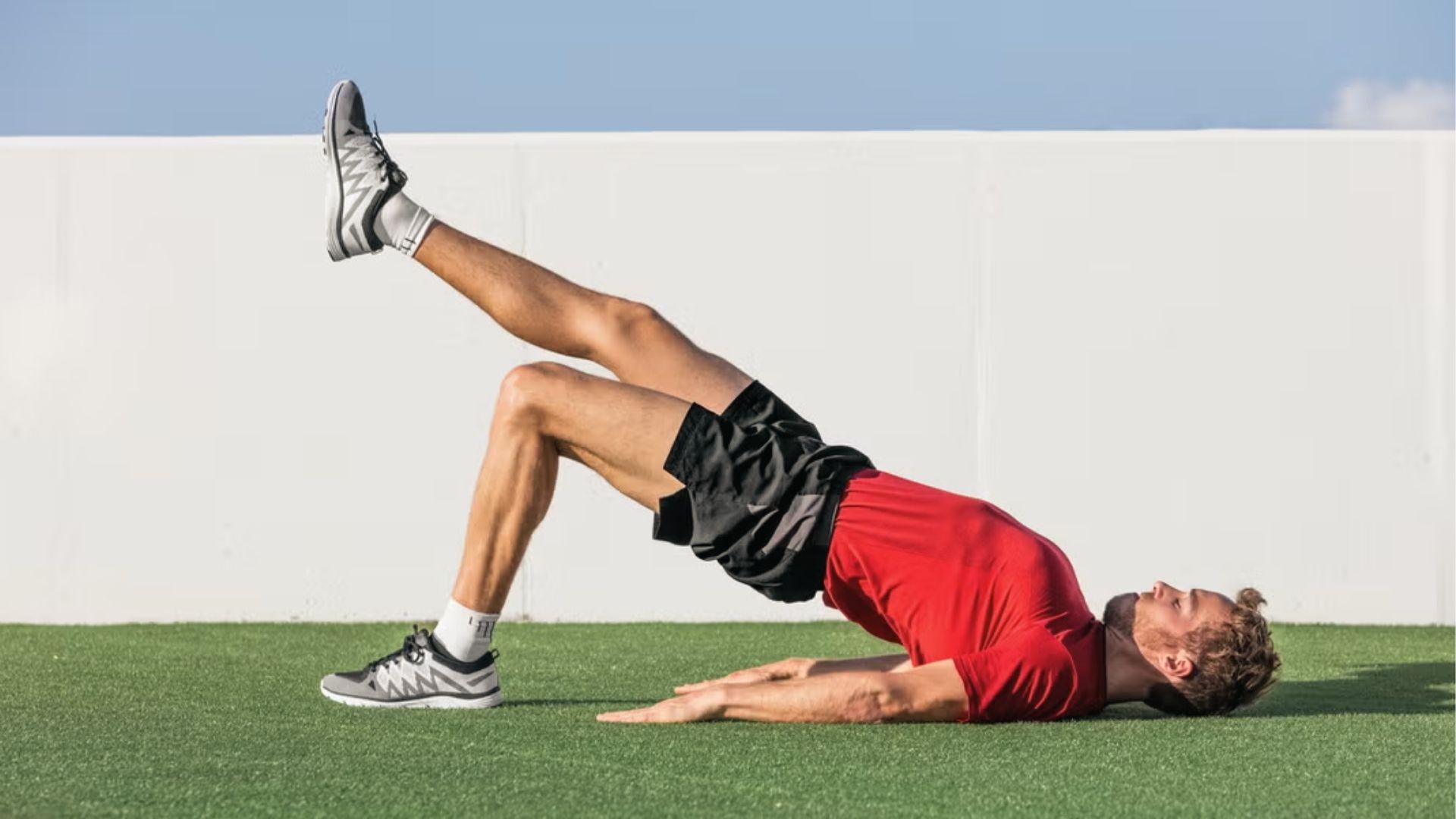
The right exercises activate and strengthen your glutes from every angle. Here are the best ones to start with.
Squats for Glute Strength
Squats are a go-to for building glute mass and strength. Focus on pushing through your heels and keeping your chest up. Going deeper in the squat increases glute activation significantly.
Deadlifts for Powerful Glutes
Deadlifts target the gluteus maximus along with the hamstrings. They train hip extension in a way few other exercises can match.
Romanian deadlifts are especially effective for isolating the glutes.
Hip Thrusts and Glute Bridges
Hip thrusts are considered the most direct exercise for the glutes.
You drive your hips upward against resistance, which forces the glutes to contract fully. Glute bridges are a beginner-friendly version you can do on the floor.
Lunges and Step-Ups
Lunges train one leg at a time, which improves balance and targets each glute individually.
Step-ups onto a box or bench mimic real-life movements and build functional glute strength.
Fire Hydrants and Resistance Band Exercises
These movements target the gluteus medius and minimus. They are great for warm-ups or as finishing exercises. Adding a resistance band makes them more challenging and effective.
Tips for Building Stronger and Healthier Glutes
Consistency and smart habits are what turn effort into real results over time.
- Use proper form. Always prioritize technique over heavy weight to protect your body and target your glutes effectively.
- Add progressive overload. Slowly increase weight, reps, or difficulty every few weeks to keep your muscles growing.
- Stretch tight hips. Include hip flexor stretches or mobility drills so your glutes can move freely and work harder.
- Rest and recover. Muscles rebuild during rest, so take recovery days seriously and get enough sleep.
- Eat enough protein. Fuel muscle repair with adequate protein intake to support glute growth and overall strength.
Conclusion
I started training my glutes out of necessity, and it changed how I feel every single day.
Less back pain, better posture, more energy. If you have been skipping glute work, now is the time to start.
What are glutes? They are your body's powerhouse. And they deserve your attention.
Start small. Stay consistent. Your body will thank you. If this helped you, share it with someone who sits too long or struggles with back pain.
Drop a comment below and tell me your favorite glute exercise. I would love to hear from you.
Frequently Asked Questions
What are glutes made of?
The glutes are made up of three muscles: the gluteus maximus, gluteus medius, and gluteus minimus. Together, they form the muscular structure of your buttocks and outer hip area.
Can I train my glutes every day?
Training glutes daily is not recommended. Muscles need time to recover and grow. Aim for two to three sessions per week with rest days in between for the best results.
Why do my glutes not activate during exercise?
This usually happens due to prolonged sitting or poor movement habits. Your glutes can become underactive over time. Adding glute activation drills before workouts helps reconnect your brain to the muscle.
How long does it take to build stronger glutes?
Most people notice improvements in strength within four to six weeks of consistent training. Visible changes in muscle size may take longer, depending on diet, consistency, and starting fitness level.
Are glute exercises only for athletes?
Not at all. Strong glutes support everyday movement like walking, sitting, and climbing stairs. Anyone can benefit from glute training, regardless of age, fitness level, or athletic background.


