
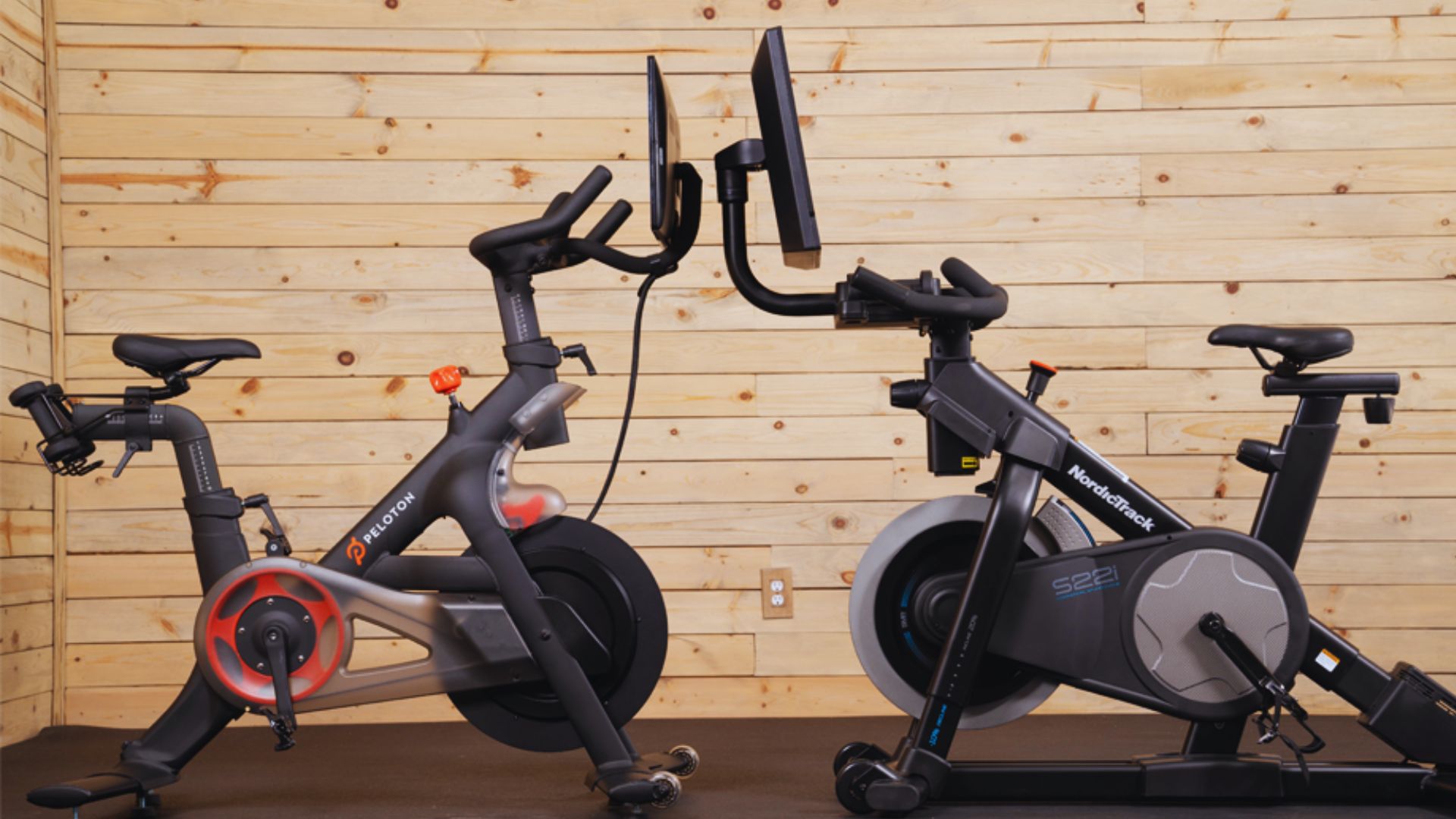
I spent weeks looking at both bikes before making a call, and honestly, the NordicTrack vs Peloton Bike debate is not as simple as people make it sound.
Both bikes are good but they are built for very different kinds of riders. In this blog, I will cover the ride experience, resistance, technology, price, and who each bike is actually best for.
I have broken it all down so you can pick the right one without second-guessing yourself.
General Overview of NordicTrack vs Peloton Bike

NordicTrack and Peloton are two of the most popular indoor bikes on the market right now.
NordicTrack focuses on outdoor simulation and terrain variety, while Peloton leans into studio-style, instructor-led cycling.
Both offer strong technology and solid build quality. The real difference comes down to how you like to train and what kind of experience keeps you coming back.
NordicTrack Bike: The Immersive Training Machine

NordicTrack brings the outdoors inside with smart terrain features and adaptive resistance.
Ride Experience & Terrain Simulation
The NordicTrack bike can go up to 20% incline and -10% decline. That is a big range. It also connects to iFIT, which gives you access to outdoor scenic rides filmed in real locations.
The bike physically adjusts as the terrain changes on screen. It feels like you are actually riding outside.
Muscle Engagement & Training Style
Because the incline changes constantly, your body has to work harder to stay stable. This means more full-body engagement, not just legs.
The AI-controlled resistance adjusts automatically based on your workout. You do not have to keep stopping to change settings. It adapts for you.
Best For
NordicTrack is a strong fit for people who want outdoor cycling realism at home. It also works well for those who prefer self-paced, varied training over following a class structure.
Peloton Bike: The Studio Cycling Specialist

Peloton puts you inside a high-energy studio class without leaving your home.
Ride Experience & Class Style
Peloton is built around live and on-demand studio classes. The instructors are high-energy and the music is pumping.
It feels like a real spin class. If that kind of group energy keeps you motivated, Peloton delivers it every single time.
Resistance & Control Feel
Peloton uses a manual magnetic resistance knob with 100 levels of adjustment. You turn it yourself.
That gives you very precise control over your intensity. A lot of riders actually love this because it feels more in tune with your body in real time.
Best For
Peloton works best for people who thrive in structured class formats. If instructor motivation and leaderboard competition push you harder, this is your bike.
NordicTrack vs Peloton Bike: Key Differences
Here is a side-by-side look at the core differences between the two bikes.
Workout Experience Difference
NordicTrack gives you scenic, outdoor-style simulation rides. The terrain changes and the bike moves with it.
Peloton gives you studio cycling. It is rhythm-based, instructor-driven, and class-focused. Same category of bike, completely different vibe.
Resistance System Difference
NordicTrack uses digital, auto-adjusting resistance. The iFIT trainer or terrain controls it for you.
Peloton uses a manual resistance knob. You are in full control of every change. One is hands-free. The other is hands-on.
Display & Technology Difference
NordicTrack comes with a larger rotating screen, a built-in fan, and Google Maps integration. Peloton has a sleek touchscreen focused on class UI, leaderboards, and instructor visuals.
Both are sharp. It just depends on what you want to look at while you ride.
Comparison Table
A quick side-by-side breakdown of NordicTrack Bike vs Peloton Bike features to help you spot the key differences at a glance.
| Feature | NordicTrack Bike | Peloton Bike |
|---|---|---|
|
Workout Style |
Outdoor terrain simulation |
Studio instructor-led classes |
|
Resistance Type |
Digital auto-adjusting |
Manual magnetic knob (100 levels) |
|
Screen |
Large rotating screen + fan |
Sleek fixed touchscreen |
|
Extra Tech |
Google Maps, iFIT AI |
Leaderboard, class-based UI |
|
Subscription |
Optional (manual mode available) |
Required for full experience |
Build Quality & Comfort Comparison
Both bikes are well-built, but they feel different in your space and under your body.
NordicTrack Bike Build
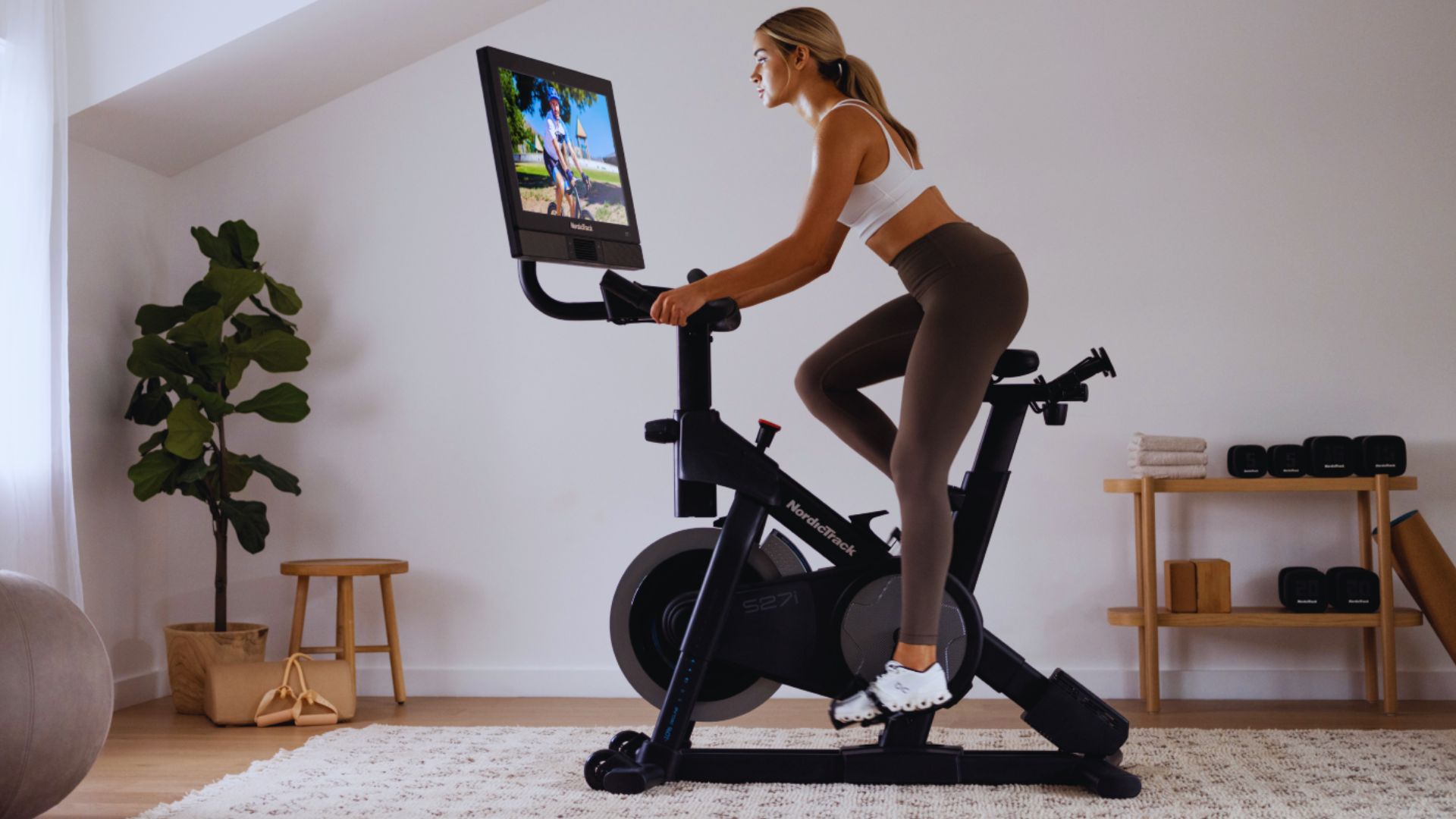
NordicTrack is heavier and more stable on the floor. It comes with hybrid pedals, so you can use regular sneakers or clip-in cycling shoes.
There is also a built-in fan and extra storage. The added weight actually makes it feel more grounded during harder rides.
Peloton Bike Build
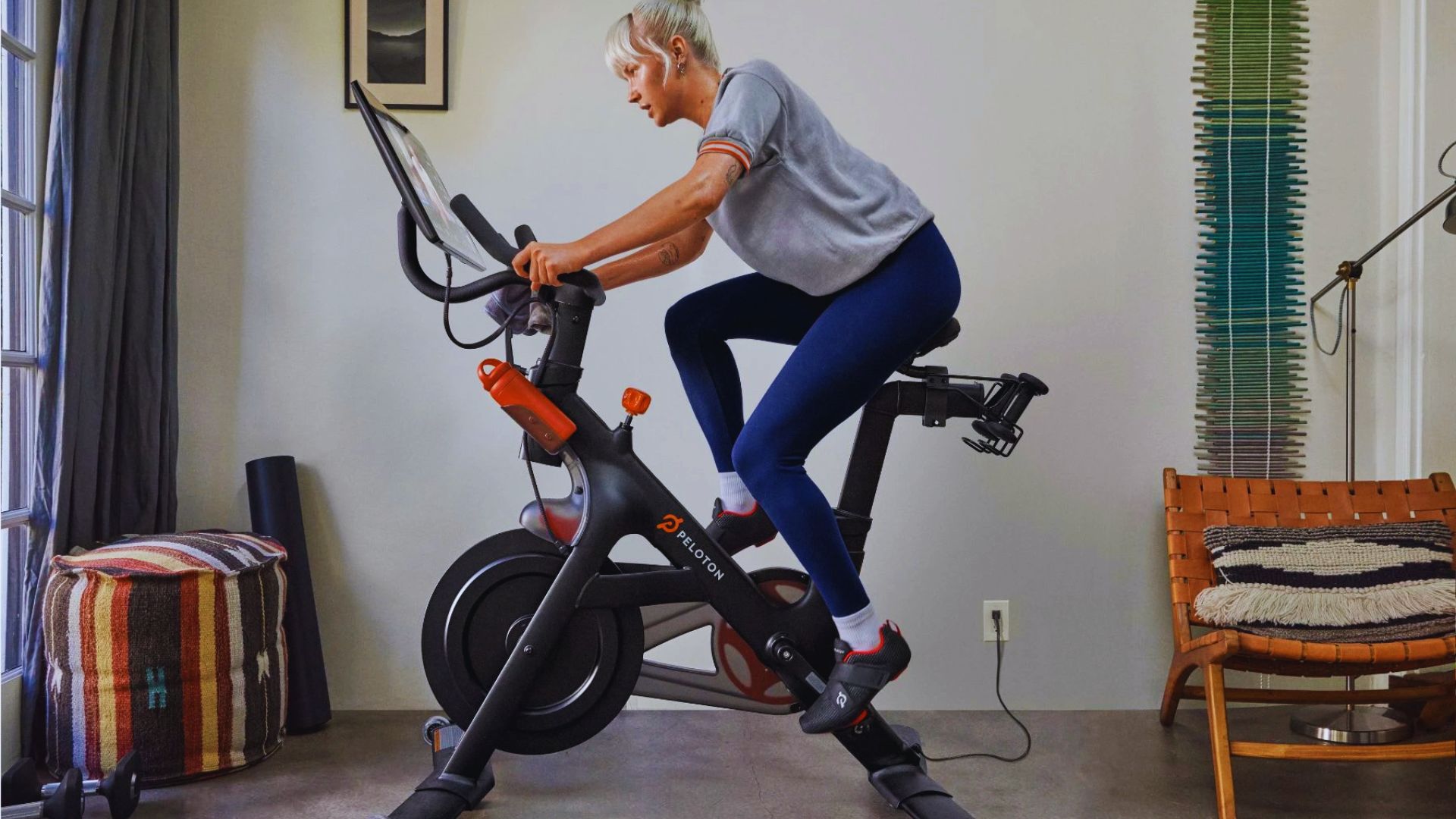
The peloton is lighter and easier to move around. It uses Delta clip-in pedals only, so you will need cycling shoes to ride it.
The design is clean and studio-style. It takes up less visual space and fits well in smaller rooms.
Pedals, Adjustability & Usability

Small details like pedal type can actually make a big difference in your daily experience.
NordicTrack Usability Advantage
NordicTrack wins on flexibility here. The hybrid pedals mean you can hop on in regular shoes and just ride.
No gear needed. The setup is also more beginner-friendly overall, which makes it easier to get going without a learning curve.
Peloton Usability Style
Peloton requires clip-in cycling shoes to ride. That is an extra cost upfront. But for serious riders, that locked-in feel gives a more performance-focused experience.
If you already own cycling shoes, this is not a problem at all.
Price, Subscription & Value Comparison
A quick look at cost and long-term value differences between NordicTrack and Peloton bikes.
| Factor | NordicTrack Bike | Peloton Bike |
|---|---|---|
|
Starting Price |
Higher upfront cost |
Lower entry price |
|
Subscription |
Optional |
Required for full use |
|
Without Subscription |
Manual mode still works |
Very limited functionality |
|
Long-Term Cost |
Better value over time |
Higher when subscription added |
|
Best Value For |
Feature-focused buyers |
Class-driven, subscription users |
Tips for Choosing Between NordicTrack and Peloton Bike
Simple tips to help you quickly decide which bike matches your fitness goals, budget, and training style.
- Go NordicTrack if you want terrain variety, auto resistance, and outdoor-feel rides
- Go Peloton if live classes and instructor energy are what keep you consistent
- Check the pedals, if you do not own cycling shoes yet, NordicTrack saves you that extra cost
- Think about subscription costs, Peloton’s full value depends on a monthly plan
- Consider your space, Peloton is lighter and easier to move; NordicTrack is heavier but more stable
Final Verdict
Honestly, both bikes are great but they are not built for the same person. I would pick NordicTrack if I want variety and a more outdoor-style feel.
I would go with Peloton if structured classes and instructor energy are what keep me on the bike.
Think about how you actually train. That one question will point you to the right answer faster than any spec comparison.
If this helped you decide, drop a comment below and let me know which one you are leaning toward.
Frequently Asked Questions
Is NordicTrack better than Peloton for beginners?
Yes. NordicTrack works with regular shoes and has more flexible riding modes, making it easier to start without needing extra gear.
Do I need a subscription for NordicTrack?
No. NordicTrack works in manual mode without an iFIT subscription, though you will miss out on guided classes.
Can you use Peloton without a subscription?
You can ride it, but most features and classes are locked behind the monthly plan. The experience is very limited without it.
Which bike has better technology?
NordicTrack has more hardware features like a rotating screen, built-in fan, and Google Maps. Peloton focuses on a clean class-based UI with live leaderboards.
Which bike is better for weight loss?
Both work well. NordicTrack’s incline settings can increase calorie burn, while Peloton’s classes push you harder through instructor motivation. Consistency is what matters most.


