

I have spent years watching people skip leg day simply because they did not know where to start. That changes today.
This article covers 19 machine leg exercises names you need to know. You will learn what each machine does, which muscles it works, and how to use it safely.
Machines are great for beginners and pros alike. They guide your movement and reduce injury risk.
By the end, you will have a full leg workout plan ready to go. No guesswork. No confusion. Just results
What Are Machine Leg Exercises?
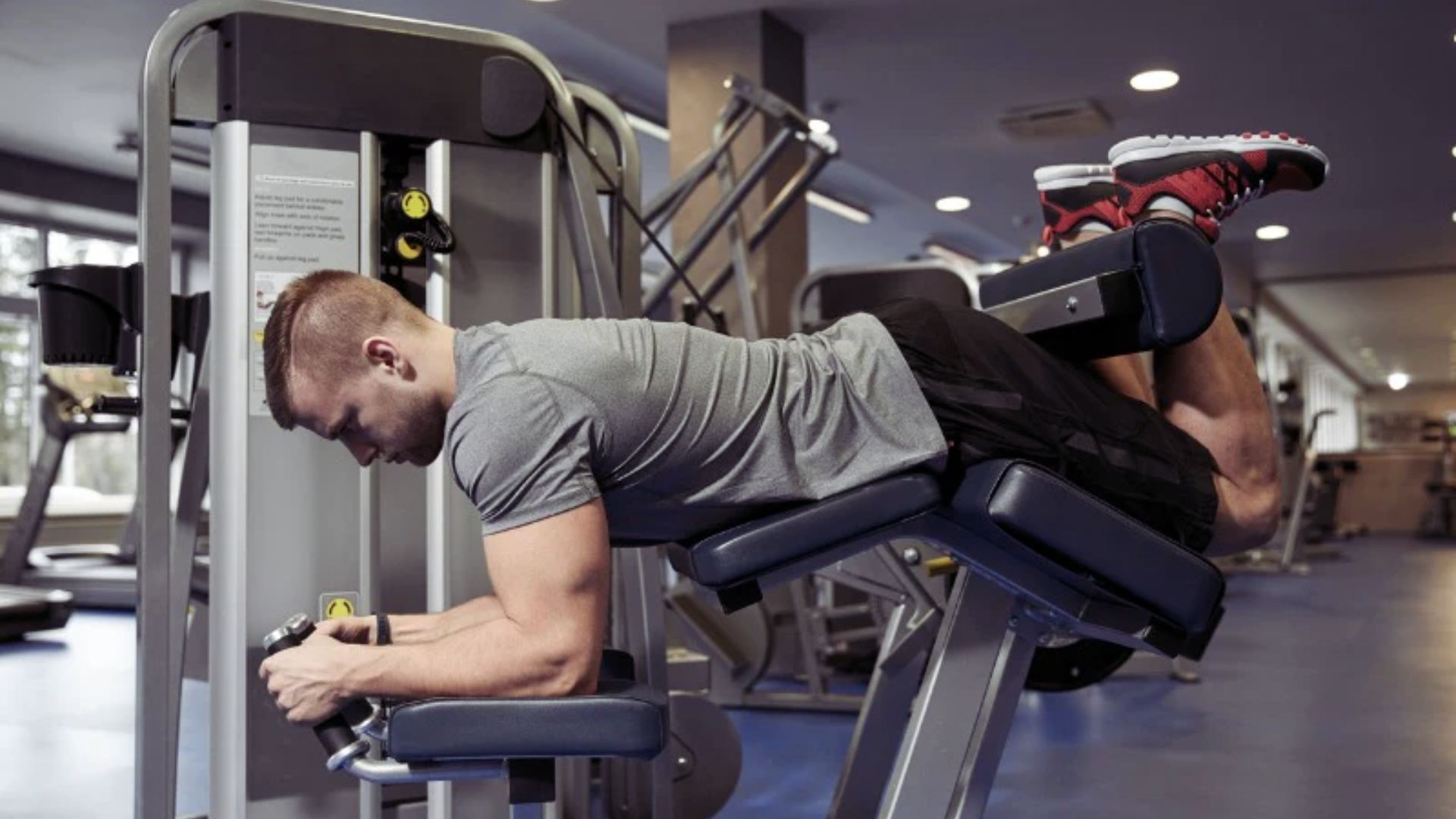
Machine leg exercises are movements done on gym equipment built for the lower body.
Each machine targets specific muscles like quads, hamstrings, glutes, or calves while keeping your form in check.
Unlike free weights, machines remove the balance challenge so you can focus fully on the muscle you are training. You can add weight gradually and track progress with ease.
They work for nearly everyone, from beginners learning basic movement patterns to advanced athletes adding volume, people recovering from injuries, and intermediate lifters chasing better muscle definition.
19 Machine Leg Exercises Names (With Muscles Worked and Benefits)
All 19 exercises are broken down by machine type, target muscle, and key benefit.
1. Leg Press Machine
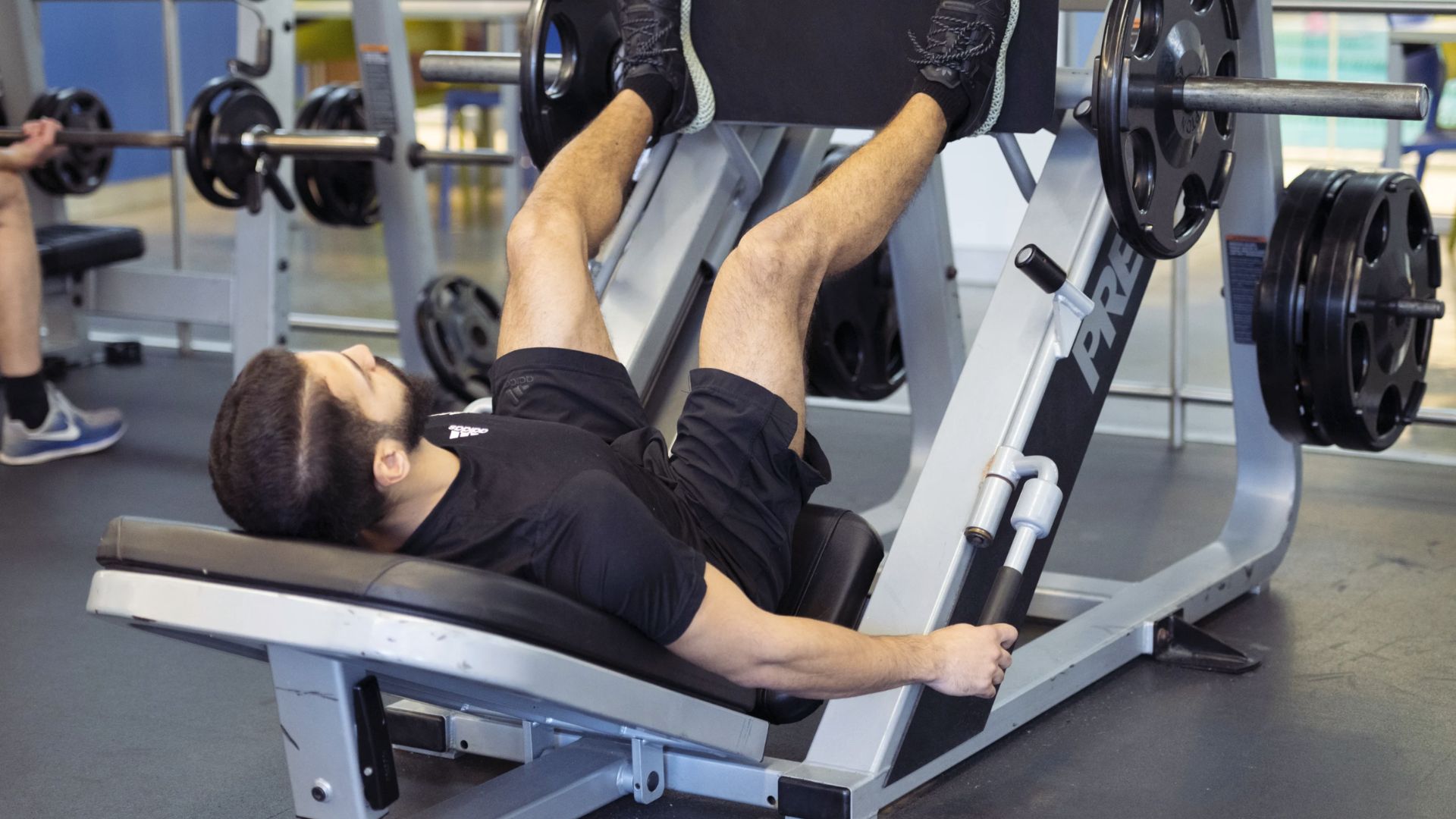
This machine works your quads, hamstrings, and glutes all at once. You push a weighted platform away using both legs in a safe, guided motion.
2. Incline Leg Press
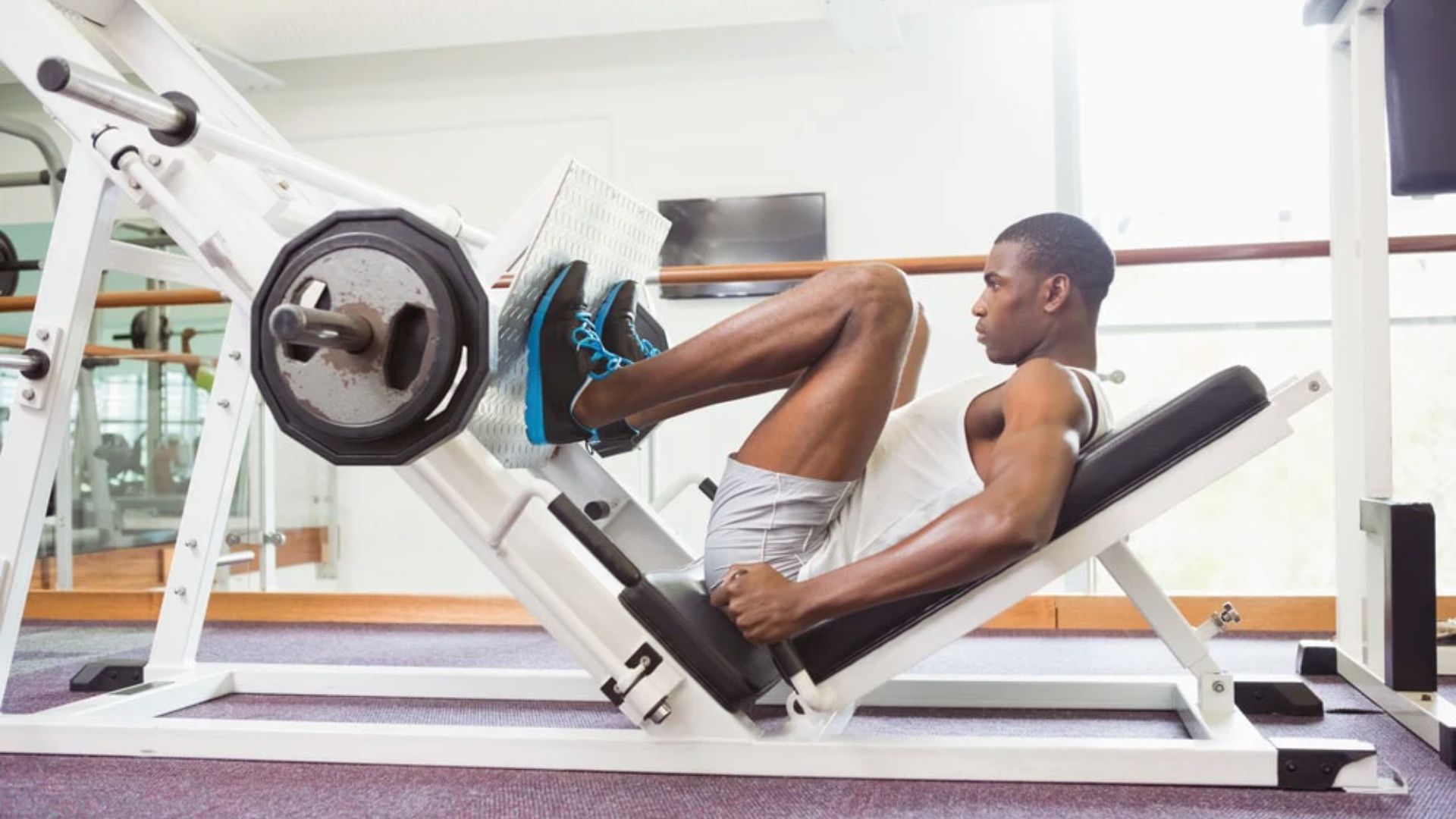
The steeper seat angle shifts more work onto your glutes and hamstrings. A great option if you want stronger glutes without stressing your lower back.
3. Single-Leg Press
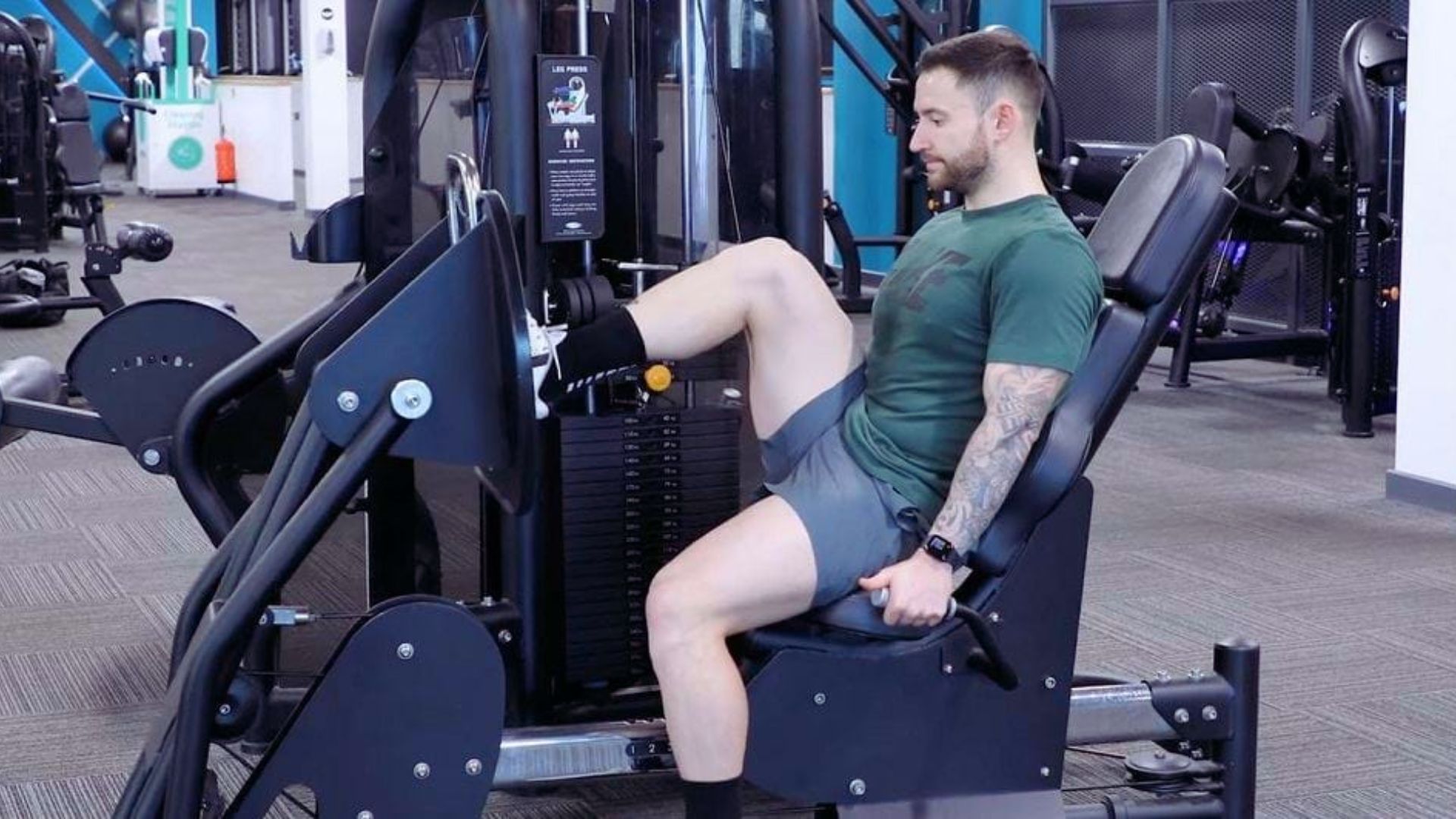
Training one leg at a time helps fix muscle imbalances between both sides. It targets the quads, glutes, and hamstrings on each side independently.
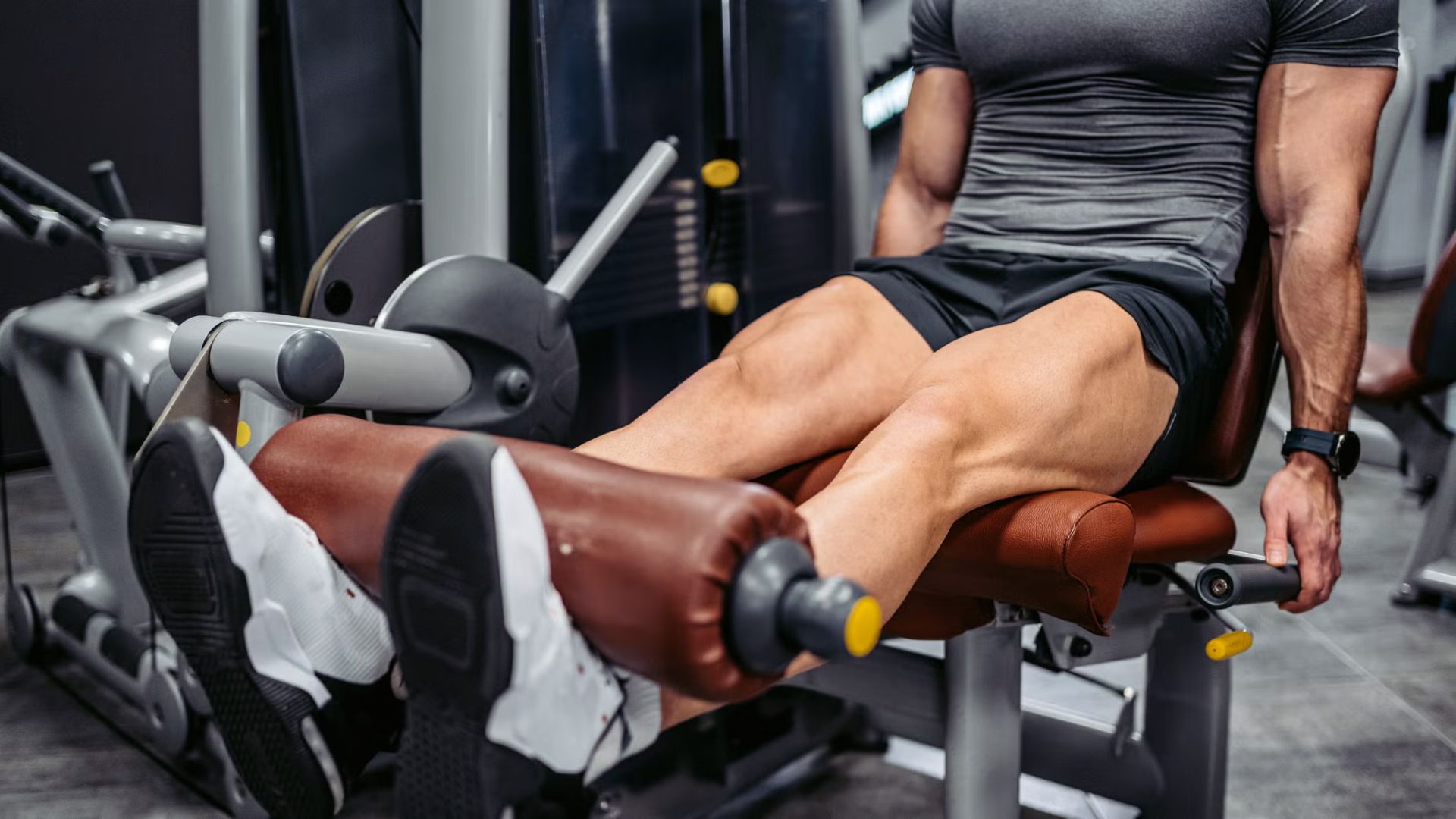
4. Leg Extension Machine
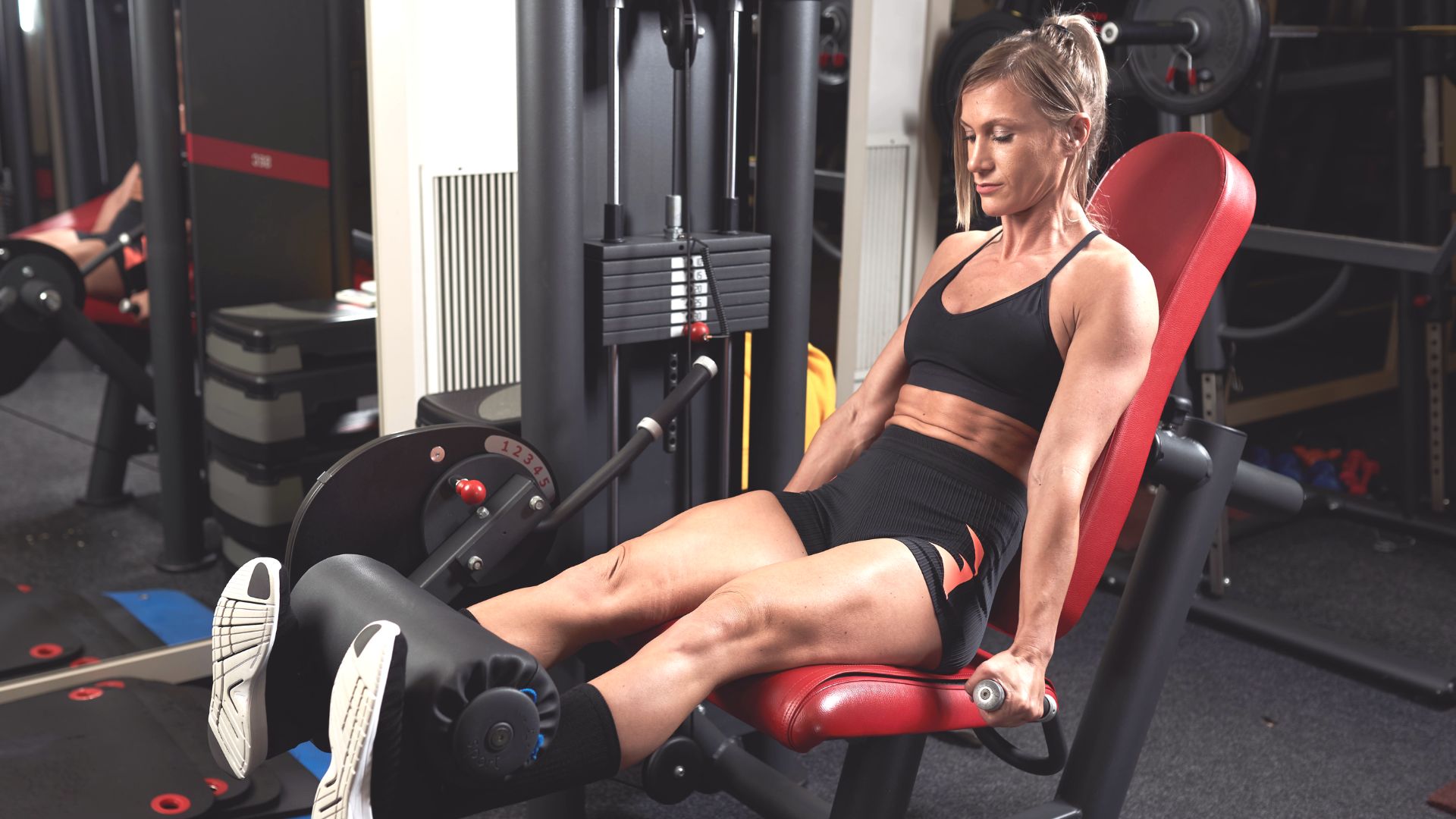
This machine isolates the quads directly by extending your legs against resistance. It is simple, effective, and safe when you use the right weight.
5. Hack Squat Machine

The hack squat builds quad and glute strength with your back fully supported. It is a great choice for anyone who struggles with standard free squat form.
6. Smith Machine Squat
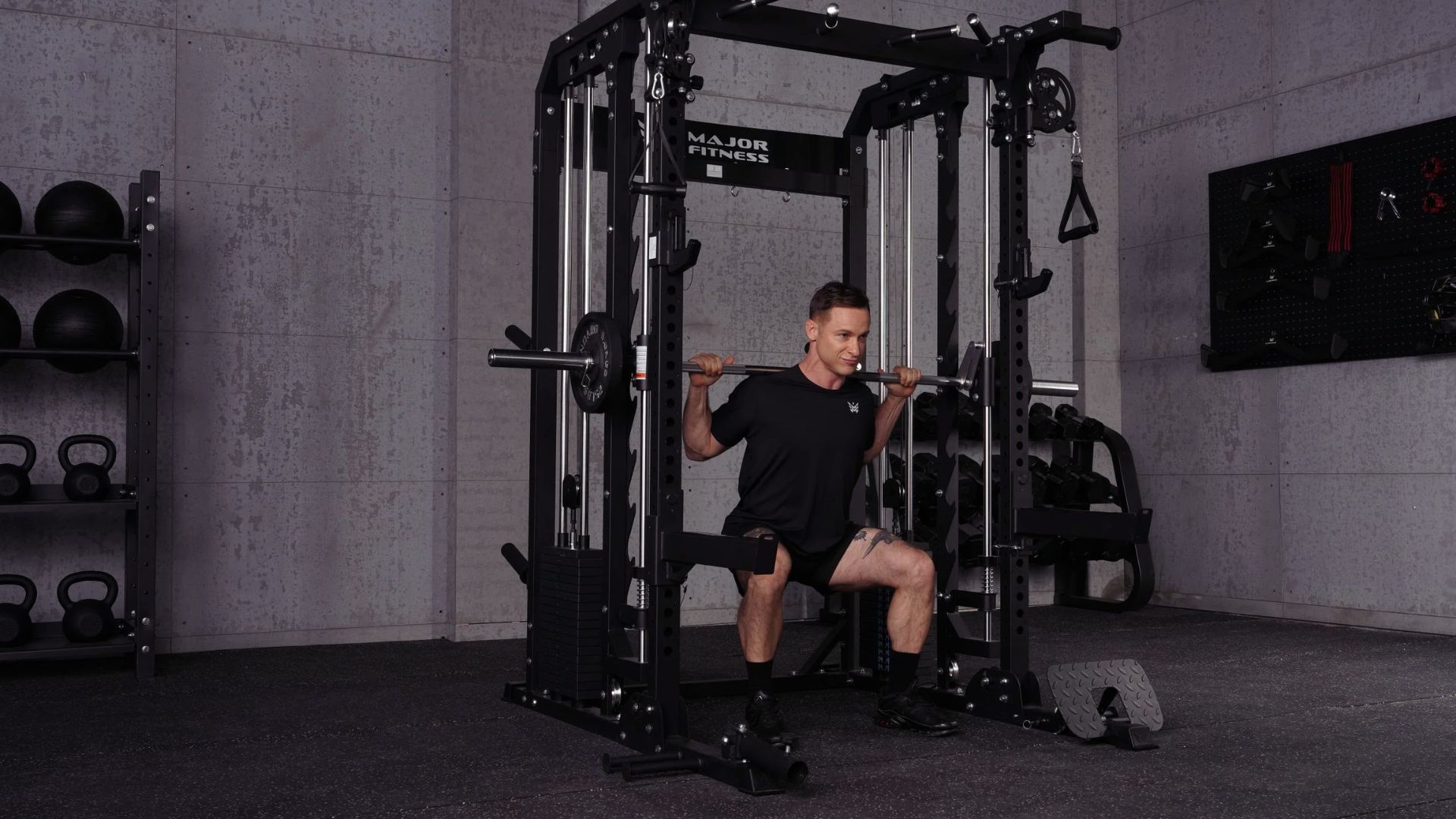
The bar travels on a fixed track, making your movement controlled and steady. It is ideal for learning squat mechanics or lifting solo without a spotter.
7. Seated Leg Curl Machine
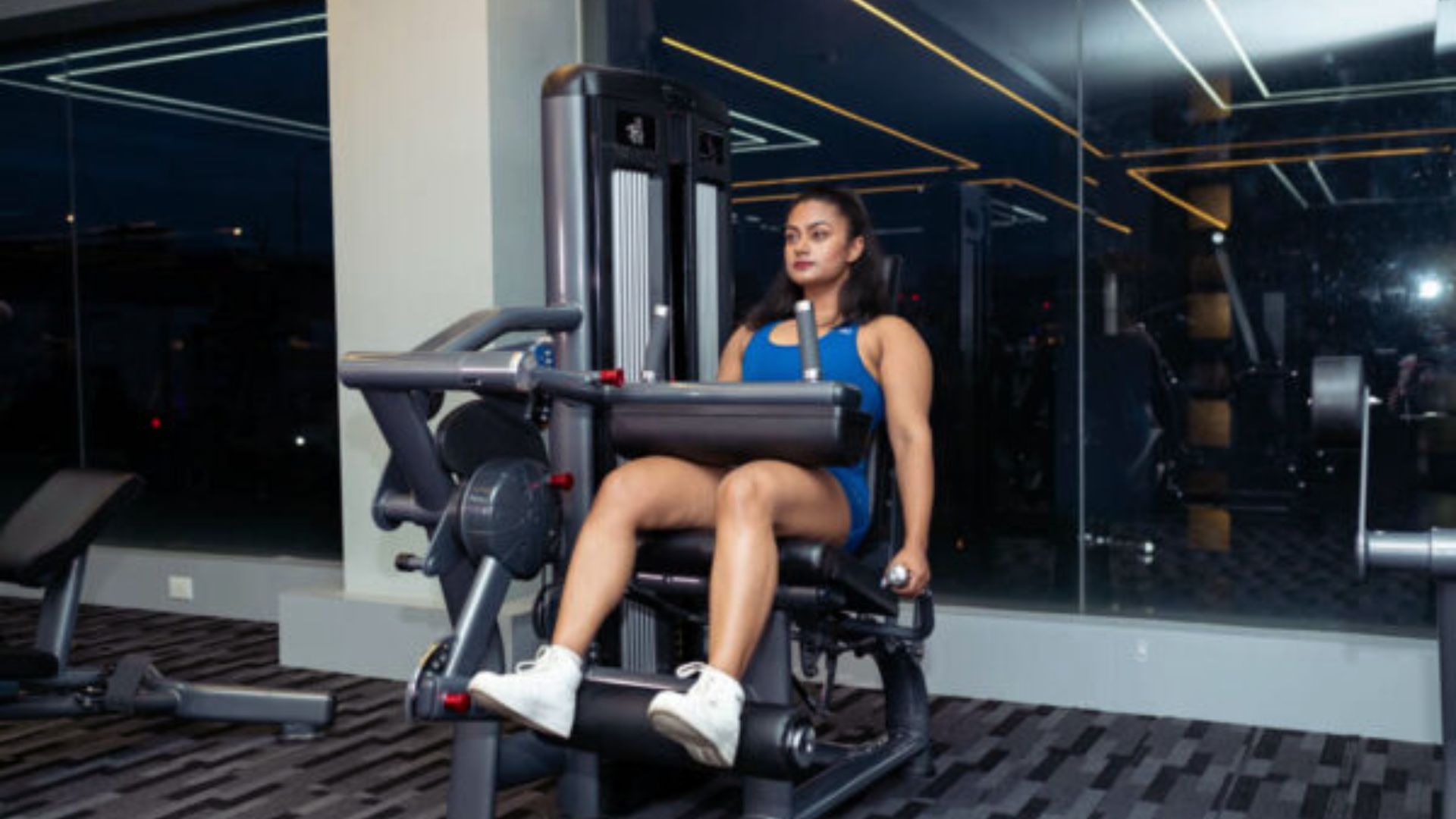
You sit and curl your legs back against resistance to isolate the hamstrings. The seated position keeps constant tension on the muscle through the full range.
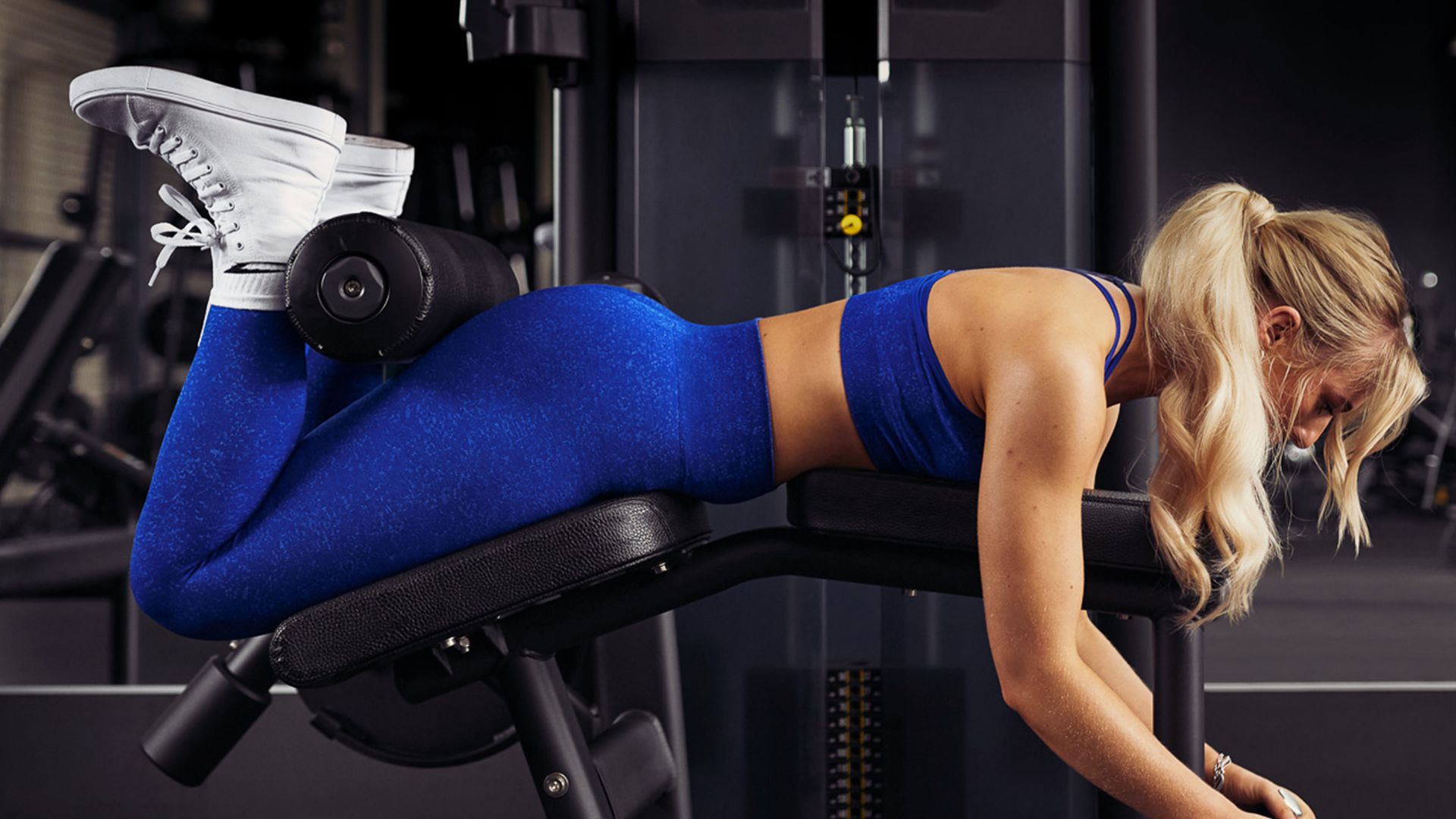
8. Lying Leg Curl Machine
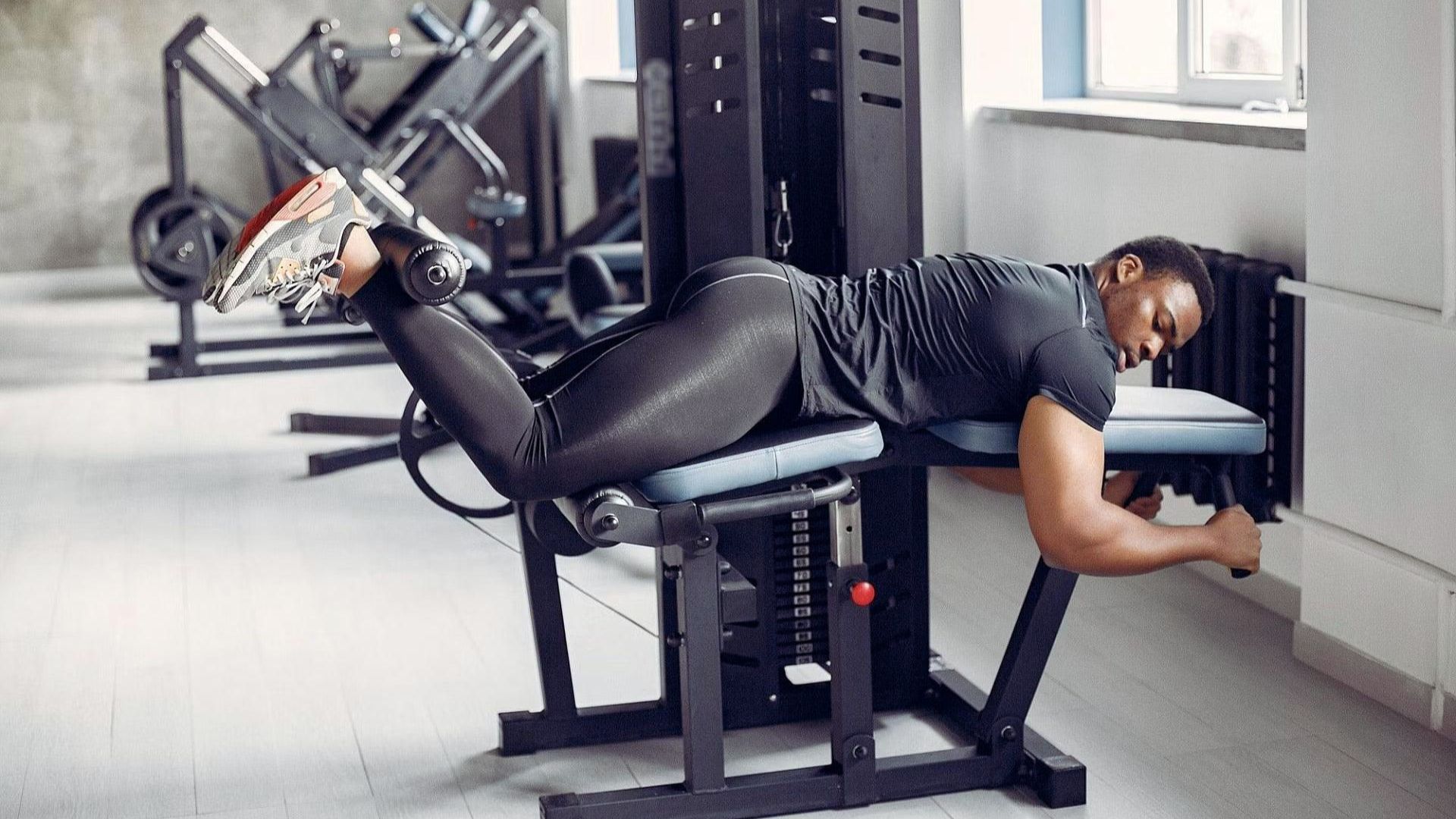
You lie face down and curl both legs upward against resistance. This is one of the most effective moves for the hamstrings and posterior chain.
9. Standing Leg Curl Machine
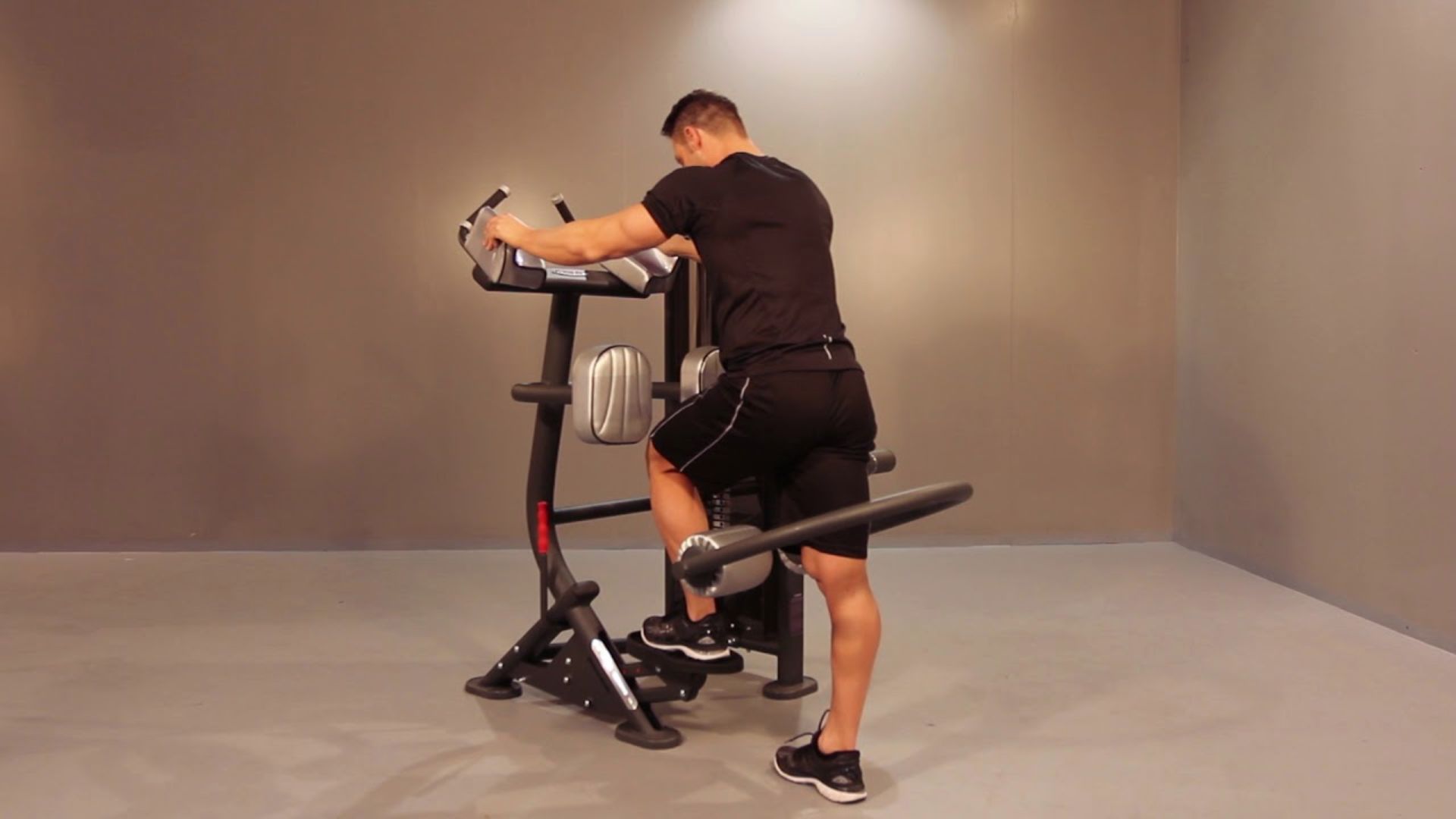
This single-leg version engages the hamstrings while also activating your core and glutes. It is great for correcting strength differences between your left and right leg.
10. Hip Thrust Machine
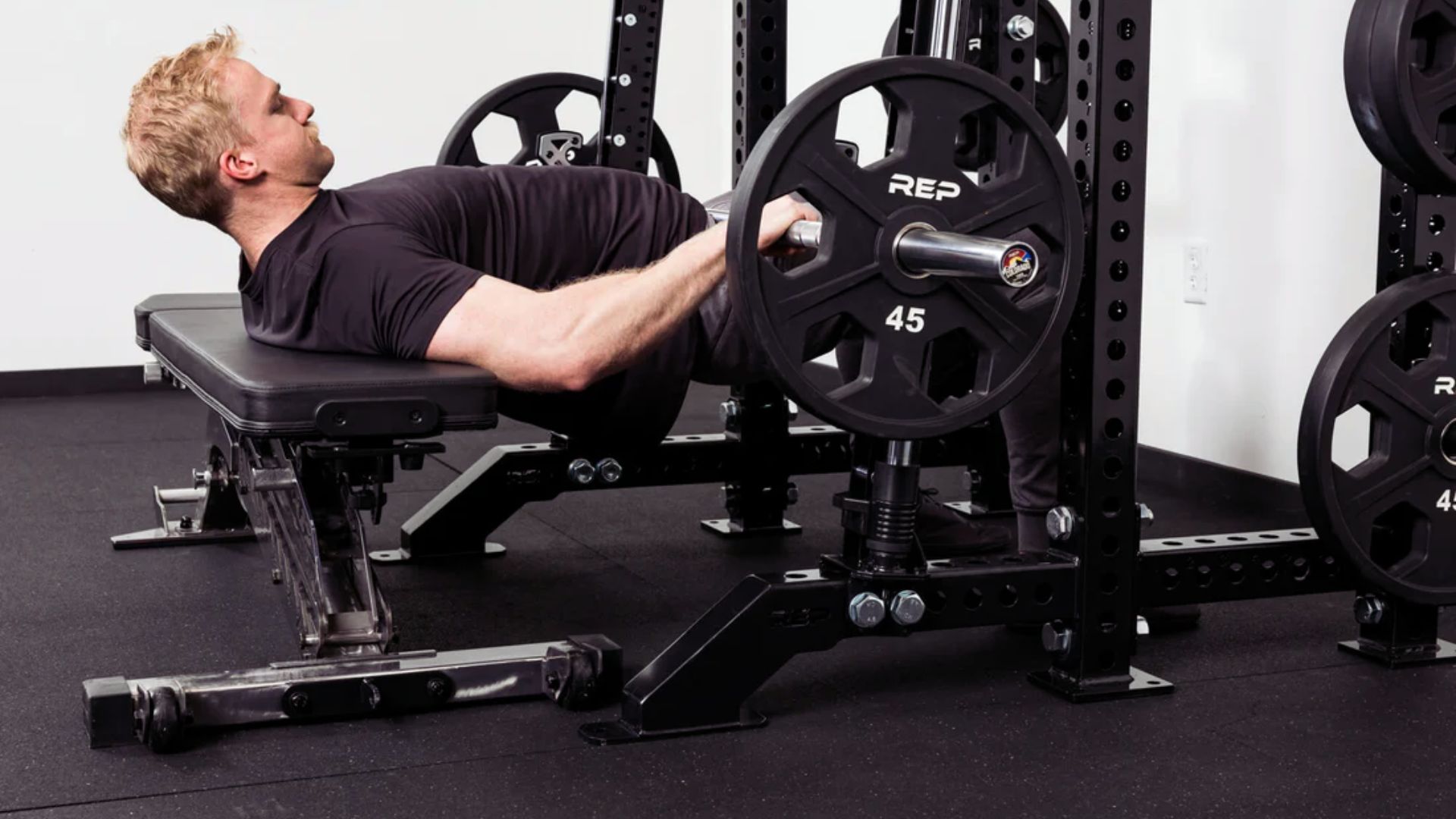
This machine drives your hips forward against resistance to directly activate the glutes. It is one of the most effective exercises for building glute size and strength.
11. Cable Glute Kickbacks
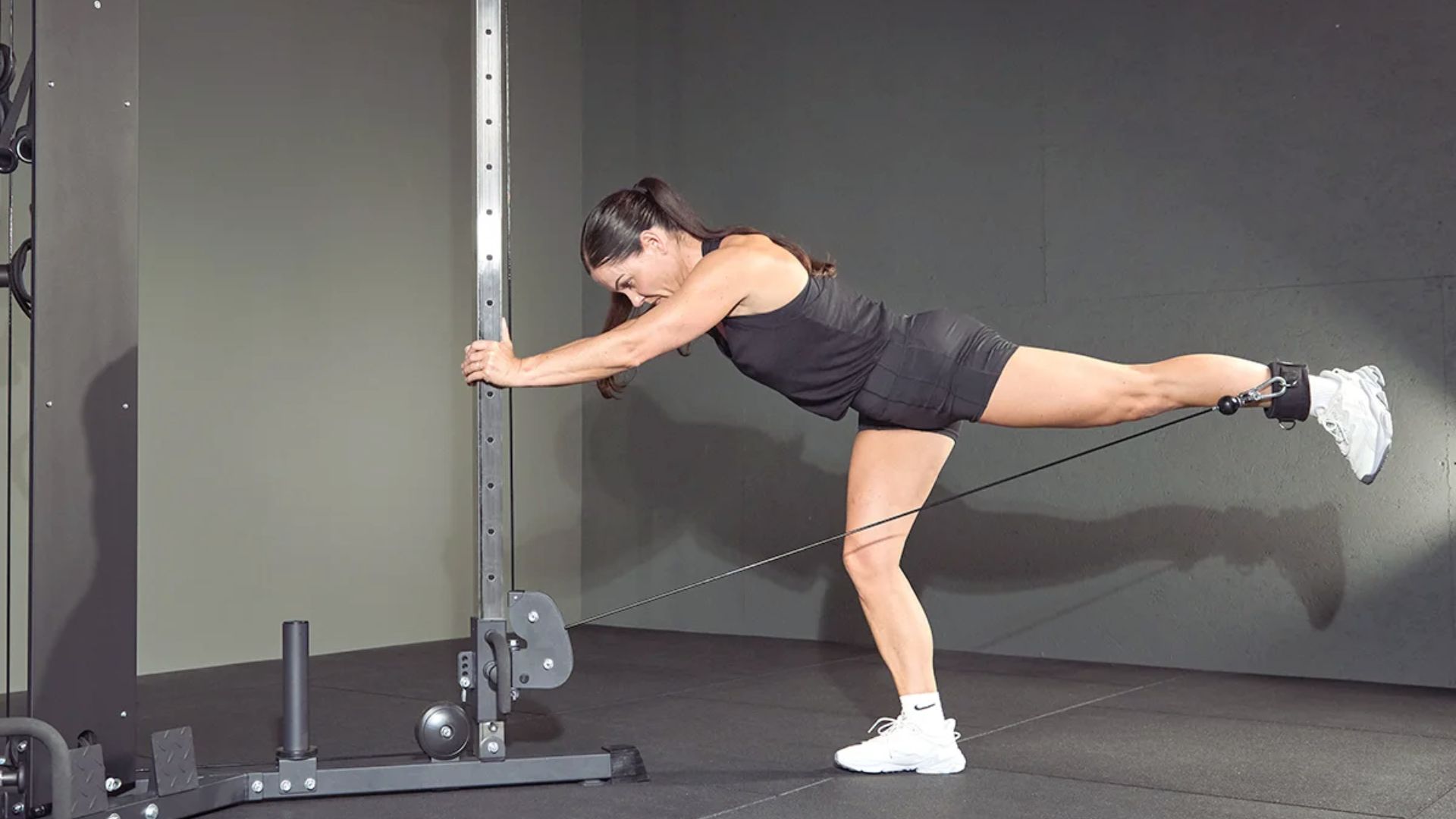
You attach a cable to your ankle and kick your leg back in a controlled motion. This isolates the glute and keeps tension on it at the top of each rep.
12. Cable Pull-Throughs
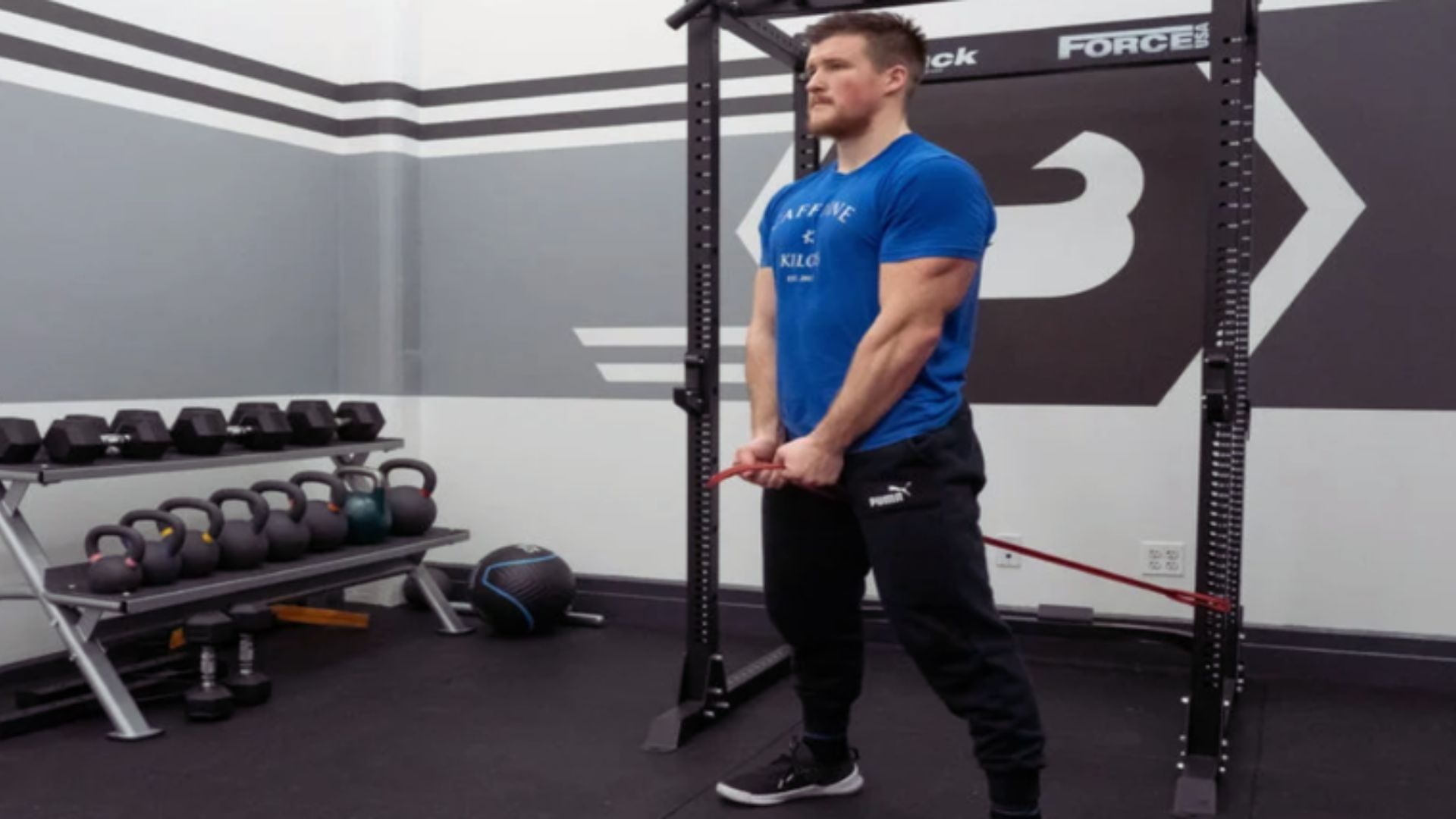
You face away from the cable and hinge at the hips to pull it through your legs. It mimics a deadlift pattern and is much more beginner-friendly to learn.
13.Standing Calf Raise Machine
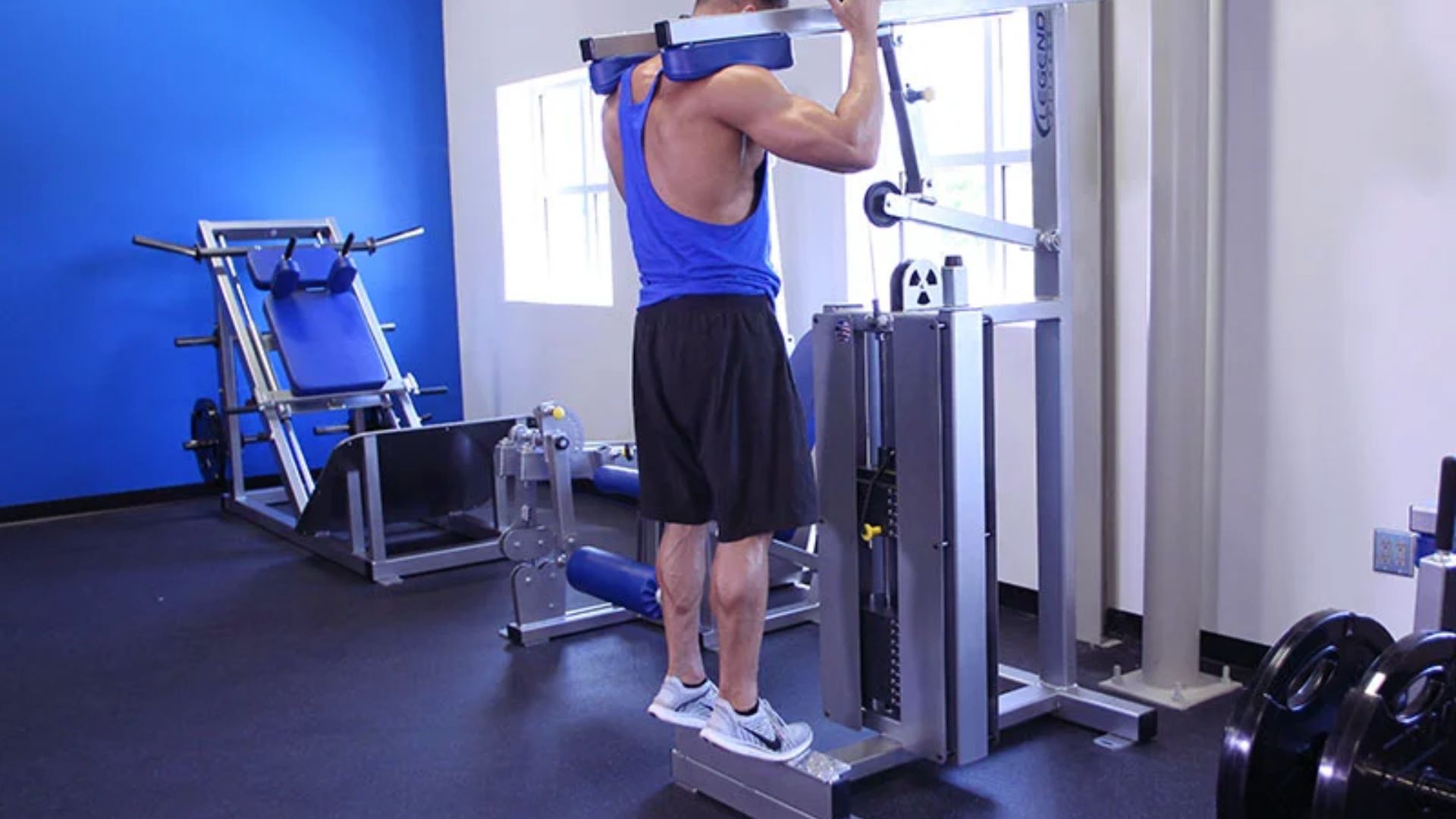
Your shoulders rest under pads as you rise onto your toes to build calf size. The gastrocnemius, the larger outer calf muscle, is the main target here.
14. Seated Calf Raise Machine
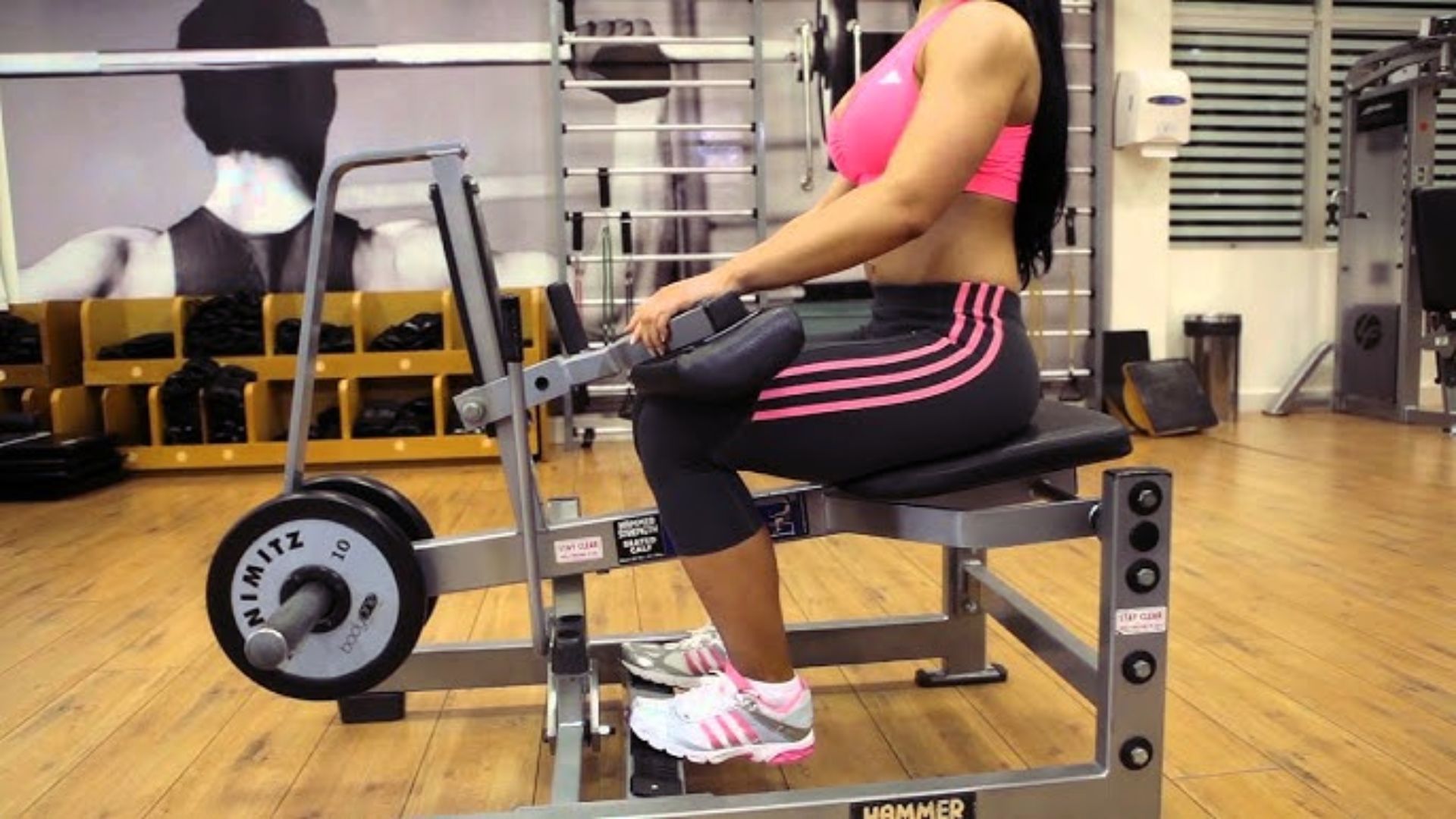
Sitting shifts the work to the soleus, the deeper muscle beneath the gastrocnemius. You need both seated and standing versions for complete calf development.
15. Leg Press Calf Raises

At the end of a leg press rep, you push through your toes to work the calves. It is a convenient way to add calf training without moving to a separate machine.
16. Hip Abductor Machine
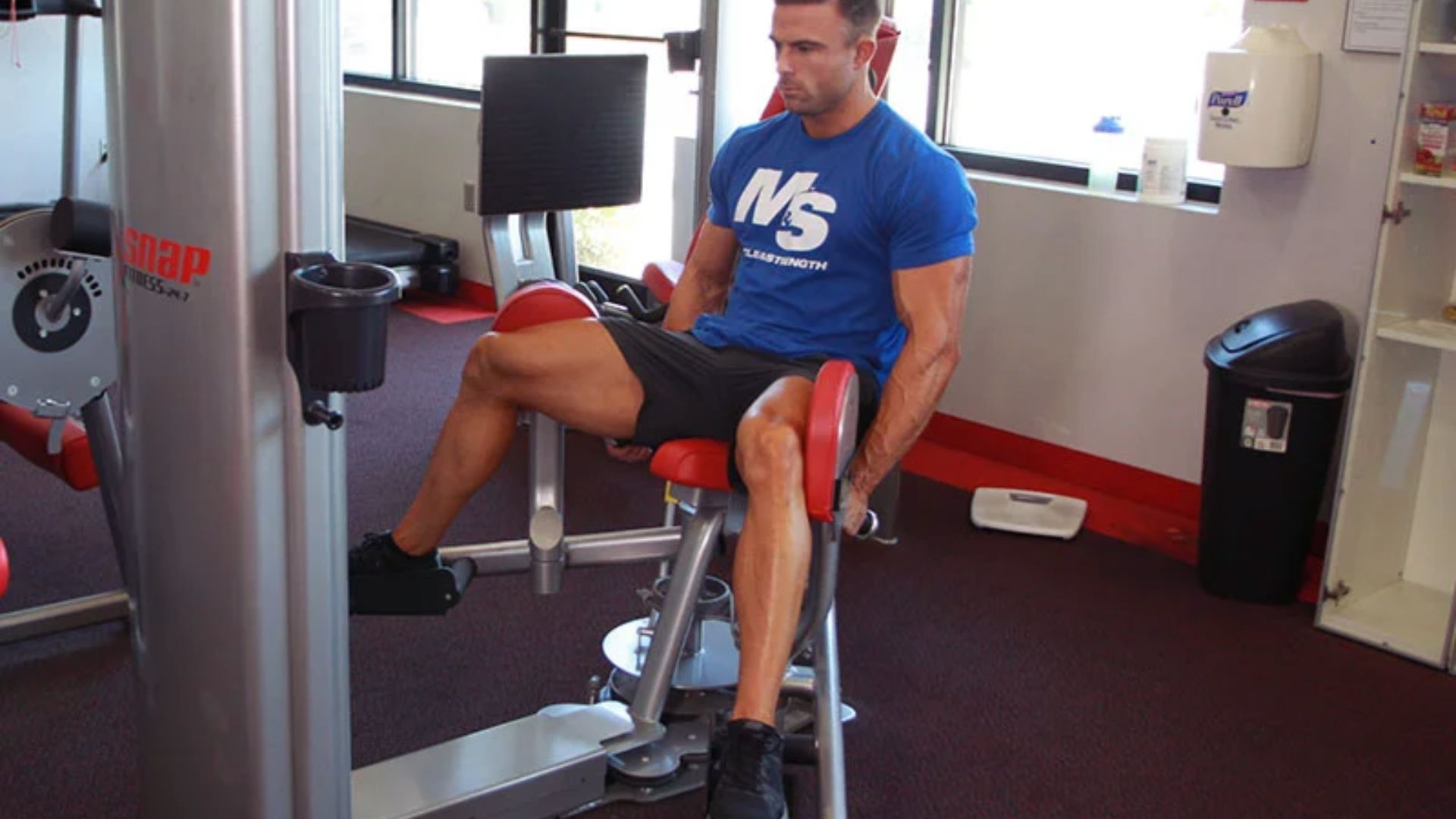
You push your legs outward against resistance to target the outer thighs and hips. Strong abductors also protect your knees during squats and lunges.
17. Hip Adductor Machine
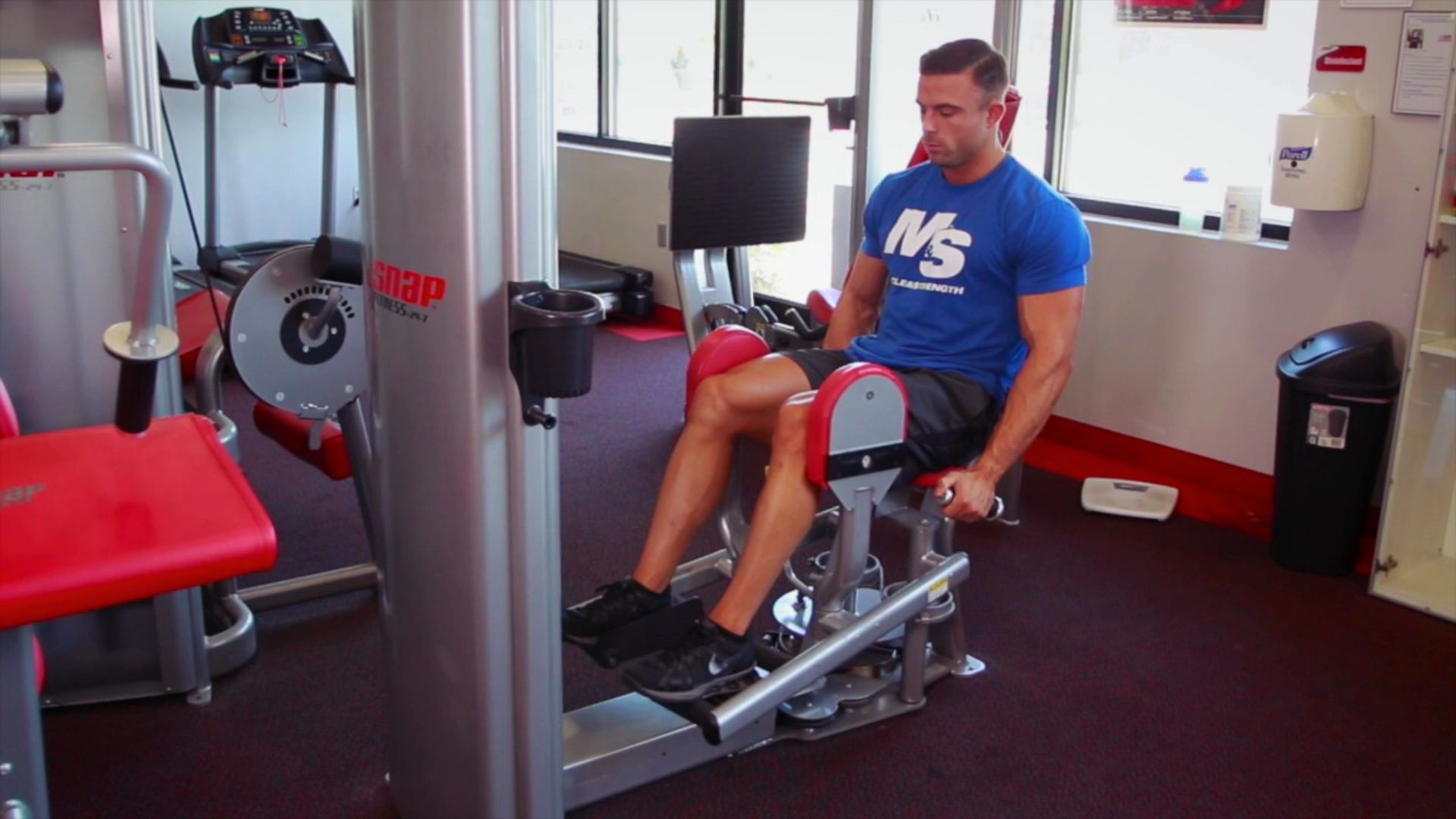
You squeeze your legs inward against resistance to work the inner thighs. This muscle is often skipped but plays a big role in hip stability and balance.
18. Cable Squats
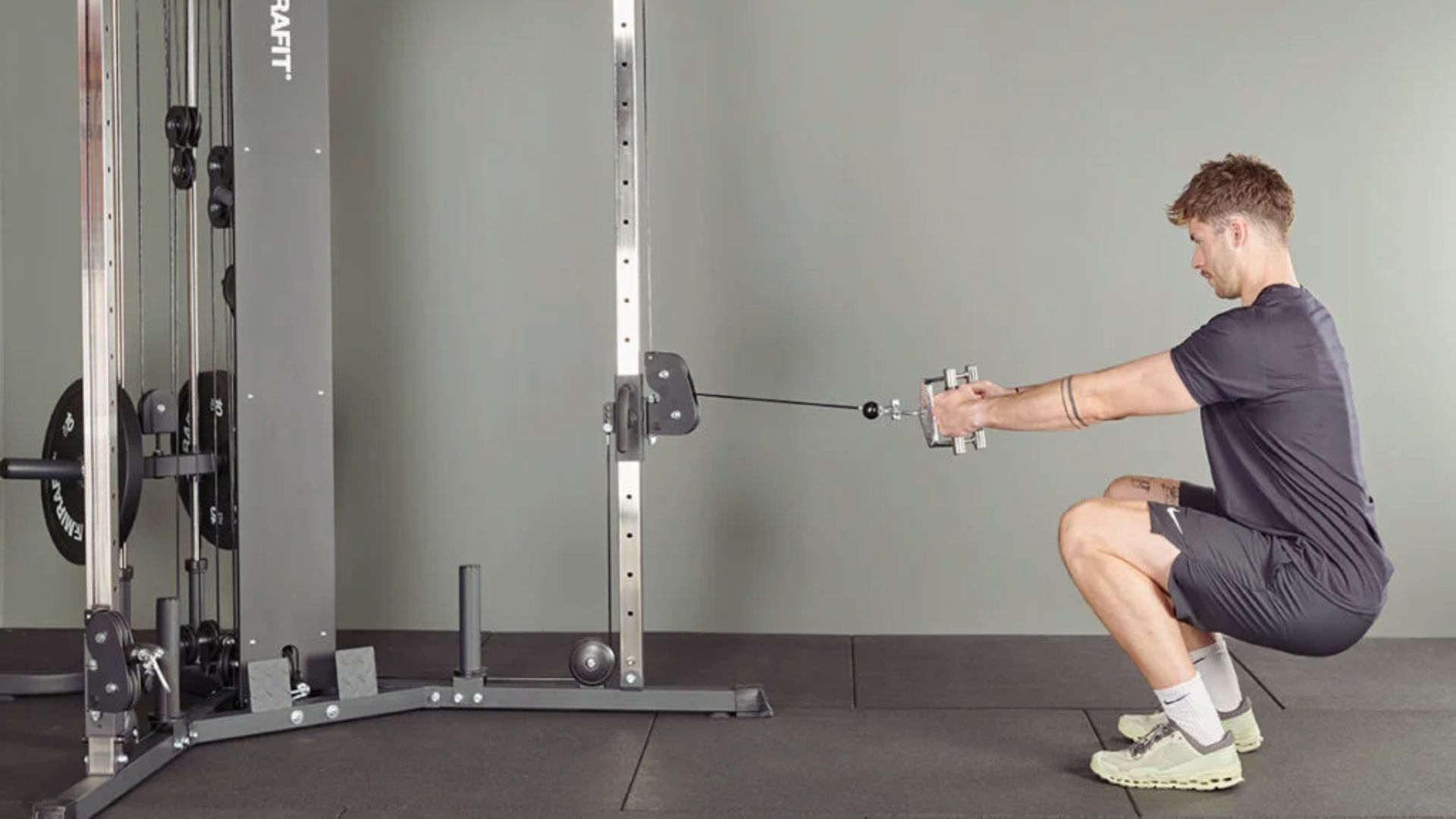
You hold a cable attachment and squat down against the pull of the cable. This works the full lower body while also challenging your stability and posture.
19. Cable Lunges
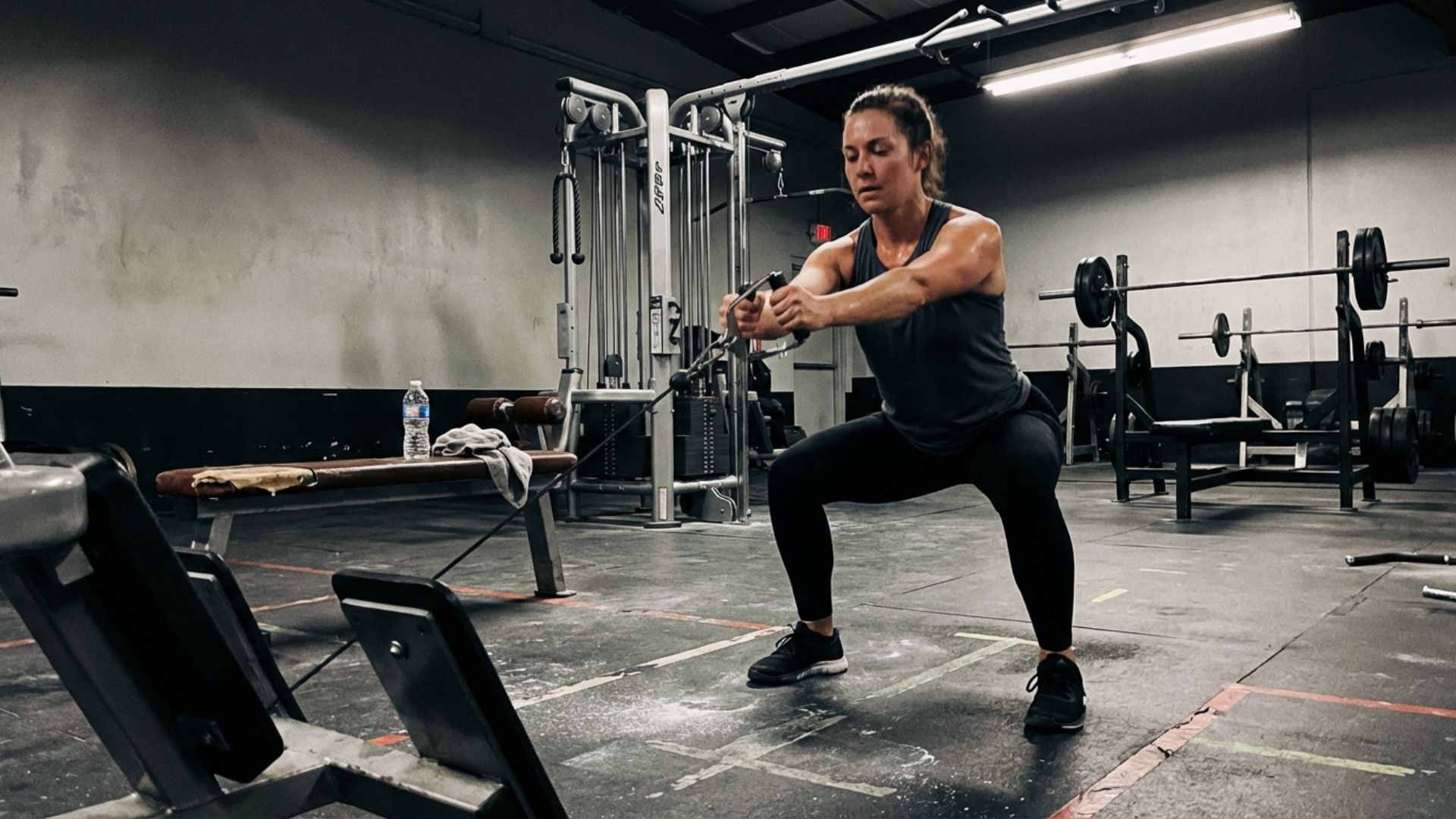
A cable attached to your ankle adds resistance as you lunge forward. This builds single-leg strength, balance, and coordination at the same time.
Benefits of Fitness Gym Machine Leg Exercises

Why machine-based leg training is worth adding to your weekly routine.
Targeted Muscle Isolation
Machines let you zero in on one muscle at a time. If your quads are lagging, you can hit them directly with the leg extension. No other muscle group steals the work.
Safer for Beginners
Free weights require balance, coordination, and good technique. Machines provide a guided path. That makes them much safer when you are just starting out.
Better Control and Stability
The machine controls your range of motion. You stay in the correct position automatically. That reduces the risk of injury from poor form.
Supports Strength and Muscle Growth
Consistent machine training builds real muscle. Studies show isolation exercises on machines are effective for hypertrophy. Combined with a solid diet, results come faster than most people expect.
How to Choose the Right Machine Leg Exercises
Match your exercise selection to your goals, experience, and body needs.
Based on Fitness Goals (Muscle Gain vs Fat Loss)
For muscle gain, use heavier weights and fewer reps (8 to 12). For fat loss, use lighter weights with more reps and shorter rest periods. Both approaches use the same machines.
Based on Experience Level
Beginners should stick to two or three machines per session. As you progress, you can add more variety. Advanced lifters can run through five or six machines in one workout.
Based on Mobility or Injury Needs
If you have knee pain, avoid the leg extension machine or use a very light load. If your hips are tight, the hip thrust machine and cable pull-throughs can actually help.
Always talk to a professional if you are working around an injury.
Common Mistakes in Machine Leg Exercises
Small errors that cost big results and how to fix them.
Using Too Much Weight
More weight does not mean more results. Heavy loads with poor form lead to injury. Start with a weight you can control for all your reps.
Poor Form and Machine Setup
Every machine has adjustable pads and seats. Set them to fit your body before you start. A wrong setup puts stress on your joints instead of your muscles.
Locking Knees
Never lock your knees out at the top of a leg press or extension. Locking creates joint stress that adds up over time. Keep a soft bend at the end of each rep.
Skipping Full Range of Motion
Short reps build partial strength. Full range of motion builds complete muscle development. Lower the weight if you cannot complete the full movement.
Tips to Maximize Results from Machine Leg Exercises
Simple habits that make your leg training more effective over time.
- Move slowly, two seconds up and two seconds down for better muscle tension
- Always adjust the seat and pad before starting any machine exercise
- Train legs at least once or twice every week without skipping
- Consistency over time matters more than how hard you train one session
- Mix in barbell squats or dumbbell lunges alongside your machine work
Conclusion
These machine leg exercises names cover everything your legs need; quads, hamstrings, glutes, and calves.
I started using machines years ago when I was too nervous for free weights, and they completely changed how my legs looked and felt.
You do not need a complicated plan. Pick three or four exercises, stay consistent, and improve your weight over time.
Start with the beginner routine, master the basics, and build from there.
If this helped you, drop a comment below and share this post with a gym friend who skips leg day. They need this.
Frequently Asked Questions
Are Machine Leg Exercises Effective for Muscle Growth?
Yes. Machine exercises create enough tension and resistance to stimulate muscle growth. When combined with good nutrition and consistent training, they produce strong results.
How Often Should You Train Legs on Machines?
Two times per week is the sweet spot for most people. This gives your muscles enough stimulus and enough time to recover before the next session.
Are These Exercises Good for Beginners?
Absolutely. Machines are actually ideal for beginners because they guide your movement. You learn how each muscle feels without worrying about balance or complex technique.
Can Machine Exercises Replace Squats?
Machines can cover most of what squats do, but they are not a complete replacement. Free weight squats build more full-body coordination and core strength. Use both for best results.
Which Machine Is Best for Growing Glutes?
The hip thrust machine is the top choice for glute growth. Cable glute kickbacks and the incline leg press also add significant glute activation when used with proper form.


